Stoneforge
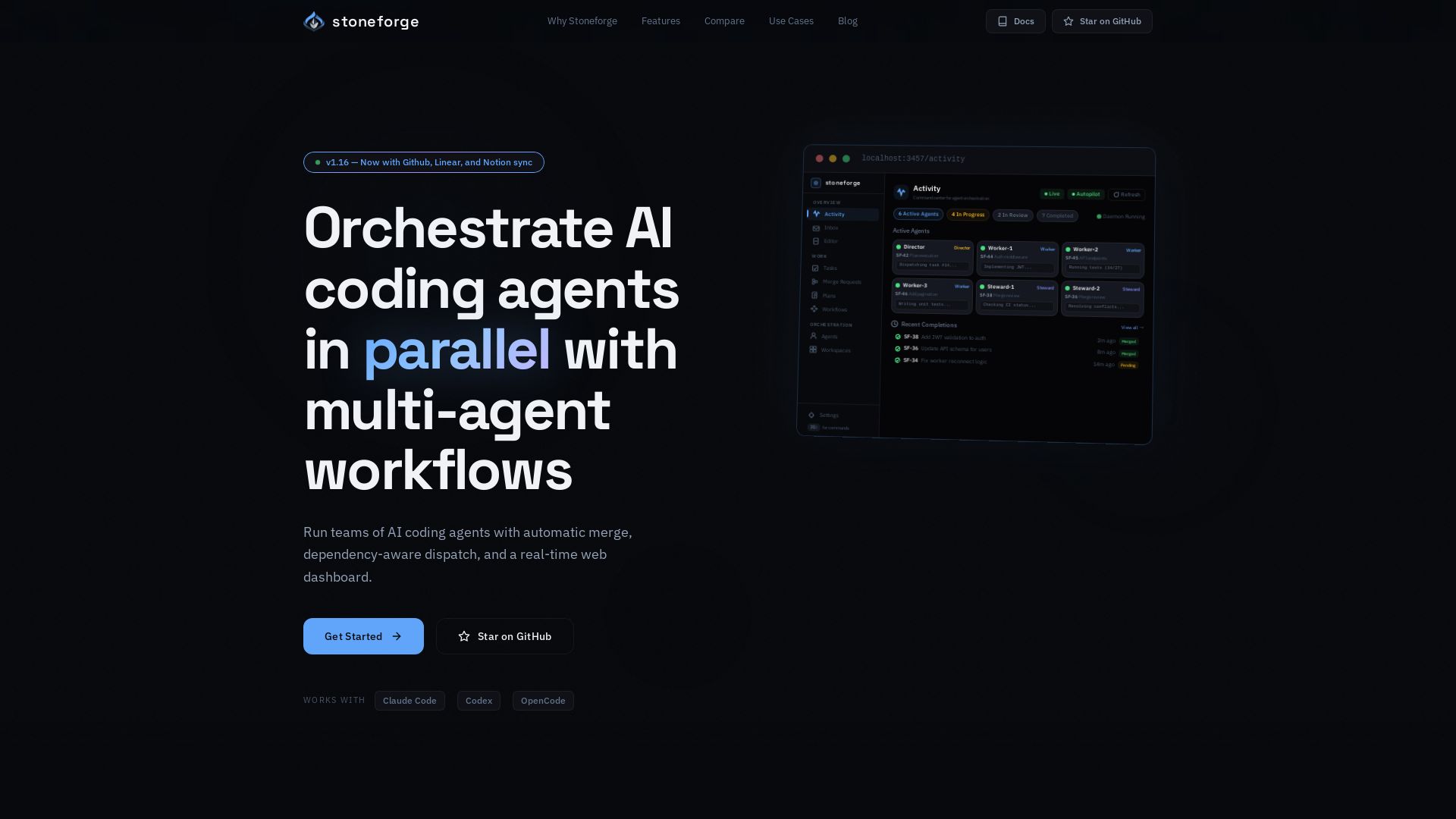
Open-source platform to run teams of AI coding agents with auto-merge, dependency dispatch, and real-time dashboard. No merge conflicts, no duplicated work.
Editor's Verdict
Key Takeaways
- Automatic Merge Review
- Dependency-aware Task Dispatch
- Real-time Dashboard
- Git Worktree Isolation
In-Depth Review: What is Stoneforge?
Stoneforge is an open-source multi-agent orchestration platform that lets you run teams of AI coding agents in parallel. It automatically handles task dispatch, branch isolation, and merge review, eliminating merge conflicts and duplicated work. With a real-time web dashboard, you can monitor every agent's progress, manage tasks, and communicate via persistent channels. Supports Claude Code, OpenCode, and Codex.
Core Features
Automatic Merge Review
Steward runs tests, squash-merges on pass, and creates fix tasks on failure, automating the merge process.
Dependency-aware Task Dispatch
The dispatch daemon tracks priorities and dependencies, auto-assigning ready tasks to idle workers to avoid duplicated work.
Real-time Dashboard
See live agent output, task progress on a kanban board, merge status, and performance metrics in one web dashboard.
Git Worktree Isolation
Each agent operates in its own isolated git worktree, preventing merge conflicts and file collisions.
Multi-Provider Support
Works with Claude Code, OpenCode, and OpenAI Codex, avoiding vendor lock-in.
Persistent Communication Channels
Channels, threads, and inbox triage enable agents to share context and escalate blockers.
Evergreen Documentation
Versioned document libraries with full-text and semantic search provide up-to-date context for agents.
Structured Workflows
Playbook templates instantiate into resumable task sequences with durable state.
Pricing
Open Source
- All features: automatic merge review, dependency-aware dispatch, real-time dashboard, Git worktree isolation, multi-provider support, persistent channels, evergreen documentation, structured workflows, issue tracking, multi-plan support
Pros and Cons
Pros
- Eliminates Merge ConflictsEach agent works in its own isolated worktree, so edits never collide.
- Prevents Duplicated WorkThe dispatch daemon ensures tasks are assigned uniquely and dependencies are cleared before starting.
- Full VisibilityReal-time dashboard provides live output, kanban board, merge status, and metrics.
- Automates Merge and TestingSteward runs tests, squash-merges automatically, and creates fix tasks on failure.
- Works with Multiple AI ProvidersSupports Claude Code, OpenCode, and Codex, giving flexibility.
Cons
- Requires Git Workflow AdoptionTeams must already use git and be comfortable with worktrees.
- Learning Curve for SetupInitial CLI installation and workspace initialization may require developer familiarity.
Use Cases & Recommended Professions
Software Engineer→ View Toolkit
Orchestrate multiple AI coding agents to work on different features in parallel without merge conflicts.
DevOps Engineer→ View Toolkit
Automate CI/CD pipelines and merge reviews with the Steward agent.
AI/ML Engineer→ View Toolkit
Leverage multiple AI models for code generation and testing simultaneously.
Tech Lead→ View Toolkit
Oversee agent tasks, monitor progress via dashboard, and manage workflows.
Product Manager→ View Toolkit
Track issue priorities and dependencies on the kanban board.
Open Source Contributor→ View Toolkit
Coordinate contributions from multiple AI agents in a community project.
Frequently Asked Questions
Alternative AI Tools
View Detailed Comparison →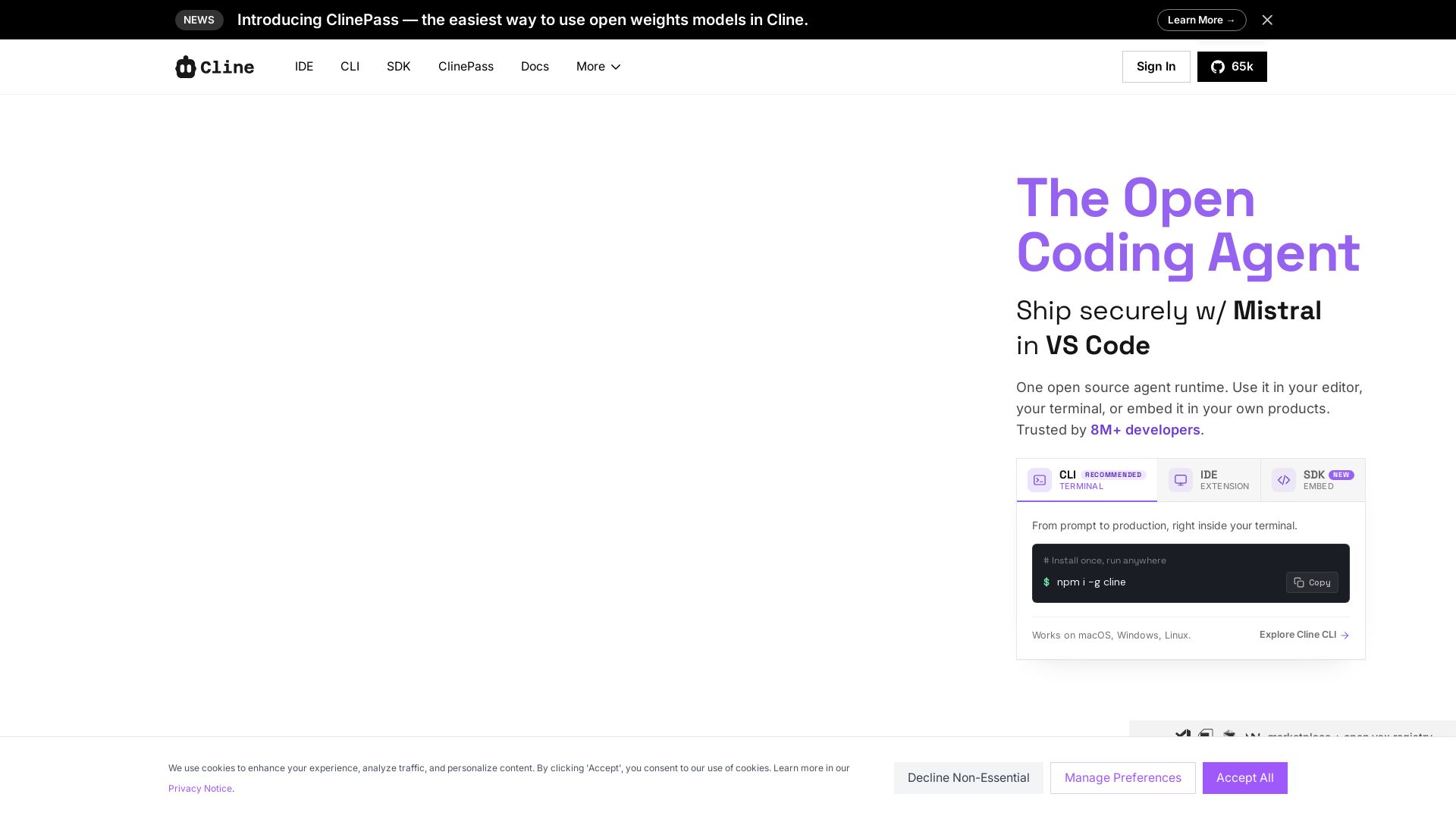
Cline
Cline is the open source AI coding agent that helps you ship secure code with Claude in VS Code, terminal, and more. Plan, act, and automate across your workflow.

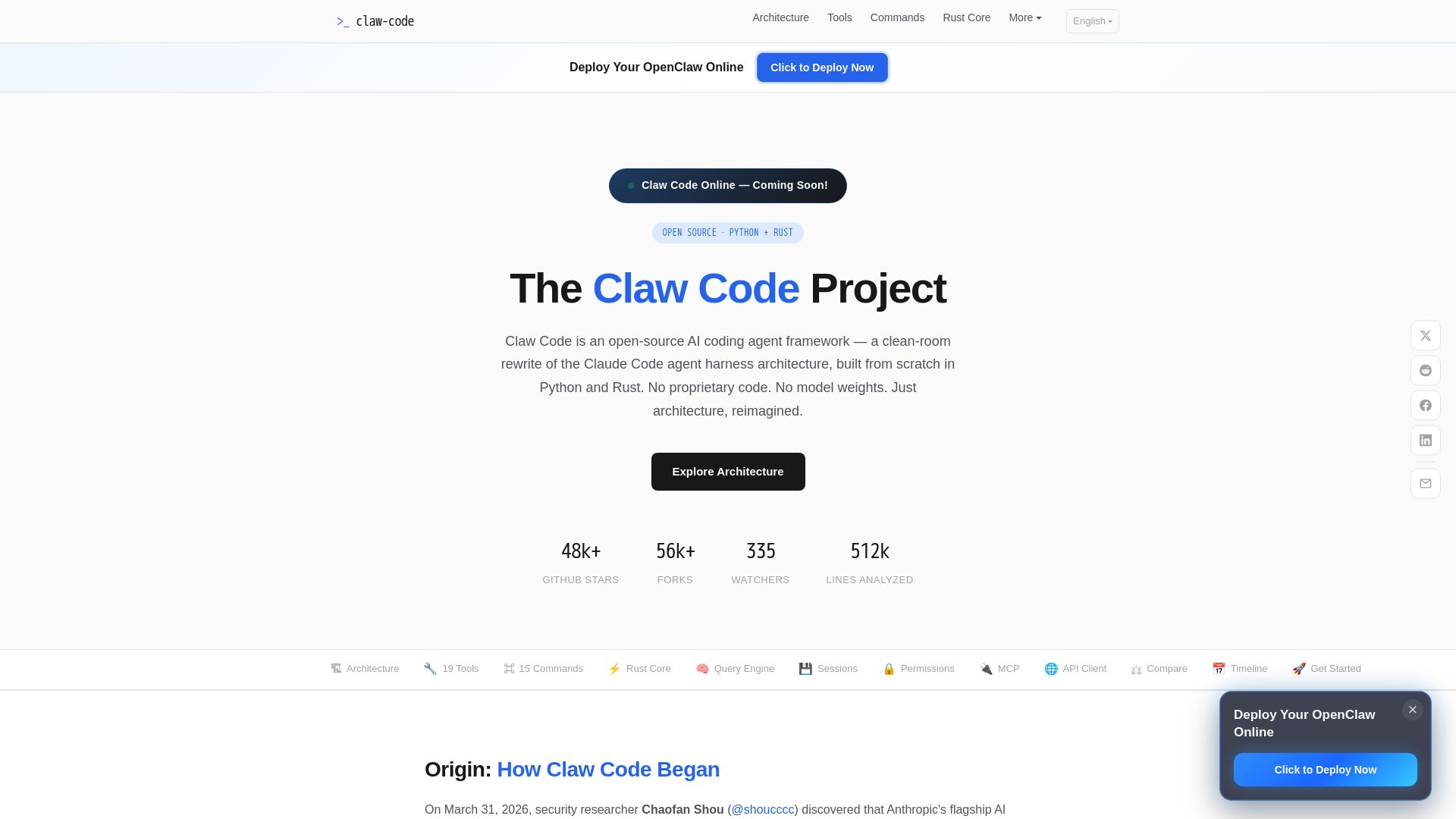
Claw Code
Clean-room Python & Rust rewrite of Claude Code architecture. 19 tools, multi-agent orchestration, MCP support. Free & open-source.

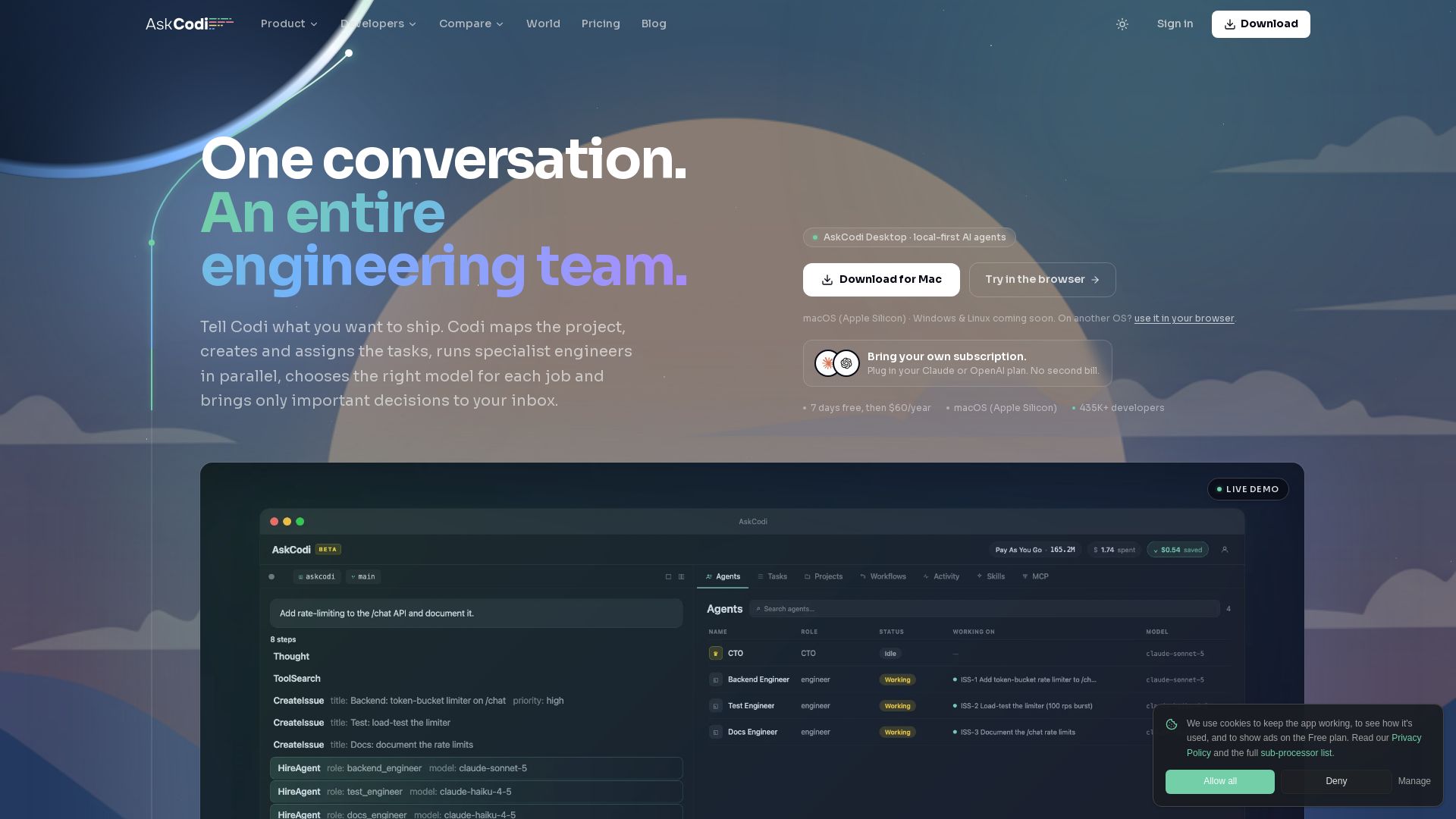
AskCodi
Orchestrate AI coding agents on your machine. Talk to Codi, manage tasks, approvals, and parallel agents from one inbox.

Zapier
Connect AI to 9,000+ apps. Build AI agents, chatbots, and workflows without code. Trusted by Fortune 500. Start free.

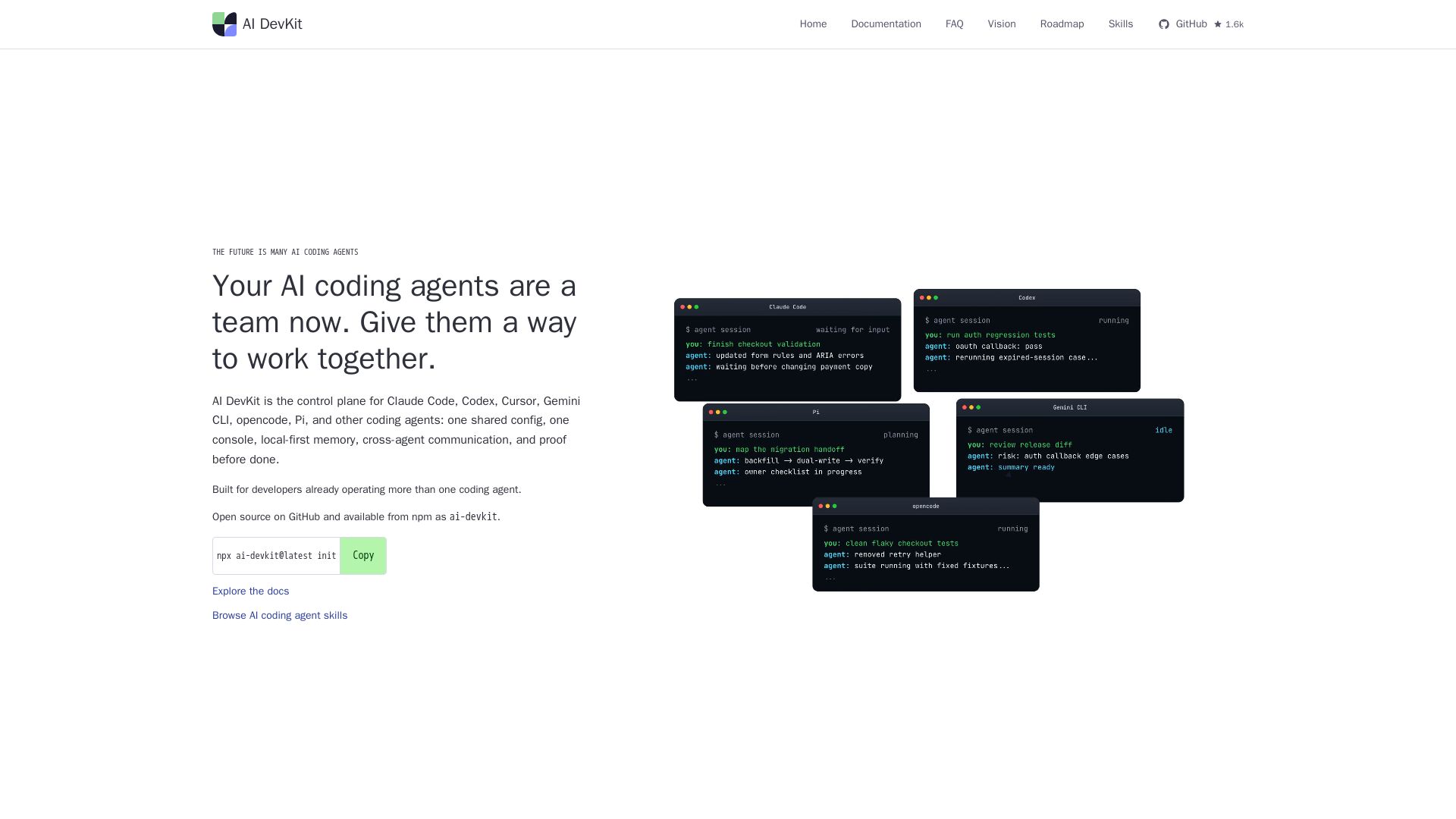
AI DevKit
One shared config, console, memory, and verification for Claude Code, Codex, Cursor & more. Local-first, open source.

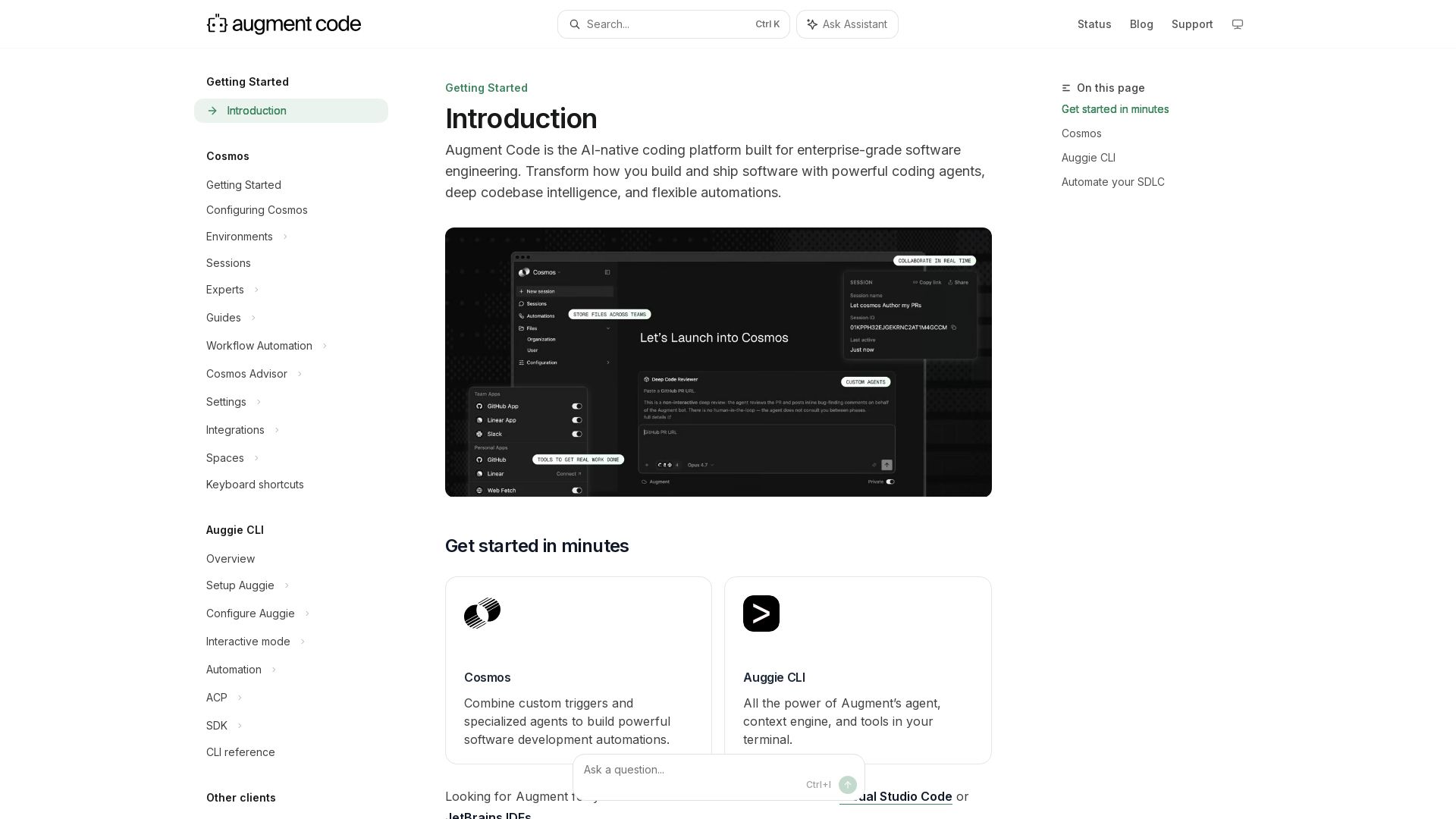
Augment
Build and ship software faster with Augment Code's AI agents, deep codebase intelligence, and automations. Get started with Cosmos, Auggie CLI, and IDE integrations.

OpenCode
OpenCode is a free, open-source AI coding assistant supporting multiple providers (OpenAI, Anthropic, local models) with CLI/TUI, custom tools, and privacy-centric local execution.

Automation Anywhere
Automate mission-critical processes with agentic AI. Trusted by global leaders. Boost efficiency, ensure compliance. Request a demo.

CodeGPT
Bring your own API key for transparent, unlimited AI coding. Supports Claude, Gemini, OpenAI. Privacy-first, no middlemen. Trusted by 2M+ developers.
Kilo
Free AI coding tool with 500+ models at cost. Open source, no lock-in. Works in VS Code, JetBrains, CLI, and cloud. Trusted by 3M+ developers.

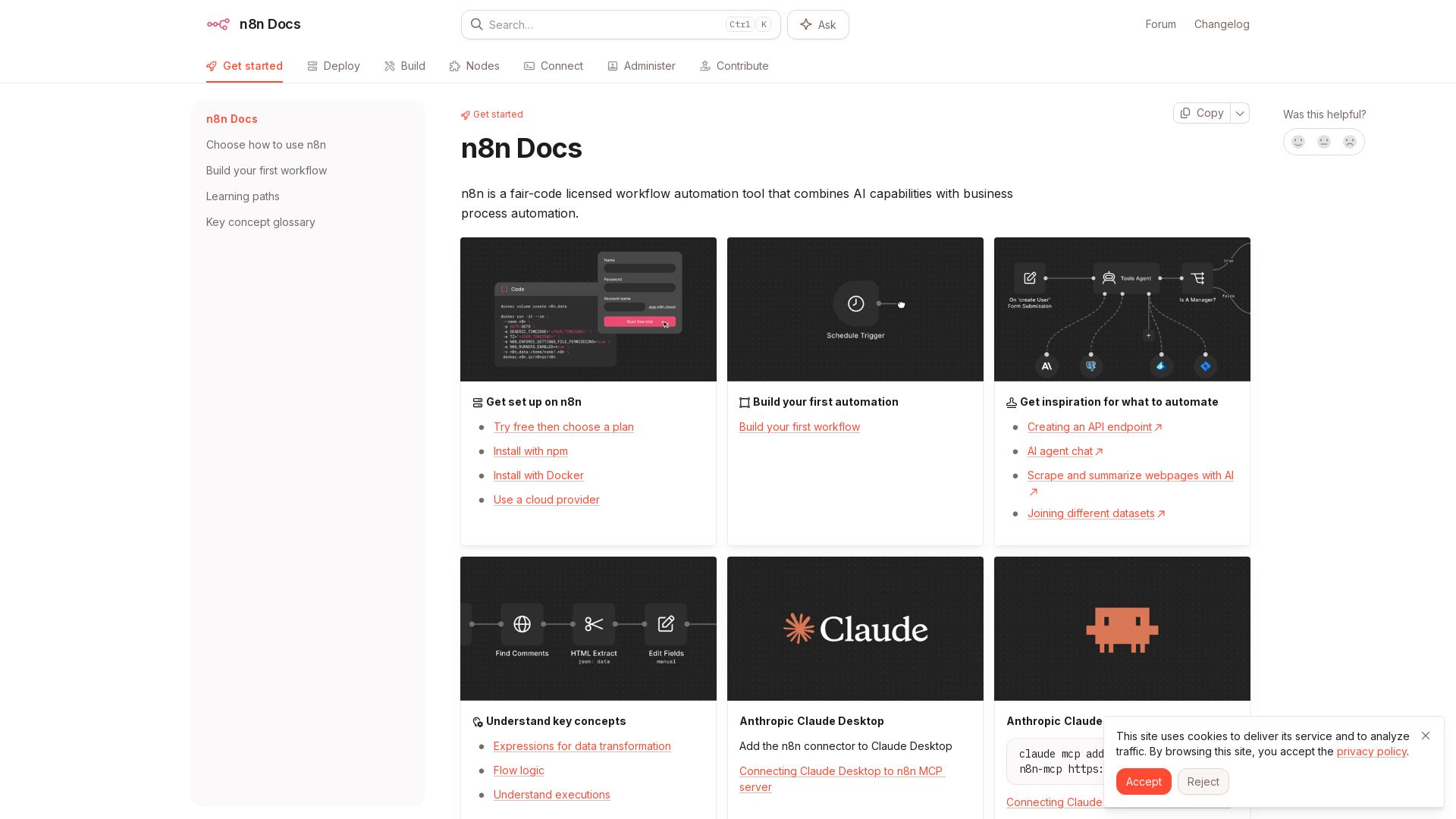
n8n
n8n is a fair-code licensed workflow automation tool that combines AI capabilities with business process automation. Get started with npm, Docker, or cloud.

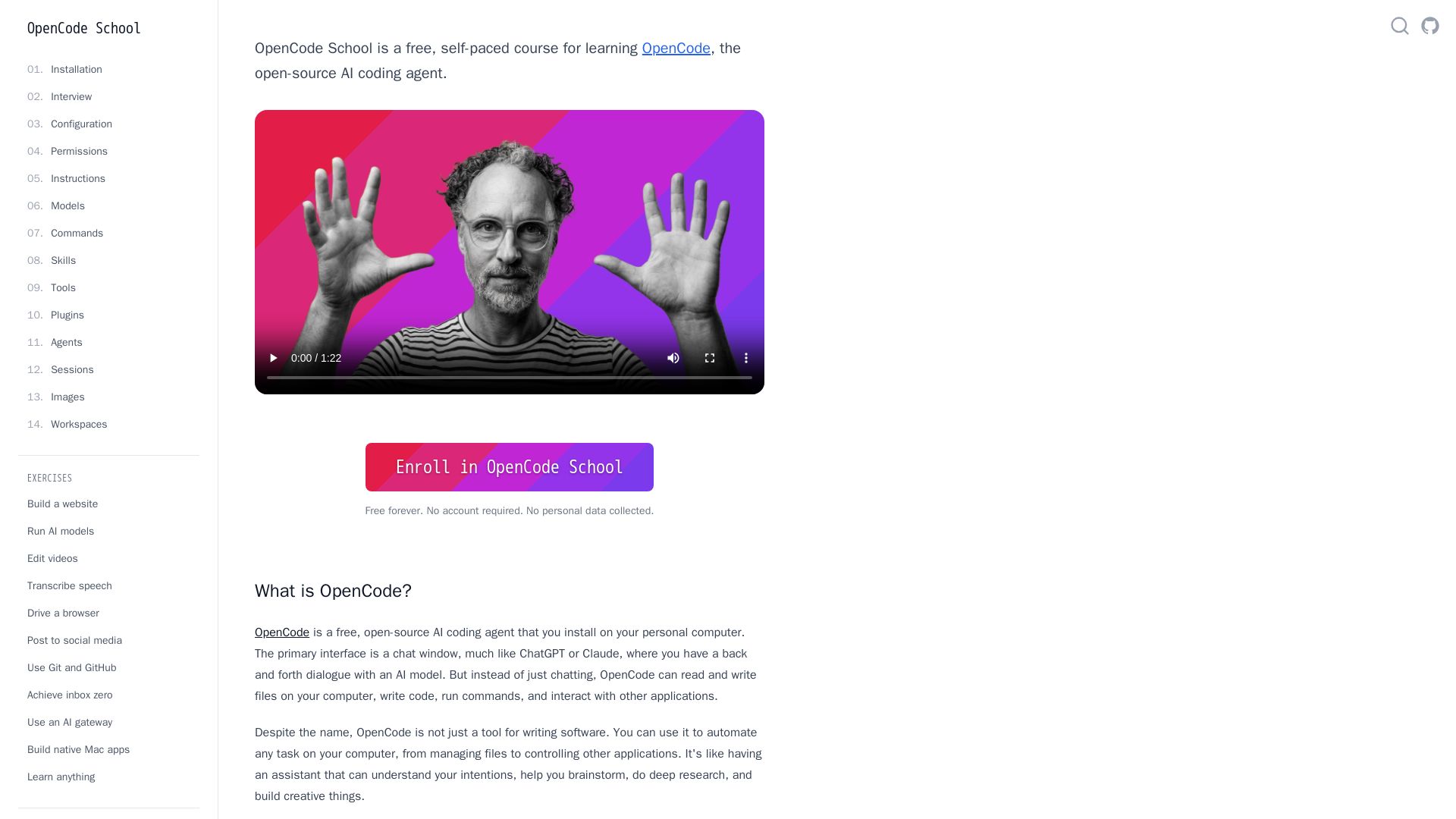
OpenCode
Free self-paced course to master OpenCode, the open-source AI coding agent. Works with 75+ models, automates tasks, helps you build projects.
ℹ️ Curation Disclosure: The overview and features of Stoneforge were synthesized using AI and fact-checked by our curation team to ensure accuracy.