
Augment Code
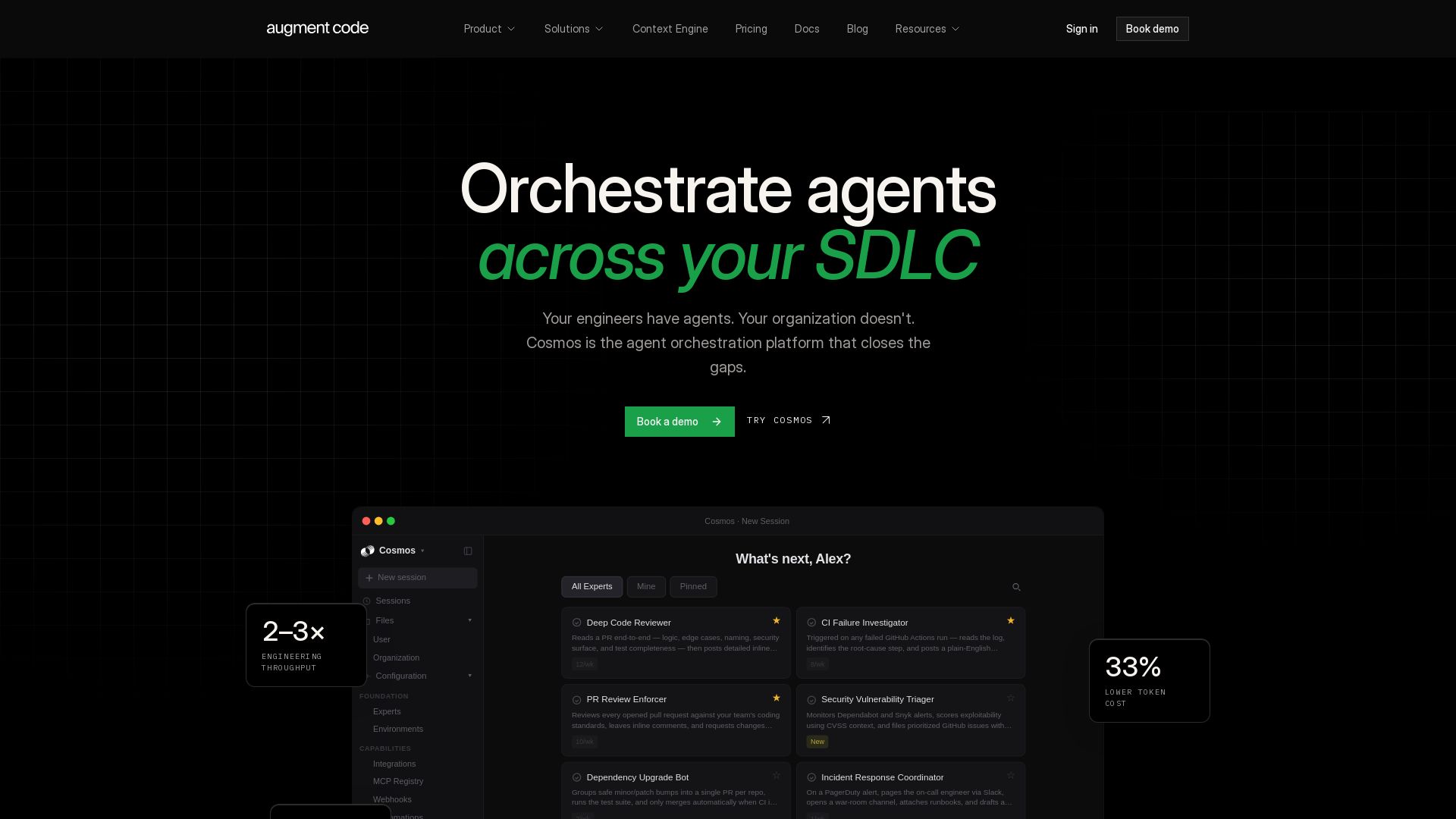
Orchestrate AI agents across your SDLC. Boost engineering throughput 2-3x, cut token costs 33%, and accelerate delivery. Trusted by enterprises.
Editor's Verdict
Key Takeaways
- Agent Orchestration Platform
- Context Engine
- Prism Model Router
- Expert Registry
In-Depth Review: What is Augment Code?
Cosmos is the agent orchestration platform that closes the gaps in your software development lifecycle. It runs your software agents at scale, giving them the context, tools, and feedback loops they need. With features like the Context Engine that maps your codebase structurally to reduce token consumption by 33%, Prism that routes tasks to the best model, and shared memory across teams, Cosmos enables organizations to achieve 2-3x engineering throughput, 66% faster time to merge, and 33% lower token cost. It integrates with GitHub, Slack, Jira, and more, and offers enterprise-grade security (SOC 2, ISO 42001, HIPAA). Build your own experts or use pre-built ones for code review, CI investigation, incident response, and more. Try Cosmos free.
Core Features
Agent Orchestration Platform
Orchestrate agents across the entire SDLC to close gaps between individual agent use and organizational transformation.
Context Engine
Maps your codebase structurally, giving agents only what the task needs, resulting in 33% fewer tokens and same quality.
Prism Model Router
Picks the best model for each turn, preserving frontier quality at 20-30% lower cost per task with BYOK.
Expert Registry
Discover and share reusable experts across teams, turning best practices into everyone's baseline.
Human-in-the-Loop
Smart escalation and approval checkpoints ensure humans are involved only when needed.
Integrations
Seamless integration with Slack, GitHub, Jira, CI, and other tools in your workflow.
Automations
Trigger and automate workflows based on SDLC events, from PR creation to incident response.
Sandboxed Execution
Isolated execution environments for agents, ensuring security and reproducibility.
Shared Memory & Knowledge
Organization-wide shared memory and knowledge across agents and teams for consistent context.
Enterprise Security
SOC 2 Type II, ISO/IEC 42001, CMEK encryption, VPC deployment, audit logs, and no training on your code.
Pricing
Business
- Flat $100/month for up to 50 seats
- $100 of usage included per month (LLM, Context Engine, compute)
- Top-ups available, pay as you go
- CLI access
- MCP & Native Tools
- Context Engine
- Coding Agent
- Chat & Agents
- Usage Analytics
- Standard size compute
- Daemon mode
- 50 concurrent sessions
- SOC 2 Type II
- No AI training on your data
Enterprise
- Custom user pricing
- Bespoke usage limits
- Volume-based annual discounts
- SSO, OIDC, & SCIM support
- SOC 2 & Security Reports
- CMEK & ISO 42001 compliance
- Dedicated support
- No AI training on your data
- Custom size compute
- Multi-region compute
- Unlimited concurrent sessions
- SIEM Integration
- Data Residency Options
- Granular Access Controls
- Comprehensive Audit Trails
- Enterprise SSO Integration
Pros and Cons
Pros
- Team-wide orchestrationCosmos closes the gap between individual agent use and organizational transformation, enabling 2-3x engineering throughput.
- Cost savingsPrism model routing reduces token cost by 20-30% and Context Engine cuts token usage by 33%, lowering overall AI spend.
- Speed and efficiency66% faster time to merge and 4x faster ship cycle due to automated workflows and expert handoffs.
- Enterprise-grade securitySOC 2 Type II, ISO/IEC 42001, no training on code, CMEK encryption, VPC deployment, and granular RBAC.
- Reusable expertsShared memory and expert registry allow one team's best practices to become everyone's baseline, accelerating adoption.
Cons
- Limited free tierNo free plan mentioned; Business plan has a flat monthly fee which may be high for very small teams.
- Dependency on cloudWhile it works locally and on VMs, full orchestration features rely on Cosmos cloud or your own cloud setup.
- Learning curveTeams need to configure experts and workflows, which may require initial setup and training.
- Potential over-relianceAutomated agents may reduce human oversight, and the platform requires trust in AI decisions.
- Custom pricing for large teamsEnterprise plan is custom-priced, which may require sales negotiation and lack transparency.
Use Cases & Recommended Professions
Software Engineer→ View Toolkit
Automates code review, PR authoring, testing, and incident response, freeing time for higher-value work.
DevOps Engineer→ View Toolkit
Orchestrates CI/CD workflows, manages incidents, and automates dependency upgrades and security patches.
Engineering Manager→ View Toolkit
Gains visibility into team throughput, standardizes best practices, and scales engineering without adding headcount.
Security Engineer→ View Toolkit
Automates vulnerability triage, CVE remediation, and incident response with expert agents.
QA Engineer→ View Toolkit
Automates test creation, execution, and result analysis, reducing manual testing effort.
CTO / VP of Engineering→ View Toolkit
Drives organizational AI adoption, measures impact through analytics, and ensures security compliance.
Frequently Asked Questions
Alternative AI Tools
View Detailed Comparison →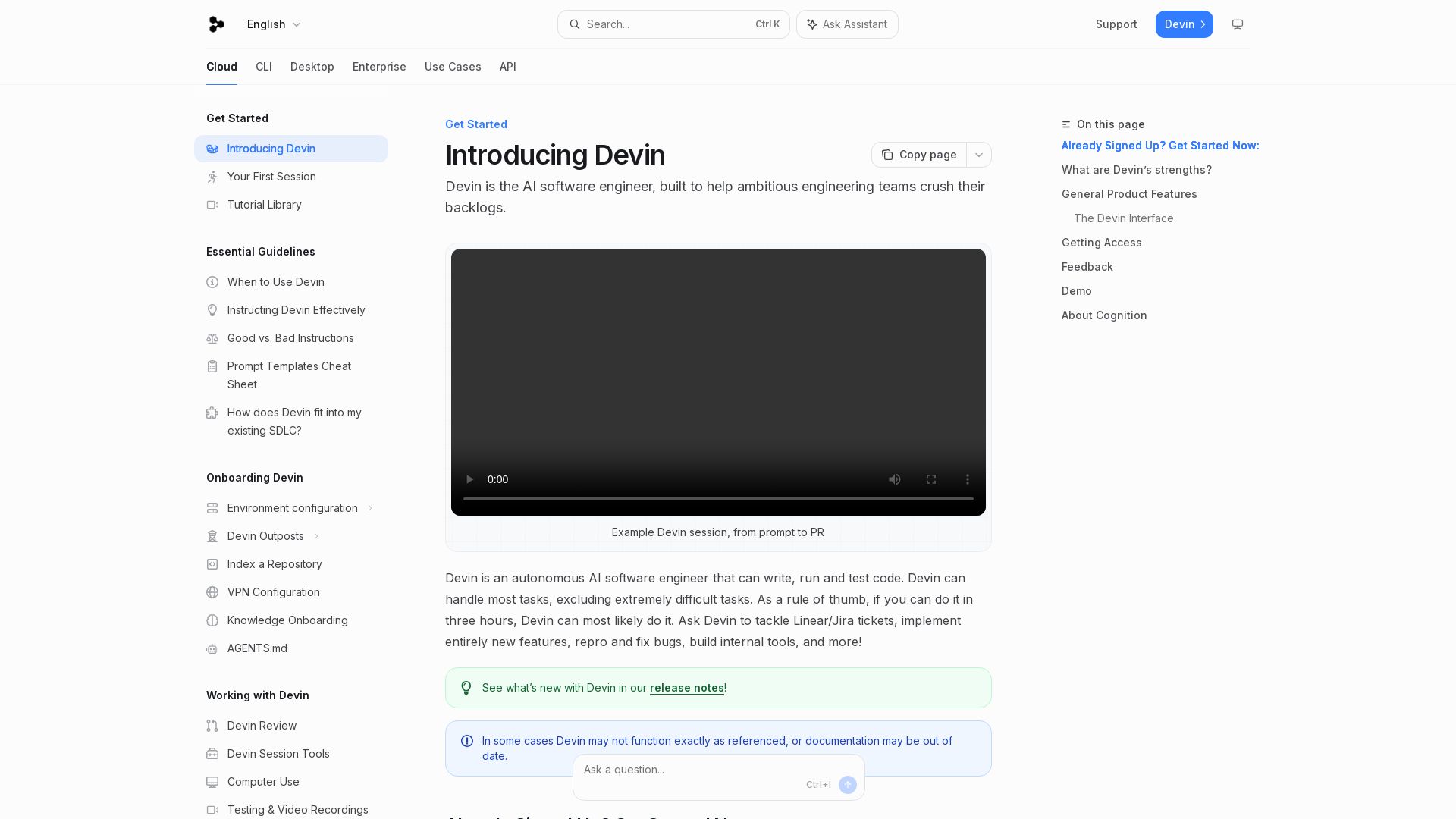
Devin
Devin is an autonomous AI software engineer that writes, runs, and tests code. Automate coding tasks, fix bugs, and crush backlogs.


Graphite
Graphite accelerates code reviews with AI, stacked PRs, and a modern PR page. Catch bugs, merge without conflicts, and ship faster.

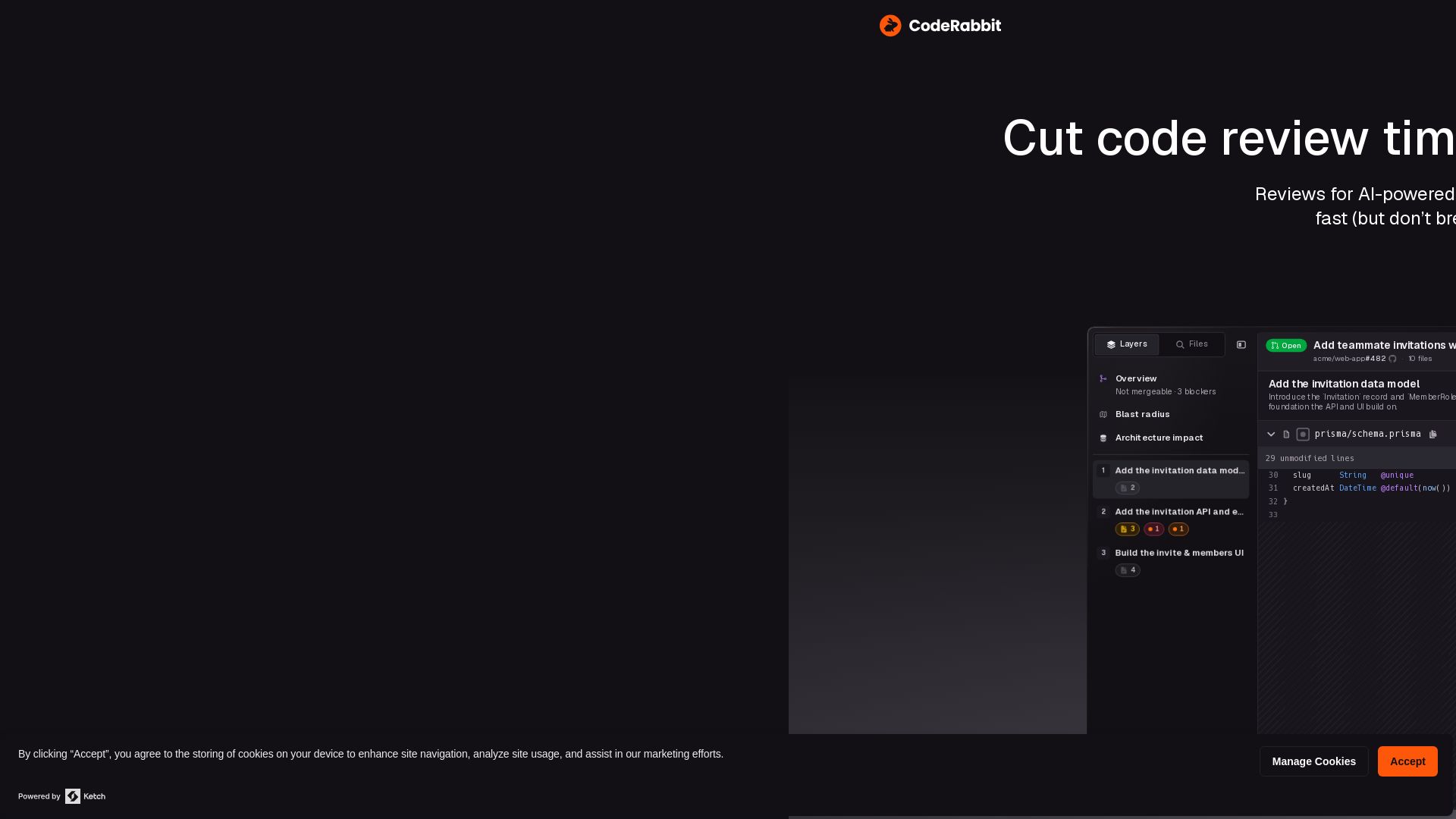
CodeRabbit
Cut code review time and bugs in half instantly. The AI code review tool trusted by NVIDIA, that learns from your feedback. Try free.


Git AutoReview
AI code review for GitHub, GitLab & Bitbucket. Reviews in 2 minutes, not 2 days. You approve before publishing. BYOK, private. 10 free reviews/day.

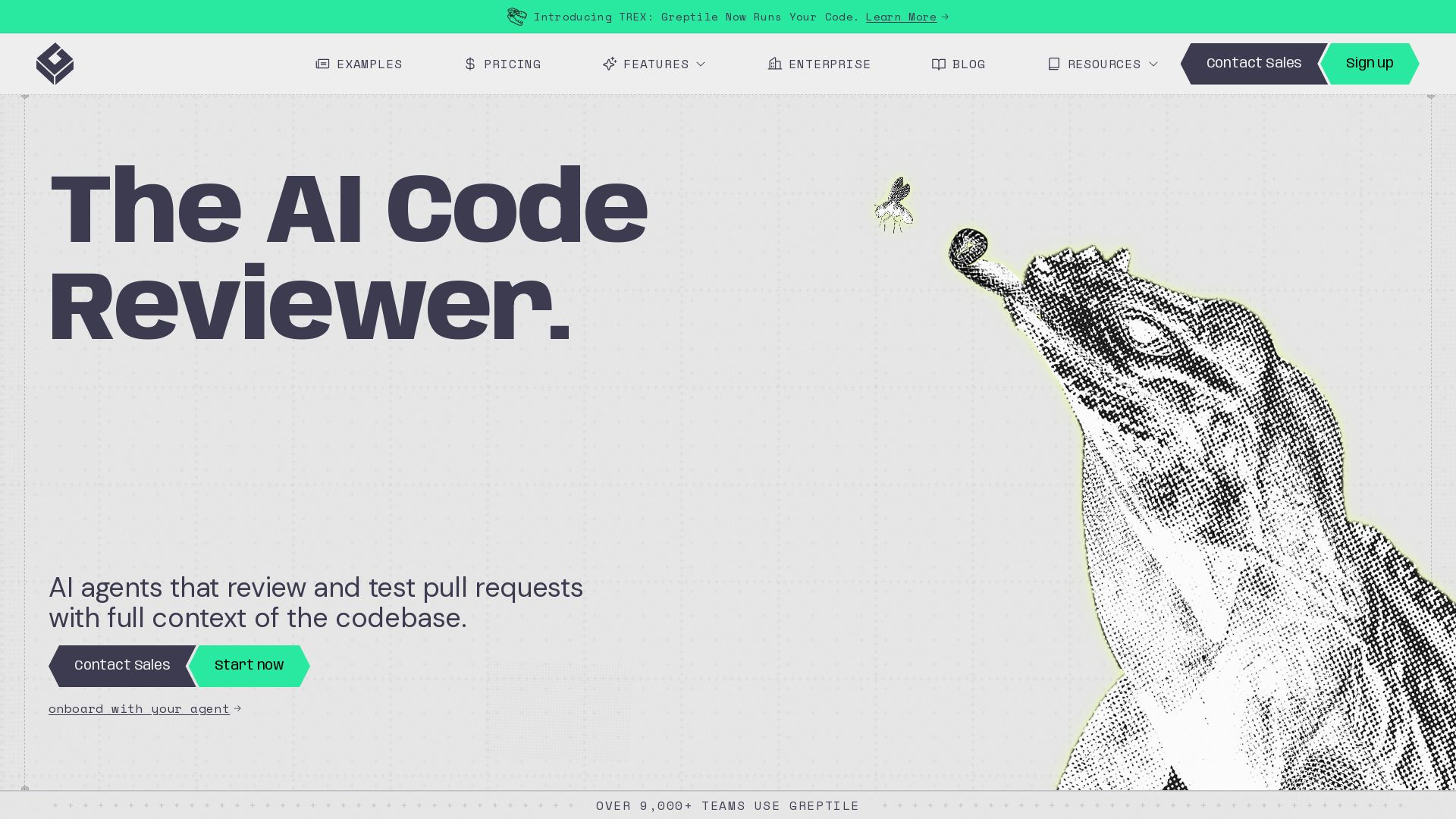
Greptile
AI code review that learns your codebase. Catch bugs, style issues, and security vulnerabilities with full context. Trusted by 9,000+ teams.

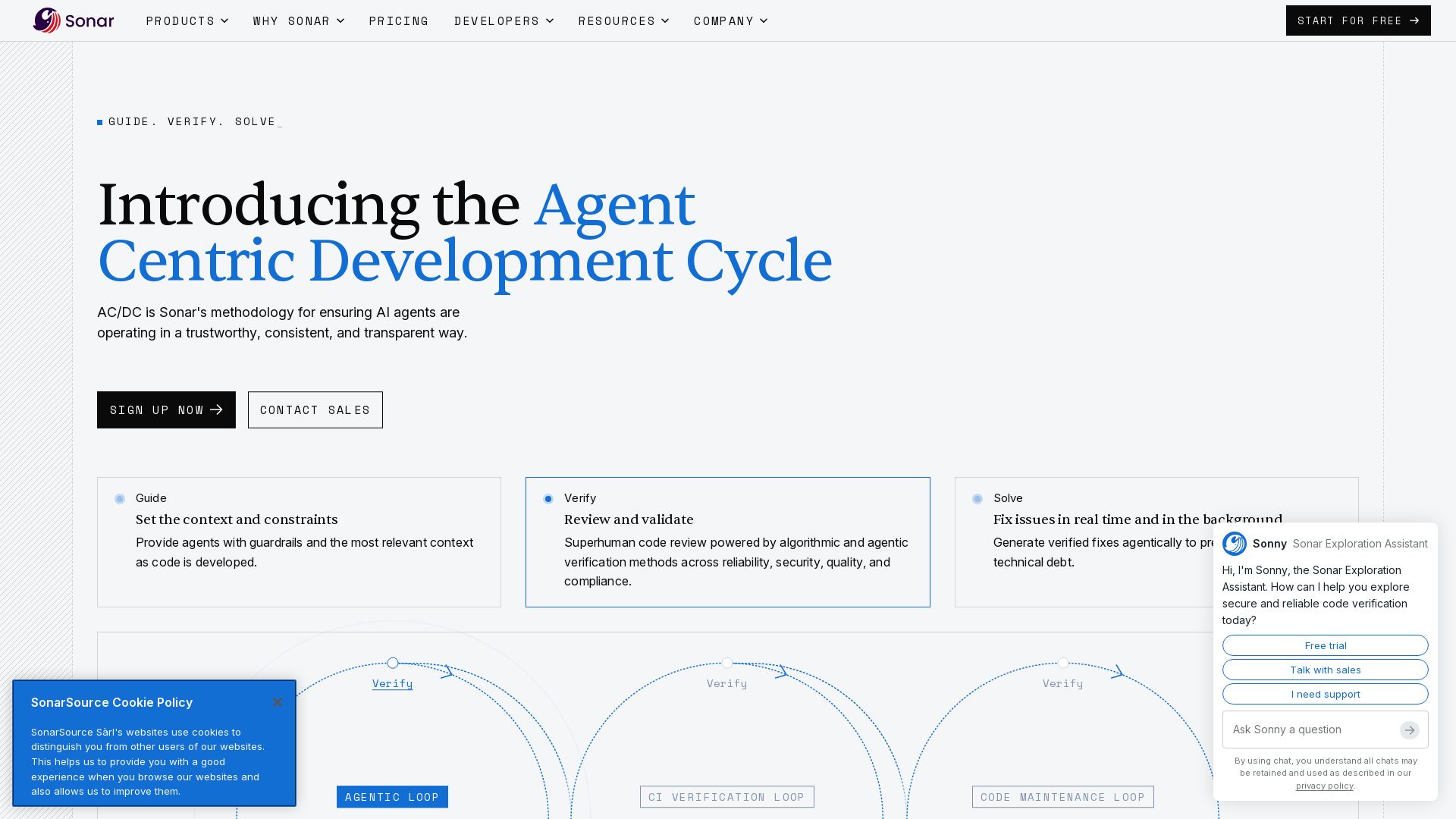
Sonar
Sonar's AC/DC framework provides zero-trust code verification for AI agents. Guide, verify, solve. Trusted by 7M+ developers, 75% Fortune 100.

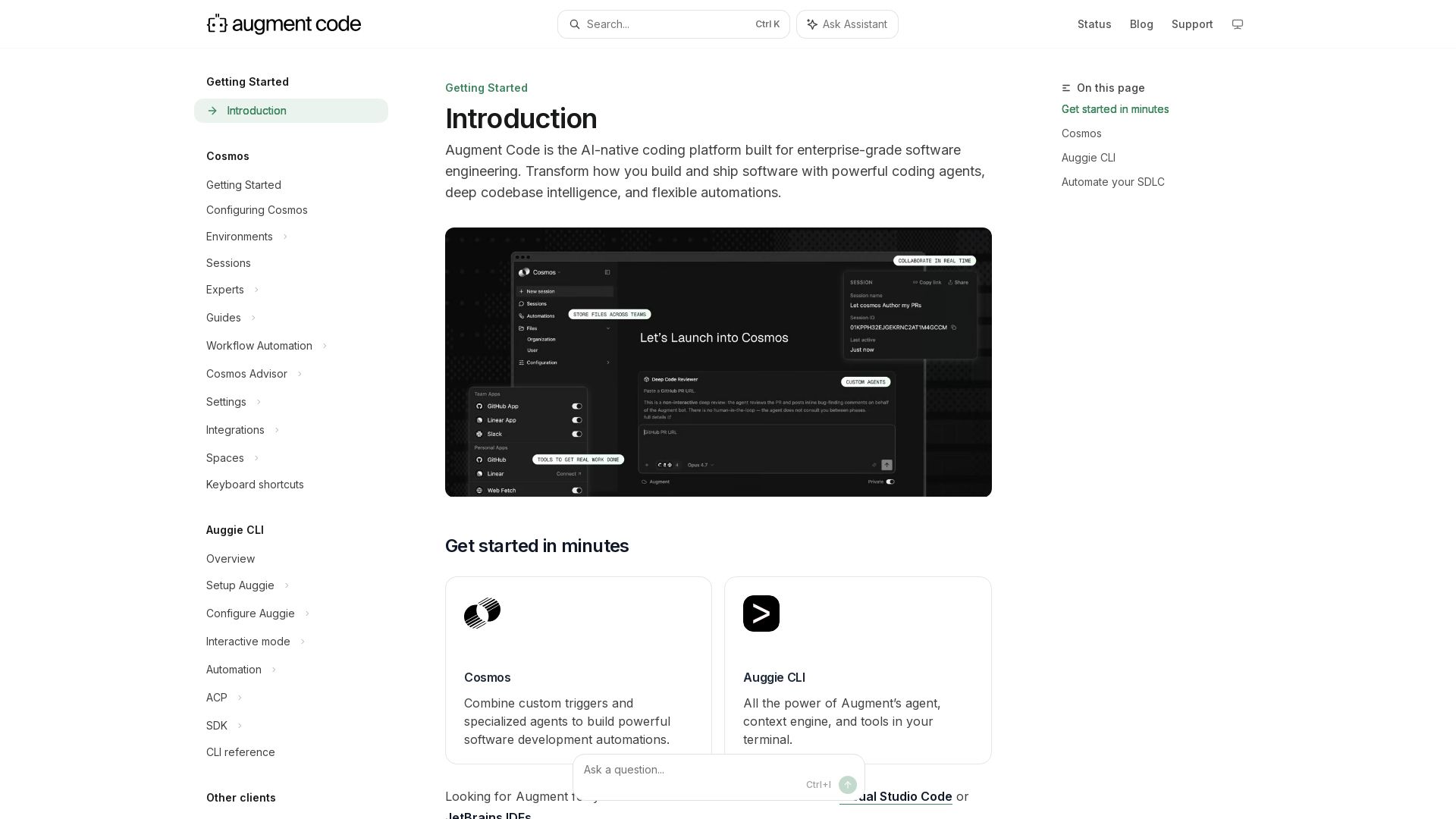
Augment
Build and ship software faster with Augment Code's AI agents, deep codebase intelligence, and automations. Get started with Cosmos, Auggie CLI, and IDE integrations.

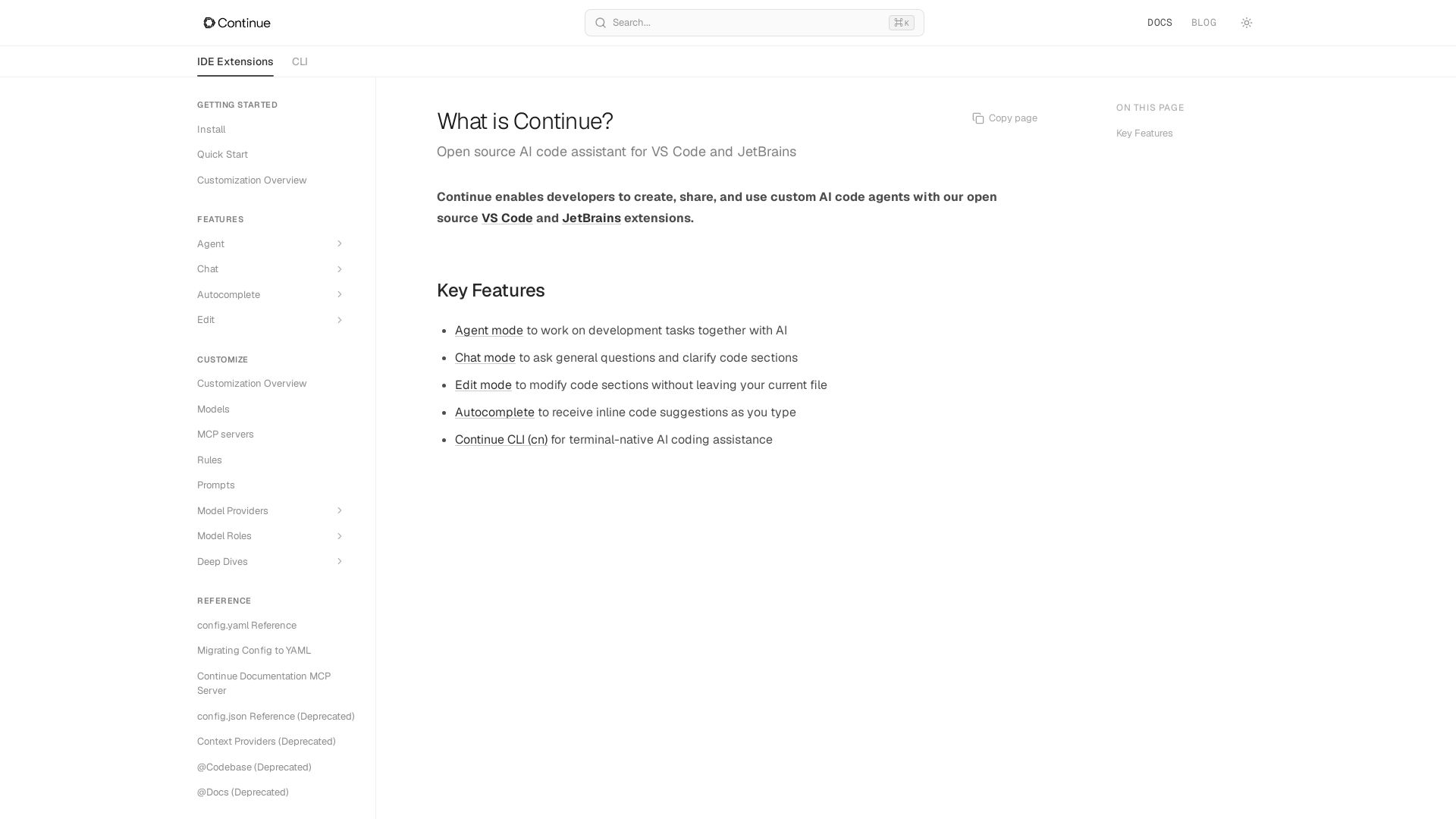
Continue
Create, share, and use custom AI code agents with Continue. Features agent, chat, edit modes, and autocomplete for VS Code and JetBrains.

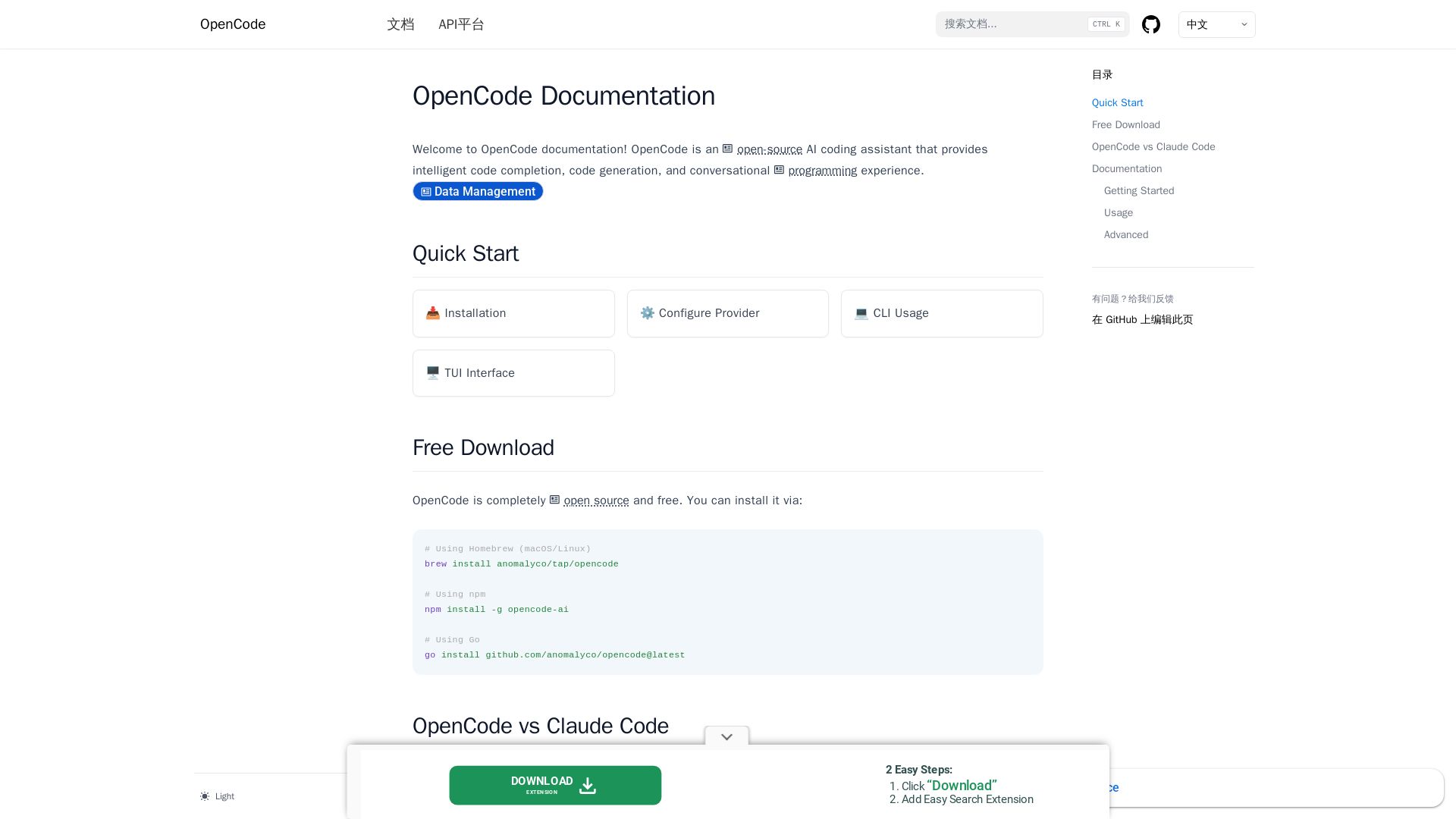
OpenCode
OpenCode is a free, open-source AI coding assistant supporting multiple providers (OpenAI, Anthropic, local models) with CLI/TUI, custom tools, and privacy-centric local execution.

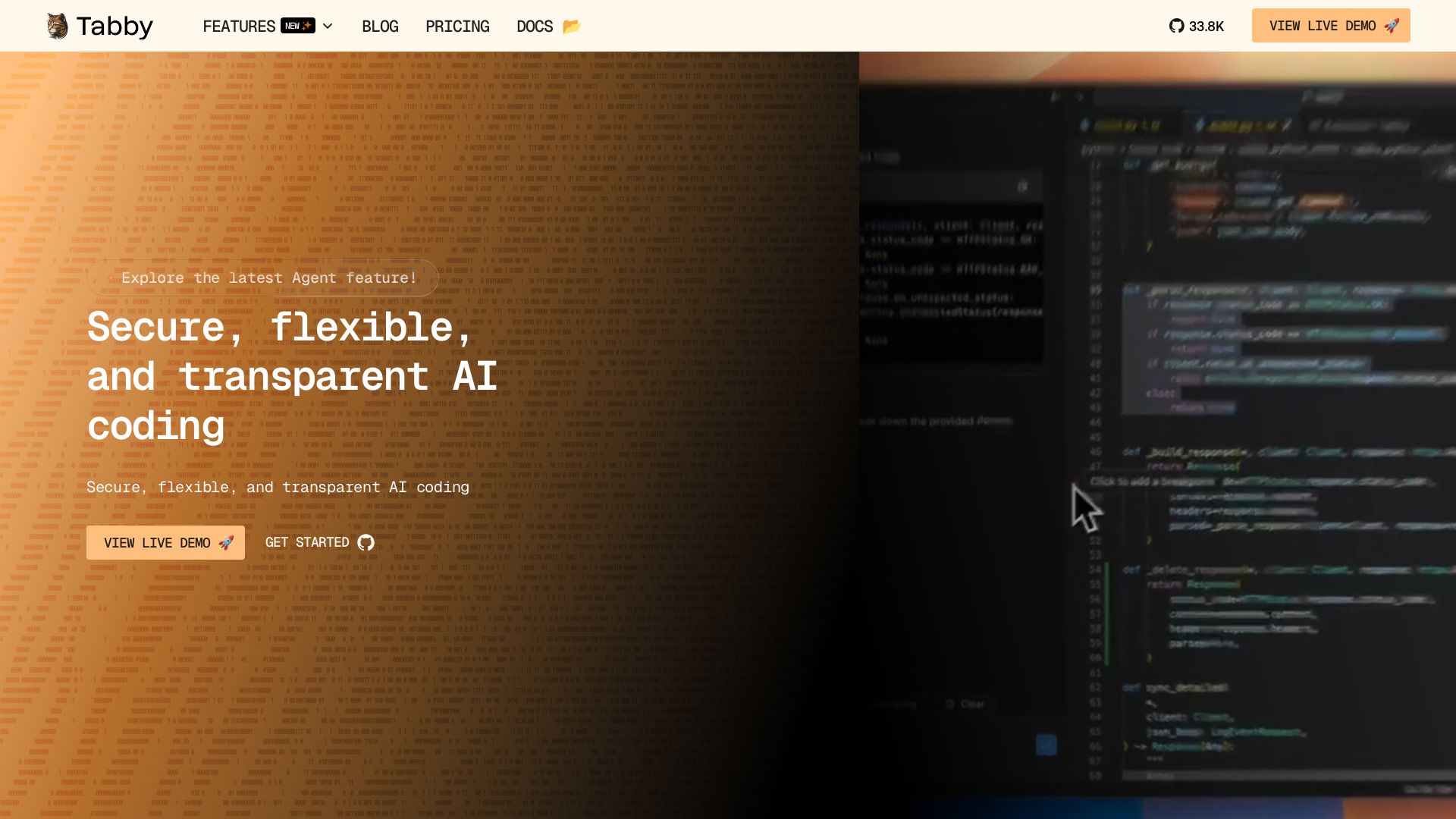
Tabby
Self-hosted, secure AI coding assistant with code completion, answer engine, and inline chat. Private and flexible.

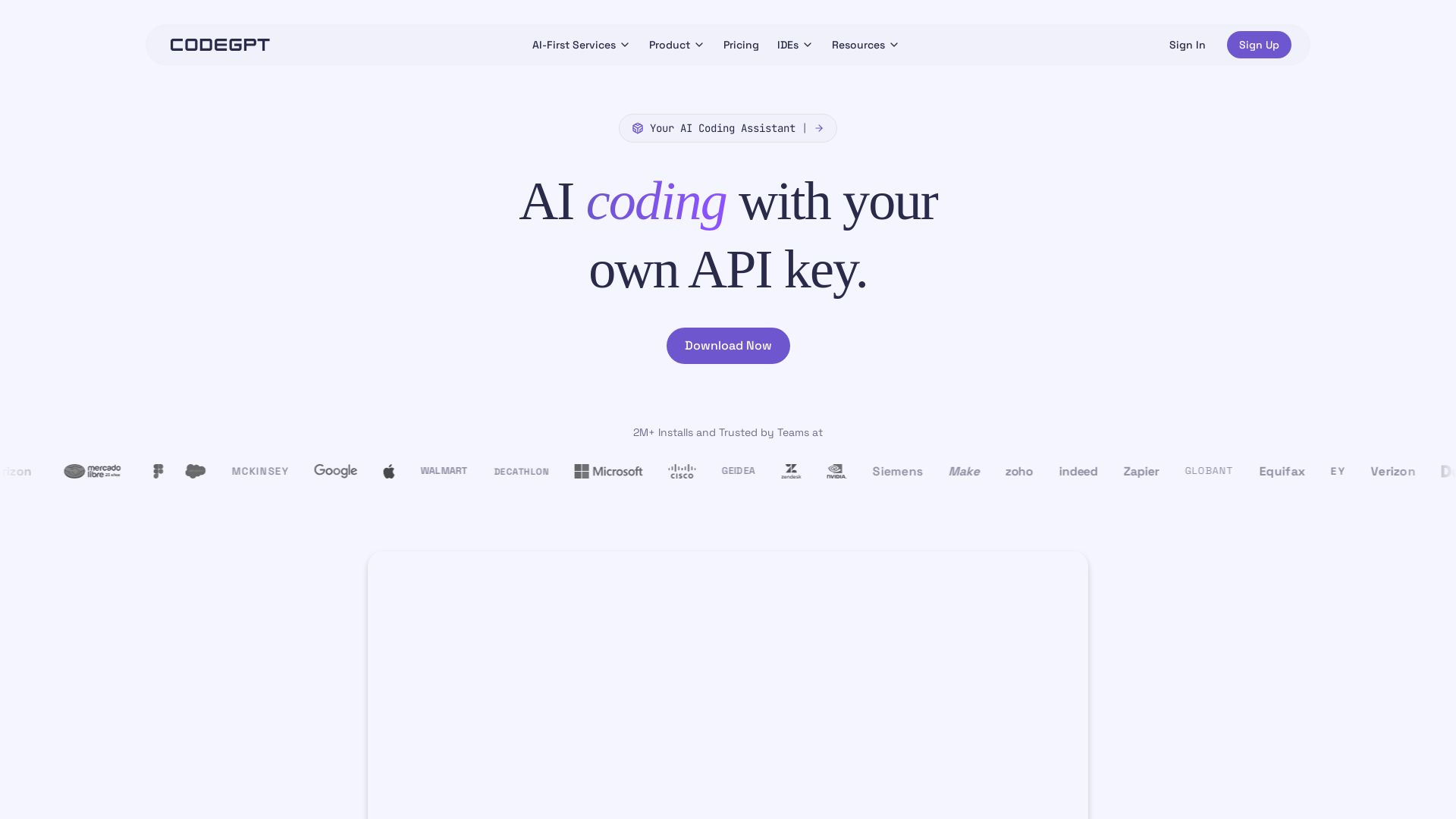
CodeGPT
Bring your own API key for transparent, unlimited AI coding. Supports Claude, Gemini, OpenAI. Privacy-first, no middlemen. Trusted by 2M+ developers.
OpenCode
OpenCode is an open-source, terminal-native AI coding assistant supporting Claude, GPT-4, Gemini, and local models. Boost productivity with agent mode and seamless CLI integration.

ℹ️ Curation Disclosure: The overview and features of Augment Code were synthesized using AI and fact-checked by our curation team to ensure accuracy.