
Flux

Design PCBs with AI. Flux is a browser-based eCAD with real-time collaboration, live component data, and AI assistance from idea to manufacturing.



Editor's Verdict
Key Takeaways
- AI Hardware Engineer
- Browser-Based Design
- Real-Time Collaboration
- Live Component Data
In-Depth Review: What is Flux?
Flux is the world’s first AI hardware engineer, providing a full browser-based eCAD platform for designing PCBs. Start with a simple prompt and Flux plans, builds schematics, executes layouts, and prepares your design for manufacturing. Trusted by over 1 million builders, it features real-time collaboration, live component inventory, transparent AI actions, and smart guardrails to take your hardware from prototype to production.
Core Features
AI Hardware Engineer
Flux acts as the world's first AI hardware engineer, planning, explaining, and executing workflows for PCB design, from idea to manufacturing.
Browser-Based Design
Browser-native design means no install, instant sharing, and access from any device, making it easy to start and collaborate.
Real-Time Collaboration
Work together at the speed of thought with version control and advanced permissions, enabling efficient teamwork.
Live Component Data
Design with real inventory, pricing, and alternates, so your Bill of Materials (BoM) is always ready to source.
Transparent AI
Every AI action is explainable, reviewable, and reversible, keeping you in control of the design process.
Manufacturing Outputs
Export Gerbers, drill files, BoM, pick-and-place, and standard netlists for fabrication and downstream tools.
Import Support
Import schematics from Altium (ASCII), Cadence (EDIF), and KiCad part libraries, making migration easier.
Multi-Layer PCB Support
Supports professional multi-layer PCBs up to eight layers, suitable for IoT devices, wearables, and robotics.
Pricing
Explore
- AI hardware engineer
- Guidance, project planning
- Design, simulation, placement, routing, more...
- Unlimited manual editor use
- Complete electronics design suite: schematic, layout, and more.
- Free Trial: limited trial AI usage, all features
Build
- 4x more included AI usage
- Everything in Explore, plus:
- Optional pay-as-you-go AI usage
- Free Trial: limited trial AI usage, all features
Pro
- 15x more included AI usage
- Everything in Build, plus:
- 25% off pay-as-you-go AI usage
- Hands-on guidance from EEs who've built real hardware
- Free Trial: limited trial AI usage, all features
Teams
- AI chat and task completion
- 100 ACUs/month/editor included
- $2 per additional ACU
- Pooled ACUs
- All Pro features
- Shared team workspace
- Centralized billing
Enterprise
- Everything in Team, plus...
- Hidden workspaces
- Enhanced privacy & security
- Advanced export formats (JEP30, more coming soon)
- SOC2
- SLA (2 hr response time, 24 hr unblock time)
- Security audits
- Vendor signup
- Invoiced billing
Pros and Cons
Pros
- AI-Powered DesignFlux uses an AI hardware engineer to automate planning, schematics, layout, and manufacturing, reducing manual grunt work.
- Browser-Based CollaborationNo installation required, real-time collaboration built-in, and access from any device with version control.
- Live Component DataReal inventory, pricing, and alternates ensure your BoM is sourcing-ready, reducing supply chain risks.
- Transparent AIEvery AI action is explainable, reviewable, and reversible, giving engineers full control and trust.
- Broad CompatibilitySupports up to 8-layer PCBs and imports from Altium, Cadence, KiCad, and more, easing migration.
Cons
- No Layout ImportWhile schematics can be imported from Altium, Cadence, and KiCad, layout import isn't supported yet.
- AI Usage MeteredAI usage is limited by ACUs per plan, and heavy usage may require pay-as-you-go purchases, especially on lower tiers.
- Subscription CostAfter the free trial, paid plans start at $20/month, which may be a barrier for casual hobbyists.
- Browser DependencyRequires a modern browser and stable internet connection, which might not suit all workflows or offline environments.
- Learning Curve for AI WorkflowThe new AI-driven approach may differ from traditional ECAD tools, requiring time to adapt to its collaborative design process.
Use Cases & Recommended Professions
PCB Designer→ View Toolkit
Needs efficient, professional tools for designing and producing printed circuit boards with AI assistance to speed up repetitive tasks.
Embedded Systems Engineer→ View Toolkit
Designs IoT devices with Wi-Fi, Bluetooth, and power systems; Flux provides AI-driven schematics and layout with live component data.
Hardware Startup Founder→ View Toolkit
Rapidly prototypes and iterates on hardware without a large team, using AI to automate design and reduce costs.
Robotics Engineer→ View Toolkit
Builds custom control boards and sensor nodes, benefiting from AI-assisted placement, routing, and manufacturability checks.
Electronics Hobbyist→ View Toolkit
Wants a free, browser-based way to learn PCB design and create projects from idea to manufacture without complex software installation.
Product Engineer→ View Toolkit
Brings consumer electronics to market, leveraging AI for component sourcing, supply chain monitoring, and production-ready outputs.
Frequently Asked Questions
Alternative AI Tools
View Detailed Comparison →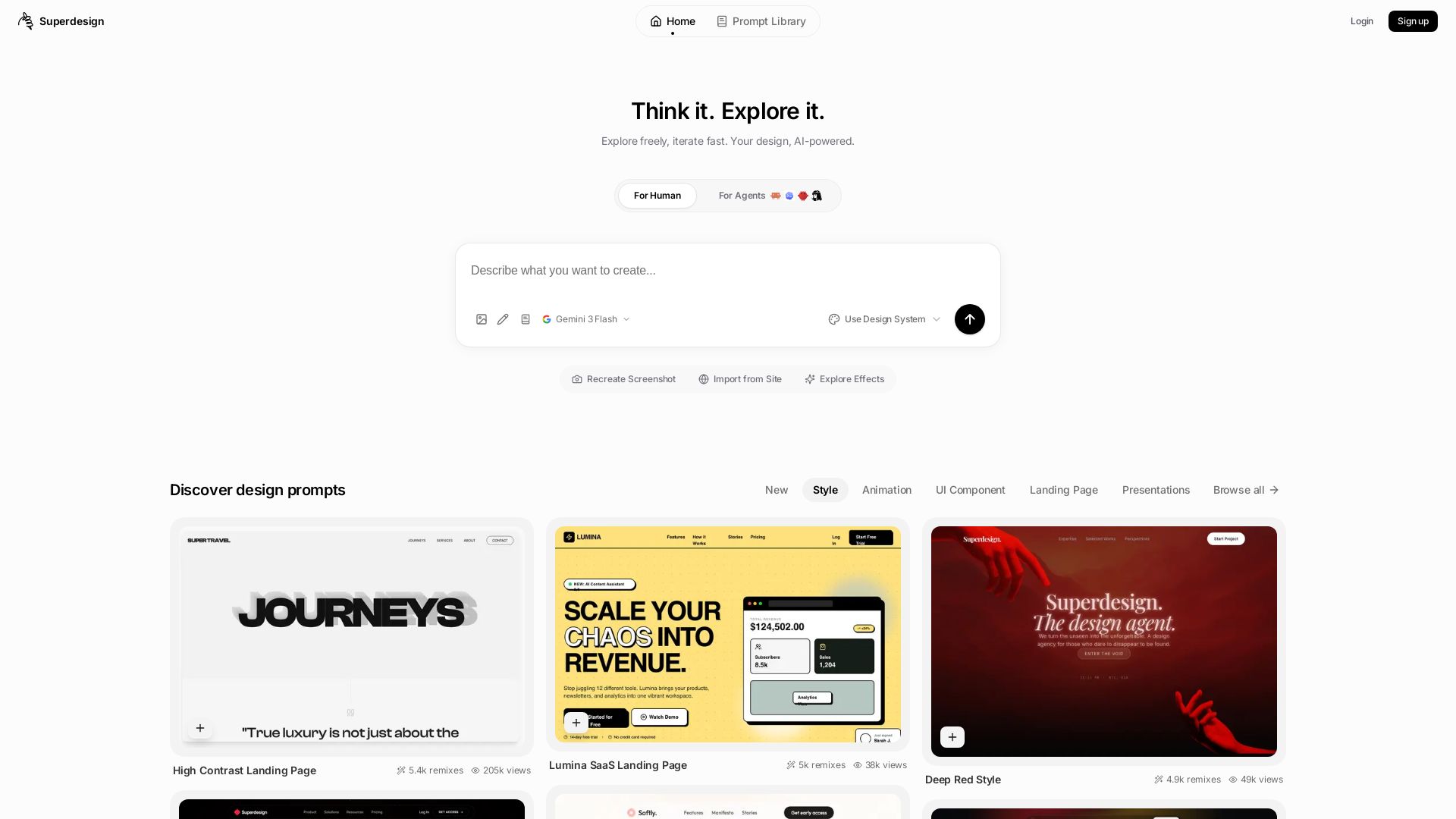
Superdesign
Create stunning designs with AI. Iterate quickly using natural language. Export production-ready code. Browse design prompts and styles.

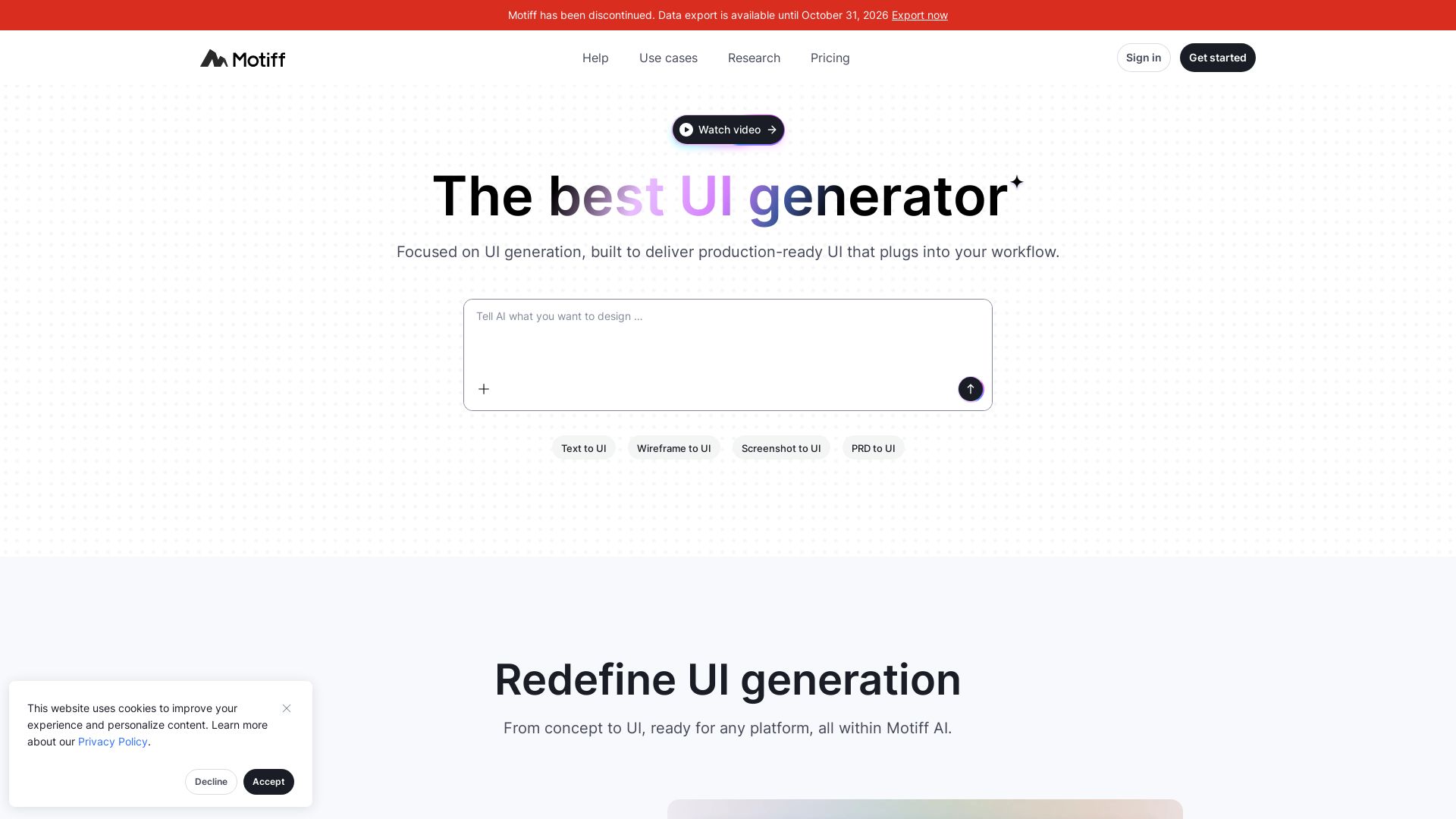
Motiff AI
Generate production-ready UI from text, wireframes, or screenshots with Motiff AI. Choose preset styles, export to React/HTML. Fast, consistent design.

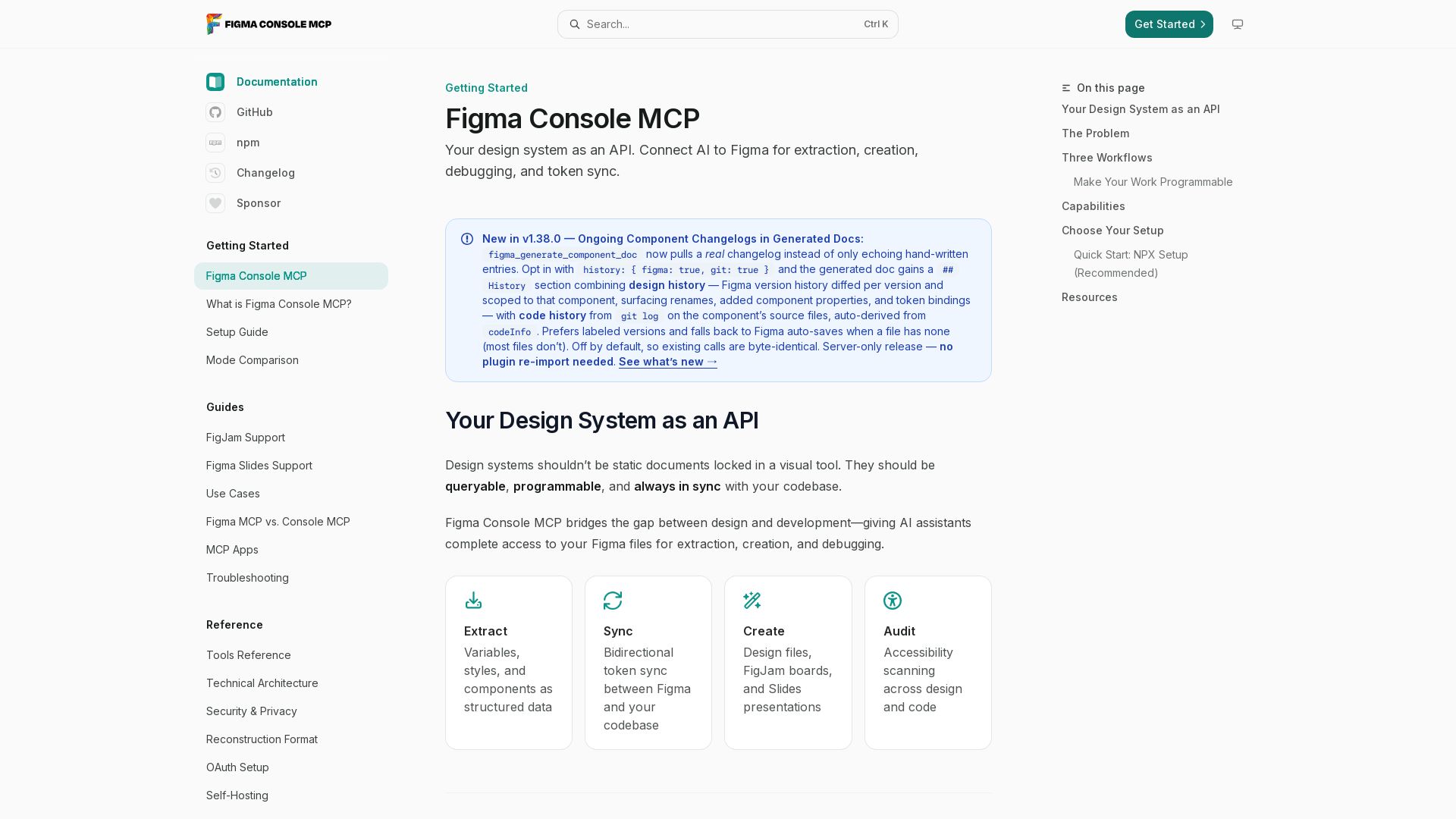
Figma Console MCP
Connect AI to Figma for design extraction, token sync, and component creation. Turn your design system into a programmable API.

Figma
Figma is the intelligent, AI-native canvas for designing, prototyping, and building products together. Trusted by 95% of Fortune 500. Explore design and dev tools.


Wizr AI
Build autonomous enterprises with AI-powered automation. Accelerate software delivery by 50% with production-ready AI systems. Trusted by world-class enterprises.

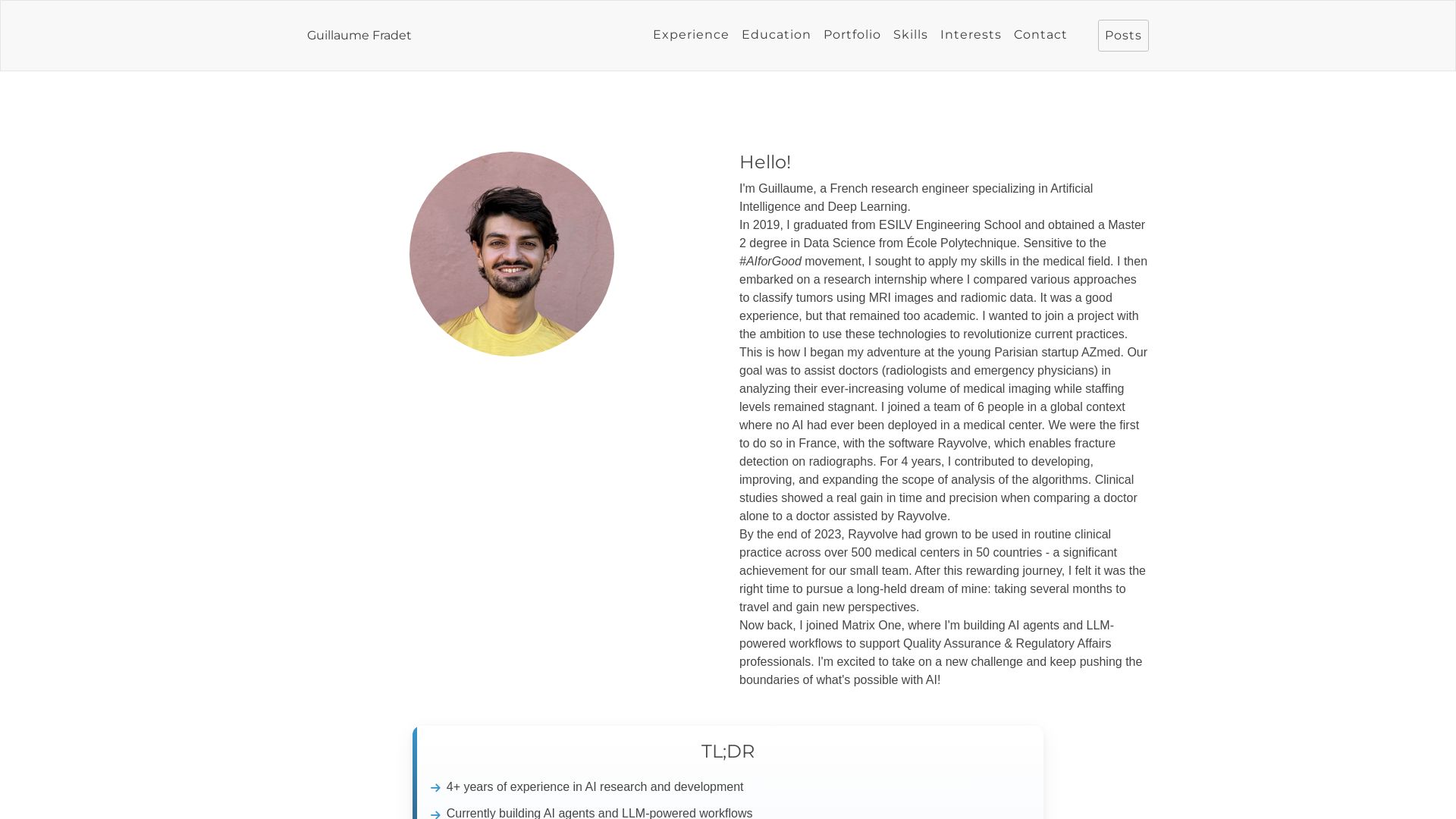
Making AI think and act: my approach to the Hugging Face AI ...
Experienced AI engineer specializing in medical imaging and LLM-powered agents. Built globally deployed radiology AI at AZmed. Now building AI agents at Matrix One.

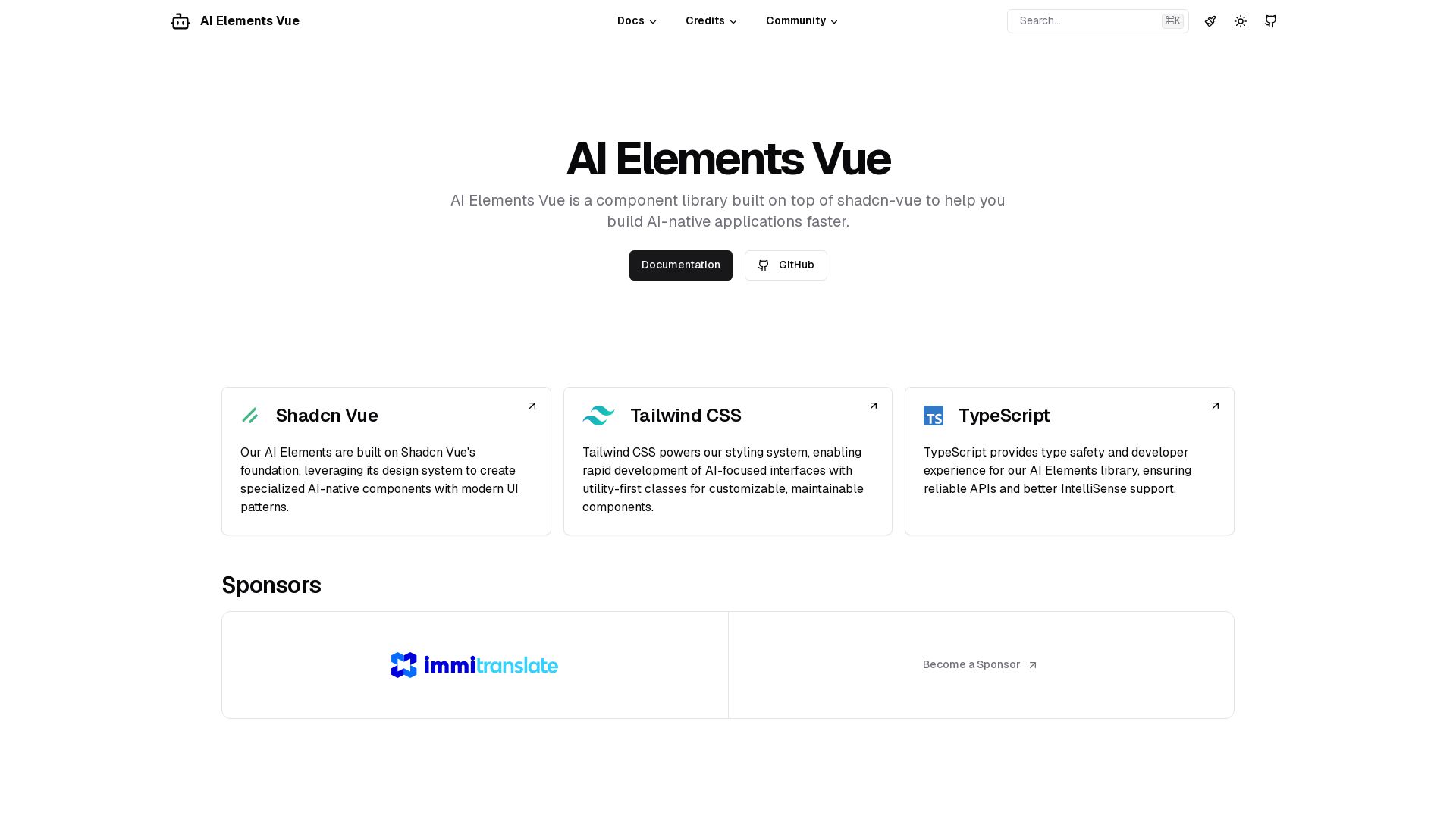
AI Elements Vue
Build AI-native apps faster with AI Elements Vue: a component library on shadcn-vue with Tailwind CSS & TypeScript. Pre-built AI components.


Komposo
Turn product ideas into real, editable designs with AI. Generate, edit, and export UIs using plain language. Trusted by 100k+ users. Start for free.

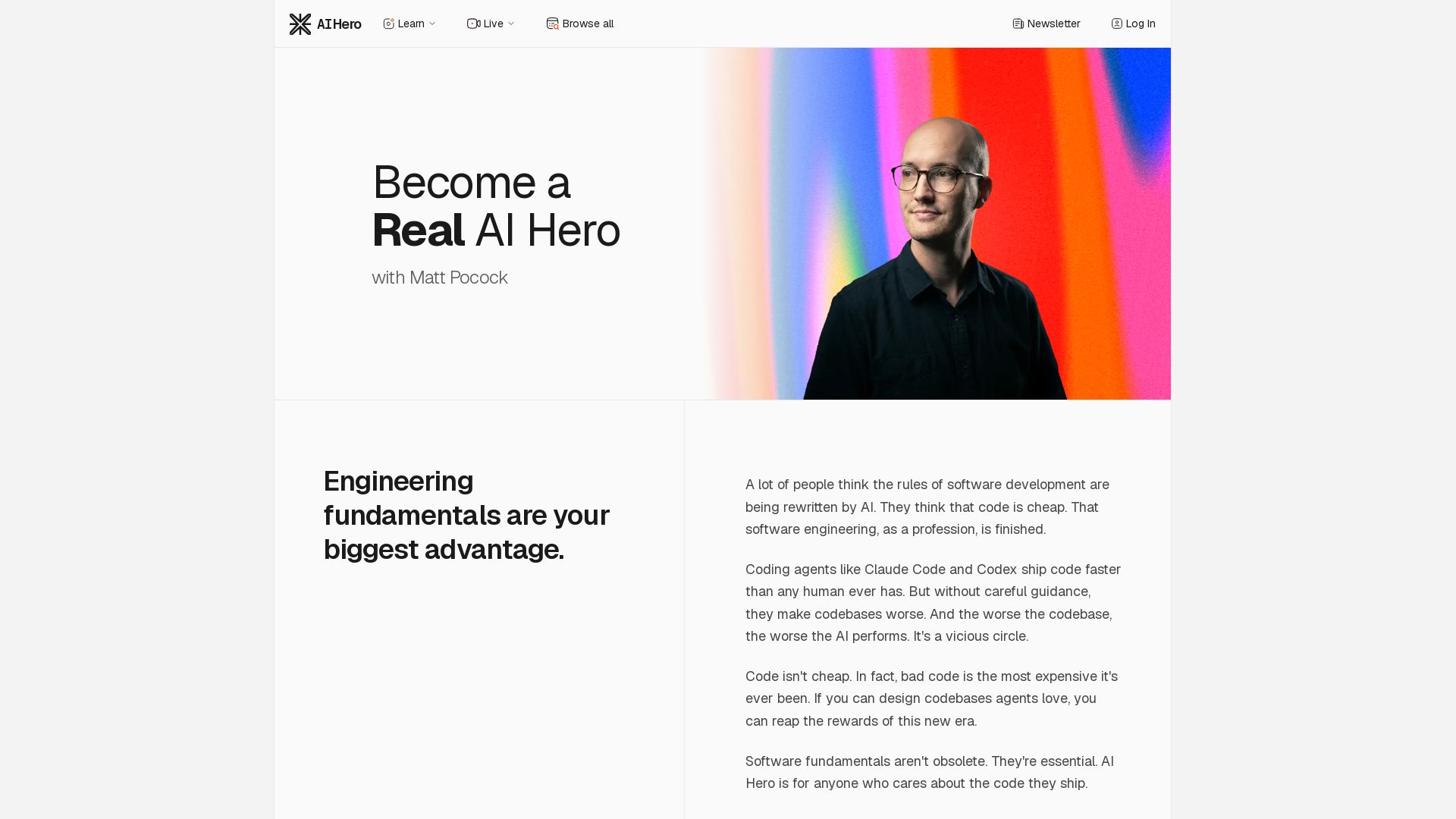
AI Hero
Master AI-assisted coding with proven engineering fundamentals. Learn to make codebases agents love, control AI output quality, and build real skills. Join 70k+ developers.

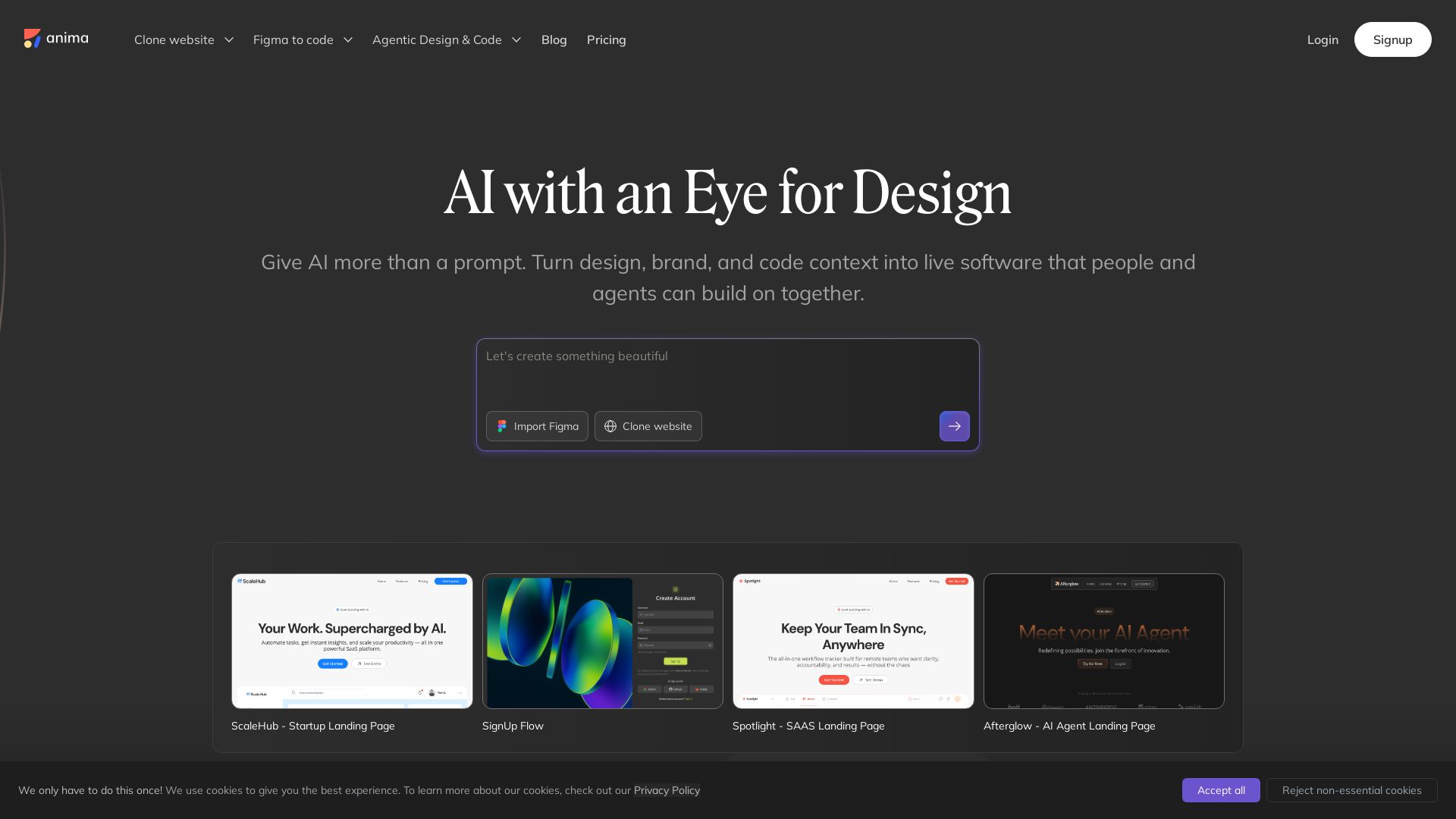
Anima
Convert Figma designs, images, and code into live HTML/React apps. AI with design context for developers and agents.


Section AI
Turn AI investment into workforce transformation with Section. Command center, coaching, and strategic support to drive measurable ROI.


I Tested Every Major Open-Source AI Agent SDK So You Don't ...
Explore insights on Voice AI Agents, Multi-Agent Systems, and Developer Tools from a 30+ hackathon winner. Practical guides and cutting-edge research.

ℹ️ Curation Disclosure: The overview and features of Flux were synthesized using AI and fact-checked by our curation team to ensure accuracy.