
ArkSphere
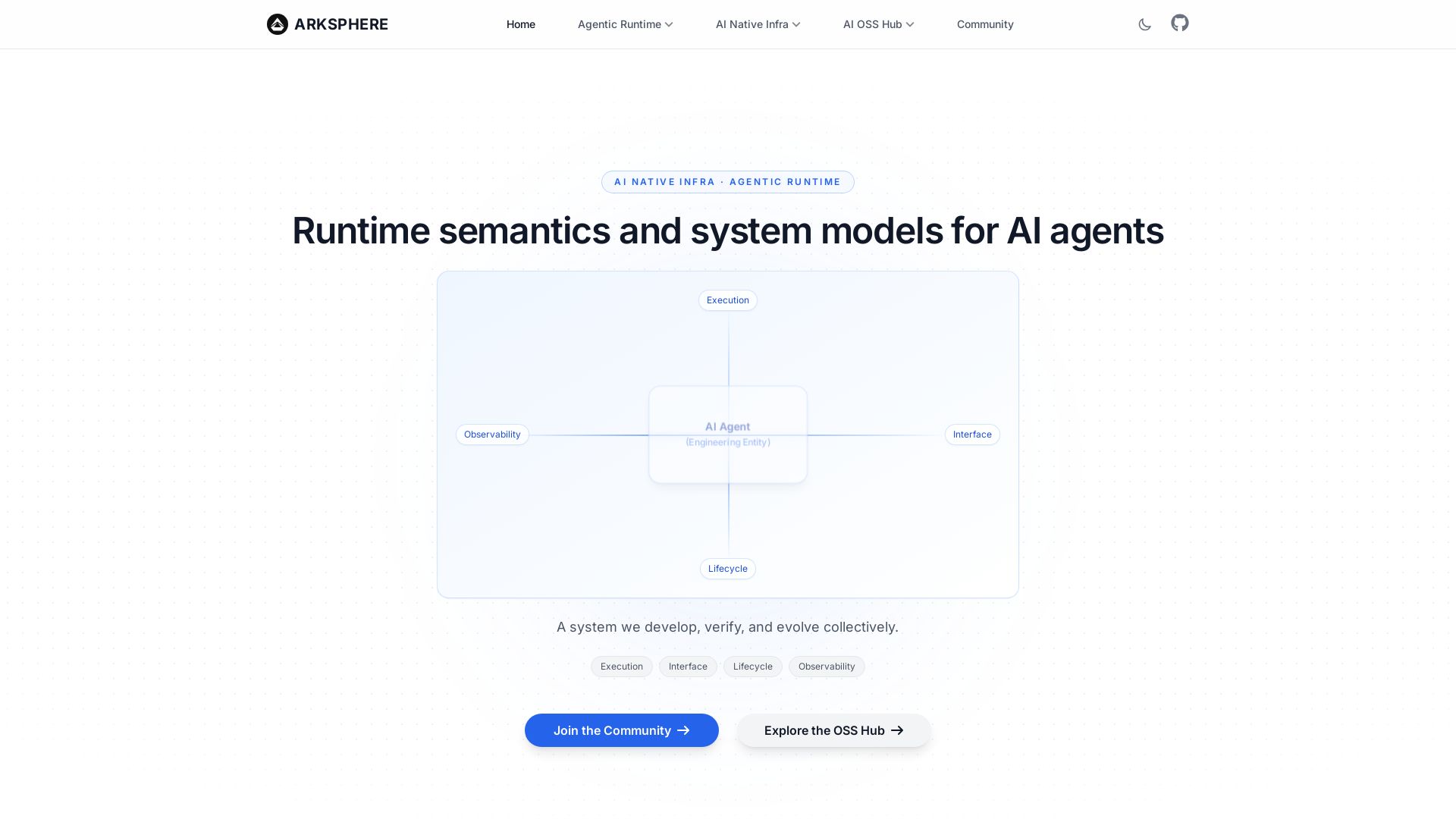
Open platform for agentic runtime, AI native infrastructure, and OSS hub. Build, run, and observe AI agents at scale.
Editor's Verdict
Key Takeaways
- Agentic Runtime
- Workflow Orchestration
- Distributed Serving & Compute
- Full Observability
In-Depth Review: What is ArkSphere?
ArkSphere is an open, community-driven platform that unifies agentic runtime, AI native infrastructure, and an OSS hub. We provide the runtime semantics, execution layer, workflows, serving, and observability needed to build production-grade AI agents. Join us to shape the standard for scalable, observable, and interoperable agent systems.
Core Features
Agentic Runtime
Execution layer that runs AI agents as schedulable workloads with long-lived agents, queues, and event logs.
Workflow Orchestration
Stateful graph workflows with DAGs, durable state, and retries for recoverability and explicit contracts.
Distributed Serving & Compute
Autoscaling distributed serving with inference routing and GPU pools powered by Ray, Kubernetes, and KServe.
Full Observability
Control plane with traces, metrics, and audit logs for monitoring, debugging, and explaining agent behavior.
Modular Integration
Interchangeable components and support for LangGraph, vLLM, TensorRT, and more.
AI OSS Hub
Curated catalog of open-source projects mapped to runtime, infrastructure, orchestration, retrieval, and ops roles.
Community Driven
Built openly with community contributions to develop, verify, and evolve the runtime standard.
Pros and Cons
Pros
- Open Community DevelopmentArkSphere is built openly with the community, allowing contributors to shape the runtime, infrastructure, and OSS ecosystem.
- Agentic Runtime for ProductionRuns agents as schedulable workloads with long-lived execution, queues, and event logs, making agents more predictable.
- Observable by DesignBuilt-in control plane gives traces, metrics, and audit logs, so every agent run is explainable and debuggable.
- Modular and InterchangeableEach layer (workflows, serving, compute, control) uses standard contracts, enabling swapping parts like vLLM for inference or Ray for compute.
- Comprehensive Ecosystem MapThe AI OSS Hub provides a curated view of the open-source landscape, helping teams choose the right tools for runtime, infra, and ops.
Cons
- No Transparent PricingPricing information is not provided on the site; users must likely contact the team for plan details.
- Steep Learning CurveThe multi-layered architecture, involving workflows, serving, and compute orchestration, may be complex for newcomers.
Use Cases & Recommended Professions
ML Infrastructure Engineer→ View Toolkit
Needs to serve and scale AI models with distributed compute and GPU pools.
Platform Engineer→ View Toolkit
Builds and maintains internal platforms for running agentic workloads.
DevOps Engineer→ View Toolkit
Manages orchestration, autoscaling, and control plane telemetry for agents.
AI/ML Engineer→ View Toolkit
Develops and deploys AI agents that require workflow orchestration and observability.
OSS Contributor/Maintainer→ View Toolkit
Contributes to open-source projects and wants visibility into the runtime ecosystem.
Agent Workflow Developer→ View Toolkit
Designs stateful workflows and needs durable execution and retries.
Frequently Asked Questions
Alternative AI Tools
View Detailed Comparison →
Mastra
Build, observe, and improve AI agents with Mastra. Workflows, memory, observability, and evals in one TypeScript framework.

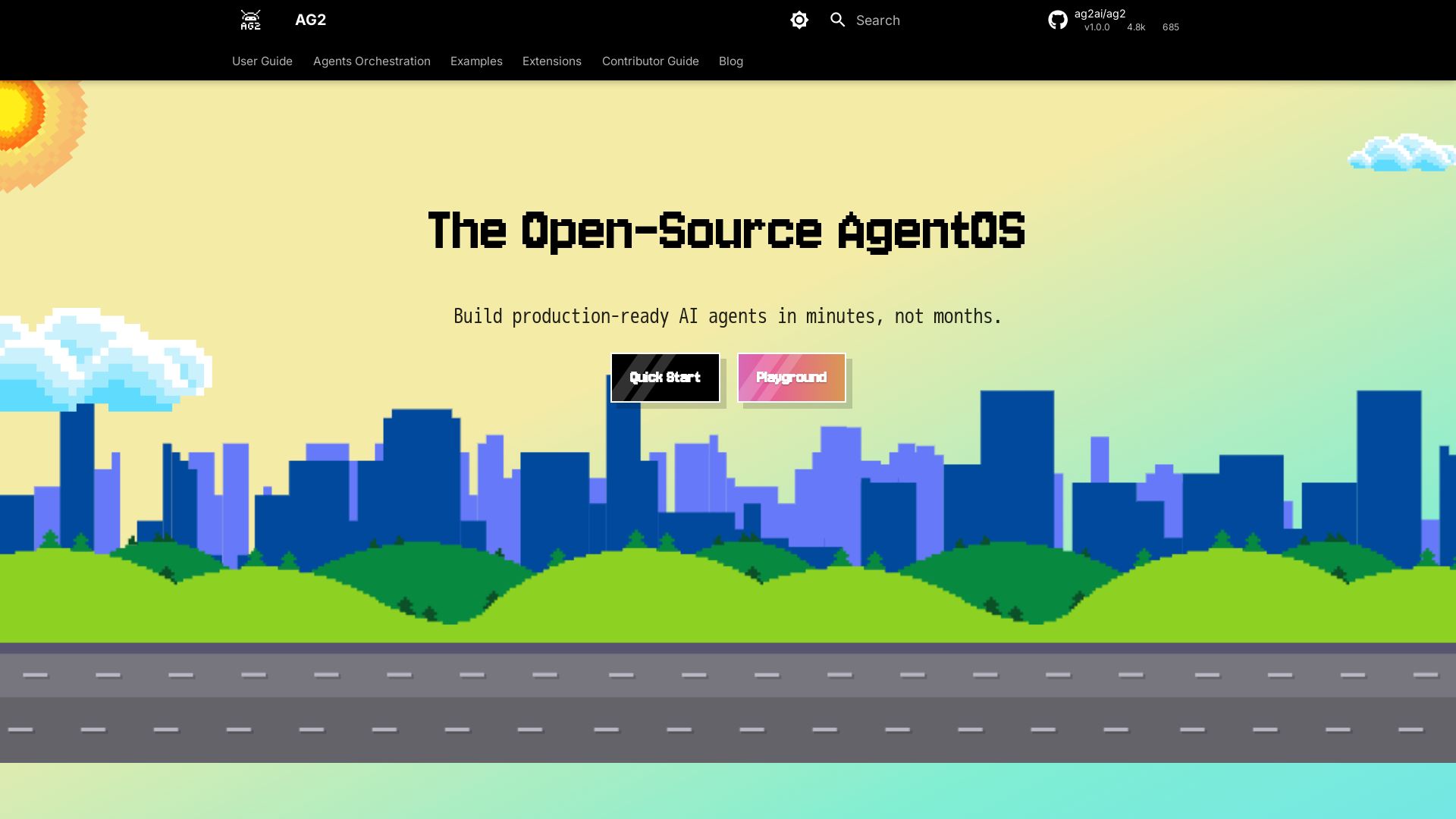
AG2
Build production-ready AI agents in minutes with AG2. Simple syntax, built-in patterns, human-AI collaboration. Open-source multi-agent framework.

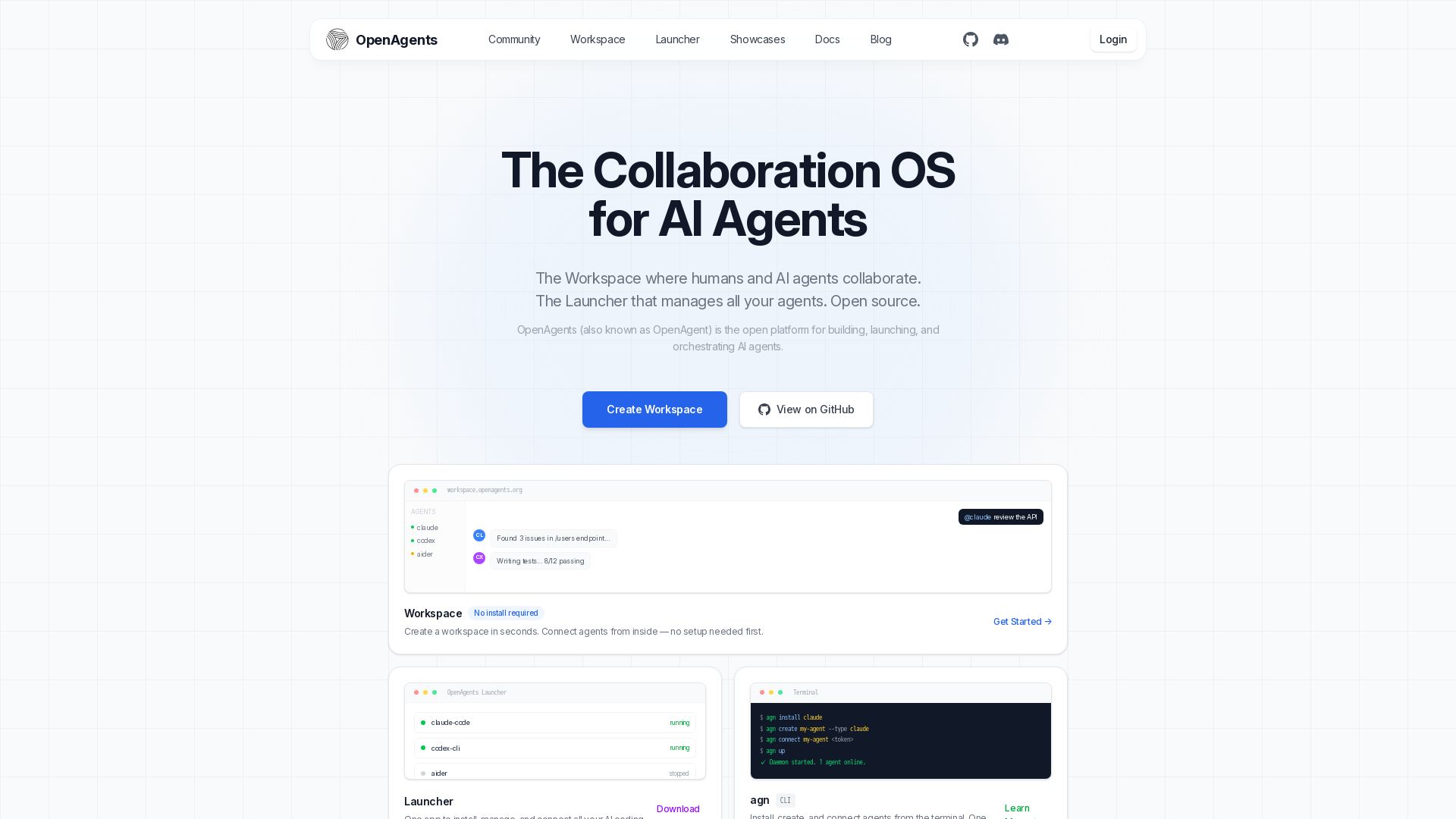
OpenAgents
Open-source AI agent platform: Collaborate with agents in a shared workspace. Manage Claude, Codex, Aider & more with the Launcher. Free, MIT license.

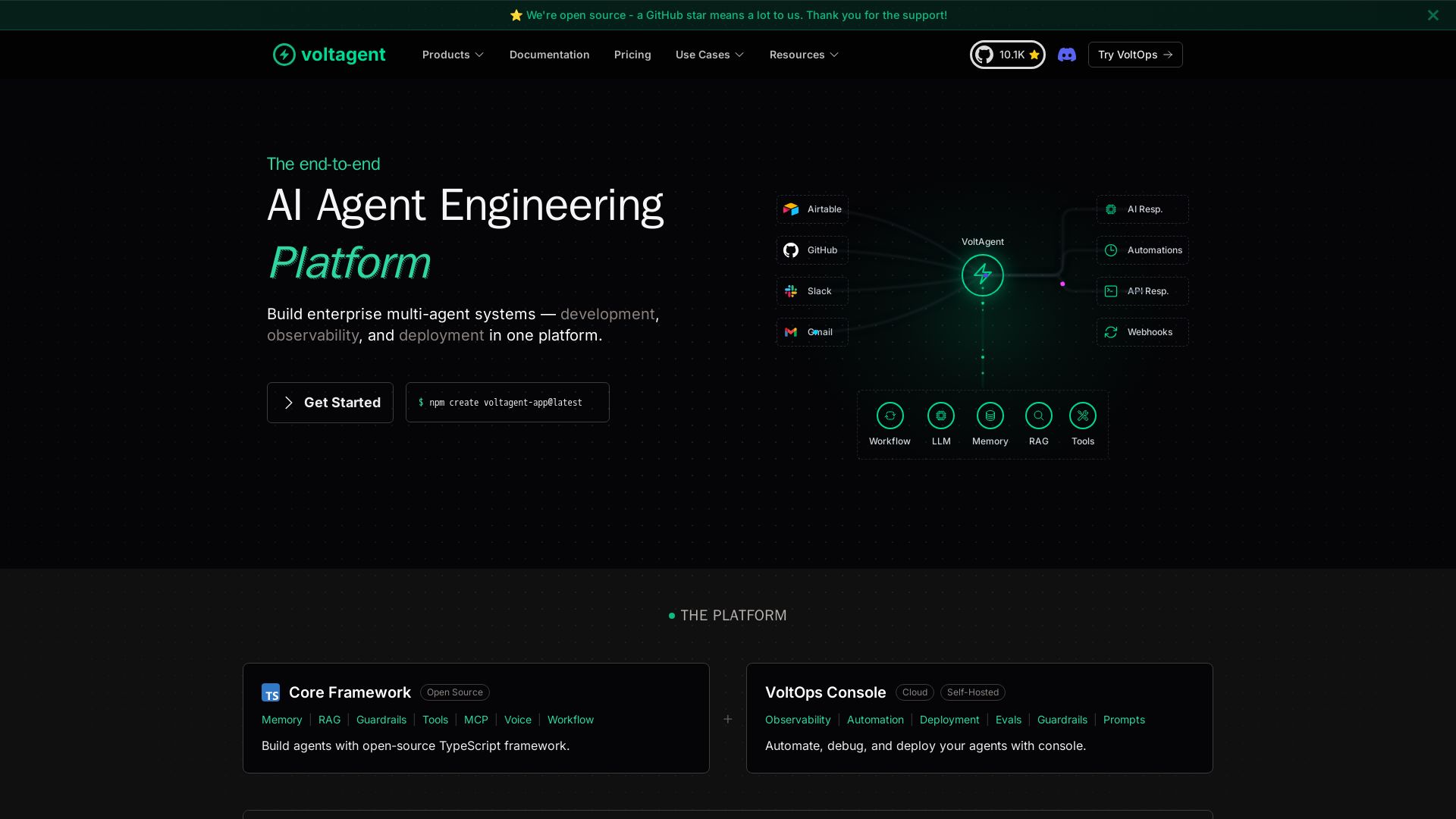
VoltAgent
Build, observe, and deploy production-ready AI agents with open-source TypeScript framework and VoltOps console. Multi-agent orchestration, RAG, tools, and more.

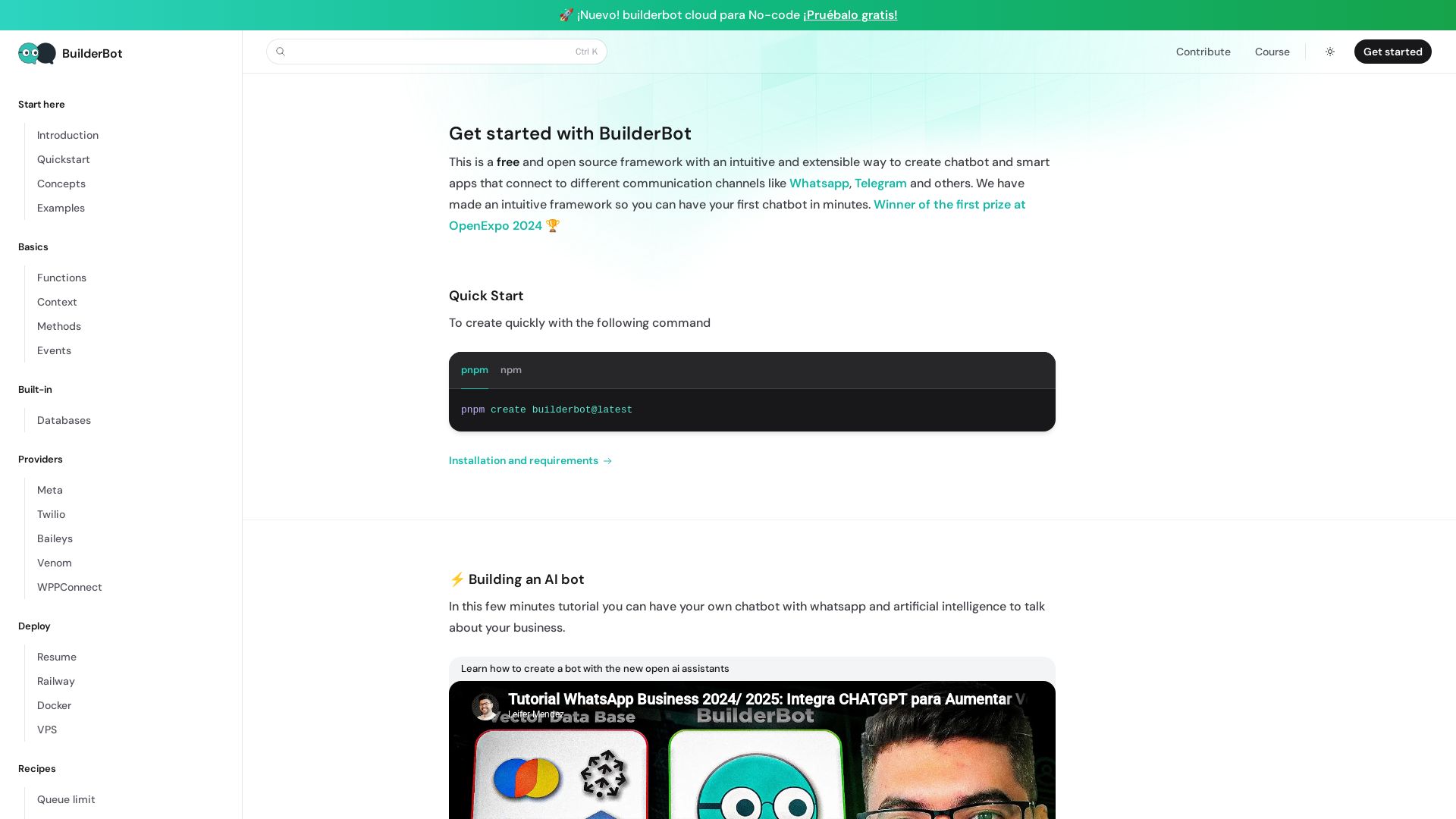
BuilderBot.app
Build smart chatbots for WhatsApp, Telegram & more with BuilderBot. Free, open source, winner of OpenExpo 2024. Quick start in minutes.

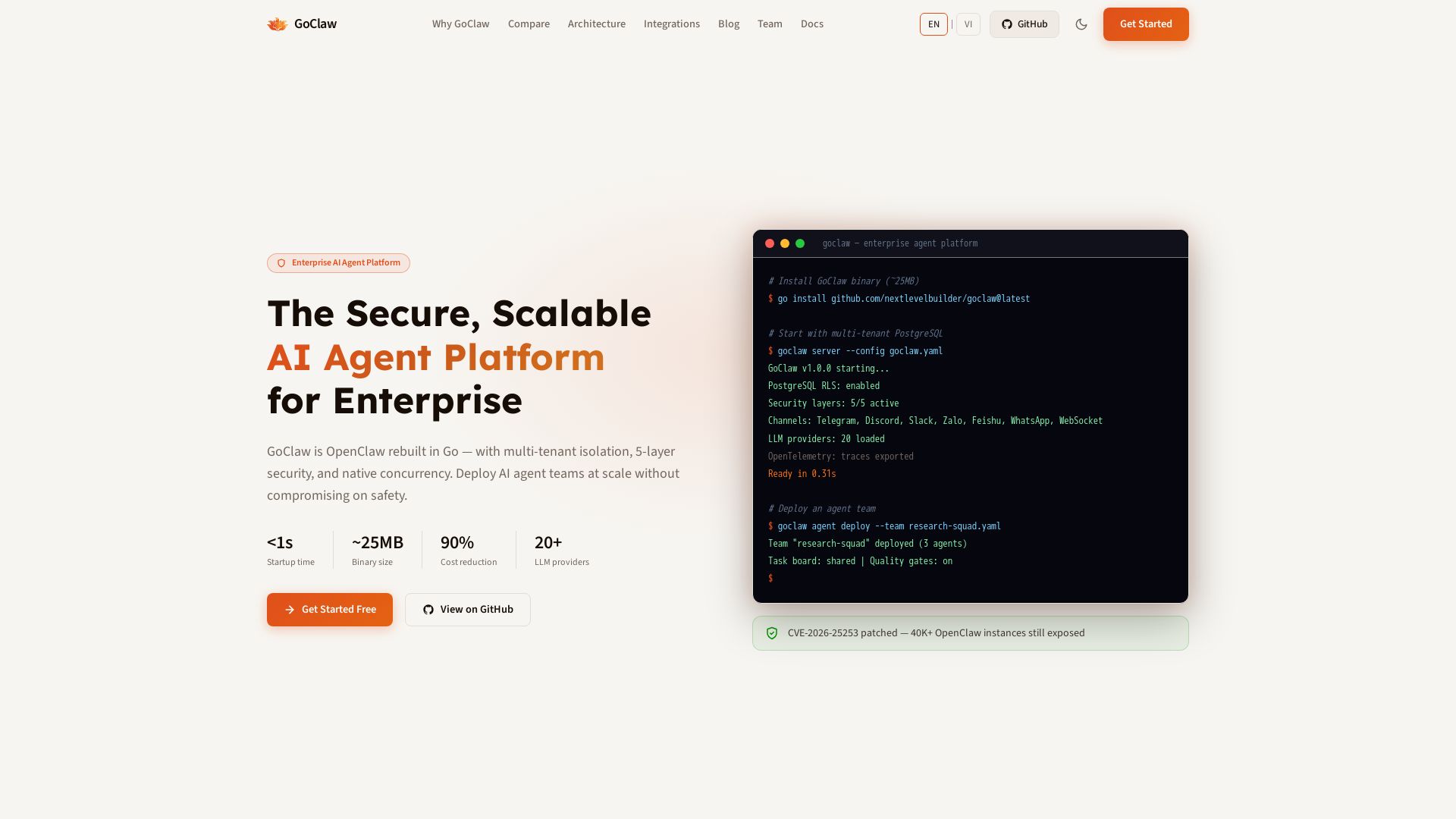
GoClaw
Deploy AI agent teams at scale with multi-tenant isolation, 5-layer security, and 90% cost reduction. Fast startup, ~25MB binary, 20+ LLMs.

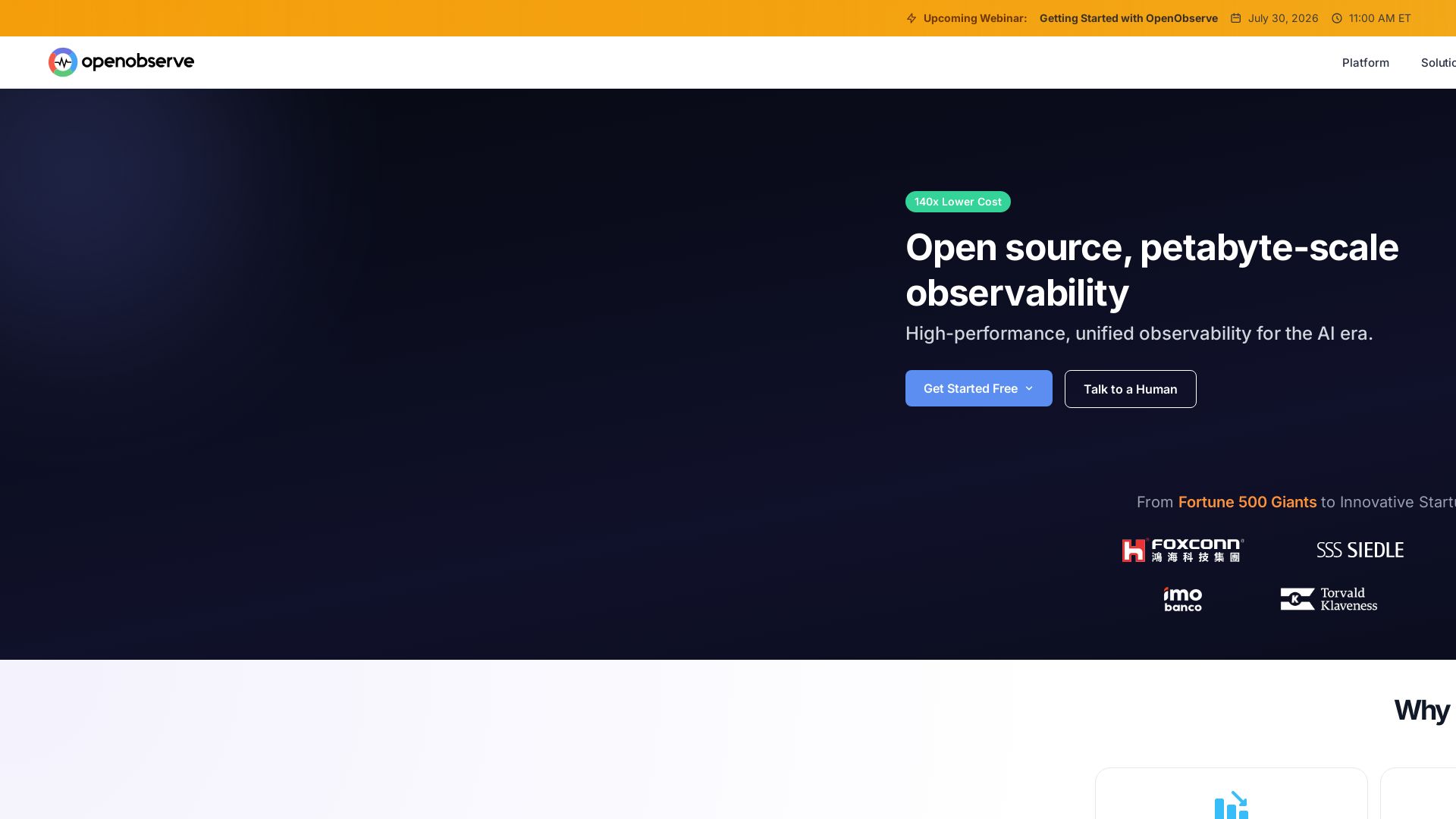
OpenObserve
OpenObserve unifies logs, metrics, traces, and RUM in one open source platform. Up to 140x lower cost than Elasticsearch. OpenTelemetry native. Try free.

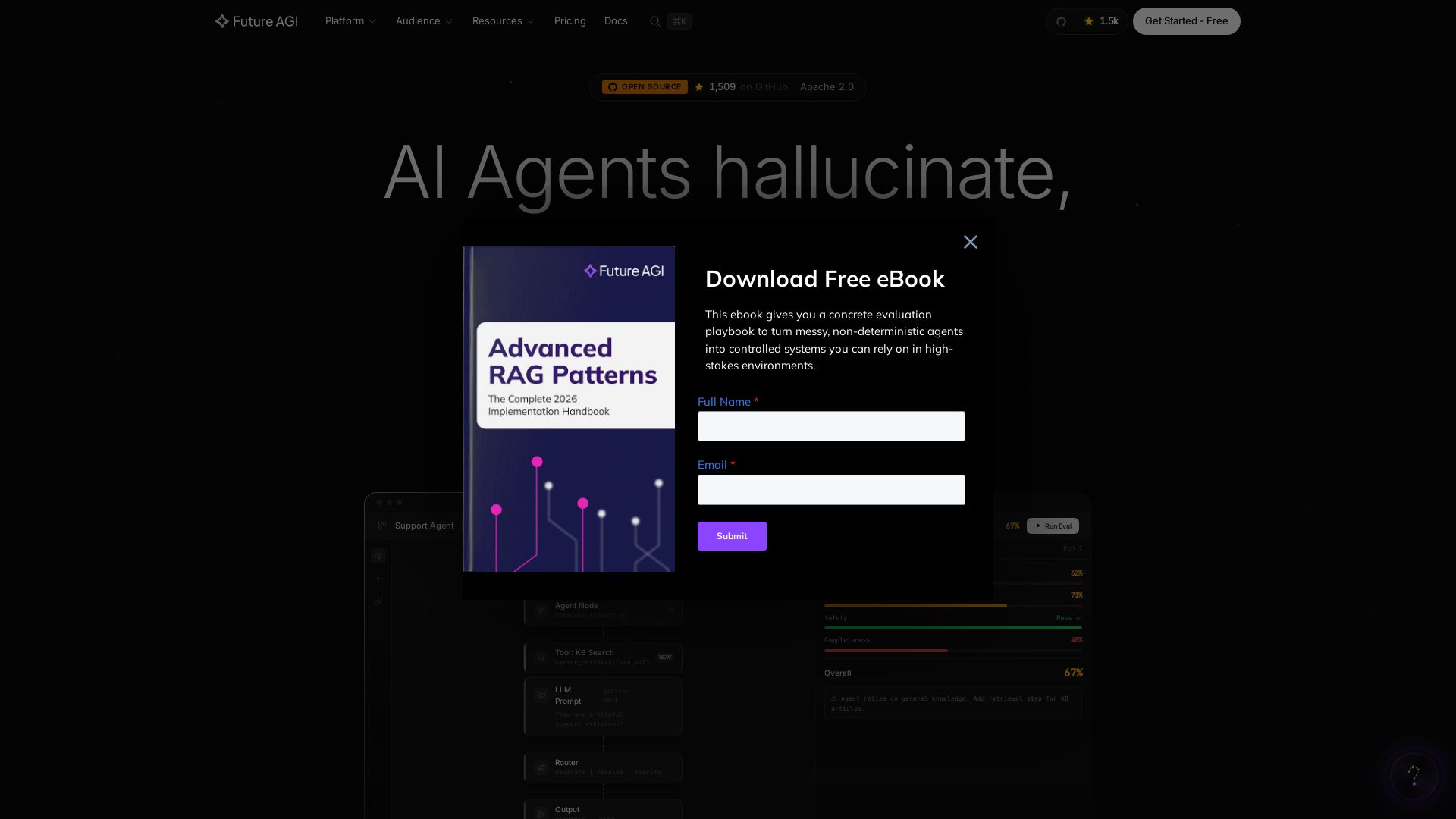
Future AGI
Catch AI hallucinations, evaluate accuracy, and deploy guardrails. Open-source platform to simulate, test, and monitor AI agents in production.


Maxim
Simulate, evaluate, and observe AI agents 5x faster. End-to-end platform for prompt engineering, agent testing, and real-time monitoring.

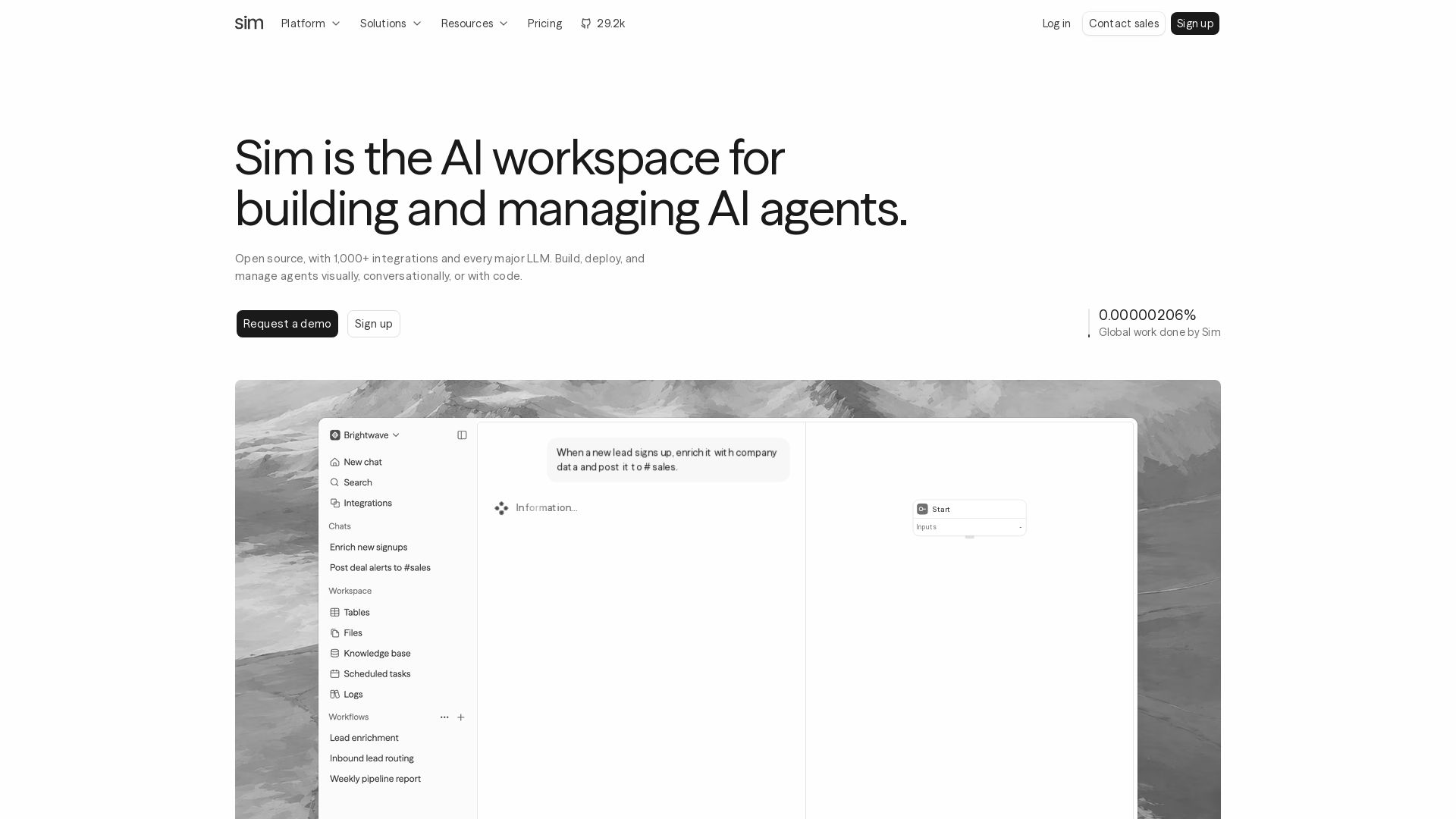
Sim
Build, deploy, and manage AI agents with 1,000+ integrations and every major LLM. Visually, conversationally, or with code. Get started free.


Gravitee
Secure and govern AI agents, APIs, and events on one platform. Protect against unsecured agents, control LLM costs, and gain visibility. Trusted by top enterprises.

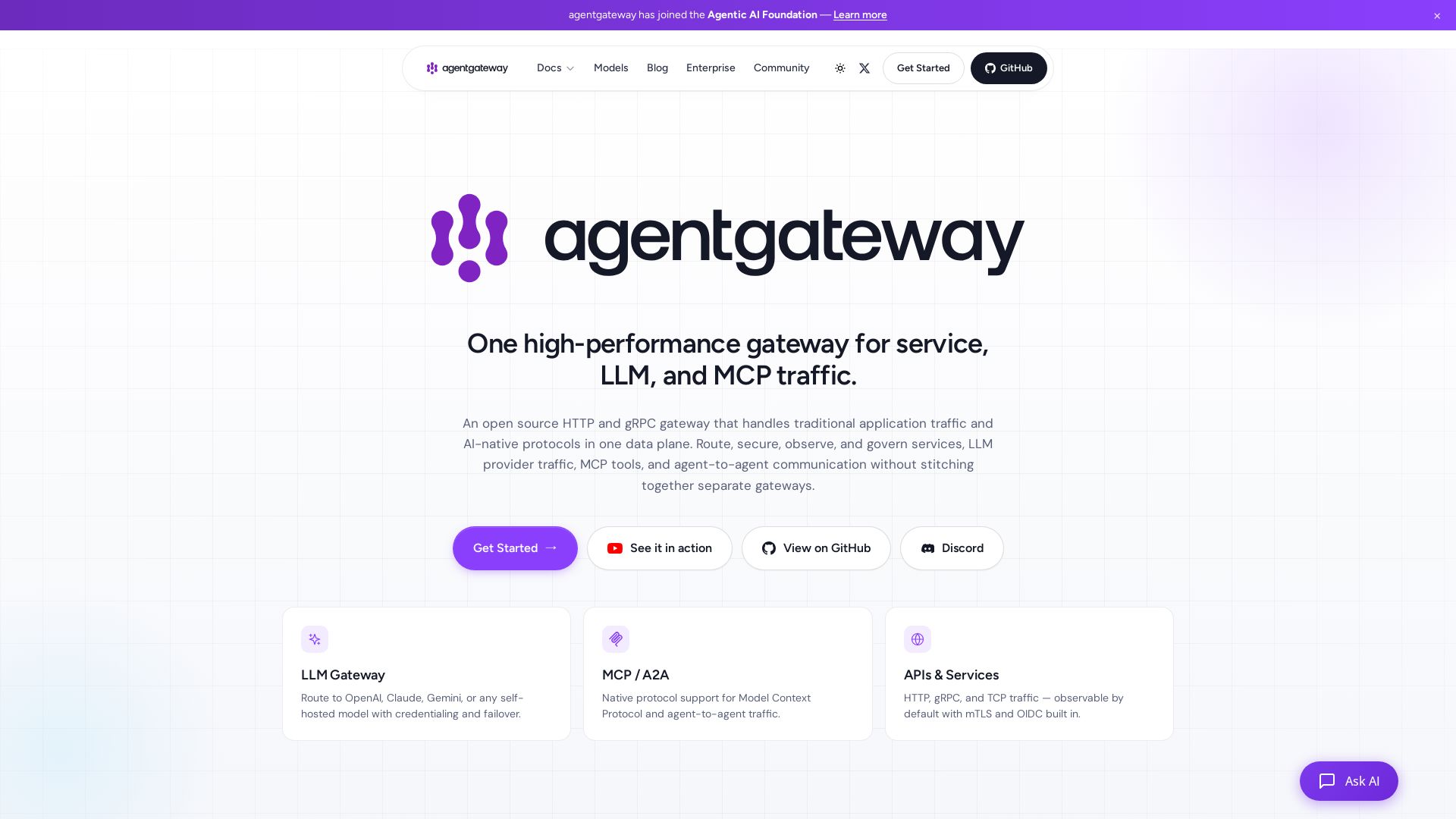
agentgateway
Route, secure, and observe LLM, MCP, A2A, and API traffic with a single, open-source gateway. One binary for all your AI and service needs.

ℹ️ Curation Disclosure: The overview and features of ArkSphere were synthesized using AI and fact-checked by our curation team to ensure accuracy.