
agentgateway
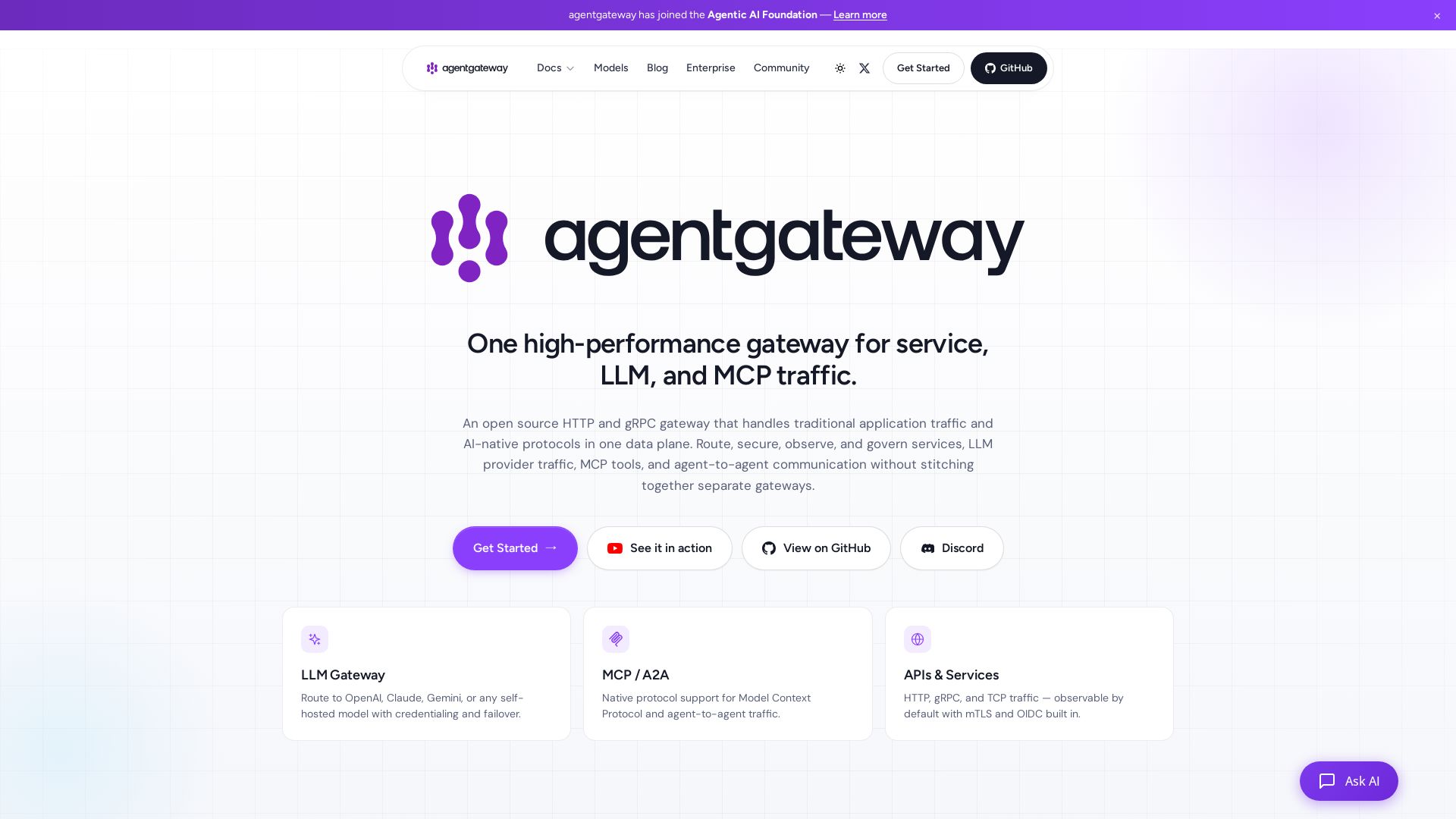
Route, secure, and observe LLM, MCP, A2A, and API traffic with a single, open-source gateway. One binary for all your AI and service needs.
Editor's Verdict
Key Takeaways
- Unified Gateway
- LLM Gateway
- MCP / A2A Support
- APIs & Services
In-Depth Review: What is agentgateway?
agentgateway is the first open-source HTTP/gRPC gateway that unifies traditional service traffic with AI-native protocols like LLM, MCP, and A2A. Deploy a single binary to route, secure, observe, and govern everything from OpenAI and Anthropic to self-hosted models, MCP servers, and agent-to-agent communication. Built for platform engineers who need one control plane they can trust.
Core Features
Unified Gateway
Handles HTTP, gRPC, LLM, MCP, and A2A traffic in a single data plane, eliminating the need for multiple gateways.
LLM Gateway
Route, fail over, and budget across 12+ model backends including OpenAI, Claude, Gemini, and self-hosted models.
MCP / A2A Support
Native protocol support for Model Context Protocol and agent-to-agent communication.
APIs & Services
HTTP, gRPC, and TCP traffic with built-in observability, mTLS, and OIDC authentication.
Inference Routing
Smart routing across self-hosted GPU pools for efficient inference.
Security & Observability
Per-call traces, logs, and policy decisions for complete visibility and control.
Pros and Cons
Pros
- Unified PlatformCombines service, LLM, MCP, and A2A traffic into one gateway, simplifying infrastructure and reducing operational overhead.
- Open SourceFreely available and community-driven, hosted under the Linux Foundation, ensuring transparency and continuous improvement.
- Wide Protocol SupportSupports HTTP, gRPC, TCP, MCP, A2A, and multiple LLM providers, making it versatile for modern AI-native applications.
- Built-in ObservabilityDefault traces, logs, and policy decisions enable deep monitoring and troubleshooting without additional tooling.
- Active CommunityBacked by major companies like Microsoft, Adobe, and AWS, with active Discord and GitHub communities for support and collaboration.
Cons
- Learning CurveNew users may need time to understand the configuration and integration of multiple protocols and backends.
- Limited DocumentationWhile docs exist, some advanced use cases may lack detailed examples or troubleshooting guides.
- Enterprise FeaturesPricing and enterprise support details are not readily available on the homepage, requiring contact for custom plans.
- MaturityAs a relatively new project under the Agentic AI Foundation, it may not have the same stability or ecosystem as established gateways.
- Dependency on External InfraFor self-hosted models, users need their own GPU infrastructure, which may not be cost-effective for all.
Use Cases & Recommended Professions
Platform Engineer→ View Toolkit
Manages infrastructure for AI services, needs a unified gateway to route and secure traffic across multiple protocols and backends.
AI Engineer→ View Toolkit
Develops AI agents and needs to connect them to various LLMs, MCP servers, and A2A endpoints with failover and observability.
DevOps Engineer→ View Toolkit
Responsible for deployment and monitoring, benefits from built-in observability and multi-protocol support in a single binary.
Software Developer→ View Toolkit
Builds applications that rely on LLMs or agents, can use agentgateway to simplify API calls and handle routing without custom code.
Data Scientist→ View Toolkit
Works with self-hosted models and needs efficient inference routing and GPU pool management.
Security Engineer→ View Toolkit
Ensures safe AI operations, leverages mTLS, OIDC, and policy enforcement for agent and LLM traffic.
Frequently Asked Questions
Alternative AI Tools
View Detailed Comparison →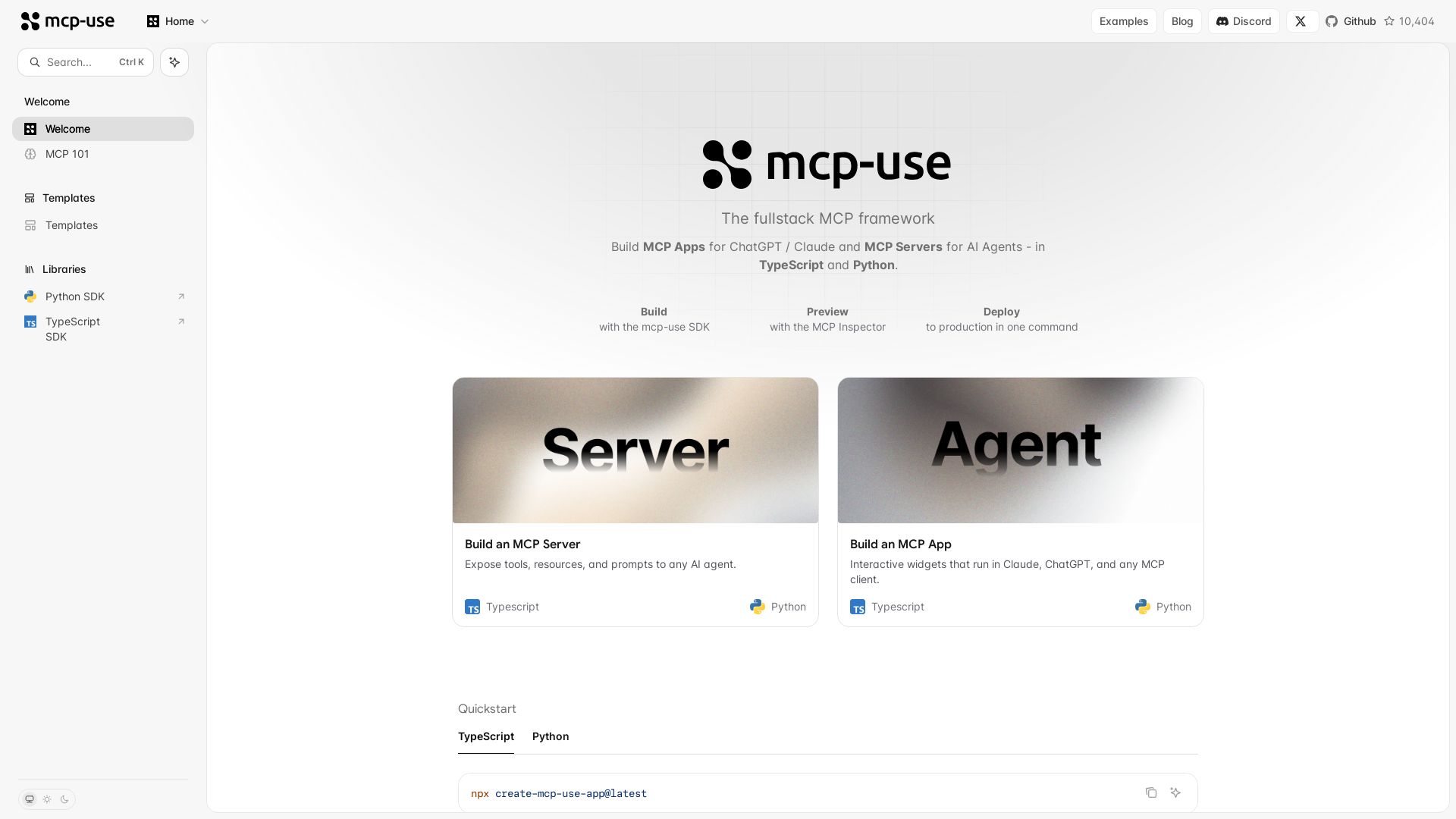
mcp-use
Build MCP apps for ChatGPT/Claude and MCP servers for AI agents. TypeScript & Python. Deploy in one command.

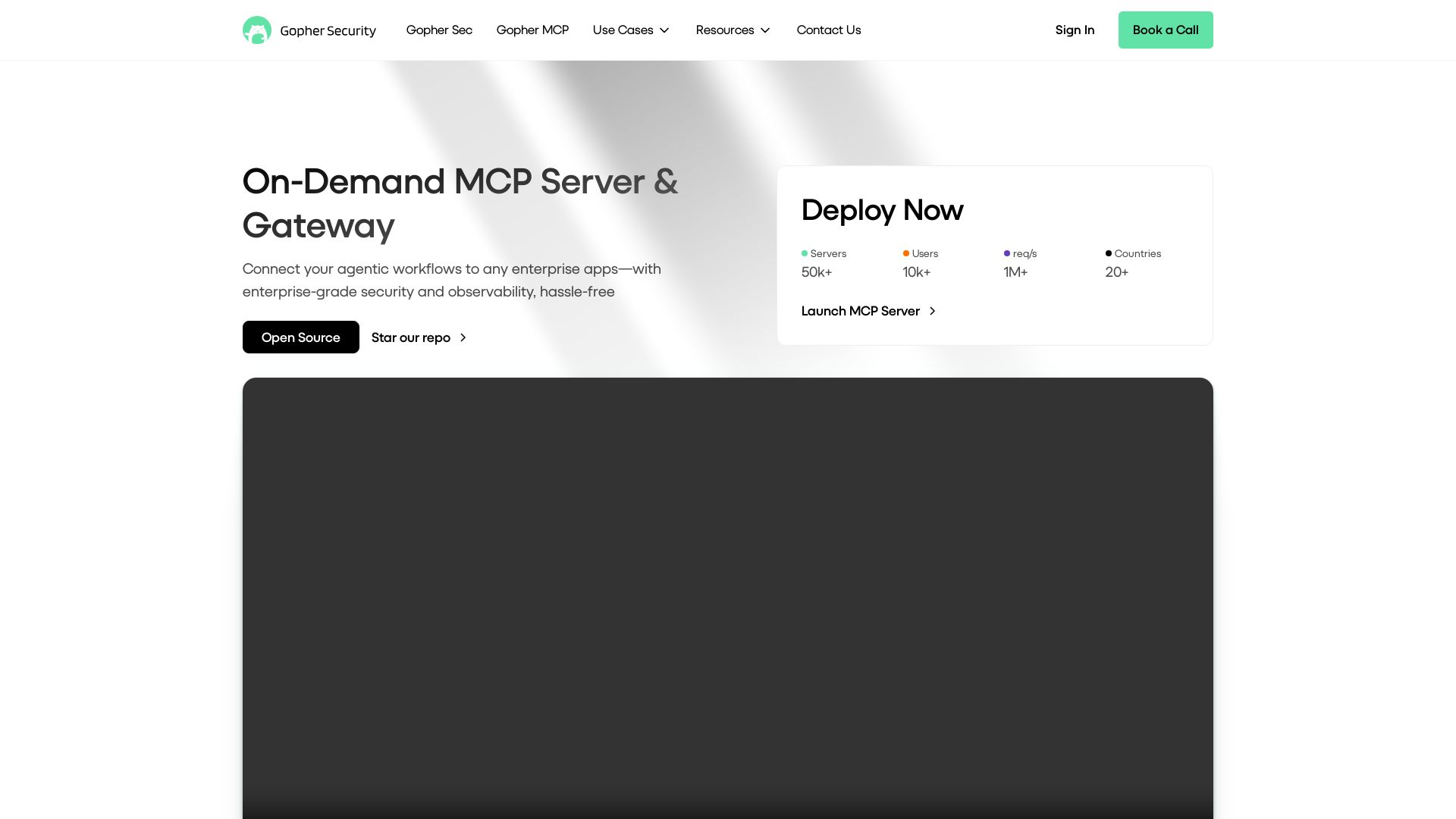
Gopher-MCP
Deploy secure MCP servers in minutes with 4D security: deep inspection, zero-trust access, granular policies, and post-quantum encryption.

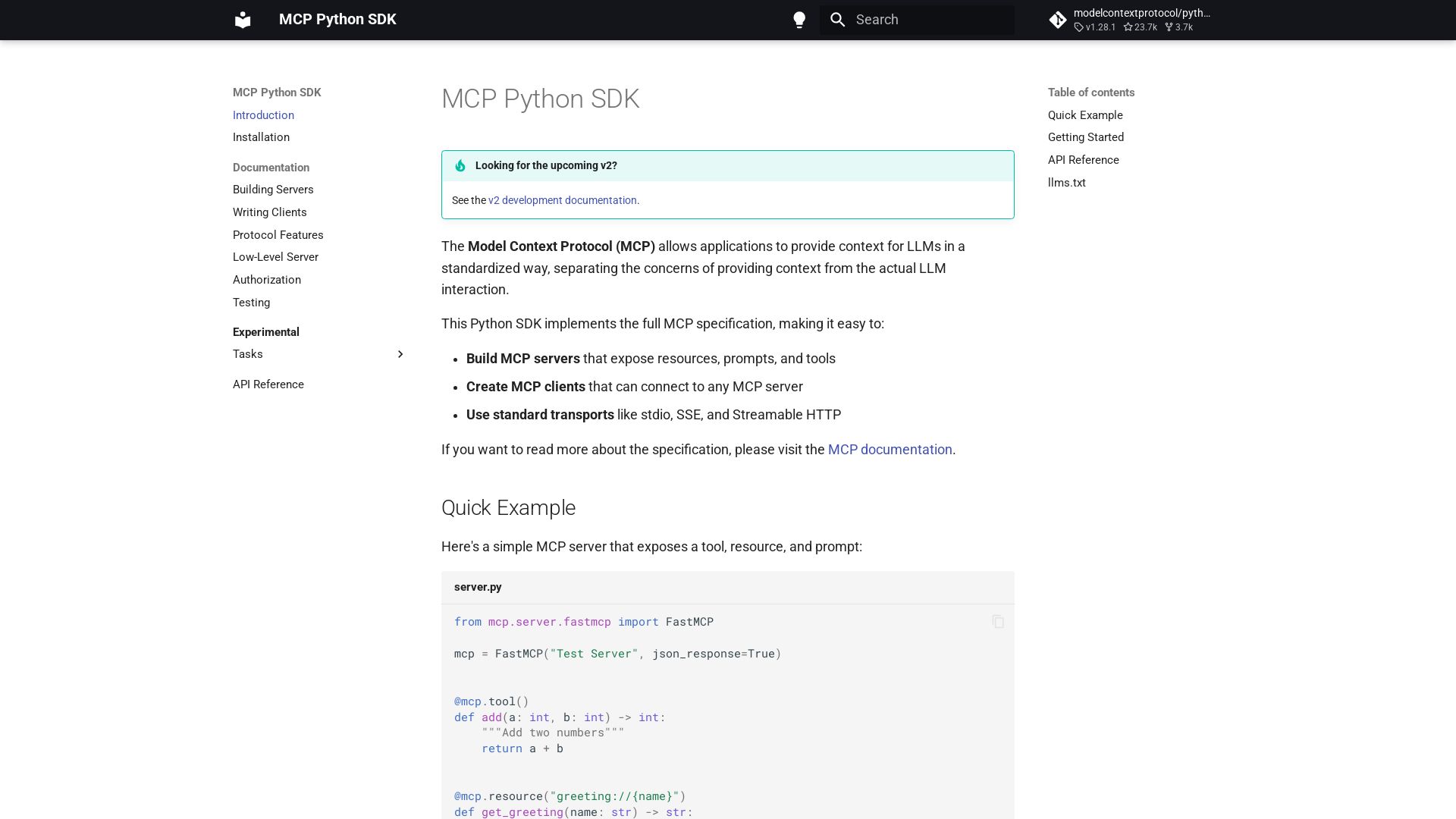
MCP Python SDK
Python SDK for Model Context Protocol. Easily build servers and clients exposing tools, resources, and prompts.

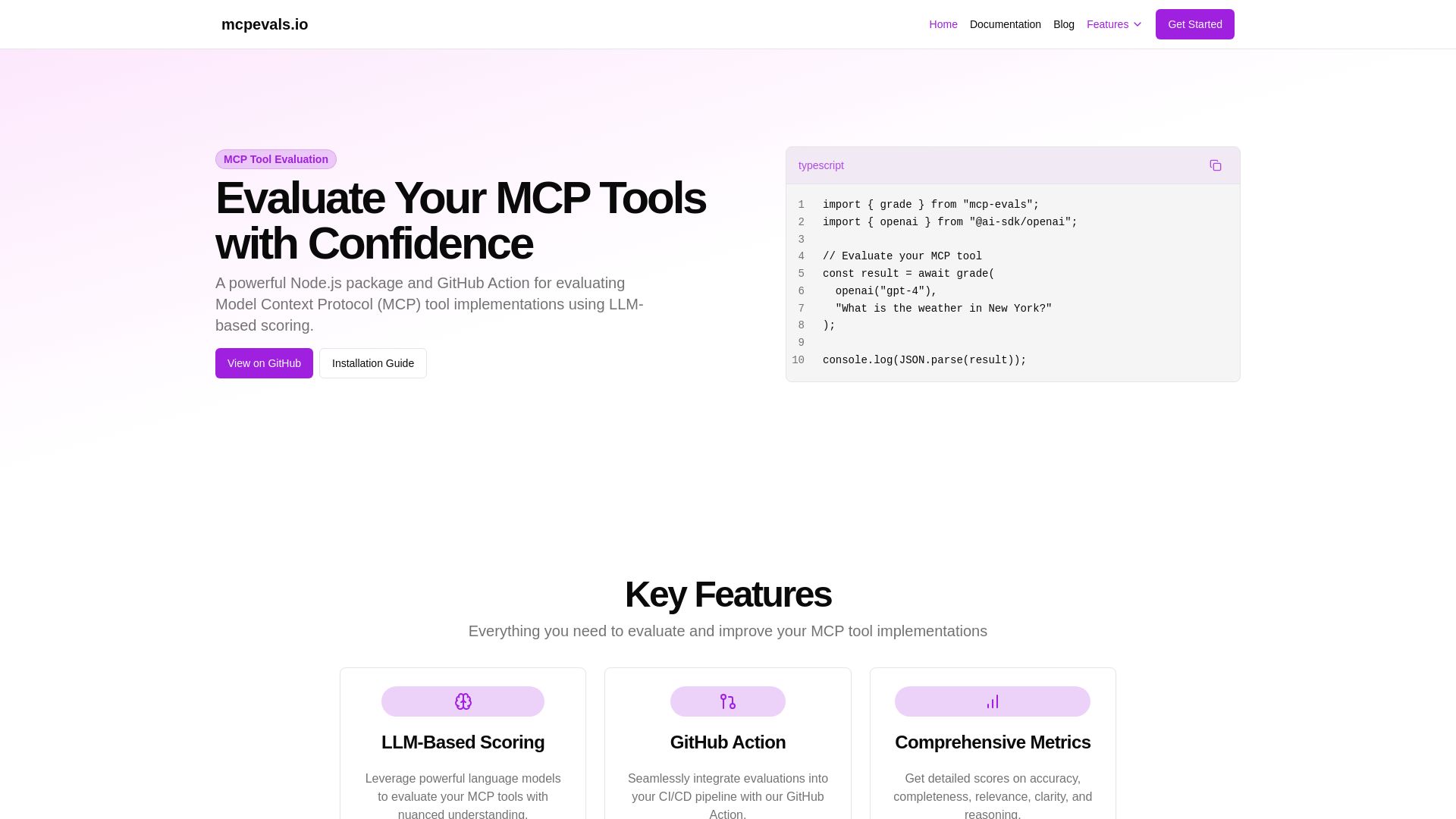
MCP Evals
A powerful Node.js package and GitHub Action for evaluating Model Context Protocol tool implementations using AI scoring. Get accurate metrics & feedback.

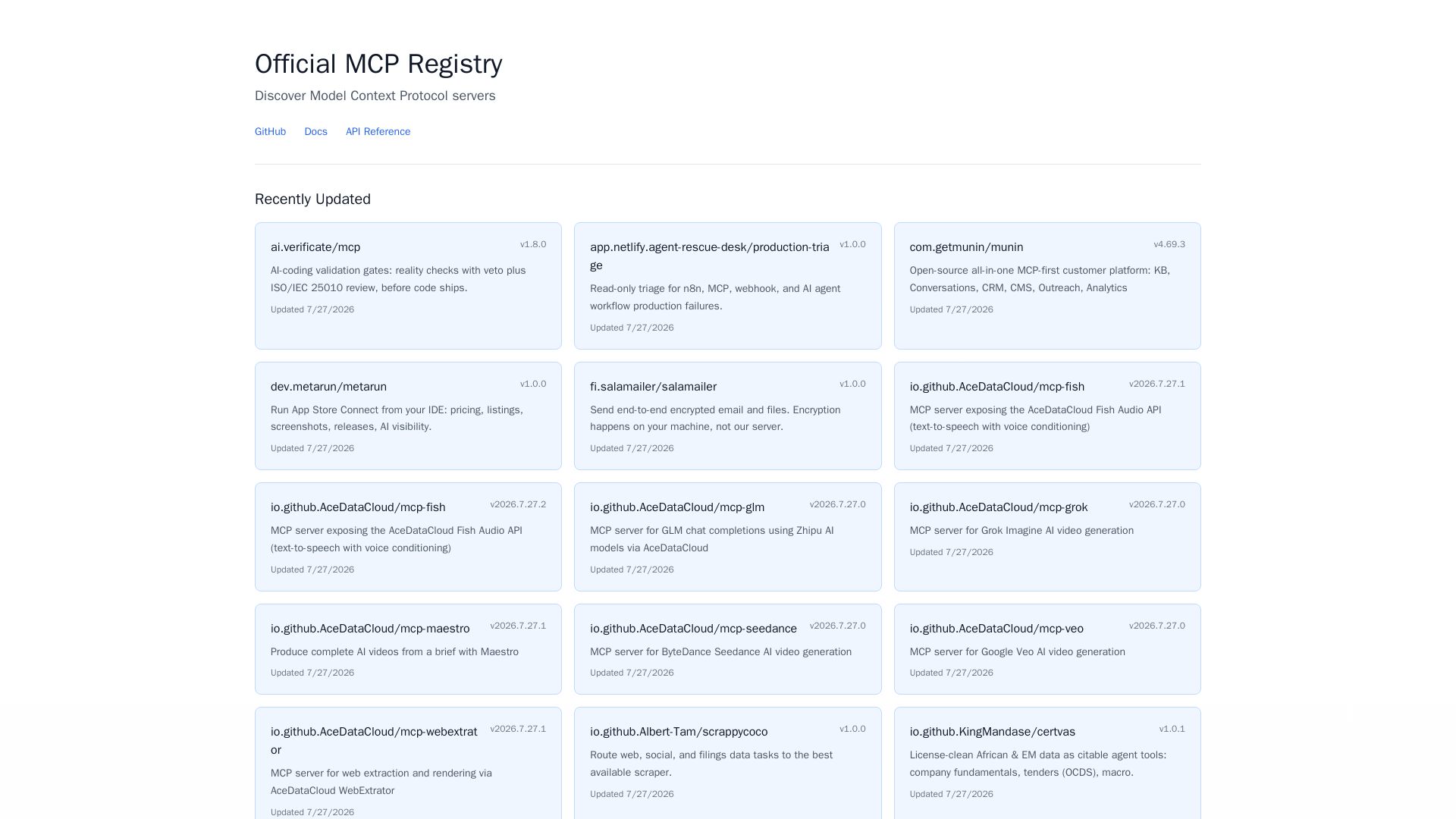
MCP Registry
Explore the official directory of MCP servers for AI integration, data processing, automation, and more. Find vetted servers with descriptions and updates.
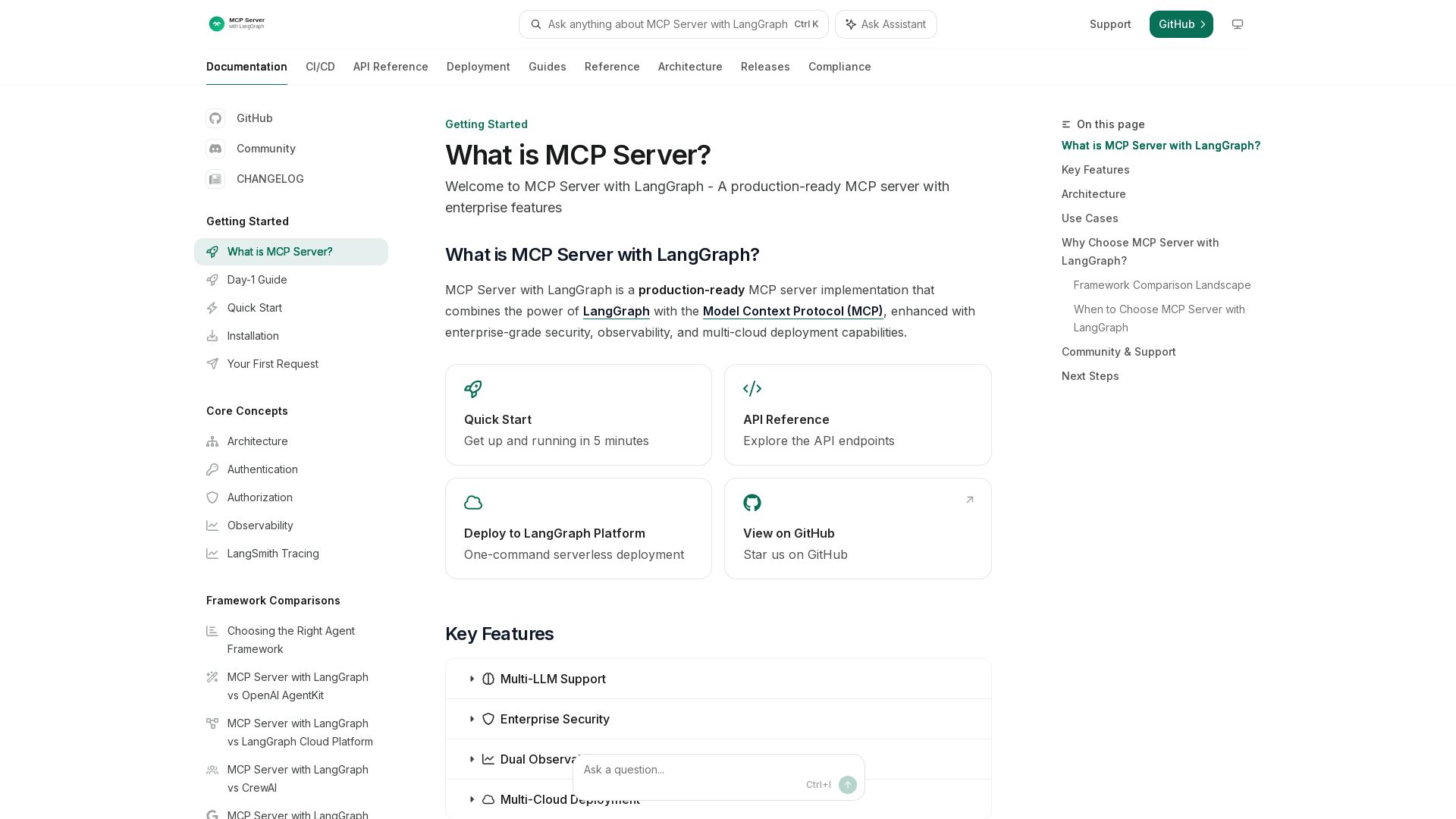
MCP Server with LangGraph
Production-ready MCP server with LangGraph, enterprise-grade security, multi-LLM support, and multi-cloud deployment. Start in 5 minutes.

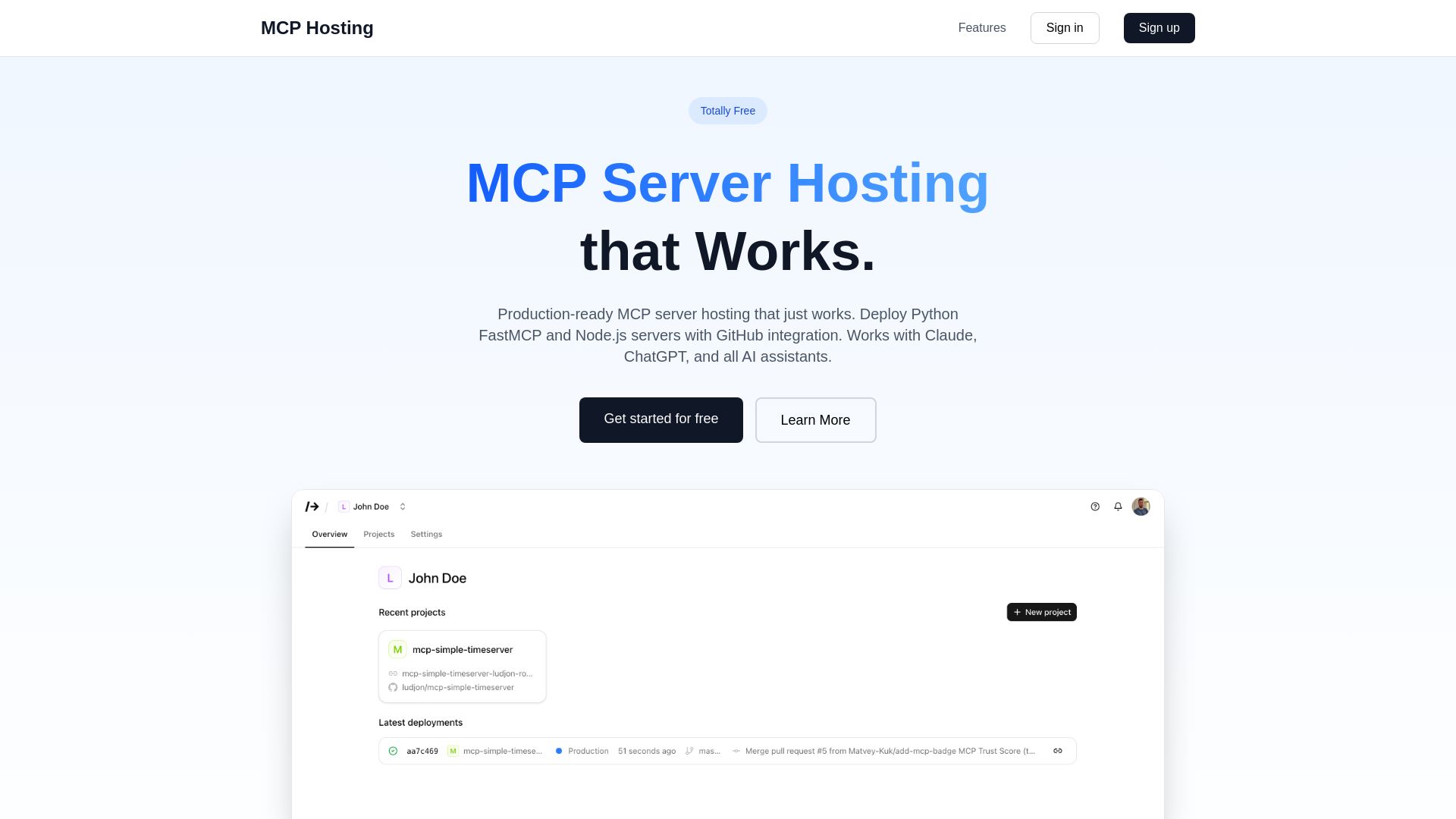
MCP Hosting
Production-ready MCP server hosting with GitHub integration. Deploy Python FastMCP & Node.js servers instantly. Free tier available. Works with Claude, ChatGPT, and all AI assistants.
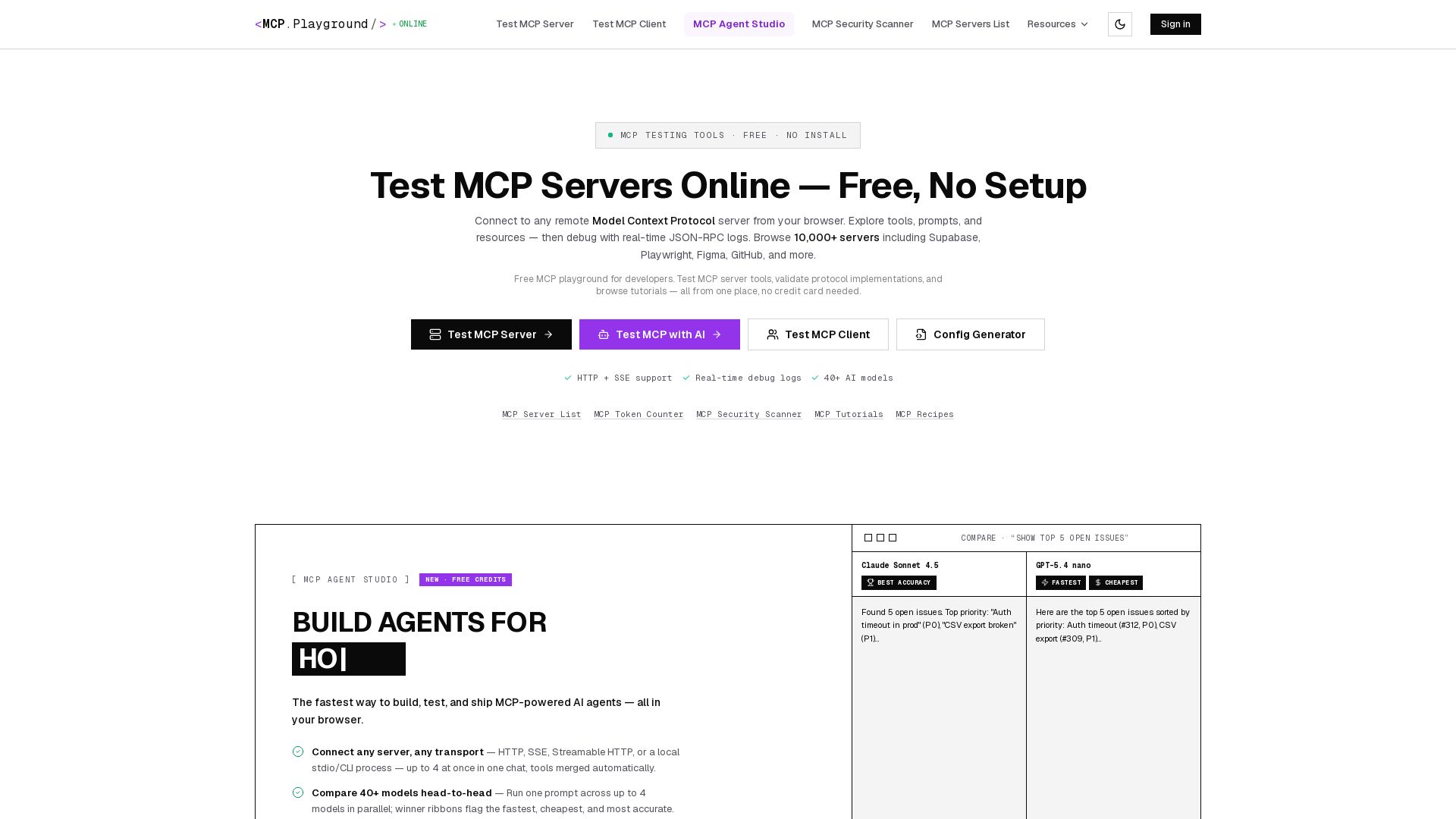
MCP Playground Online
Free browser-based MCP testing tool. Connect to any server, browse tools, execute commands, and view live JSON-RPC logs. No install required.

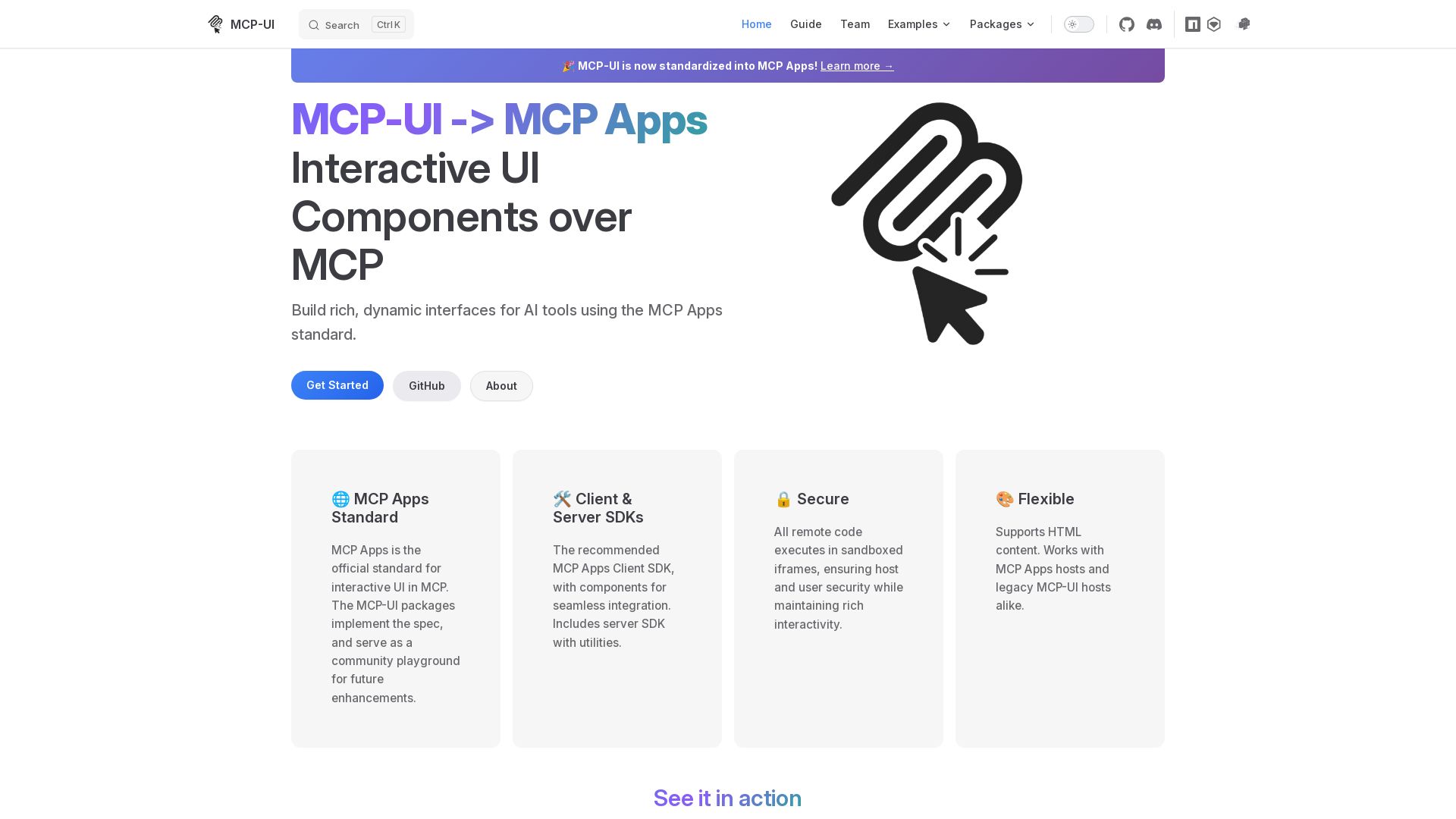
MCP-UI
Build rich, dynamic interfaces for AI tools with MCP Apps. Secure sandboxed execution, HTML support, client & server SDKs.

Envoy AI Gateway
Envoy AI Gateway is an open source project for handling GenAI traffic with Envoy Gateway. Supports 16+ LLM providers, production-ready v1.0.

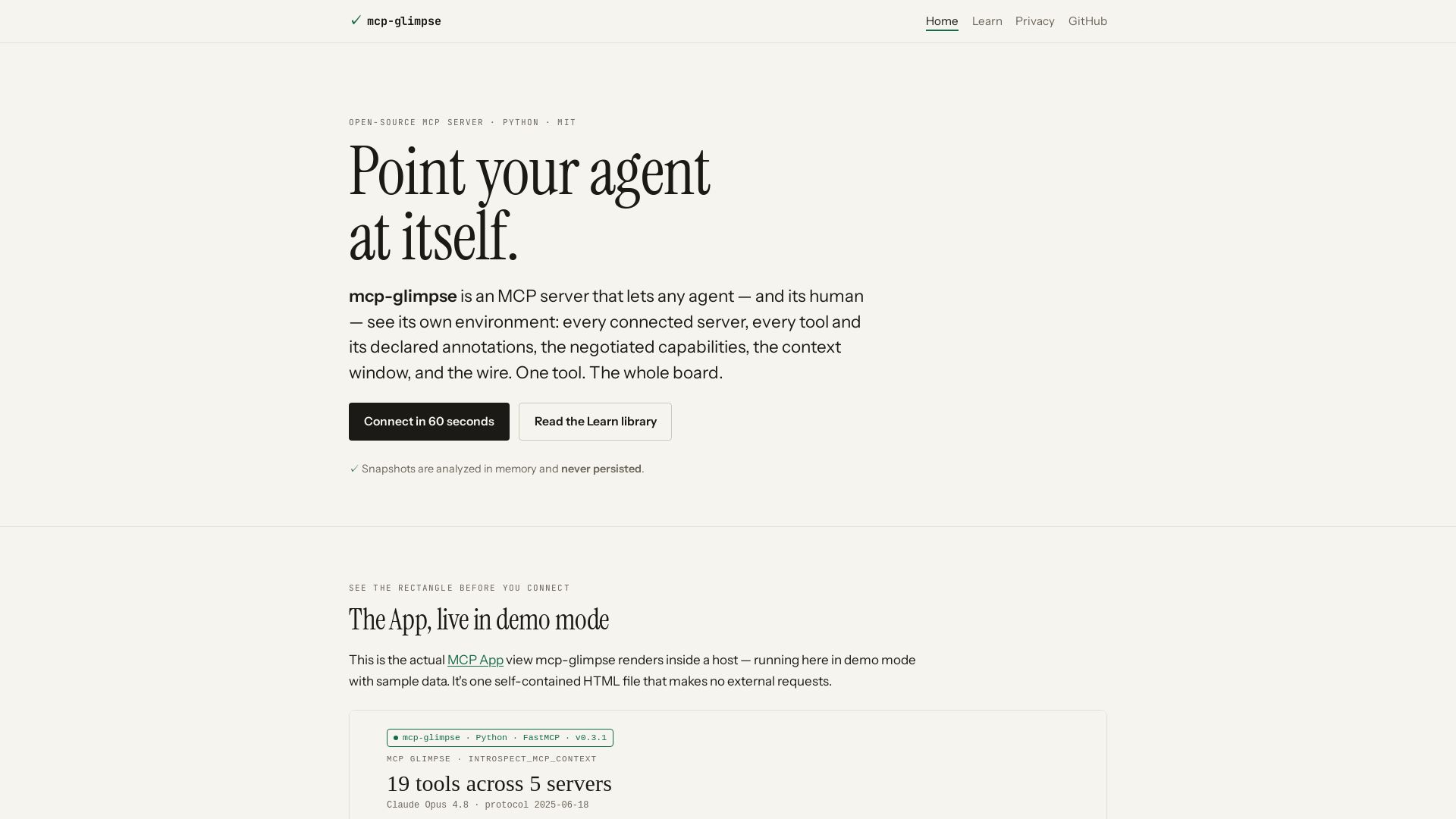
mcp-glimpse
Open-source MCP server that lets agents and humans introspect every tool, capability, and context. Privacy-first, no persistence.

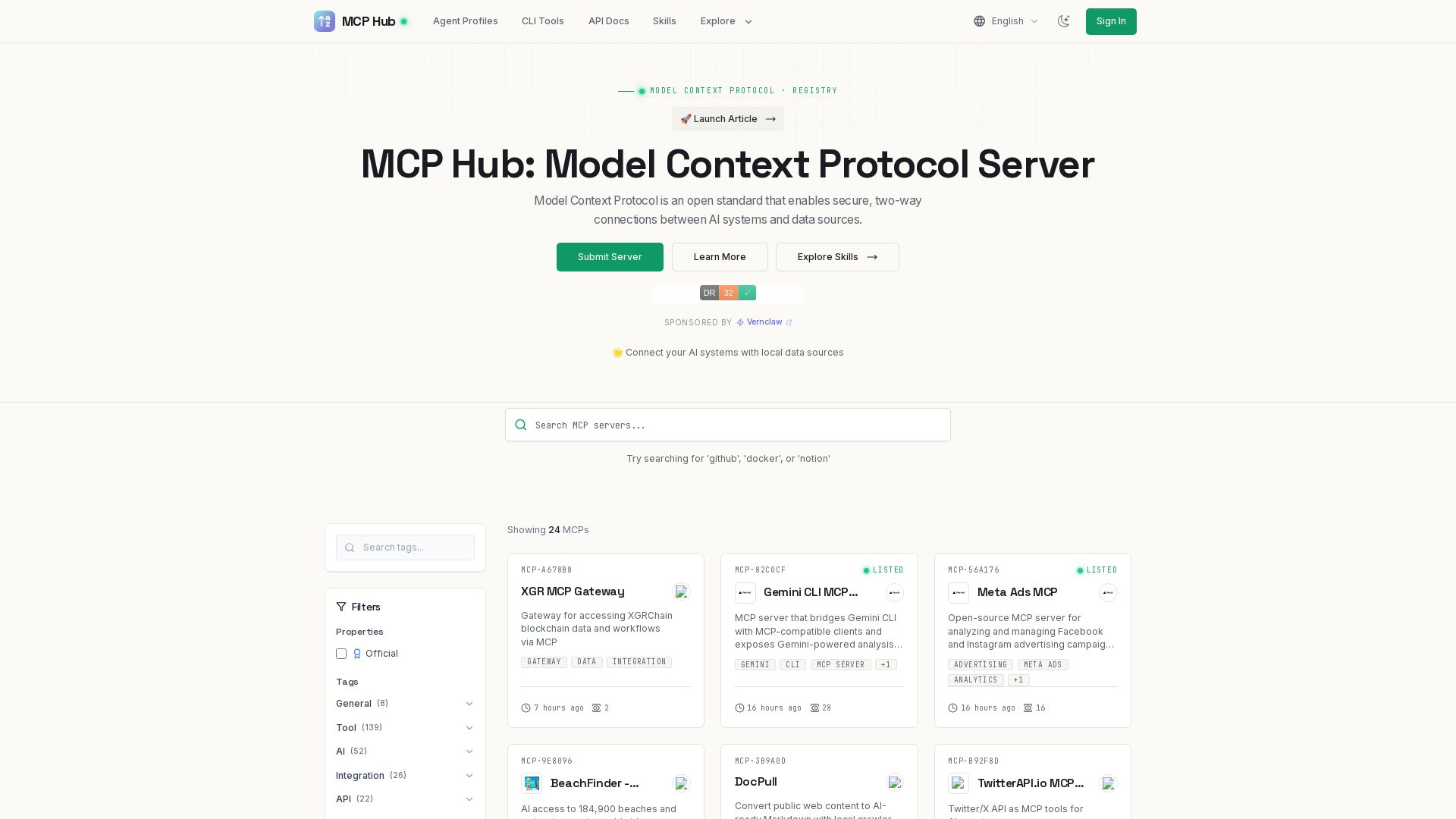
MCP Hub
Explore hundreds of MCP servers for secure AI-data connections. Find tools for GitHub, Docker, Notion, and more. Submit your own MCP implementation.

ℹ️ Curation Disclosure: The overview and features of agentgateway were synthesized using AI and fact-checked by our curation team to ensure accuracy.