
Orchestra
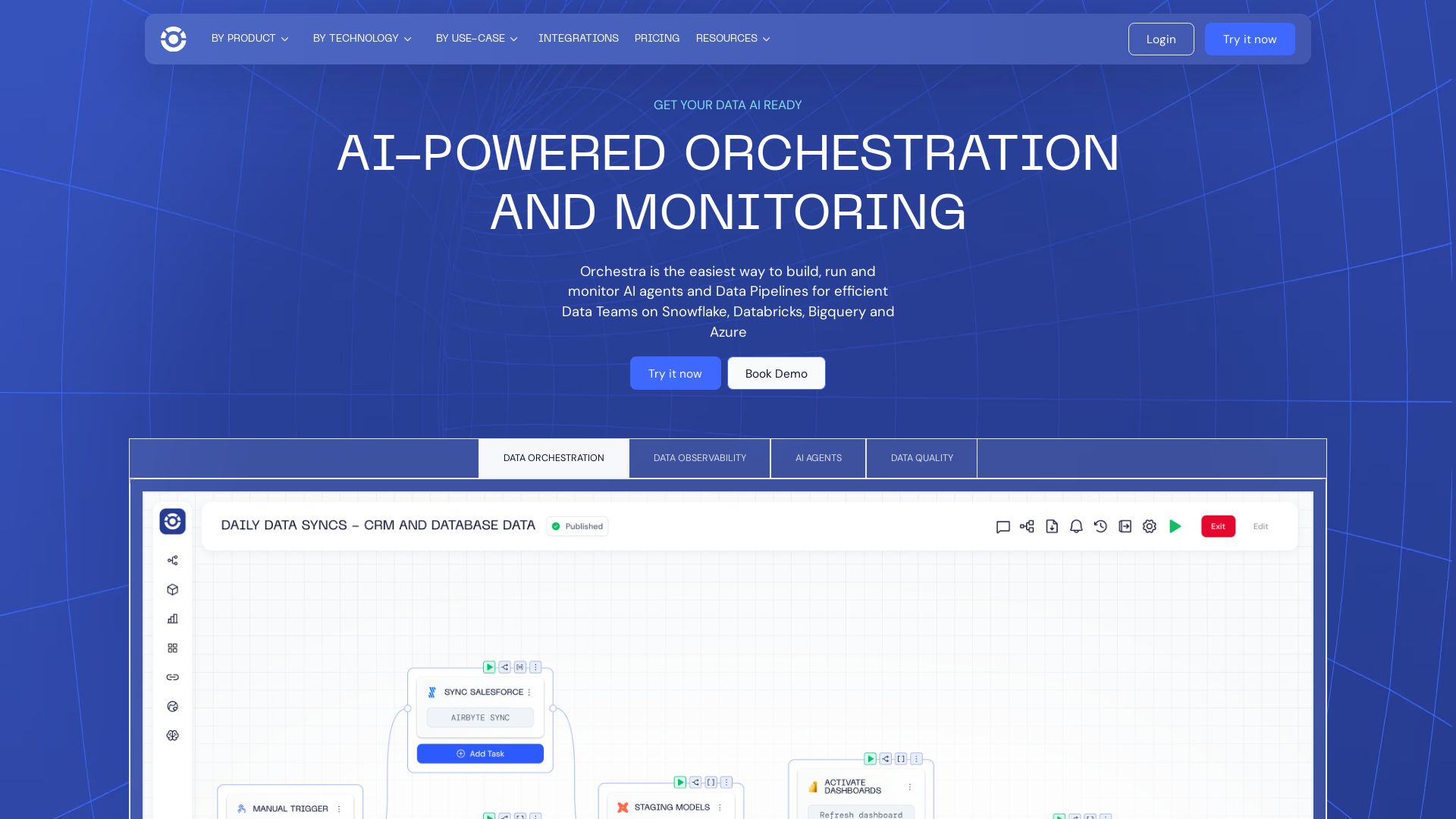
Orchestra is the easiest way to build, run and monitor AI agents and data pipelines. Get end-to-end visibility and reduce costs with our single control plane.
Editor's Verdict
Key Takeaways
- AI-Powered Orchestration and Monitoring
- Data Orchestration
- Data Observability
- AI Agents
In-Depth Review: What is Orchestra?
Orchestra is a comprehensive platform for data orchestration, observability, and AI agent management. It enables data teams to easily connect tools, visualize end-to-end lineage, and automate maintenance with AI. With 100+ integrations including Snowflake, Databricks, and Azure, Orchestra offers a single pane of glass for data+AI, reducing setup and maintenance time by 80%. Users report faster pipeline execution, lower costs, and improved team cohesion.
Core Features
AI-Powered Orchestration and Monitoring
Orchestra is the easiest way to build, run and monitor AI agents and Data Pipelines for efficient Data Teams.
Data Orchestration
Orchestrate Python, run dbt, and run agents on managed infrastructure with a single pane of glass.
Data Observability
Gather metadata from all tools into a single intuitive control plane for end-to-end lineage and visibility.
AI Agents
AI-powered maintenance agents that proactively identify and fix issues, reducing downtime.
Data Quality
Run data quality tests directly within the orchestration platform to ensure data integrity.
GUI or Code
Build pipelines 10x faster using a GUI or just a few lines of code, eliminating learning curve.
100+ Integrations
Integrate with cloud and AI infrastructure including Snowflake, Databricks, dbt, Tableau, and more.
MetaEngine
Leverage proprietary MetaEngine to orchestrate thousands of tasks at once and deprecate legacy metadata frameworks.
Control Plane for Data
Centralize metadata from all tools into a single control plane for comprehensive data management.
End-to-End Lineage
Visualize and daisy-chain tools end-to-end, connecting different tools for seamless data flow.
Pricing
Lean
- 1 user
- 3 pipelines
- 1 environment
- 30 compute minutes/day
- Full plan comparison
Scale-up
- 2 to 5 users
- No pipeline limit
- 2 environments
- 500 daily compute minutes
- MCP, Catalog, Asset Lineage, SSO
- No SLA
- Full limits unlocked at 4 users
Enterprise
- Custom users
- No pipeline limit
- No environment limit
- Custom compute
- Everything in Scale-up
- Workspaces, Metadata API, Private Link
- Hybrid Deployment
- Premium Support, 24/7 support
- Custom onboarding, Training, Professional Services
Pros and Cons
Pros
- End-to-End VisibilityProvides a single pane of glass for all pipelines and tools, enabling rapid troubleshooting and team cohesion.
- Lower Maintenance CostsIntuitive UI compared to other orchestrators results in much lower setup and maintenance costs.
- Speed and EfficiencyTasks that used to take hours or days are completed in minutes, freeing up time for development.
- Lean Team EnablementSmall teams can manage complex data stacks without needing extensive DevOps expertise, reducing overhead.
- Excellent SupportFirst-class support with rapid feature delivery and a partnership approach, as noted by multiple users.
Cons
- Free Plan LimitationsLean plan has only 30 compute minutes per day and 3 pipelines, which may restrict small projects.
- No SLA on Scale-upScale-up plan does not include a service-level agreement, which might be a concern for critical workloads.
- Compute Minutes Only for dbt and PythonCompute minutes allowance applies only to dbt and Python tasks, potentially limiting other integrations.
- Enterprise Features Essential for Large ScaleAdvanced features like private link and hybrid deployment are only available in the Enterprise plan, requiring custom pricing.
- No Self-Hosted Option for Lower TiersLean and Scale-up plans are fully managed cloud solutions, which may not suit organizations needing on-premise control.
Use Cases & Recommended Professions
Data Engineer→ View Toolkit
Build and maintain data pipelines, orchestrate Python and dbt, and ensure data quality with minimal overhead.
Data Architect→ View Toolkit
Design and manage data infrastructure, integrate multiple tools, and provide end-to-end lineage visibility.
Data Platform Manager→ View Toolkit
Oversee the entire data stack, reduce costs, and enable lean teams to deliver data products efficiently.
AI/ML Engineer→ View Toolkit
Orchestrate AI agents and ML models, monitor performance, and leverage AI-powered maintenance for proactive fixes.
Analytics Engineer→ View Toolkit
Run dbt transformations, schedule reverse ETL jobs, and monitor data quality with a unified control plane.
Data Operations Lead→ View Toolkit
Manage data observability, alerting, and troubleshooting across multiple pipelines and tools in one place.
Frequently Asked Questions
Alternative AI Tools
View Detailed Comparison →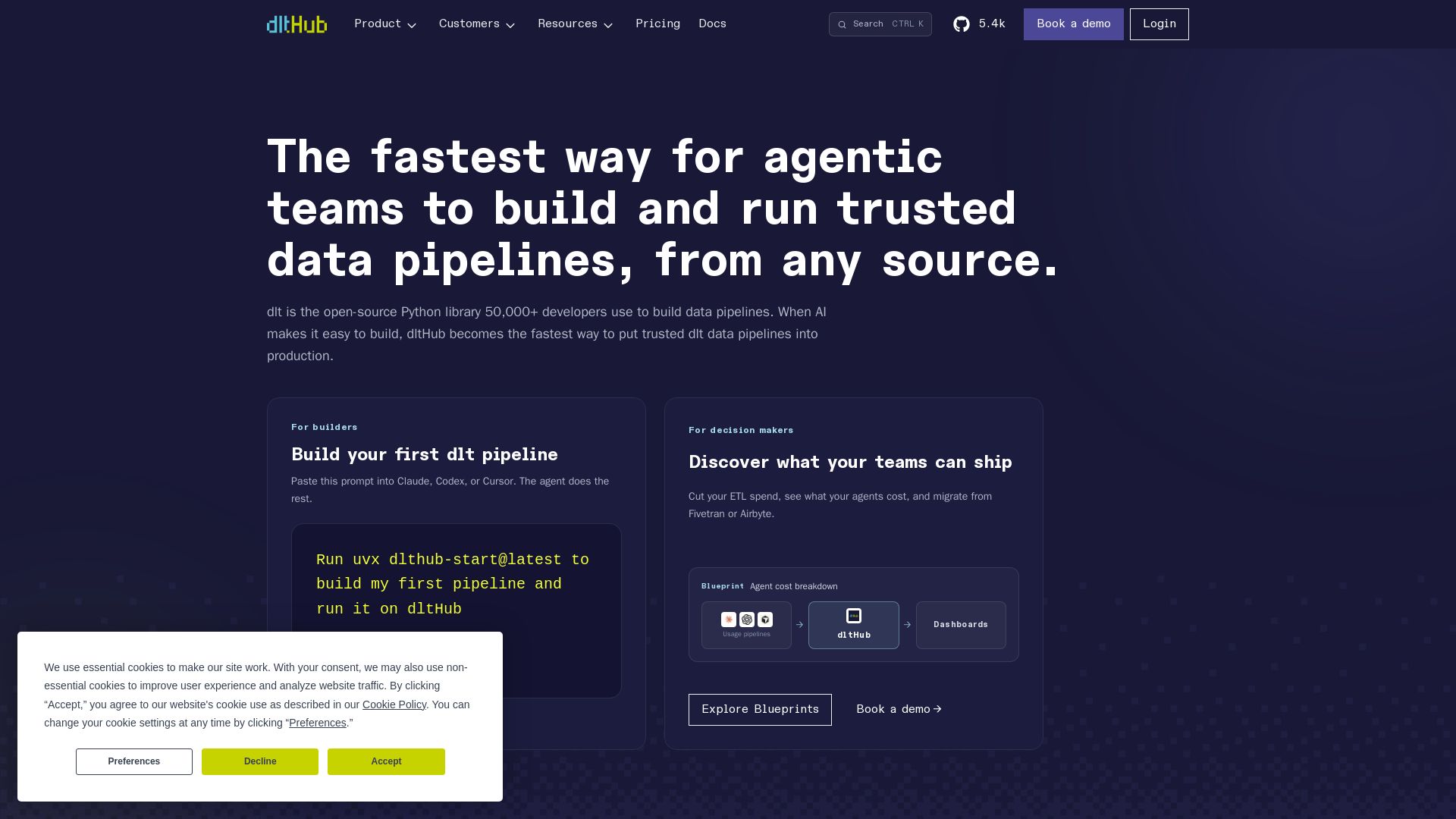
dltHub
Build data pipelines with dlt, the open-source Python library trusted by 50k+ developers. Use agents, deploy with one command, and migrate from Fivetran or Airbyte 90% faster.

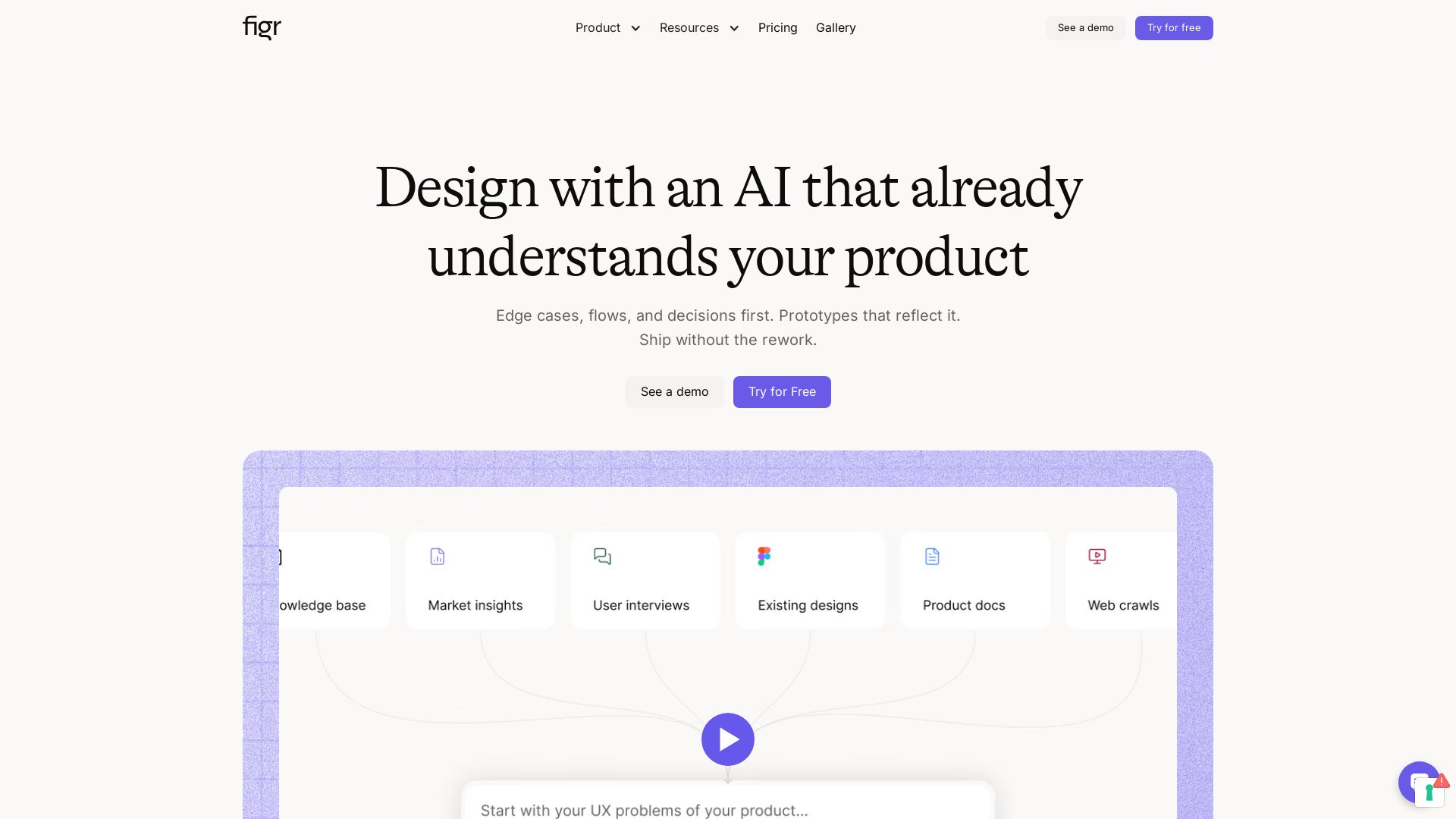
Figr
Ship better UX faster. Figr builds a living understanding of your product, maps flows, finds edge cases, and generates high-fidelity prototypes from your actual design system.

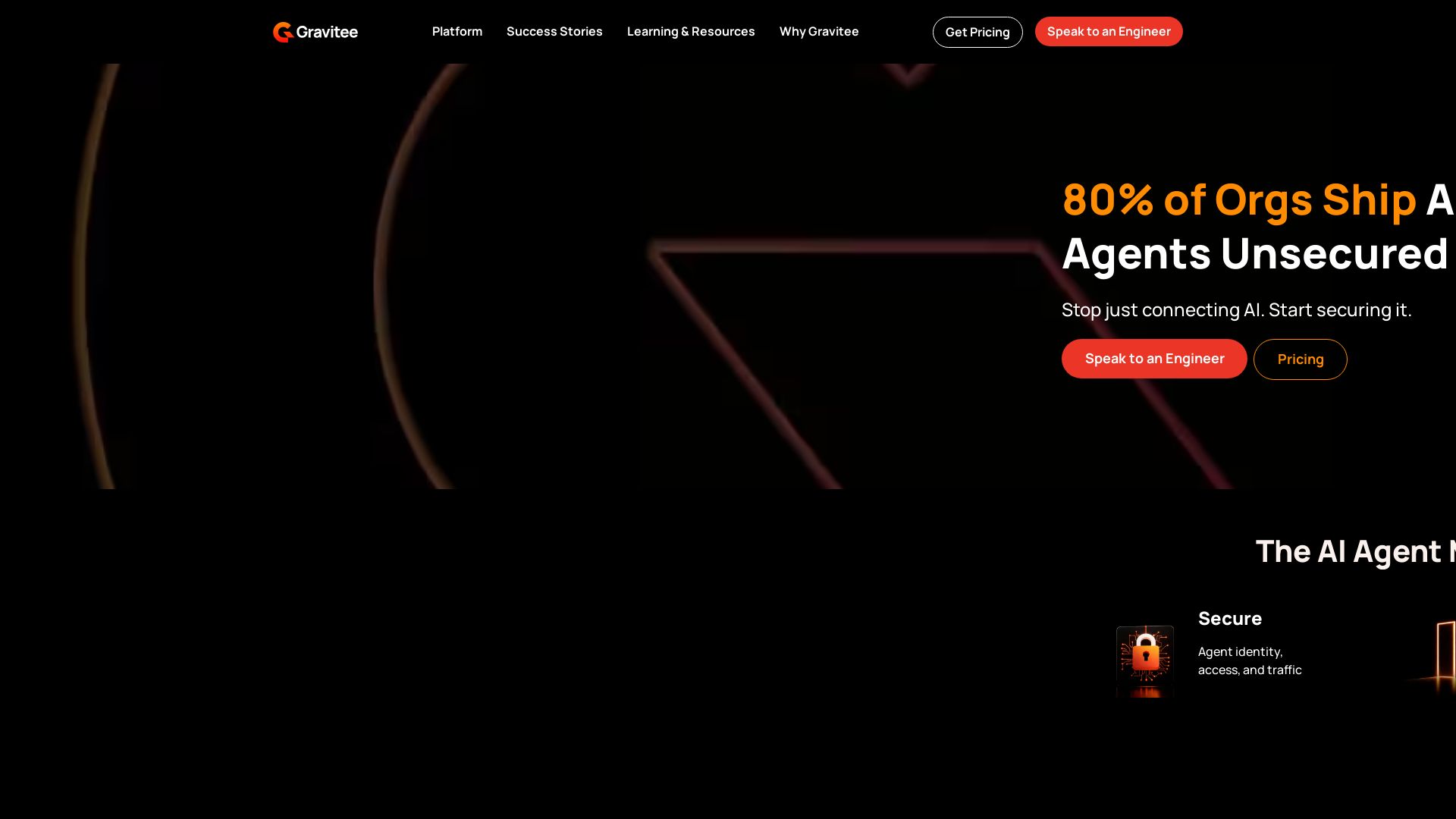
Gravitee
Secure and govern AI agents, APIs, and events on one platform. Protect against unsecured agents, control LLM costs, and gain visibility. Trusted by top enterprises.

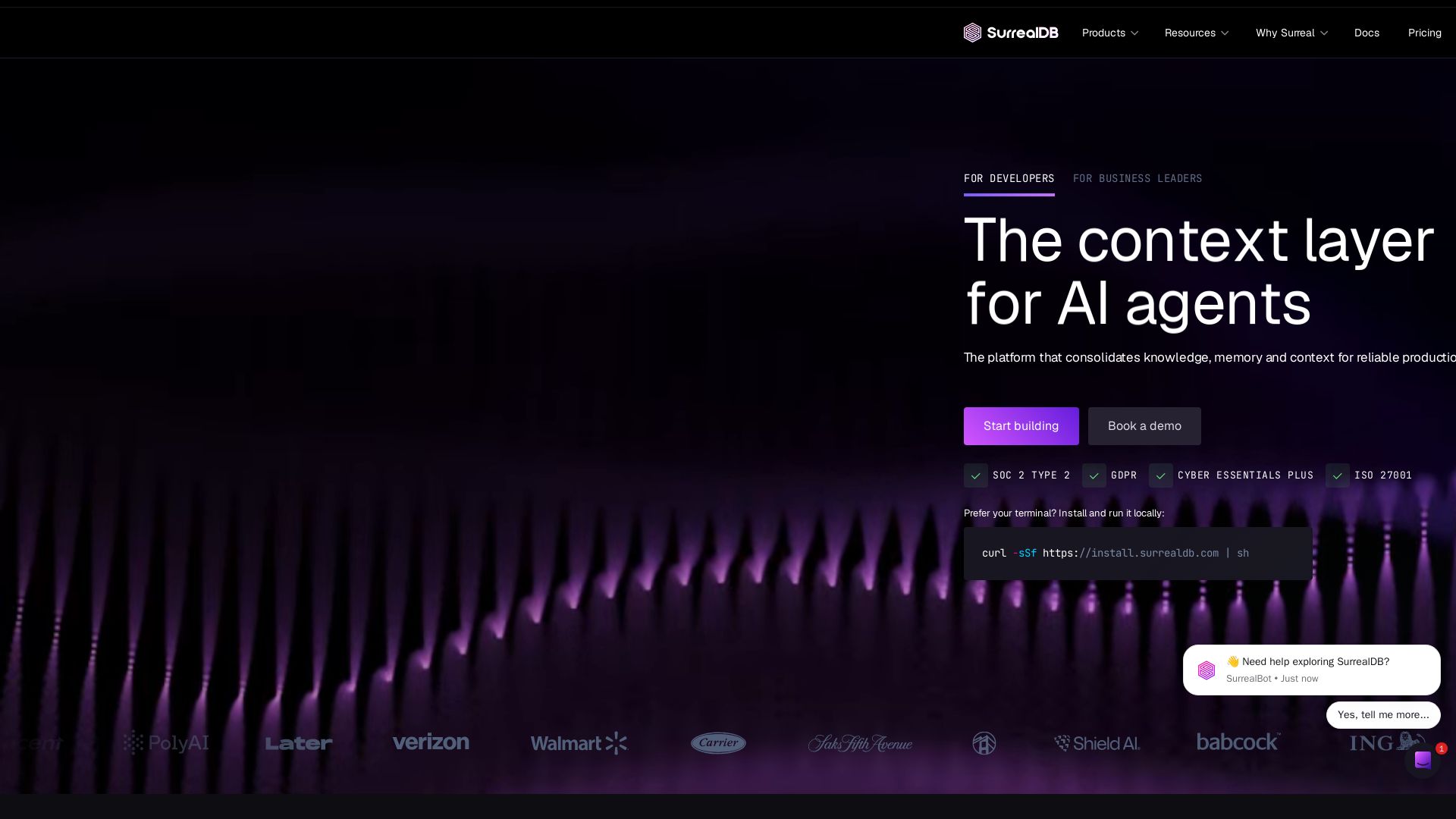
SurrealDB
Build production-scale AI agents with SurrealDB's unified platform for knowledge, memory, and context. Documents, graphs, vectors, time-series in one query. SOC 2, GDPR compliant.

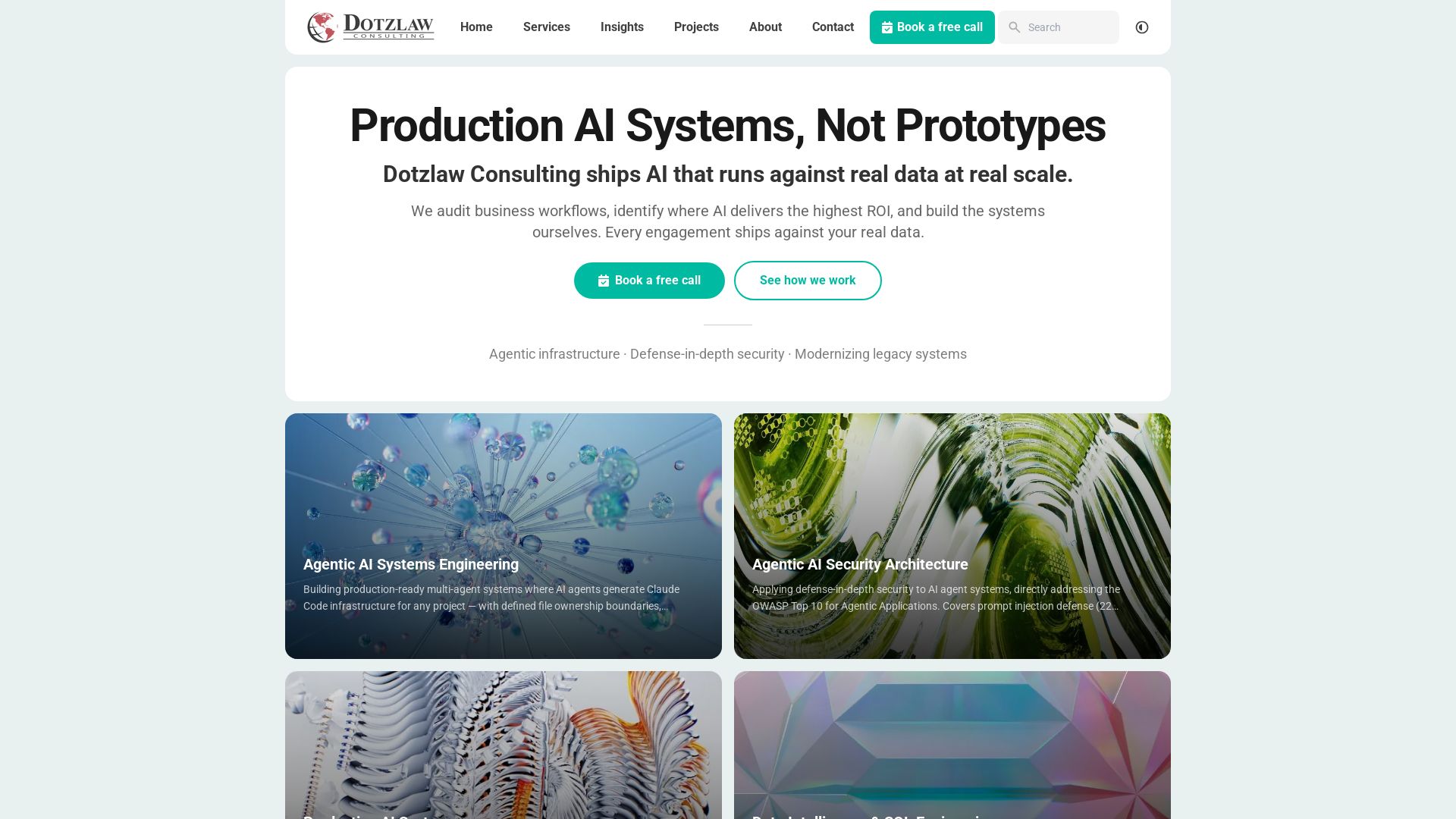
Dotzlaw Consulting
We build production-ready AI systems, multi-agent workflows, and secure architectures. Real data, real scale. Expert SQL & data intelligence.

Hatchet
Build and scale reliable AI agents, background tasks, and mission-critical workflows with automatic retries, real-time monitoring, and durable execution.

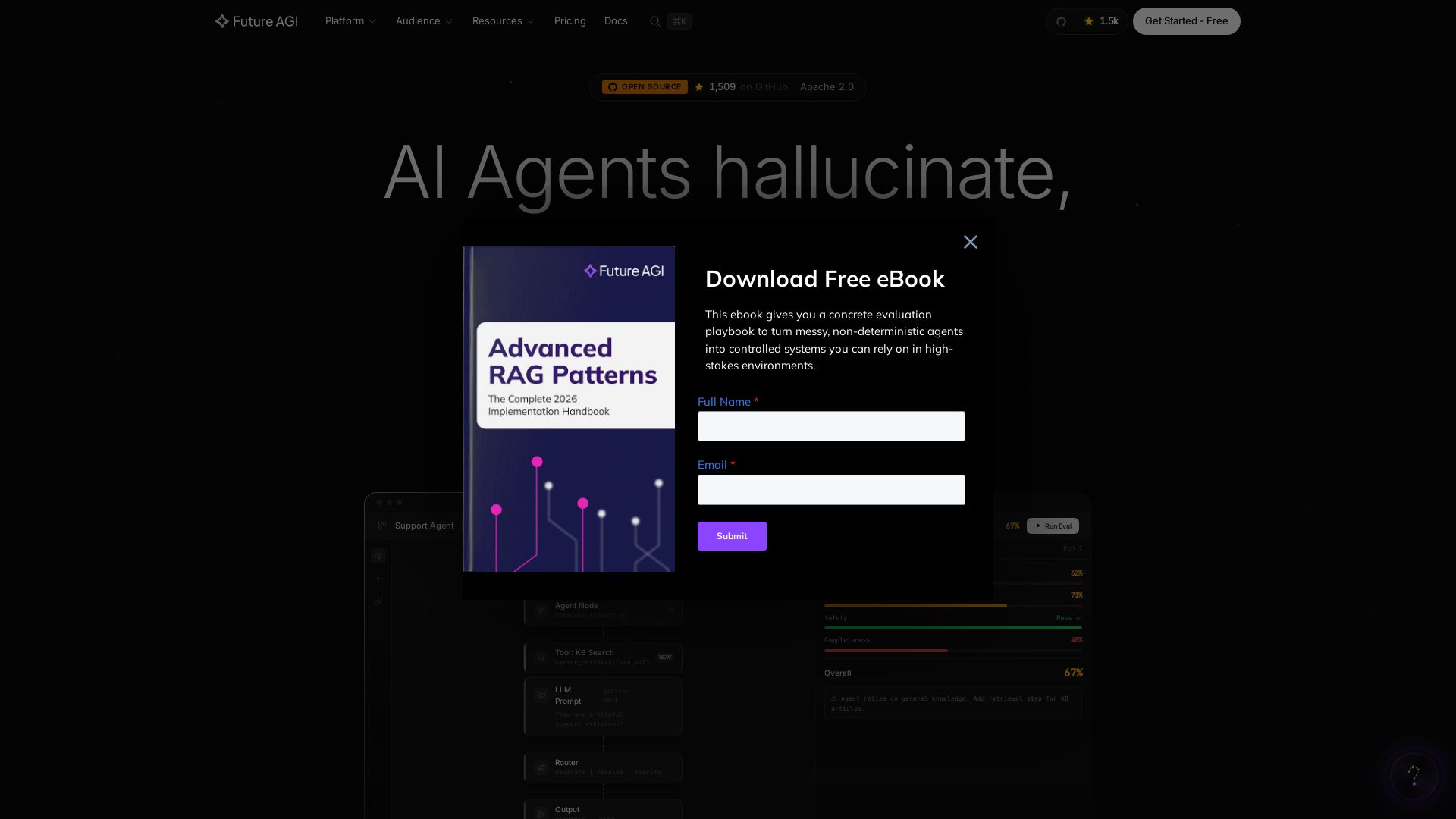
Future AGI
Catch AI hallucinations, evaluate accuracy, and deploy guardrails. Open-source platform to simulate, test, and monitor AI agents in production.

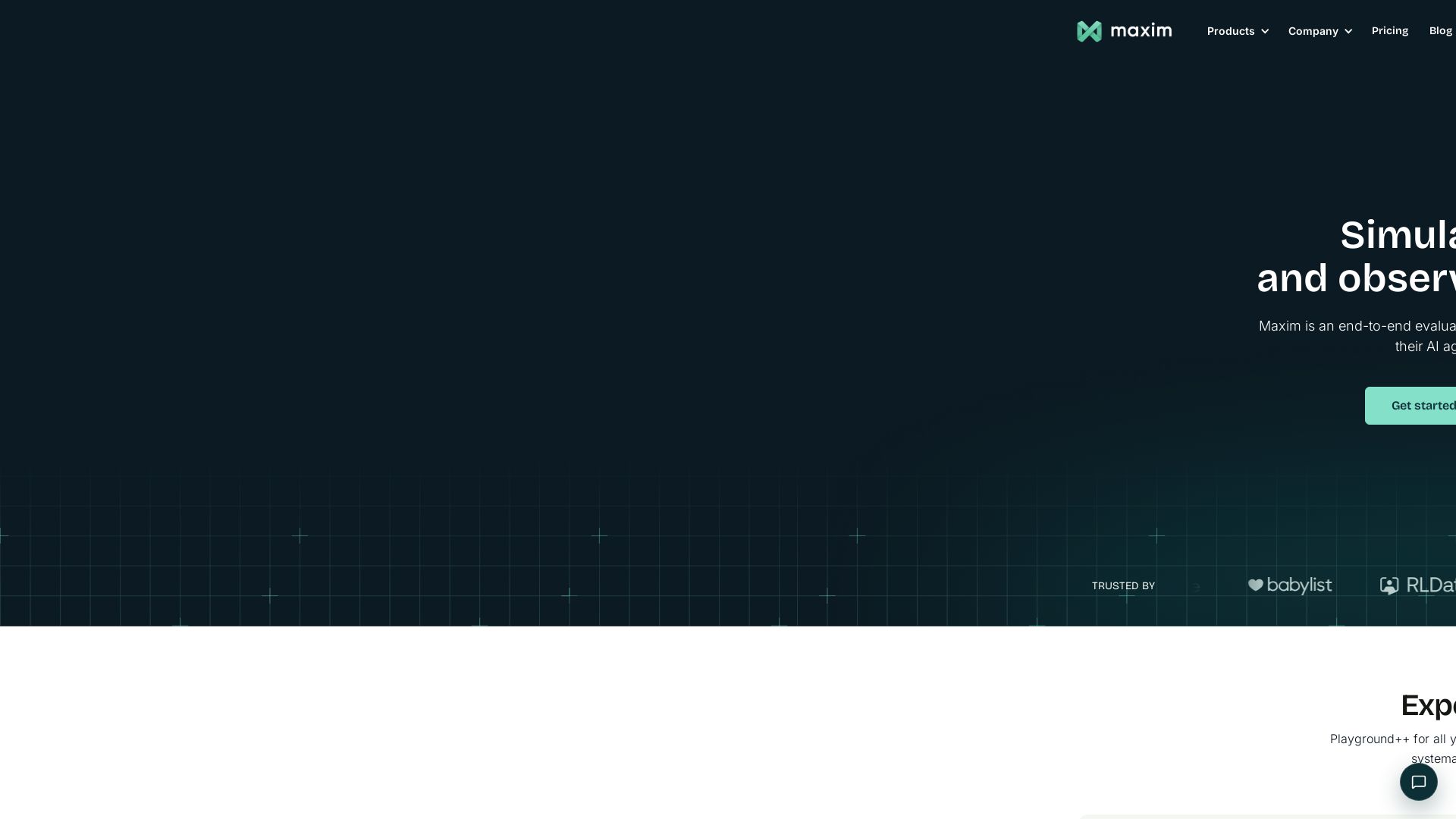
Maxim
Simulate, evaluate, and observe AI agents 5x faster. End-to-end platform for prompt engineering, agent testing, and real-time monitoring.

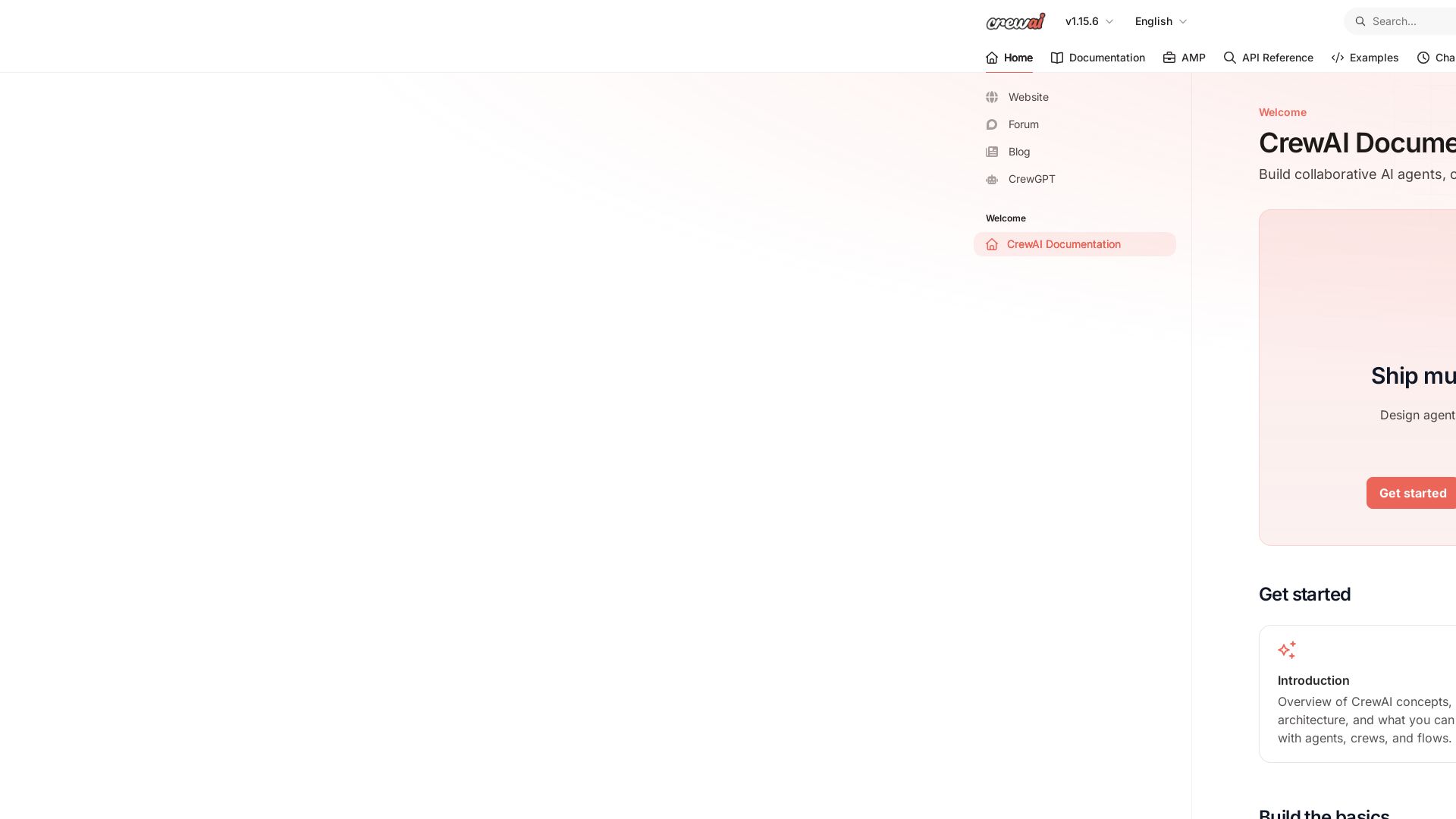
CrewAI
Design, orchestrate, and deploy multi-agent systems with guardrails, memory, and observability. Production-ready from day one.

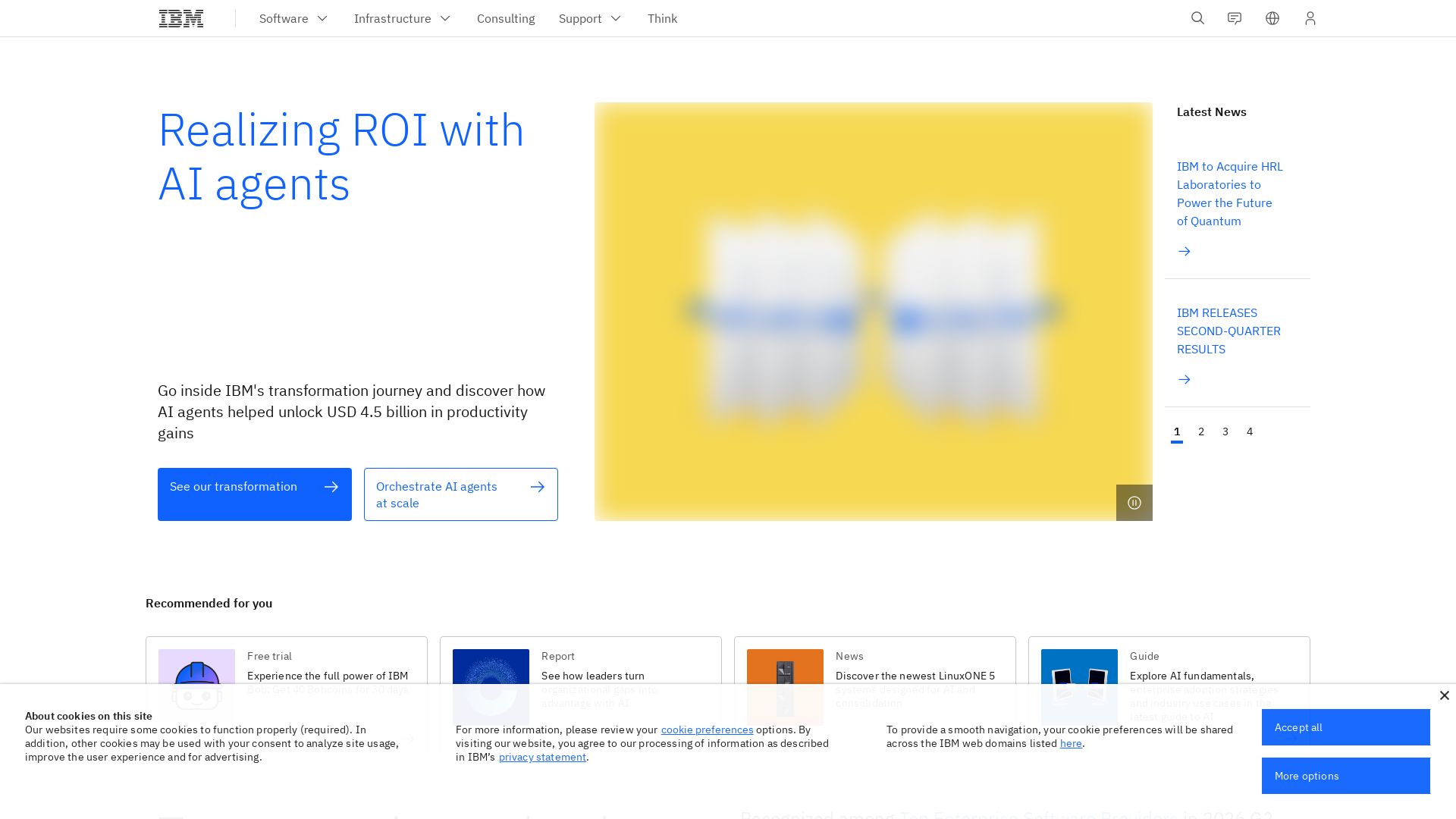
IBM
Discover how IBM's AI agents transformed operations, delivering $4.5 billion in productivity. Explore IBM Bob, watsonx Orchestrate, and more.
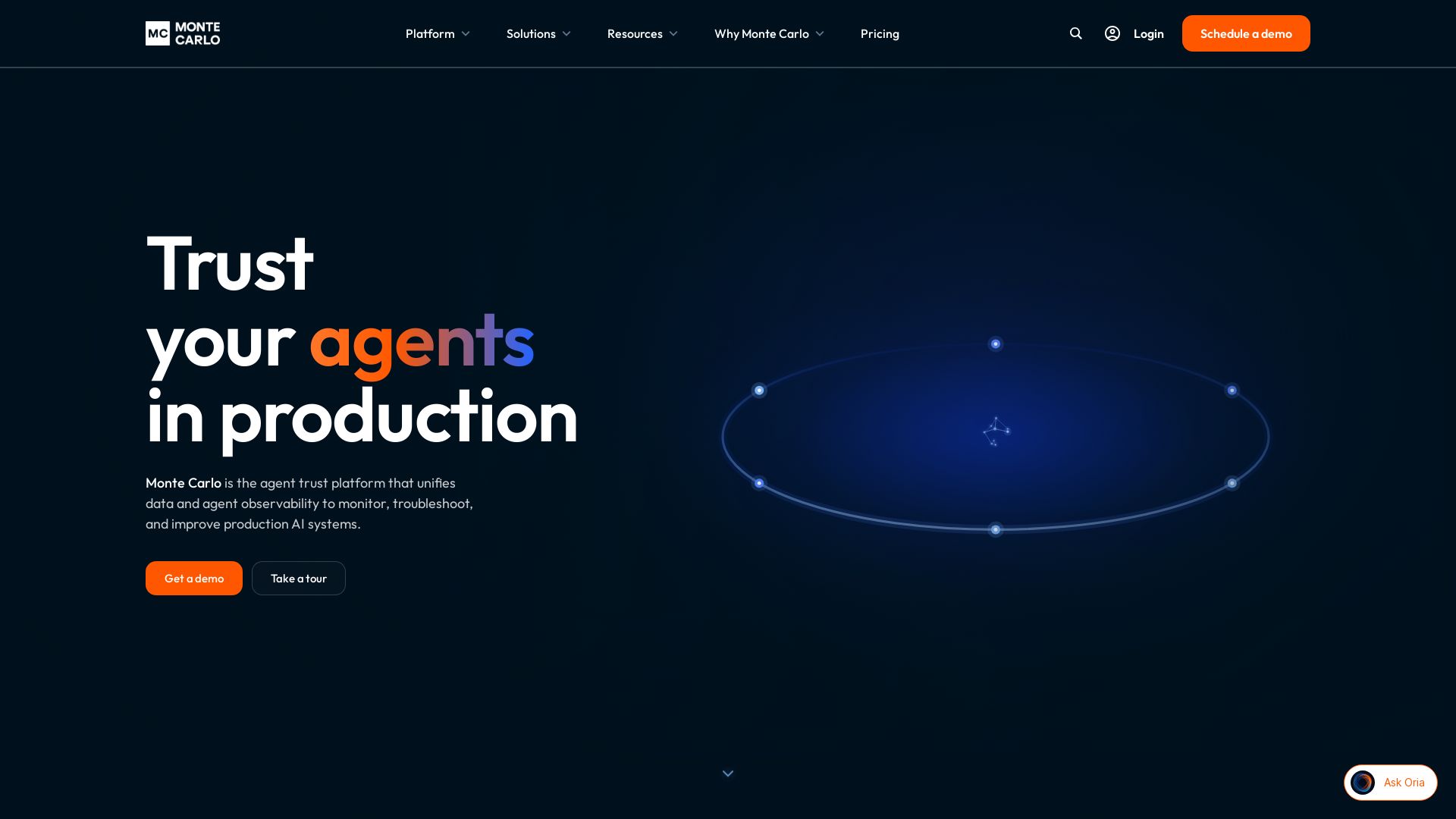
Monte Carlo
The agent trust platform that unifies data and agent observability for production AI systems. Trusted by 400+ enterprises.

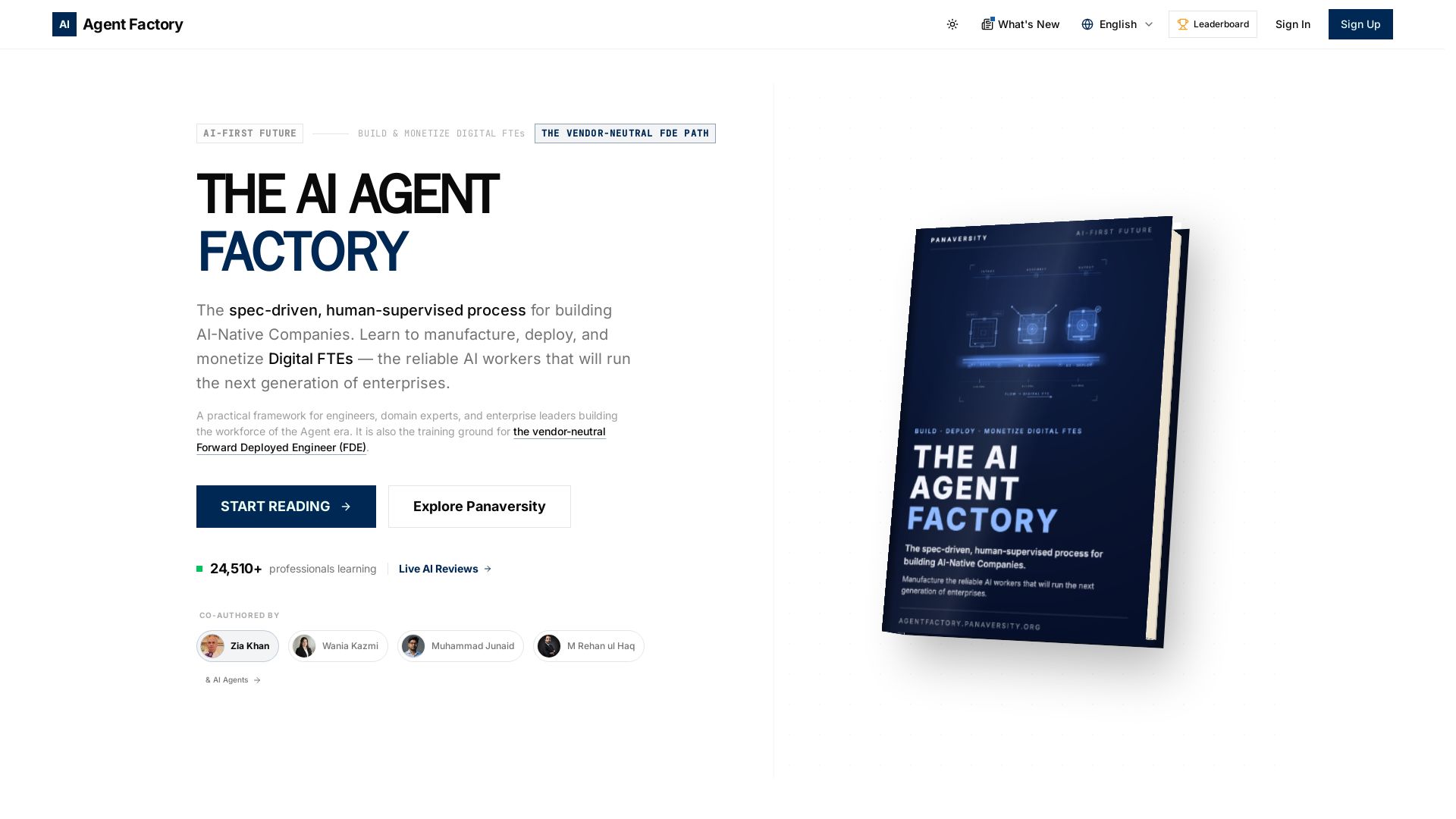
AI Agent Factory
Learn to manufacture, deploy, and monetize AI workers that work 24/7. Spec-driven framework for engineers and domain experts.

ℹ️ Curation Disclosure: The overview and features of Orchestra were synthesized using AI and fact-checked by our curation team to ensure accuracy.