Hatchet
Build and scale reliable AI agents, background tasks, and mission-critical workflows with automatic retries, real-time monitoring, and durable execution.
Editor's Verdict
Key Takeaways
- AI Agent Orchestration
- Durable Execution
- Parallel Workloads
- Real-Time Monitoring
In-Depth Review: What is Hatchet?
Hatchet is a powerful orchestration engine for teams who ship. It provides a single platform to build, deploy, and scale AI agents, durable executions, and parallel workloads. With native SDKs in TypeScript, Python, and Go, Hatchet integrates seamlessly into your stack and supports self-hosting or cloud deployment. Features include automatic retries, cron jobs, DAGs, rate limiting, and real-time observability through a web UI, OpenTelemetry, and Prometheus metrics. Trusted by leading teams to process millions of tasks daily with reliability and ease.
Core Features
AI Agent Orchestration
Build and run production-ready AI agents with durable execution, retries, and observability.
Durable Execution
Write mission-critical applications that automatically recover from failure with automatic retries and replay.
Parallel Workloads
Run massively parallel tasks with ease, including DAGs, rate limits, and fair scheduling.
Real-Time Monitoring
Get a complete picture of every workflow, task, and event with real-time status updates, logs, and traces.
Automatic Retries & Replays
Every task supports automatic retries on failure, manual replays, and history for debugging.
Scheduled & Cron Jobs
Easily schedule background tasks, cron jobs, and event-triggered workflows.
Rate Limiting & Concurrency
First-class rate limiting and concurrency controls to manage resource usage and fairness.
Open-Source & Self-Hostable
Fully MIT-licensed, run locally with a single CLI command, or deploy on Kubernetes, Docker, etc.
Multi-Language SDKs
Native SDKs for TypeScript, Python, and Go to write idiomatic, production-ready code.
User Management
Centralized management of workers, tenants, and users with audit logs and HIPAA compliance.
Pricing
Developer
- Free tier with usage-based pricing
- First 100,000 runs included
- SOC 2 Type II
- $10 per 1M additional task runs
Team
- 10 users & 5 tenants
- 3-day retention
- 500 RPS throughput
- Everything in Developer
Scale
- Unlimited users & tenants
- 7-day data retention
- Audit logs & HIPAA
- Everything in Team
Enterprise
- Custom SLAs & uptime guarantees
- SSO & audit logging
- Bring your own cloud
- Self-host support
- Dedicated support & onboarding
Pros and Cons
Pros
- Open-Source & Self-HostableFully MIT-licensed, can be run locally or on any container platform without vendor lock-in.
- Rich ObservabilityReal-time web UI, traces, logs, and OpenTelemetry integration for easy debugging and monitoring.
- Durable Execution by DefaultAutomatic retries, replay, and persistent state ensure workflows survive failures.
- Scalable ParallelismHandles millions of tasks per day with rate limiting, fair scheduling, and global deployments.
- Developer-Friendly SDKsIdiomatic TypeScript, Python, and Go SDKs with composable primitives for complex patterns.
Cons
- Usage-Based Pricing Can EscalateFor high-volume workloads, the $10 per 1M runs on top of base plan may become costly.
- Relatively New PlatformSmaller community and ecosystem compared to established orchestration tools.
- Limited Advanced Features on Free TierFree tier has constraints on retention, users, and throughput.
- Self-Hosting Requires Technical EffortAlthough CLI is simple, production self-hosting requires Kubernetes or Docker expertise.
- No Built-In Workflow GUI DesignerWorkflows are code-only; no drag-and-drop interface for non-developers.
Use Cases & Recommended Professions
Software Engineer→ View Toolkit
Needs to build reliable background tasks and workflows without managing complex infrastructure.
AI/ML Engineer→ View Toolkit
Orchestrates AI agent workflows with retries, parallelism, and monitoring for production deployments.
Data Engineer→ View Toolkit
Runs data pipelines, ETL jobs, and scheduled tasks with durable execution and observability.
DevOps Engineer→ View Toolkit
Manages task orchestration infrastructure, self-hosts Hatchet, and integrates with existing monitoring.
Backend Developer→ View Toolkit
Offloads long-running or async tasks to Hatchet for scalability and reliability.
Technical Product Manager→ View Toolkit
Evaluates orchestration platforms for team adoption; needs clear pricing and feature set.
Frequently Asked Questions
Alternative AI Tools
View Detailed Comparison →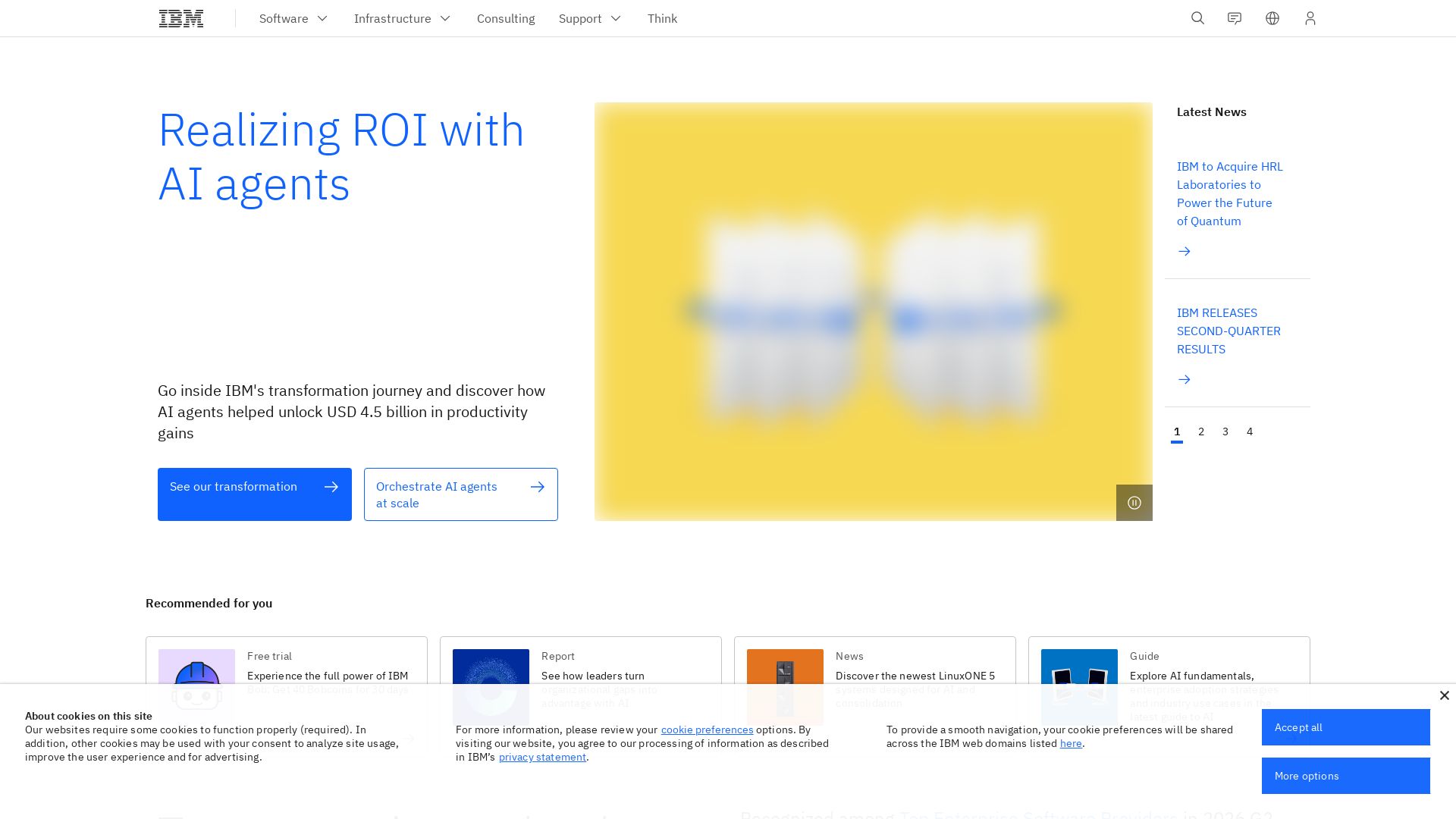
What is crewAI?
Discover how IBM's AI agents unlocked $4.5B in productivity gains. Explore watsonx, IBM Bob, and hybrid cloud to drive smarter business outcomes.

Draft'n run
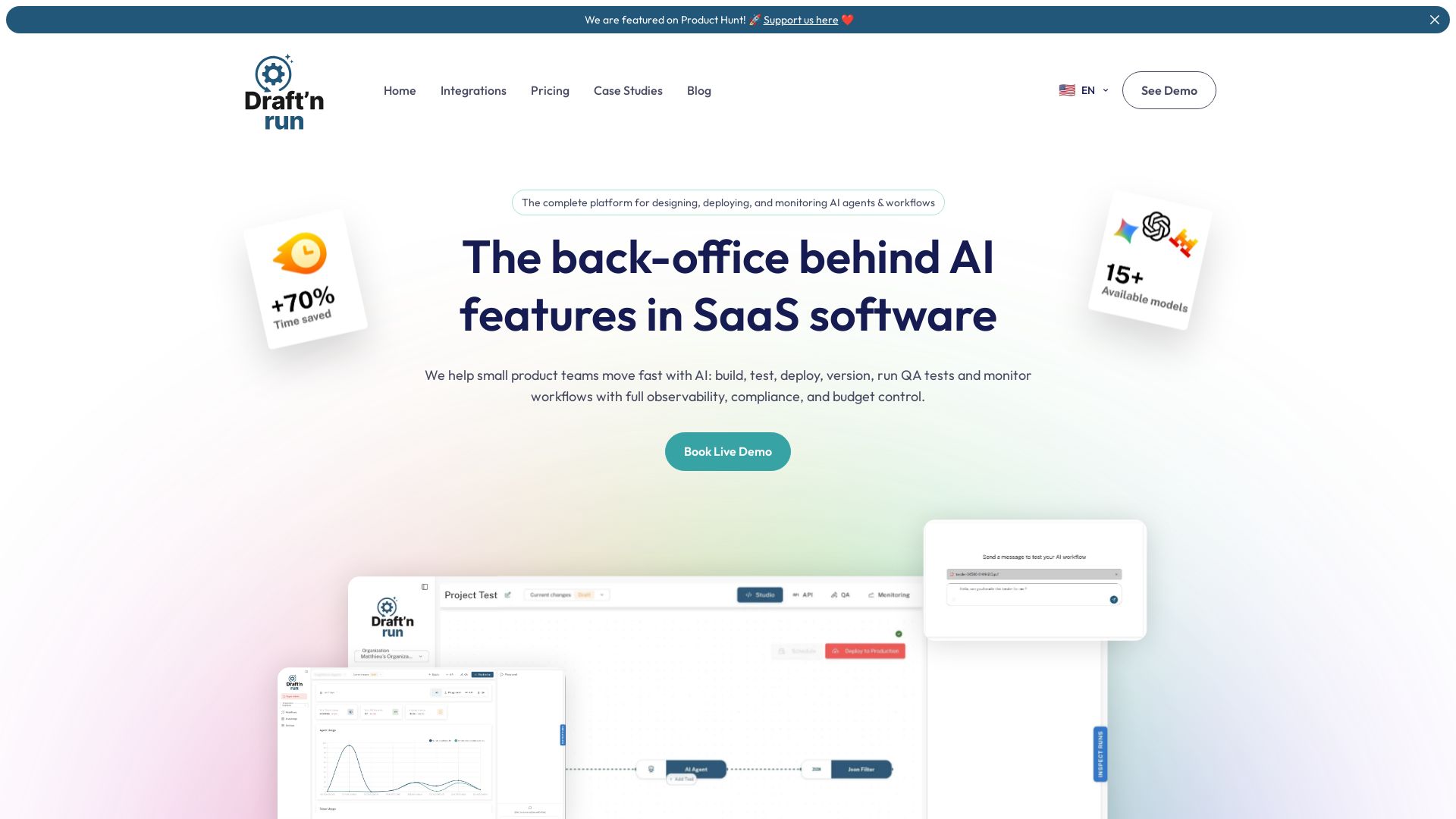
Design, deploy, and monitor production-ready AI workflows without coding. Open-source with full observability, cost control, and zero vendor lock-in. Trusted by teams.
IBM
Discover how IBM's AI agents transformed operations, delivering $4.5 billion in productivity. Explore IBM Bob, watsonx Orchestrate, and more.

CrewAI
Design, orchestrate, and deploy multi-agent systems with guardrails, memory, and observability. Production-ready from day one.

AG2
Build production-ready AI agents in minutes with AG2. Simple syntax, built-in patterns, human-AI collaboration. Open-source multi-agent framework.

CrewAI Campus
Build production AI agents with hands-on courses from the team behind 2B+ agent executions. For developers and business teams. Start free.

SmythOS
Build, test, and deploy secure AI agents at scale with SmythOS. Open-source runtime, SDK, and visual studio. Democratizing AI agent development.


Moxo
Orchestrate business processes with humans and AI agents. Build and run workflows, design AI agents, and gain insights. No logins for stakeholders. Enterprise security.

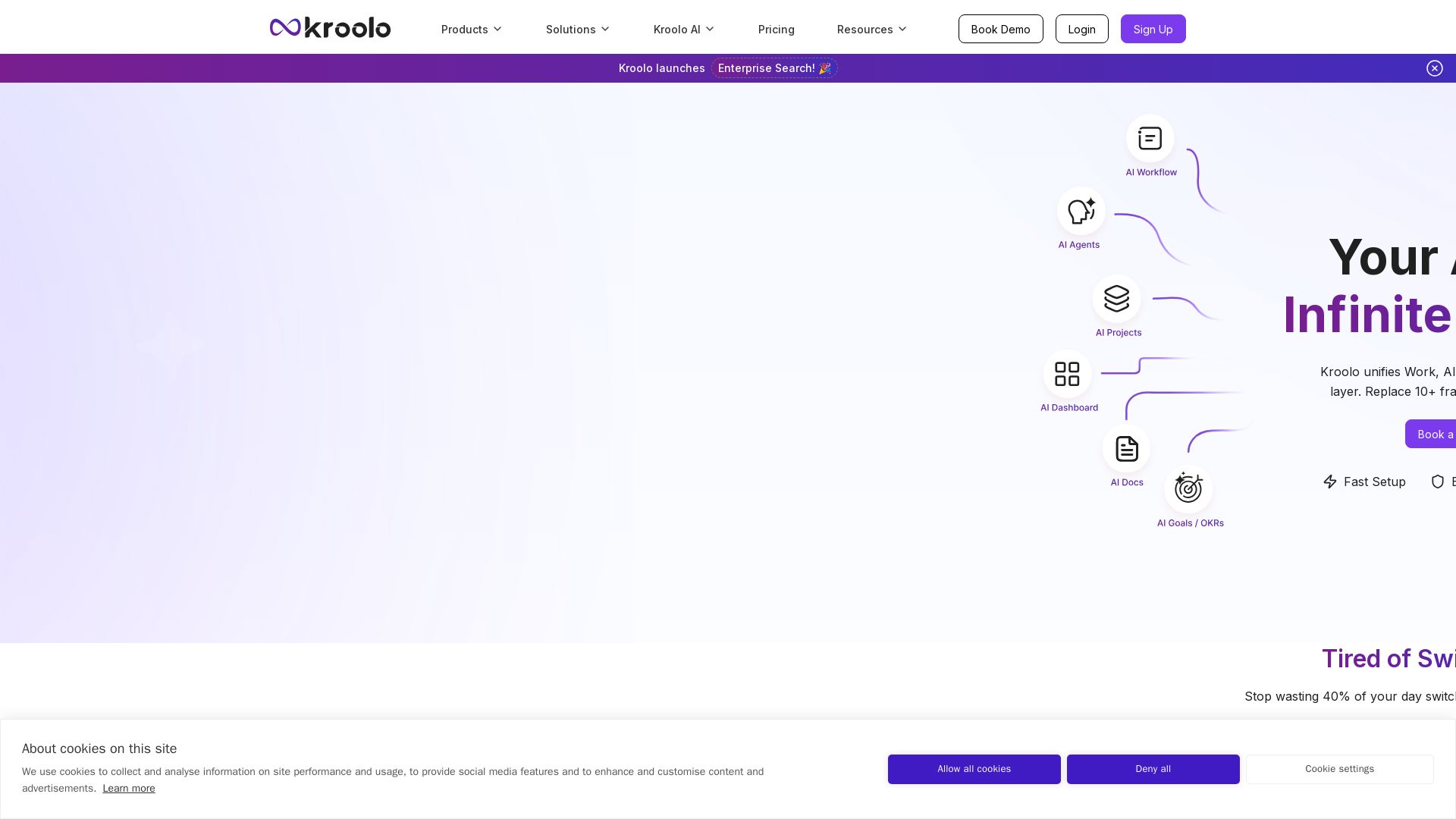
Kroolo
Replace 10+ fragmented apps with one AI-native platform. Kroolo unifies work, AI agents, and enterprise search to boost productivity up to 70%.

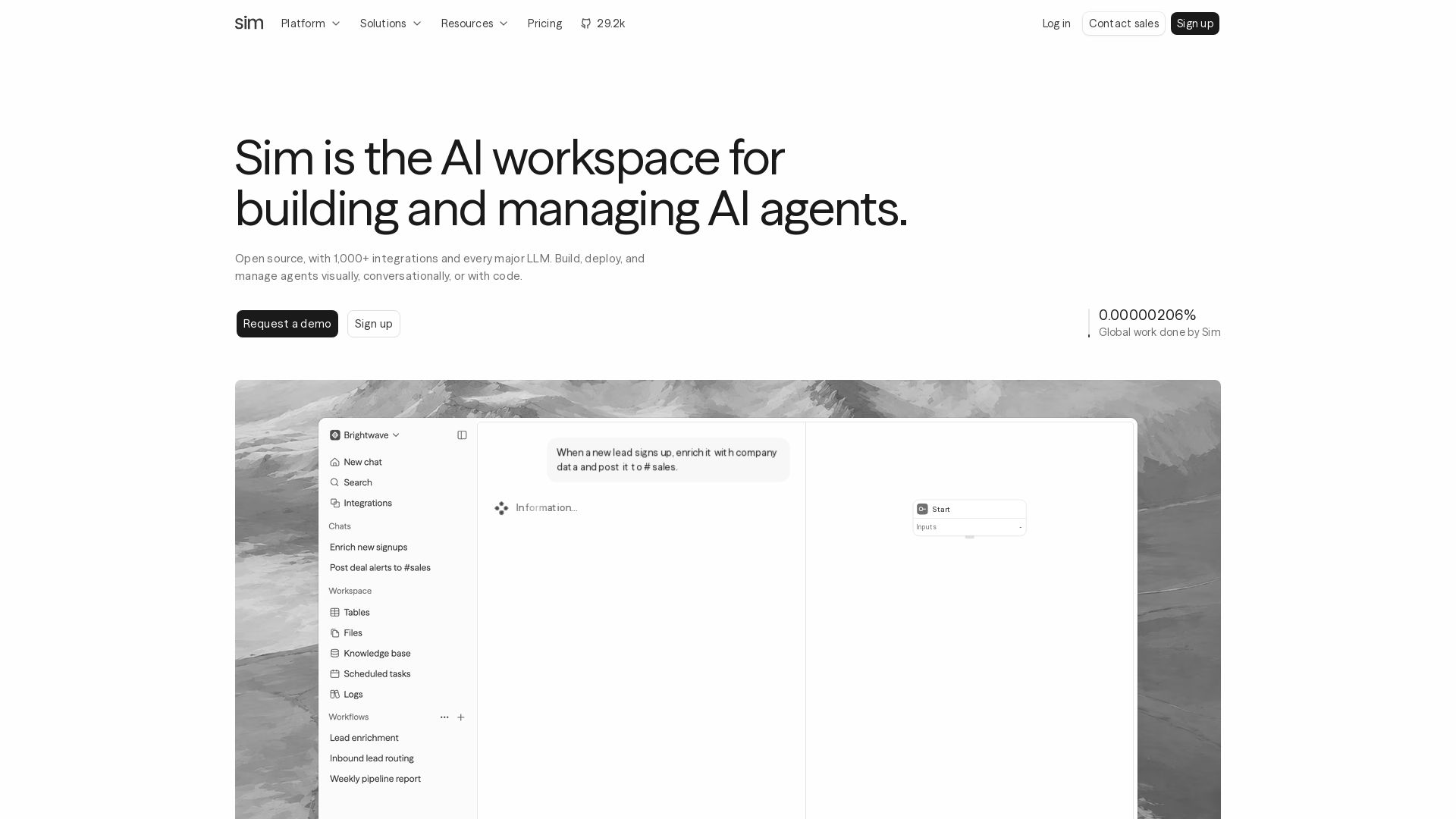
Sim
Build, deploy, and manage AI agents with 1,000+ integrations and every major LLM. Visually, conversationally, or with code. Get started free.

Prefect
Orchestrate Python workflows that heal themselves. Schedule, retry, and monitor pipelines from ML to agents. Open source, enterprise-ready.

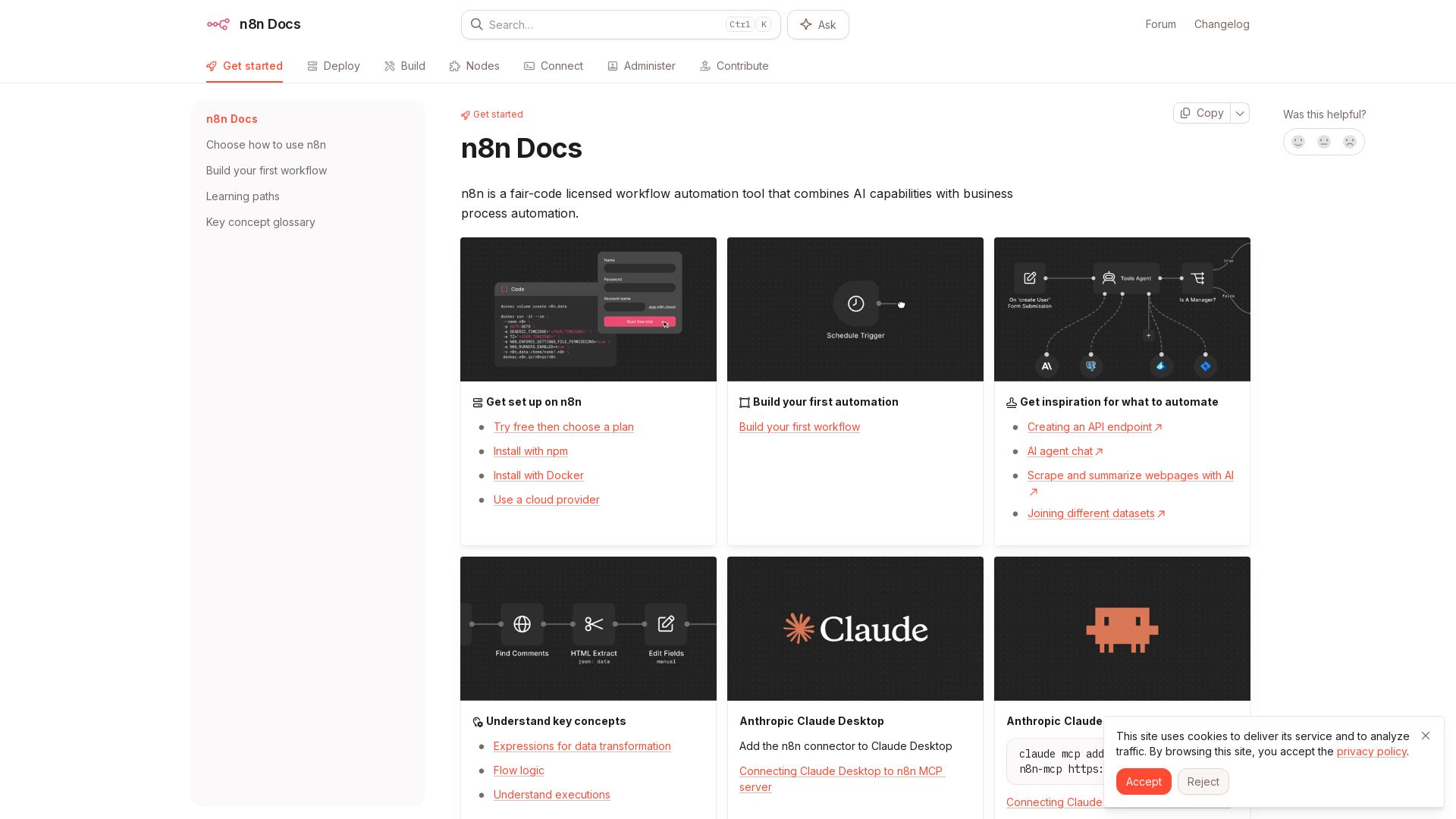
n8n
n8n is a fair-code licensed workflow automation tool that combines AI capabilities with business process automation. Get started with npm, Docker, or cloud.

ℹ️ Curation Disclosure: The overview and features of Hatchet were synthesized using AI and fact-checked by our curation team to ensure accuracy.