
Picovoice
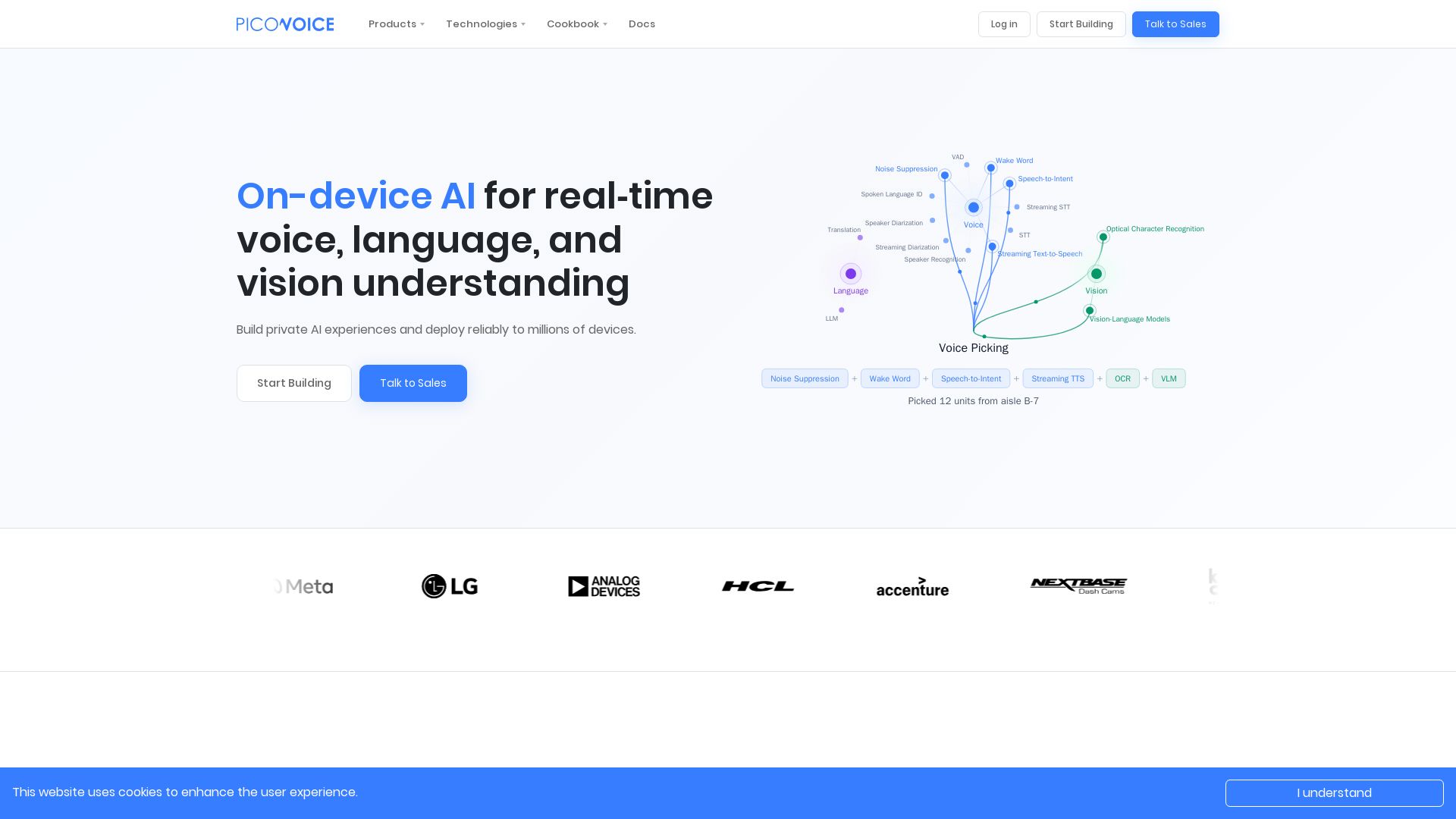
Build private, real-time AI experiences with Picovoice's on-device SDKs. No cloud latency, no data leaving the device. Start building for free.
Editor's Verdict
Key Takeaways
- On-Device AI SDKs
- Voice Activity Detection
- Wake Word & Speech-to-Intent
- Streaming Speech-to-Text & Text-to-Speech
In-Depth Review: What is Picovoice?
Picovoice provides production-grade on-device AI SDKs for voice, language, and vision understanding. Their products include voice activity detection, wake word, speech-to-text, speaker recognition, and more. They offer a purpose-built stack (picoGym, picoCompression, picoInference) to train, compress, and run models on-device, eliminating cloud dependency and ensuring privacy. Start with a free trial or contact sales.
Core Features
On-Device AI SDKs
Production-grade, self-contained SDKs for voice, language, and vision that run entirely on-device, eliminating cloud dependency, network latency, and privacy concerns.
Voice Activity Detection
Catches speech in noisy, real-world conditions with 12x fewer errors than Silero, using 9x less CPU.
Wake Word & Speech-to-Intent
Custom wake word detection and intent recognition that is personalized and always-on, with speaker recognition for security.
Streaming Speech-to-Text & Text-to-Speech
Real-time streaming transcription and synthesis for live captioning, translation, and voice assistants.
Speaker Recognition & Diarization
Identify and separate speakers in audio streams for meetings, call screening, and personalized experiences.
On-Device AI Stack (picoGym, picoCompression, picoInference)
Full-stack on-device AI: model training, compression without accuracy loss, and a purpose-built inference runtime for edge devices.
AI App Blueprints
Open-source, production-ready demo projects for voice assistants, translation, RAG document QA, and more, showing end-to-end integration.
Pricing
Free Trial (Start Building)
- Access to all SDKs with free trial
- Community support
- Limited usage for testing and development
Enterprise (Talk to Sales)
- Full access to all products
- Custom model training and support
- Dedicated SLAs
- Enterprise-grade deployment
Pros and Cons
Pros
- On-Device PrivacyAll AI processing happens locally on the device, keeping user data private and secure without needing cloud infrastructure.
- Low LatencyReal-time voice and vision understanding with no network round trips, enabling instant response and always-on capabilities.
- Cost PredictabilityNo unbounded cloud costs; fixed per-device pricing (free trial or enterprise) eliminates variable usage expenses.
- Purpose-Built OptimizationFull pipeline from training to inference is architected for on-device execution, outperforming retrofitted cloud models in accuracy and efficiency.
- Production-Ready SDKsSelf-contained, easy-to-integrate SDKs that reduce development time from months to hours, with open-source demo code and blueprints.
Cons
- Limited Compute ResourcesOn-device AI is constrained by device hardware; complex models may not run on very low-power devices without optimization.
- Integration EffortWhile SDKs are self-contained, developers still need to integrate multiple modules for complex features, requiring some development expertise.
- No Public PricingEnterprise pricing is not transparent and requires a sales call, which may be a barrier for small teams or individuals evaluating the platform.
- Free Trial LimitationsThe free trial likely has usage caps or limited features, and scaling to production requires moving to a paid plan.
- Dependence on Device EcosystemOptimal performance may vary across different devices and operating systems, requiring thorough testing and customization.
Use Cases & Recommended Professions
Mobile App Developer→ View Toolkit
Needs to integrate voice or vision features into apps without cloud dependencies, reducing latency and privacy risks.
IoT Engineer→ View Toolkit
Requires low-power, real-time AI on embedded devices for smart home, wearables, or edge computing solutions.
Product Manager (Voice Assistants)→ View Toolkit
Responsible for building or improving voice-driven products that need always-on, private, and responsive AI capabilities.
AI/ML Engineer→ View Toolkit
Looking for a production-grade, on-device inference stack to deploy custom models without cloud overhead.
Security Analyst→ View Toolkit
Values on-device processing for sensitive voice data, ensuring compliance with data protection regulations.
Startup Founder (AI Applications)→ View Toolkit
Needs a cost-effective, scalable AI infrastructure to prototype and launch real-time voice/language/vision products quickly.
Frequently Asked Questions
Alternative AI Tools
View Detailed Comparison →
Deepgram
Build with the most accurate real-time APIs for speech-to-text, text-to-speech, and voice agents. Available in cloud and self-hosted. Sign up free.

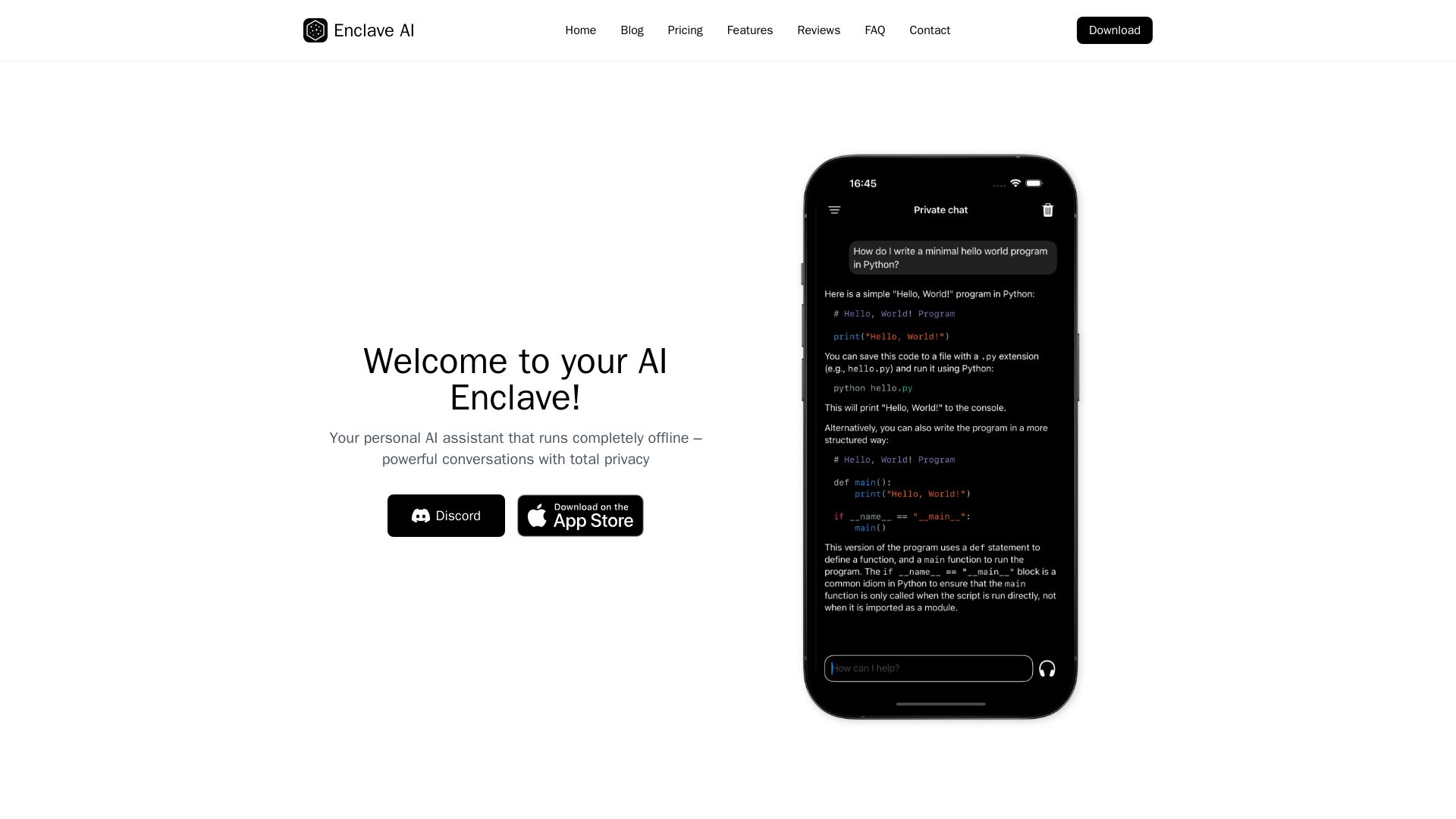
Enclave AI
Private offline AI assistant for iPhone & Mac. Voice chat, document support, custom AI. No cloud needed.

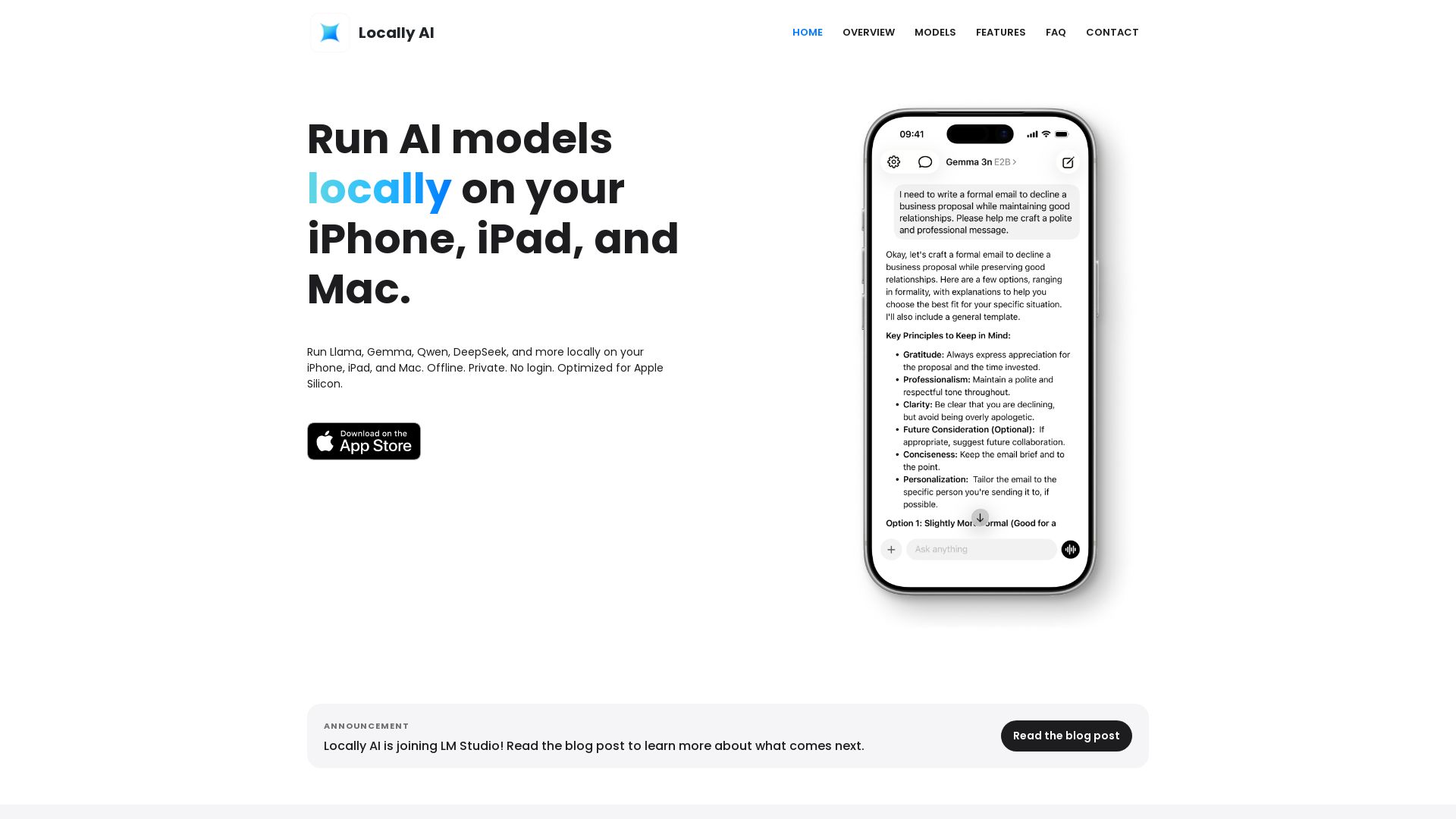
Locally AI
Run Llama, Gemma, DeepSeek & more locally on iPhone, iPad & Mac. Offline, private, no login. Apple Silicon optimized. Download now.

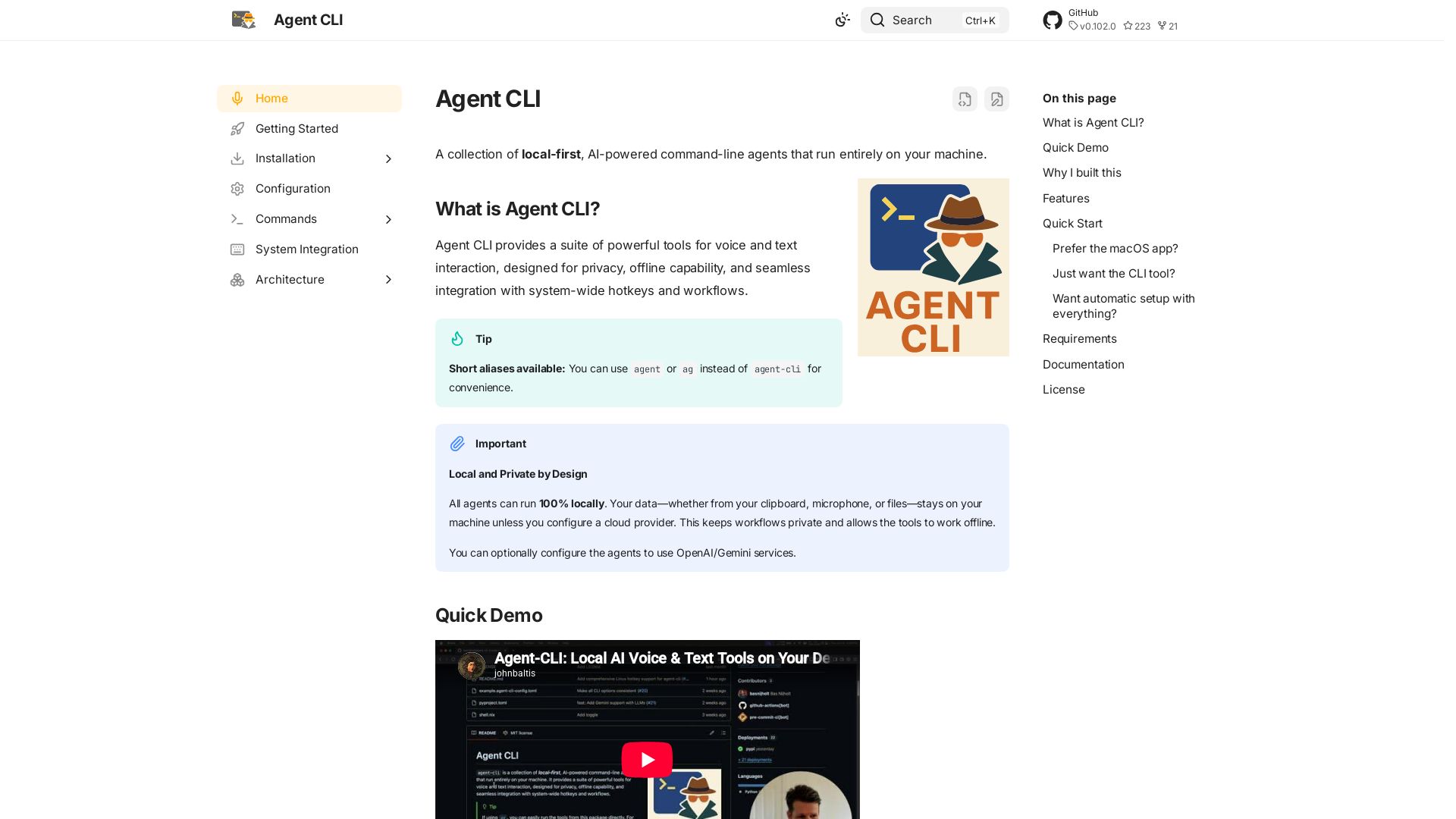
Agent CLI
Private, offline AI agents for your terminal: voice, chat, autocorrect, and more. No data leaves your machine.

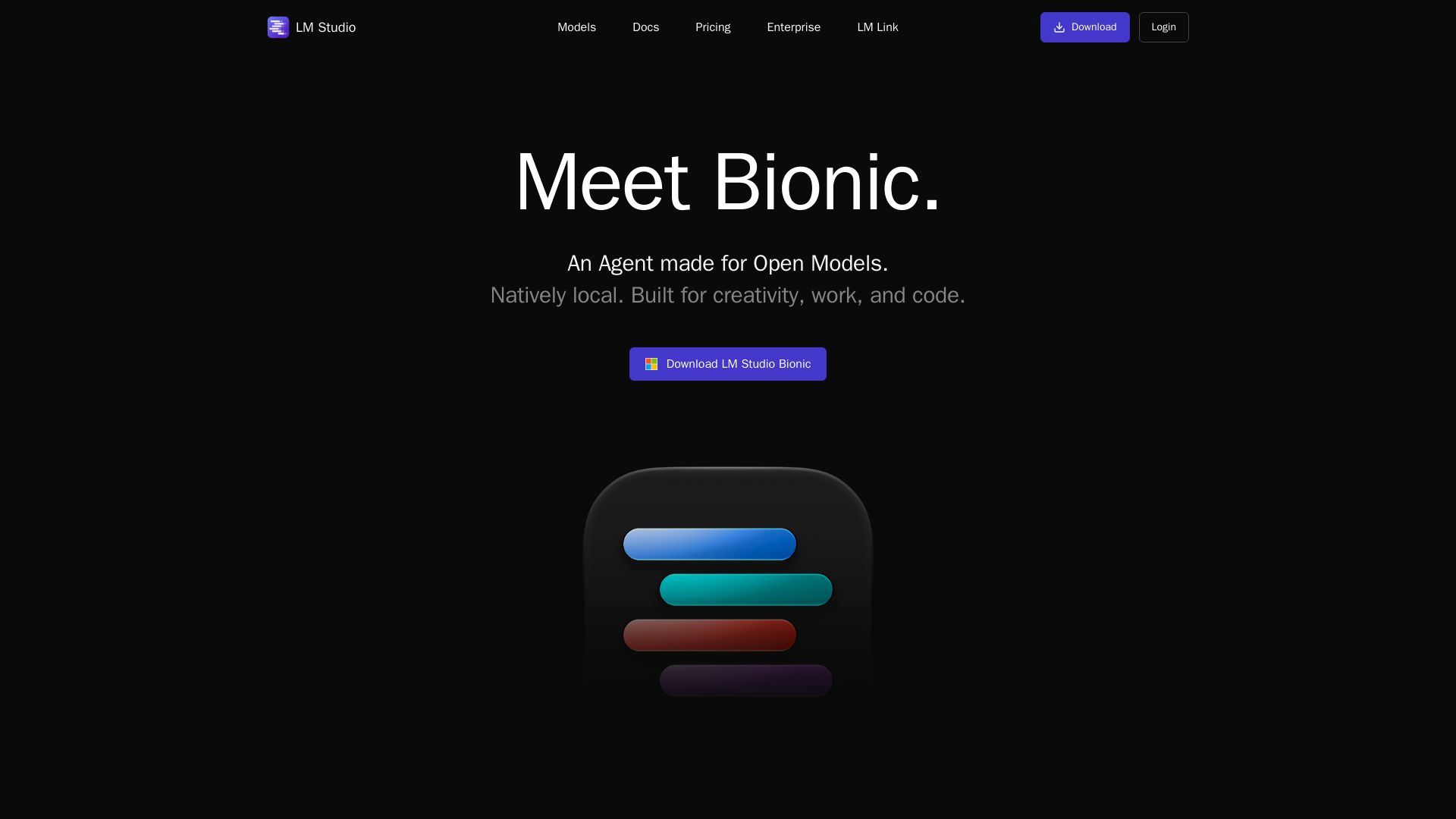
LM Studio Bionic
Meet Bionic: a powerful local agent for open models. Create documents, code, and use real-time voice transcription. Privacy-first, runs on macOS & Windows.

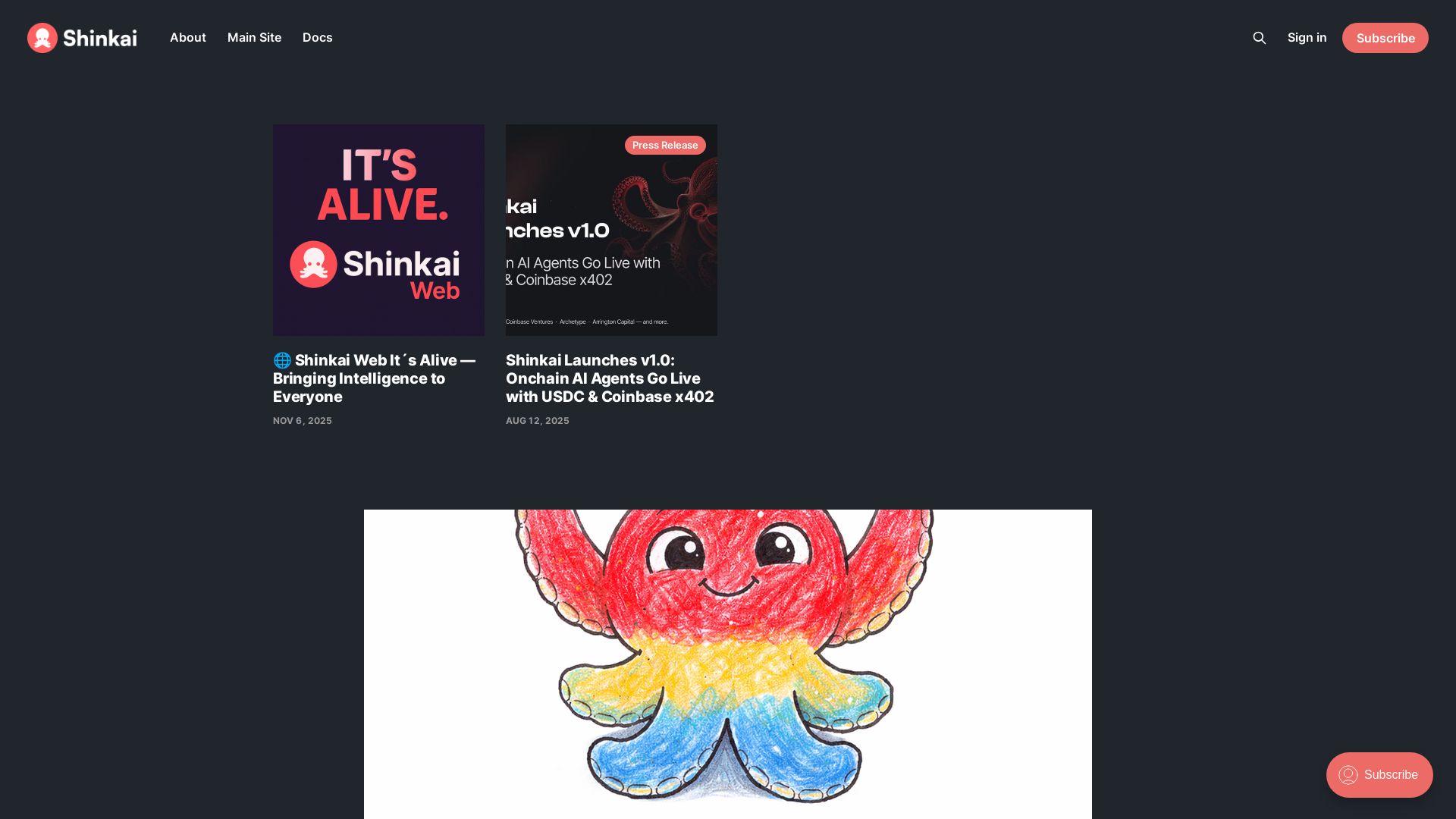
Shinkai
Shinkai launches v1.0 with onchain AI agents, USDC payments via x402. Build private, local AI agents. Join the agent economy.

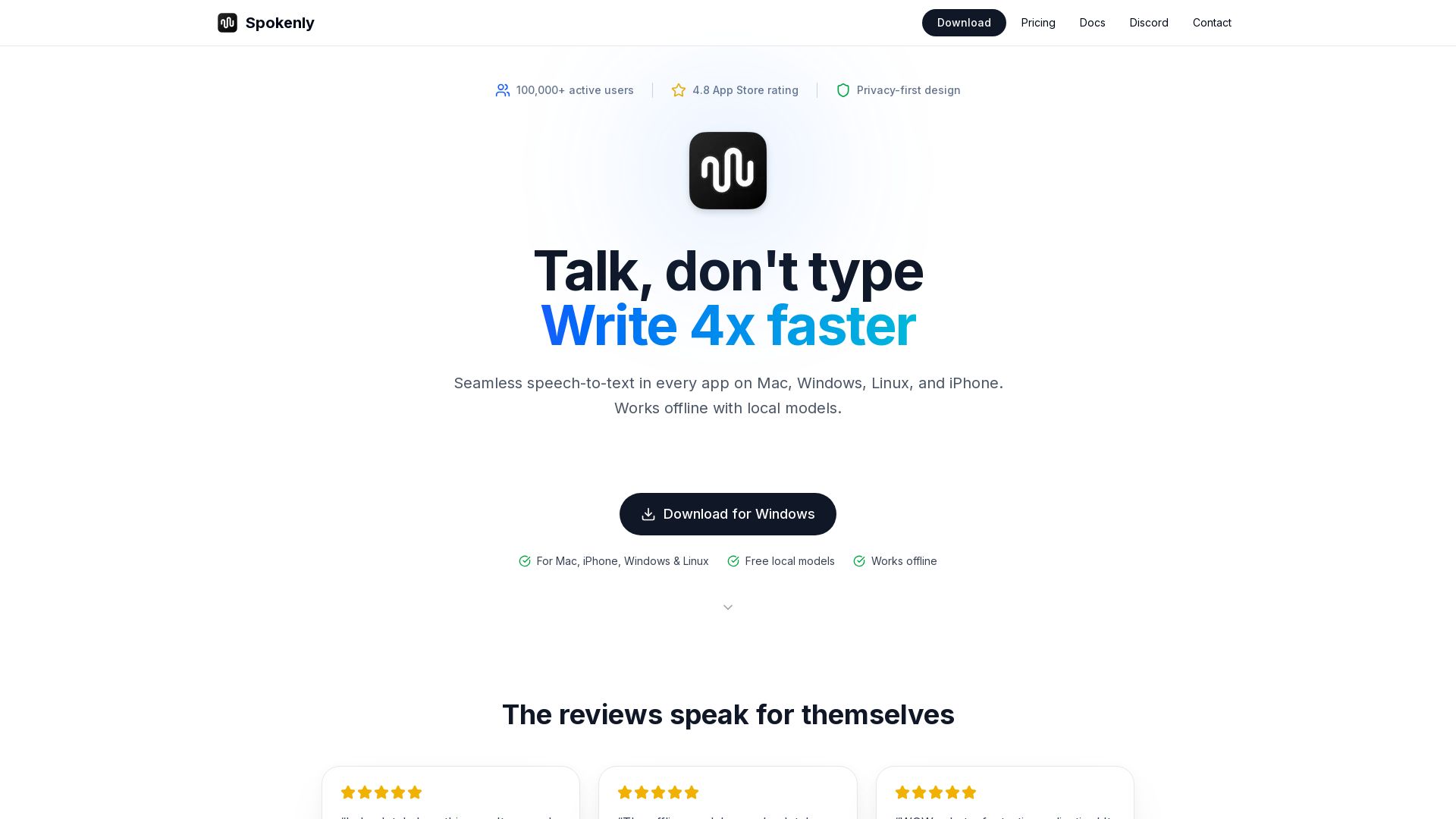
Spokenly
Write 4x faster with Spokenly. Offline dictation in 100+ languages, AI text cleanup, works in any app. Privacy-first, local models free forever.

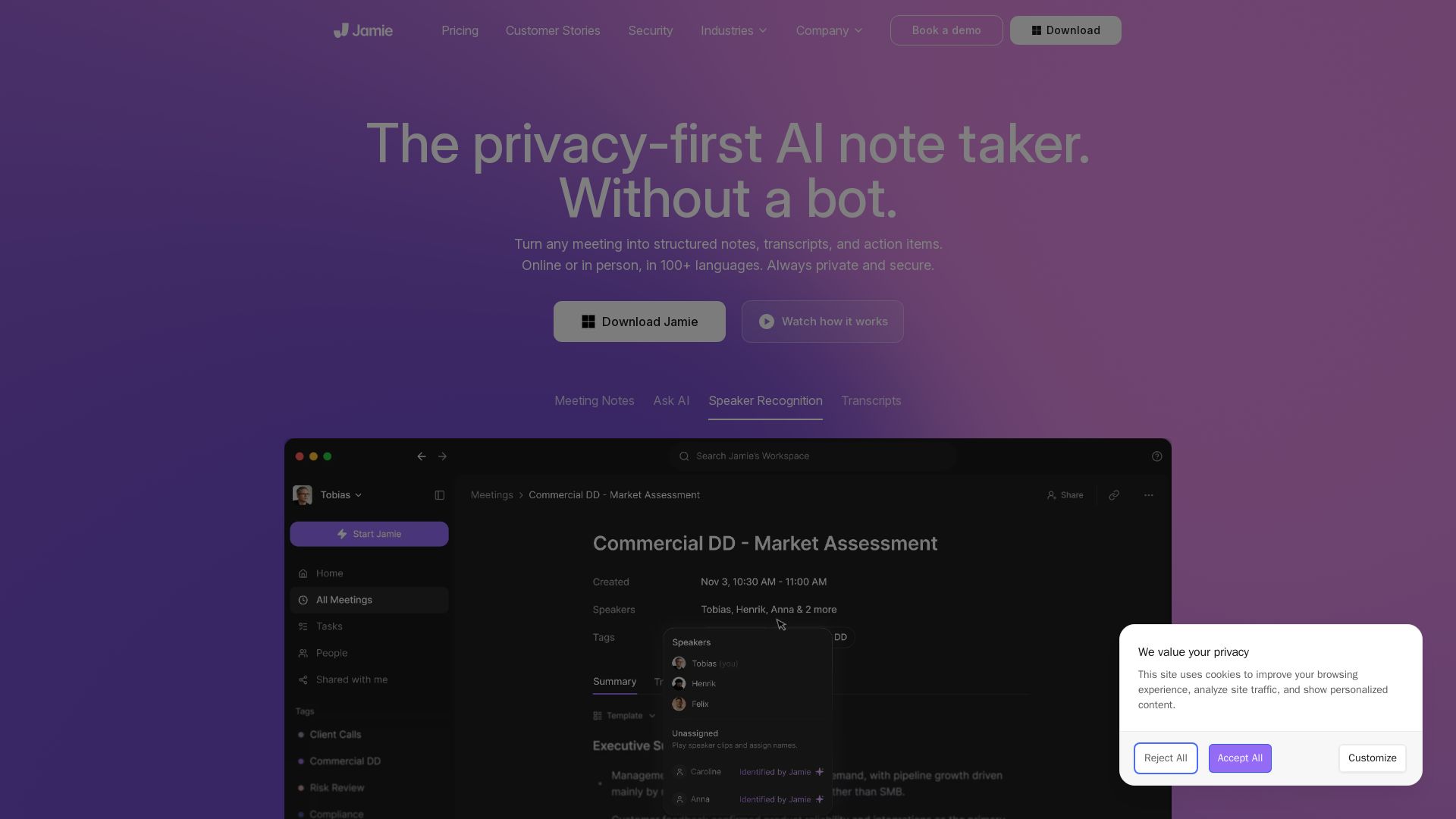
Jamie
The privacy-first AI note taker that works without a bot. Get human-like summaries, speaker recognition, and GDPR-compliant security.

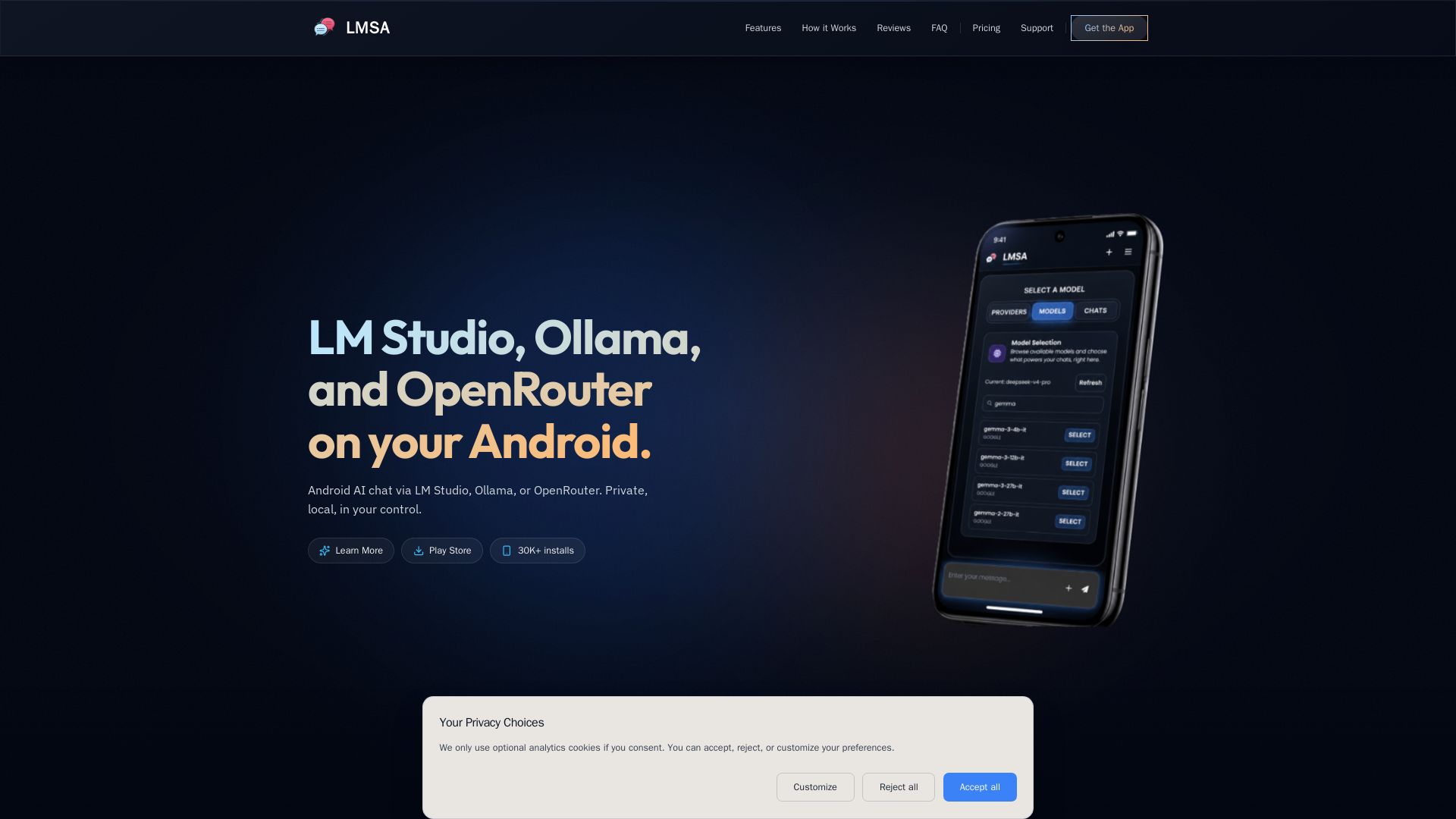
LMSA
Chat privately with AI on Android using local LM Studio/Ollama or cloud OpenRouter. Zero data retention, AES-256 encryption, voice mode. No subscriptions.

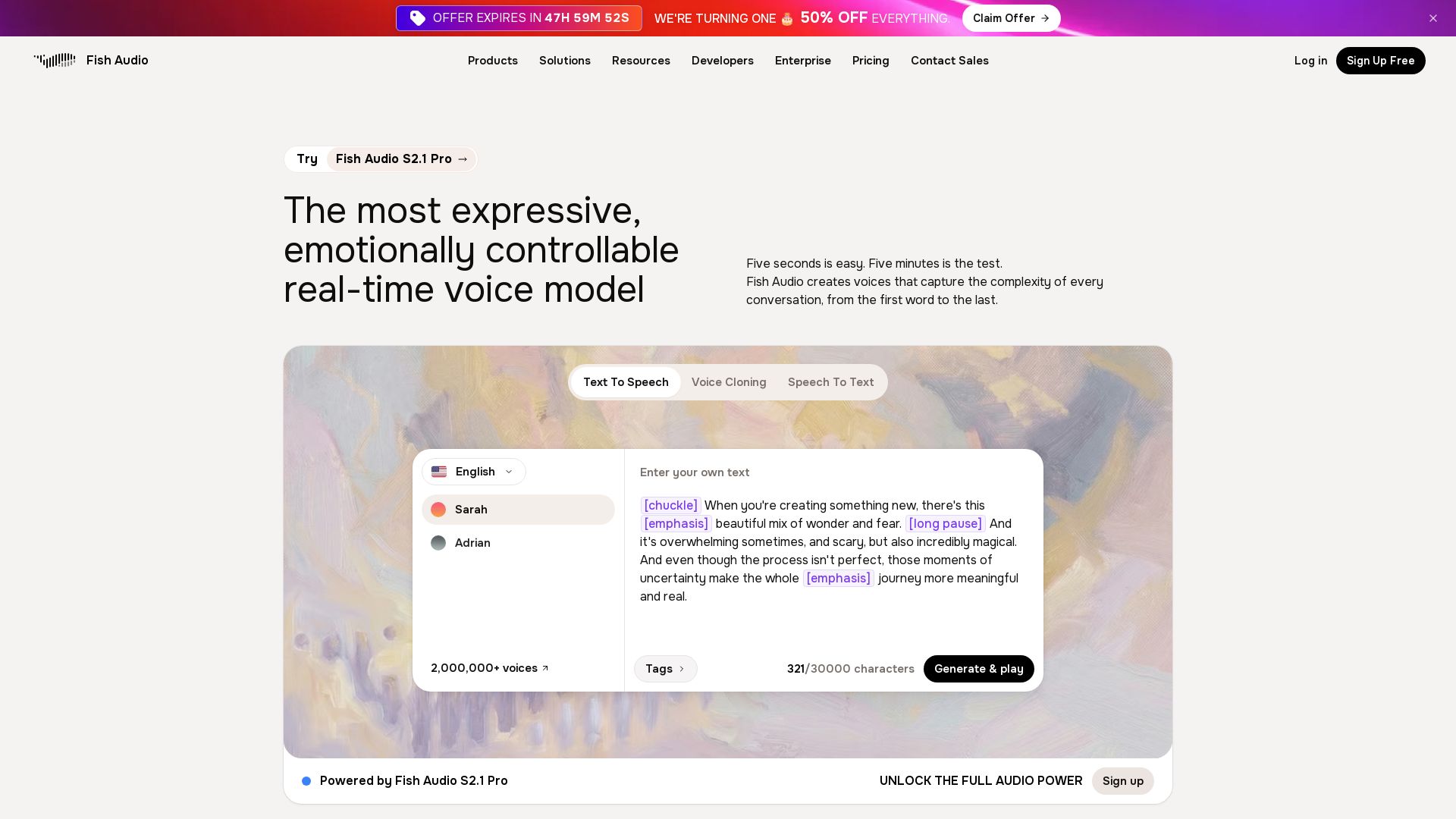
Fish Audio
Create studio-quality AI voices with emotional control. Clone any voice in 15 seconds, supports 30+ languages. Trusted by millions. 50% off now!

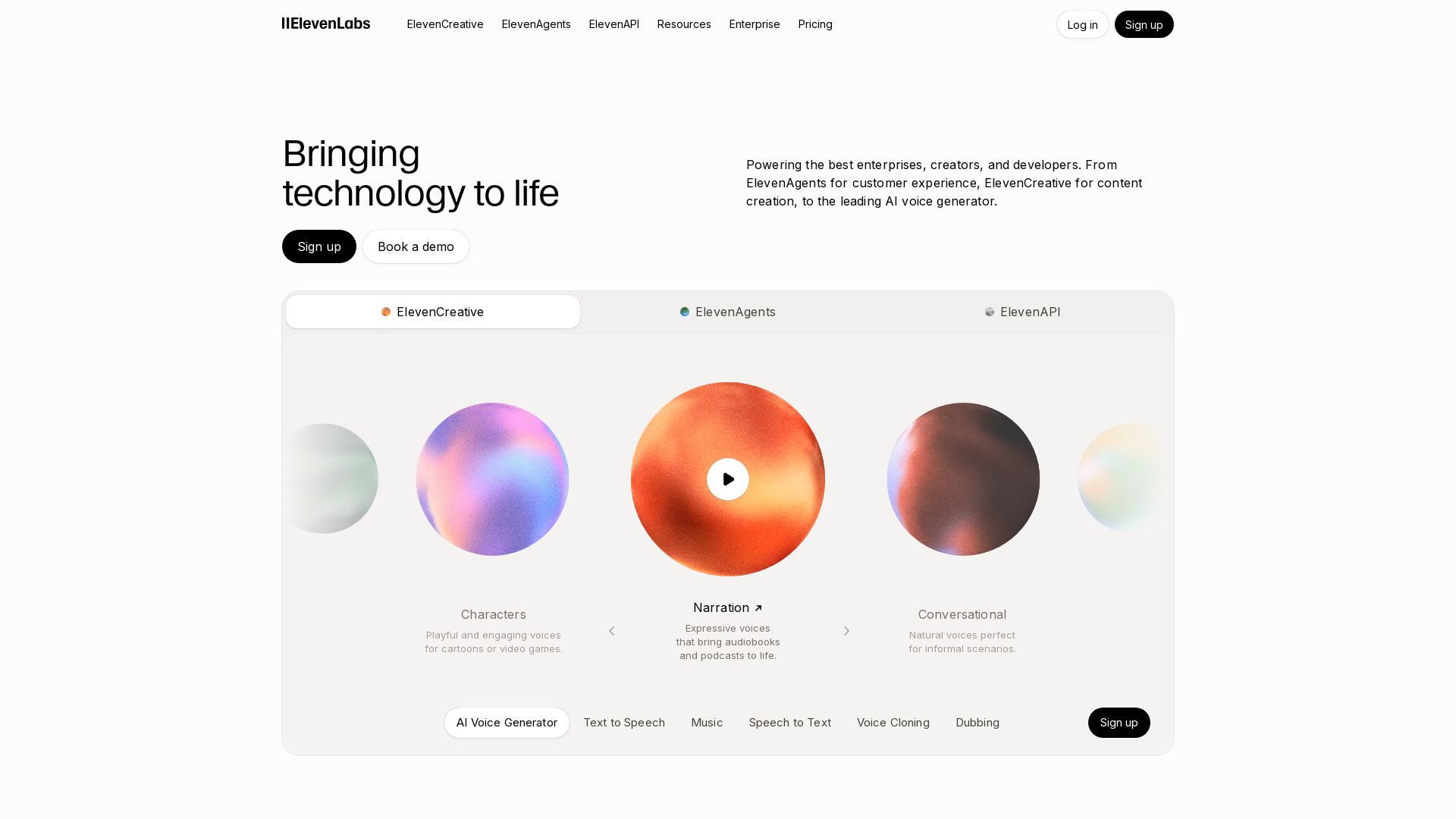
ElevenLabs
Create ultra-realistic speech, music, sound effects, and deploy conversational AI agents. Trusted by leading enterprises and developers. 70+ languages.

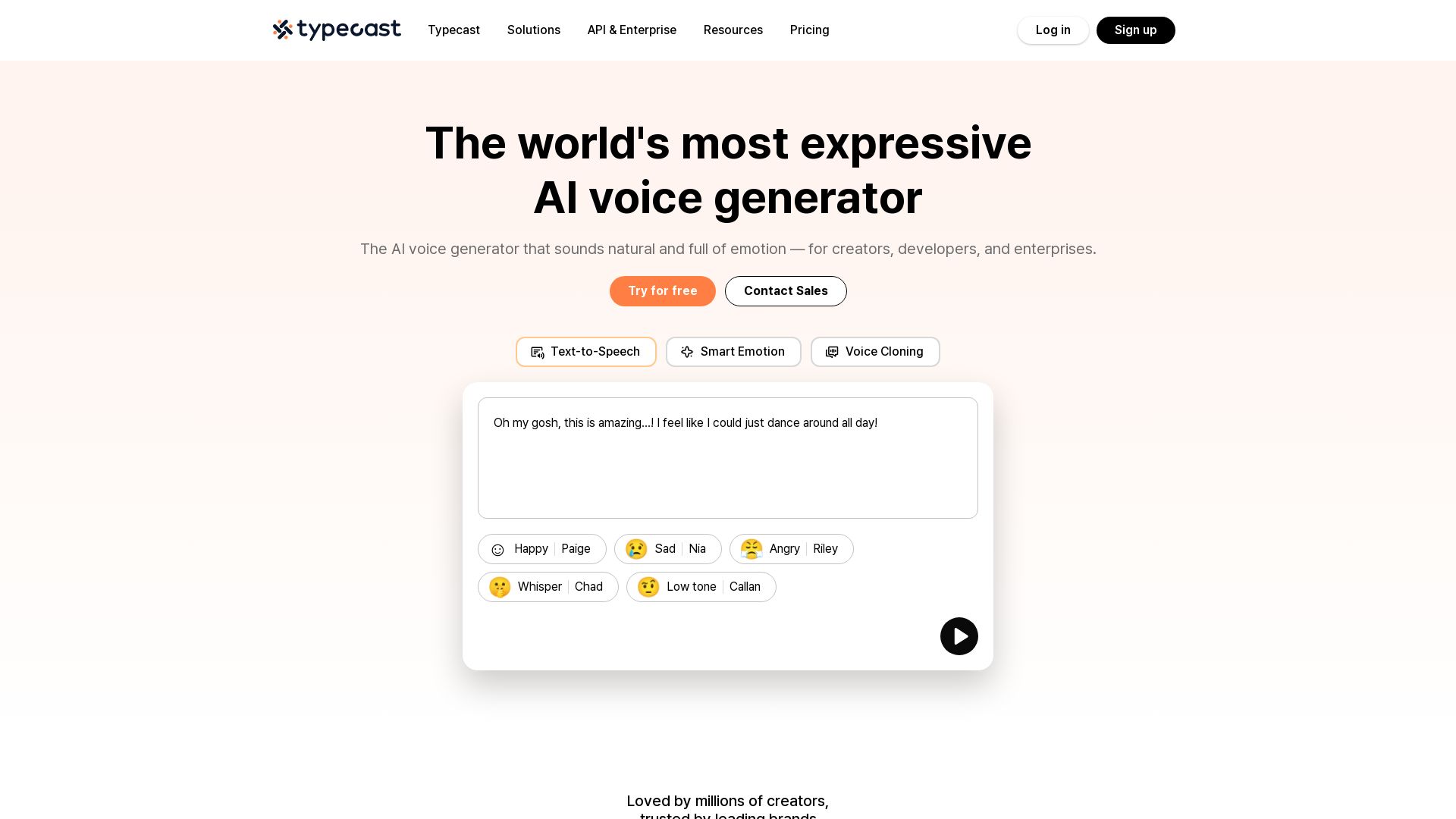
Typecast
Create natural, emotional AI voices with 700+ options. Text-to-speech, voice cloning, and API for any project. Loved by millions.

ℹ️ Curation Disclosure: The overview and features of Picovoice were synthesized using AI and fact-checked by our curation team to ensure accuracy.