
Open WebUI
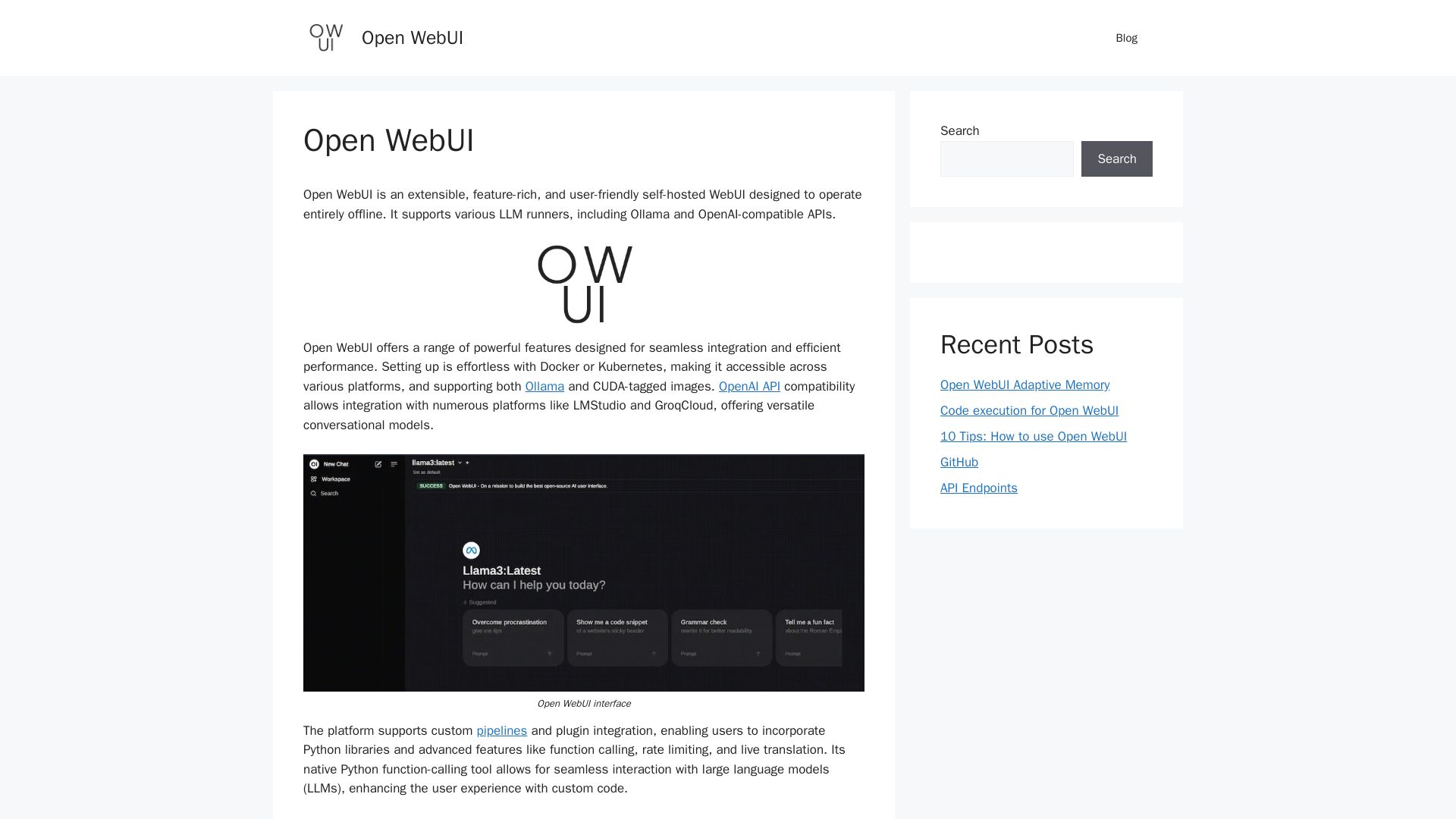
Discover Open WebUI, an extensible, offline-capable WebUI for LLMs. Features RAG, image generation, code execution, and plugin support. Perfect for AI enthusiasts.
Editor's Verdict
Key Takeaways
- Self-hosted WebUI
- Multi-LLM Support
- Docker & Kubernetes Deployment
- Custom Pipelines & Plugins
In-Depth Review: What is Open WebUI?
Open WebUI is a powerful, user-friendly WebUI for interacting with large language models. It runs entirely offline, supports Ollama and OpenAI-compatible APIs, and offers advanced features like Retrieval Augmented Generation, image generation, multi-model support, and custom plugin integration. This community site shares tips, news, and guides on maximizing Open WebUI's capabilities.
Core Features
Self-hosted WebUI
Operates entirely offline, providing full control and privacy.
Multi-LLM Support
Compatible with Ollama and OpenAI-compatible APIs, allowing versatile model integration.
Docker & Kubernetes Deployment
Effortless setup across platforms with Docker or Kubernetes, including CUDA-tagged images.
Custom Pipelines & Plugins
Enables integration of Python libraries and advanced features like function calling, rate limiting, and live translation.
Retrieval Augmented Generation (RAG)
Facilitates document interaction and web search within chats for enhanced context.
Image Generation
Supports image creation, broadening use cases from content generation to visual aids.
Multi-Model Support
Allows simultaneous use of multiple models for diverse tasks.
Pros and Cons
Pros
- Fully Offline OperationEnsures data privacy and security by running entirely on local infrastructure without external dependencies.
- Extensive LLM CompatibilityWorks with Ollama and any OpenAI-compatible API, giving users flexibility in choosing models.
- Easy DeploymentSupports Docker and Kubernetes, simplifying installation and scaling across environments.
- Rich Plugin EcosystemAllows custom pipelines and Python integrations for advanced automation and functionality.
- Built-in RAG and Web SearchEnhances conversations with real-time document retrieval and web search capabilities.
Cons
- Requires Technical SetupNeeds familiarity with Docker, Kubernetes, or self-hosting, which may be a barrier for non-technical users.
- No Official Cloud VersionLacks a managed cloud offering, requiring users to handle infrastructure themselves.
- Community-Run DocumentationAs a non-official community site, support and updates may be less consistent than official sources.
- Potential Performance OverheadRunning multiple models or custom plugins locally may require significant computational resources.
Use Cases & Recommended Professions
AI Researcher→ View Toolkit
Needs a private, customizable environment to experiment with various LLMs and custom pipelines.
Software Developer→ View Toolkit
Benefits from integrating LLM capabilities into applications via OpenAI-compatible APIs and custom code execution.
Data Scientist→ View Toolkit
Leverages RAG and document search to analyze large datasets interactively.
Content Creator→ View Toolkit
Uses image generation and multi-model support for creative projects and content generation.
Privacy-Conscious User→ View Toolkit
Requires a fully offline AI assistant to ensure data remains local and secure.
DevOps Engineer→ View Toolkit
Manages deployment with Docker/Kubernetes for scalable, self-hosted AI services.
Frequently Asked Questions
Alternative AI Tools
View Detailed Comparison →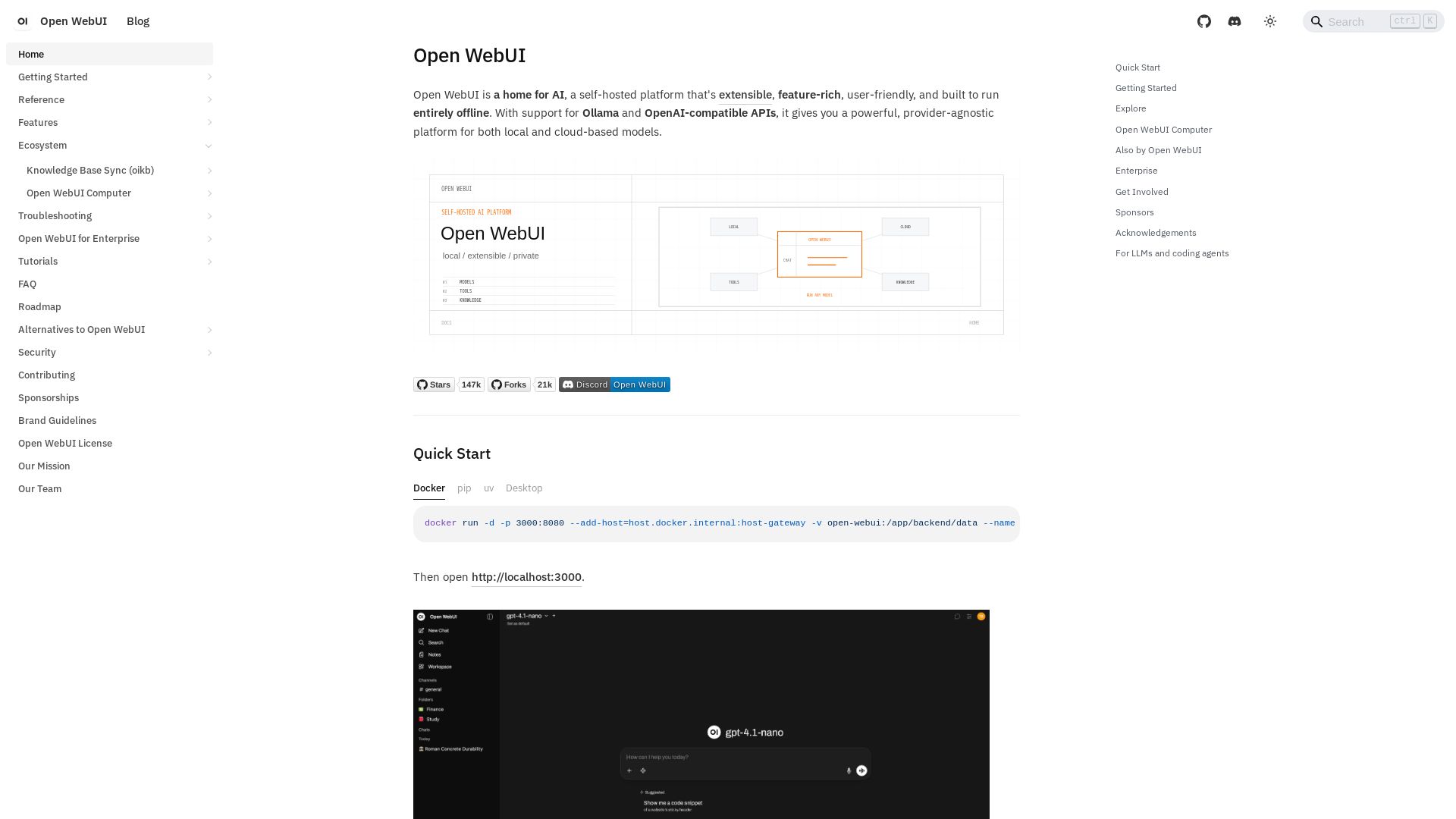
Open WebUI
Self-hosted, extensible AI platform with offline support. Connect any model via Ollama or OpenAI APIs. Feature-rich, user-friendly, and private.


Open WebUI
Open WebUI is an open-source desktop app to manage and chat with multiple AI models locally and via API. Supports Ollama, OpenAI, Claude, Gemini, RAG document analysis, and user permissions. Free download.

Open WebUI
Run any AI model on your own terms. Self-host, connect to any provider, and keep your data private. 462K+ community.

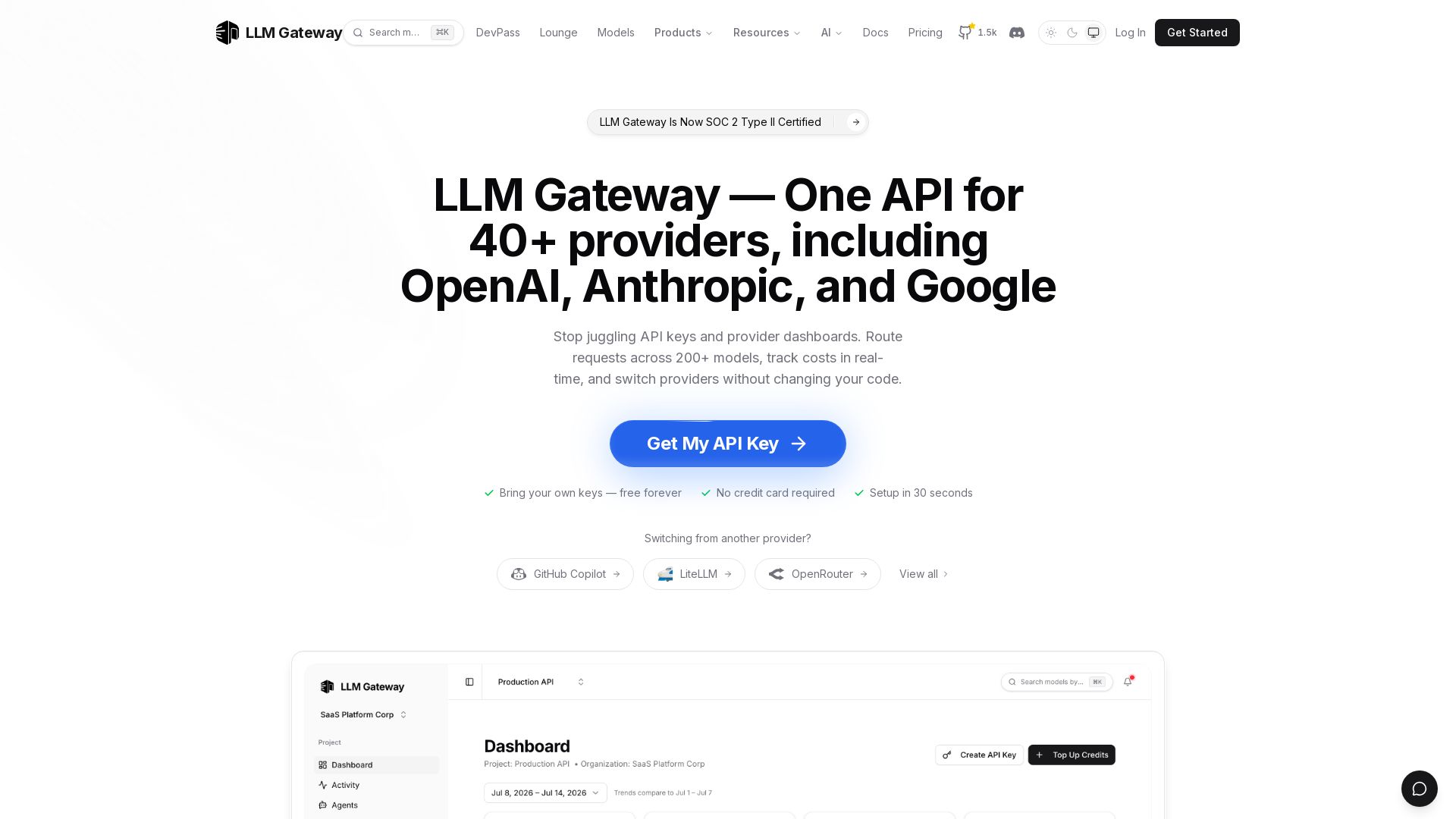
LLM Gateway
One API for 40+ LLM providers (OpenAI, Anthropic, Google). Switch models, track costs, auto-failover. Bring your own keys, free forever.

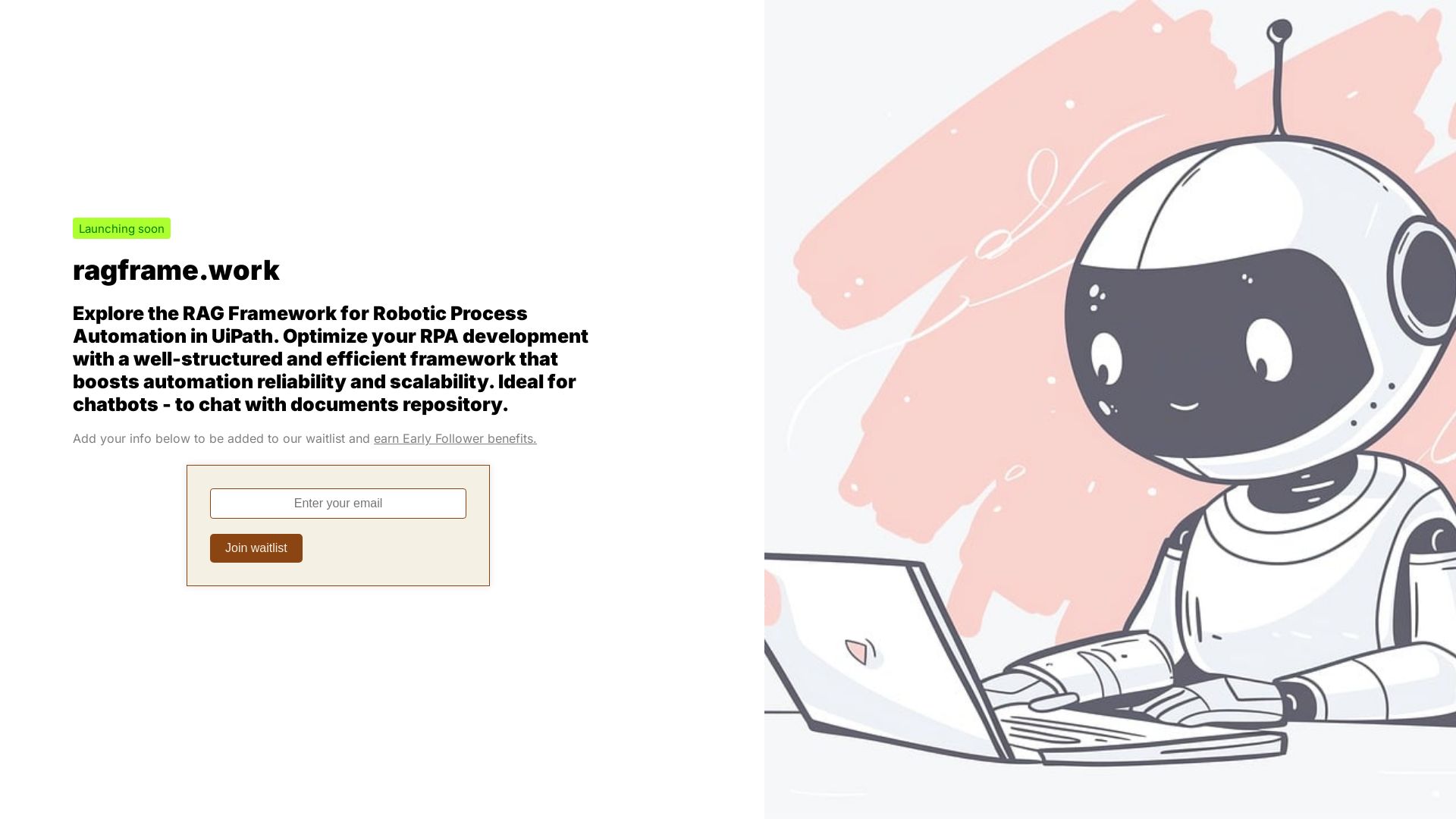
RAG Framework
Optimize RPA with the RAG Framework. Boost automation reliability and scalability. Chat with your document repository. Join the waitlist.

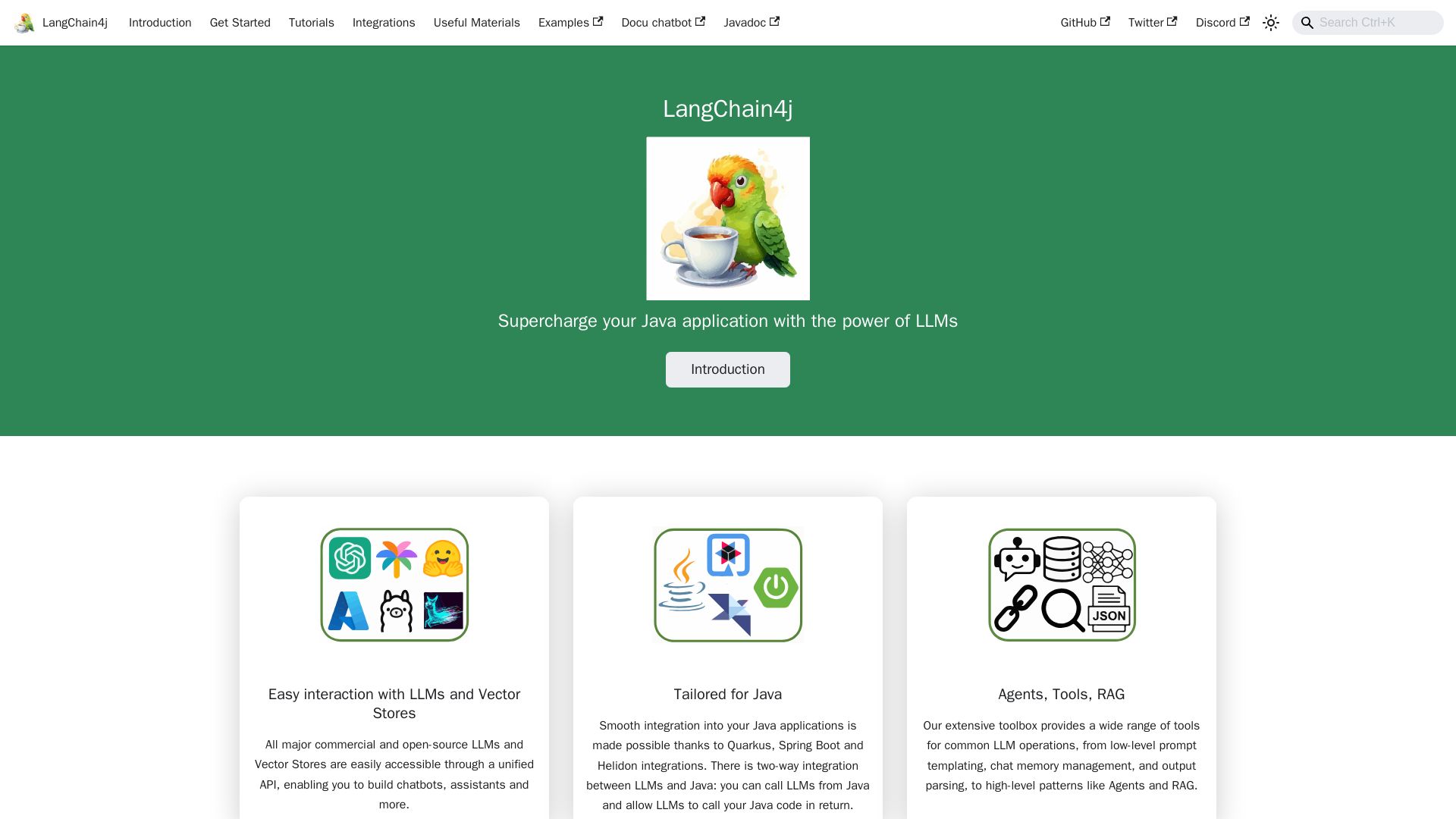
LangChain4j
Seamlessly integrate LLMs into Java apps with unified API. Support for major LLMs, Vector Stores, Agents, RAG.

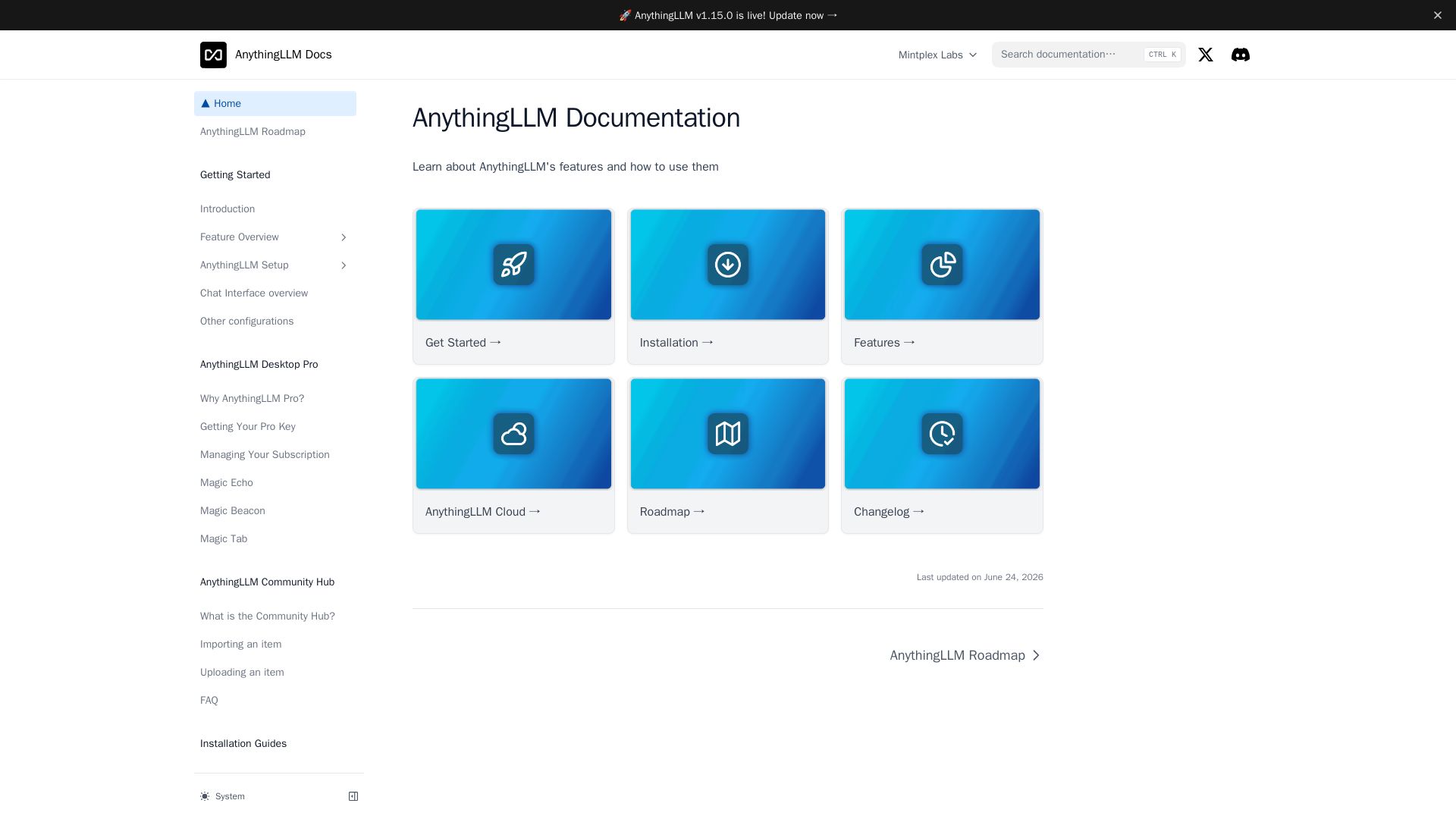
AnythingLLM
Explore AnythingLLM's comprehensive docs: AI Agents, RAG, Model Router, self-hosted/cloud setup, MCP compatibility, and more.

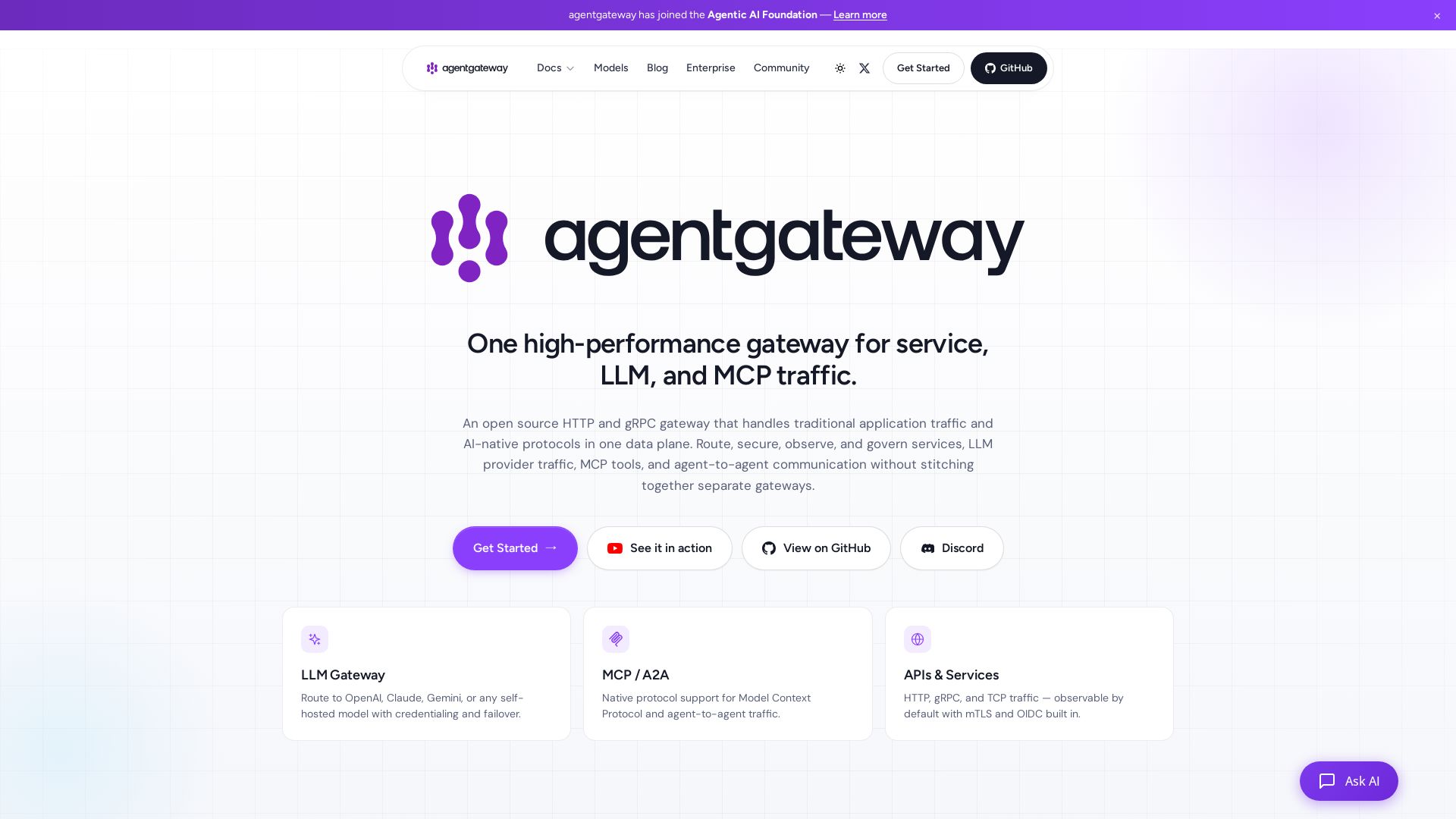
agentgateway
Route, secure, and observe LLM, MCP, A2A, and API traffic with a single, open-source gateway. One binary for all your AI and service needs.

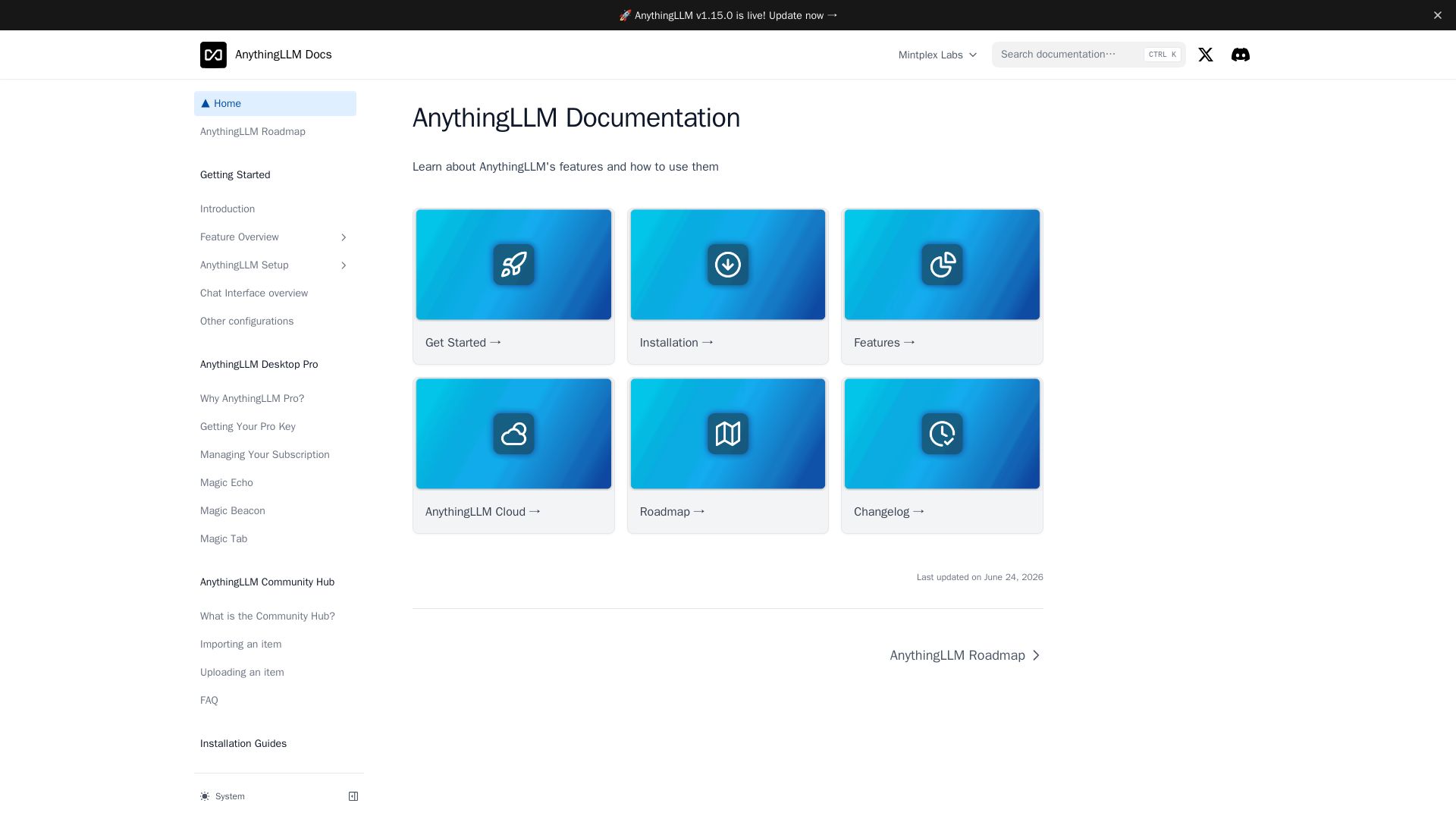
AnythingLLM
Build, deploy, and manage AI agents with AnythingLLM. Supports multiple LLMs, embedding models, vector DBs, and more. Open source.

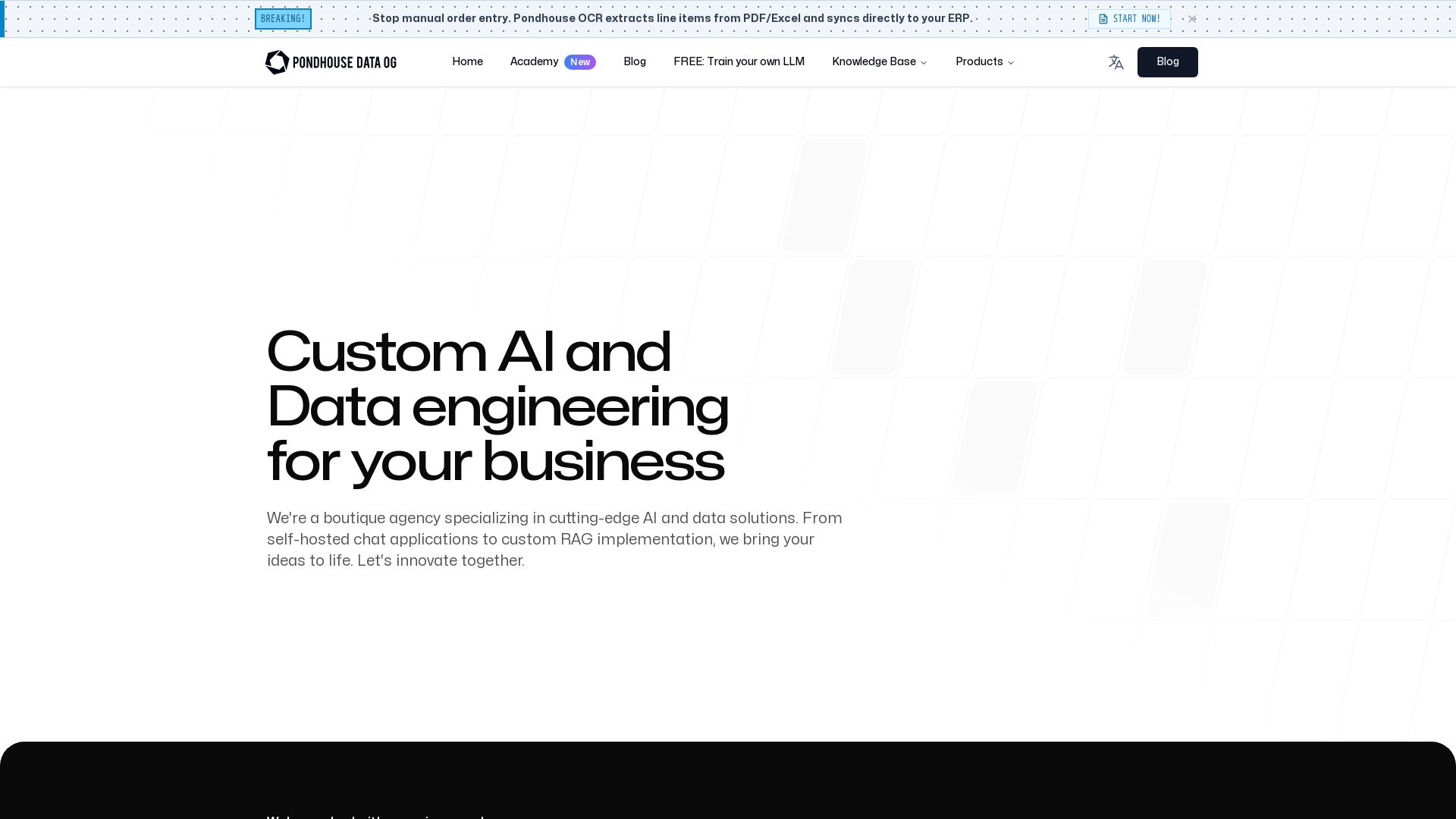
Pondhouse Data
Boutique AI agency specializing in custom RAG systems, self-hosted chat apps, and AI prototypes. Fast iteration, expert team. Let's innovate together.

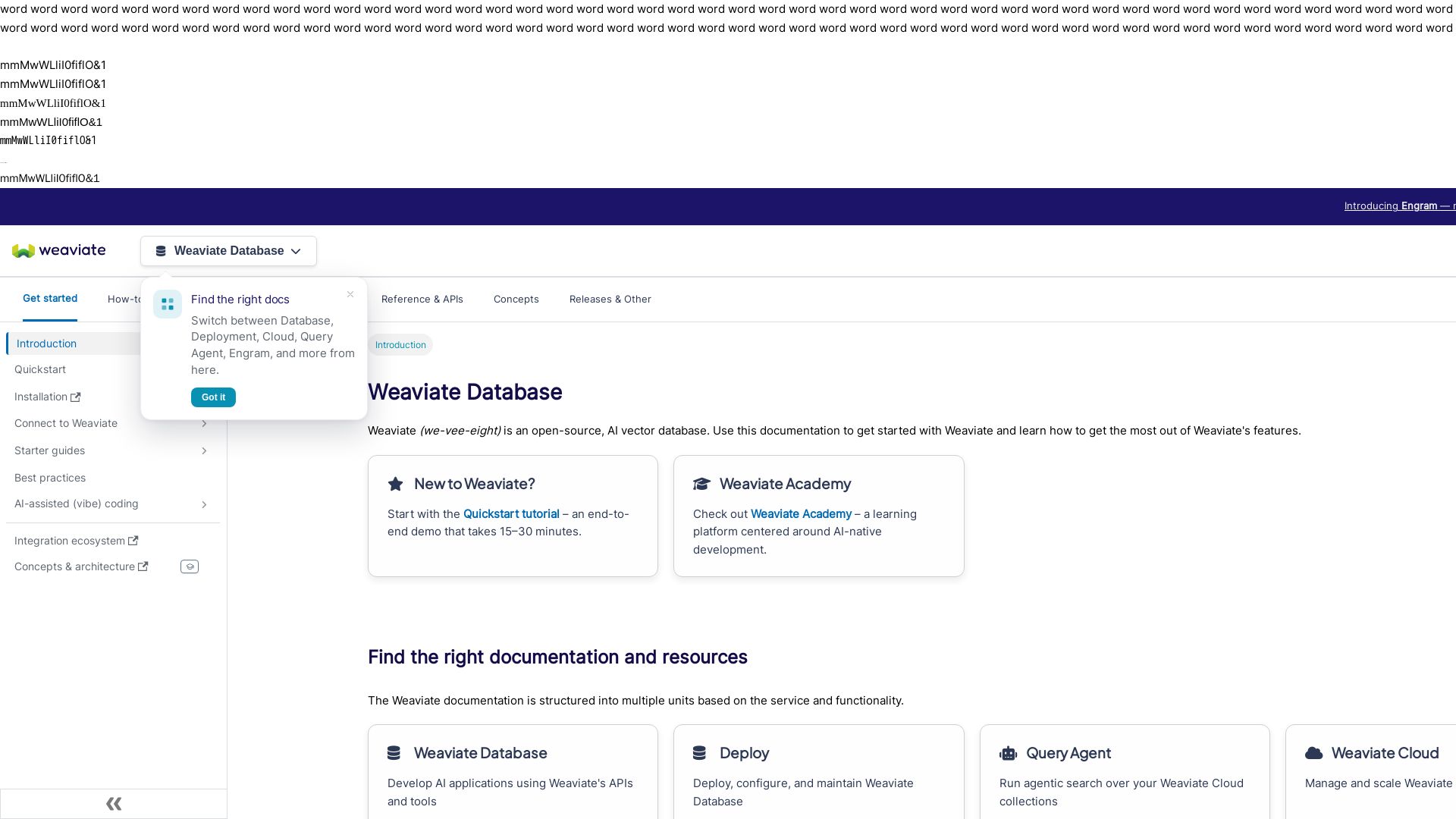
Weaviate
Build AI applications with semantic search, hybrid search, and RAG. Deploy on cloud, Docker, or Kubernetes. Get started free.

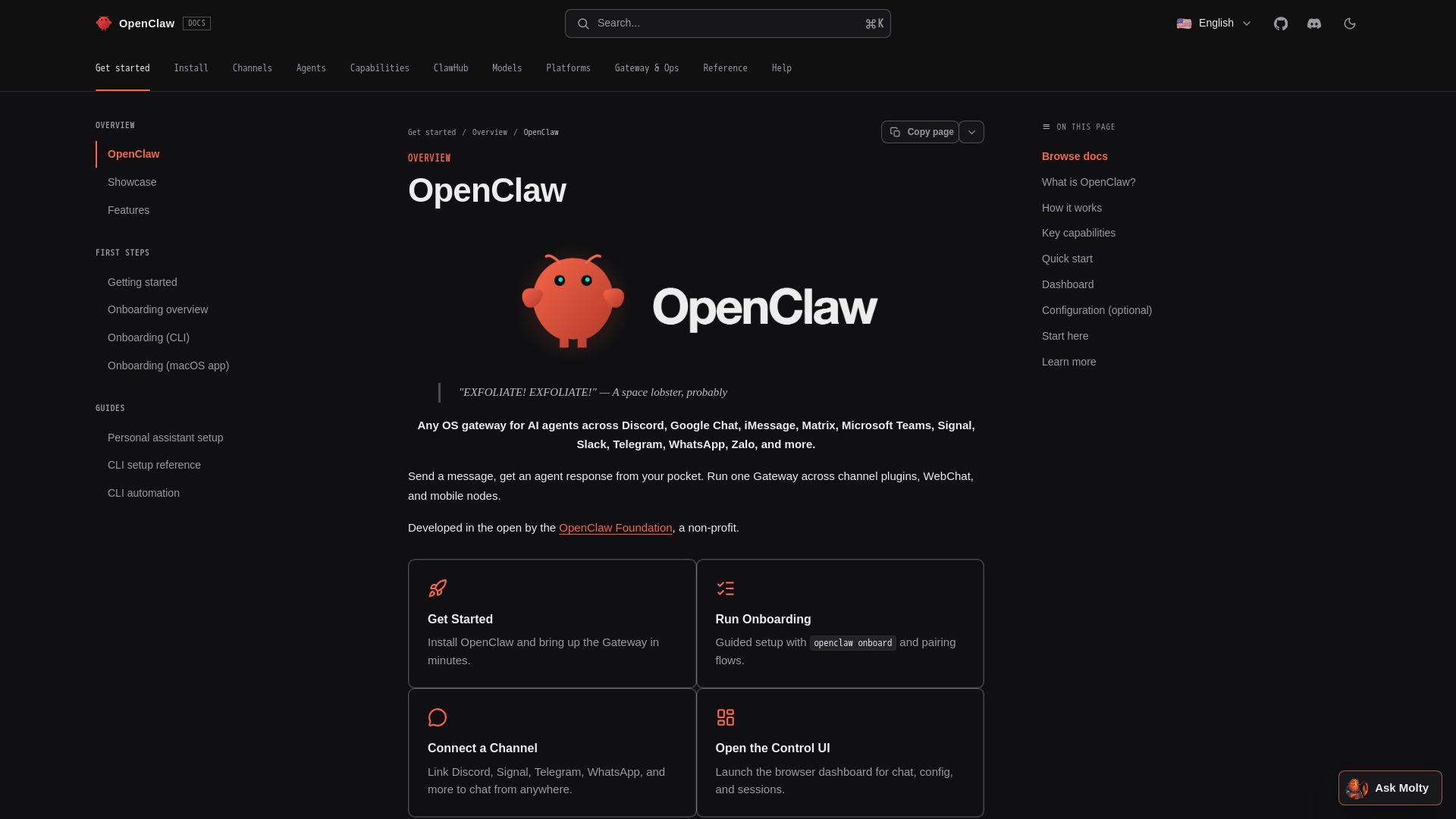
OpenClaw
Run a private AI assistant across Discord, Telegram, WhatsApp, and more. Self-hosted gateway with no data sharing. Open source. Connect coding agents to your favorite messaging apps.

ℹ️ Curation Disclosure: The overview and features of Open WebUI were synthesized using AI and fact-checked by our curation team to ensure accuracy.