
LocalAI
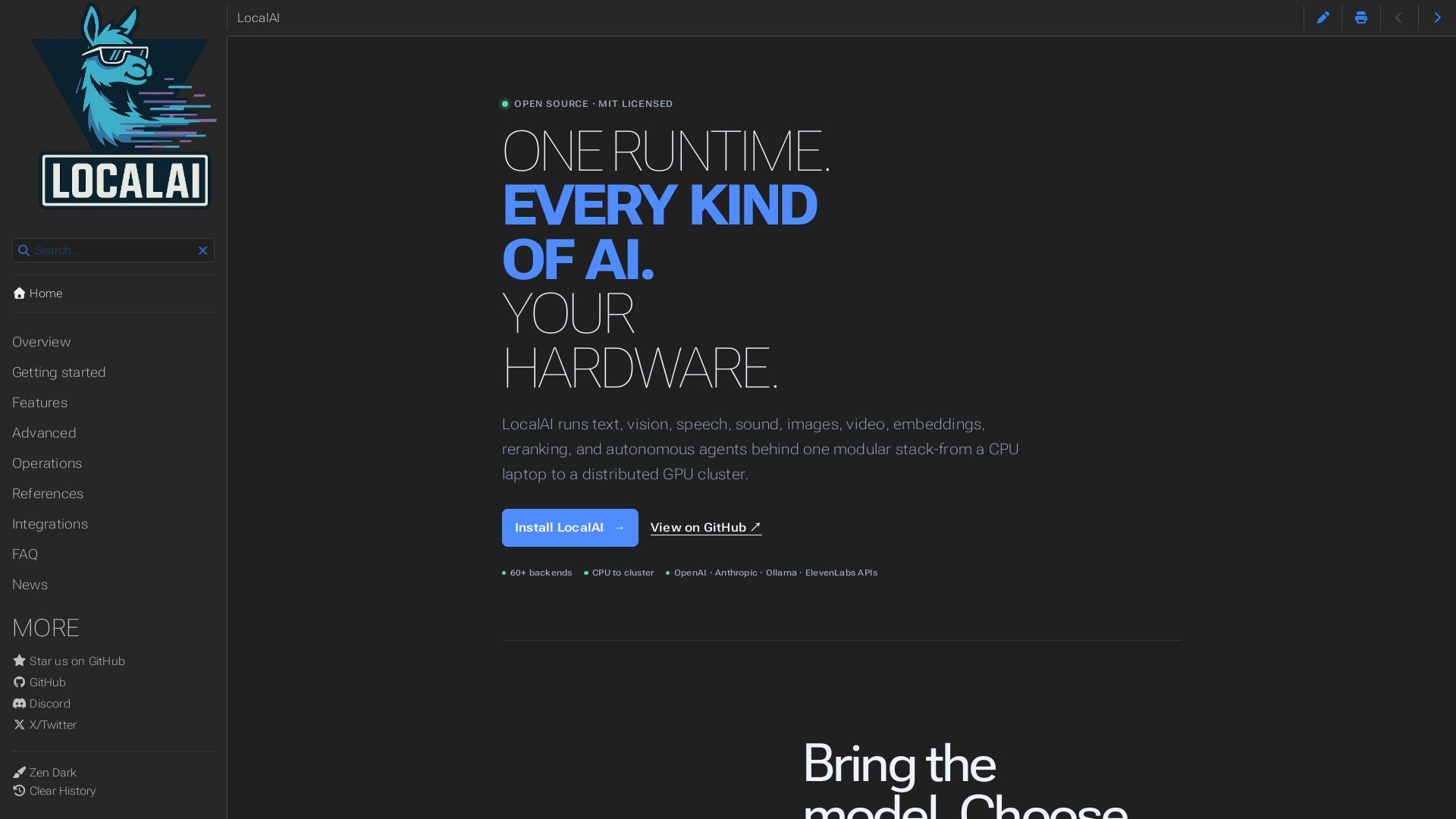
Open-source AI runtime running text, vision, speech, images, video on CPU to GPU. Build agents, realtime voice, and keep data private. MIT licensed.

Editor's Verdict
Key Takeaways
- One runtime for all AI
- 60+ backends
- Multi-hardware support
- OpenAI-compatible API
In-Depth Review: What is LocalAI?
LocalAI is a modular, open-source AI runtime that runs every kind of AI—text, vision, speech, images, video, embeddings, reranking, and autonomous agents—on any hardware from a CPU laptop to a distributed GPU cluster. It integrates best-in-class backends like llama.cpp, vLLM, SGLang, MLX, whisper.cpp, and diffusion engines, each pulled on demand to keep the core lean. The team also develops native engines for speech, voice, vision, and perception. LocalAI provides a complete local AI control plane with built-in agents, realtime WebRTC voice, privacy enforcement, and model management. One command to start: `docker run -ti --name local-ai -p 8080:8080 localai/localai:latest`.
Core Features
One runtime for all AI
Run text, vision, speech, audio, images, video, embeddings, reranking, and autonomous agents under a single modular stack.
60+ backends
Integrate best-in-class engines like llama.cpp, vLLM, SGLang, MLX, whisper.cpp, and more, each pulled on demand.
Multi-hardware support
Runs on CPU, NVIDIA, AMD, Intel, Apple Silicon, Vulkan, and Jetson, from a laptop to a distributed GPU cluster.
OpenAI-compatible API
Drop-in replacement for OpenAI, Anthropic, Ollama, and ElevenLabs APIs, enabling easy migration.
Built-in agents
Create autonomous agents with MCP tools, skills, memory, RAG, citations, and streamed execution via UI or API.
Realtime voice
Build interruptible voice experiences with WebRTC, streaming STT, LLM output, and TTS.
Privacy and data control
Keep data on your infrastructure, with PII analysis, redaction, policy middleware, and audit visibility.
Modular architecture
Core stays lean; backends arrive on demand. Install, update, or remove engines independently.
Native engine development
LocalAI team builds native C, C++, Rust, and GGML engines for speech, vision, privacy, and 3D reconstruction.
Distributed inference
Scale inference across multiple nodes with P2P federation or production distributed mode.
Pricing
Open Source (Self-Hosted)
- All features included
- Unlimited users
- Self-hosted on your hardware
- One command install (Docker)
- Community support
Pros and Cons
Pros
- Open source and MIT licensedCompletely free to use, modify, and distribute without restrictions.
- Hardware flexibilityRuns on anything from a CPU laptop to a distributed GPU cluster, supporting multiple architectures.
- Broad AI modality supportHandles text, image, audio, video, embeddings, agents, and more in one runtime.
- Privacy and securityAll processing stays on your infrastructure, with built-in PII filtering and audit tools.
- Modular and extensibleEngines are loaded on demand, and you can build custom backends via gRPC in any language.
Cons
- Requires self-hostingNo managed cloud version available; users must set up and maintain their own infrastructure.
- Learning curve for beginnersConfiguration and backend selection can be complex for those new to AI or Docker.
- Resource-intensive for large modelsRunning large language or diffusion models may require significant CPU/GPU resources.
- Limited official documentation for some featuresSome advanced features like distributed mode and fine-tuning have experimental or sparse documentation.
- Dependency on community backendsQuality and performance of some backends rely on third-party projects that may change or break.
Use Cases & Recommended Professions
Software Engineer→ View Toolkit
Needs to integrate local AI capabilities into applications without relying on external cloud APIs.
Data Scientist→ View Toolkit
Requires on-premise model inference for sensitive data or custom model experimentation.
AI Researcher→ View Toolkit
Benefits from running multiple backends and engines to compare performance and test new models.
DevOps Engineer→ View Toolkit
Manages distributed AI clusters and needs a unified runtime that scales across nodes.
Product Manager→ View Toolkit
Evaluates privacy-first AI solutions to offer features like voice, vision, and agents in products.
Content Creator→ View Toolkit
Uses local image and video generation to create media without cloud costs or usage limits.
Frequently Asked Questions
Alternative AI Tools
View Detailed Comparison →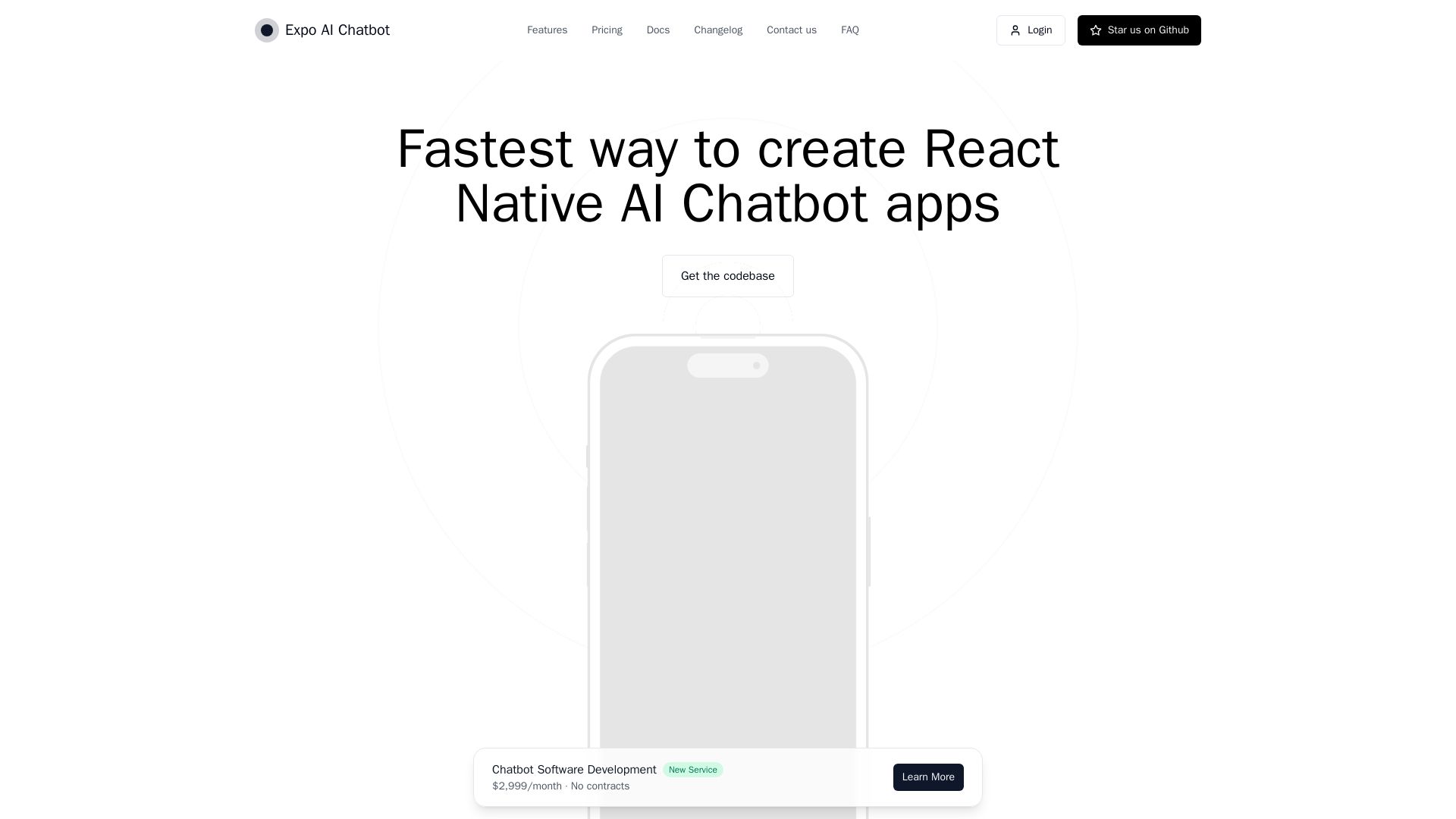
Expo AI Chatbot
Build AI chatbot apps for iOS, Android & web with Expo SDK 54, AI SDK 5, voice, long-term memory, and more. Open-source codebase.

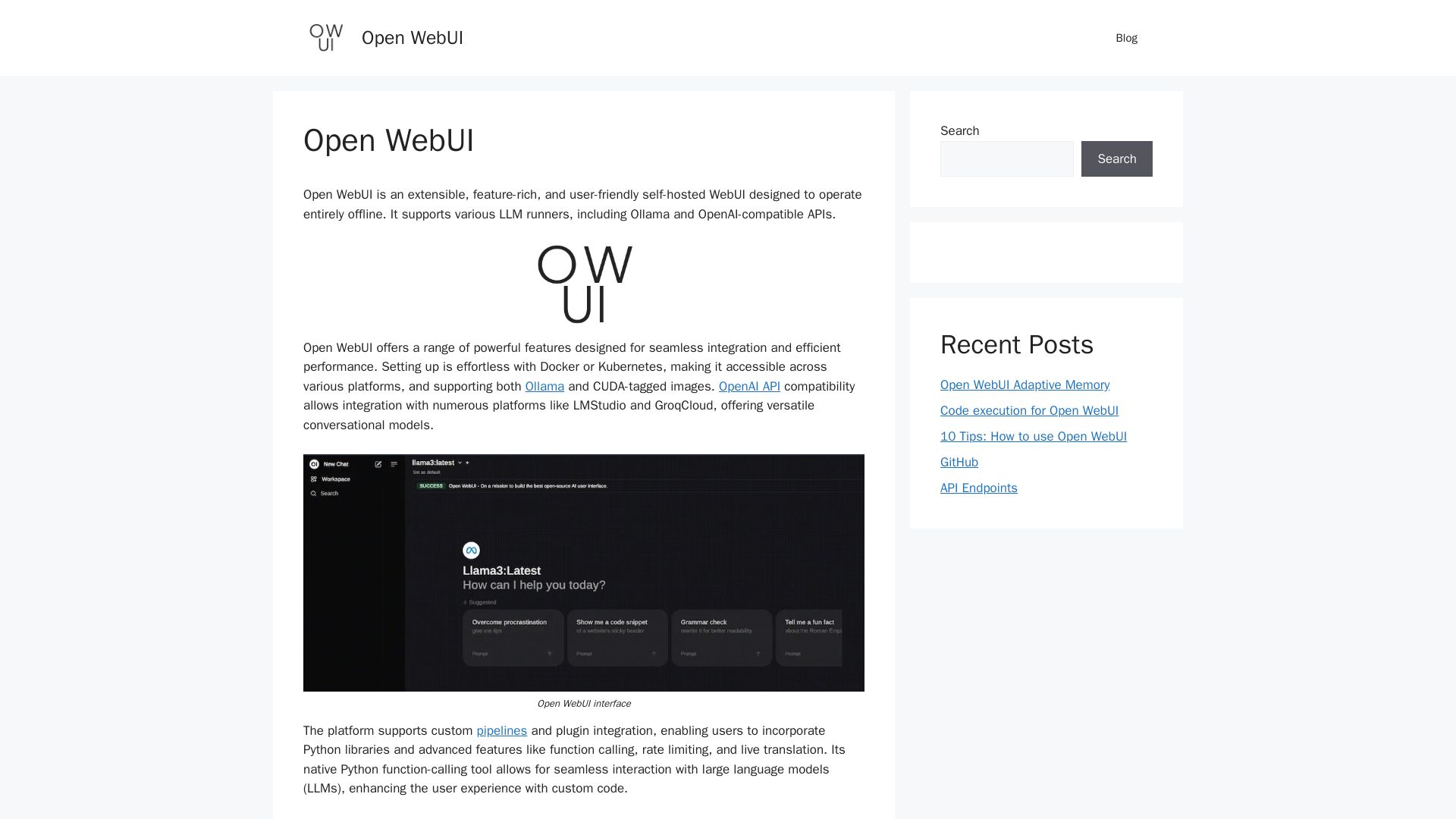
Open WebUI
Discover Open WebUI, an extensible, offline-capable WebUI for LLMs. Features RAG, image generation, code execution, and plugin support. Perfect for AI enthusiasts.

Chatbot Builder
Build an AI chatbot in minutes without coding. 24/7 customer support, sales automation, and seamless integrations. Start your free 14-day trial today!

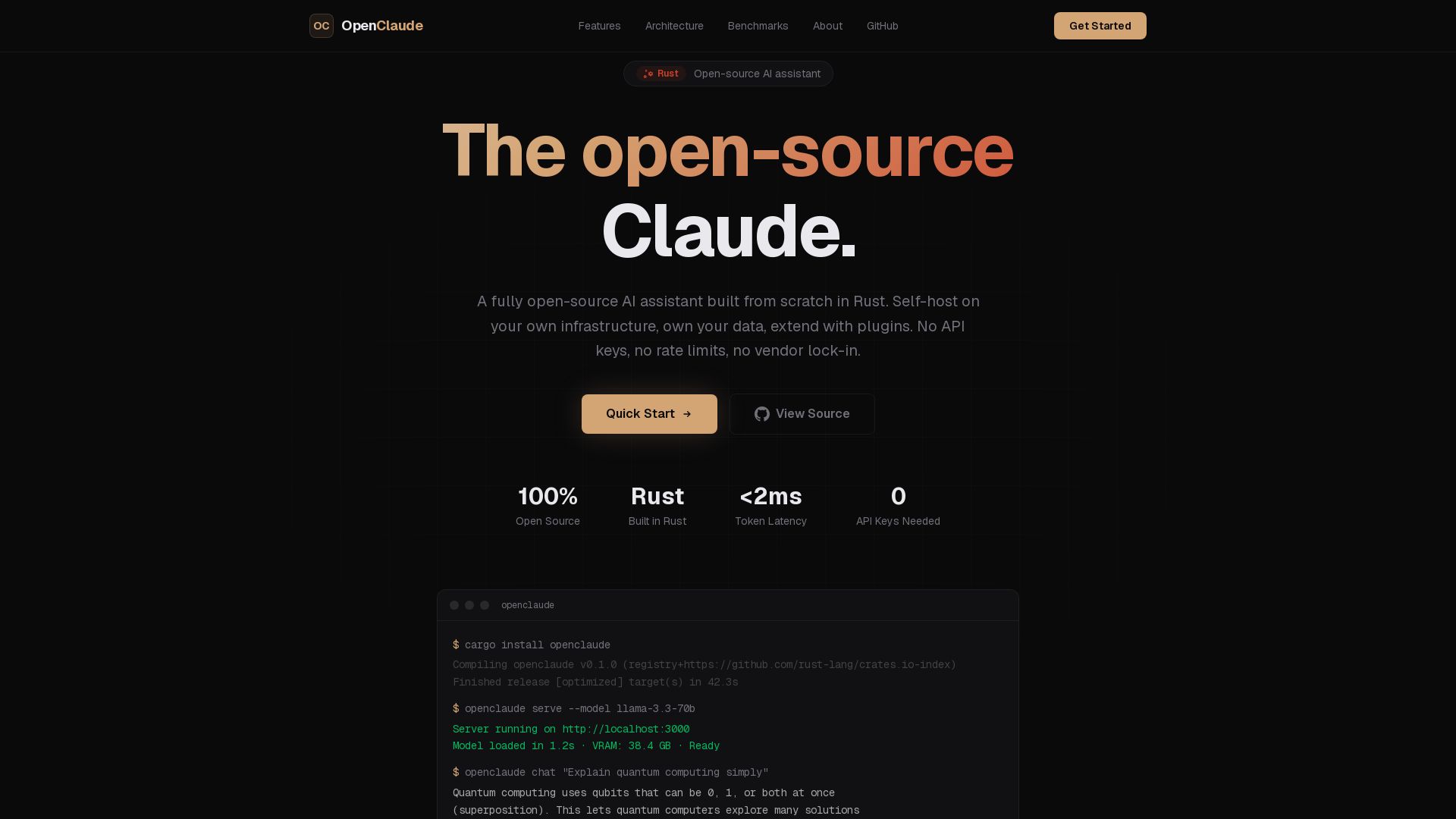
OpenClaude
A fully open-source AI assistant built in Rust. Self-host on your own infrastructure, own your data. No API keys, no vendor lock-in.

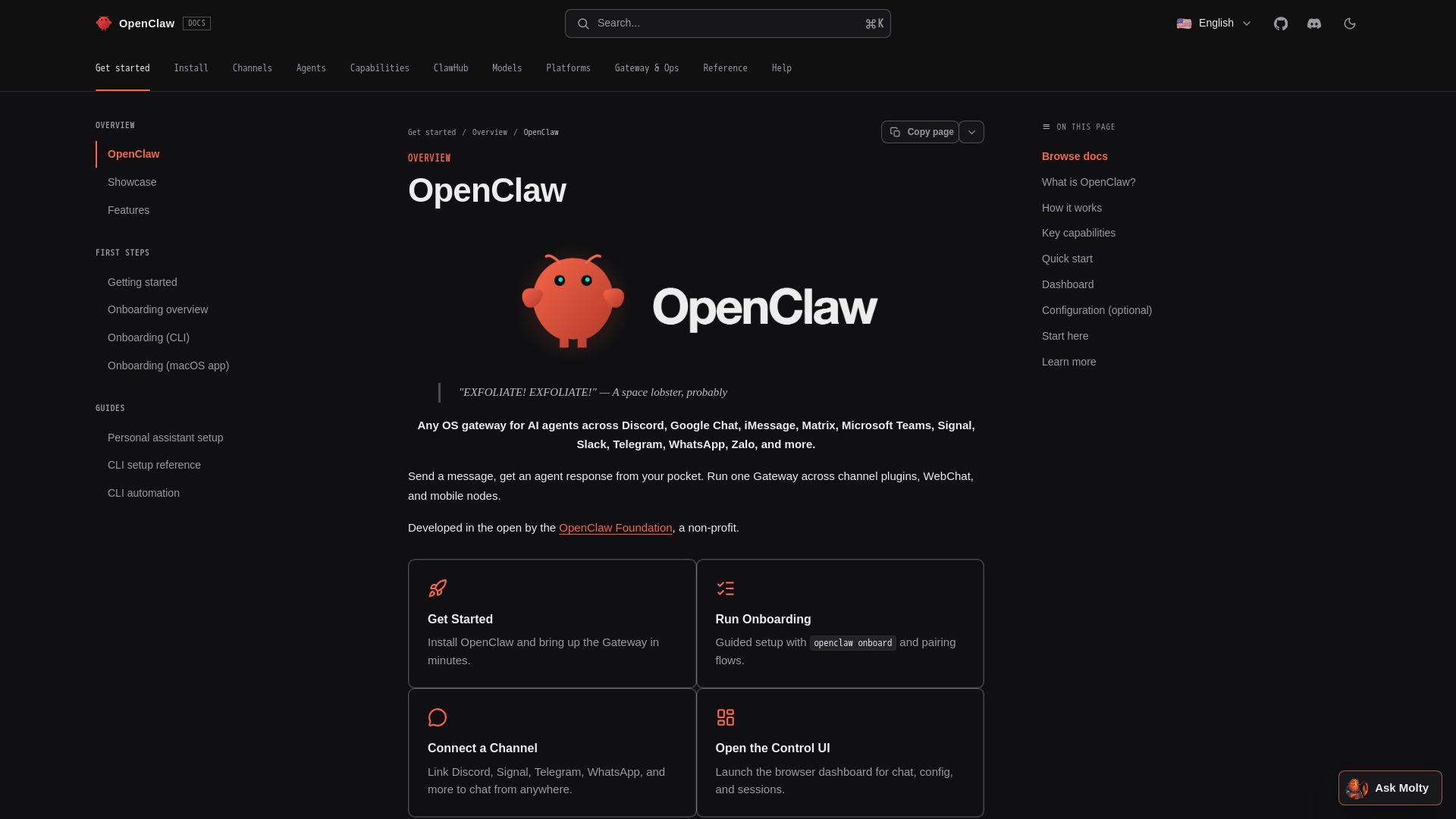
OpenClaw
Run a private AI assistant across Discord, Telegram, WhatsApp, and more. Self-hosted gateway with no data sharing. Open source. Connect coding agents to your favorite messaging apps.


I Tested Every Major Open-Source AI Agent SDK So You Don't ...
Explore insights on Voice AI Agents, Multi-Agent Systems, and Developer Tools from a 30+ hackathon winner. Practical guides and cutting-edge research.

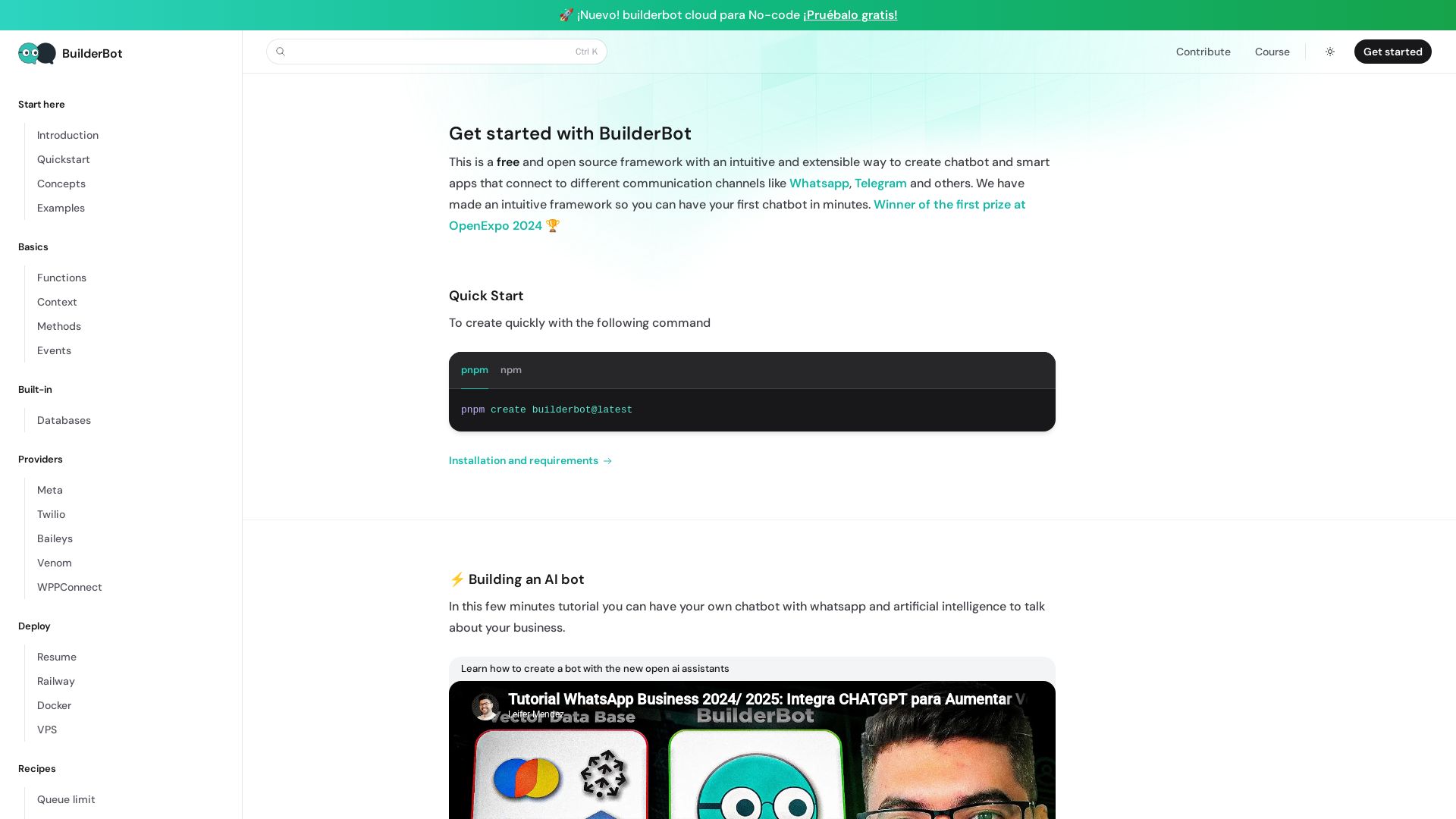
BuilderBot.app
Build smart chatbots for WhatsApp, Telegram & more with BuilderBot. Free, open source, winner of OpenExpo 2024. Quick start in minutes.

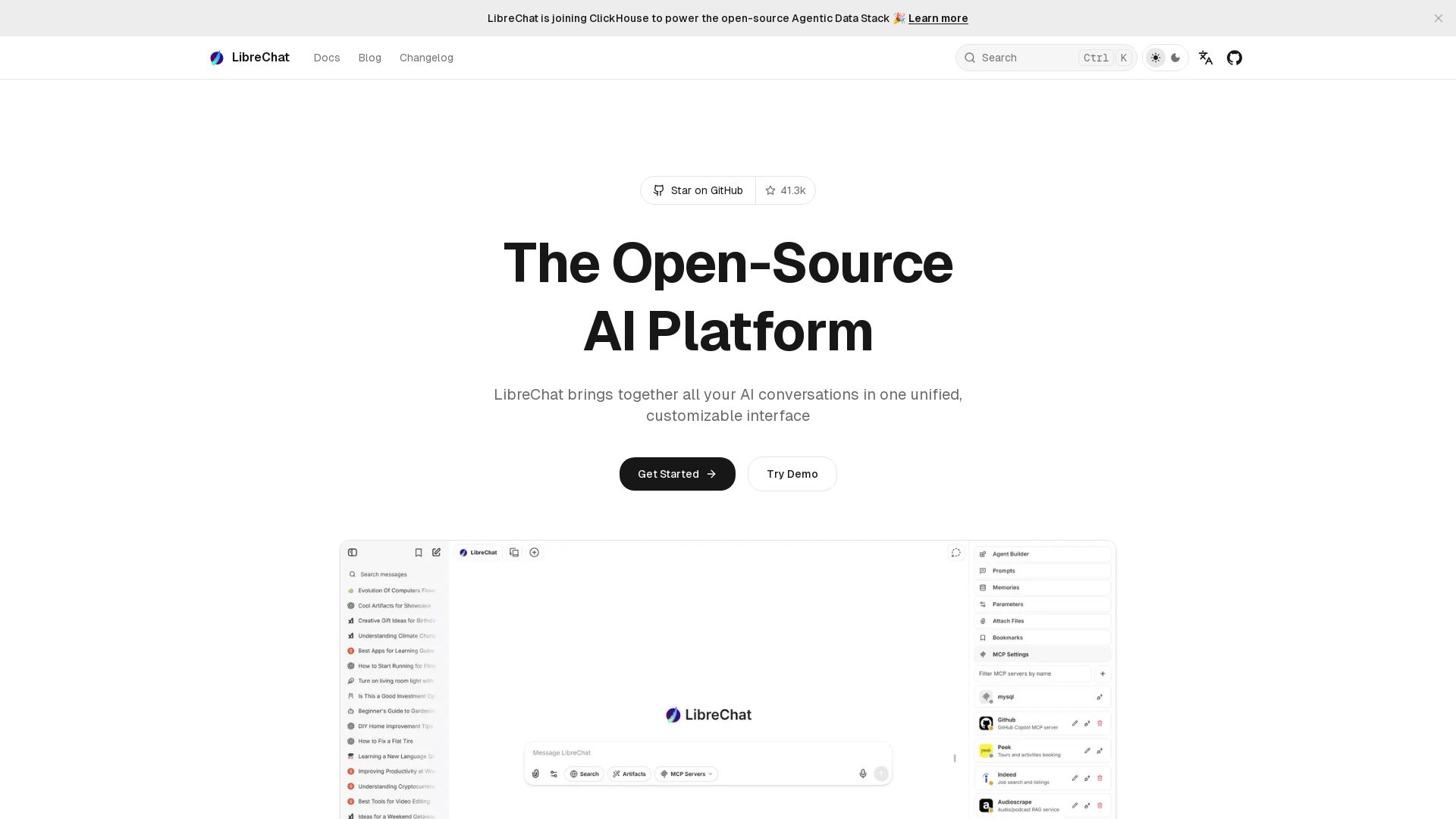
LibreChat
LibreChat brings together all your AI conversations in one interface. Supports multiple models, agents, code interpreter, artifacts, and more. Open-source with 41k+ stars.

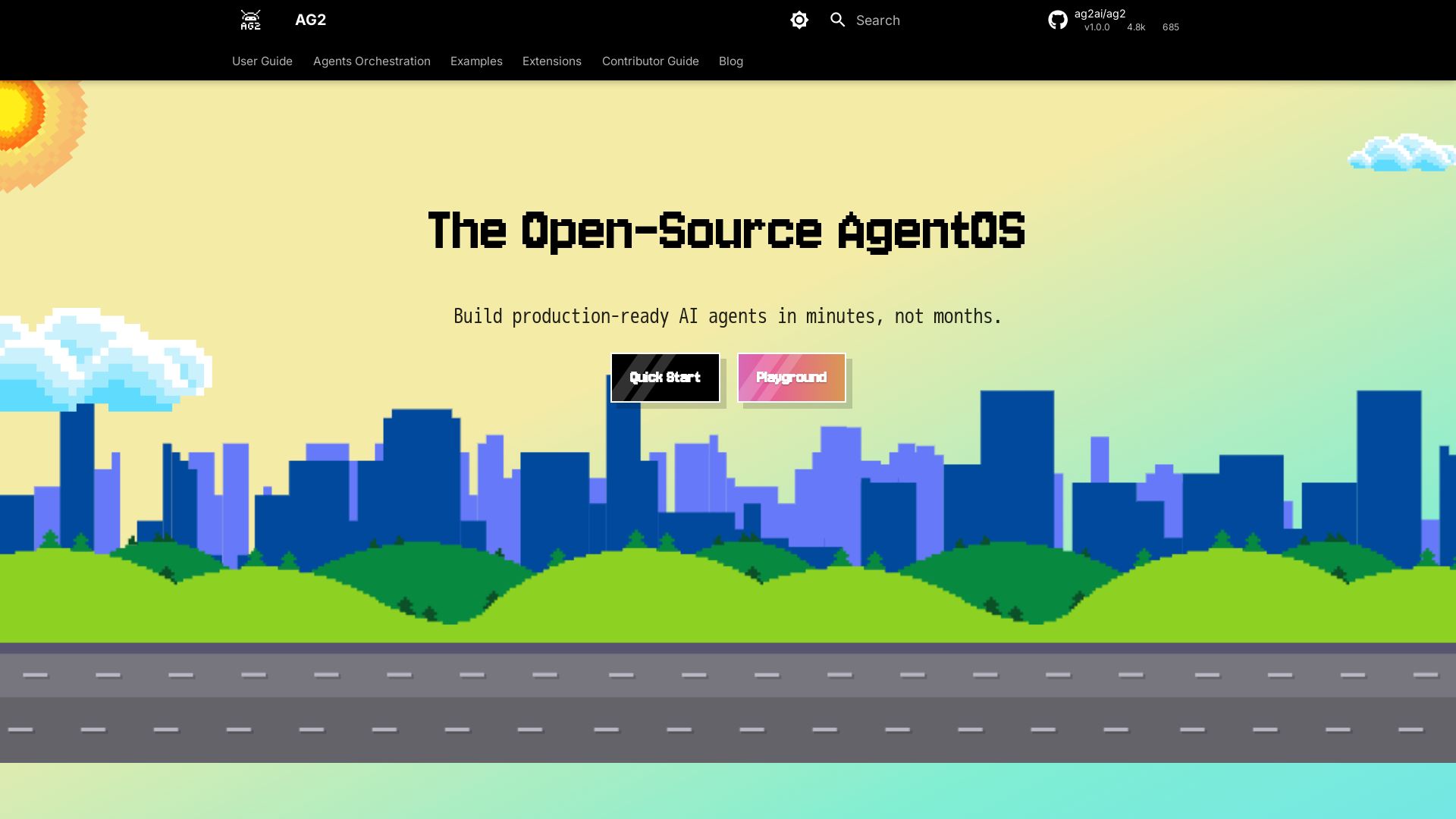
AG2
Build production-ready AI agents in minutes with AG2. Simple syntax, built-in patterns, human-AI collaboration. Open-source multi-agent framework.

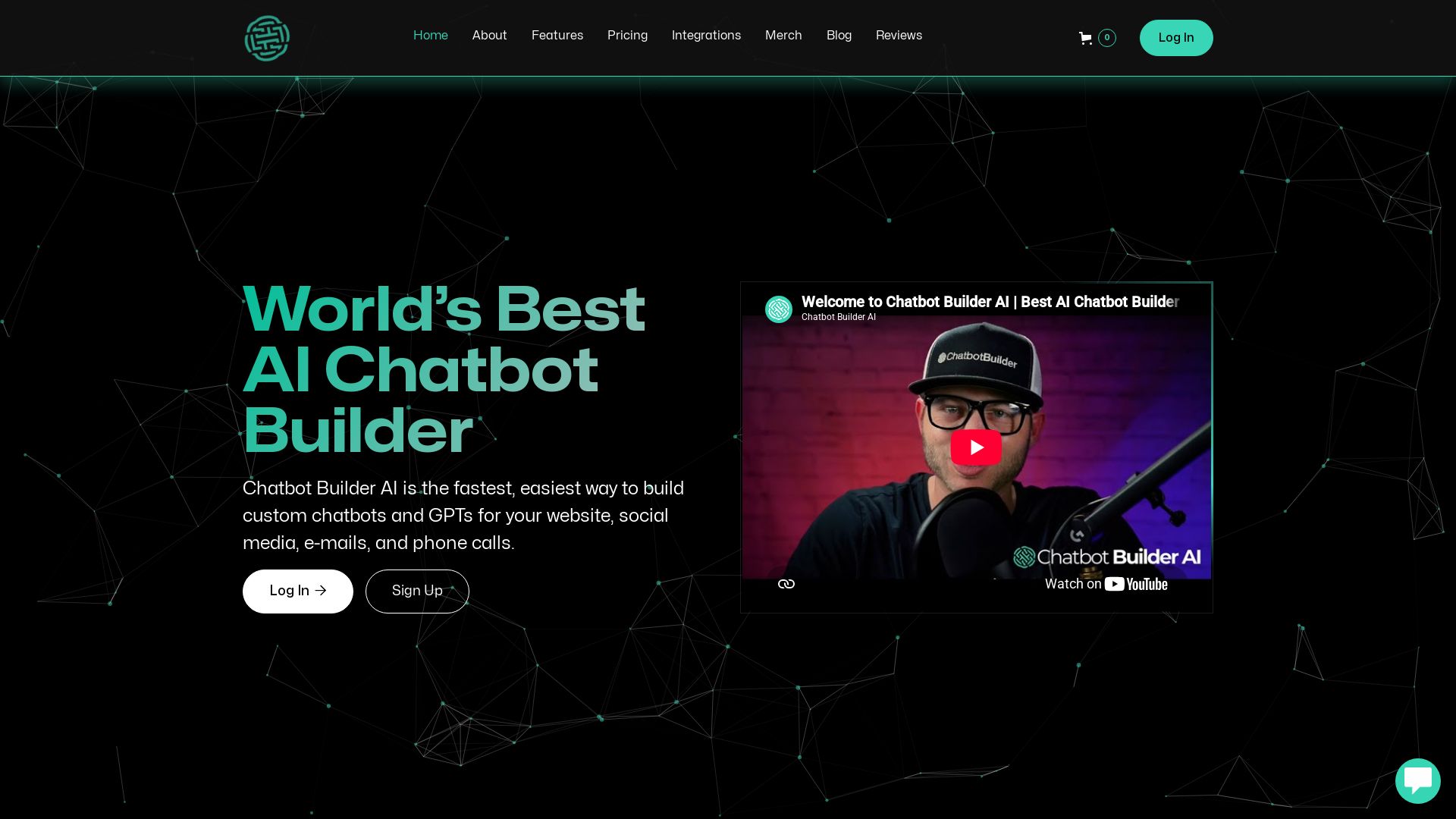
ChatBotBuilderai
Create powerful AI chatbots and GPTs for your business. Integrate with 1000+ apps, support multi-channel, and automate customer service. 14-day free trial. No credit card required.

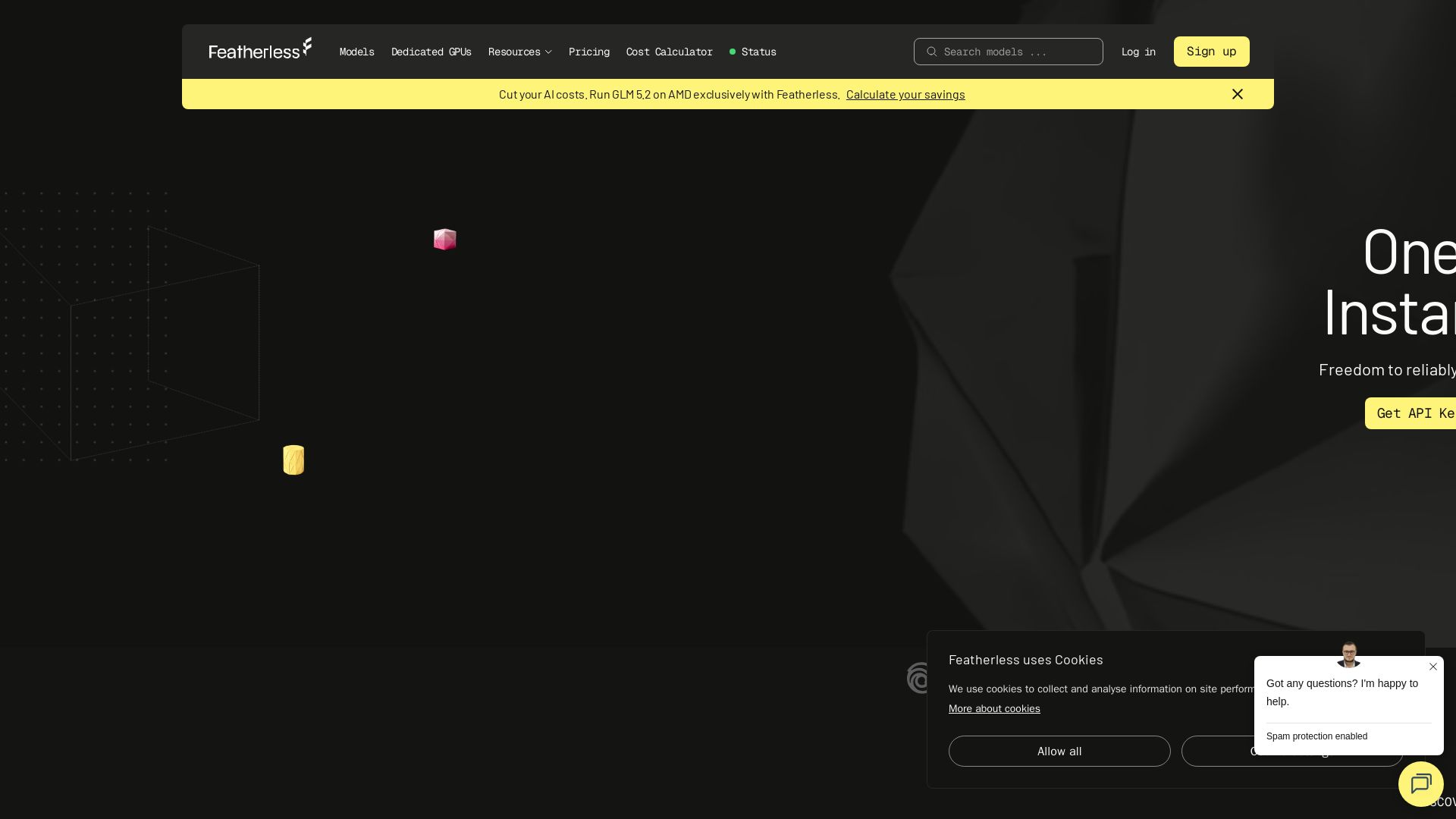
Featherless
Run any open-source AI model with one API. Flat-rate pricing, dedicated GPUs, and low-latency inference. Cut costs with Featherless.


Open WebUI
Run any AI model on your own terms. Self-host, connect to any provider, and keep your data private. 462K+ community.

ℹ️ Curation Disclosure: The overview and features of LocalAI were synthesized using AI and fact-checked by our curation team to ensure accuracy.