
OpenClaude
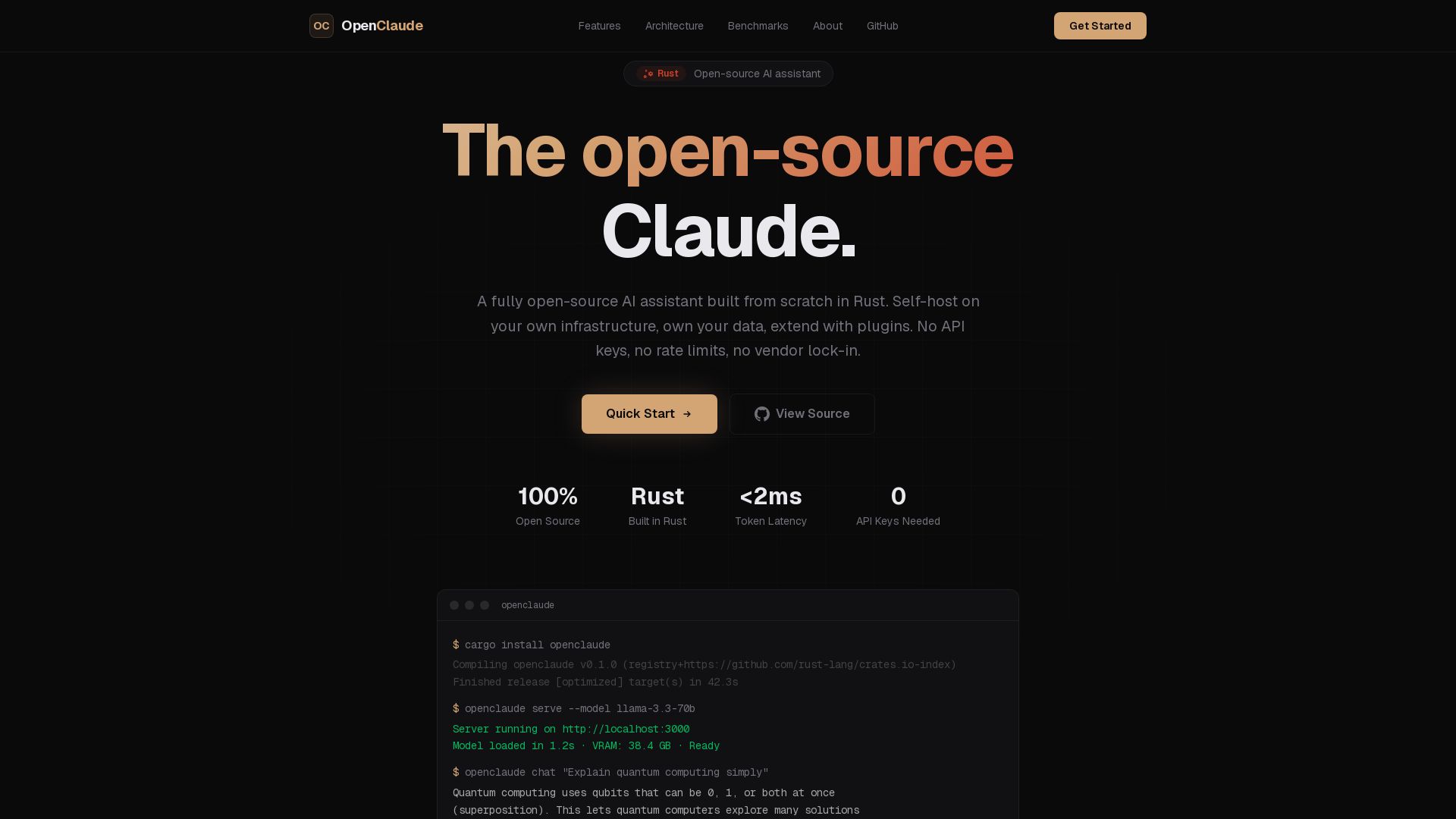
A fully open-source AI assistant built in Rust. Self-host on your own infrastructure, own your data. No API keys, no vendor lock-in.
Editor's Verdict
Key Takeaways
- Self-Hosted
- 100% Private
- Plugin System
- OpenAI-Compatible API
In-Depth Review: What is OpenClaude?
OpenClaude is a high-performance, open-source AI assistant written entirely in Rust. It offers self-hosting for complete privacy, supports any GGUF model, and provides an OpenAI-compatible API. With features like WASM plugins, streaming, and a tiny binary footprint, it delivers fast inference and full control over your data. No subscriptions, no rate limits—just powerful AI on your own terms.
Core Features
Self-Hosted
Run on your own hardware — a laptop, a GPU server, or a Kubernetes cluster. Your infrastructure, your rules.
100% Private
No data ever leaves your machine. No telemetry, no analytics, no phone-home. Fully air-gapped capable.
Plugin System
Extend with WASM plugins. Add tools, custom models, RAG pipelines, and middleware — all hot-reloadable.
OpenAI-Compatible API
Drop-in replacement for OpenAI and Claude APIs. Your existing code works without changes.
Streaming First
Server-Sent Events streaming out of the box. Real-time token generation with sub-millisecond overhead.
MIT Licensed
Fully open source under MIT. Read every line, fork it, ship it in your product. No CLA, no strings.
Pricing
OpenClaude
- Self-hosted on any hardware
- 100% private and air-gapped
- Plugin system with WASM
- OpenAI-compatible API
- Streaming support
- MIT licensed
Pros and Cons
Pros
- Fully Open-SourceMIT license allows unrestricted use, modification, and distribution.
- Data PrivacyNo data ever leaves your machine; fully air-gapped capable.
- High PerformanceBuilt in Rust with native performance, low latency, and small memory footprint.
- No Vendor Lock-InRun any GGUF model, switch models in seconds, and extend with plugins.
- Cost-FreeNo API keys, no rate limits, no monthly fees. Free forever.
Cons
- Requires Self-HostingUsers must provide their own hardware and manage setup; no cloud-hosted option.
- Model Format LimitationOnly supports GGUF models; cannot run proprietary formats without conversion.
- No Official SupportAs an open-source project, support relies on community discussions and documentation.
- Hardware DemandsLarge models like 70B require significant VRAM (e.g., 38.4 GB) and a powerful GPU.
- Ecosystem MaturityNewer project compared to alternatives like llama.cpp; fewer community plugins and integrations.
Use Cases & Recommended Professions
Software Developer→ View Toolkit
Integrate AI chat into applications using the OpenAI-compatible API without data transfer to third parties.
Data Scientist→ View Toolkit
Run custom models locally for experimentation, research, and private data analysis.
DevOps Engineer→ View Toolkit
Deploy self-hosted AI assistants in Kubernetes or on-premises with a small binary and minimal dependencies.
Privacy Officer→ View Toolkit
Ensure sensitive data remains in-house by using an air-gapped AI assistant with no telemetry.
AI Researcher→ View Toolkit
Extend the plugin system to test new inference techniques, RAG pipelines, or custom model architectures.
Freelancer / Solopreneur→ View Toolkit
Affordably integrate AI into workflows without recurring subscription costs.
Frequently Asked Questions
Alternative AI Tools
View Detailed Comparison →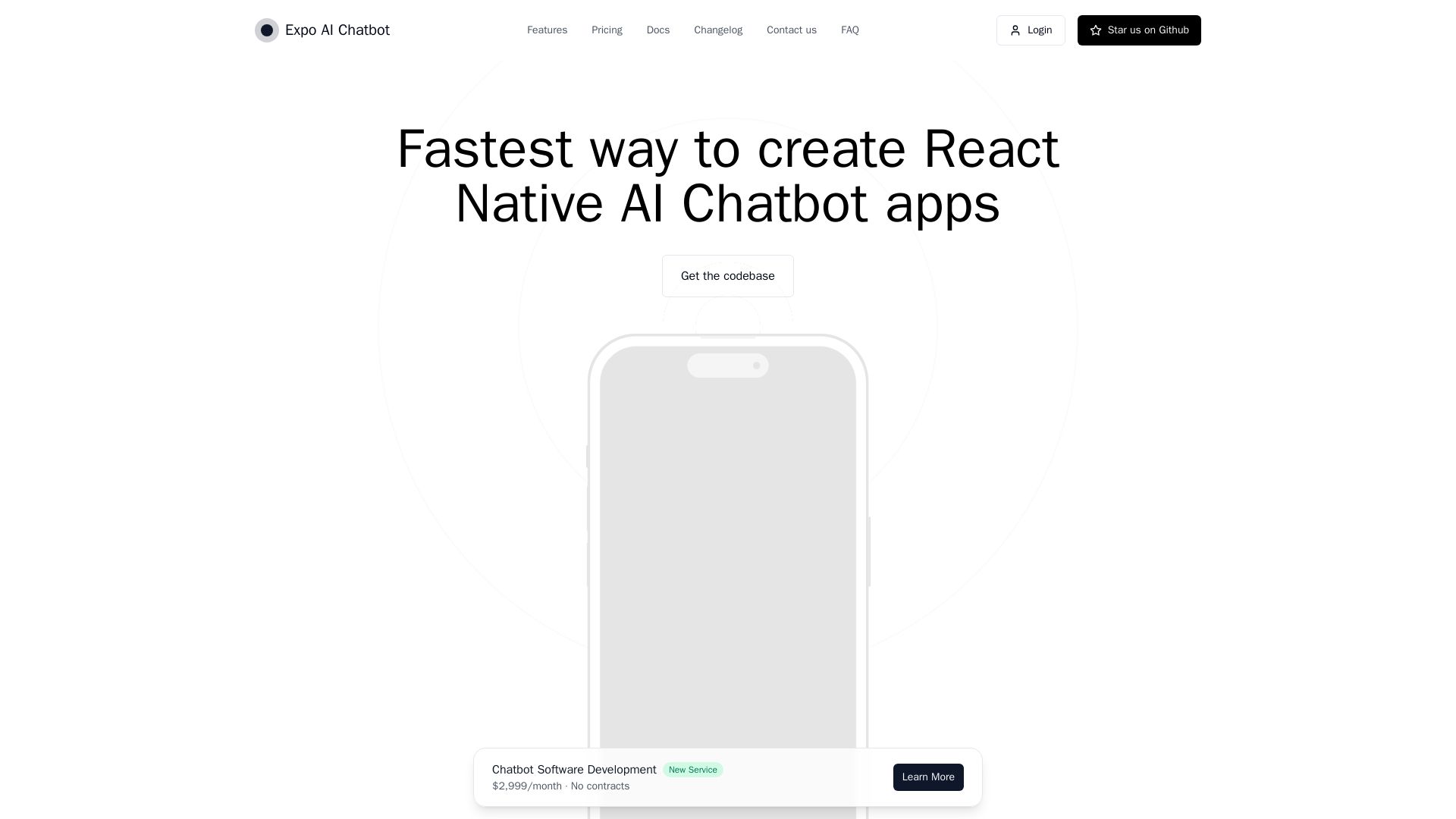
Expo AI Chatbot
Build AI chatbot apps for iOS, Android & web with Expo SDK 54, AI SDK 5, voice, long-term memory, and more. Open-source codebase.

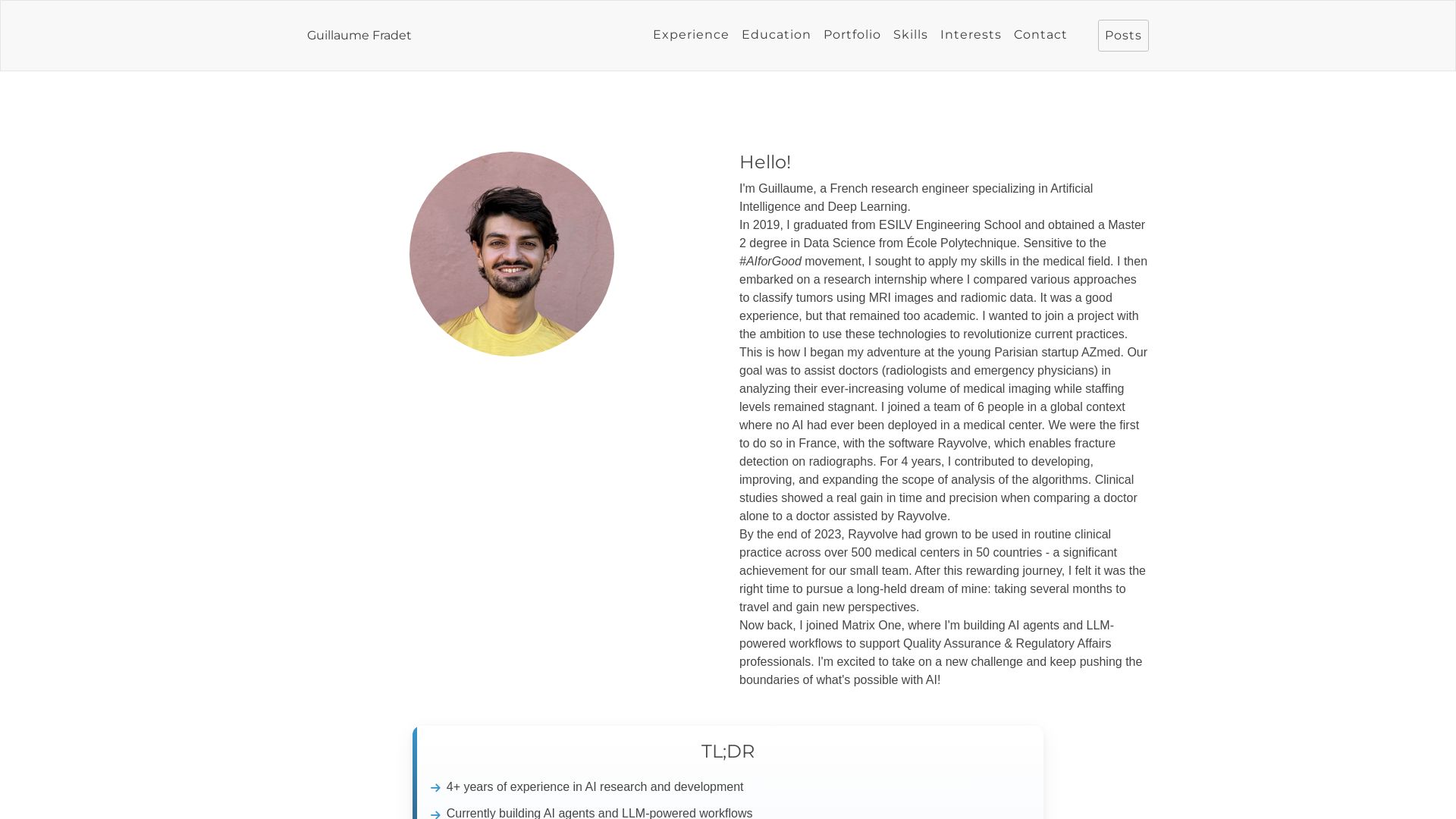
Making AI think and act: my approach to the Hugging Face AI ...
Experienced AI engineer specializing in medical imaging and LLM-powered agents. Built globally deployed radiology AI at AZmed. Now building AI agents at Matrix One.

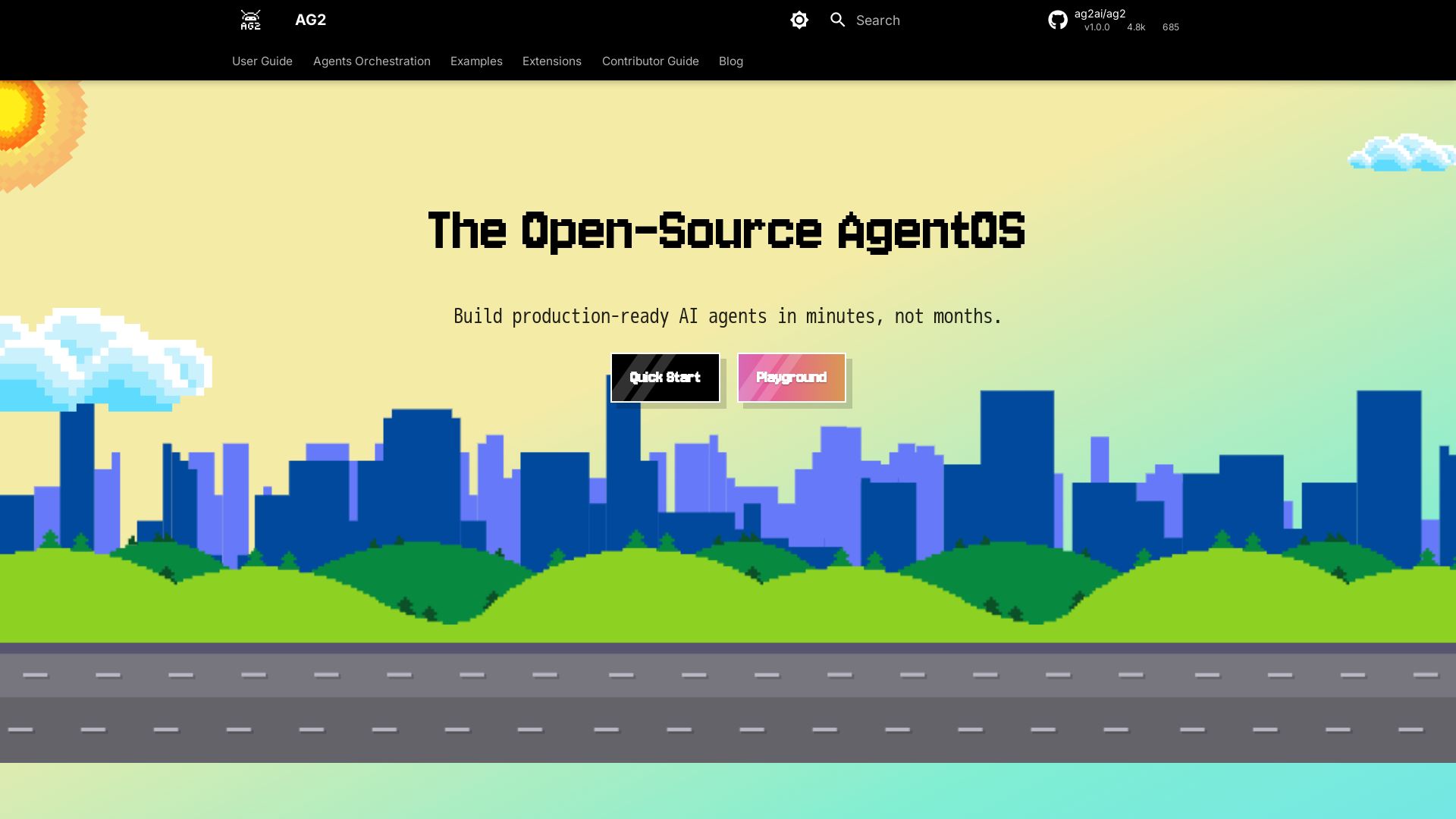
AG2
Build production-ready AI agents in minutes with AG2. Simple syntax, built-in patterns, human-AI collaboration. Open-source multi-agent framework.

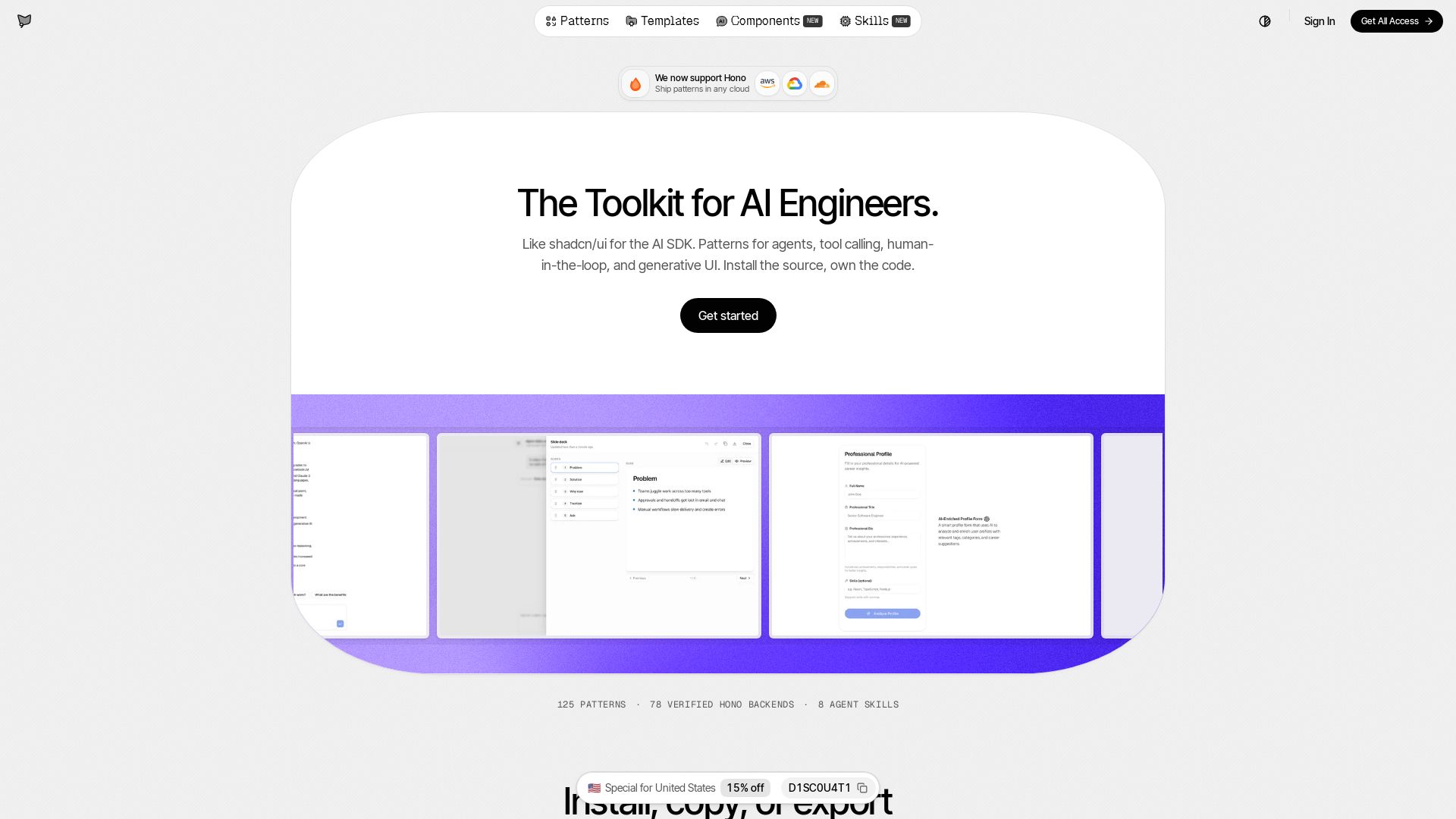
AI SDK AGENTS
The toolkit for AI engineers. Install, copy, or export 125 AI SDK patterns for agents, tool calling, human-in-the-loop, and generative UI. Full source code, own your stack.

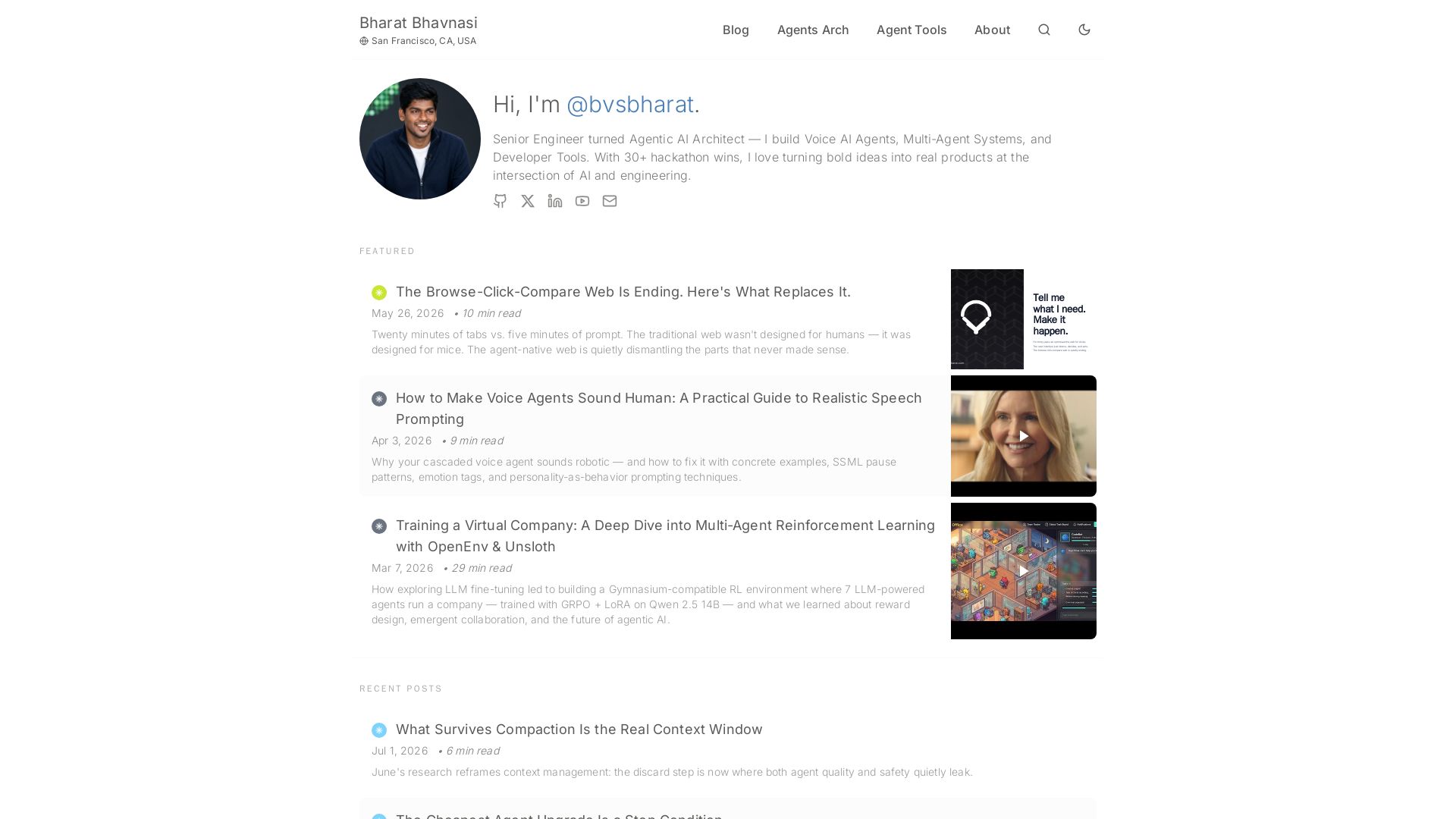
I Tested Every Major Open-Source AI Agent SDK So You Don't ...
Explore insights on Voice AI Agents, Multi-Agent Systems, and Developer Tools from a 30+ hackathon winner. Practical guides and cutting-edge research.

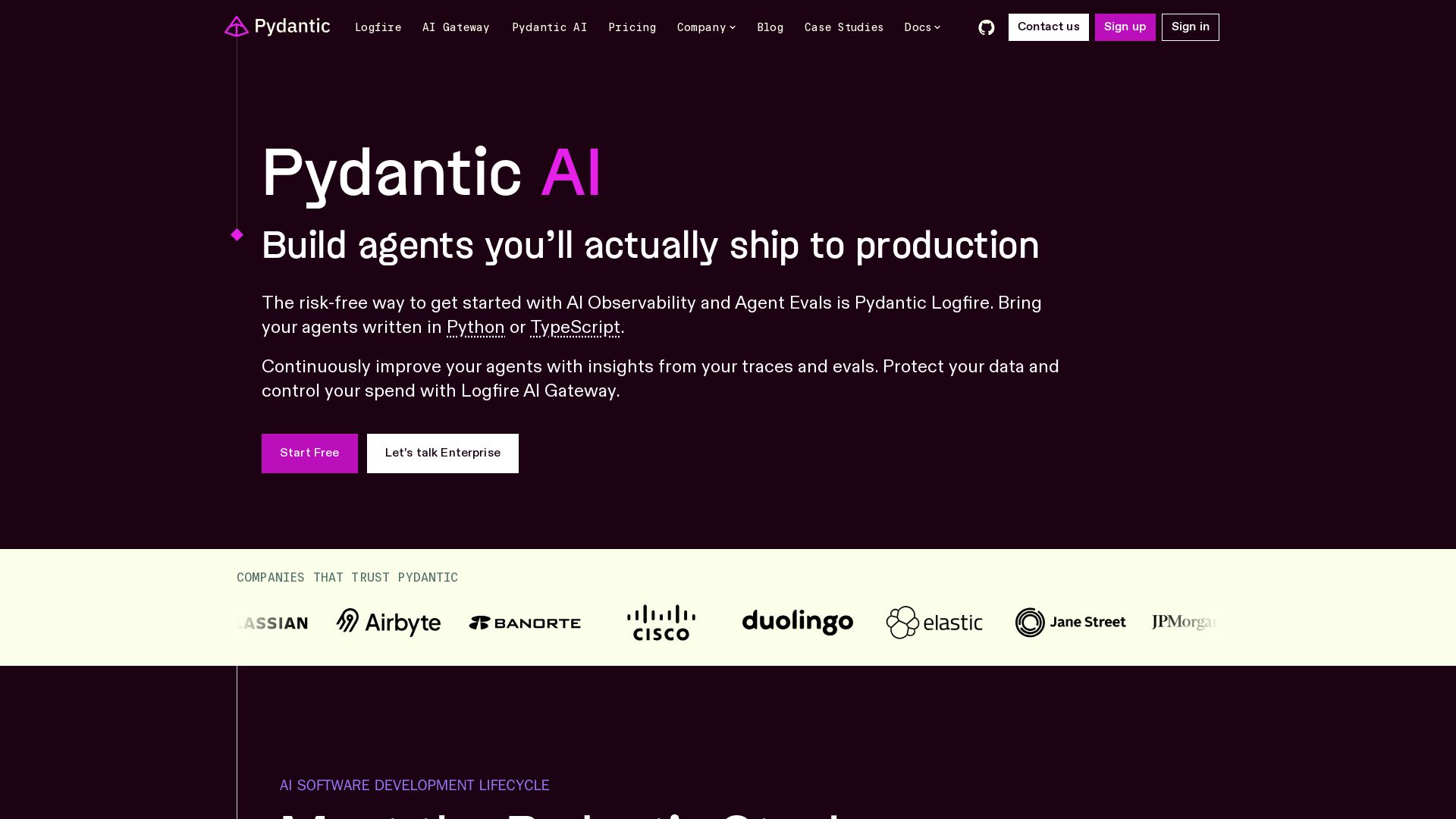
Pydantic
Build, iterate, and deploy type-safe AI apps with Pydantic Validation, AI, Logfire, and Evals. Open source, developer-first.

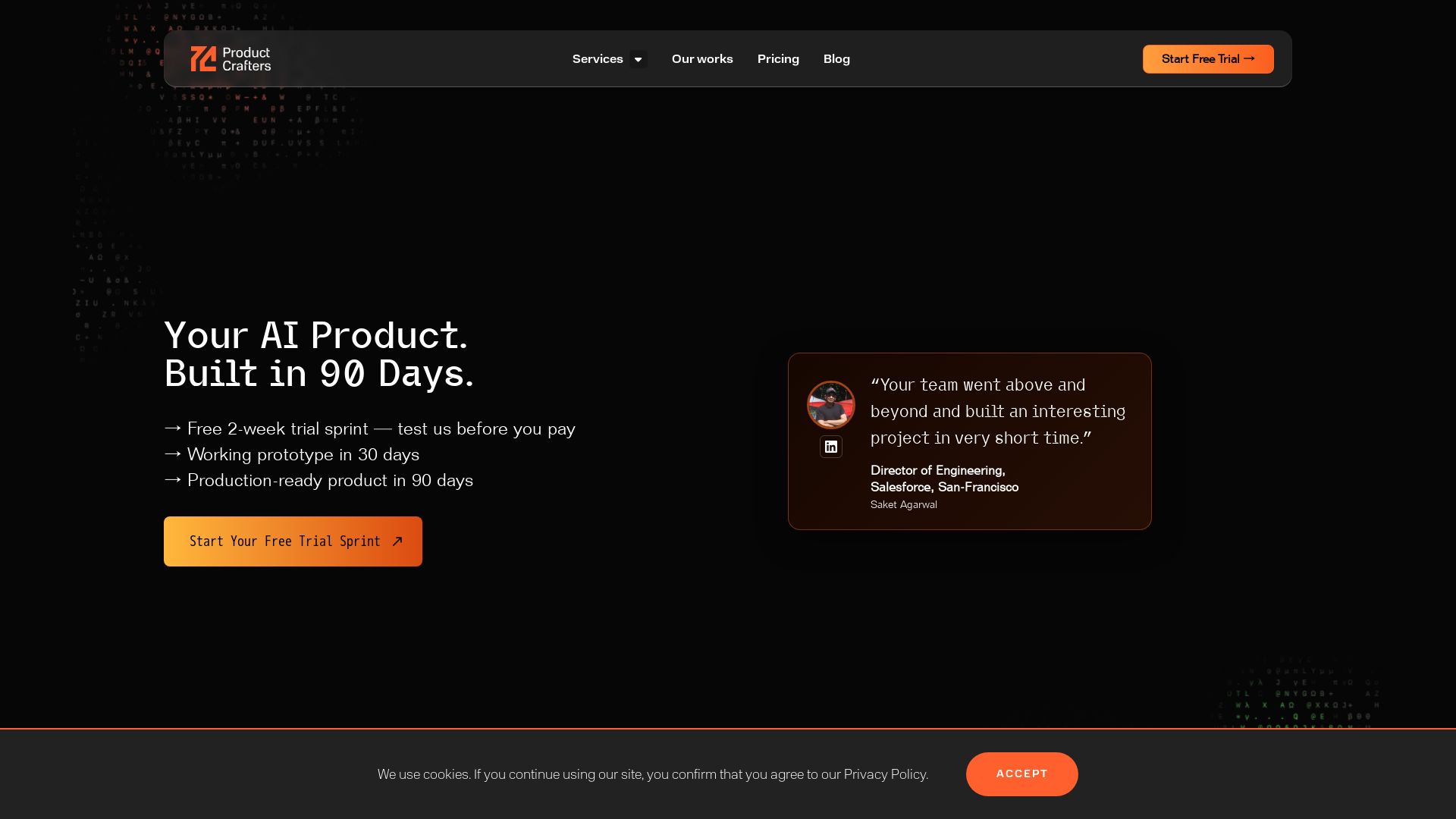
ProductCrafters
Get a free 2-week trial sprint for your AI product. Working prototype in 30 days, production-ready in 90. No contract, no credit card. Test your dev team risk-free.

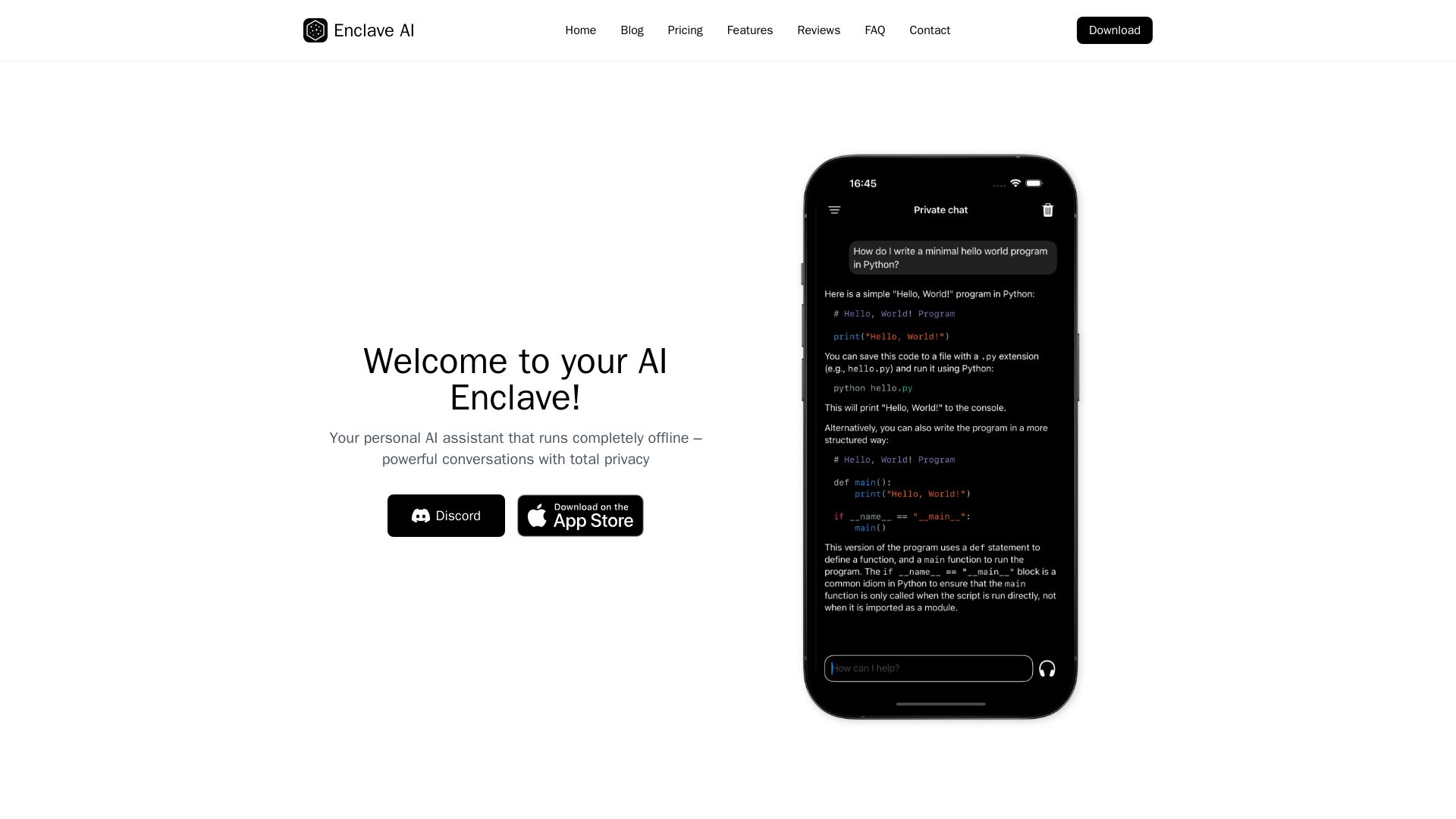
Enclave AI
Private offline AI assistant for iPhone & Mac. Voice chat, document support, custom AI. No cloud needed.

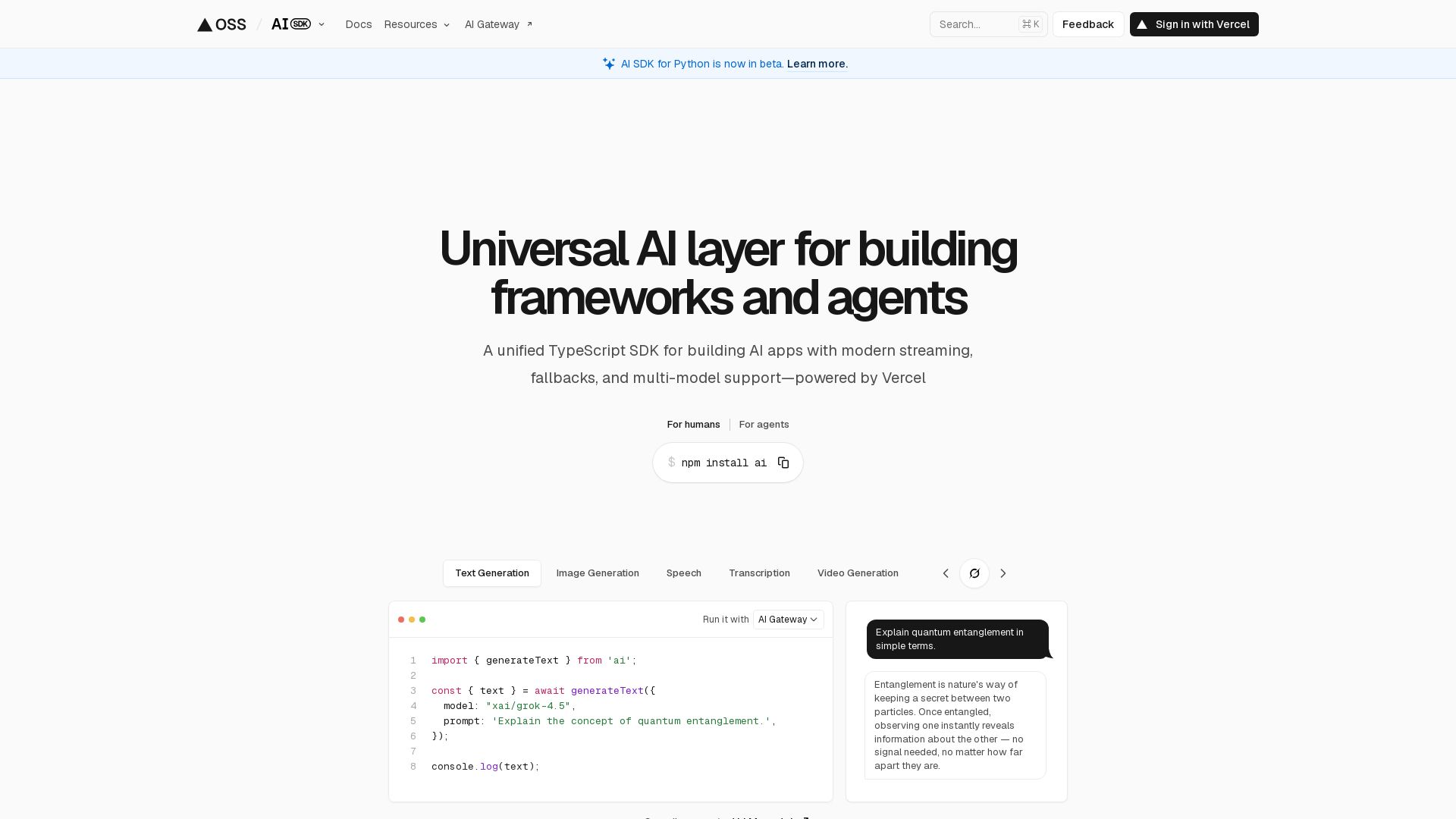
AI SDK
Unified TypeScript SDK for AI apps with streaming, fallbacks, multi-model support. Open-source, 100+ models, 18.5M weekly downloads.

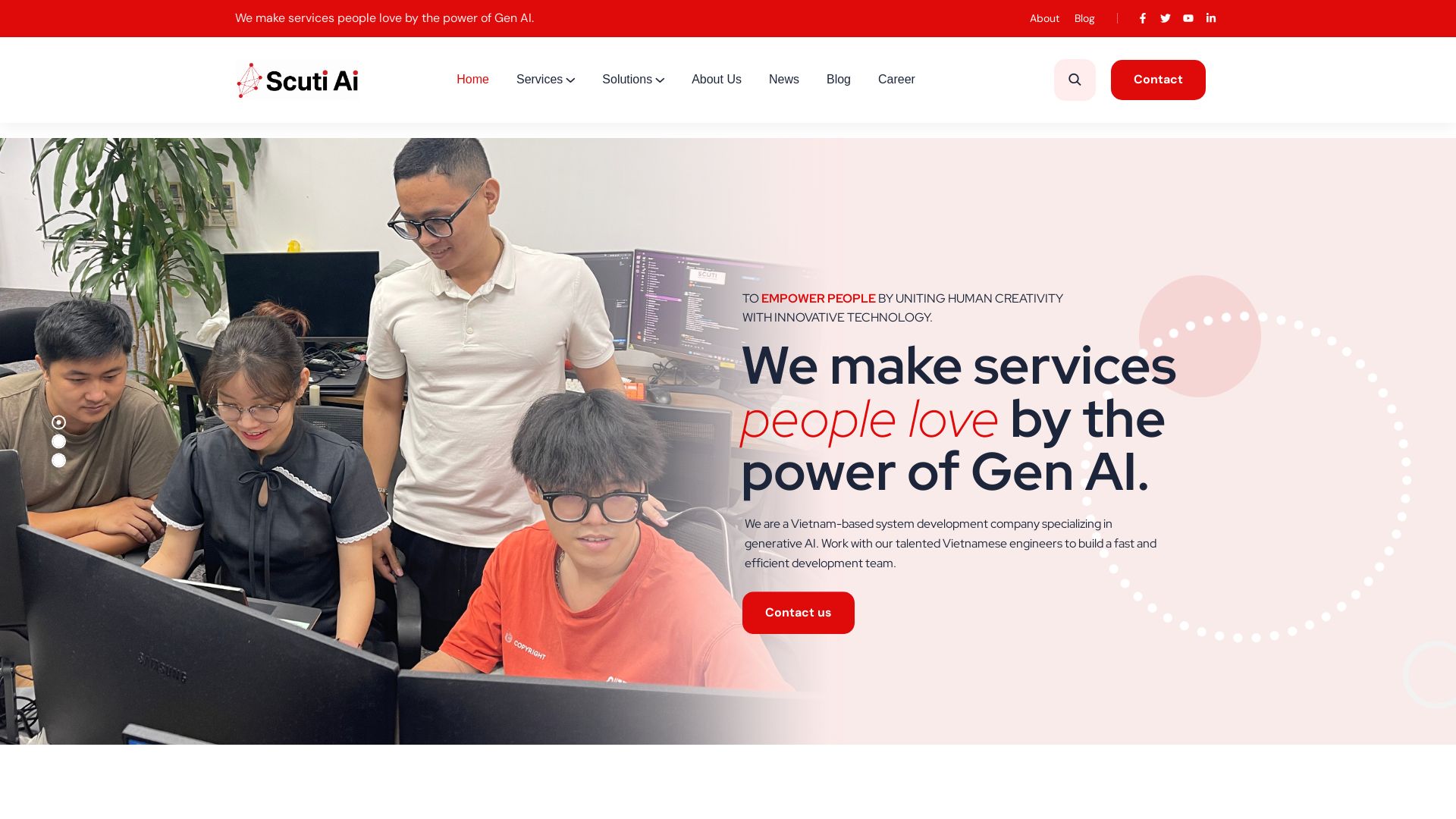
Scuti AI
We specialize in generative AI, AI-OCR, RAG, and offshore development. Combining Vietnam's speed with Japan's quality to automate tasks and boost business.

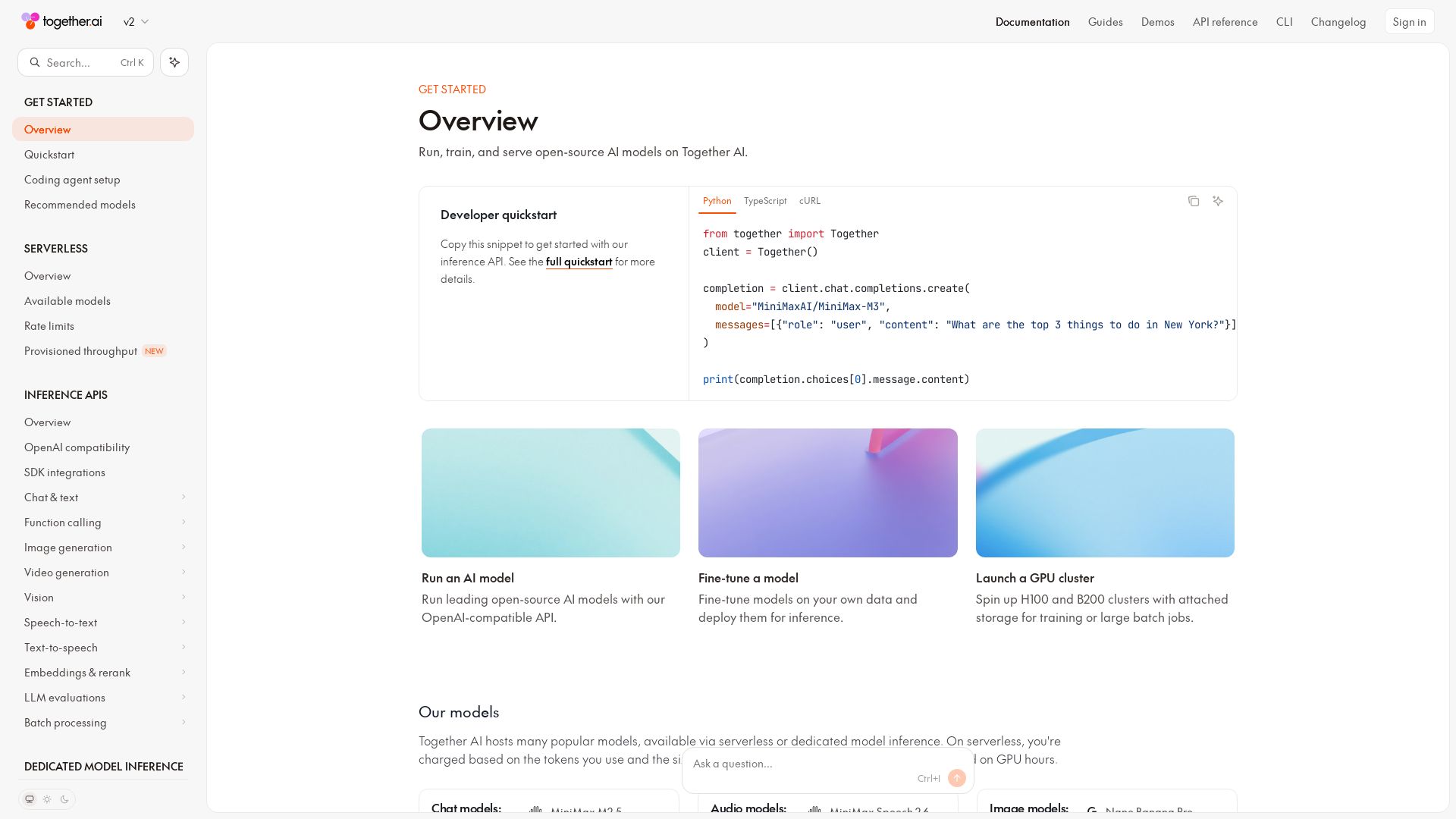
Together AI
Explore Together AI's comprehensive docs for running, training, and serving open-source AI models. Includes APIs, fine-tuning, GPU clusters, and more.


Section AI
Turn AI investment into workforce transformation with Section. Command center, coaching, and strategic support to drive measurable ROI.

ℹ️ Curation Disclosure: The overview and features of OpenClaude were synthesized using AI and fact-checked by our curation team to ensure accuracy.