
Pipecat
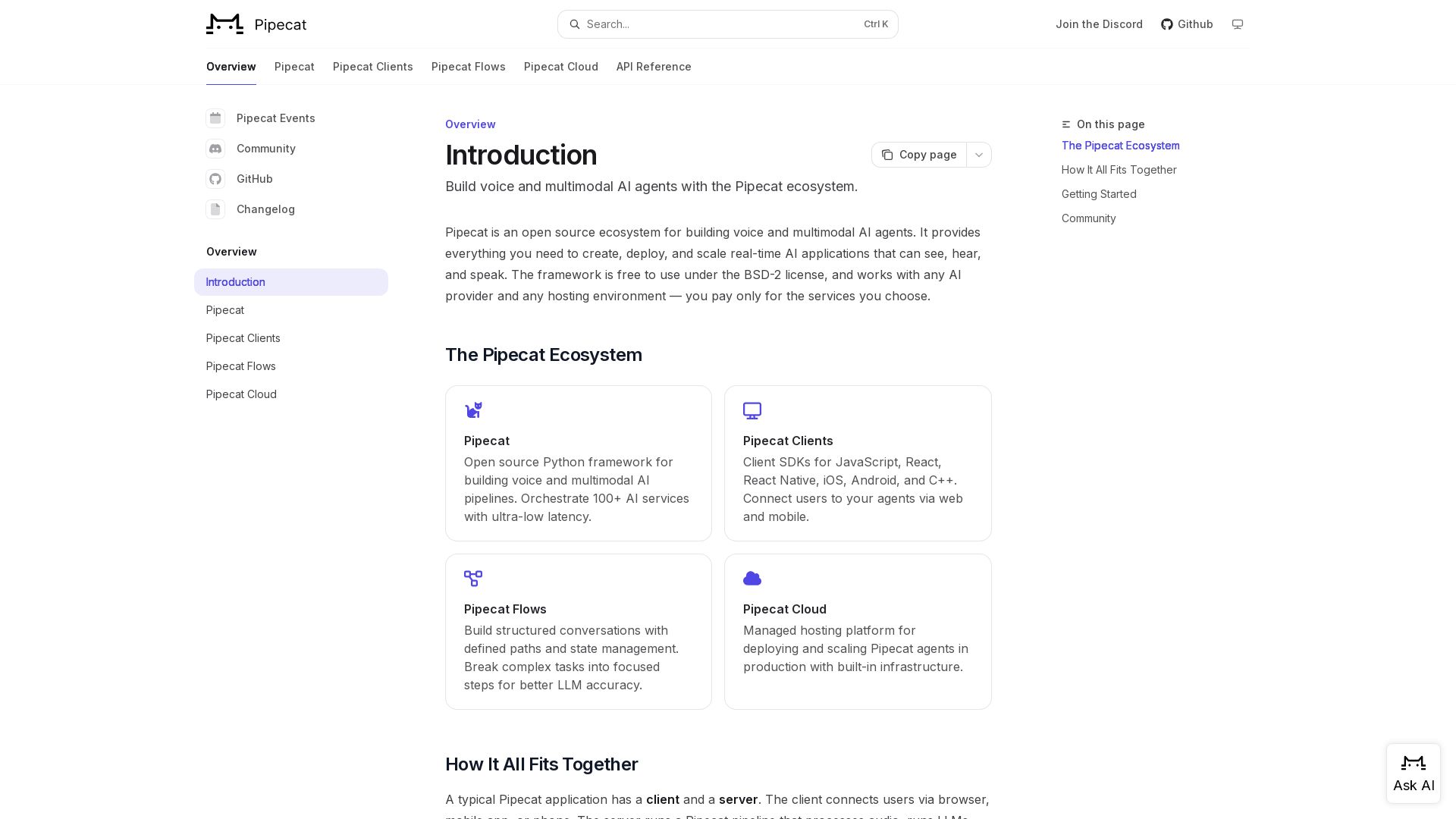
Open source framework for building real-time voice and multimodal AI agents. Orchestrate 100+ AI services. Deploy with Pipecat Cloud.
Editor's Verdict
Key Takeaways
- Open Source Framework
- Multi-Platform Client SDKs
- Structured Conversations (Pipecat Flows)
- Managed Hosting (Pipecat Cloud)
In-Depth Review: What is Pipecat?
Pipecat is an open source ecosystem for creating voice and multimodal AI agents that can see, hear, and speak. It provides a Python framework to orchestrate 100+ AI services with ultra-low latency, client SDKs for web and mobile, structured conversation flows, and managed hosting via Pipecat Cloud. Start building your first agent in minutes, then deploy at scale—all while paying only for the services you use.
Core Features
Open Source Framework
Free to use under BSD-2 license, providing a Python framework to orchestrate 100+ AI services with ultra-low latency.
Multi-Platform Client SDKs
Client SDKs for JavaScript, React, React Native, iOS, Android, and C++ to connect users via web and mobile.
Structured Conversations (Pipecat Flows)
Build structured conversations with defined paths and state management for better LLM accuracy.
Managed Hosting (Pipecat Cloud)
Deploy and scale Pipecat agents in production with built-in infrastructure and automatic scaling.
Client-Server Architecture
Seamless connection between browser/mobile apps and AI pipelines for real-time voice and multimodal processing.
Pricing
Open Source Framework
- Use Pipecat framework under BSD-2 license
- Orchestrate 100+ AI services
- Client SDKs for web and mobile
- Pipecat Flows for structured conversations
Pipecat Cloud
- Managed hosting for Pipecat agents
- Built-in infrastructure
- Automatic scaling for concurrent sessions
- Production deployment support
Pros and Cons
Pros
- Open Source & FreeThe Pipecat framework is free to use under BSD-2 license, with no licensing fees.
- Multi-Provider SupportWorks with any AI provider and any hosting environment, offering flexibility.
- Ultra-Low LatencyOptimized for real-time voice and multimodal applications with minimal delay.
- Comprehensive EcosystemIncludes clients, flows, and cloud hosting to cover the full development lifecycle.
- Active CommunitySupported by Discord and GitHub communities for collaboration and support.
Cons
- Steep Learning CurveBuilding voice/multimodal agents requires understanding multiple components and AI services.
- Self-Hosting RequiredThe free framework requires self-hosting unless using Pipecat Cloud, which may increase operational overhead.
- Limited DocumentationAs a relatively new ecosystem, documentation may still be evolving.
- Dependency on Third-Party ServicesPerformance and costs depend on chosen AI providers and hosting infrastructure.
- Scalability ConcernsWithout Pipecat Cloud, scaling concurrent sessions may require significant engineering effort.
Use Cases & Recommended Professions
AI/ML Engineer→ View Toolkit
Needs to build and deploy real-time voice and multimodal agents without reinventing infrastructure.
Full-Stack Developer→ View Toolkit
Integrates AI capabilities into web/mobile applications using client SDKs and backend pipelines.
Product Manager→ View Toolkit
Oversees development of conversational AI features and needs a unified ecosystem for rapid prototyping.
Mobile Developer→ View Toolkit
Connects users to AI agents via iOS/Android apps using Pipecat client SDKs.
Startup Founder→ View Toolkit
Looks for cost-effective and scalable solutions to build AI-powered products quickly.
Voice UI Designer→ View Toolkit
Designs conversational flows and benefits from Pipecat Flows' structured state management.
Frequently Asked Questions
Alternative AI Tools
View Detailed Comparison →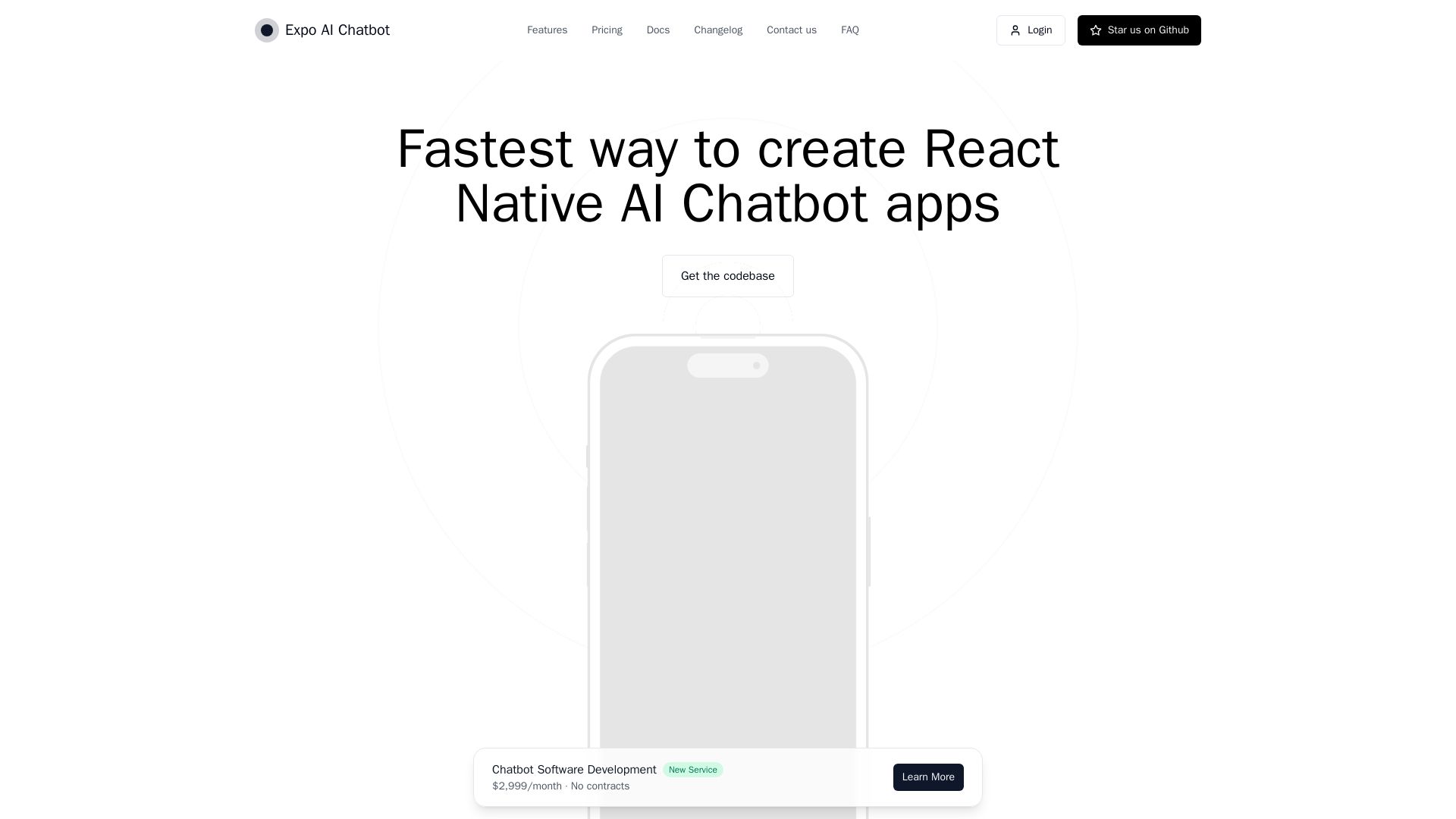
Expo AI Chatbot
Build AI chatbot apps for iOS, Android & web with Expo SDK 54, AI SDK 5, voice, long-term memory, and more. Open-source codebase.

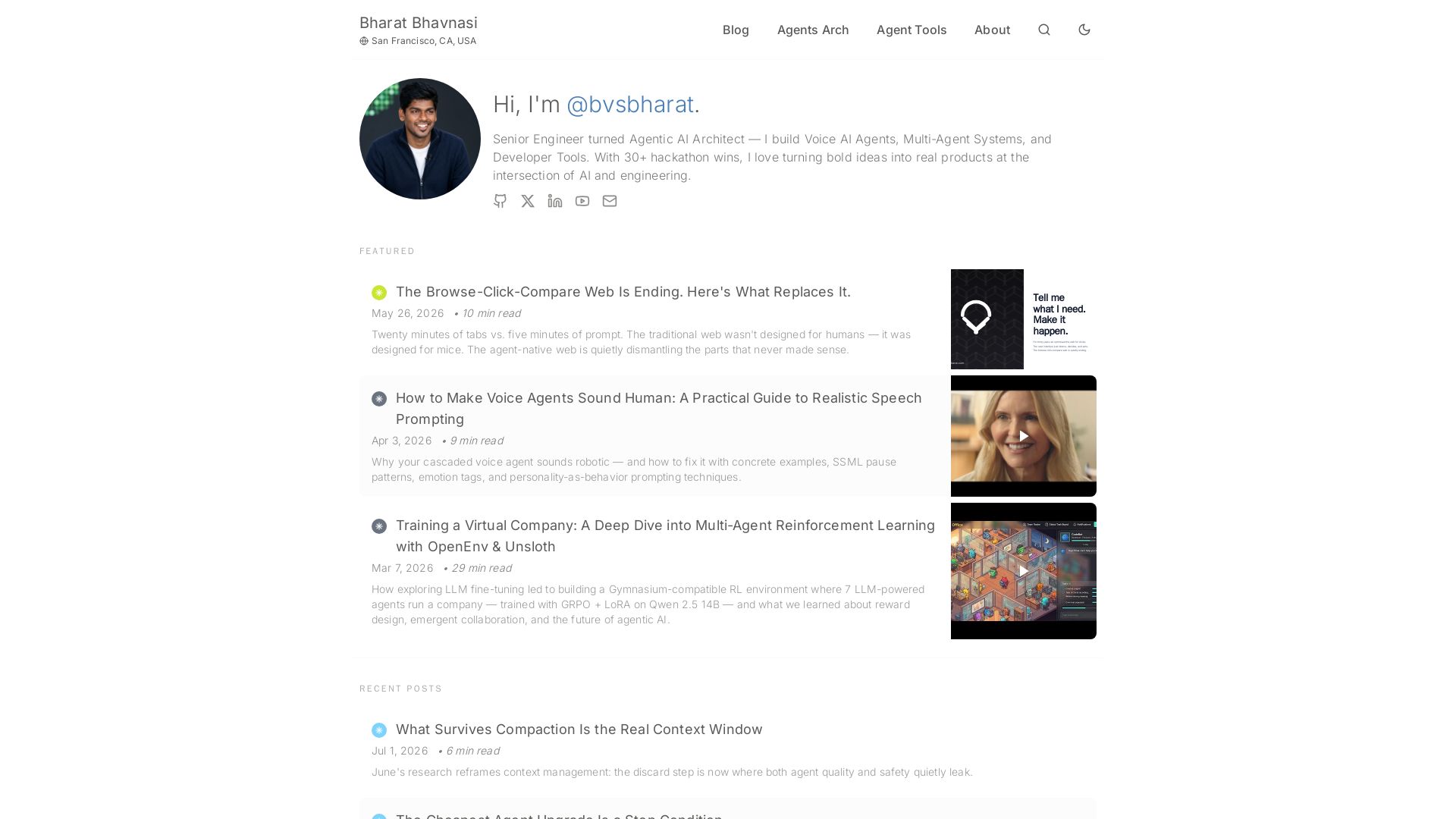
I Tested Every Major Open-Source AI Agent SDK So You Don't ...
Explore insights on Voice AI Agents, Multi-Agent Systems, and Developer Tools from a 30+ hackathon winner. Practical guides and cutting-edge research.

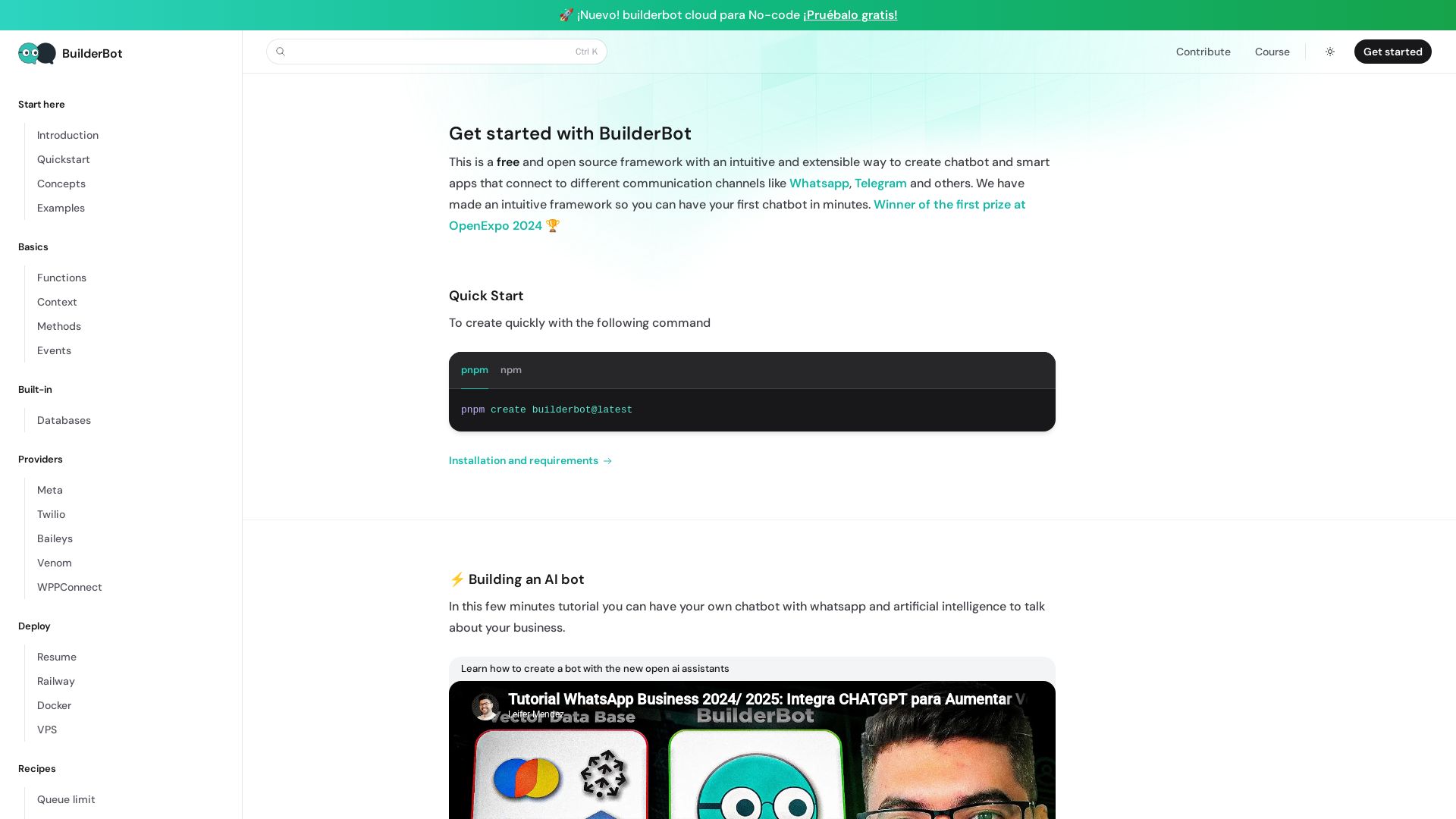
BuilderBot.app
Build smart chatbots for WhatsApp, Telegram & more with BuilderBot. Free, open source, winner of OpenExpo 2024. Quick start in minutes.


Chatbot Builder
Build an AI chatbot in minutes without coding. 24/7 customer support, sales automation, and seamless integrations. Start your free 14-day trial today!

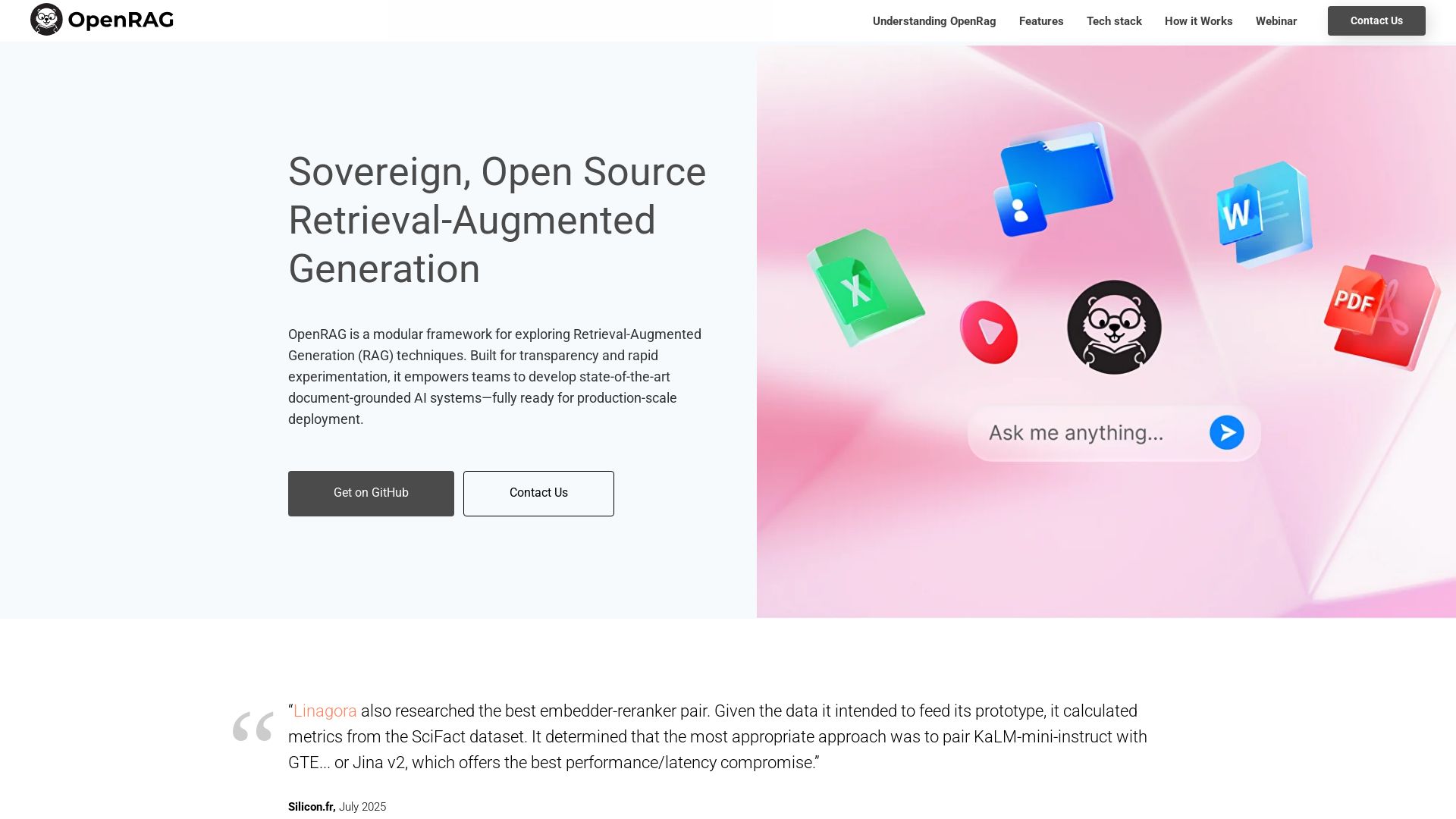
OpenRAG
Build production-ready, document-grounded AI with OpenRAG. Open-source, LLM-agnostic, multimodal, scalable.

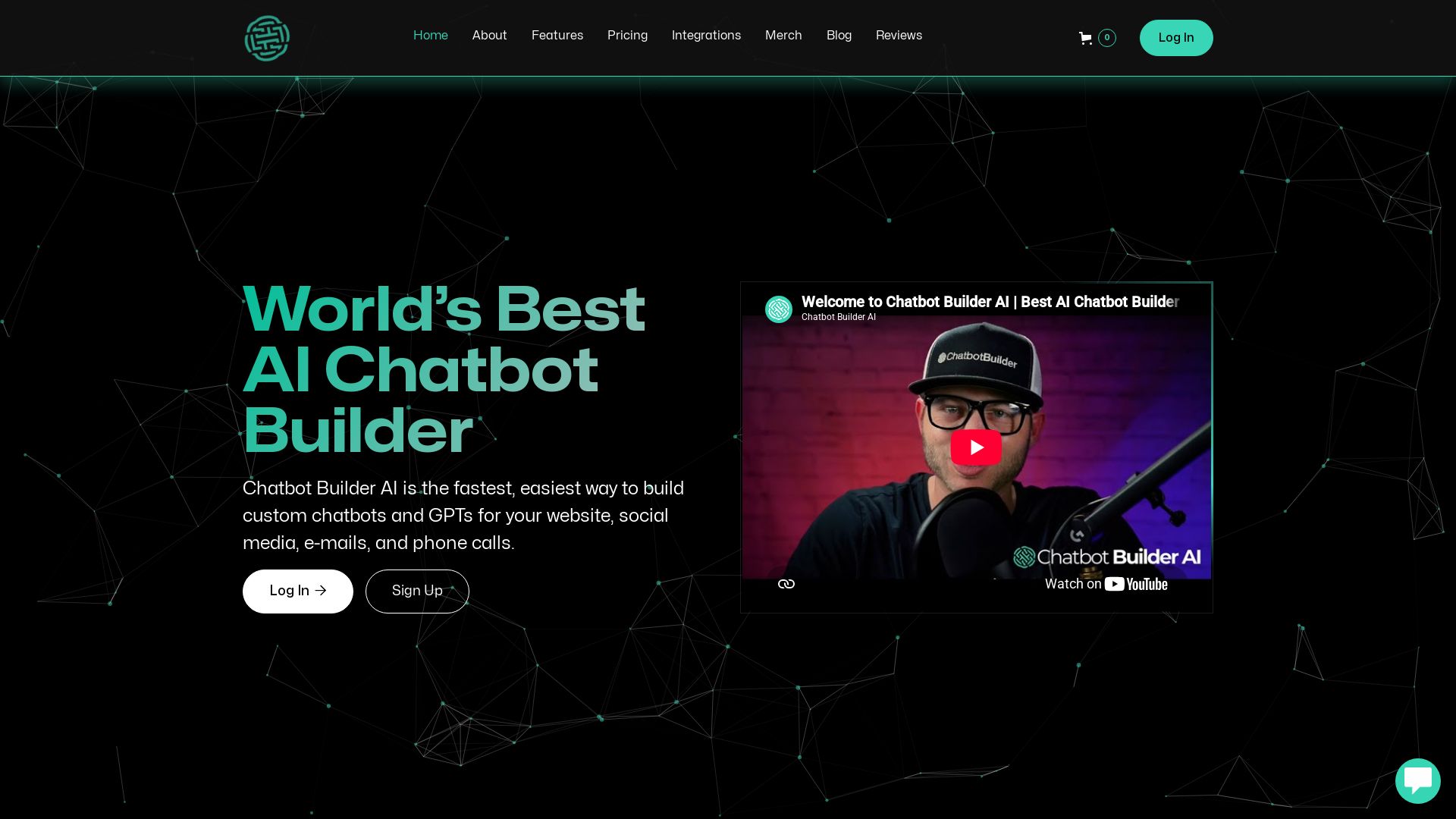
ChatBotBuilderai
Create powerful AI chatbots and GPTs for your business. Integrate with 1000+ apps, support multi-channel, and automate customer service. 14-day free trial. No credit card required.

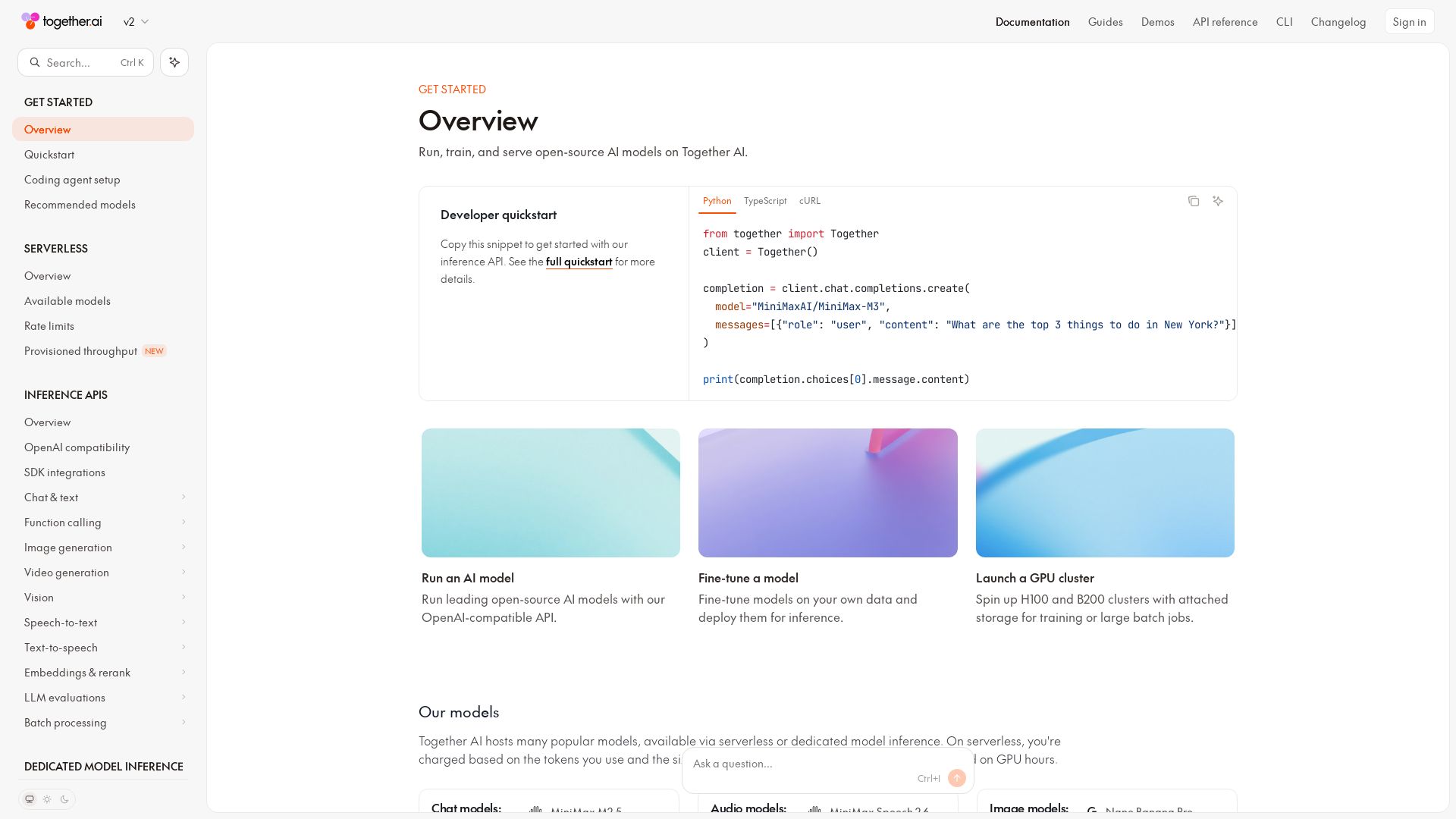
Together AI
Explore Together AI's comprehensive docs for running, training, and serving open-source AI models. Includes APIs, fine-tuning, GPU clusters, and more.

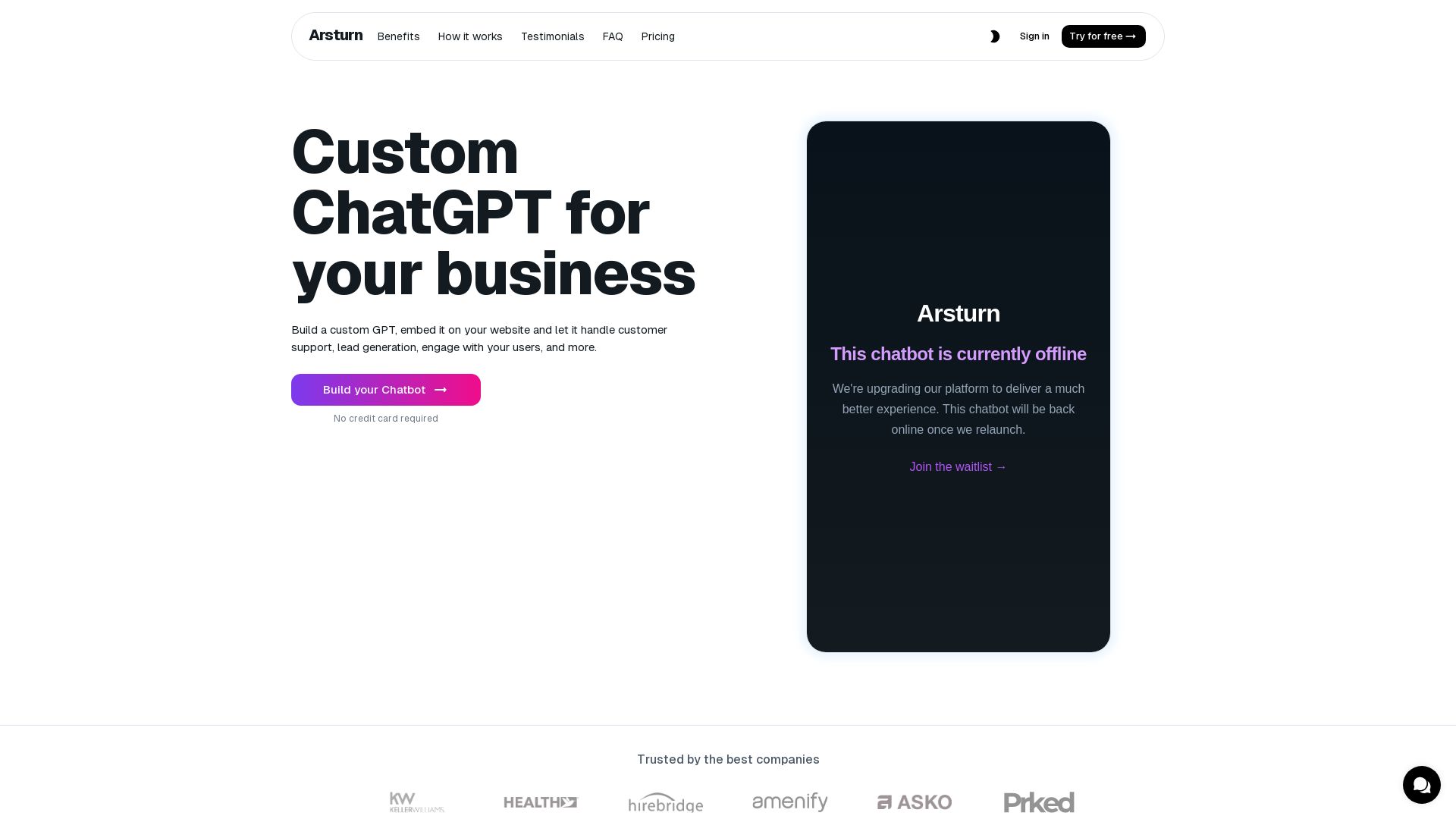
Arsturn
Build a custom GPT chatbot without coding. Train with your data, embed on website, boost engagement and lead generation. Free plan available.

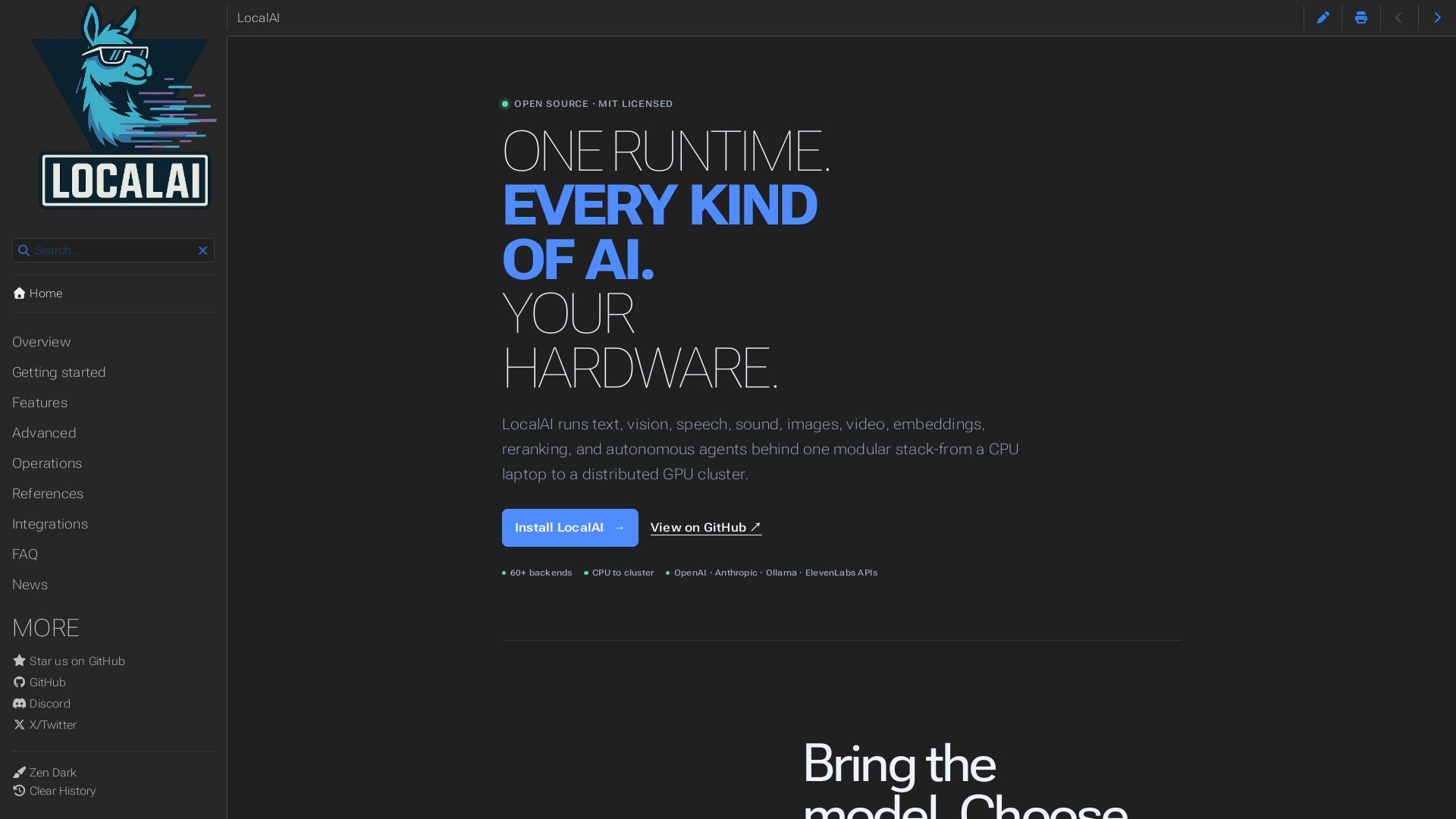
LocalAI
Open-source AI runtime running text, vision, speech, images, video on CPU to GPU. Build agents, realtime voice, and keep data private. MIT licensed.

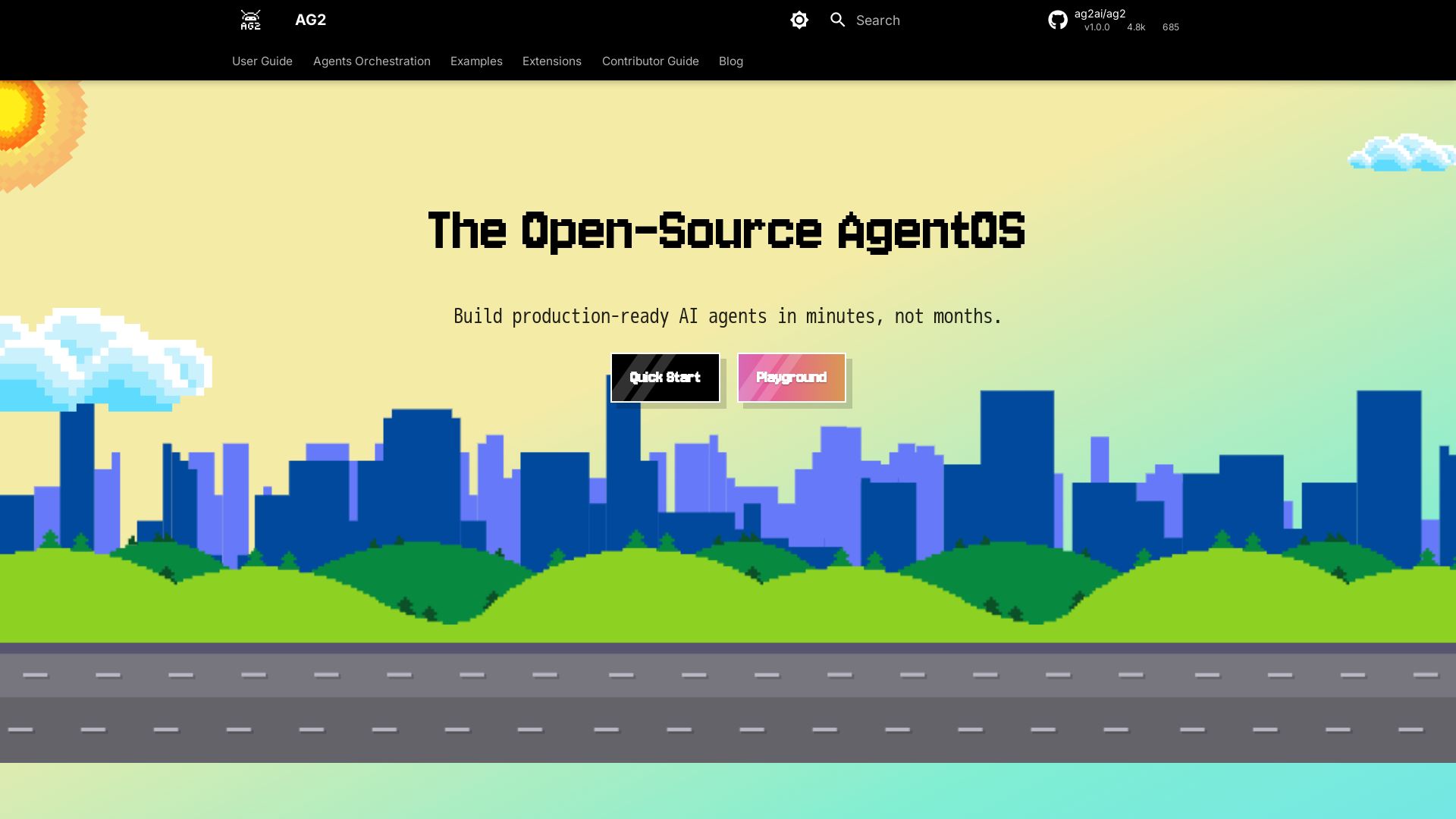
AG2
Build production-ready AI agents in minutes with AG2. Simple syntax, built-in patterns, human-AI collaboration. Open-source multi-agent framework.

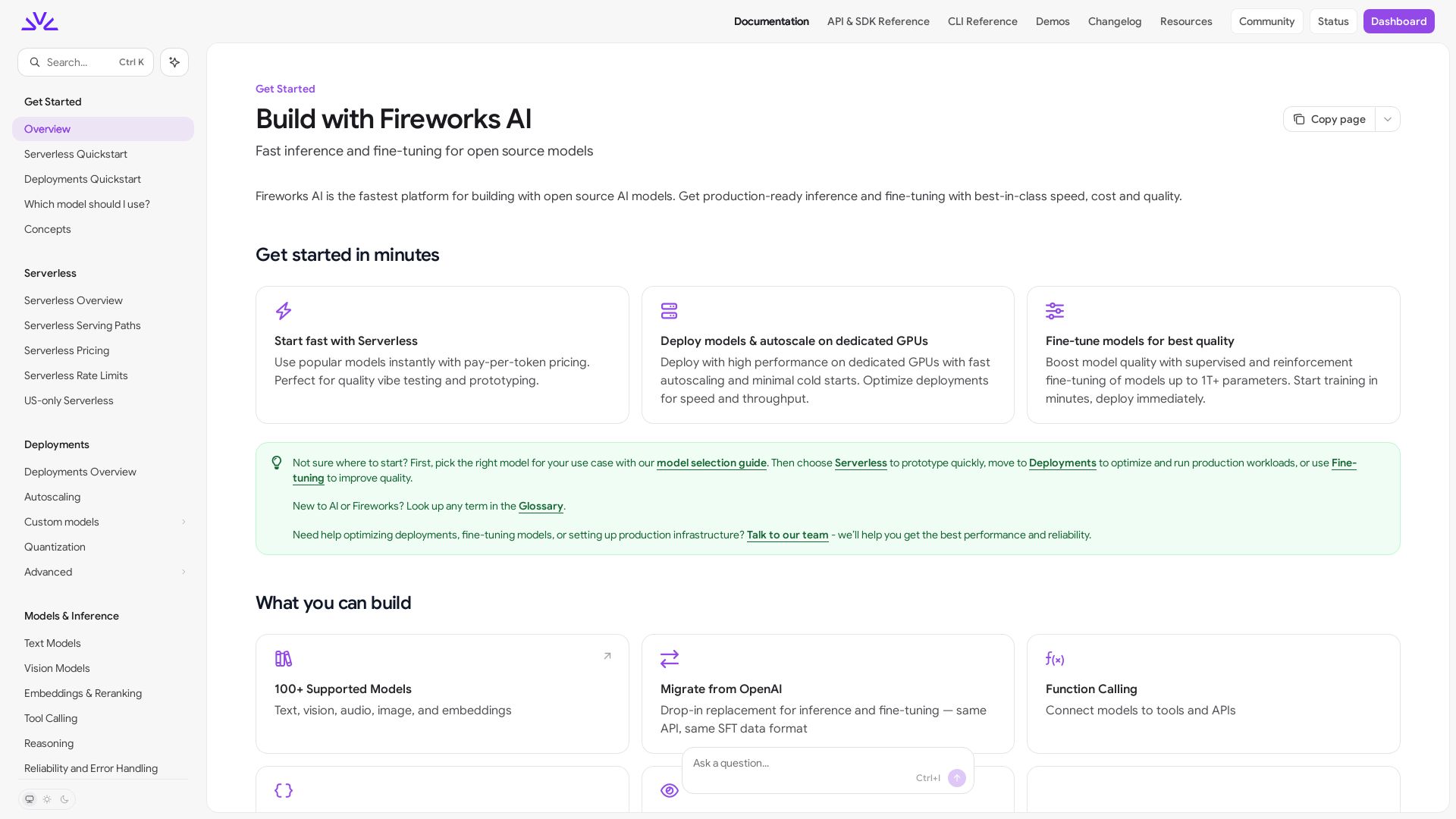
Fireworks AI
Build with open source AI models. Get production-ready inference, fine-tuning, and deployments with best-in-class speed, cost, and quality. Start free.

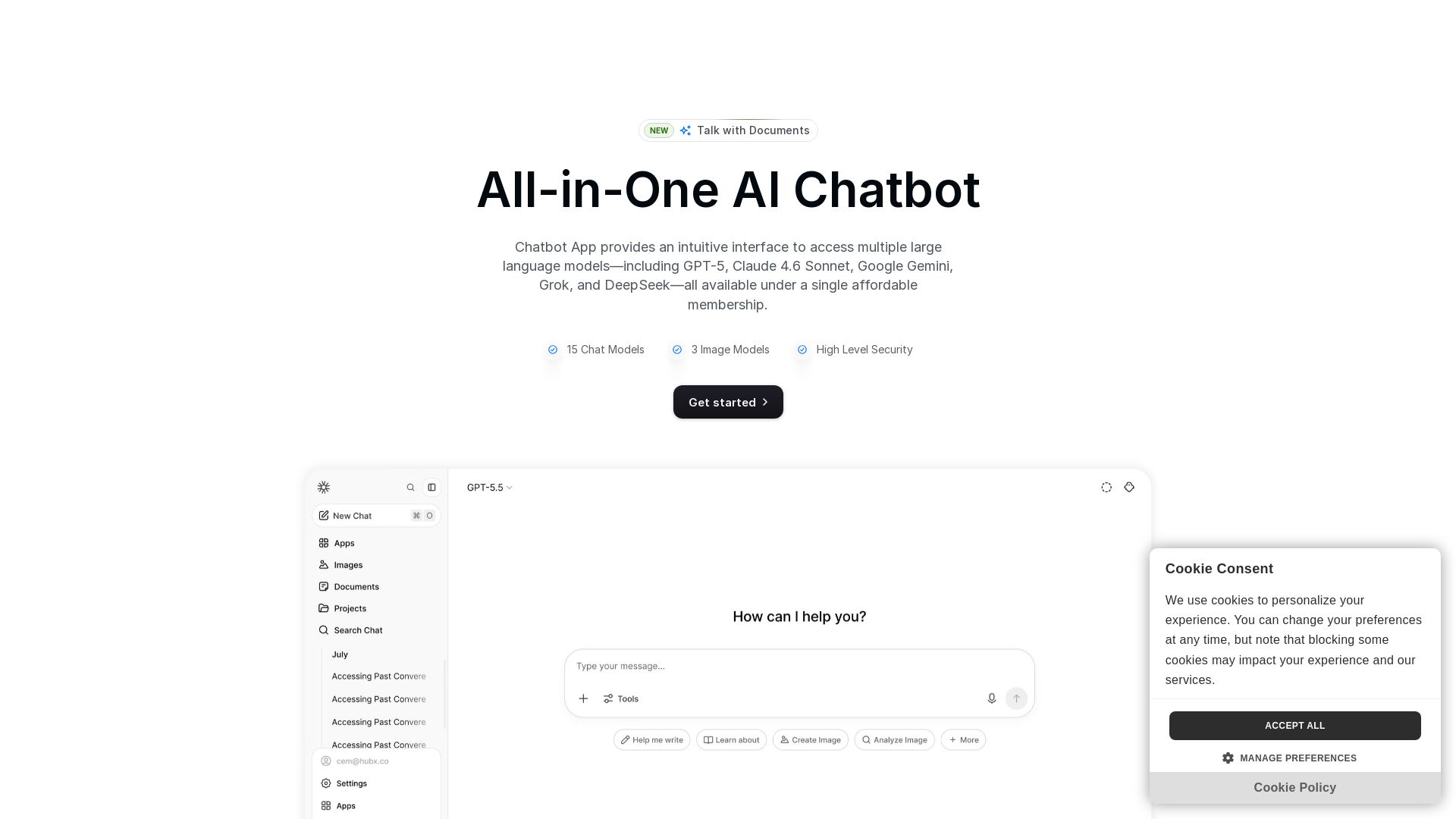
Chatbot App
Access 15+ top AI models including GPT-5, Claude 4.6, Gemini, DeepSeek in one app. Affordable membership, chat, image generation, PDF support, and more. Save 70%.

ℹ️ Curation Disclosure: The overview and features of Pipecat were synthesized using AI and fact-checked by our curation team to ensure accuracy.