
OpenRAG
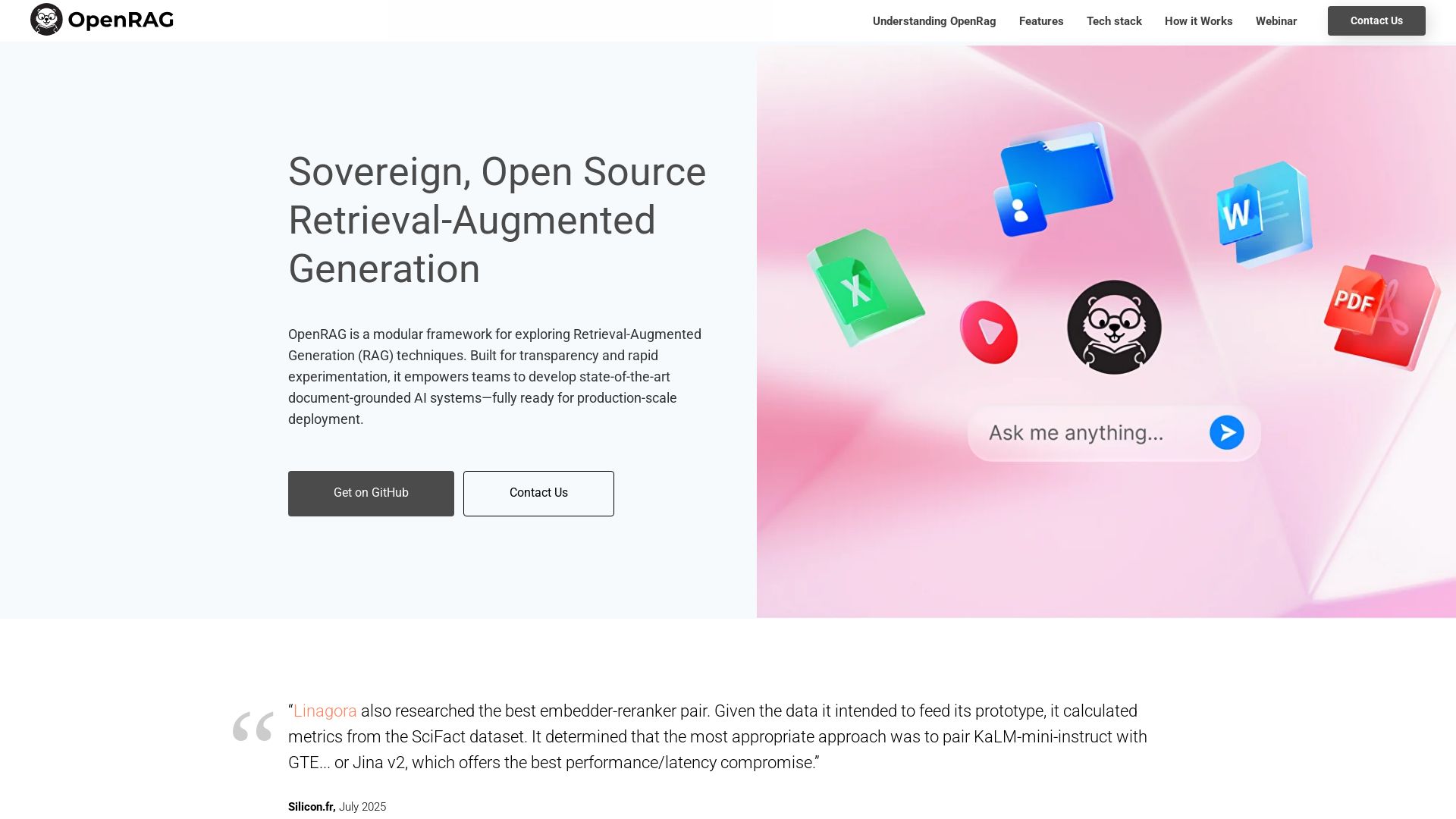
Build production-ready, document-grounded AI with OpenRAG. Open-source, LLM-agnostic, multimodal, scalable.

Editor's Verdict
Key Takeaways
- Open Source & Sovereign
- LLM-Agnostic
- Vector Search
- Multimodal Parsing
In-Depth Review: What is OpenRAG?
OpenRAG is a modular, AGPL-licensed framework for Retrieval-Augmented Generation. It supports multimodal parsing (PDFs, images, audio), hybrid retrieval, reranking, and distributed processing with Ray. Integrate with any LLM to deploy sovereign AI assistants on private data.
Core Features
Open Source & Sovereign
AGPL-licensed, auditable, and community-driven, ensuring transparency and data sovereignty.
LLM-Agnostic
Supports any model, from local to hosted providers like Mistral, Claude, or GPT, offering full flexibility.
Vector Search
Uses Milvus for vector search, enabling segmentation of knowledge bases per user or team.
Multimodal Parsing
Handles audio transcription, email parsing, image captioning, and layout-aware PDF processing.
Scalable with Ray
Parallelizes chunking, embedding, and ingestion across CPUs and GPUs for distributed, production-scale workloads.
Modern UIs
Provides web-based indexer, FastAPI, Chainlit chat, and an OpenAI-compatible API for easy integration.
Smart Chunking and Layout-Aware Parsing
Uses Docling and Marker for complex layouts, OCR-enhanced PDFs, and format-aware chunking with metadata and context summaries to boost retrieval relevance.
Hybrid and Contextual Retrieval
Blends semantic search and BM25 with optional query reformulation and HyDE to improve results from vague queries.
Multilingual Reranking with Infinity
Uses GTE or Jina v2 via Infinity Inference Server to rerank candidates by semantic relevance across languages and formats.
Automated Evaluation Pipelines
Auto-generates synthetic QA datasets via UMAP+HDBScan clustering and scores query-chunk pairs with a local LLM to tune retrieval strategy.
Pros and Cons
Pros
- Open Source and TransparentAGPL-licensed, auditable, and community-driven, ensuring full control and no vendor lock-in.
- Scalable and Production-ReadyUses Ray for distributed processing across CPUs and GPUs, deployable on Kubernetes for large-scale workloads.
- Multimodal SupportParses audio, images, emails, and complex PDFs, enabling diverse document grounding.
- Flexible LLM IntegrationAgnostic to language models, supports both local and hosted providers with an OpenAI-compatible API.
- Built-in Evaluation ToolsAutomated pipelines generate synthetic QA datasets and score retrieval to optimize precision and recall.
Cons
- Complex SetupRequires infrastructure for Ray, Milvus, and other components, which may have a steep learning curve for beginners.
- No Transparent PricingPricing information is not publicly listed, requiring contact for enterprise plans.
- Dependency on External ServicesSome features rely on third-party tools (e.g., Docling, Marker, Infinity) that may have their own limitations or costs.
Use Cases & Recommended Professions
AI/ML Engineer→ View Toolkit
Needs to build and deploy custom RAG systems with flexibility in model selection and scalable processing.
Data Scientist→ View Toolkit
Requires tools for rapid experimentation with retrieval techniques and evaluation on private datasets.
Software Developer→ View Toolkit
Integrates AI assistants into applications using OpenAI-compatible API and customizable UIs.
Product Manager→ View Toolkit
Oversees AI product development and needs a transparent, auditable framework for compliance and trust.
Research Scientist→ View Toolkit
Explores RAG techniques and needs a modular, open-source platform for benchmarking and experimentation.
Enterprise Architect→ View Toolkit
Designs sovereign AI solutions with data privacy, scalability, and multimodal parsing capabilities.
Frequently Asked Questions
Alternative AI Tools
View Detailed Comparison →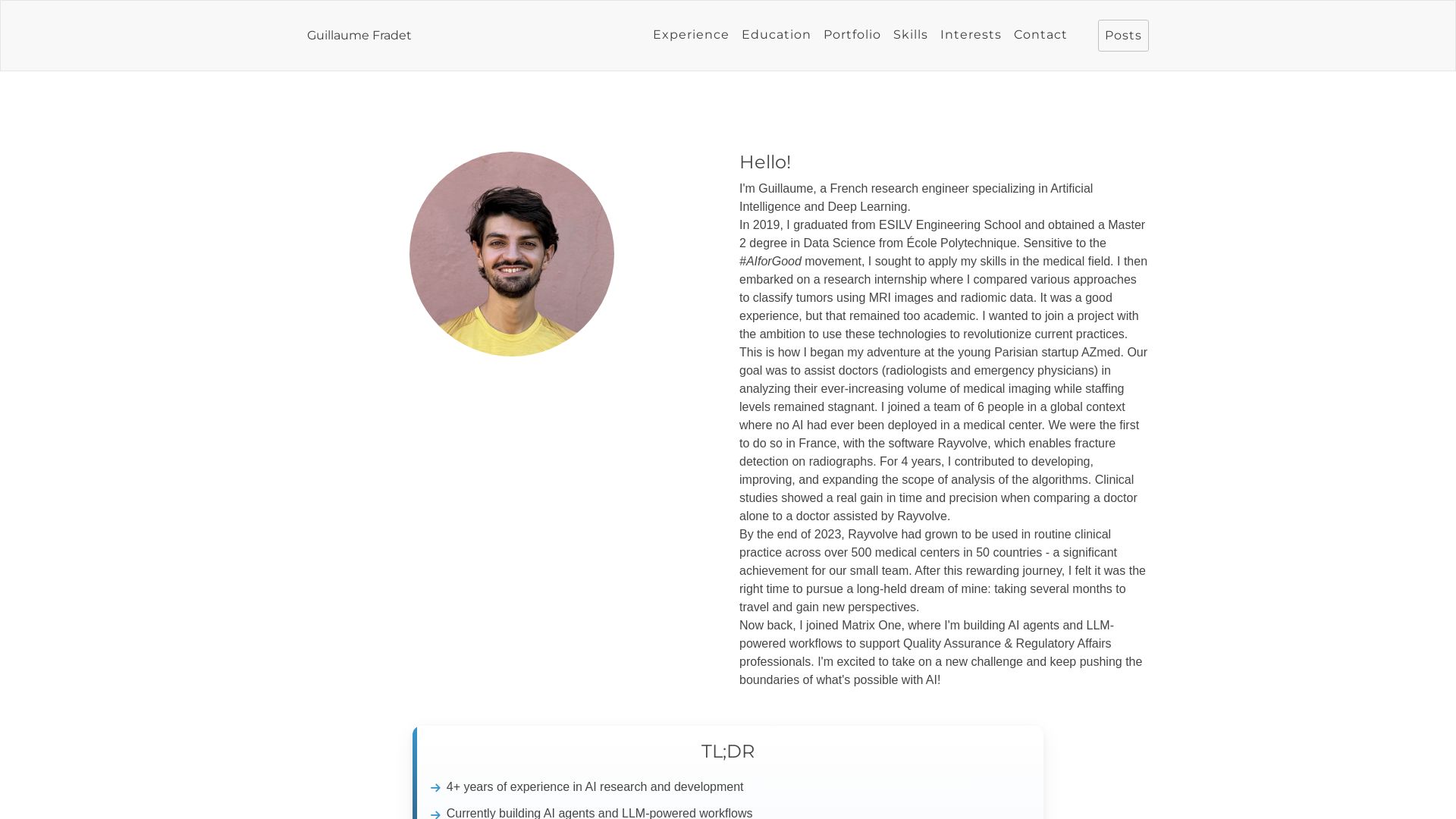
Making AI think and act: my approach to the Hugging Face AI ...
Experienced AI engineer specializing in medical imaging and LLM-powered agents. Built globally deployed radiology AI at AZmed. Now building AI agents at Matrix One.

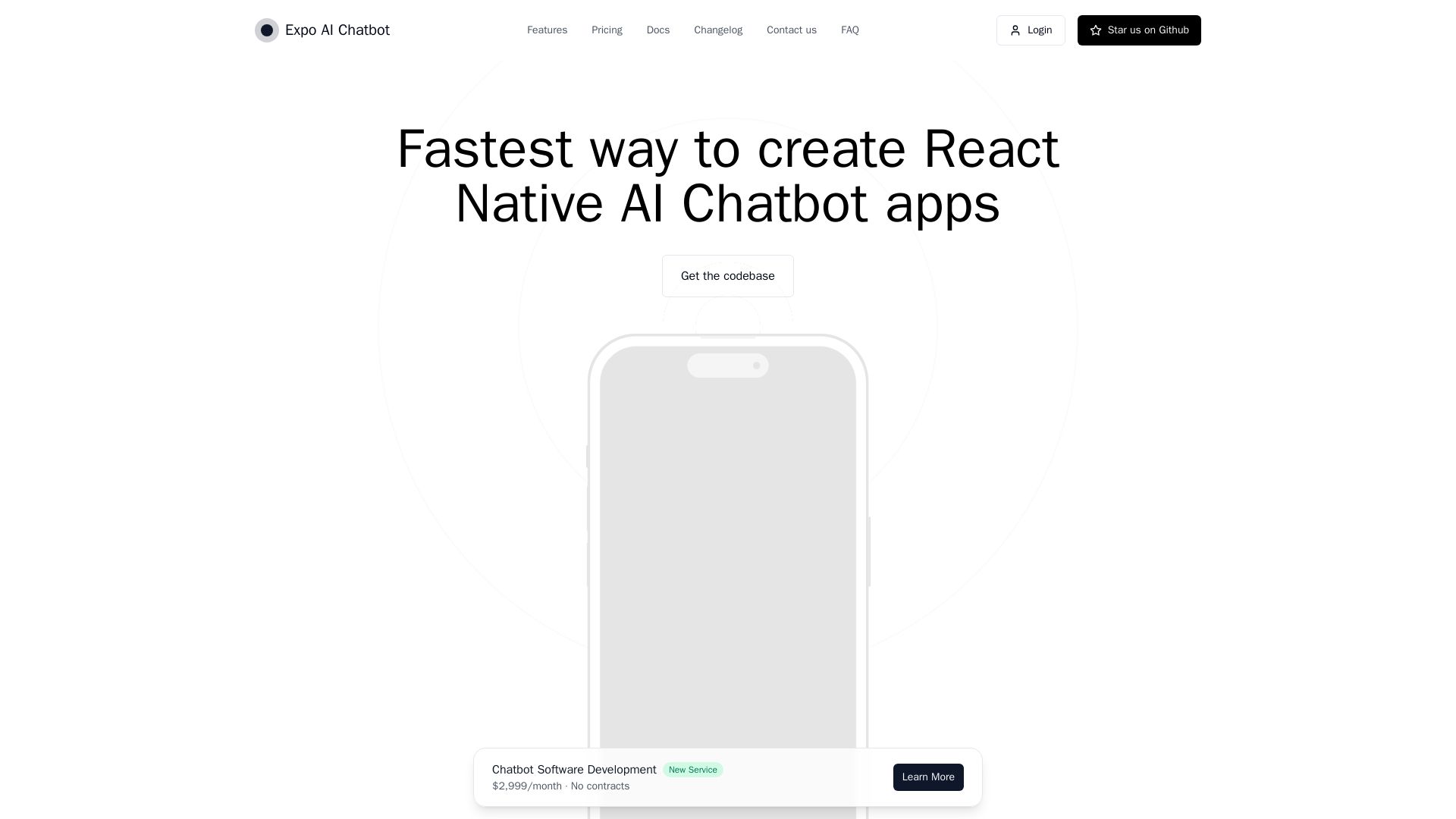
Expo AI Chatbot
Build AI chatbot apps for iOS, Android & web with Expo SDK 54, AI SDK 5, voice, long-term memory, and more. Open-source codebase.

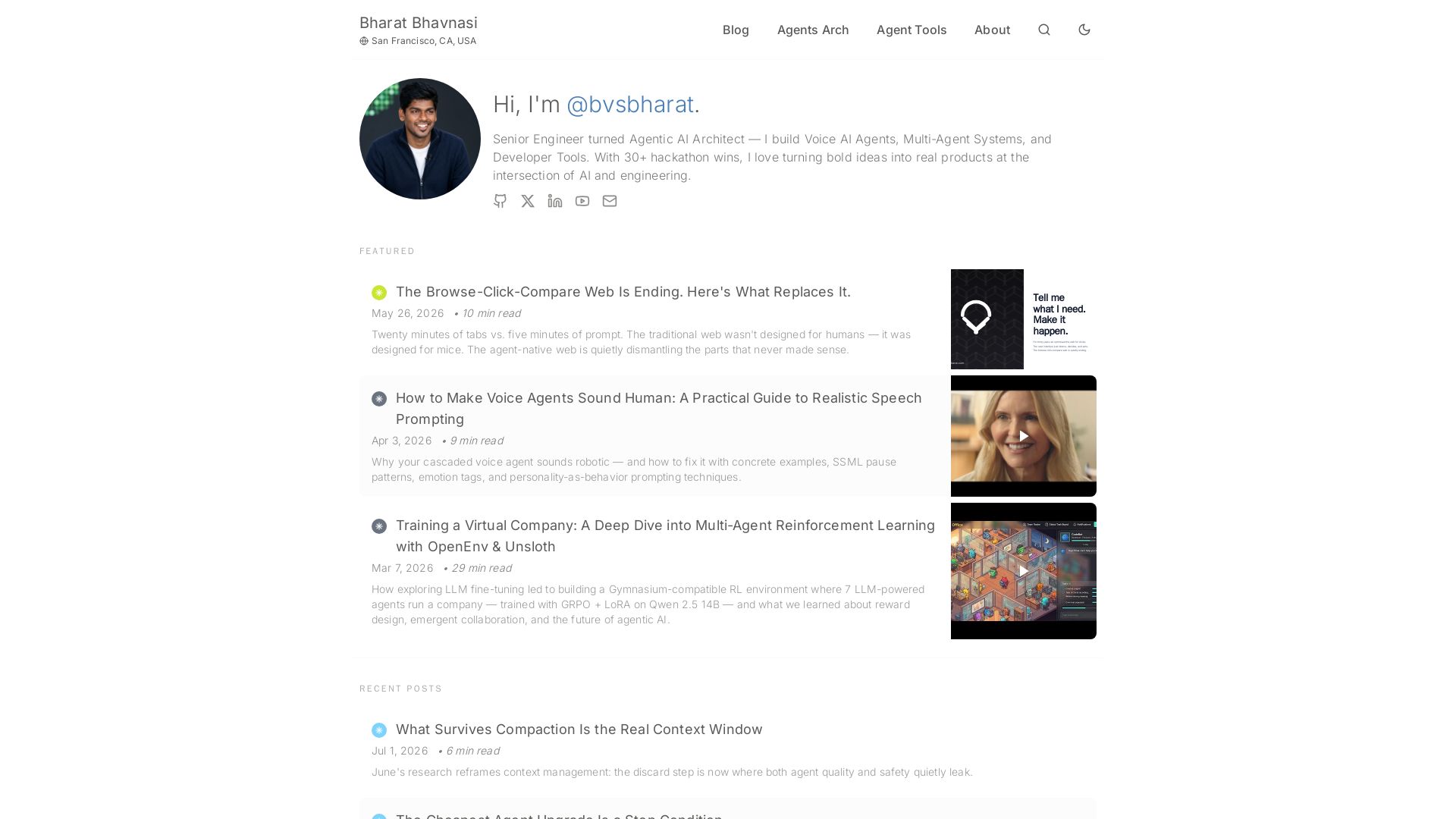
I Tested Every Major Open-Source AI Agent SDK So You Don't ...
Explore insights on Voice AI Agents, Multi-Agent Systems, and Developer Tools from a 30+ hackathon winner. Practical guides and cutting-edge research.

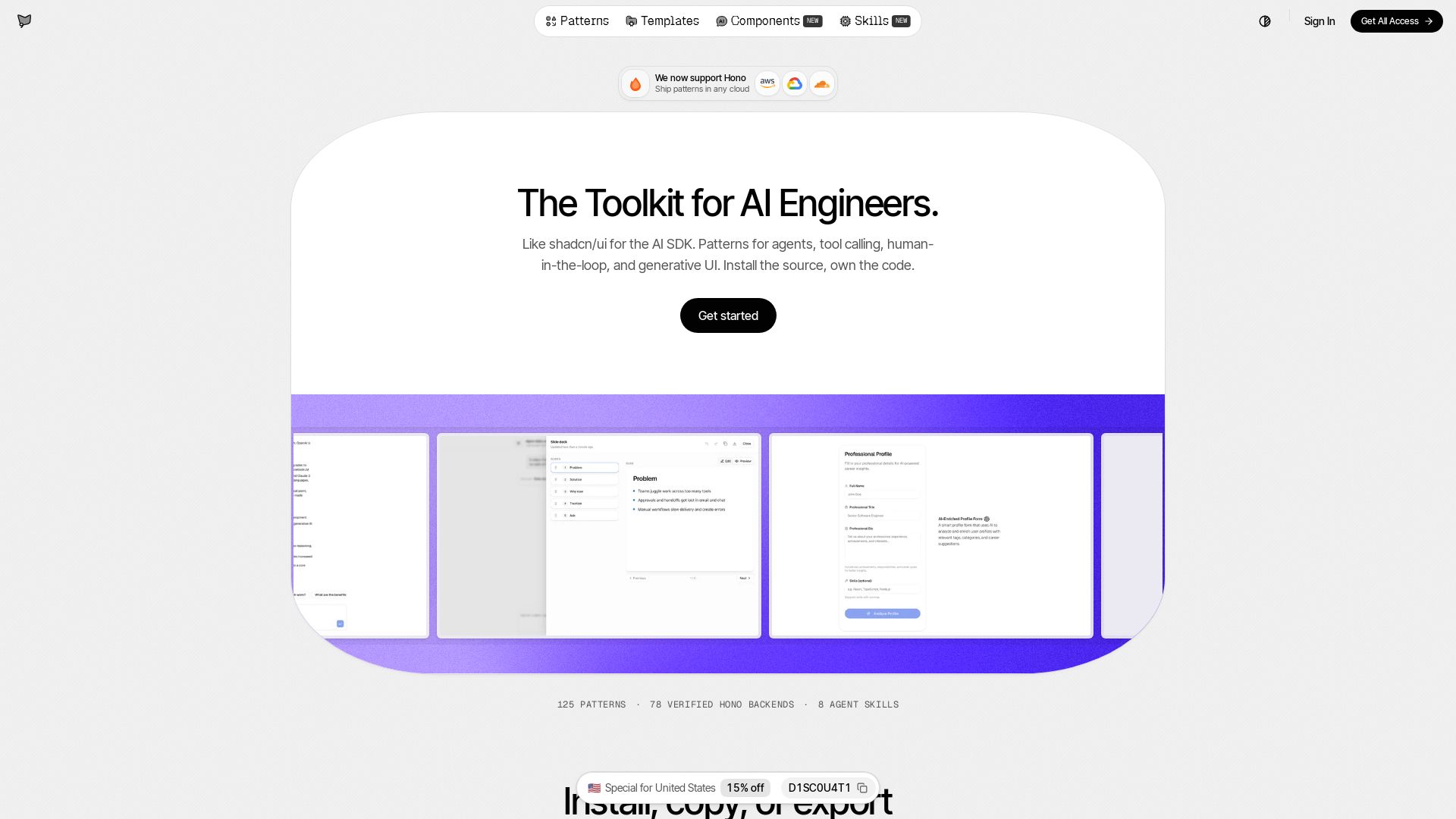
AI SDK AGENTS
The toolkit for AI engineers. Install, copy, or export 125 AI SDK patterns for agents, tool calling, human-in-the-loop, and generative UI. Full source code, own your stack.

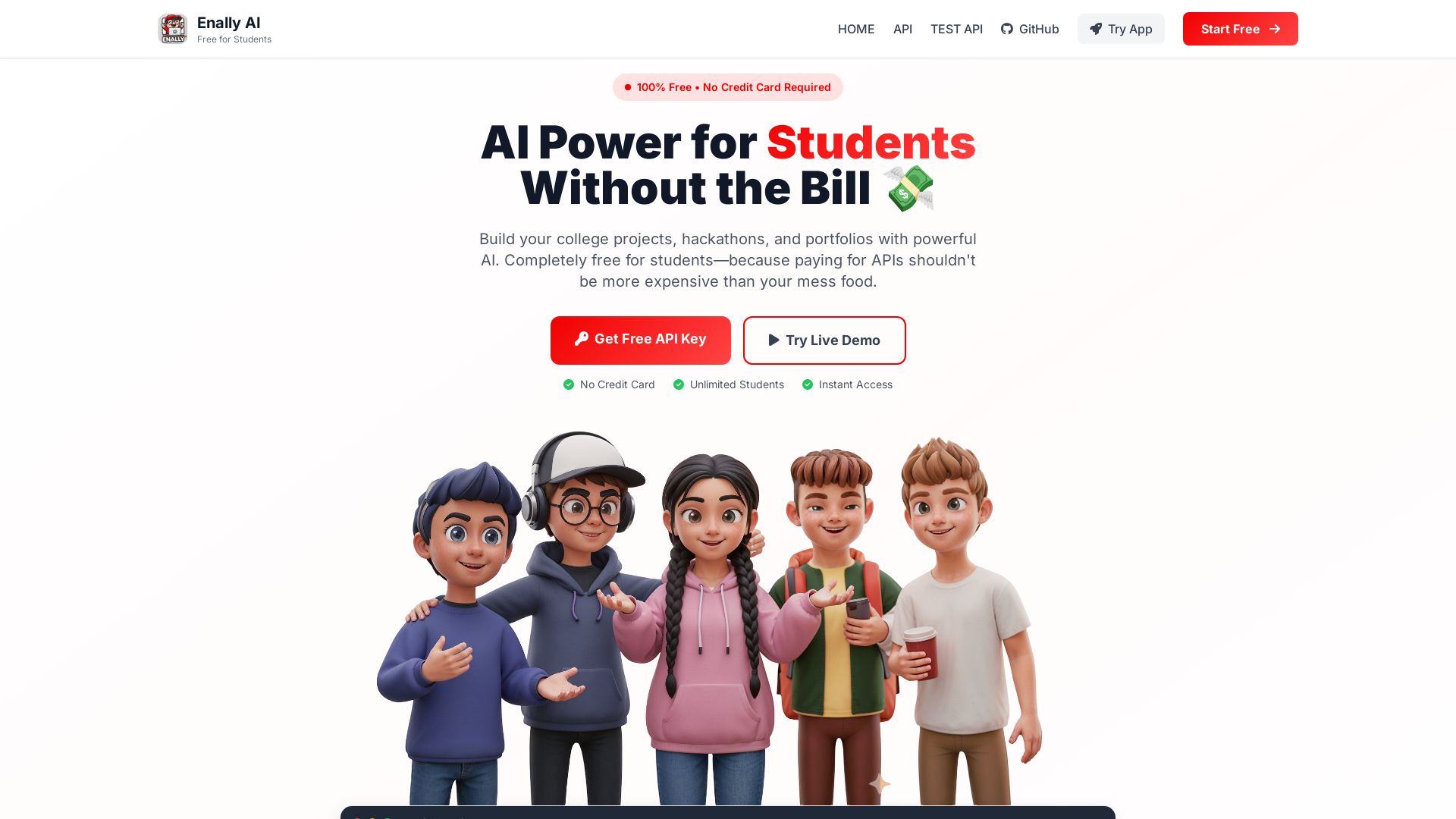
Enally AI
Get unlimited free AI APIs for college projects, hackathons, and portfolios. Chat, multimodal, reasoning. No credit card required. Start building now!

Toloka
High-quality training data for AI agents, LLMs, and coding assistants. Trusted by leading AI teams. 90+ domains, expert network.

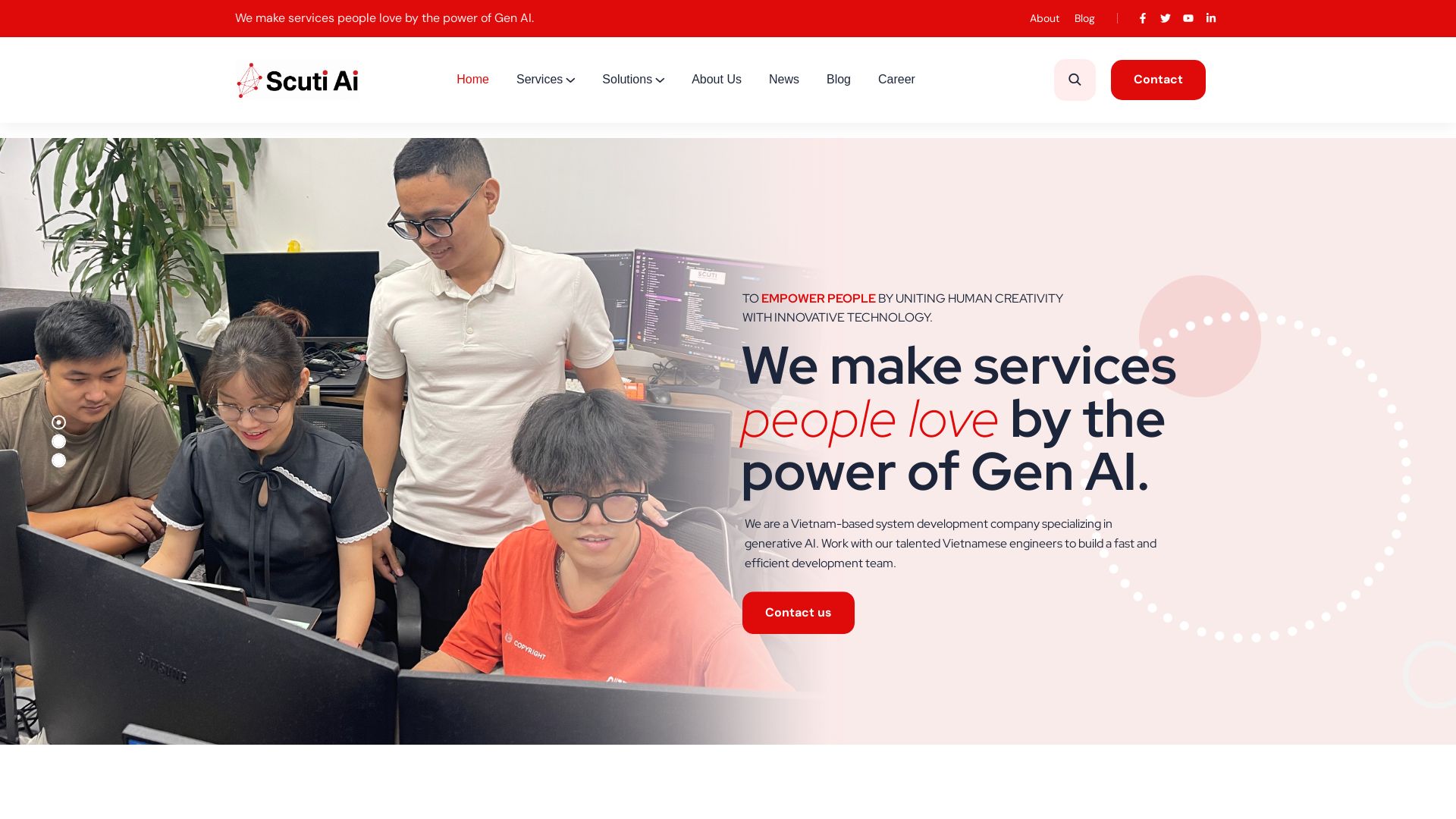
Scuti AI
We specialize in generative AI, AI-OCR, RAG, and offshore development. Combining Vietnam's speed with Japan's quality to automate tasks and boost business.

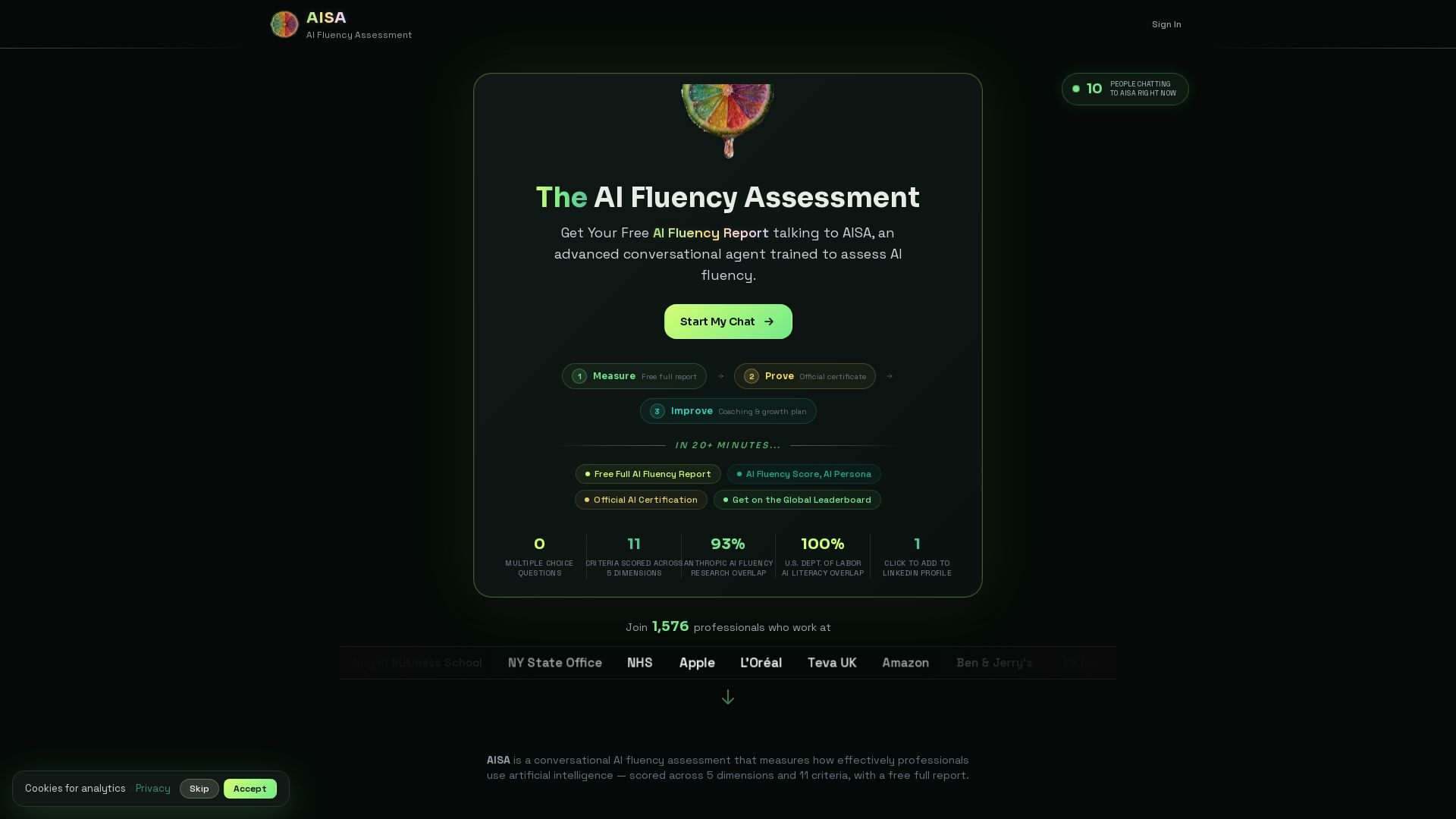

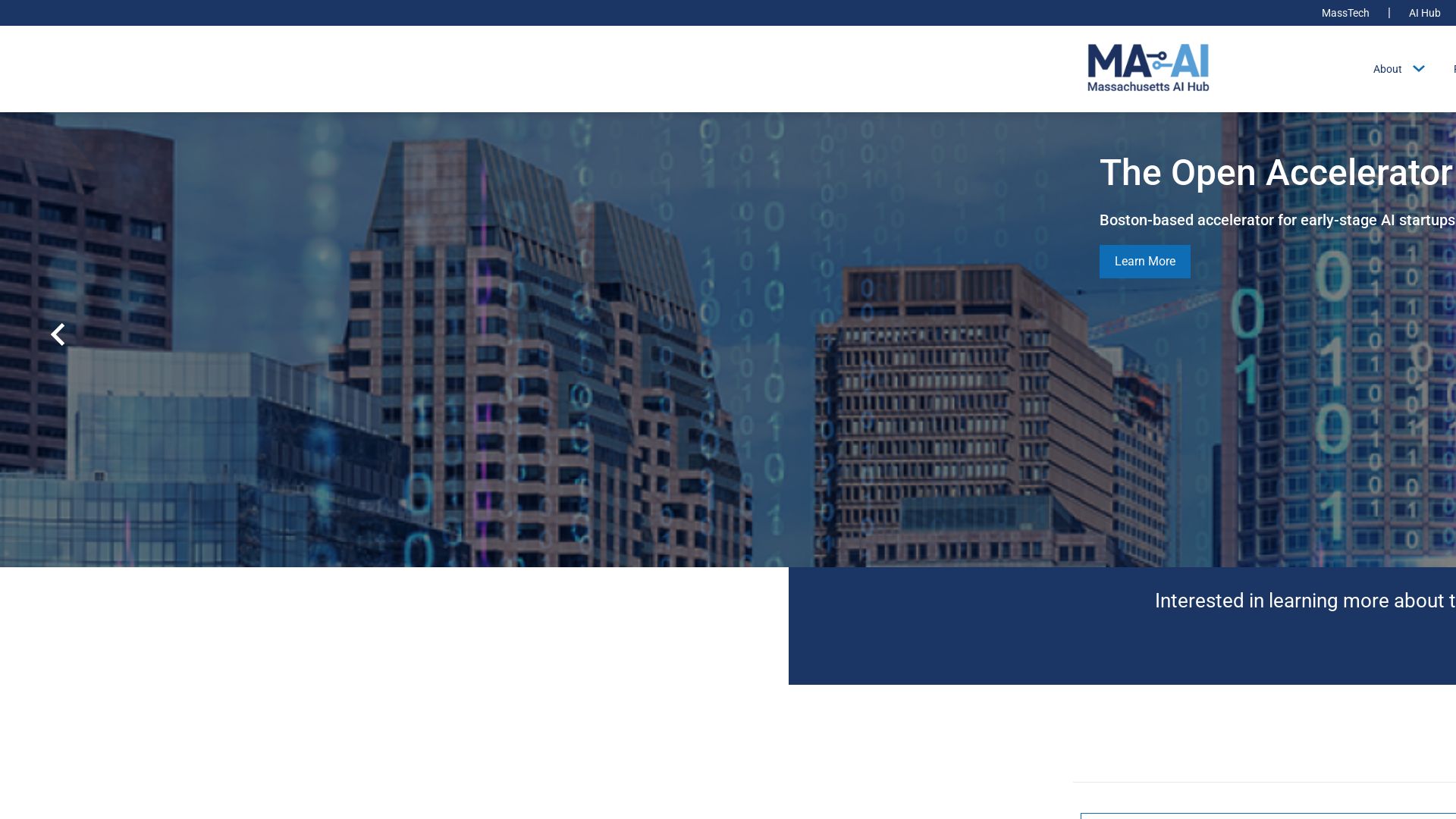
Massachusetts AI Hub
Explore no-cost Google AI training, startup accelerator, and major investments. Join the global leader in applied AI.

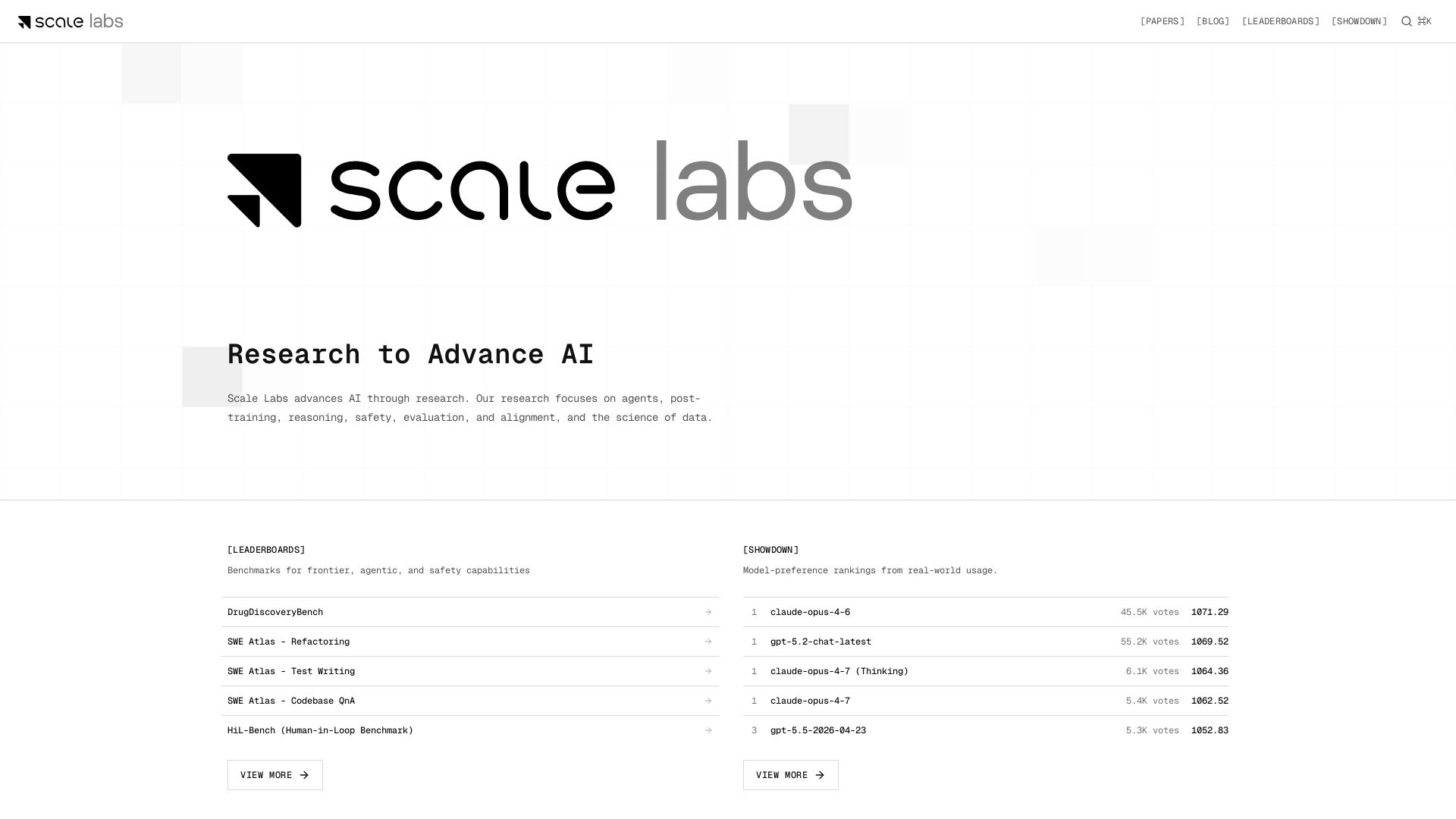
Scale Labs
Your hub for cutting-edge AI research on agents, safety, and evaluation. Explore leaderboards, model showdown rankings, and insightful blogs.

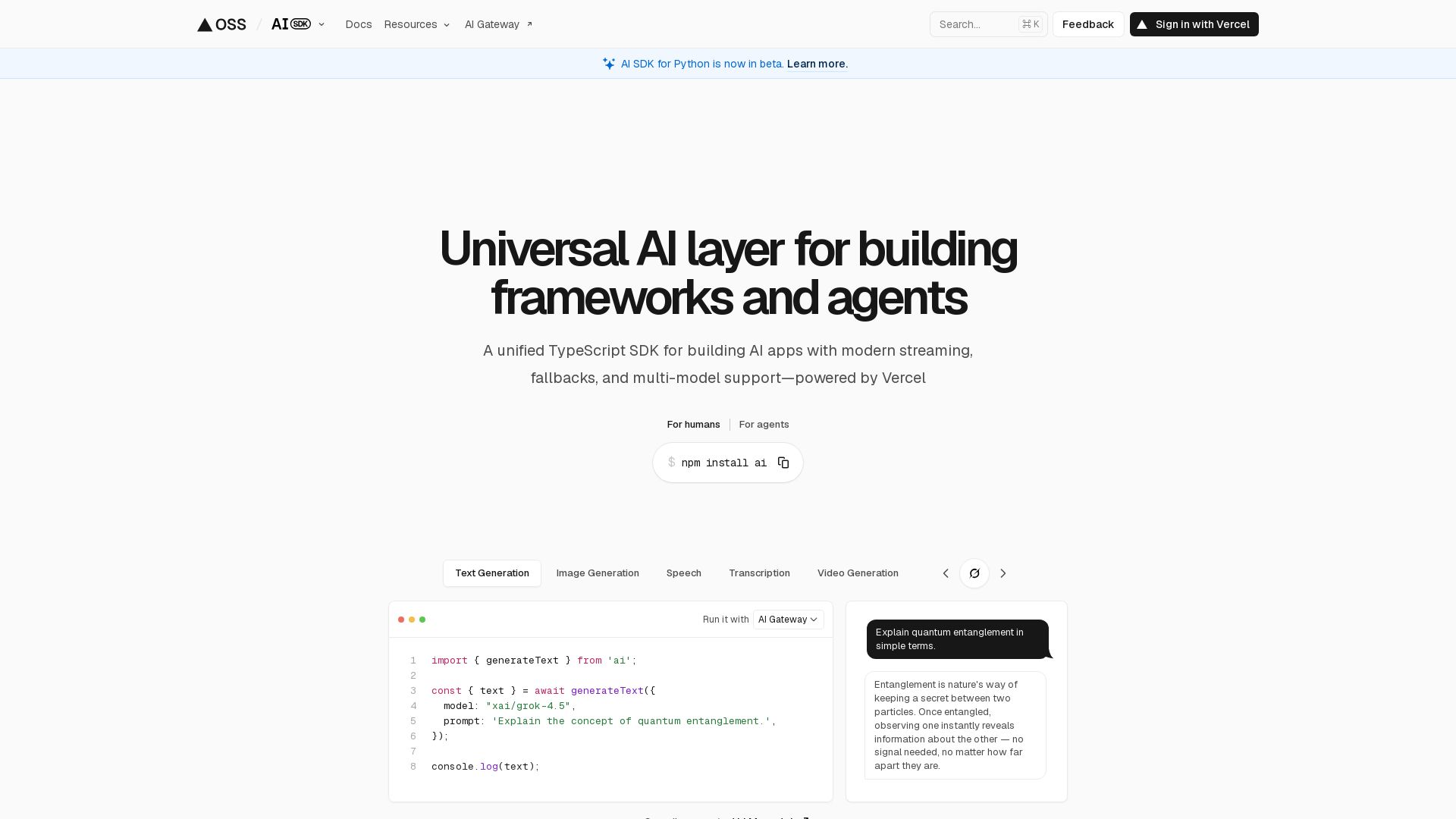
AI SDK
Unified TypeScript SDK for AI apps with streaming, fallbacks, multi-model support. Open-source, 100+ models, 18.5M weekly downloads.

Leanware
We build custom AI agents, ship AI products, and assess AI ROI. Milestone-billed, lean teams, no handoffs. Trusted by startups and businesses.
ℹ️ Curation Disclosure: The overview and features of OpenRAG were synthesized using AI and fact-checked by our curation team to ensure accuracy.