Gensyn
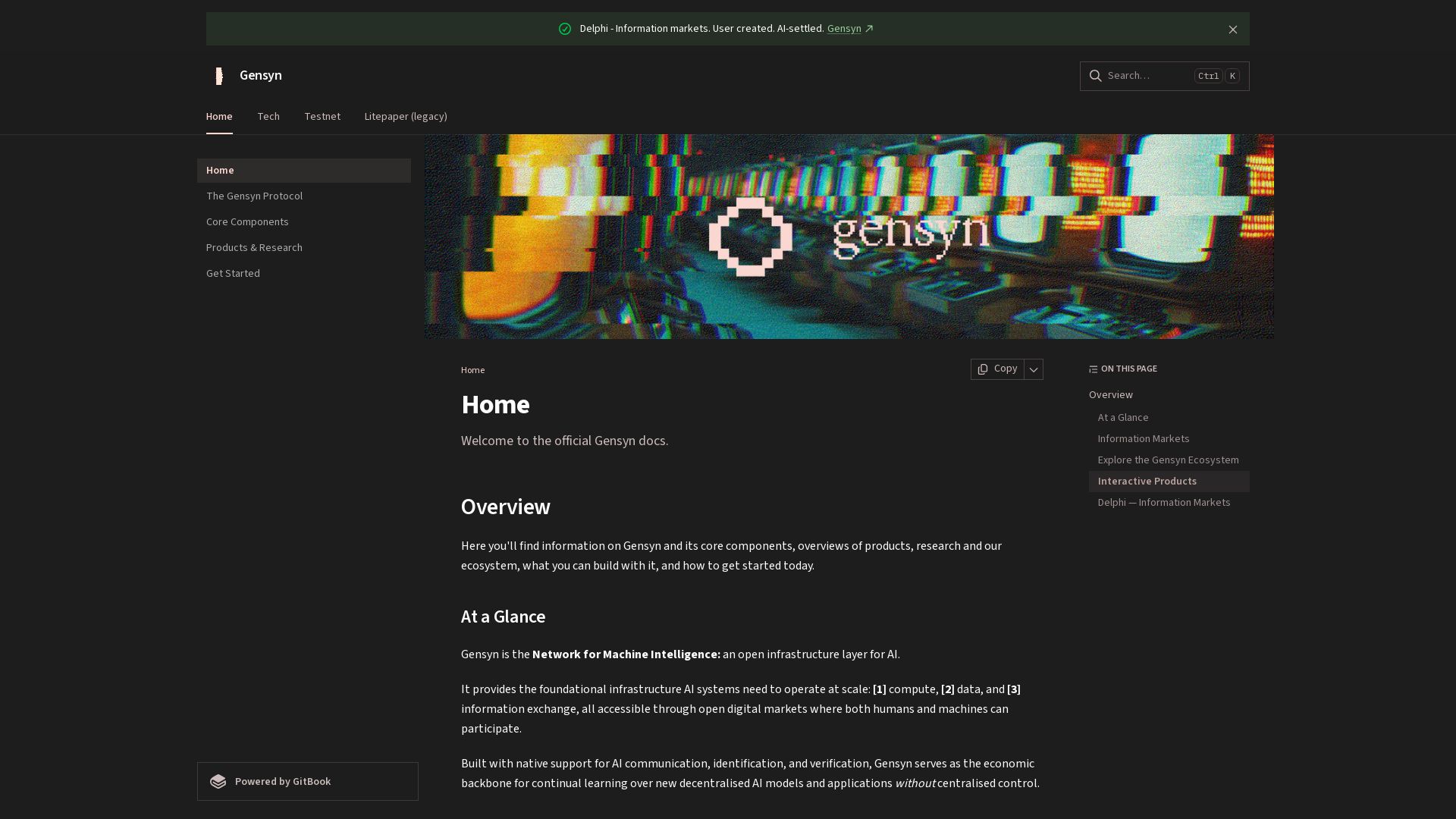
Decentralized infrastructure for AI compute, data, and information markets. Deploy autonomous markets, trade signals, and scale machine intelligence.
Editor's Verdict
Key Takeaways
- Decentralized Information Markets
- AI-Settled Resolution
- Open Participation
- Continual Learning for AI
In-Depth Review: What is Gensyn?
Gensyn is the open infrastructure layer for AI, providing decentralized compute, data, and information exchange through permissionless digital markets. With its flagship product Delphi, anyone can create and trade in fully on-chain information markets. Gensyn enables continual learning for AI models and allows humans to stake on outcomes, all without central control. Join the network to participate in the future of machine intelligence.
Core Features
Decentralized Information Markets
Fully on-chain mechanism for trading information in a global, permissionless exchange, where anyone can deploy and participate.
AI-Settled Resolution
Market resolution is determined by on-chain logic, enabling autonomous and trustless settlement without intermediaries.
Open Participation
Both humans and AI models can create markets, place trades, and consume information, fostering a global, agentic bazaar.
Continual Learning for AI
Information markets serve as an optimization function for AI models, allowing them to trade and accrue resources from correct execution.
Delphi Frontend
A user-friendly interface for interacting with user-generated information markets on the Gensyn network.
Live Price Updates
Market prices update in real-time based on participant activity, providing dynamic signal trading.
Pros and Cons
Pros
- Decentralized and PermissionlessAnyone can create or participate in markets without central approval, promoting free information exchange.
- AI-Native InfrastructureBuilt for both humans and AI, enabling machine learning models to engage in continual learning via market dynamics.
- Autonomous ResolutionOn-chain logic resolves markets trustlessly, reducing reliance on oracles or human arbiters.
- Global ScalabilityMarkets operate globally, supporting large-scale collective intelligence and resource allocation.
- Open Data AccessInformation produced in markets is freely available for anyone to consume, fostering transparency.
Cons
- Complexity for Non-Technical UsersRequires understanding of blockchain and on-chain mechanisms, which may limit mainstream adoption.
- Paused Testnet ProductsSome experimental products (RL Swarm, BlockAssist, CodeAssist) are no longer maintained, indicating early-stage development.
- Lack of Pricing InformationNo clear pricing or cost structure provided, making it difficult to assess economic feasibility.
- Potential Legal UncertaintiesInformation markets may face regulatory challenges depending on jurisdiction, especially regarding prediction markets.
- Dependence on Gensyn NetworkMarkets rely on the Gensyn protocol and its ecosystem, which is still evolving and may have scalability limitations.
Use Cases & Recommended Professions
AI Researcher→ View Toolkit
Can use information markets to crowdsource data and optimize AI models through decentralized continual learning.
Cryptocurrency Trader→ View Toolkit
Can trade on outcome-based markets for hedging, speculation, or arbitrage in a permissionless environment.
Data Scientist→ View Toolkit
Benefits from open access to market-generated information and can deploy models to participate in information trading.
Blockchain Developer→ View Toolkit
Can build custom applications on top of Delphi or integrate information markets into decentralized apps.
Machine Learning Engineer→ View Toolkit
Leverages AI-settled markets to train models with real-world feedback loops and reward mechanisms.
Decentralized Finance (DeFi) Analyst→ View Toolkit
Utilizes information markets for price discovery and risk assessment of AI-related assets or events.
Frequently Asked Questions
Alternative AI Tools
View Detailed Comparison →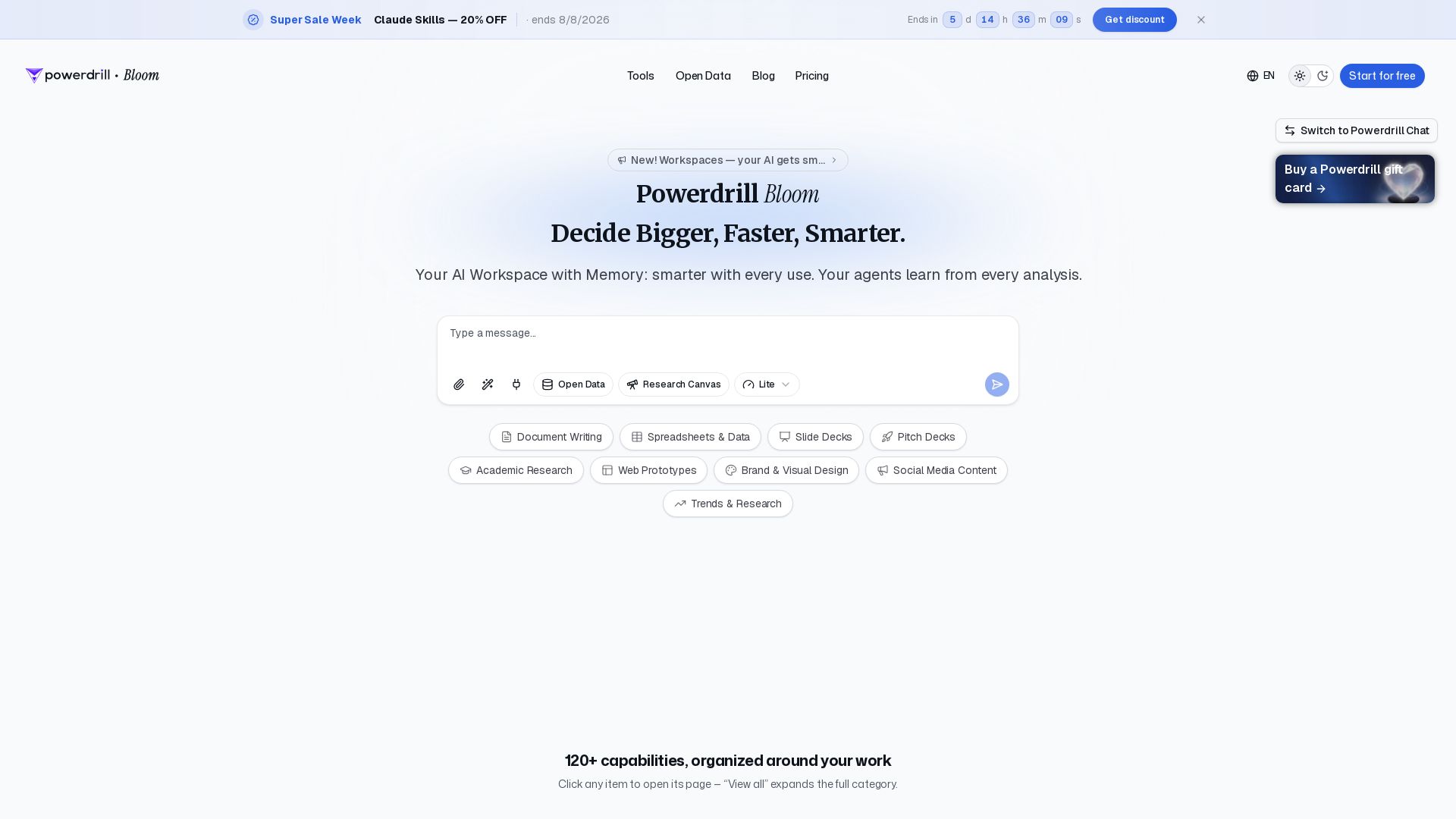
Powerdrill Bloom
Powerdrill Bloom: AI workspace with memory for data analysis, docs, research & more. Smarter with every use. Start free.

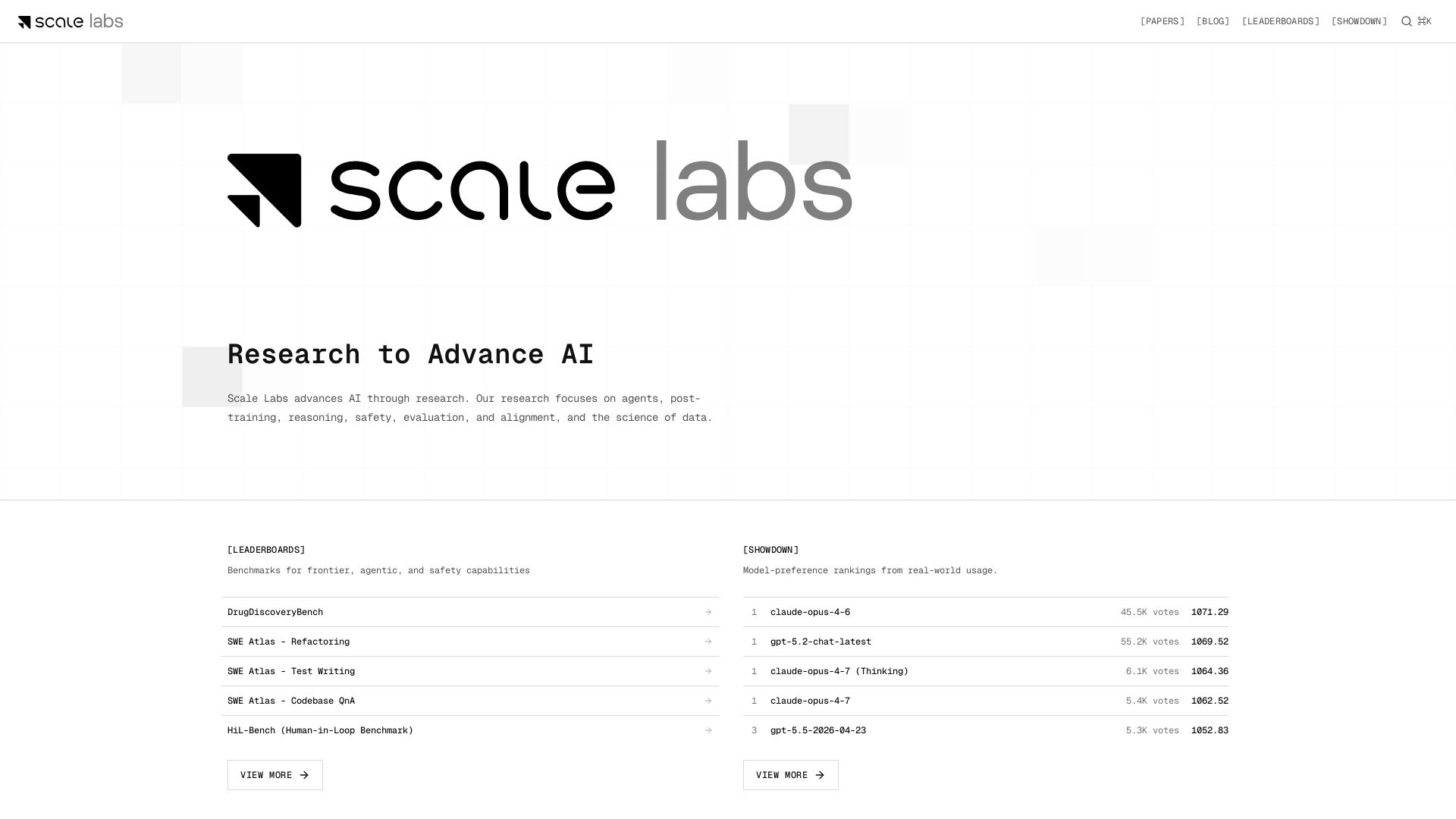
Scale Labs
Your hub for cutting-edge AI research on agents, safety, and evaluation. Explore leaderboards, model showdown rankings, and insightful blogs.

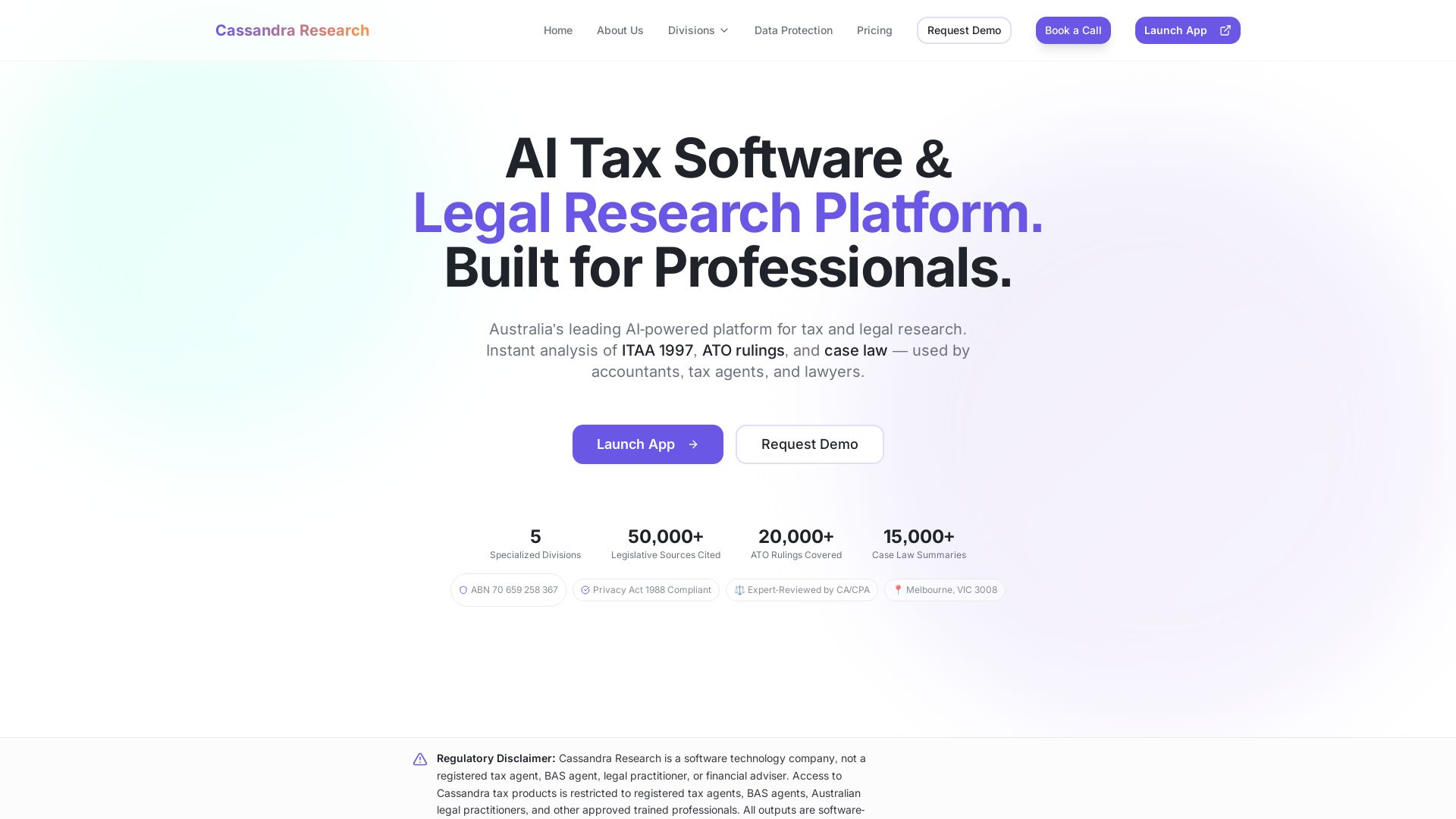
Cassandra Research
Australia's leading AI-powered tax and legal research platform. Instant analysis of ITAA 1997, ATO rulings, and case law for professionals.

Parallel
Parallel gives AI agents real-time web search, extraction, monitoring, and deep research with cited outputs. Built for production, trusted by enterprises.

Delve AI
Create AI-driven customer personas, digital twins, and synthetic users for market research. Generate actionable insights in minutes.


IBM demonstrates extreme scale with a 100B vector ...
IBM Research invents the future of computing with quantum supercomputing, AI, and hybrid cloud. Explore breakthroughs, open-source tools like Qiskit and Granite models, and more.

PlotStudio AI
AI-powered desktop app that plans, codes, and executes multi-step analyses in minutes. Preserves privacy, boosts productivity.
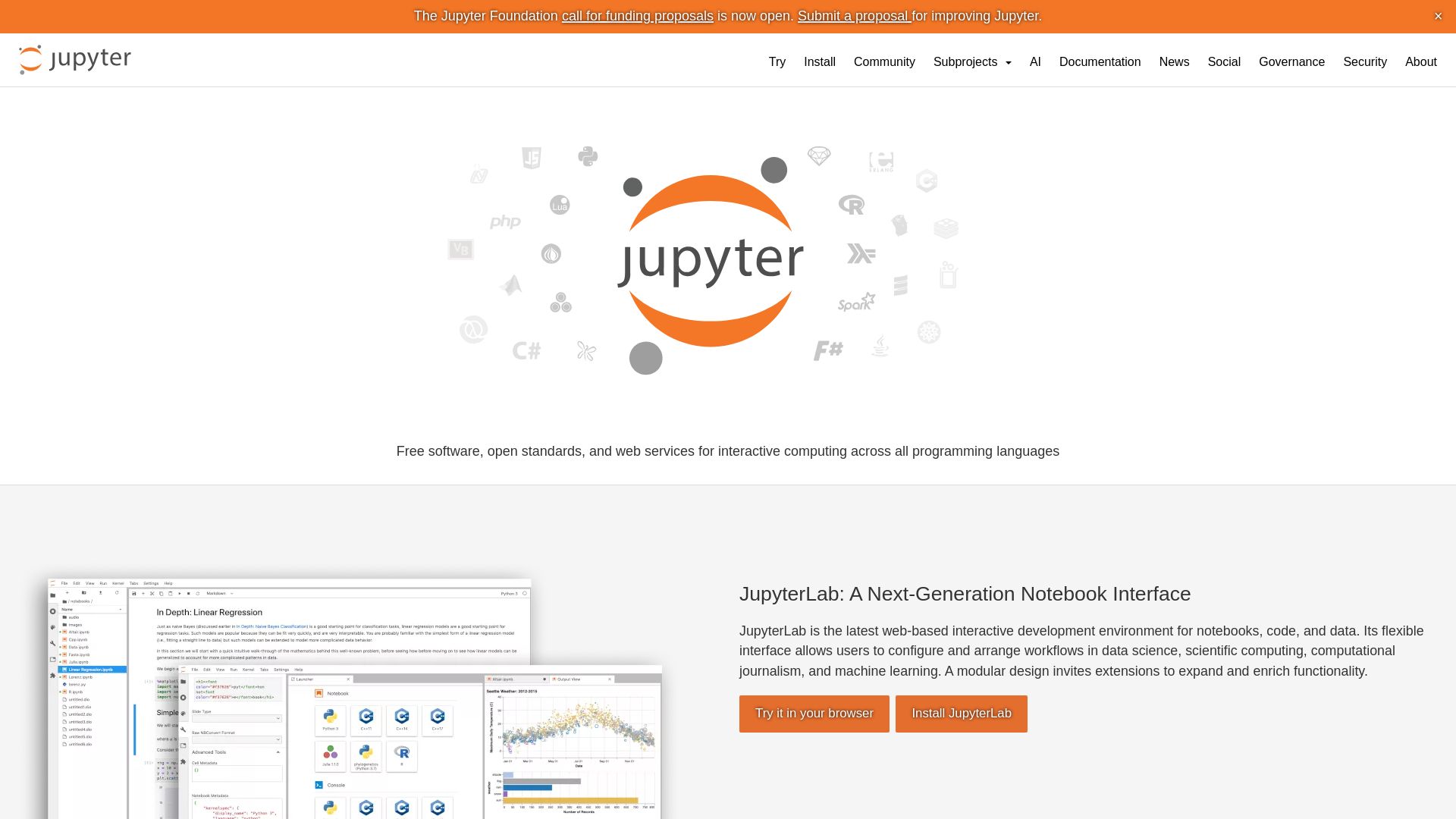
Project Jupyter
Open-source tools for interactive computing: JupyterLab, Notebook, JupyterHub, Voilà. Supports Python, R, Julia, and more. Try it now!

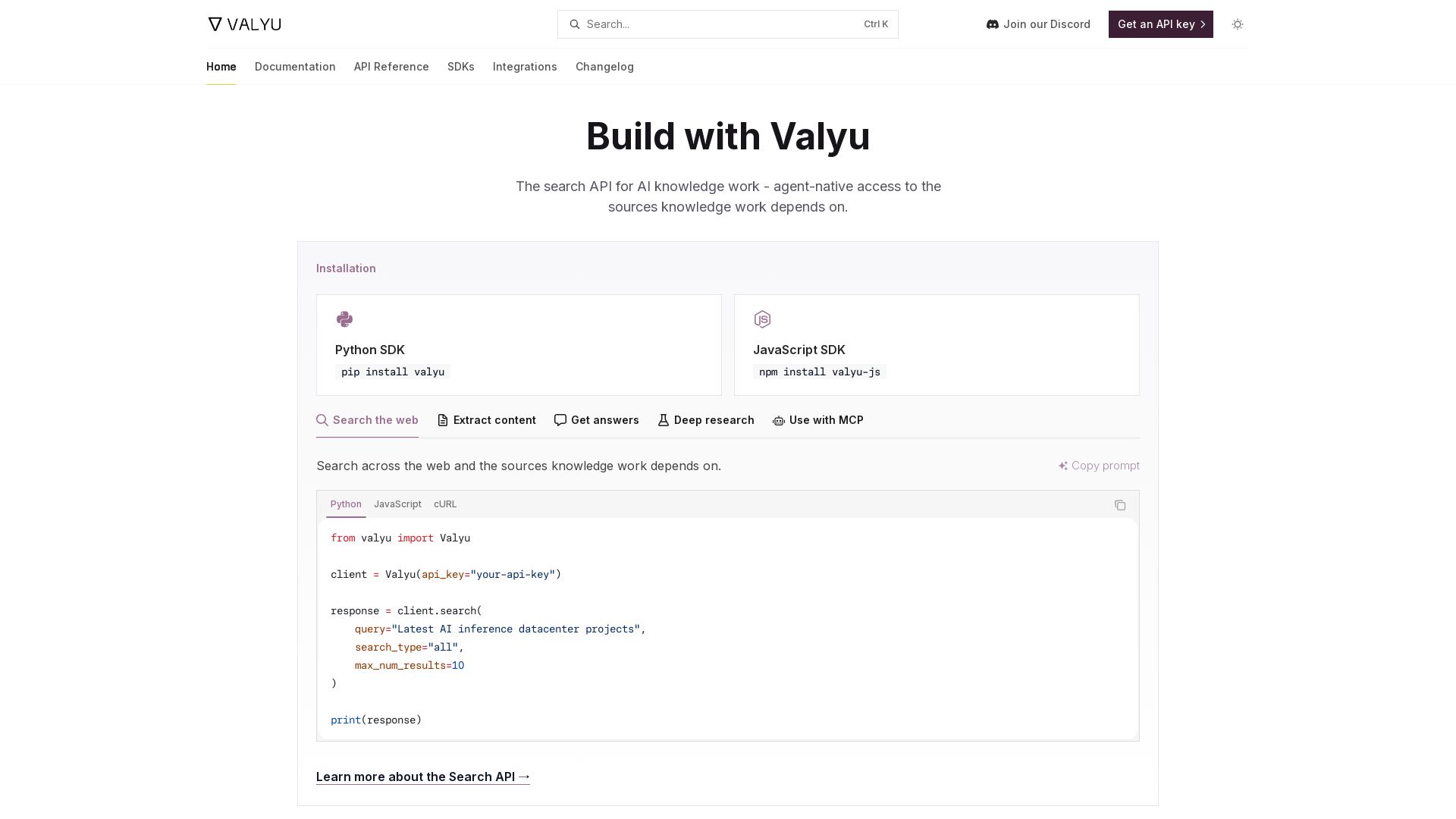
Valyu
Valyu's agent-native search API for AI knowledge work. Search web, extract content, get answers, deep research. Python/JS SDKs.

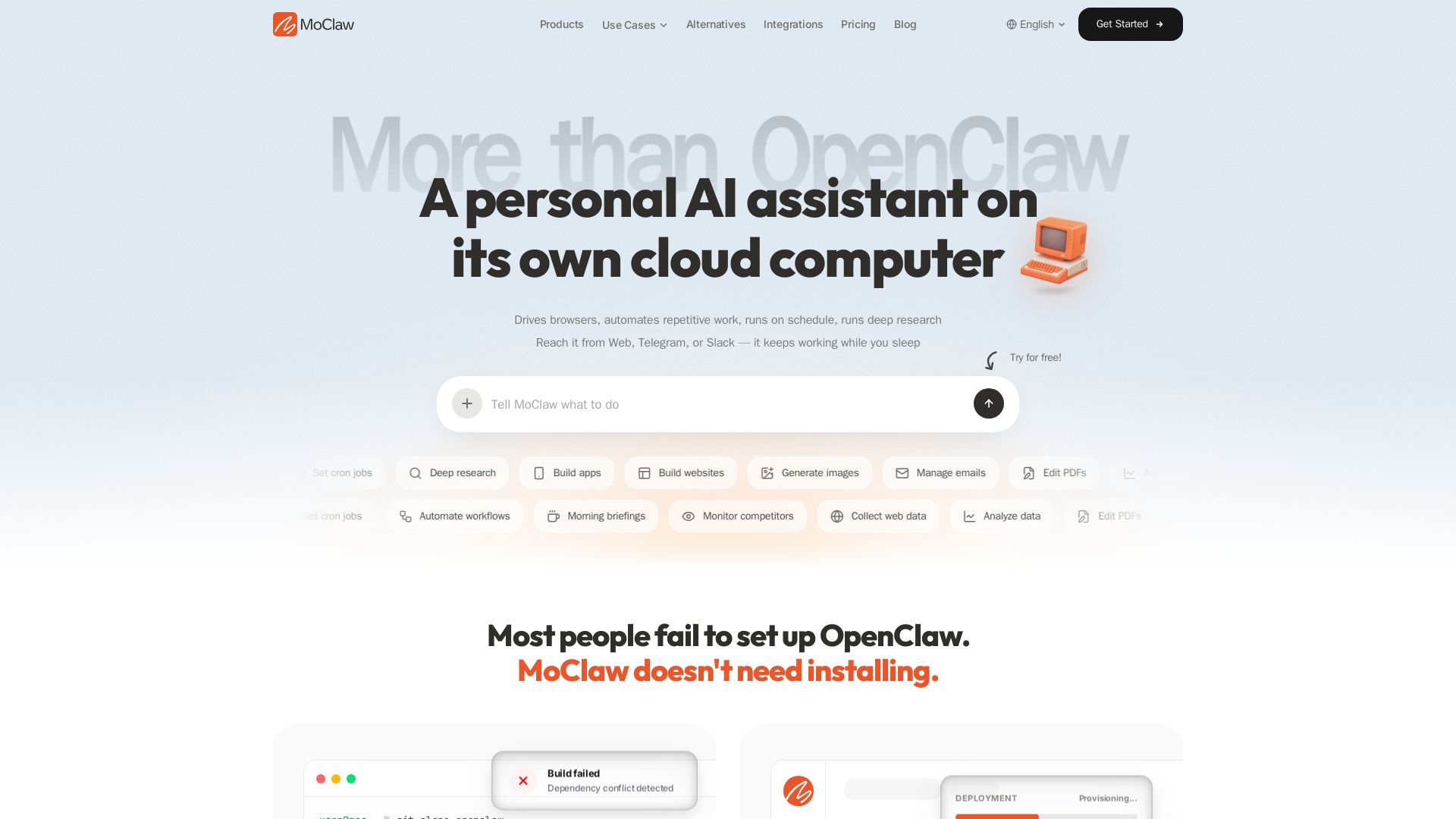
MoClaw
Automate tasks, research, and workflows with MoClaw's always-on AI computer. No setup, no crashes. Deep research, browser control, scheduling. Try free.

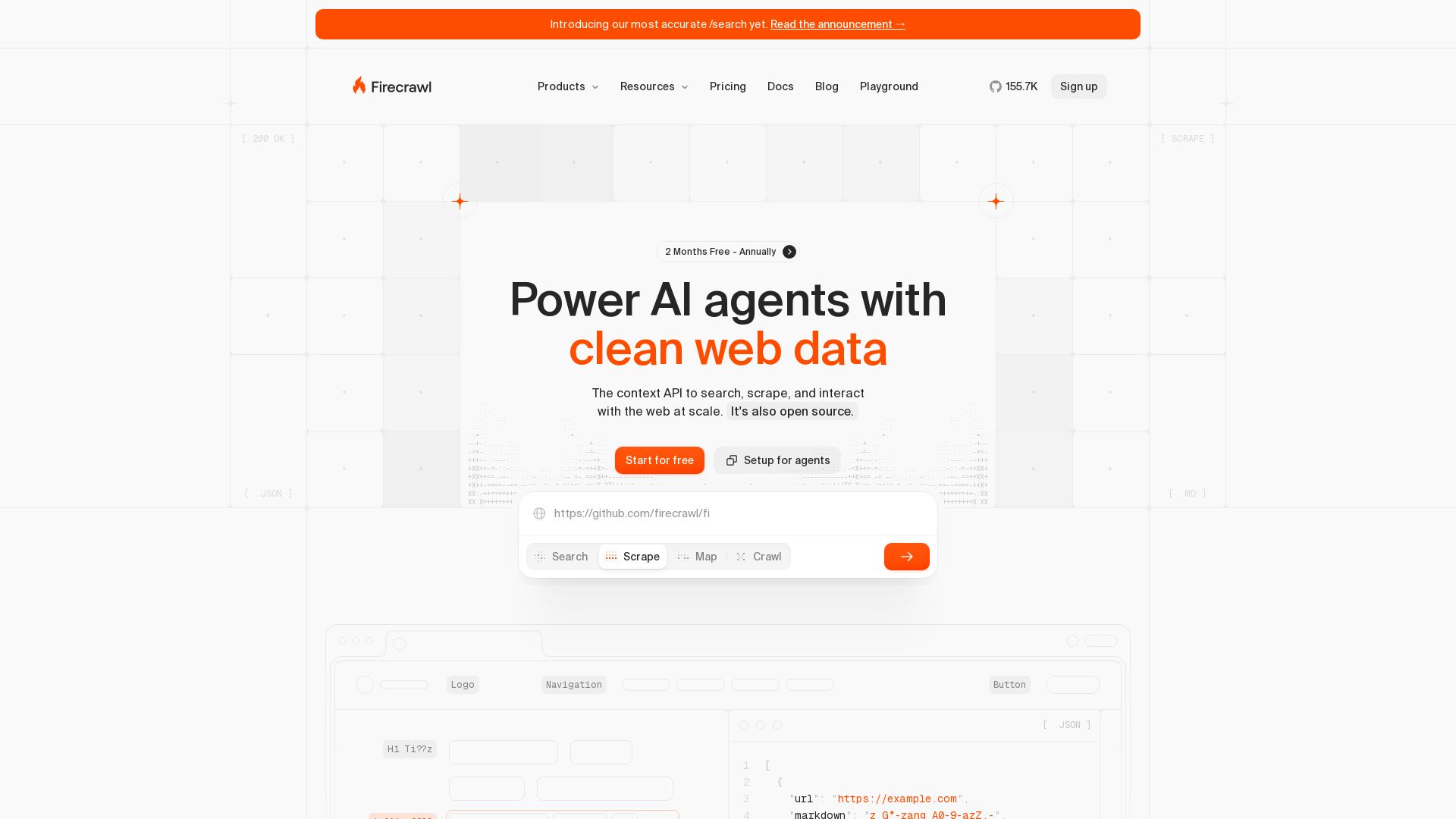
Firecrawl
One API to search, scrape, and interact with the live web. Clean, LLM-ready data. Fast, reliable, and open source. Trusted by 150K+ companies.

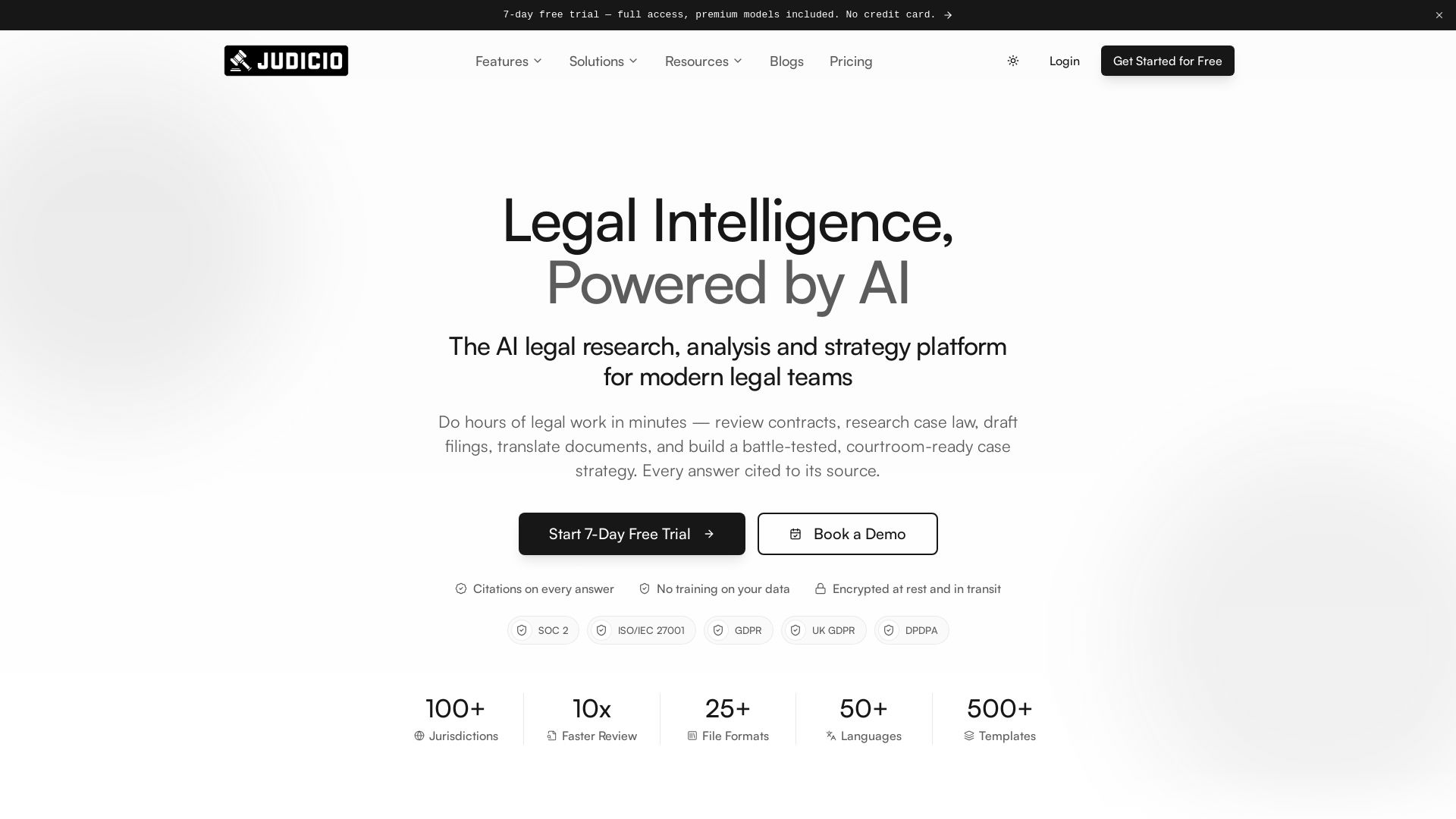
Judicio
AI-powered legal research and document analysis for modern legal teams. Review contracts, research case law, draft filings, and more — every answer cited.

ℹ️ Curation Disclosure: The overview and features of Gensyn were synthesized using AI and fact-checked by our curation team to ensure accuracy.