
Databricks
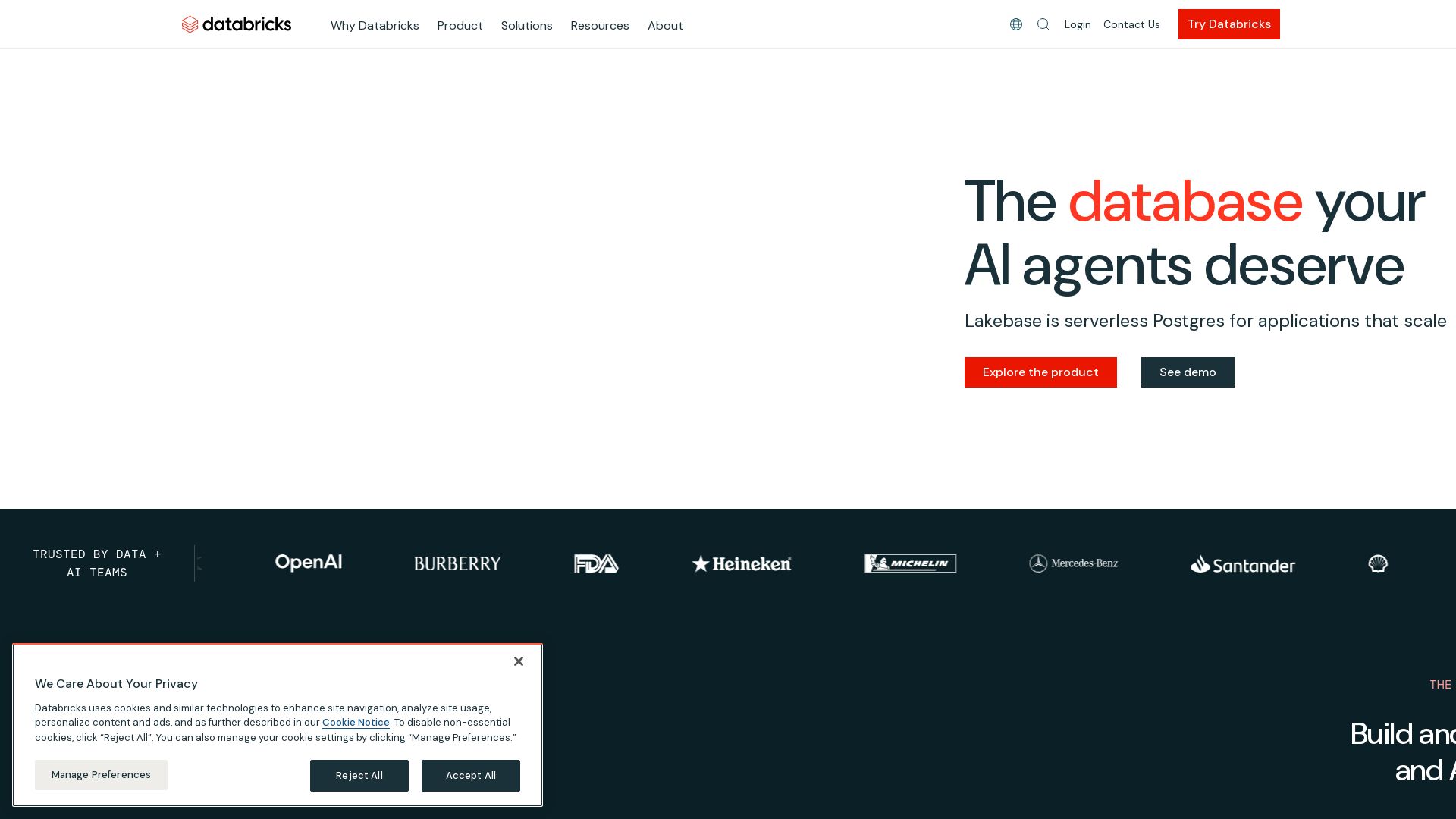
Build AI agents, apps, and analytics on your data with Lakebase, the serverless Postgres database for scalable applications. Explore now.


Editor's Verdict
Key Takeaways
- Lakebase
- Agent Bricks
- AI/BI Genie
- Unity Catalog
In-Depth Review: What is Databricks?
Databricks unifies data, analytics, and AI on a single platform. With Lakebase, Agent Bricks, Genie, and Unity Catalog, you can build production-ready AI agents, perform intelligent analytics, and govern data seamlessly. Trusted by over 60% of Fortune 500 companies.
Core Features
Lakebase
The first serverless Postgres database integrated with the lakehouse, built for the AI era, enabling scalable applications with transactional consistency.
Agent Bricks
Build production-ready AI agents that continuously improve quality and accuracy, grounded in your data for real-world performance.
AI/BI Genie
Intelligent analytics with natural language dashboard creation and deep conversational insights, making BI accessible to everyone.
Unity Catalog
Unified governance layer for data, models, dashboards, and agents, ensuring compliance and deeper insight across the platform.
Lakehouse
Serverless data warehousing on open lake data with built-in governance and AI, eliminating legacy warehouse costs and lowering TCO.
Lakeflow
Build reliable ETL pipelines for batch and streaming, with unified ingestion, transformation, and orchestration at scale.
Pricing
Custom
- Per-usage or subscription-based pricing
- Multiple compute types (Data Engineering, Data Warehousing, Operational Database, AI, Genie, Platform)
- Supports AWS, Azure, GCP
- Includes collaboration and beta products
Pros and Cons
Pros
- Unified PlatformCombines data engineering, AI, analytics, and governance in one platform, reducing complexity and integration costs.
- Serverless Postgres (Lakebase)Offers a serverless Postgres database that scales automatically, ideal for AI agents and modern applications.
- AI-First AnalyticsGenie and Agent Bricks provide natural language interfaces and self-improving AI agents, making data insights accessible.
- Open and GovernedBuilt on open-source standards like Apache Spark and Iceberg, with Unity Catalog providing unified governance across all assets.
- Scalable & PerformantLakehouse architecture and Lakeflow enable high-performance data warehousing and ETL at any scale.
Cons
- Complexity for New UsersThe breadth of features and terminology can be overwhelming for users unfamiliar with lakehouse or AI concepts.
- Potential Vendor Lock-InDespite open-source components, deep integration with Databricks ecosystem may create dependency.
- Cost ConsiderationsPricing is not publicly detailed; enterprise-level deployment may be costly for small teams or startups.
Use Cases & Recommended Professions
Data Engineer→ View Toolkit
Needs to build and maintain scalable data pipelines, manage ETL with Lakeflow, and ensure data quality and governance.
Data Scientist→ View Toolkit
Requires a unified platform to access and analyze data, build AI models, and leverage Genie for rapid insights.
AI/ML Engineer→ View Toolkit
Develops AI agents using Agent Bricks, needing seamless integration with data and governance for production deployment.
Application Developer→ View Toolkit
Builds modern applications with Lakebase as the operational database, benefiting from serverless scaling and AI capabilities.
Business Analyst→ View Toolkit
Uses Genie for natural language querying and dashboard creation, enabling self-service analytics without technical skills.
Chief Data Officer (CDO)→ View Toolkit
Oversees data strategy, requires unified governance (Unity Catalog) and a platform that aligns AI initiatives with business goals.
Frequently Asked Questions
Alternative AI Tools
View Detailed Comparison →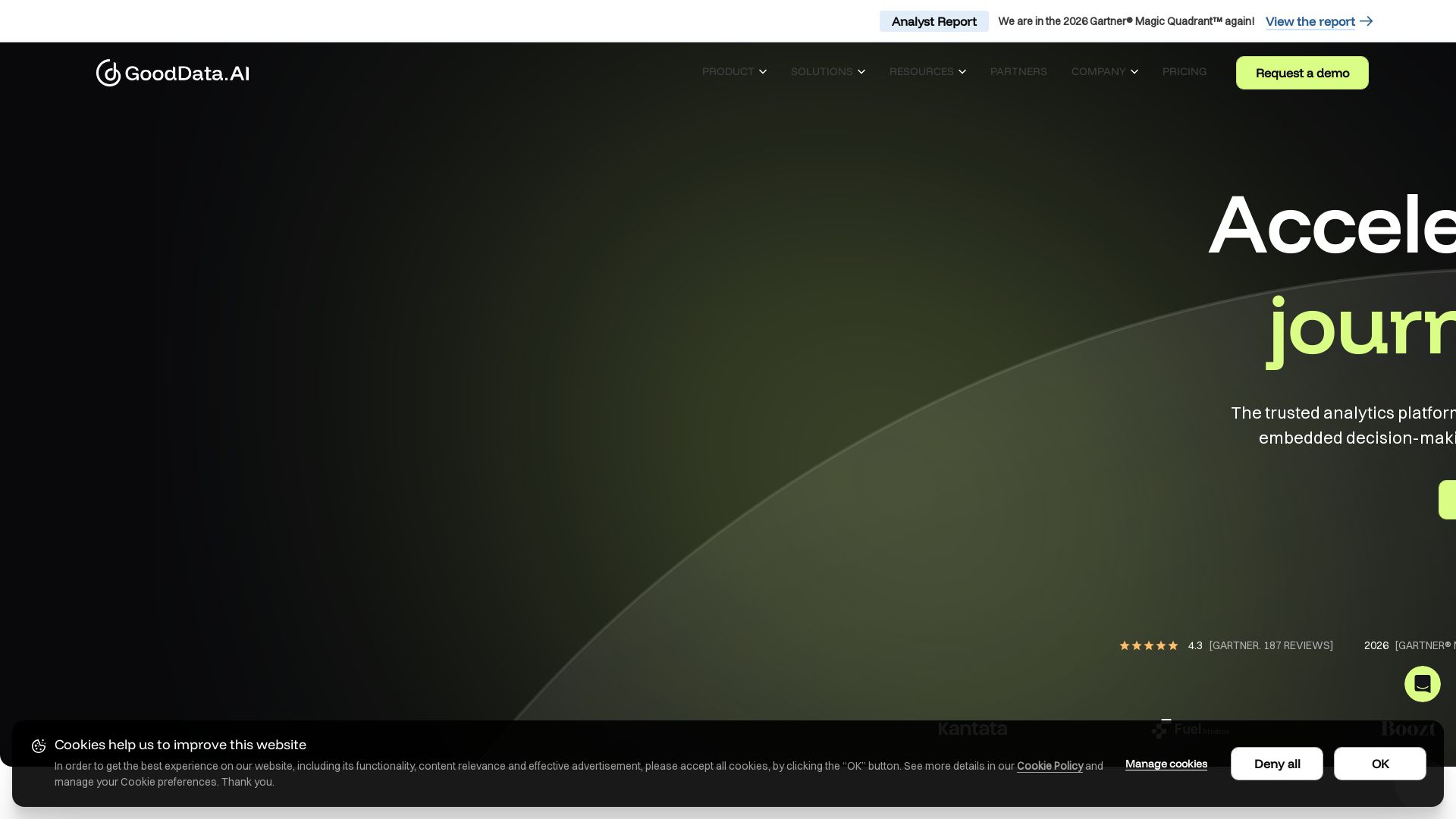
GoodData.AI
Accelerate AI adoption with a governed semantic layer. Deliver agentic analytics, embedded BI, and real-time decisions at enterprise scale. #1 on TrustRadius.

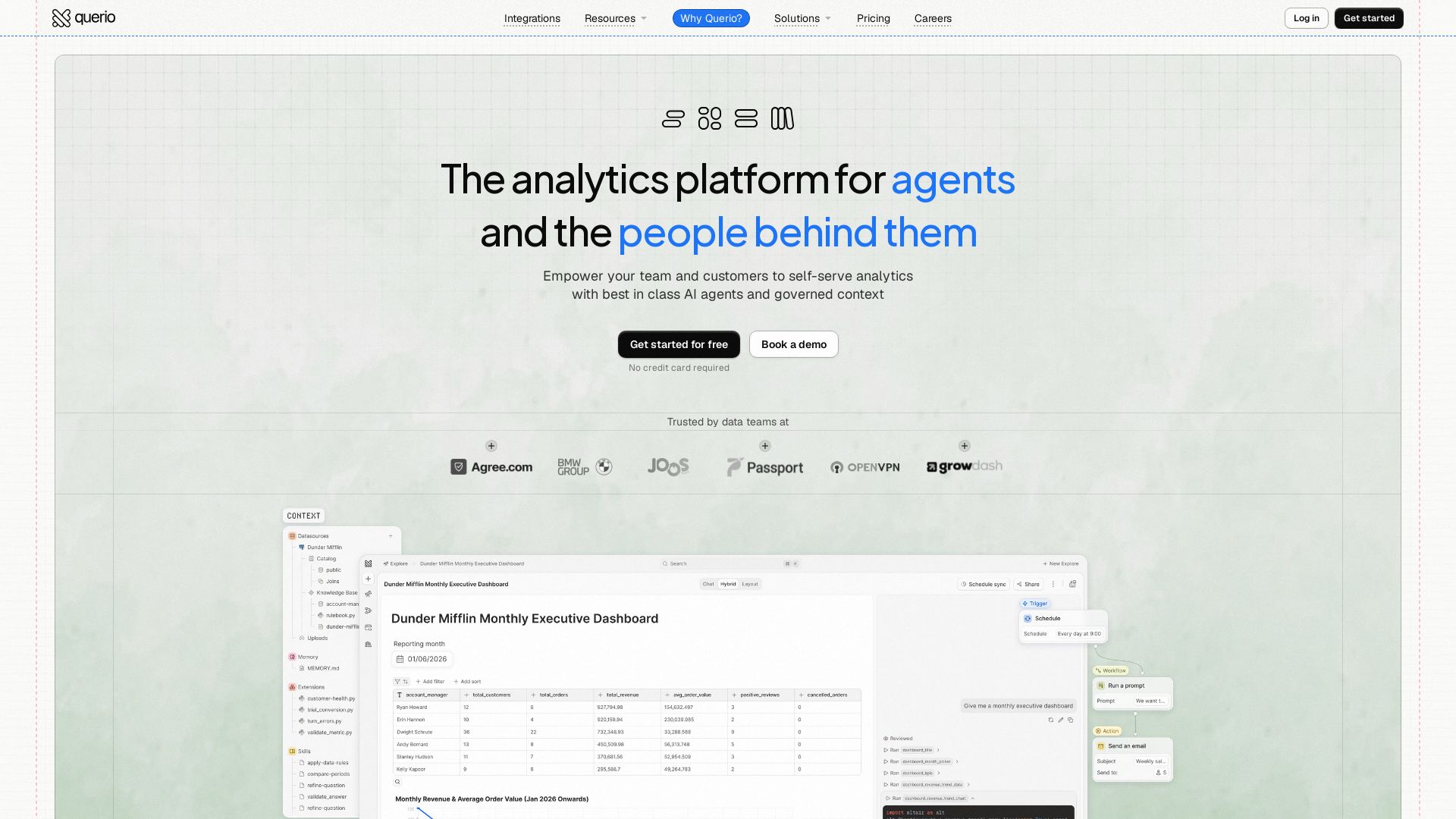
Querio
Empower your team with AI agents to self-serve analytics, transparent SQL/Python notebooks, and governed context. Trusted by data teams.

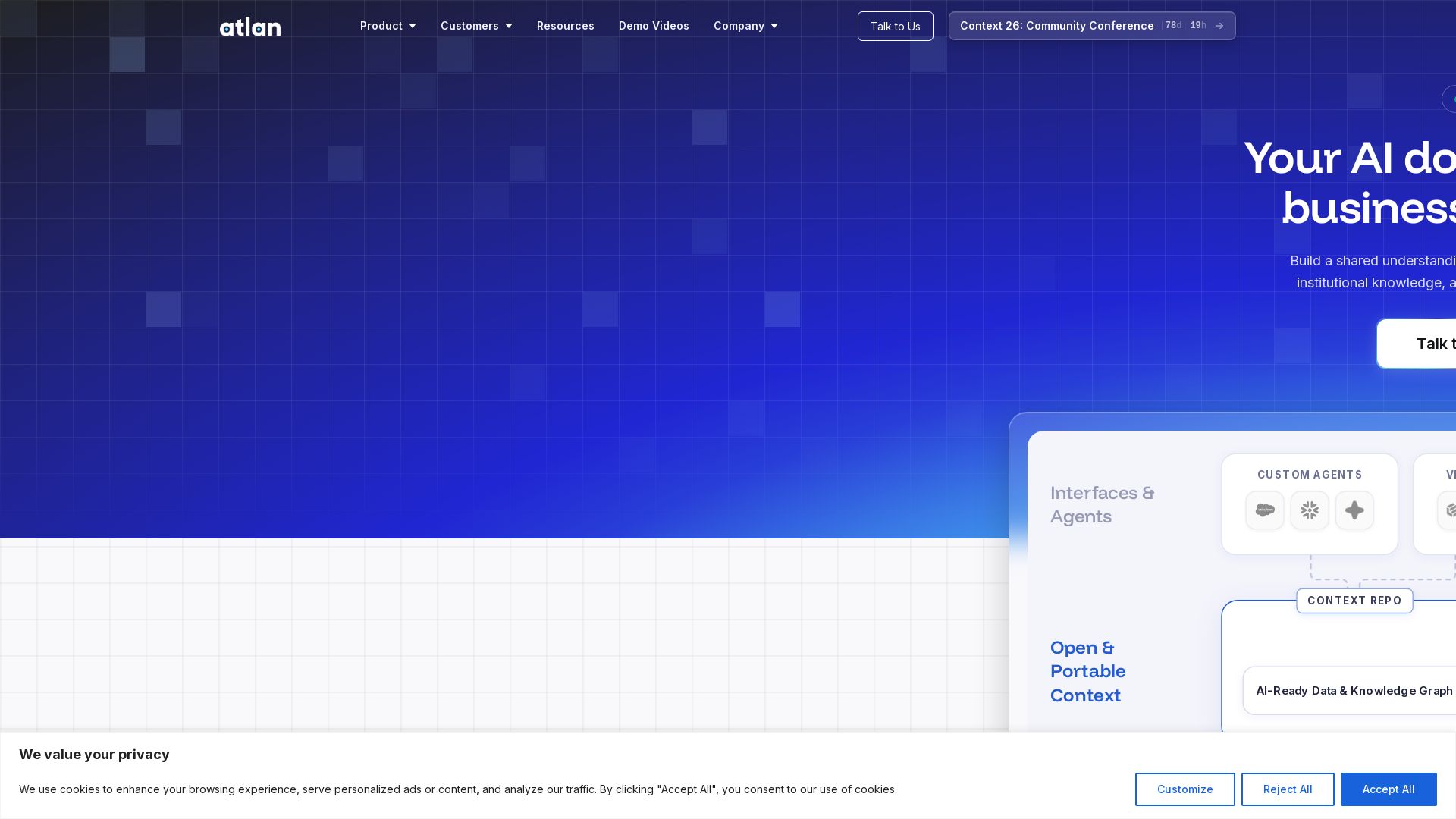
Atlan
Unify data, business logic, and knowledge into a living graph. Reduce AI hallucinations and ship agents that understand your business.

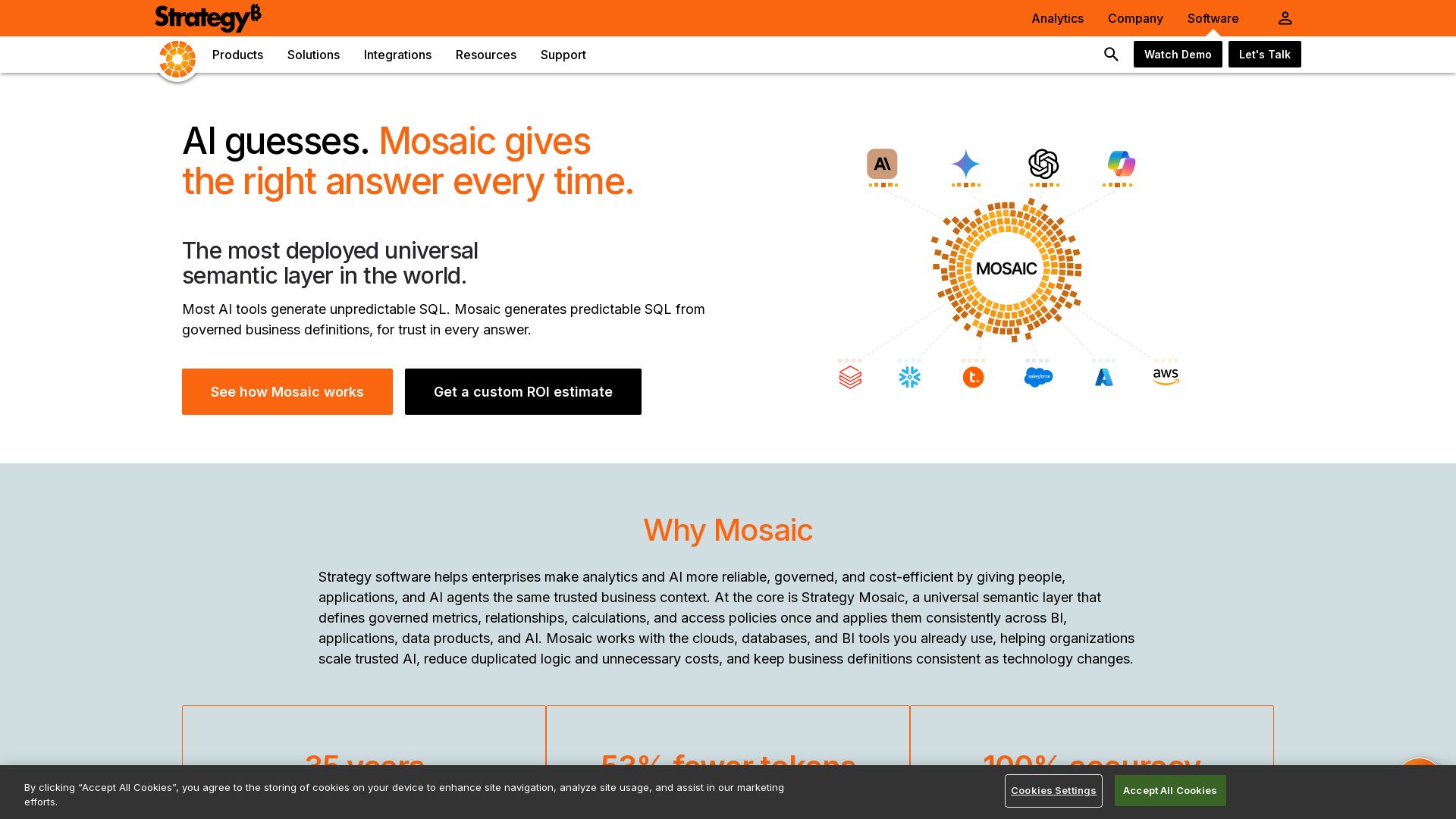
Strategy
Mosaic is a universal semantic layer that grounds AI with governed business definitions, enabling trusted, consistent answers every time.

Holistics
Holistics offers self-service AI analytics with a governed semantic layer. Define metrics once; AI, dashboards, and explorations all pull from the same source of truth.

OvalEdge
OvalEdge is the unified data governance platform that delivers trusted data and context for AI. Gain full visibility and control. Trusted by data teams.

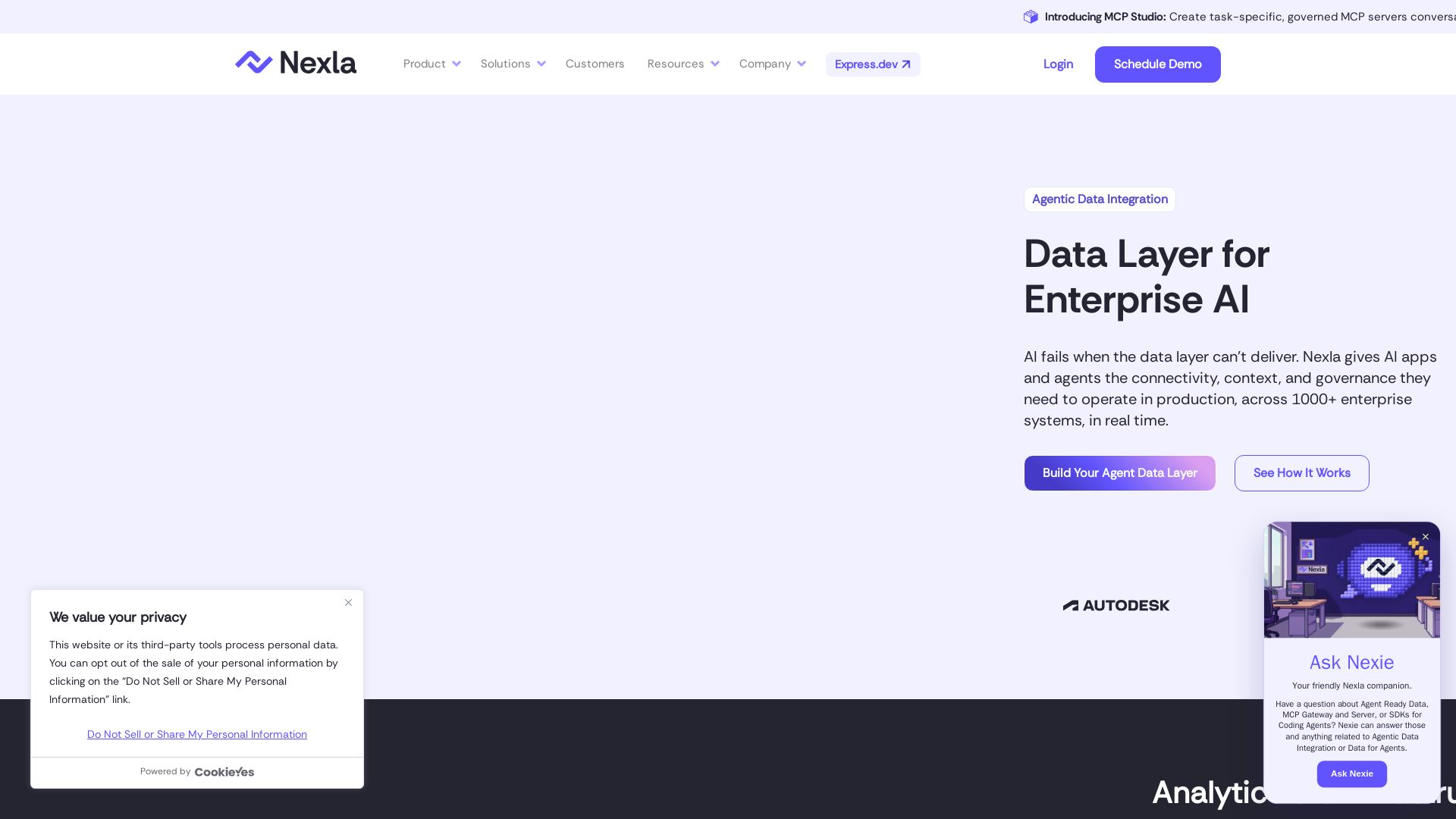
Nexla
Create task-specific, governed MCP servers for AI agents. Connect 1000+ systems, add context with Helix, and deliver data with governance.

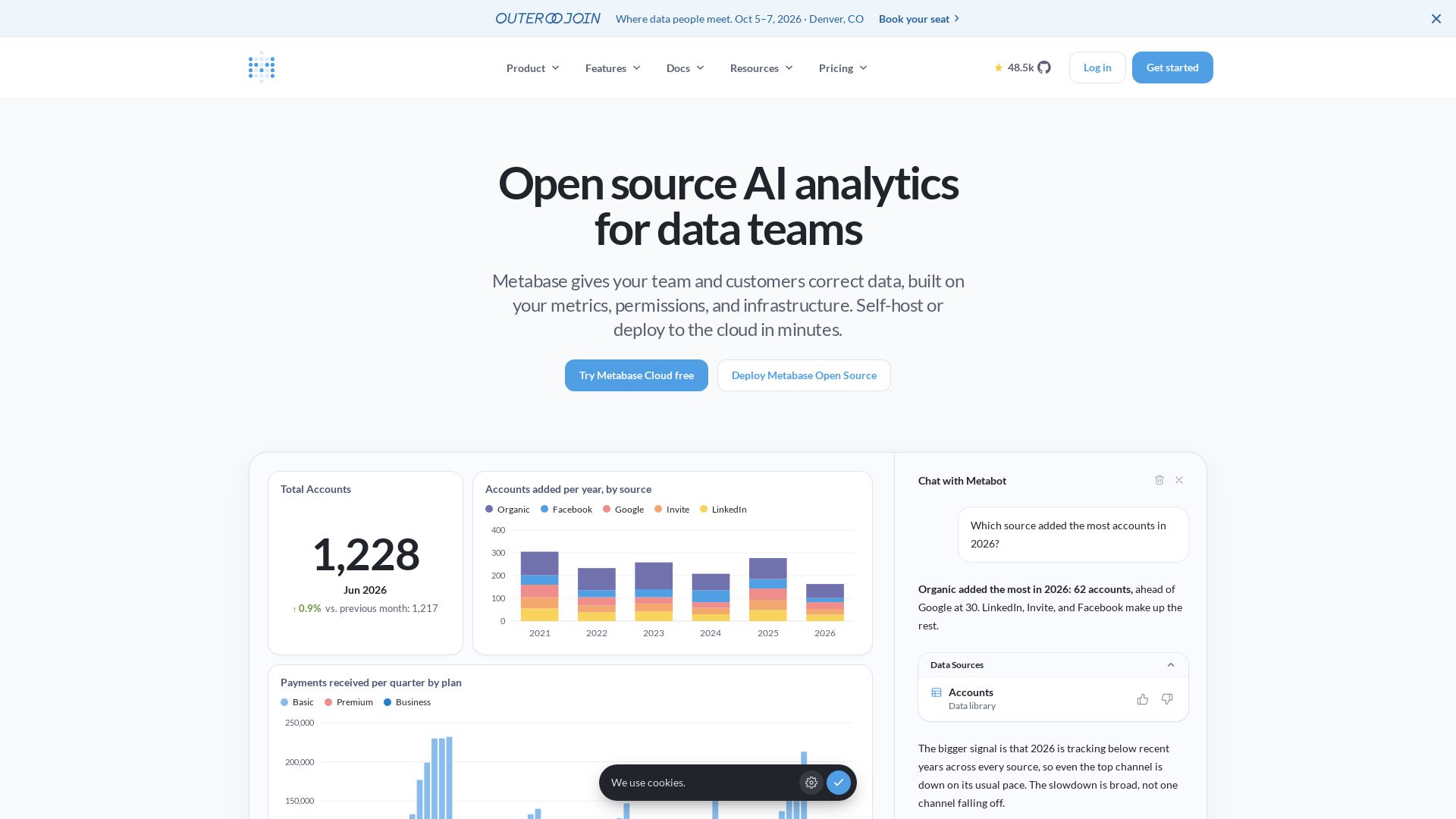
Metabase
Metabase offers self-service analytics, embedded analytics, and AI-powered querying. Open source, deploy in minutes. Trusted by 100k+ companies.

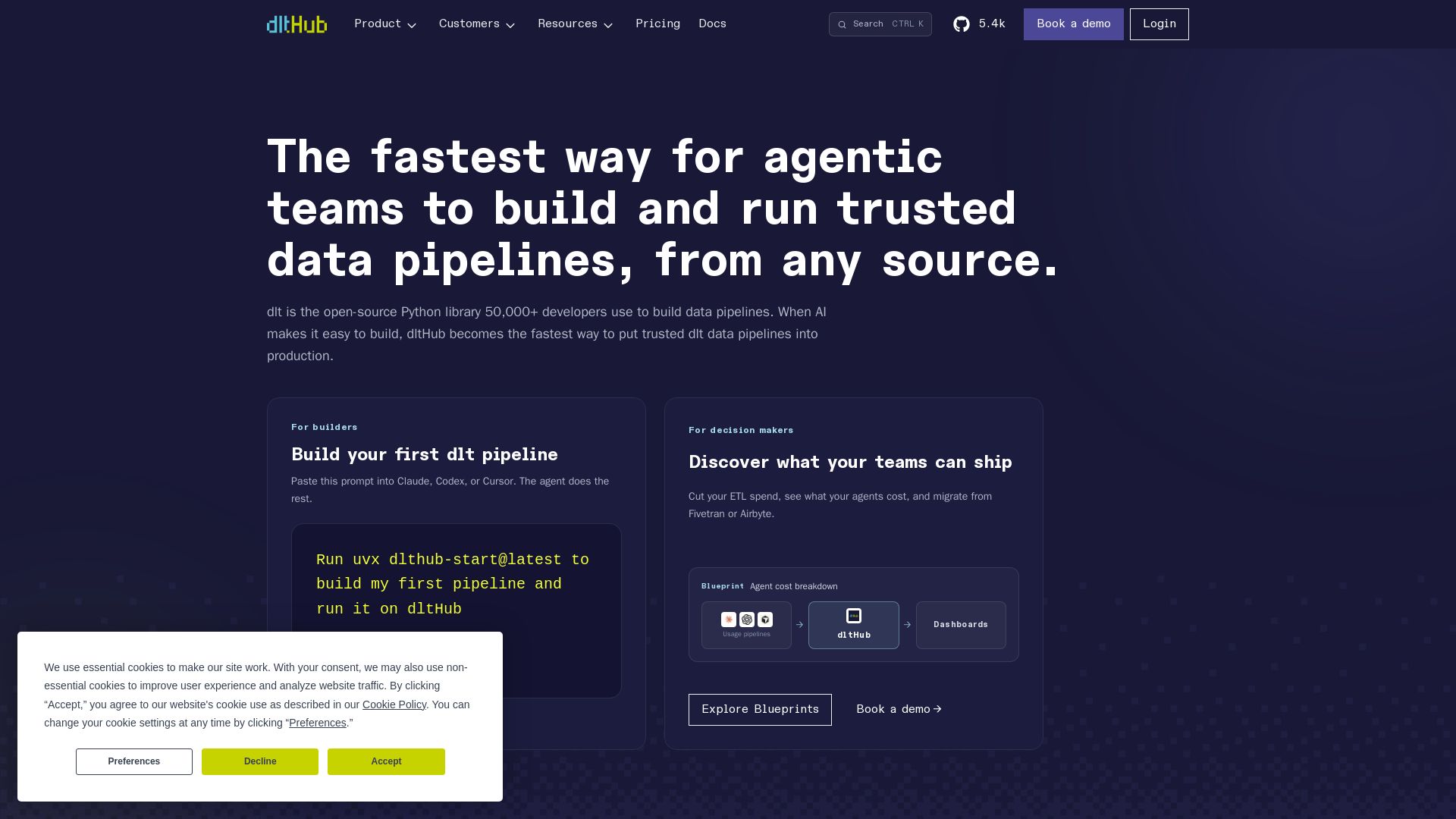
dltHub
Build data pipelines with dlt, the open-source Python library trusted by 50k+ developers. Use agents, deploy with one command, and migrate from Fivetran or Airbyte 90% faster.

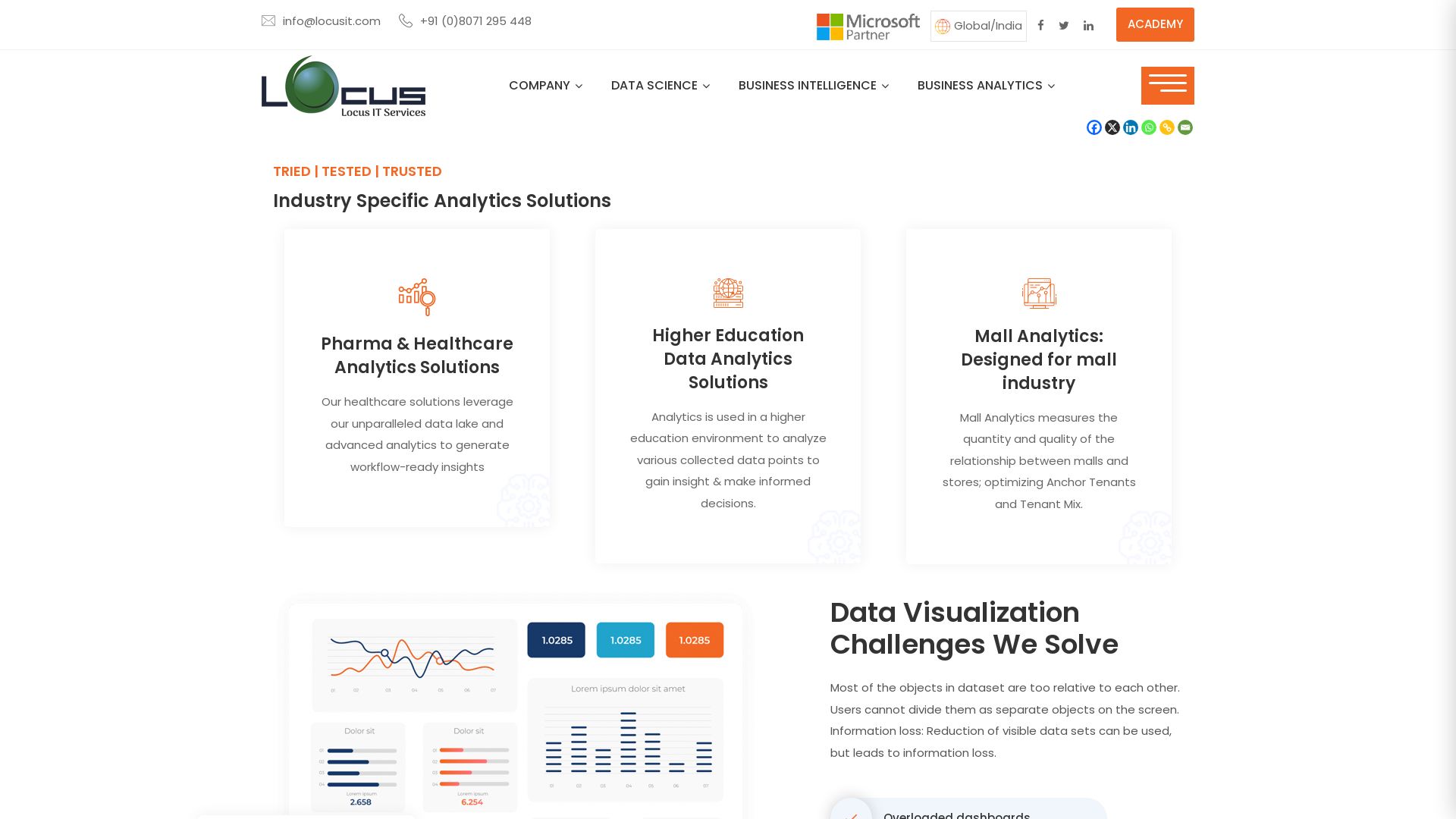
Vertex AI Fundamentals: Introduction to Google Cloud's ...
Expert data science, business intelligence, and analytics services for Pharma, Education, Retail. Global delivery from India & Sweden. Tried, tested, trusted.

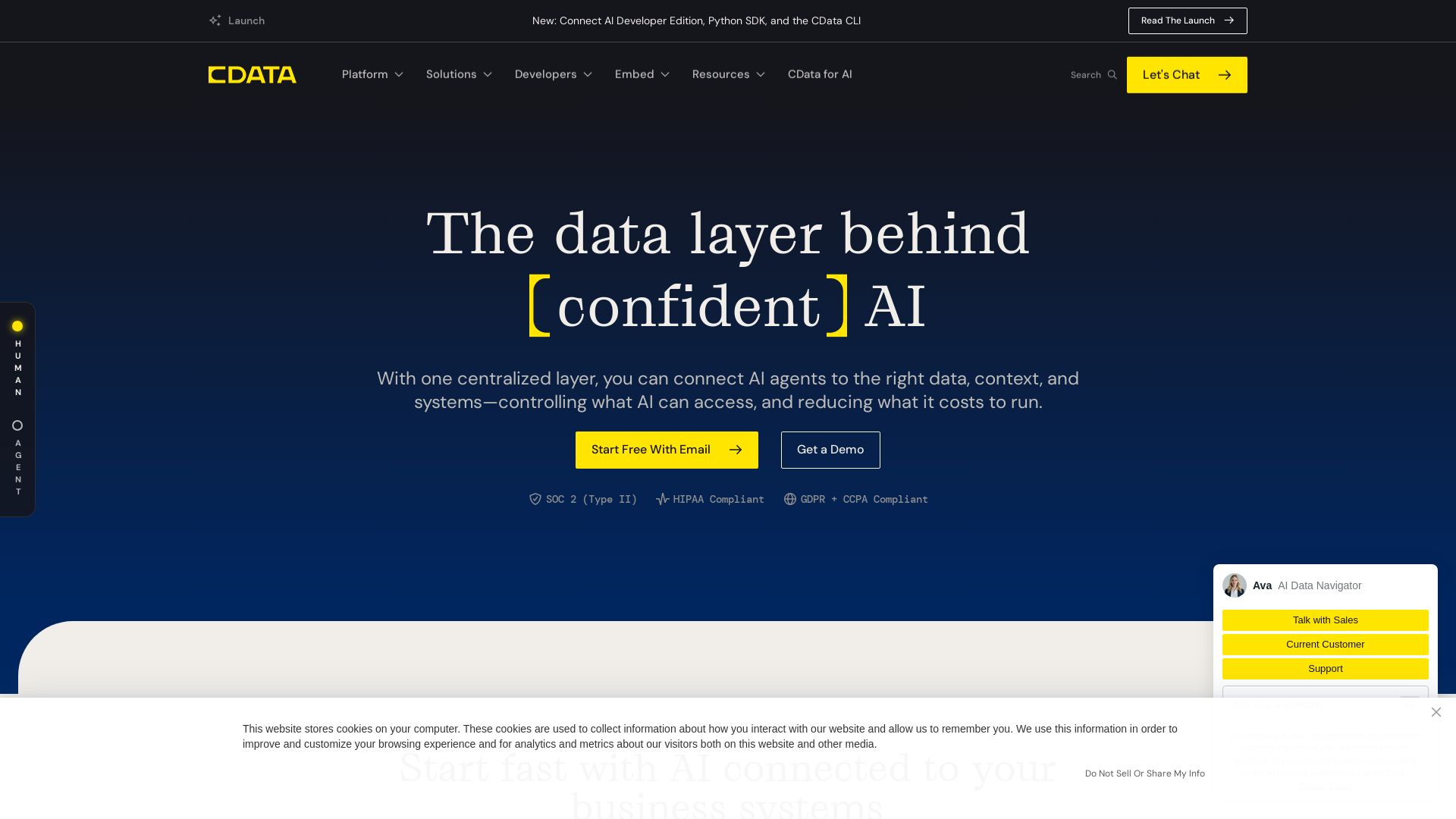
CData Software
One centralized data layer for live, governed connectivity to hundreds of sources. Power AI agents, analytics, and apps with accurate, secure data access.

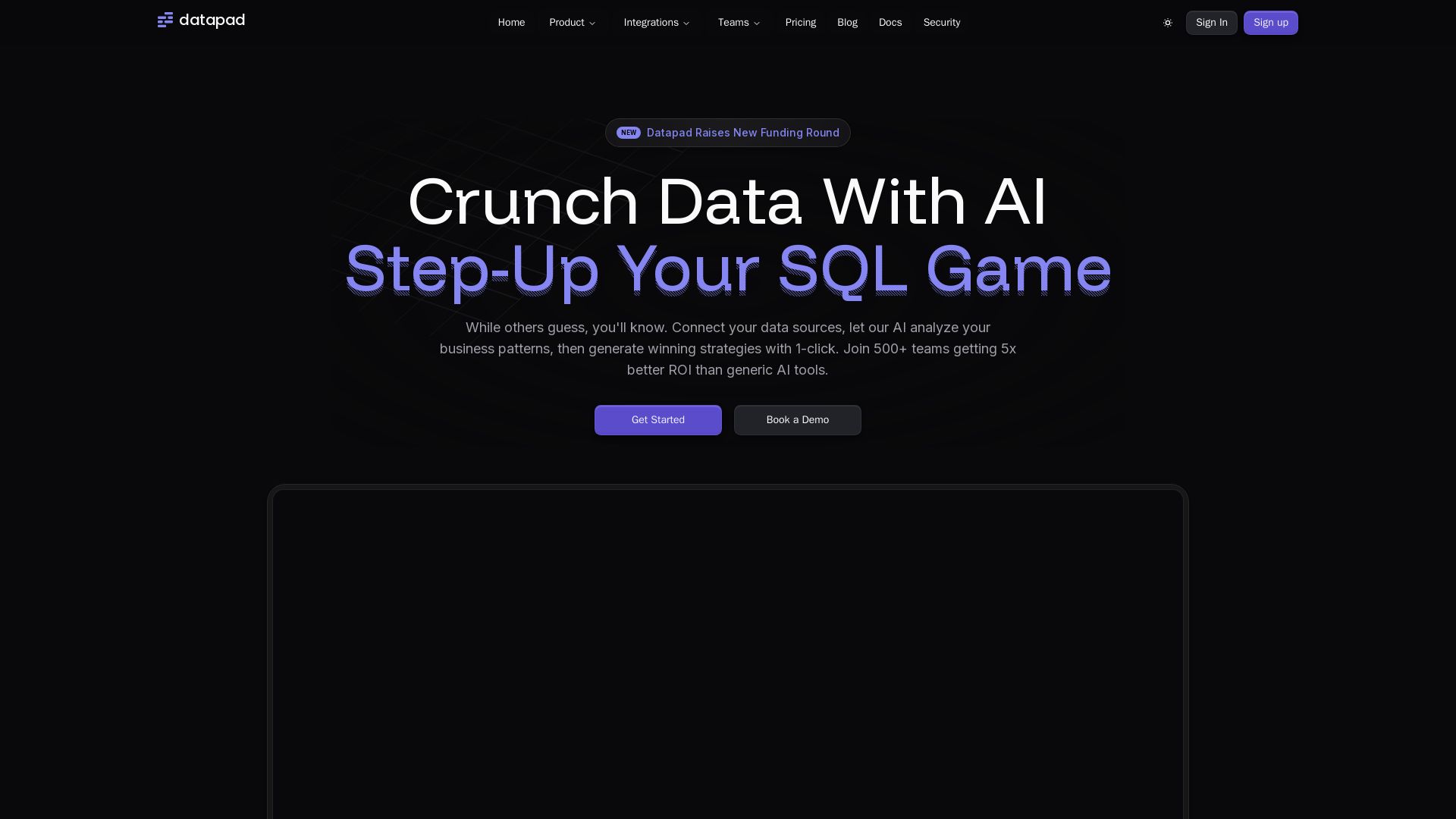
Datapad
Connect any data source, ask questions in plain English. Datapad's AI generates instant insights, dashboards, and strategies. Join 500+ teams getting 5x better ROI.

ℹ️ Curation Disclosure: The overview and features of Databricks were synthesized using AI and fact-checked by our curation team to ensure accuracy.