
Nexus
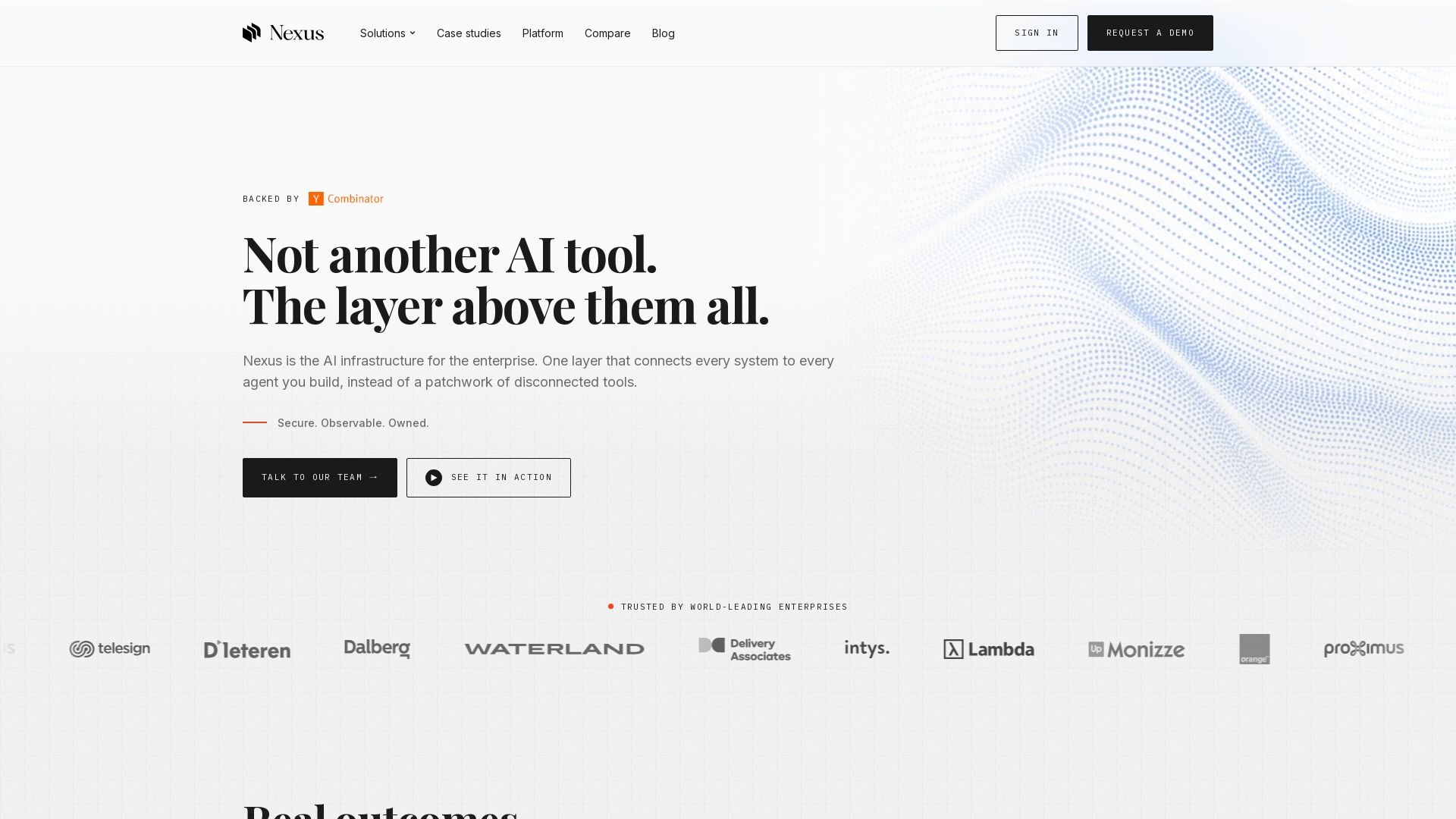
The single layer that connects every system to every agent you build. Secure, observable, and owned. No more patchwork of AI tools.
Editor's Verdict
Key Takeaways
- Unified AI Infrastructure
- Secure, Observable, Owned
- Reusable Building Blocks
- Fast Deployment
In-Depth Review: What is Nexus?
Nexus is the AI infrastructure layer for enterprises, solving the fragmentation of point solutions. It connects every existing system and AI model into reusable building blocks, enabling teams to build, deploy, and account for agents without IT bottlenecks. Trusted by leading enterprises, Nexus delivers measurable outcomes: millions in revenue, billions in pipeline, and thousands of hours saved. Go from pilot to production in 12 weeks.
Core Features
Unified AI Infrastructure
One layer that connects every system to every agent, replacing a patchwork of disconnected tools.
Secure, Observable, Owned
Enterprise-grade security, observability, and data ownership across all agents.
Reusable Building Blocks
IT sets up systems, models, and permissions once; business assembles them into agents without re-approval.
Fast Deployment
Live demo in 24 hours and a production agent within 12 weeks.
Measurable Business Impact
Proven outcomes like yearly LTV, pipeline identified, and hours freed across industries.
Pricing
Enterprise
- Unified AI infrastructure layer
- Secure, observable, and owned
- Reusable building blocks
- Fast deployment (live demo in 24h)
- Enterprise-grade support
Pros and Cons
Pros
- Unified PlatformReplaces multiple disconnected AI tools with a single layer, reducing complexity and fragmentation.
- Fast Time-to-ValueAgents can be live in as little as 4 hours and rolled out across markets in weeks.
- Enterprise-Grade SecurityOffers secure, observable, and owned infrastructure that meets enterprise compliance needs.
- Scalable by DesignTrusted by world-leading enterprises with proven outcomes at scale (e.g., $6B+ AI company).
- Business EmpowermentNon-engineers can build and enhance agents, enabling faster response to business needs.
Cons
- Pricing Not TransparentNo publicly listed pricing; requires contacting sales, which may be a barrier for some.
- Requires Initial IT SetupIT must configure models and systems initially, which may slow early adoption.
- Potential Vendor Lock-inMigrating away from Nexus could be complex due to integration deep into workflows.
- Learning CurveTeams may need training to adapt to the agent-building paradigm and new infrastructure.
- Enterprise FocusMay not suit small businesses or startups due to enterprise-oriented features and pricing.
Use Cases & Recommended Professions
CTO/CIO→ View Toolkit
Needs a unified AI infrastructure to avoid tool sprawl and ensure security, observability, and control across the enterprise.
AI Engineer→ View Toolkit
Builds and deploys agents on top of a standardized infrastructure without rebuilding integrations.
IT Manager→ View Toolkit
Configures systems, models, and permissions once, enabling business teams to self-serve agent creation.
Product Manager→ View Toolkit
Leverages agent capabilities to enhance customer experiences and iterate quickly on features.
Sales/Revenue Operations→ View Toolkit
Uses autonomous agents to identify pipeline and improve conversion rates, as shown in case studies.
Consulting Firm Manager→ View Toolkit
Automates repetitive tasks across the consulting lifecycle to free up hours monthly.
Frequently Asked Questions
Alternative AI Tools
View Detailed Comparison →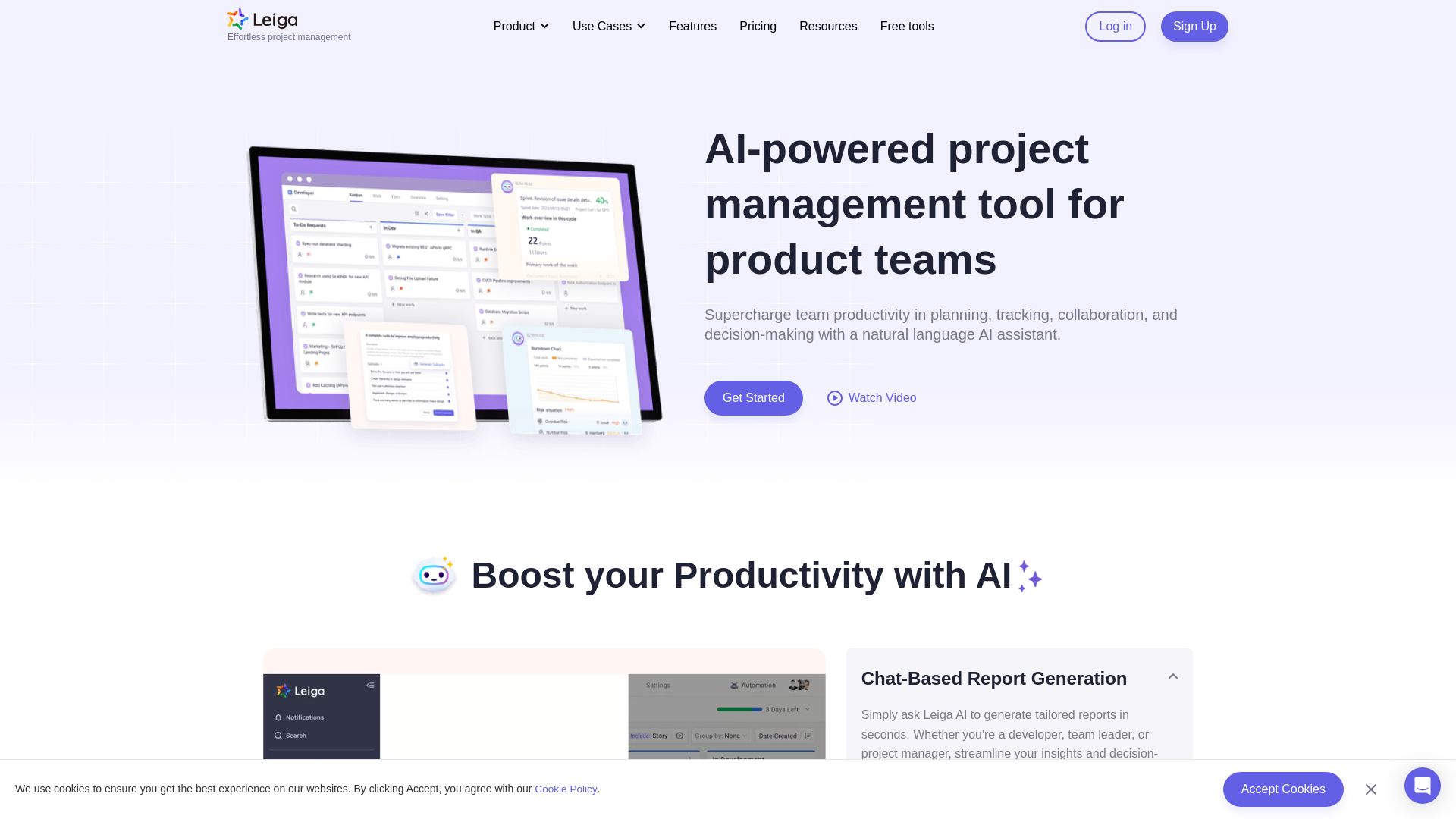
Leiga
Supercharge team productivity with AI-driven planning, tracking, and collaboration. Chat-based reports, automated workflows, and risk warnings. Free forever.

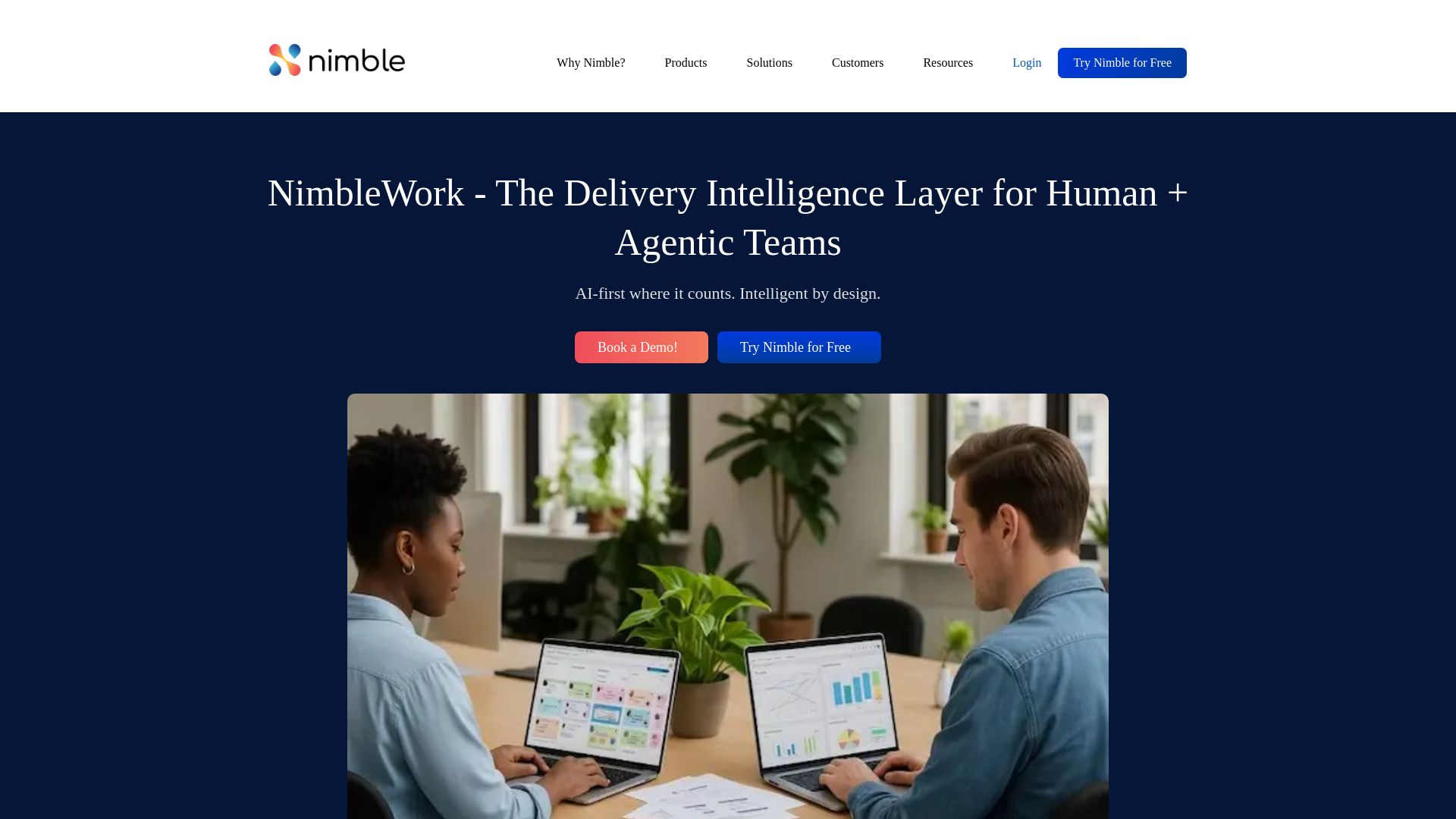
NimbleWork
Boost productivity with AI-driven work management. Visual boards, agile tools, and analytics trusted by industry leaders. Try for free!

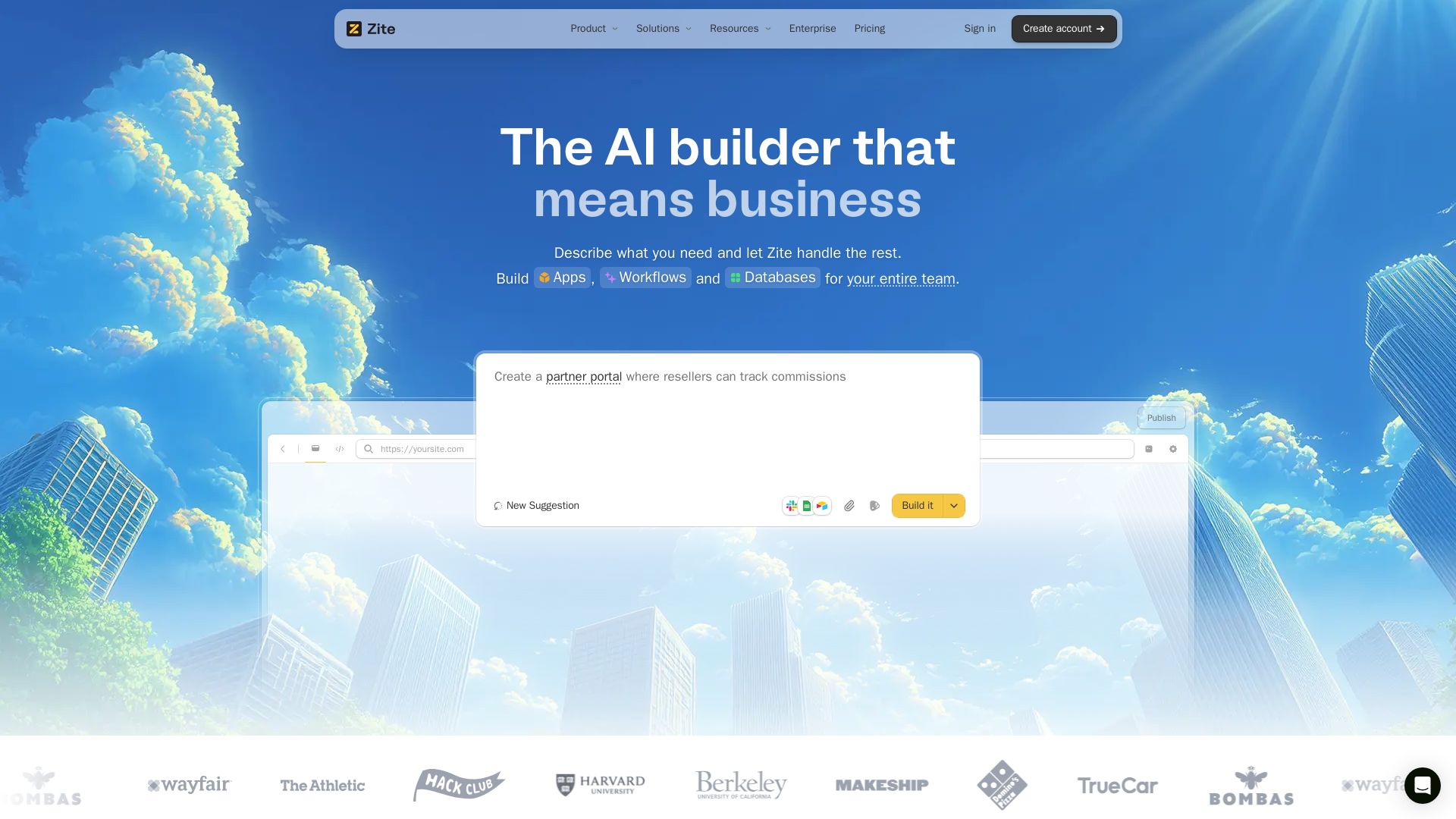
Zite
Describe your app idea and let AI build it. Create apps, workflows, databases quickly. Deploy with no per-user fees. Secure & enterprise-ready.


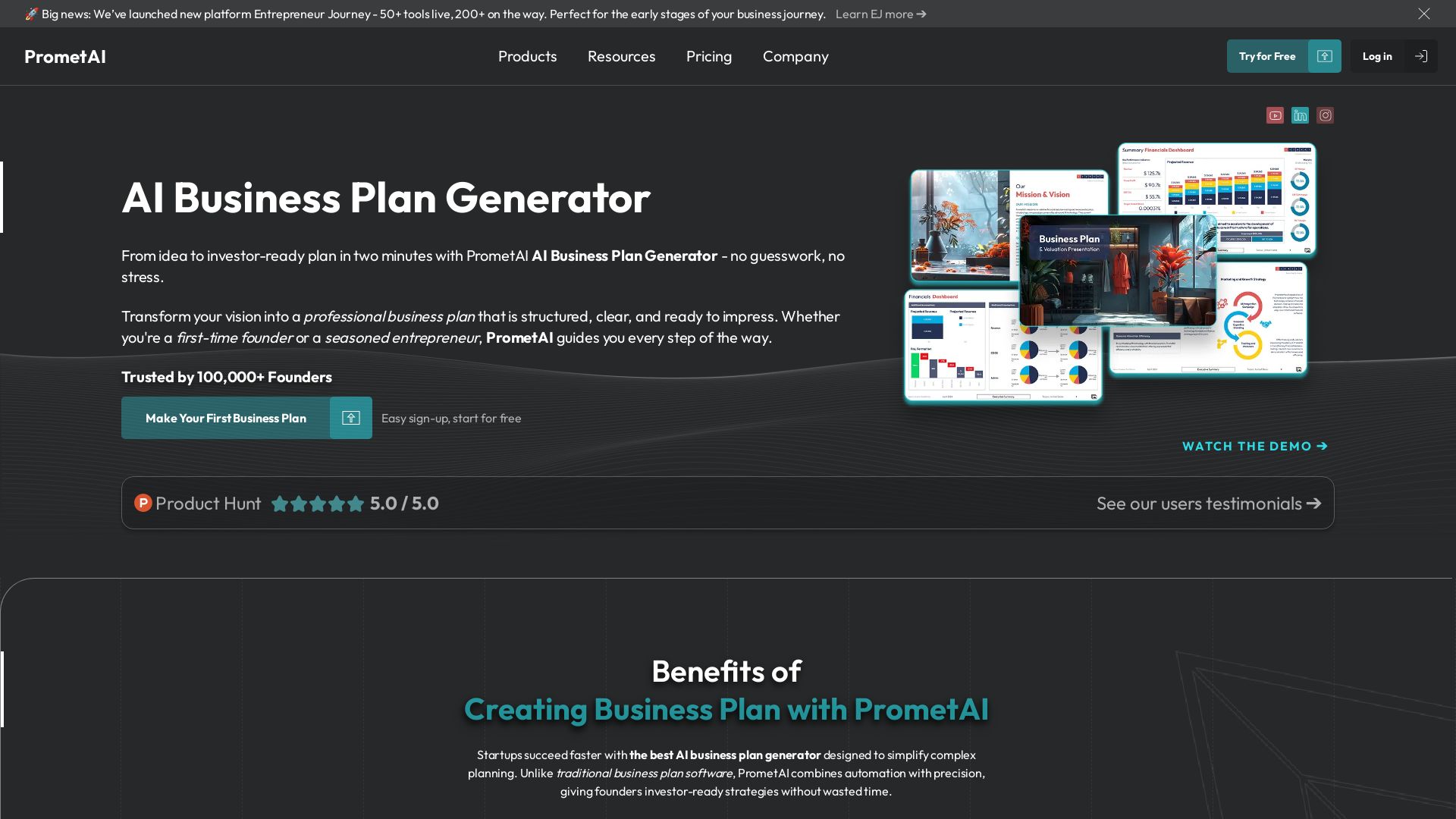
PrometAI
Generate investor-ready business plans in minutes with PrometAI's AI. Trusted by 100,000+ founders. Start for free, no guesswork.

ManageEngine
Total visibility and control. Manage identity, endpoints, IT services, security, and more with AI-powered tools. Trusted by enterprises. Free 30-day trials.

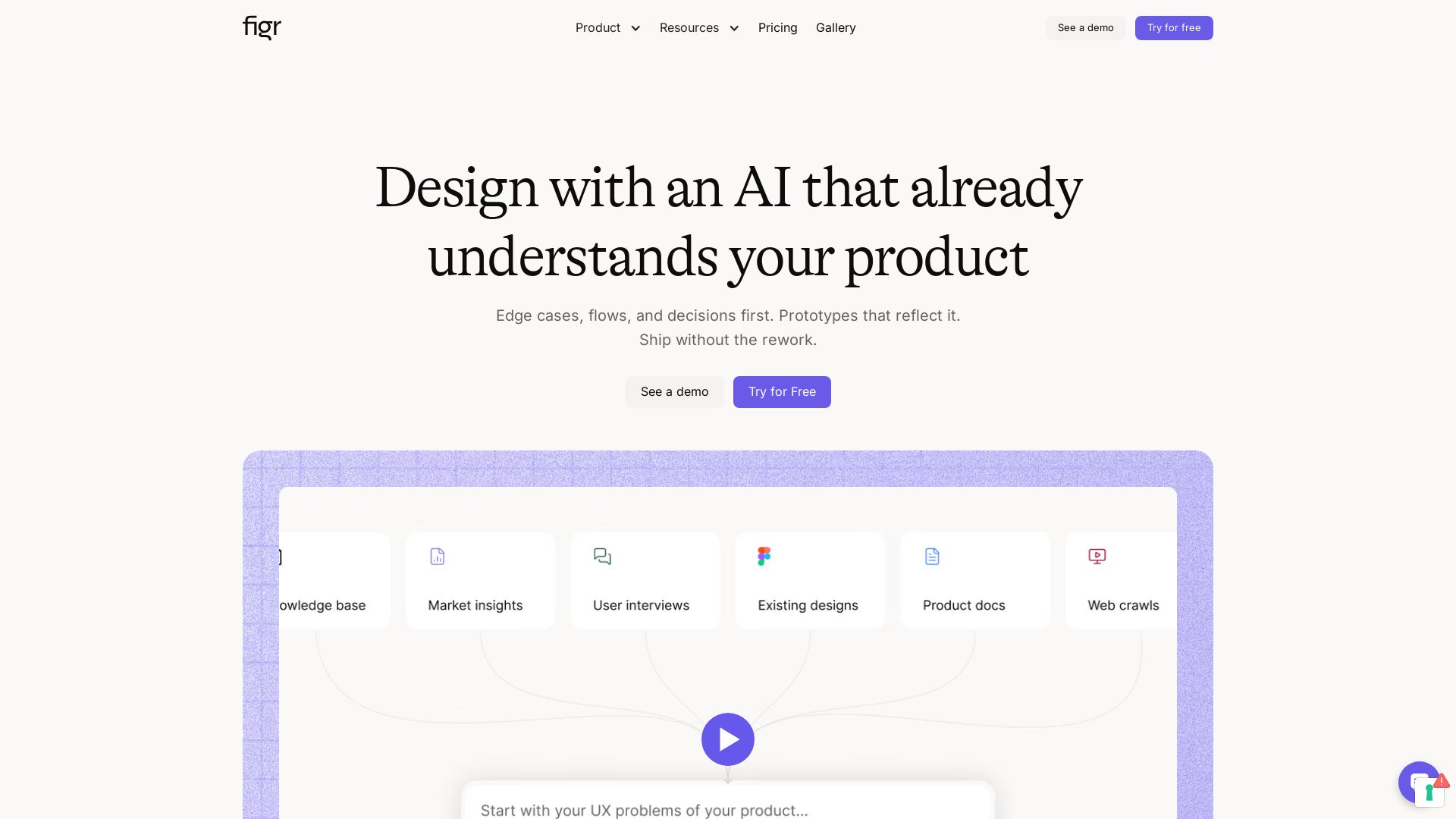
Figr
Ship better UX faster. Figr builds a living understanding of your product, maps flows, finds edge cases, and generates high-fidelity prototypes from your actual design system.

Kroolo
Replace 10+ fragmented apps with one AI-native platform. Kroolo unifies work, AI agents, and enterprise search to boost productivity up to 70%.

Assembled
Streamline scheduling, people management, and reports with Assembled. Integrate your platforms and deploy AI agents to boost team productivity.
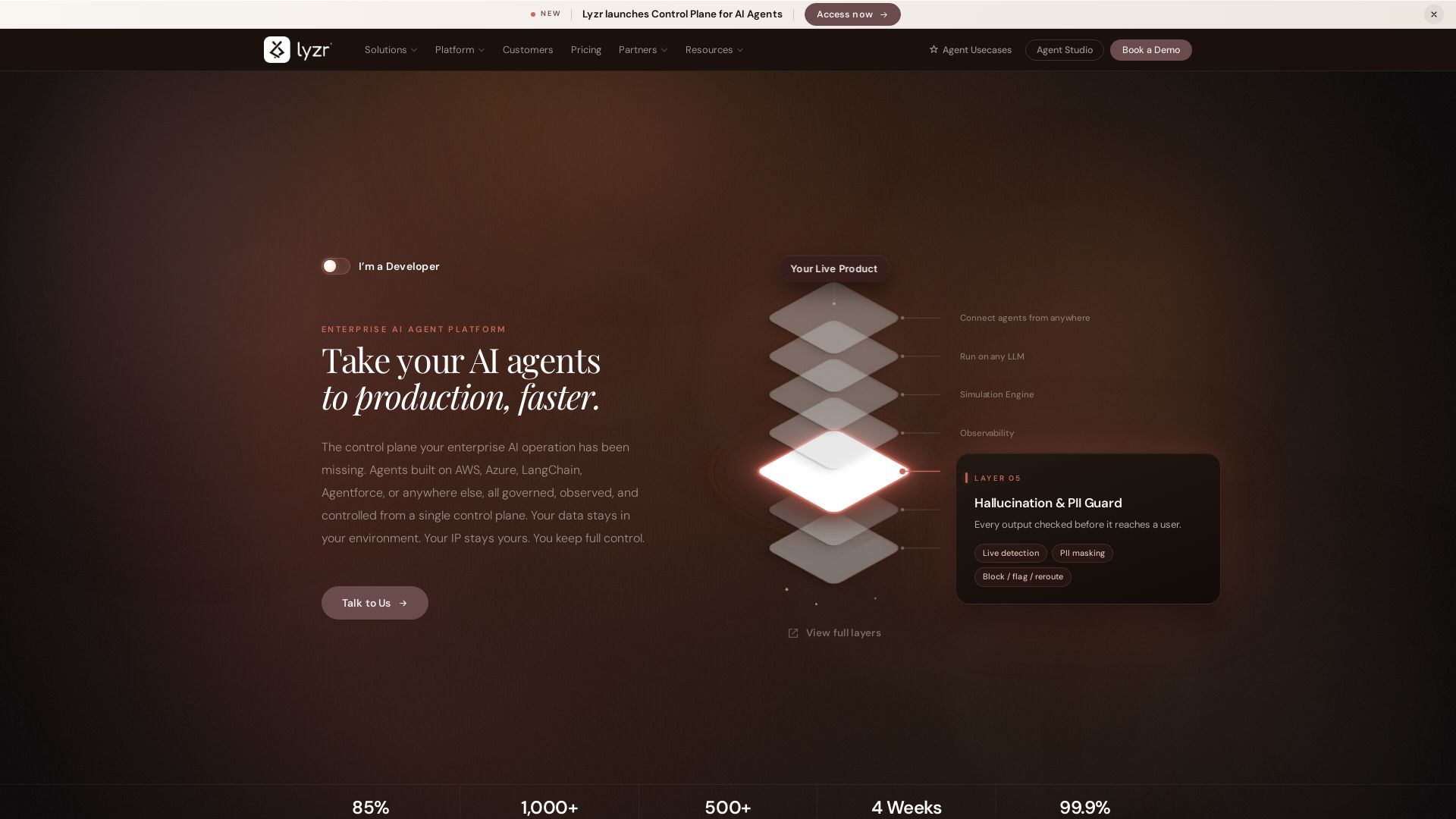
Lyzr
Ship AI agents to production faster with Lyzr's unified control plane. Connect any framework, swap LLMs, simulate, observe, and govern. Trusted by enterprises.

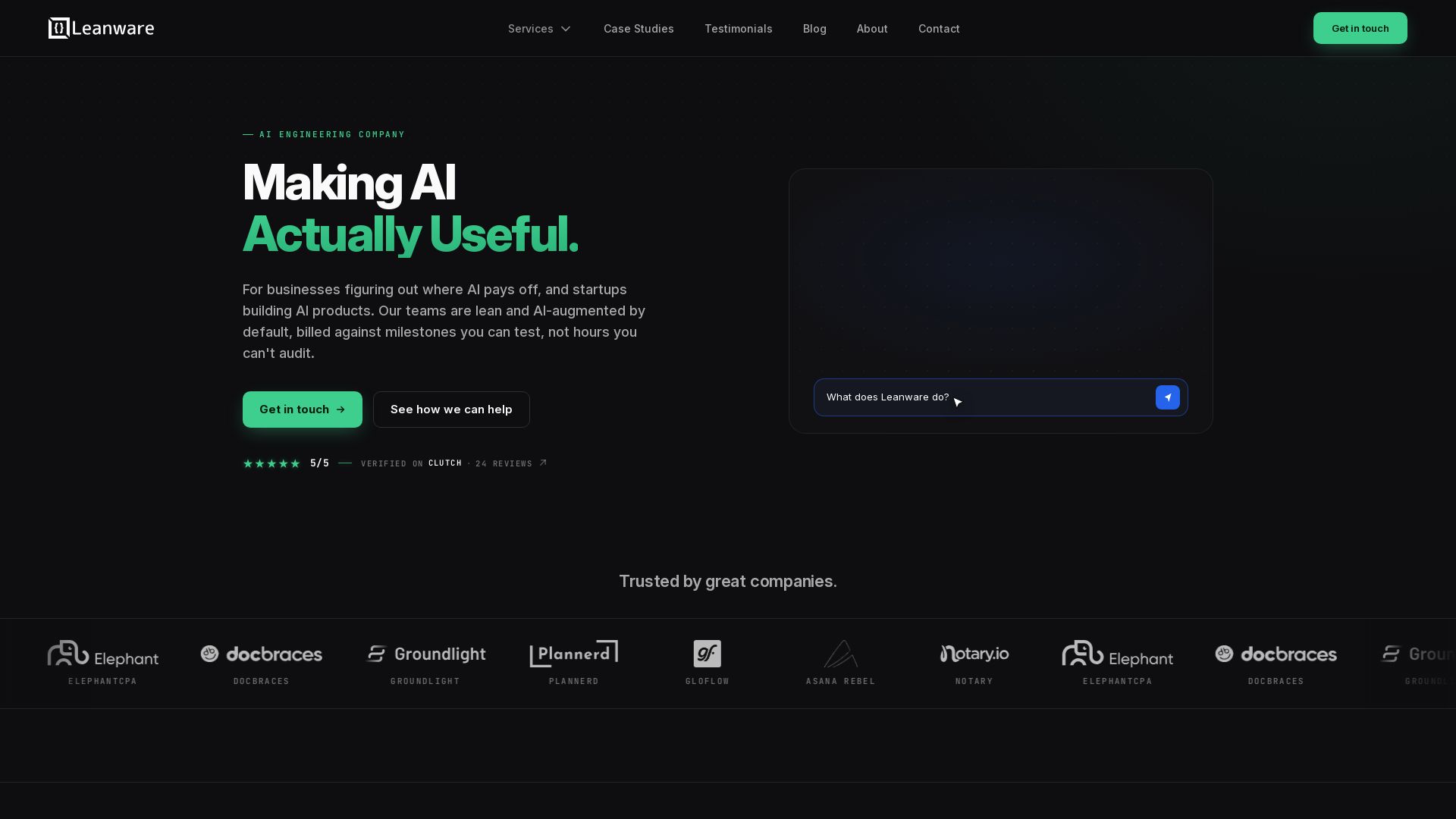
Leanware
We build custom AI agents, ship AI products, and assess AI ROI. Milestone-billed, lean teams, no handoffs. Trusted by startups and businesses.

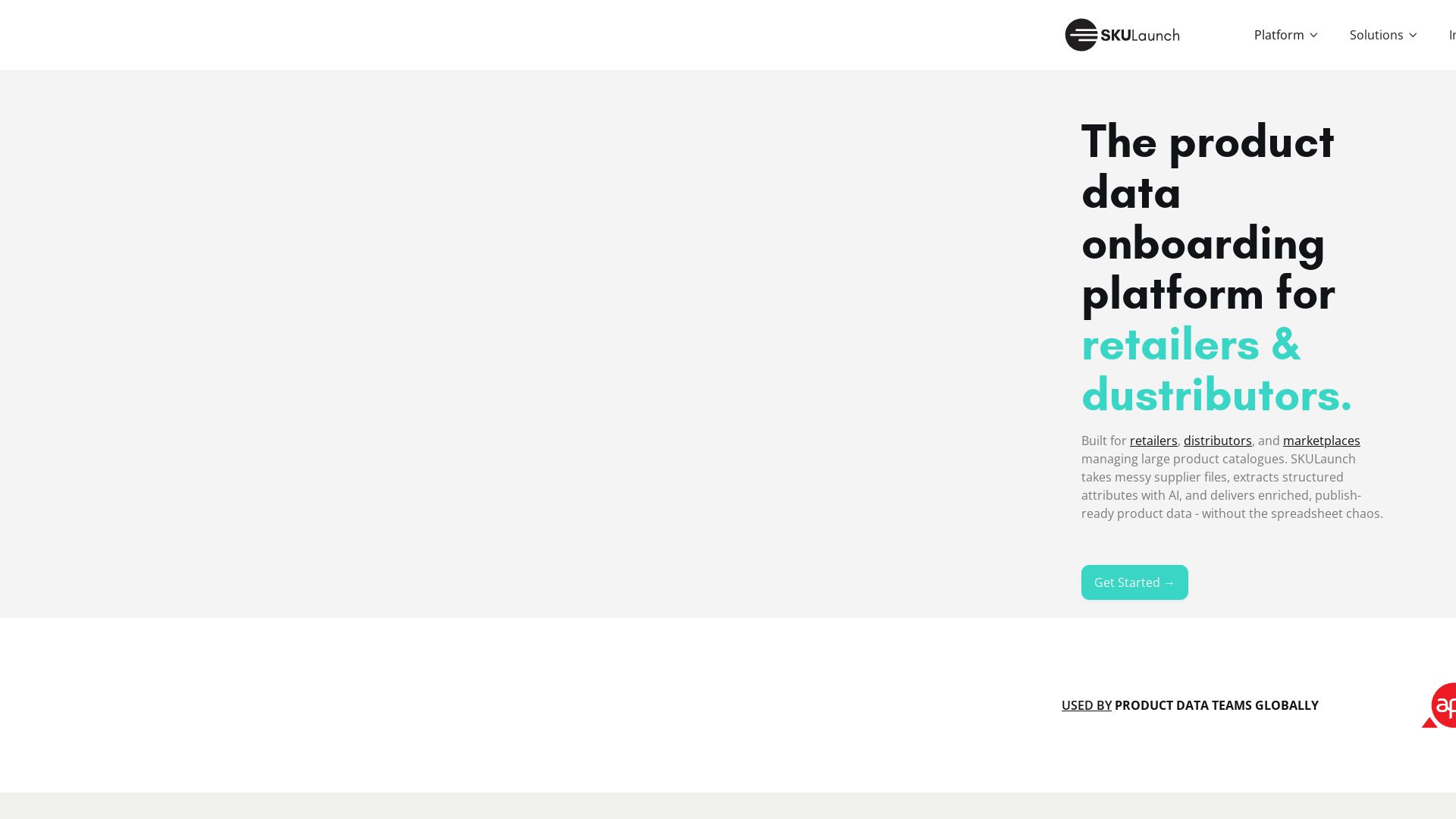
SKULaunch
Automate supplier data onboarding, AI extracts attributes, enrich product catalogs, and publish ready data. From messy files to filterable search.

ℹ️ Curation Disclosure: The overview and features of Nexus were synthesized using AI and fact-checked by our curation team to ensure accuracy.