
Glen
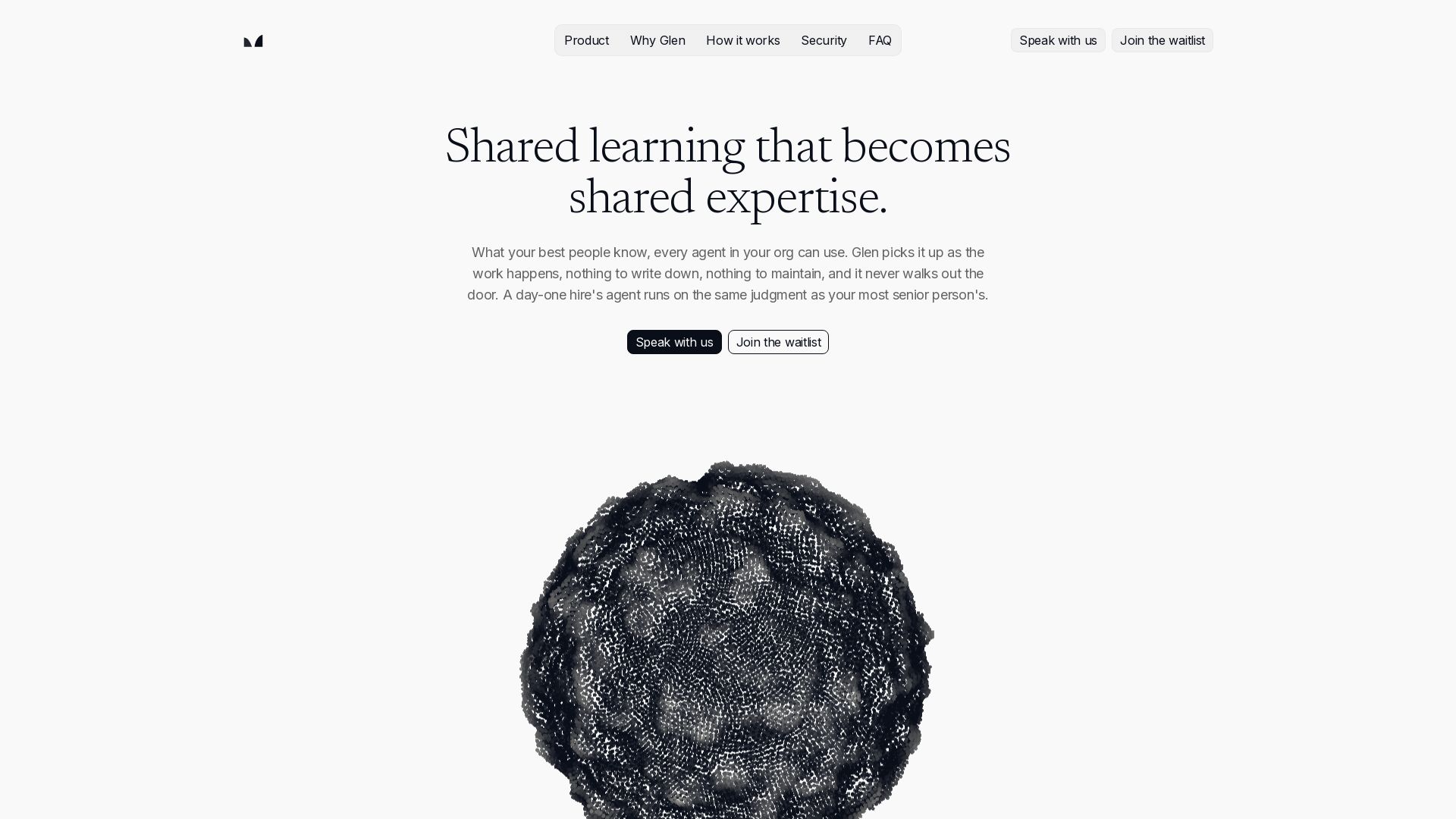
Glen captures and shares expertise across your AI agents. No more lost knowledge – every agent learns from your best people.
Editor's Verdict
Key Takeaways
- Shared learning across all agents
- Automatic observation-level RBAC
- Infinite retention
- Expertise transfer
In-Depth Review: What is Glen?
Glen is a shared learning system for AI agents that captures organizational knowledge as work happens. It stores every decision, lesson, and customer insight in one source of truth, so all agents—from support bots to coding assistants—can recall and apply it. This eliminates ramp-up time, prevents knowledge loss when people leave, and ensures every agent answers from the same facts. With automatic RBAC and infinite retention, Glen turns individual expertise into compound, org-wide intelligence.
Core Features
Shared learning across all agents
Every agent in the organization reads and writes to a single knowledge store, so what one learns becomes available to all, eliminating silos and ensuring consistent answers.
Automatic observation-level RBAC
Access control is applied per observation automatically at recall, ensuring agents only surface information the user is cleared to see, protecting sensitive data like compensation spreadsheets.
Infinite retention
Knowledge persists indefinitely beyond context windows and sessions, so a decision made in March is still recallable in March of the next year, including the reasoning behind it.
Expertise transfer
An agent can replicate the expertise of any individual in the org, such as a platform engineer's deploy recipe or a support lead's escalation playbook, making best practices universally available.
Zero ramp-up time
New hires inherit a living snapshot of the org's decisions, conventions, and gotchas, reducing onboarding from months to first session with their agent already aligned to company standards.
Knowledge preservation upon employee departure
When key employees leave, their hard-won lessons, decisions, and customer quirks remain in the org's shared store, preventing loss of context and reducing turnover cost.
Pricing
Waitlist
- Shared learning for all AI agents
- MCP-compatible client integration
- Automatic knowledge capture with no manual effort
- Observation-level RBAC
- Infinite retention with auditable records
- Org-wide knowledge compounding
Pros and Cons
Pros
- Centralized KnowledgeAll agents share a single source of truth, eliminating contradictory versions of facts and ensuring consistency across teams.
- No Manual MaintenanceKnowledge is captured automatically as work happens; no need for documentation or upkeep.
- Preserves ExpertiseWhen employees leave, their insights stay in the org, reducing knowledge loss and accelerating replacement ramp-up.
- Security-First DesignAutomatic RBAC and encryption ensure sensitive data is only accessible to authorized users.
- Agent-AgnosticWorks with any MCP-compatible client (Claude, Cursor, Codex, etc.), so existing tools are supported.
Cons
- Dependency on MCPOnly compatible with agents and clients that support the Model Context Protocol, limiting integration with non-MCP systems.
- Waitlist AccessCurrently not publicly available; requires joining a waitlist or booking a call to get started.
- Learning Curve for SetupInitial integration requires connecting agents via MCP, which may need technical configuration.
Use Cases & Recommended Professions
Software Engineer→ View Toolkit
Can leverage shared knowledge of coding conventions, deployment recipes, and architectural decisions to write better code faster, even as a new hire.
Customer Support Agent→ View Toolkit
Agents inherit the support lead's escalation playbook and refund policies, providing consistent and accurate answers from day one.
Sales Representative→ View Toolkit
Sales agents can recall objection handling, pricing decisions, and customer commitments, enabling them to perform like top salespeople immediately.
Talent Architect / Recruiter→ View Toolkit
Recruiters can use agents that know the company's hiring playbook, screening criteria, and tool configurations, reducing ramp-up time.
Product Manager→ View Toolkit
PMs can query decisions about features, customer feedback, and usage-based pricing, ensuring alignment with past discussions and avoiding repeated mistakes.
Data Analyst→ View Toolkit
Analysts can have agents that write SQL like the data team and know the warehouse schema, pulling insights without needing to learn from scratch.
Frequently Asked Questions
Alternative AI Tools
View Detailed Comparison →
What is crewAI?
Discover how IBM's AI agents unlocked $4.5B in productivity gains. Explore watsonx, IBM Bob, and hybrid cloud to drive smarter business outcomes.

IBM
Discover how IBM's AI agents transformed operations, delivering $4.5 billion in productivity. Explore IBM Bob, watsonx Orchestrate, and more.
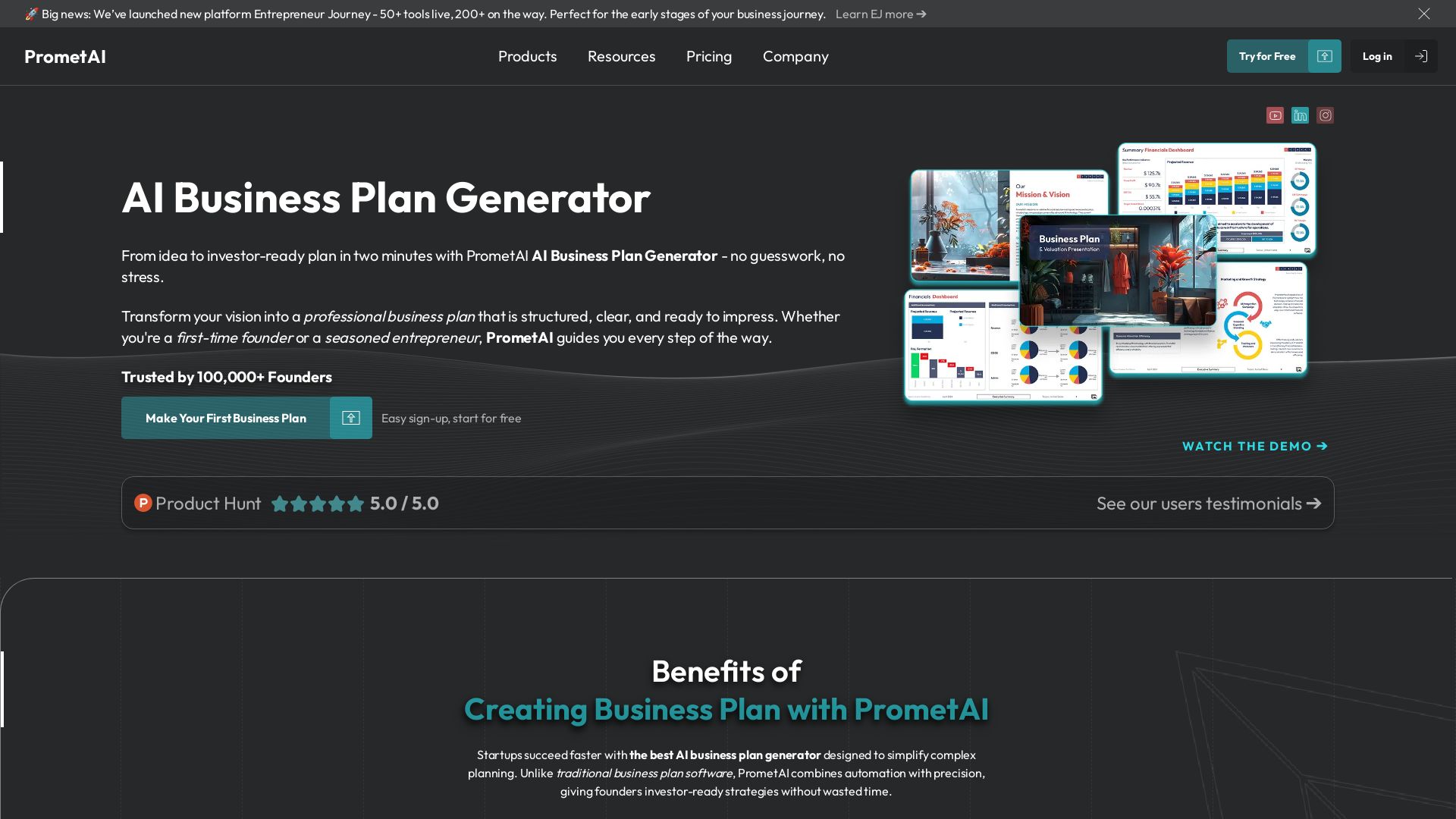
PrometAI
Generate investor-ready business plans in minutes with PrometAI's AI. Trusted by 100,000+ founders. Start for free, no guesswork.

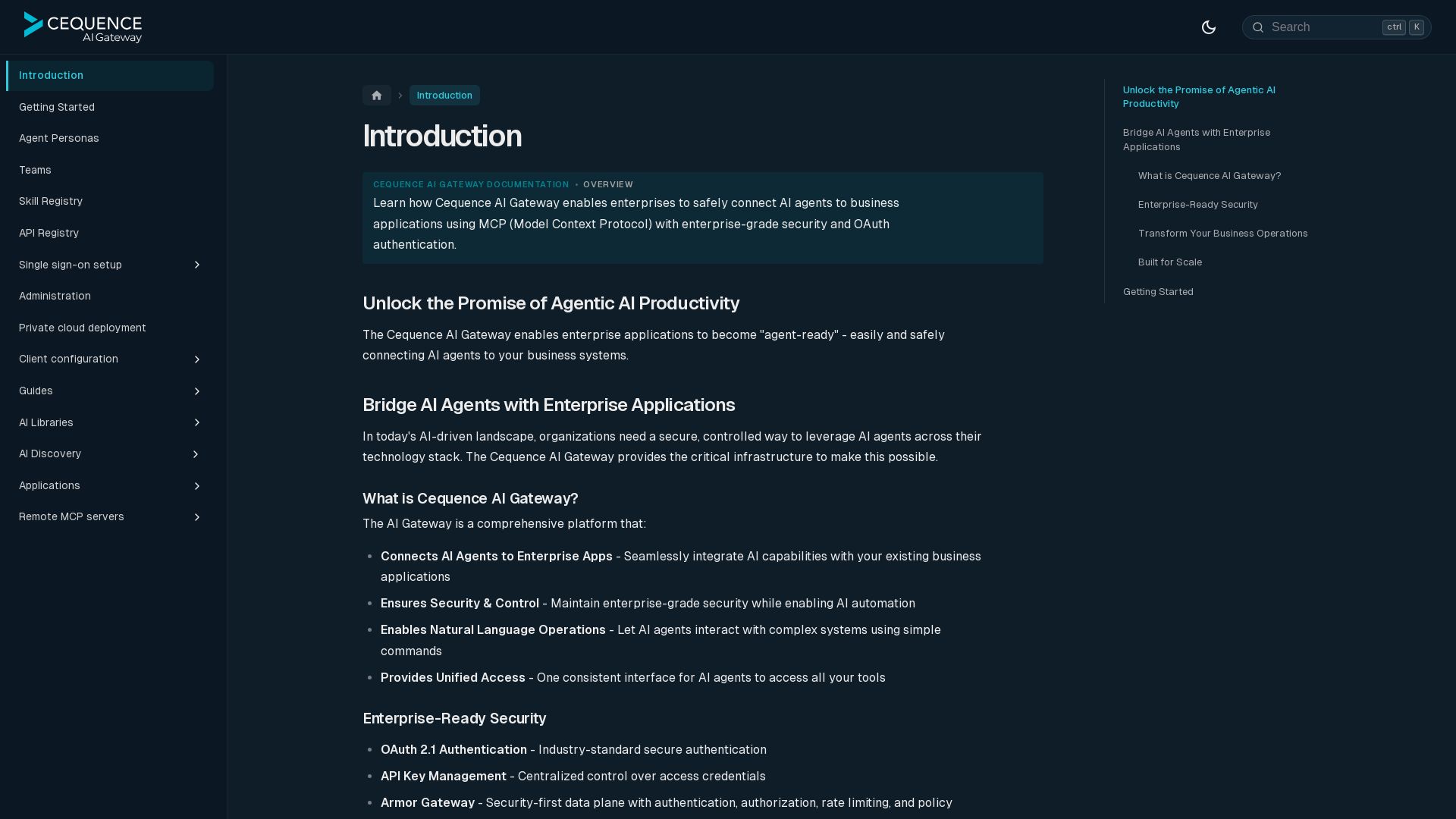
Cequence AI Gateway
Safely connect AI agents to business apps with enterprise-grade security, OAuth 2.1, and MCP. Unlock agentic AI productivity.

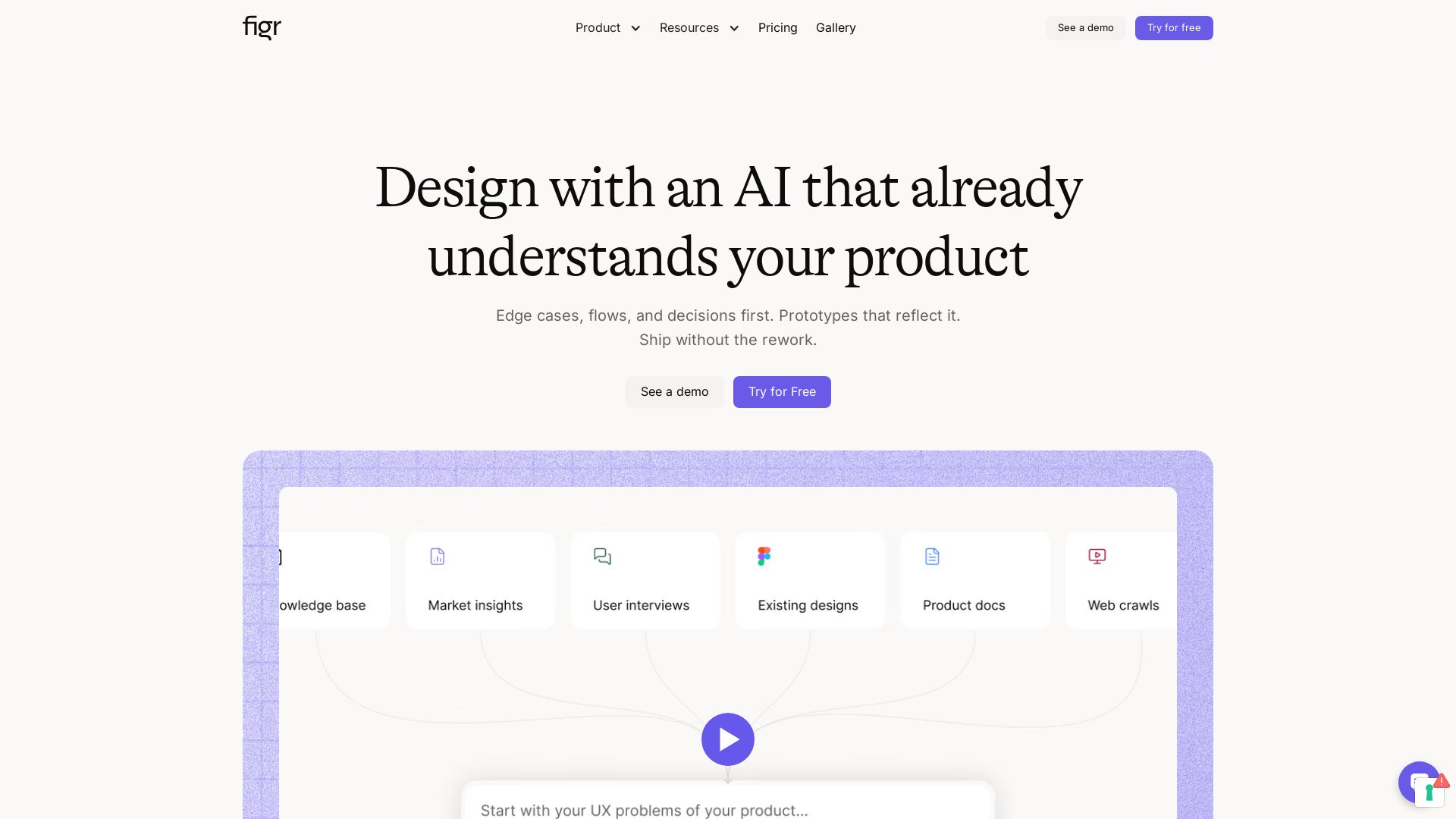
Figr
Ship better UX faster. Figr builds a living understanding of your product, maps flows, finds edge cases, and generates high-fidelity prototypes from your actual design system.

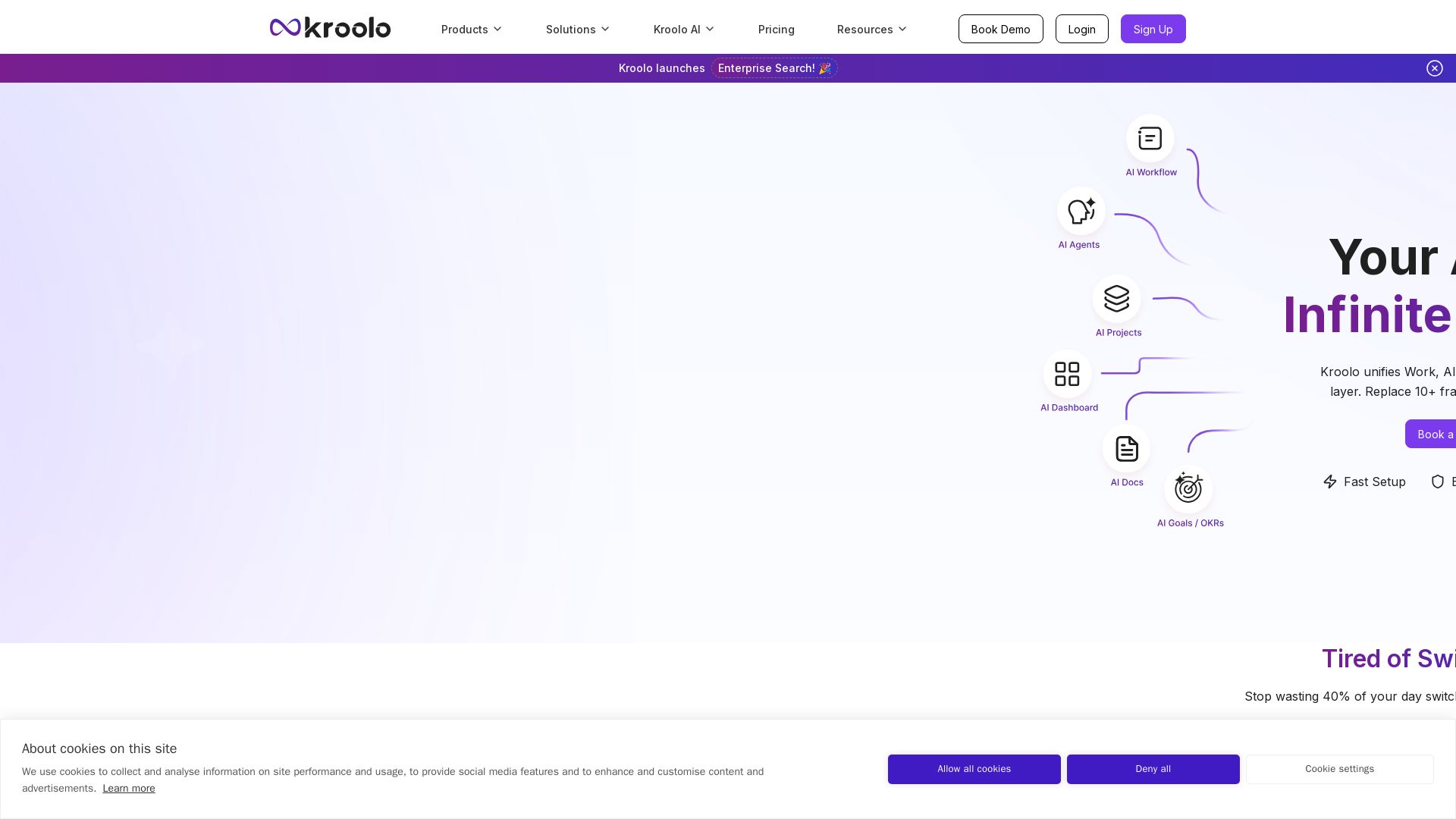
Kroolo
Replace 10+ fragmented apps with one AI-native platform. Kroolo unifies work, AI agents, and enterprise search to boost productivity up to 70%.

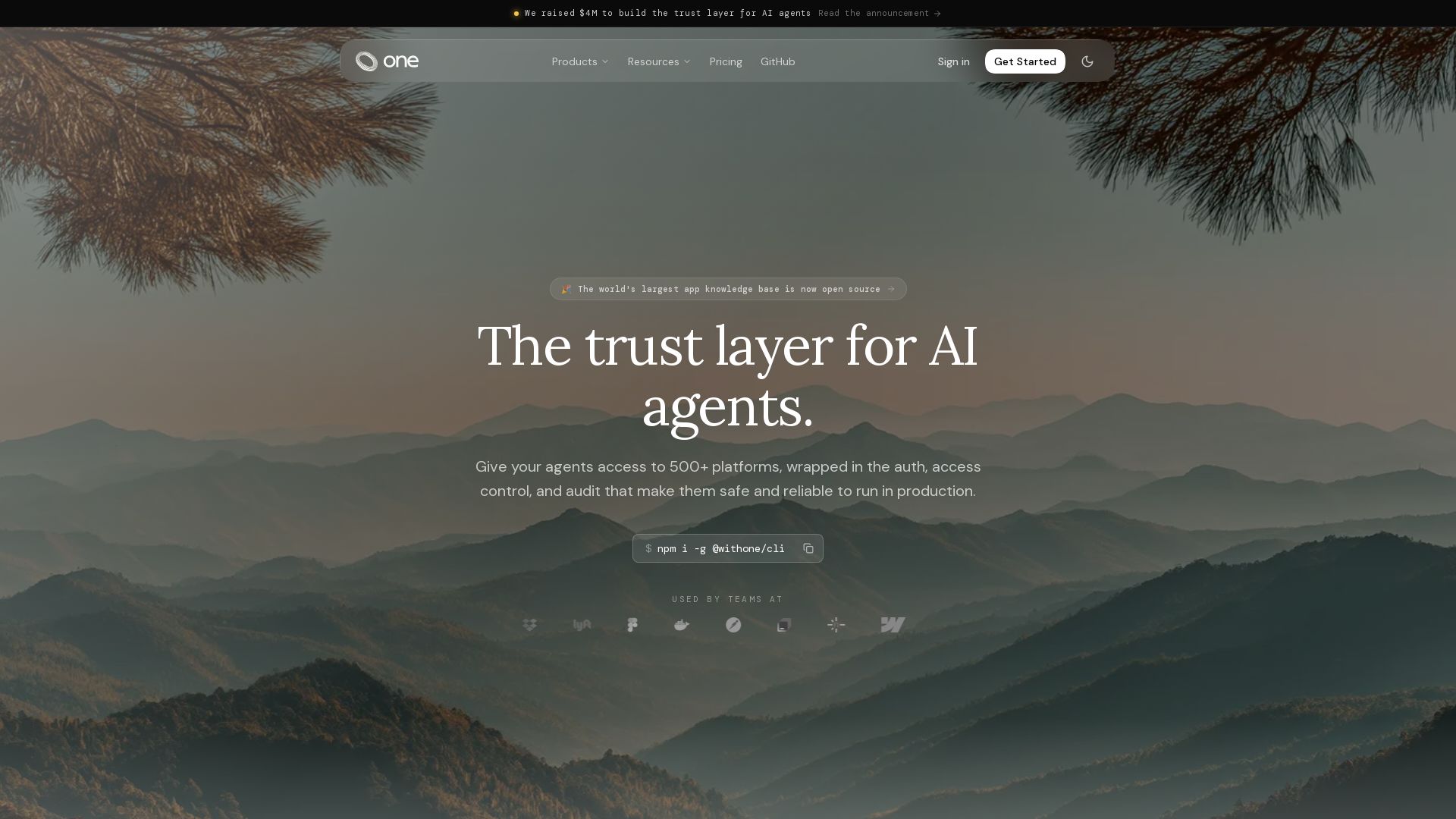
One
Give your AI agents secure access to 500+ platforms with one CLI. Managed auth, 80k+ tools, and production-ready runtime. Free to start.

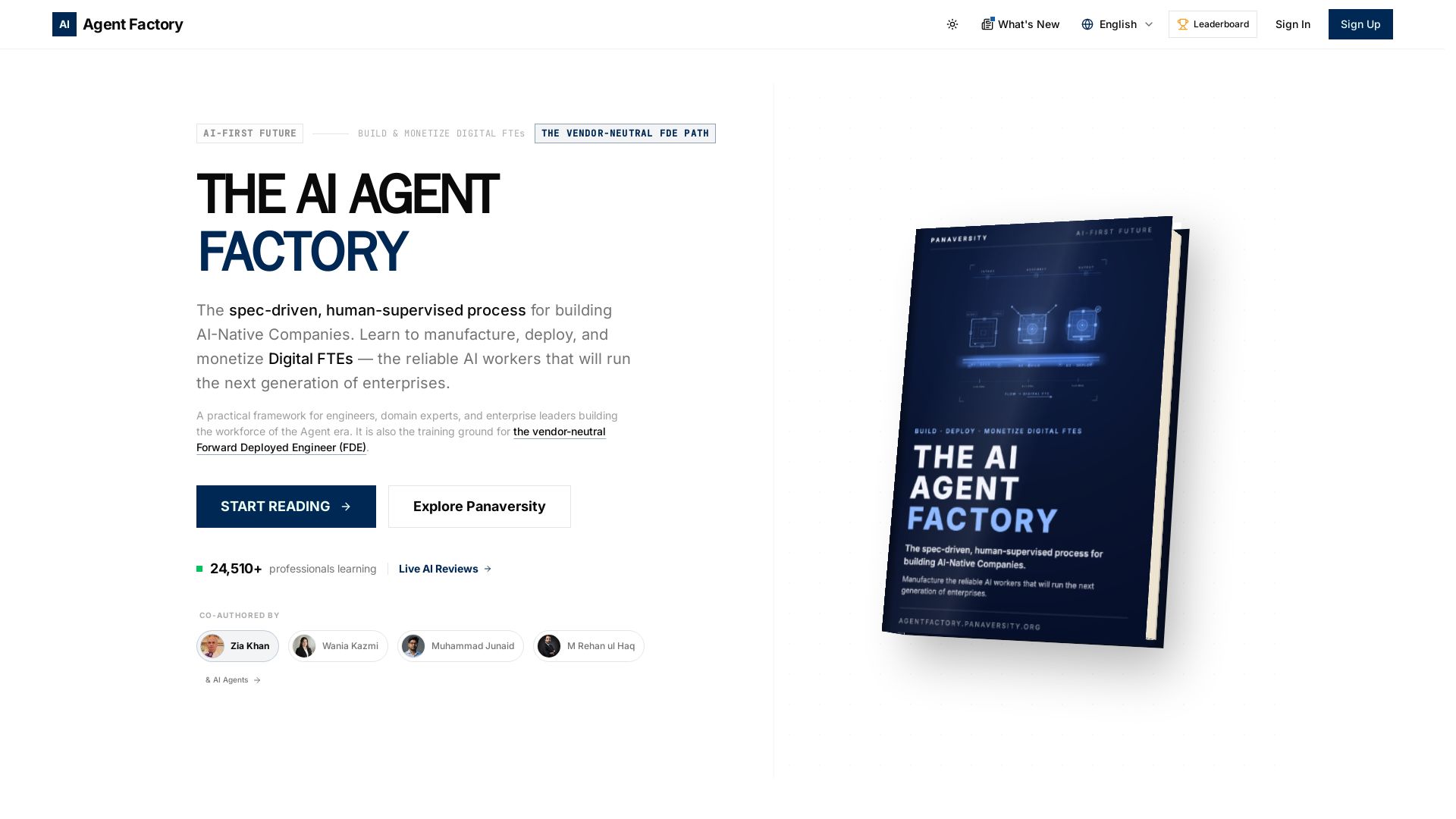
AI Agent Factory
Learn to manufacture, deploy, and monetize AI workers that work 24/7. Spec-driven framework for engineers and domain experts.

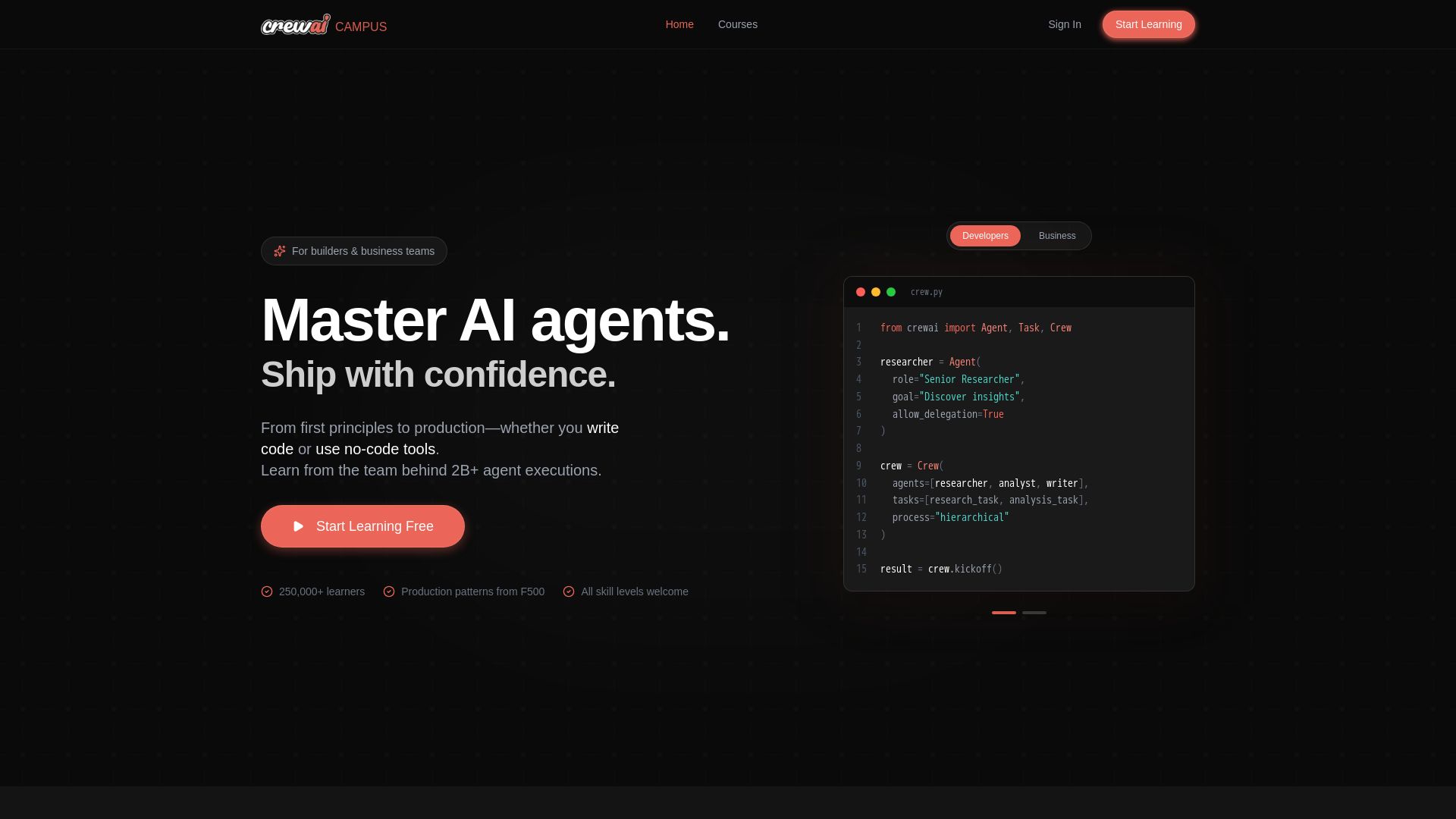
CrewAI Campus
Build production AI agents with hands-on courses from the team behind 2B+ agent executions. For developers and business teams. Start free.

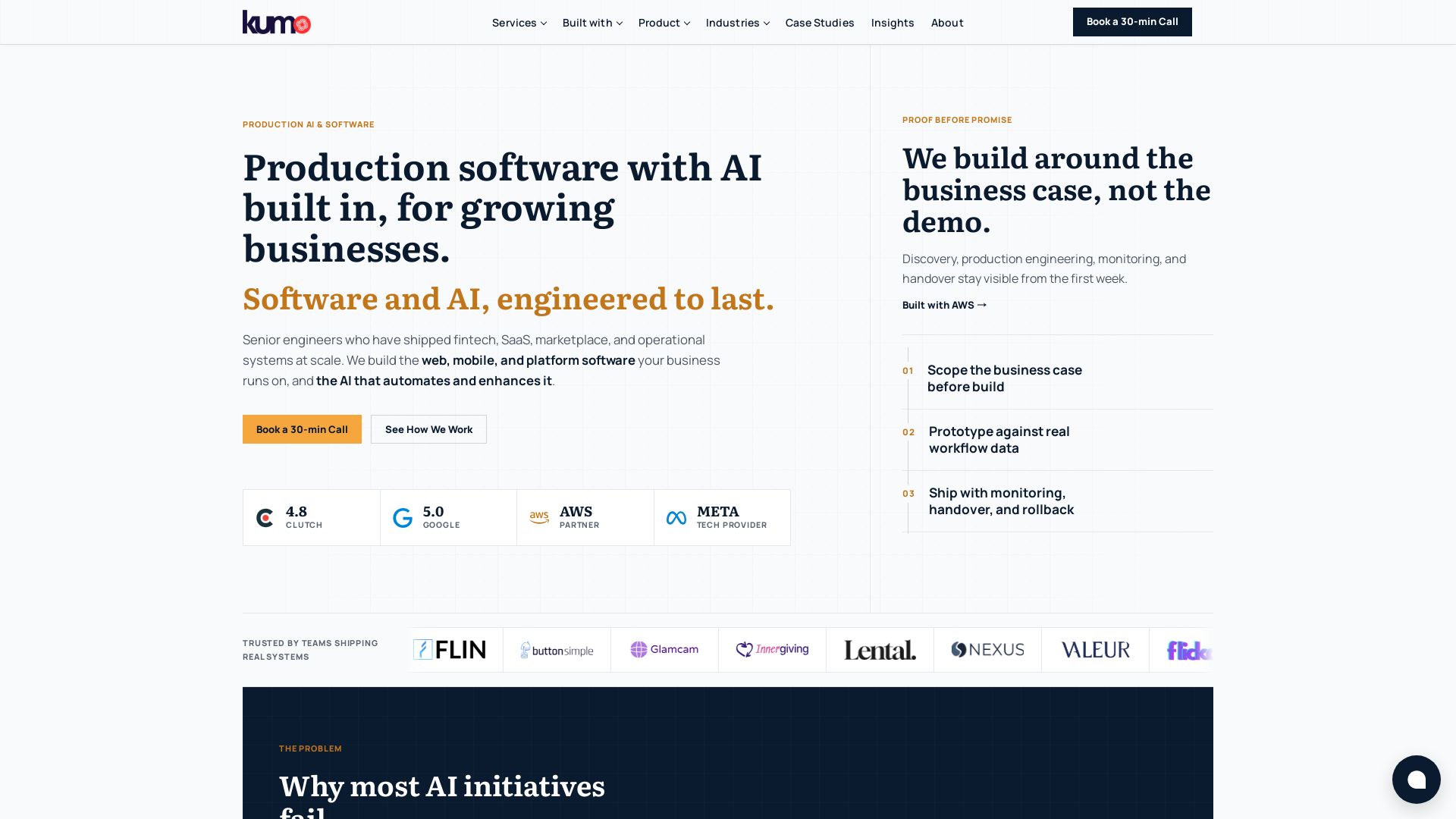
KUMO
Senior engineers build AI-powered software that lasts. Trusted by teams shipping real systems. Book a 30-min call to start building.

SmythOS
Build, test, and deploy secure AI agents at scale with SmythOS. Open-source runtime, SDK, and visual studio. Democratizing AI agent development.


CrewAI
Design, orchestrate, and deploy multi-agent systems with guardrails, memory, and observability. Production-ready from day one.

ℹ️ Curation Disclosure: The overview and features of Glen were synthesized using AI and fact-checked by our curation team to ensure accuracy.