
LangChain
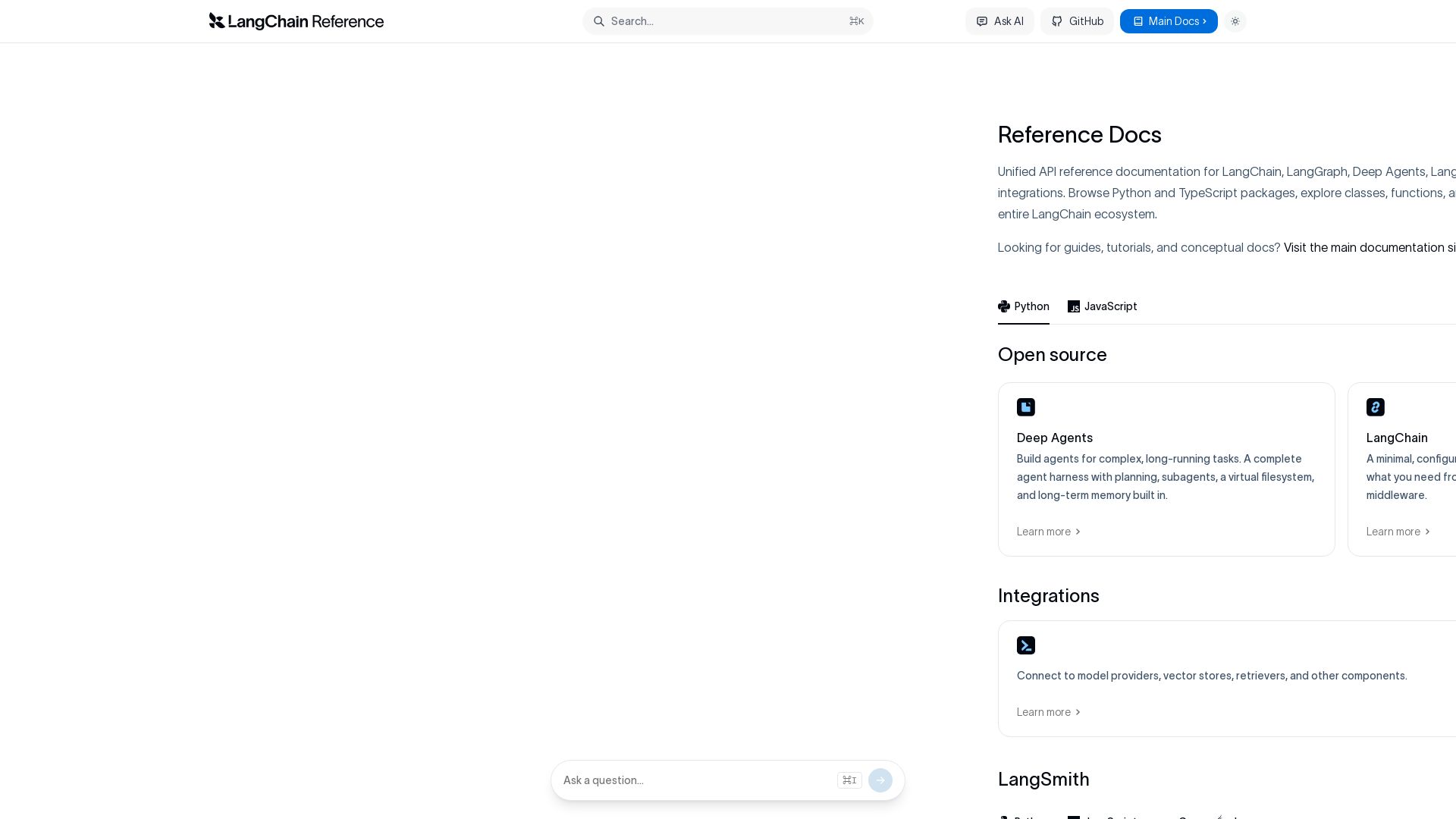
Explore comprehensive API reference for LangChain ecosystem: LangChain, LangGraph, Deep Agents, LangSmith, and integrations. Python & TypeScript.
Editor's Verdict
Key Takeaways
- Deep Agents
- LangChain Framework
- LangGraph Orchestration
- Integrations
In-Depth Review: What is LangChain?
Welcome to the LangChain Reference home page, your central hub for unified API documentation across the entire LangChain ecosystem. Find detailed references for LangChain, LangGraph, Deep Agents, LangSmith, and integrations. Browse Python and TypeScript packages, explore classes, functions, and types. Whether building simple chains or complex multi-agent systems, this site provides the technical details you need to develop LLM applications efficiently.
Core Features
Deep Agents
Build agents for complex, long-running tasks with planning, subagents, virtual filesystem, and long-term memory.
LangChain Framework
A minimal, configurable agent framework allowing you to compose models, tools, prompts, and middleware.
LangGraph Orchestration
Low-level orchestration for stateful, long-running agents with durable execution, streaming, memory, and human-in-the-loop.
Integrations
Connect to numerous model providers, vector stores, retrievers, and other components seamlessly.
LangSmith Debugging
Debug, test, and monitor LLM applications with comprehensive observability tools.
Pricing
Free
- Community support
- Open source access
- Basic LangSmith usage
Enterprise
- Dedicated support
- Self-hosted options
- Advanced security
- Custom SLAs
- Priority feature requests
Pros and Cons
Pros
- Comprehensive EcosystemOffers multiple frameworks (LangChain, LangGraph, Deep Agents) for different agent complexity needs.
- Extensive IntegrationsSeamless connection to a wide range of LLM providers, vector stores, and tools.
- Observability Built-inLangSmith provides robust debugging, testing, and monitoring capabilities.
- Open SourceCore libraries are open source, allowing customization and community contributions.
- Multi-Language SupportAvailable in Python, JavaScript, Go, and Java, catering to diverse developer ecosystems.
Cons
- Steep Learning CurveThe ecosystem has many components, which can be overwhelming for newcomers.
- Documentation FragmentationReference docs and main guides are separate, requiring users to jump between sites.
- Pricing OpacityEnterprise pricing requires contacting sales, with no clear public tiers.
- Dependency on PythonWhile multi-language, the most mature support is for Python, limiting other language users.
Use Cases & Recommended Professions
Software Engineer→ View Toolkit
Needs to build and integrate LLM-based applications with custom agents and tools.
Data Scientist→ View Toolkit
Requires prototyping and deploying AI models with data retrieval and processing pipelines.
AI Researcher→ View Toolkit
Leverages LangChain for experimenting with novel agent architectures and multi-step reasoning.
DevOps Engineer→ View Toolkit
Uses LangSmith for monitoring and debugging production LLM applications.
Product Manager→ View Toolkit
Evaluates LangChain ecosystem for building scalable AI features into products.
Technical Writer→ View Toolkit
Creates documentation for AI-driven applications using LangChain's integrations.
Frequently Asked Questions
Alternative AI Tools
View Detailed Comparison →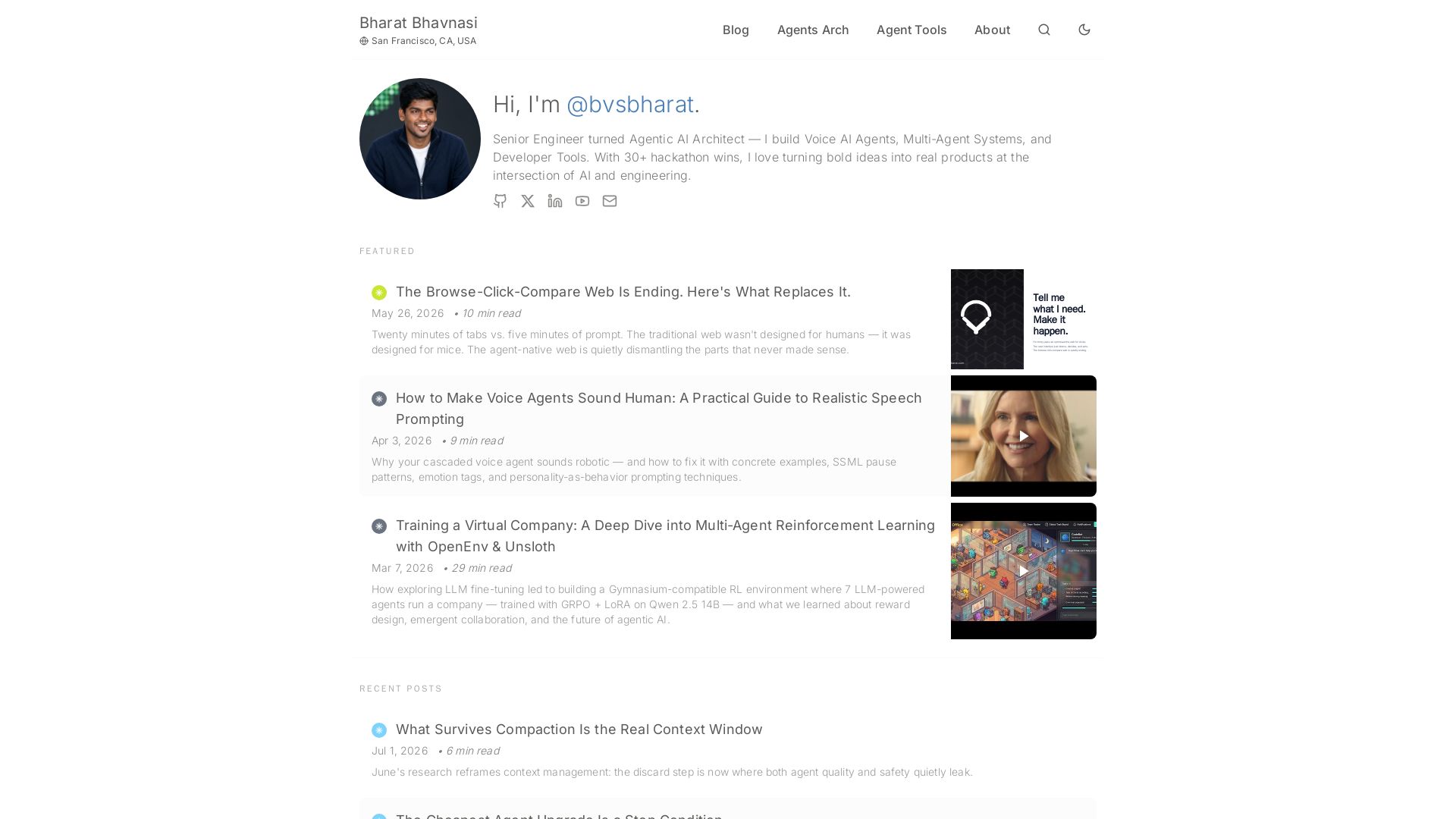
I Tested Every Major Open-Source AI Agent SDK So You Don't ...
Explore insights on Voice AI Agents, Multi-Agent Systems, and Developer Tools from a 30+ hackathon winner. Practical guides and cutting-edge research.

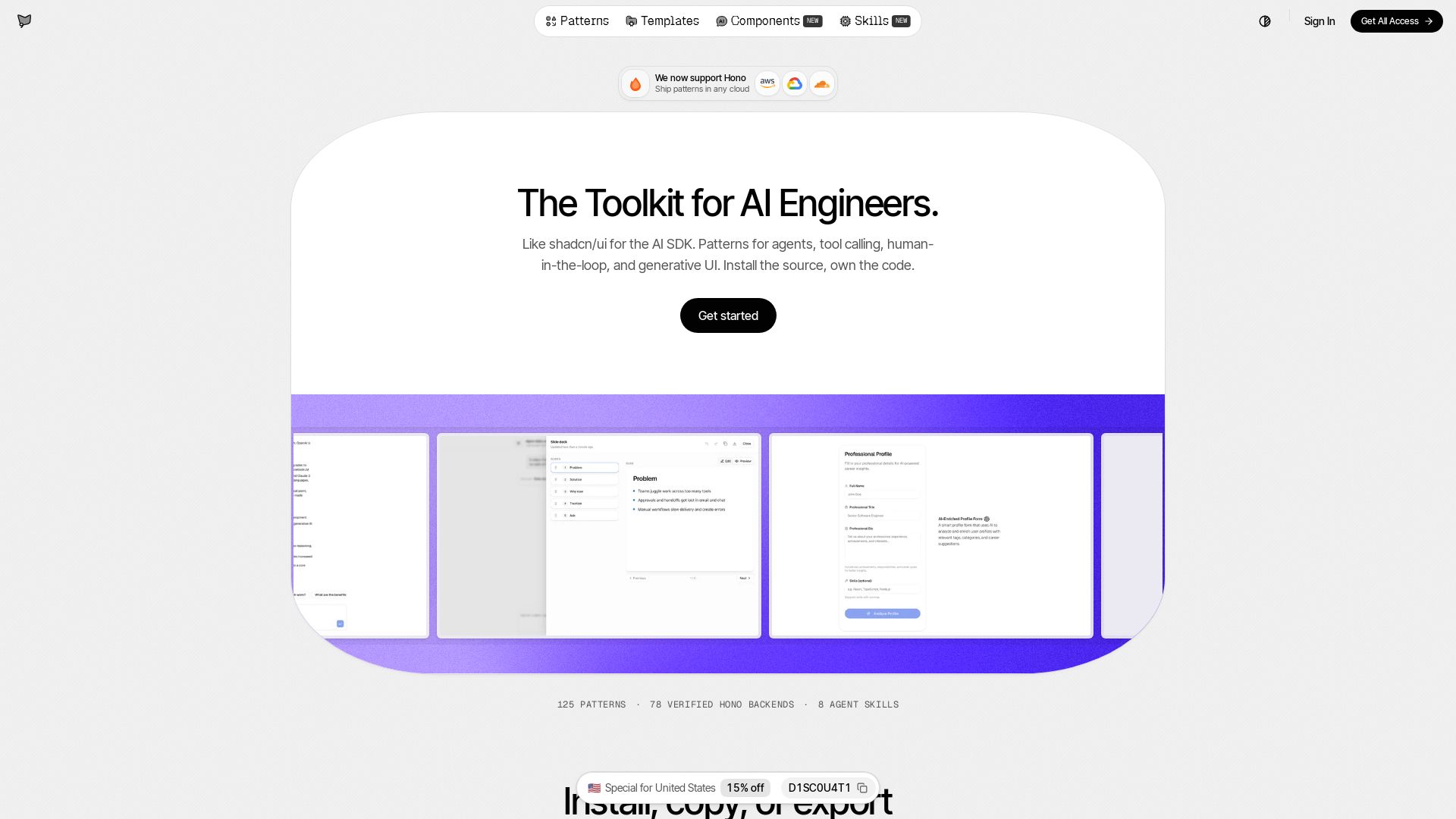
AI SDK AGENTS
The toolkit for AI engineers. Install, copy, or export 125 AI SDK patterns for agents, tool calling, human-in-the-loop, and generative UI. Full source code, own your stack.

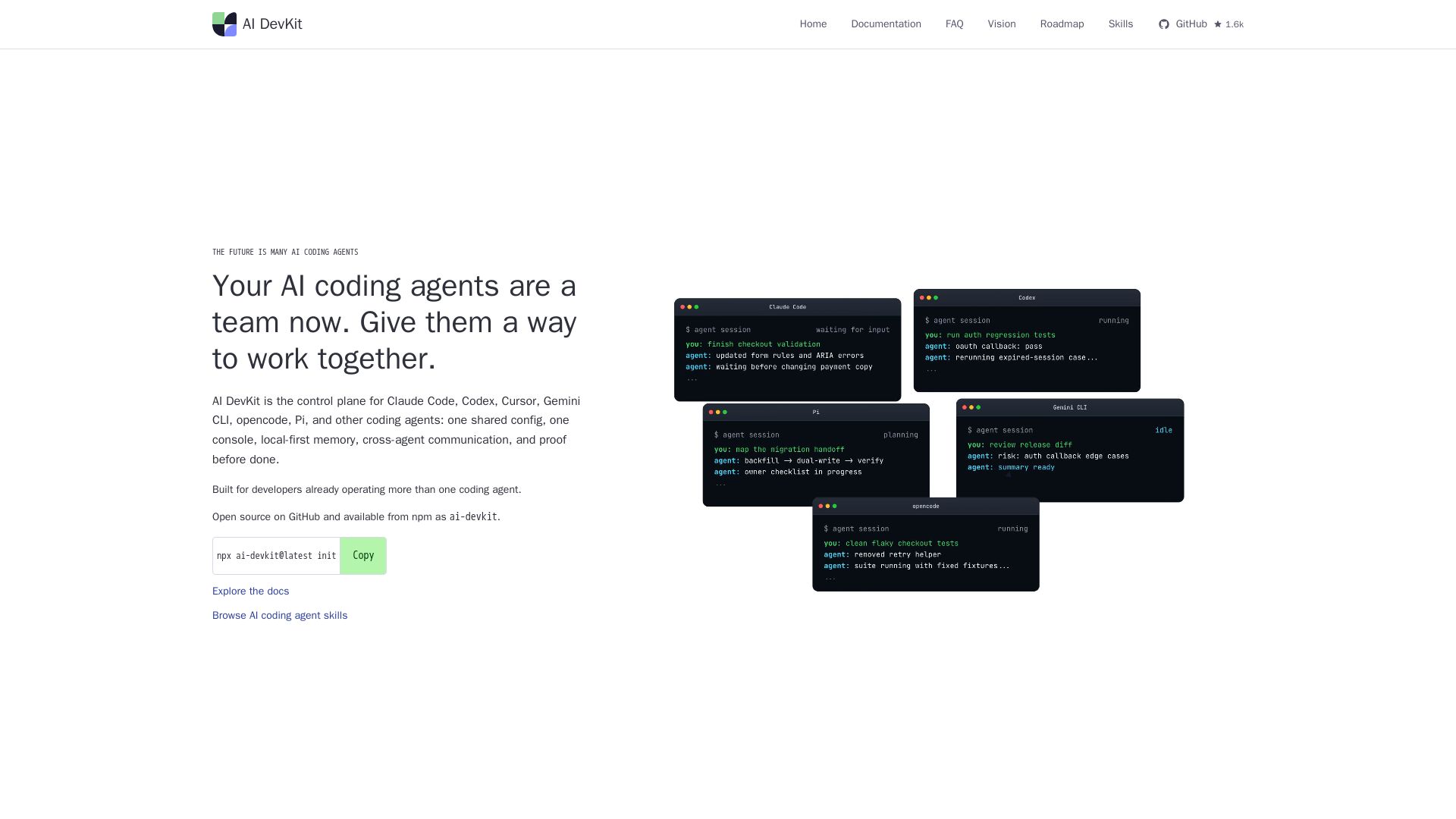
AI DevKit
One shared config, console, memory, and verification for Claude Code, Codex, Cursor & more. Local-first, open source.

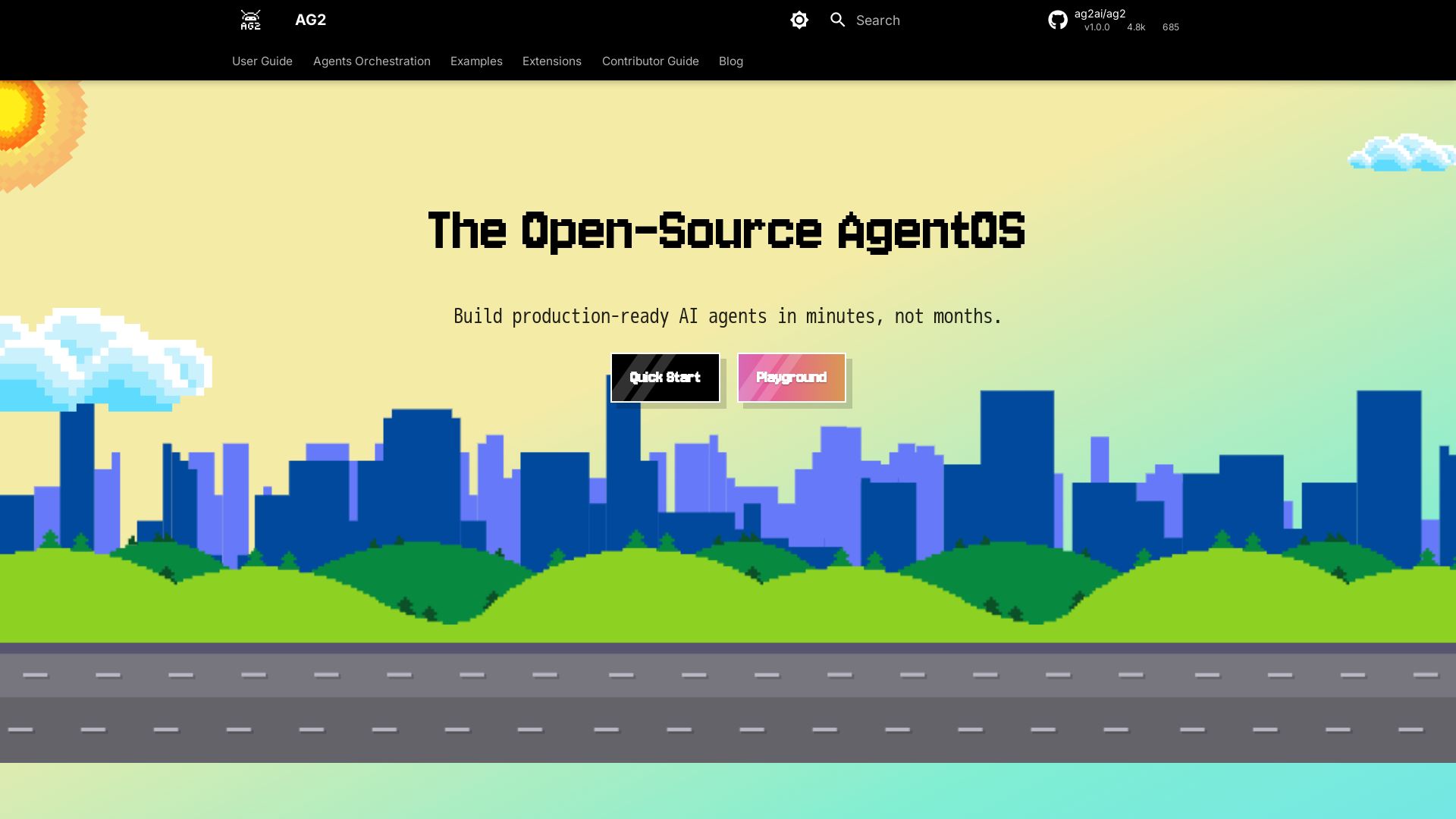
AG2
Build production-ready AI agents in minutes with AG2. Simple syntax, built-in patterns, human-AI collaboration. Open-source multi-agent framework.

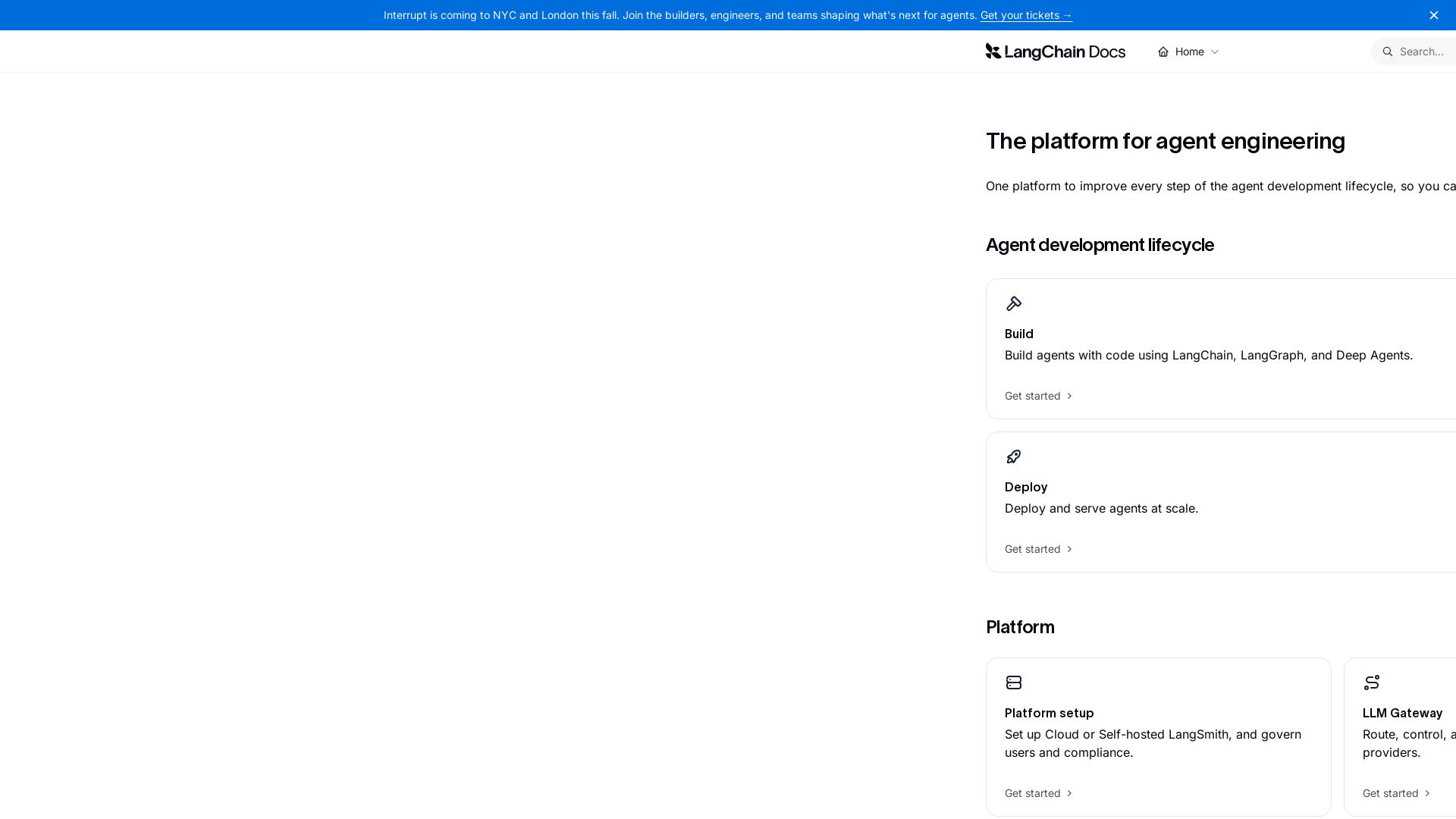
LangChain
The platform for agent engineering. Build, test, deploy, and monitor AI agents with ease. Ship reliable agents faster.

Toloka
High-quality training data for AI agents, LLMs, and coding assistants. Trusted by leading AI teams. 90+ domains, expert network.

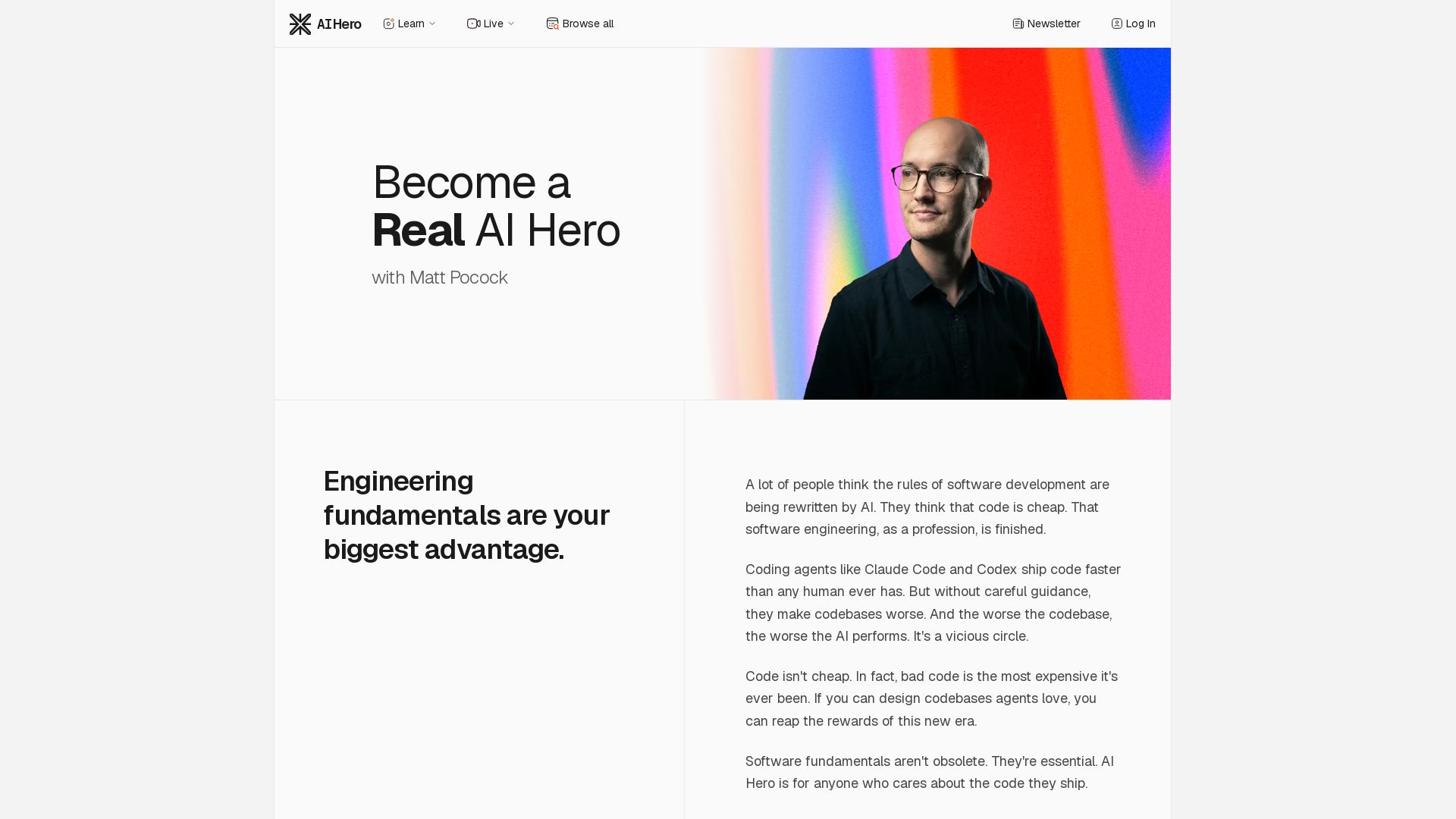
AI Hero
Master AI-assisted coding with proven engineering fundamentals. Learn to make codebases agents love, control AI output quality, and build real skills. Join 70k+ developers.

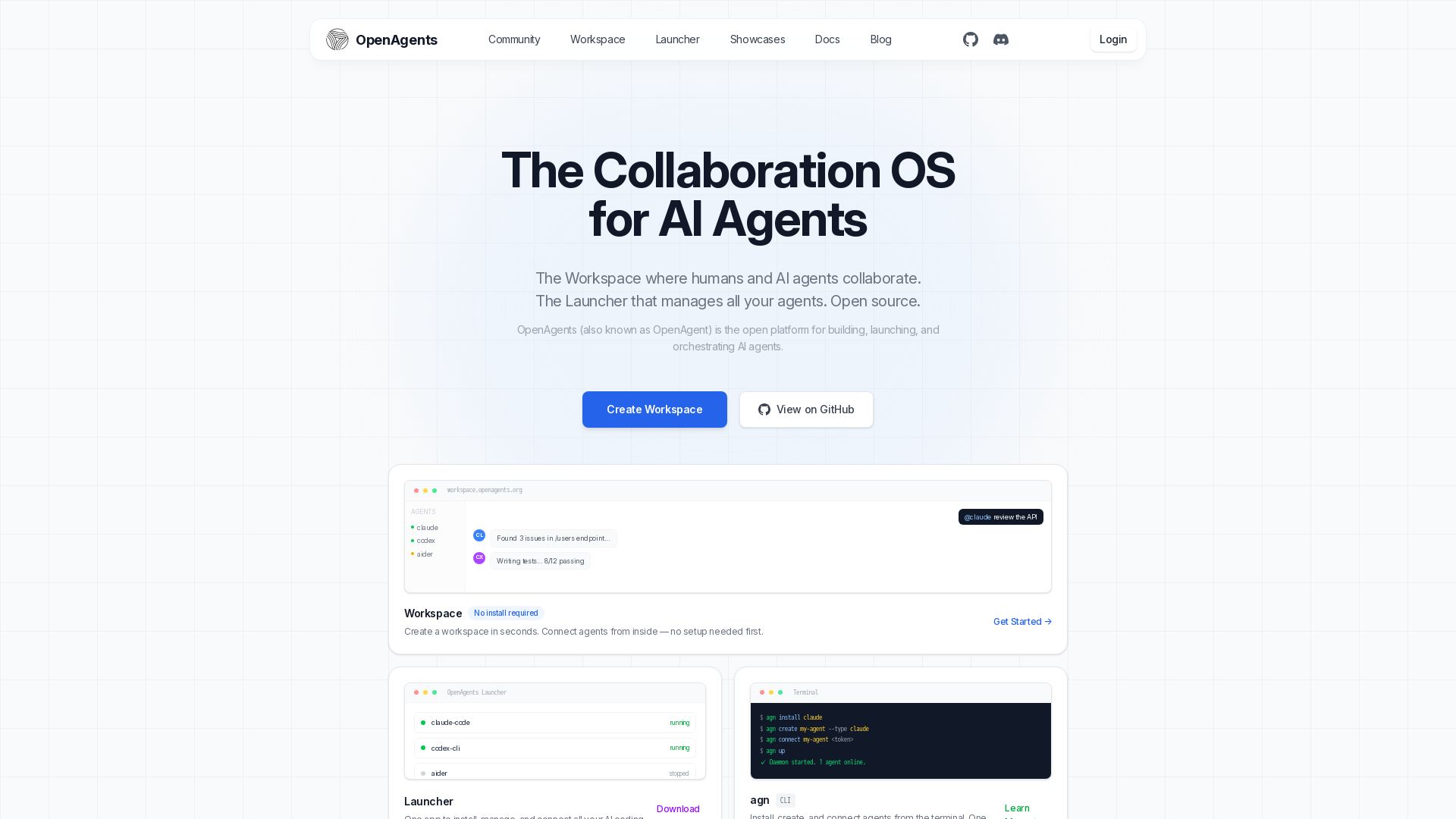
OpenAgents
Open-source AI agent platform: Collaborate with agents in a shared workspace. Manage Claude, Codex, Aider & more with the Launcher. Free, MIT license.

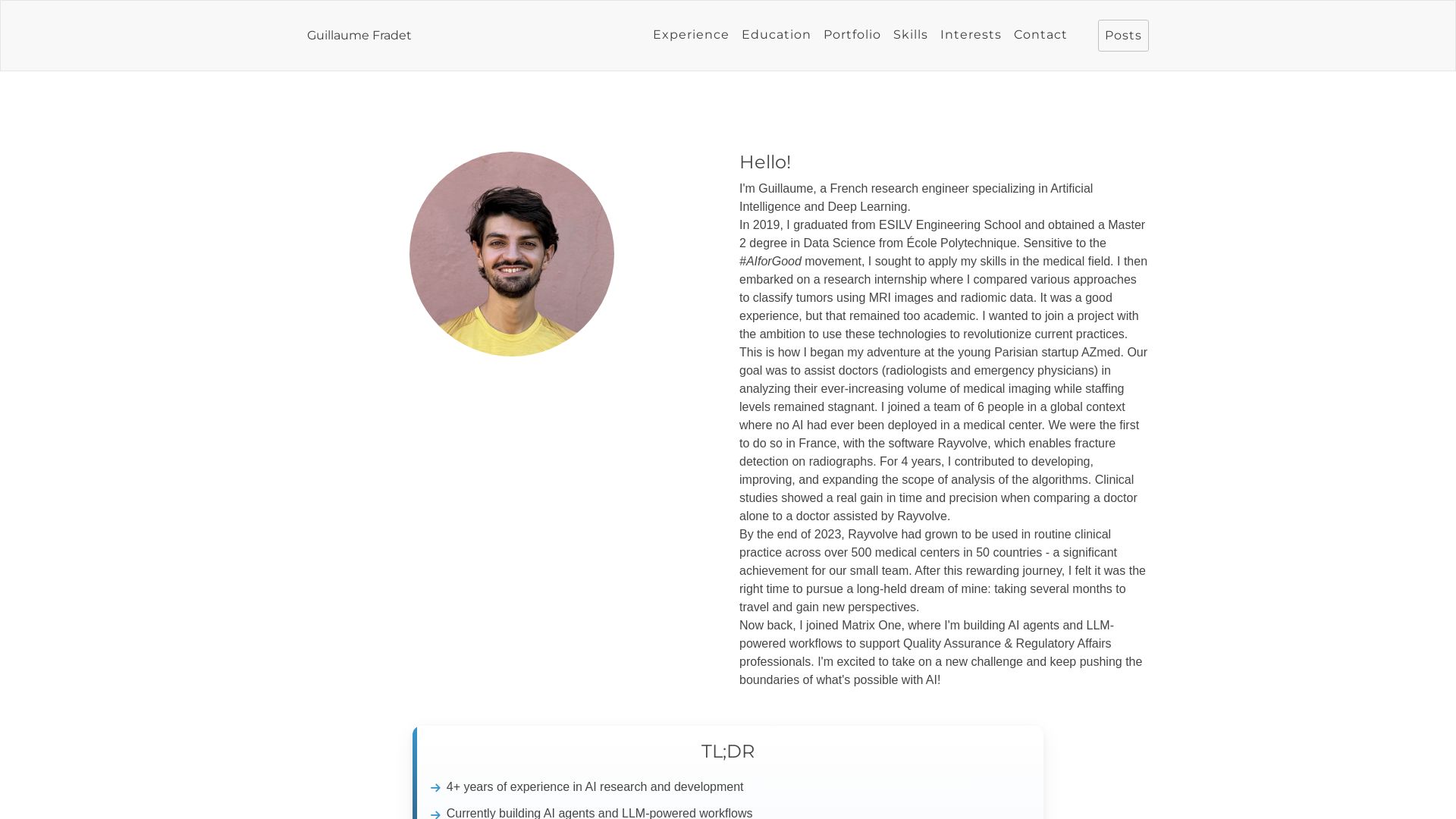
Making AI think and act: my approach to the Hugging Face AI ...
Experienced AI engineer specializing in medical imaging and LLM-powered agents. Built globally deployed radiology AI at AZmed. Now building AI agents at Matrix One.

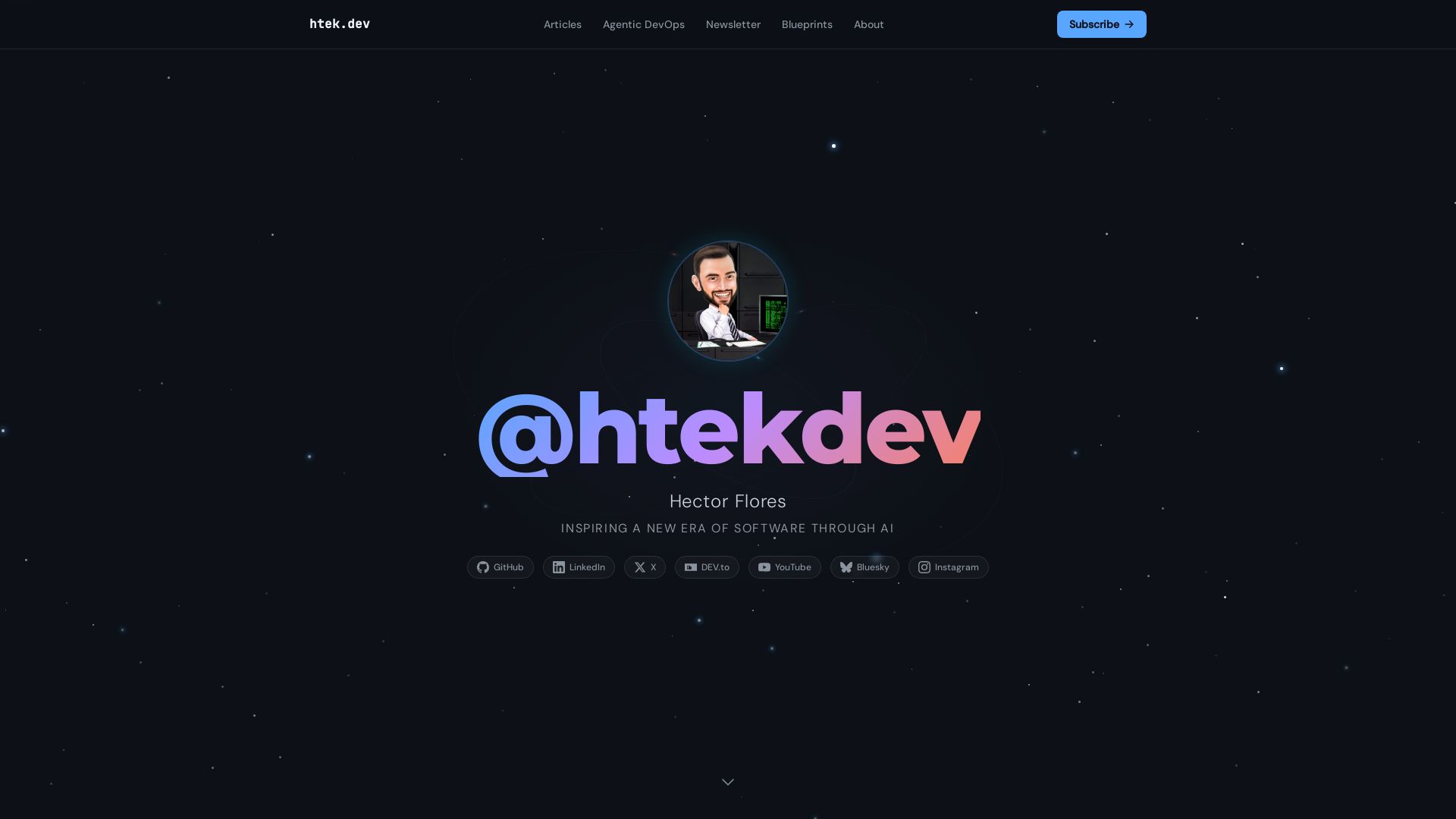
I Turned My Android Phone Into an MCP Server
Practical insights on agentic DevOps, AI workflows, and building with GitHub Copilot. Learn from software engineer Hector Flores.

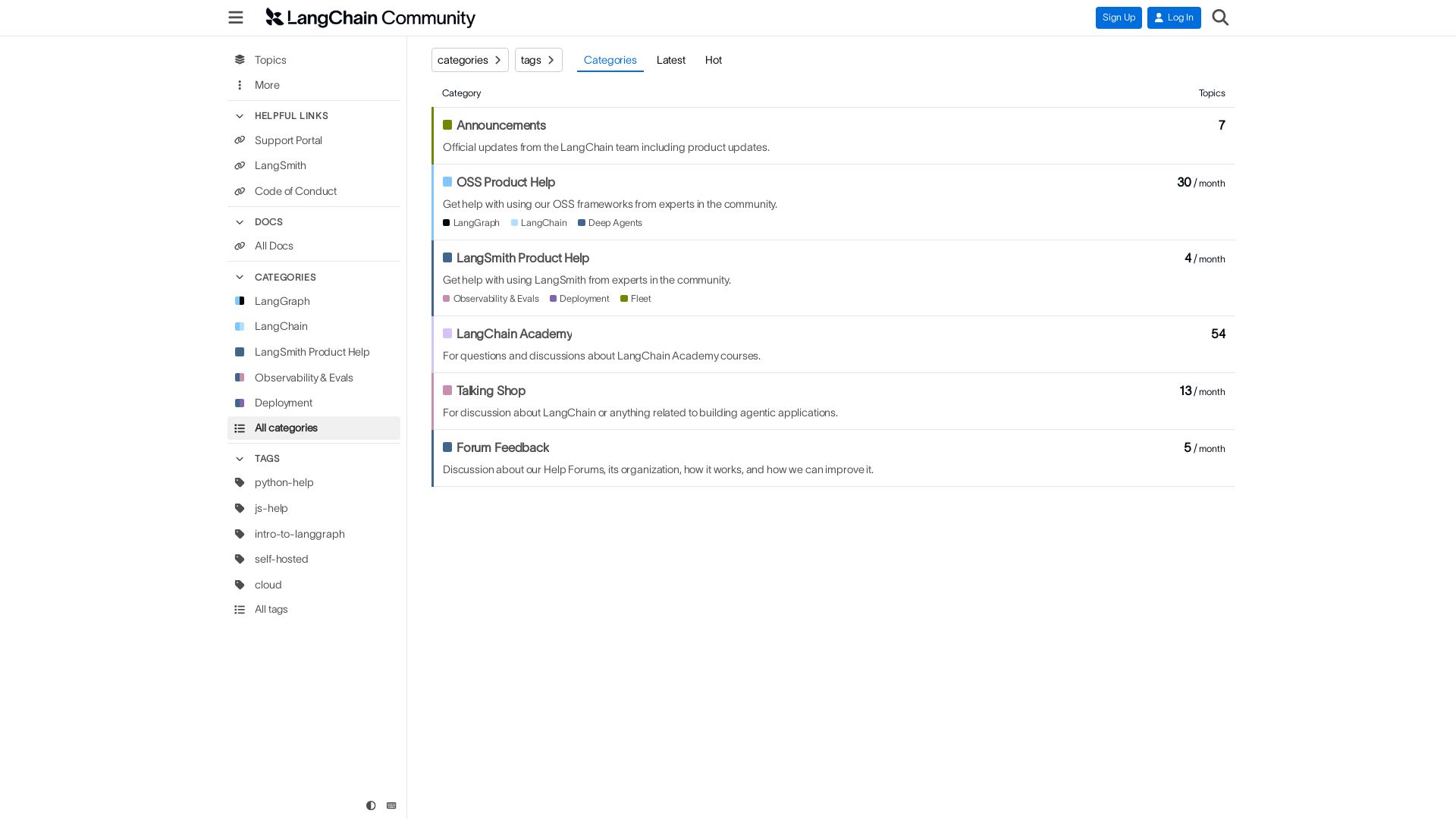
LangChain
Official forum for LangChain, LangGraph, and LangSmith. Get help, discuss agentic apps, and join the community. Expert advice on OSS, deployment, and more.

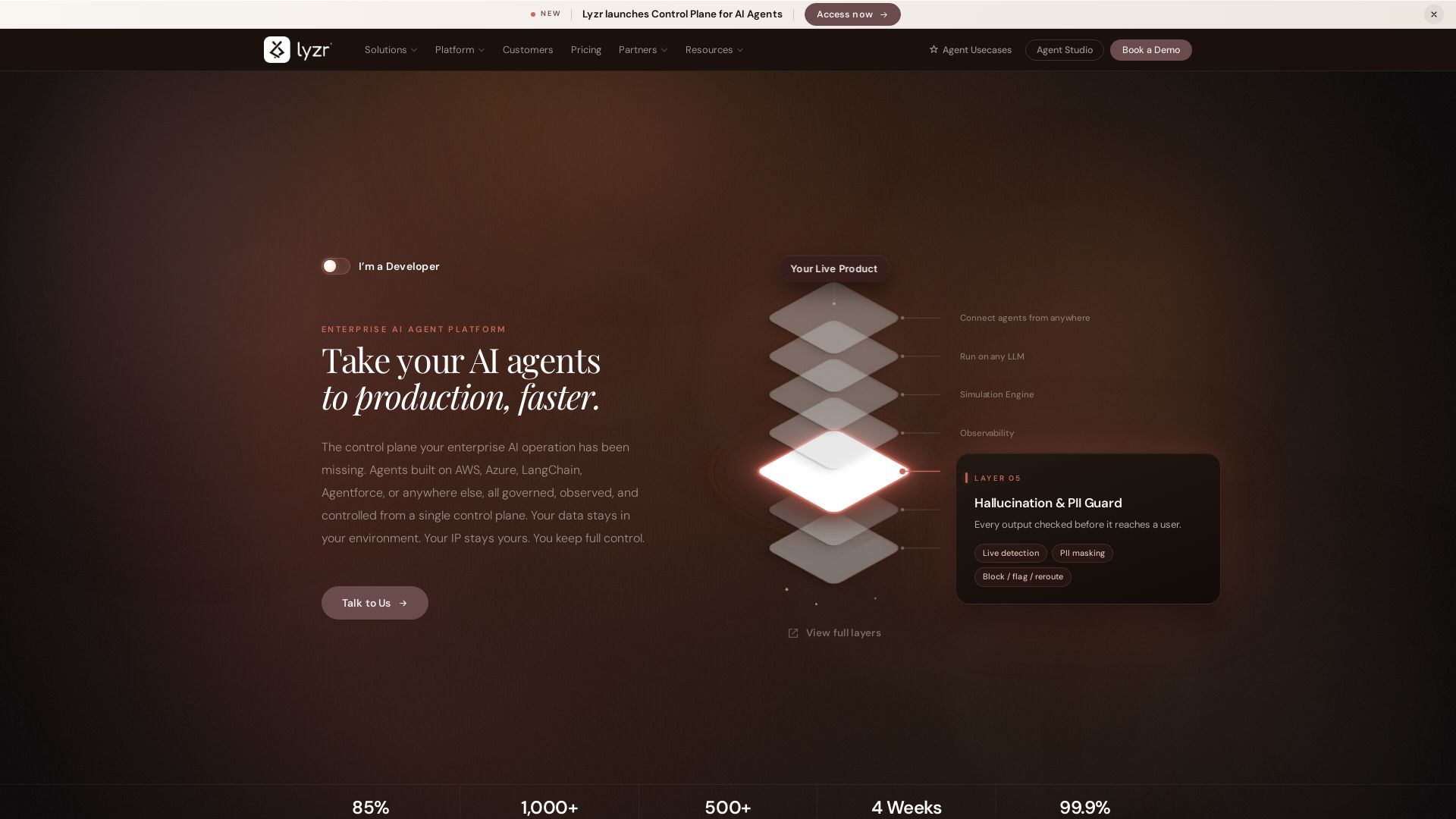
Lyzr
Ship AI agents to production faster with Lyzr's unified control plane. Connect any framework, swap LLMs, simulate, observe, and govern. Trusted by enterprises.

ℹ️ Curation Disclosure: The overview and features of LangChain were synthesized using AI and fact-checked by our curation team to ensure accuracy.