
Qdrant
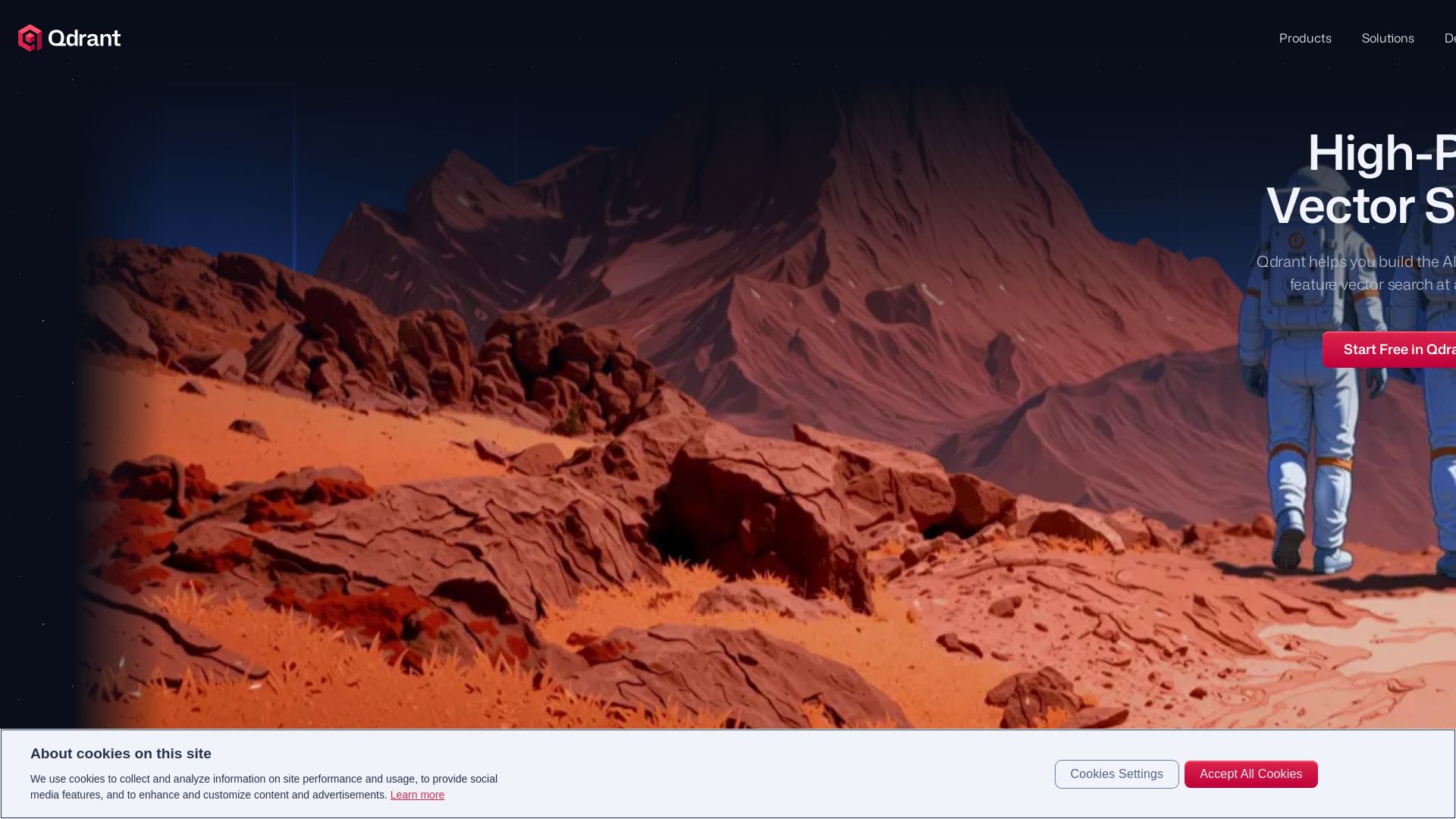
Build AI retrieval with Qdrant's full-feature vector search. Scale any deployment with hybrid search, advanced filters, and enterprise security.
Editor's Verdict
Key Takeaways
- High-Performance Vector Search
- Expansive Metadata Filters
- Native Hybrid Search (Dense + Sparse)
- Built-in Multivector
In-Depth Review: What is Qdrant?
Qdrant is a high-performance vector search engine built in Rust for real-time AI retrieval. It supports hybrid dense-sparse search, advanced metadata filters, multi-vector, and reranking. Deploy on cloud, hybrid, private, or edge with enterprise-grade security (SOC2, HIPAA). Trusted by industry leaders for scalable, accurate AI search.
Core Features
High-Performance Vector Search
Built entirely in Rust with SIMD and custom storage engine (Gridstore) for fast, scalable vector search.
Expansive Metadata Filters
Store metadata in JSON and use advanced filters such as nested, text, geo, has_vector, and more.
Native Hybrid Search (Dense + Sparse)
Blend keyword and vector search in one query, supporting BM25, SPLADE++, and miniCOIL.
Built-in Multivector
Support multiple vectors per object for more expressive and multimodal retrieval.
Efficient One-Stage Filtering
Filters applied during HNSW traversal without pre- or post-filtering, ensuring high recall with low latency.
Full-Spectrum Reranking
Infuse business logic with score boosting, late interaction models (e.g., ColBERT), and Maximum Marginal Relevance (MMR).
Real-Time Indexing
Index new data instantly without rebuilding the entire index; vectors searchable immediately.
Memory-Efficient Storage
Store billions of vectors with minimal memory footprint using optimized storage architecture.
Asymmetric, Scalar and Binary Quantization
Reduce memory usage by up to 64x while maintaining search quality.
Developer Friendly APIs
Start with a single API call and scale to advanced control via REST, gRPC, or official clients (Python, JavaScript, etc.).
Built-In Web UI & Visualizations
Explore collections, test queries, apply filters, and inspect results from a clean visual interface.
Native Cloud Inference
Generate text and image embeddings and run vector search in Qdrant Cloud without separate pipeline.
Pricing
Free Tier
- Single Node Cluster
- 0.5 vCPU / 1GB RAM / 4 GB Disk
- Free Cloud Inference With Selected Models
Standard Tier
- Dedicated Resources
- Flexible Vertical and Horizontal Scaling
- Highly Available Setups
- Backup & Disaster Recovery
- Free Tokens for Paid Inference Models
- 99.5% Uptime SLA
Premium Tier
- SSO
- Private VPC Links
- 99.9% Uptime SLA
- Extra Support
Pros and Cons
Pros
- High PerformanceBuilt entirely in Rust with SIMD and custom storage engine for extremely fast vector search.
- Real-Time IndexingVectors are searchable immediately upon addition without full index rebuild.
- Flexible DeploymentAvailable as fully managed cloud, hybrid cloud, private cloud, or edge (beta).
- Advanced FilteringExpansive metadata filters and one-stage filtering during HNSW traversal for high recall.
- Rich IntegrationIntegrates with leading AI tools and frameworks, supports REST, gRPC, and multiple client libraries.
Cons
- Pricing ComplexityPricing is usage-based for Standard tier and requires contacting sales for Premium, which may be unclear upfront.
- Limited Free TierFree tier has only 0.5 vCPU, 1GB RAM, and 4GB disk, suitable only for testing and prototypes.
- Learning CurveAdvanced features like hybrid search and multivector may require understanding of vector search concepts.
- Overhead for Small ProjectsMay be overkill for simple keyword search or small-scale applications, where simpler solutions suffice.
Use Cases & Recommended Professions
AI Engineer→ View Toolkit
To build and deploy high-performance retrieval systems for RAG, AI agents, and semantic search applications.
Data Scientist→ View Toolkit
To leverage vector search for recommendation systems, anomaly detection, and data analysis at scale.
Software Engineer→ View Toolkit
To integrate vector search capabilities into applications using intuitive APIs and client libraries.
ML Engineer→ View Toolkit
To optimize and scale machine learning models that require fast and accurate nearest neighbor search.
Product Manager→ View Toolkit
To implement AI-powered search features that improve user experience and drive revenue.
DevOps Engineer→ View Toolkit
To manage deployment and scaling of vector search infrastructure across cloud, hybrid, or edge environments.
Frequently Asked Questions
Alternative AI Tools
View Detailed Comparison →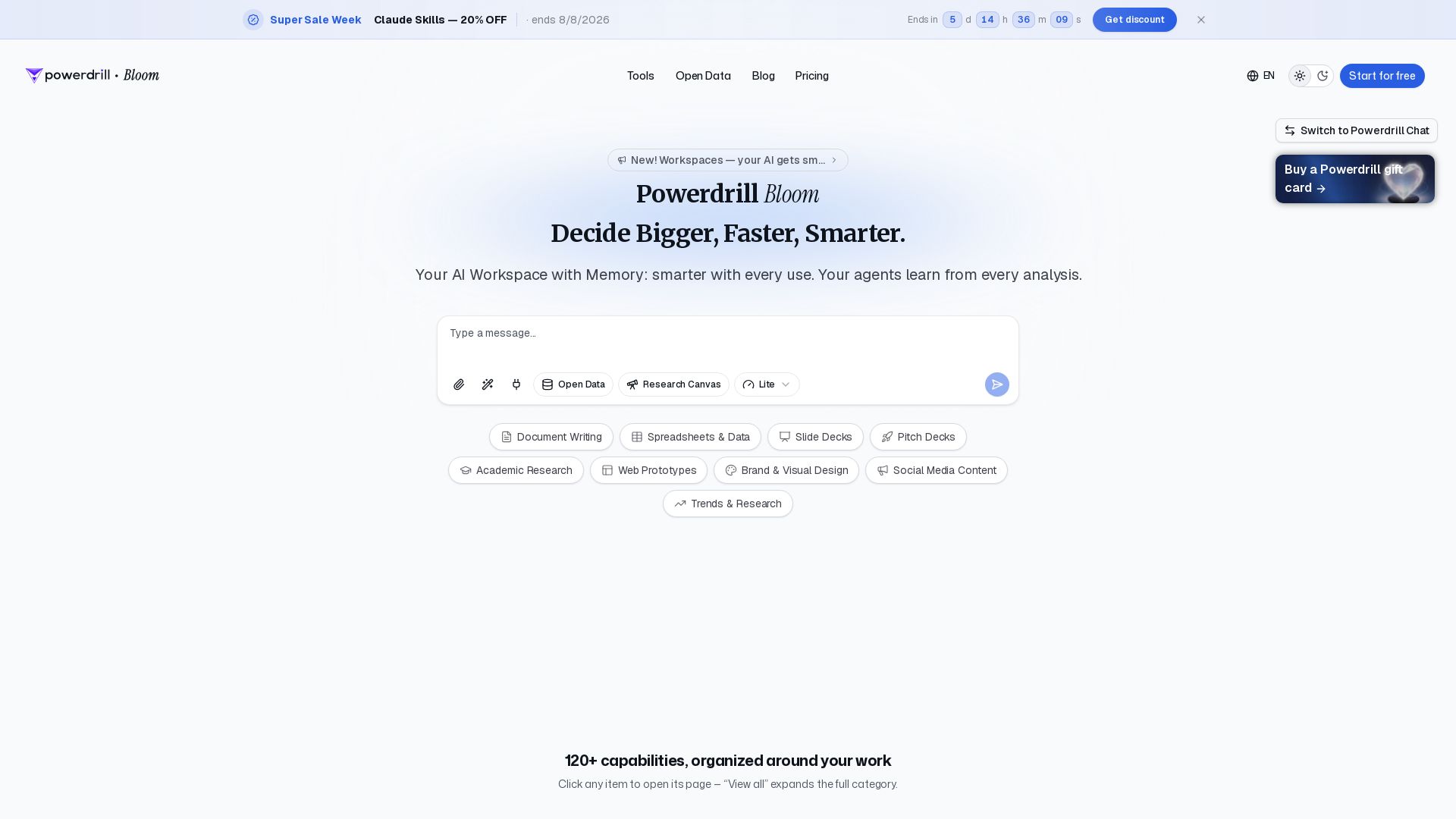
Powerdrill Bloom
Powerdrill Bloom: AI workspace with memory for data analysis, docs, research & more. Smarter with every use. Start free.

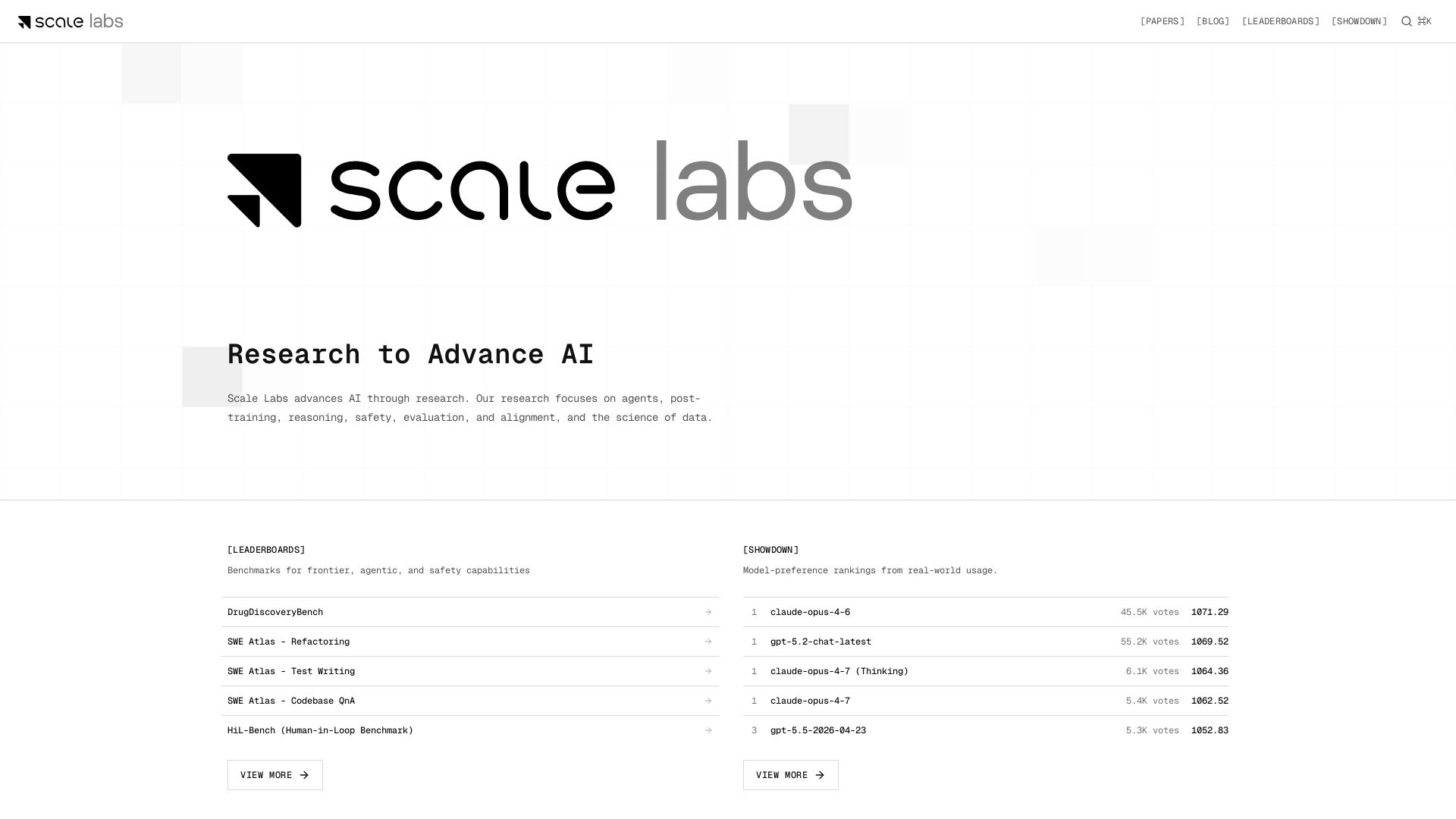
Scale Labs
Your hub for cutting-edge AI research on agents, safety, and evaluation. Explore leaderboards, model showdown rankings, and insightful blogs.


Cassandra Research
Australia's leading AI-powered tax and legal research platform. Instant analysis of ITAA 1997, ATO rulings, and case law for professionals.

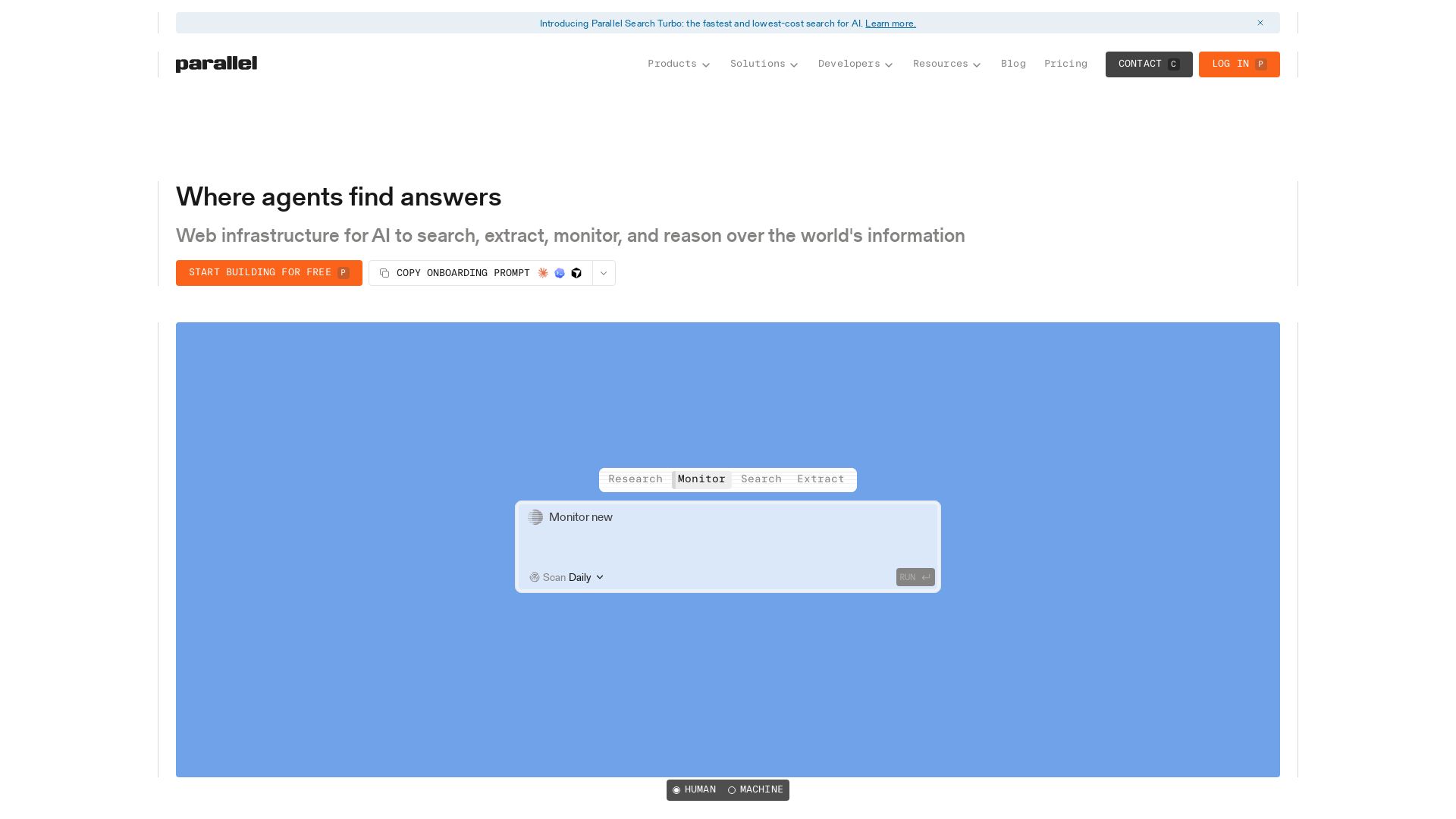
Parallel
Parallel gives AI agents real-time web search, extraction, monitoring, and deep research with cited outputs. Built for production, trusted by enterprises.

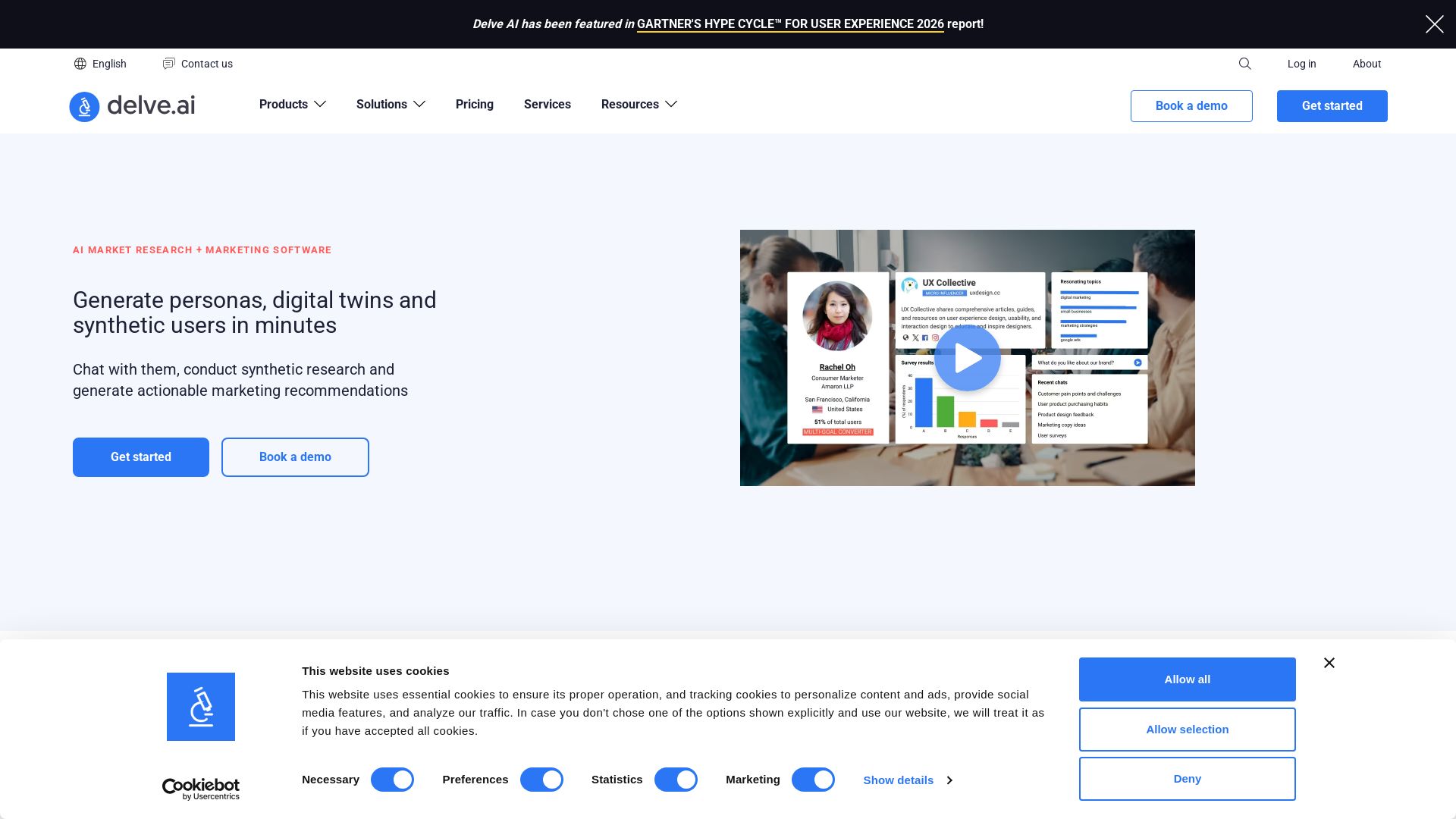
Delve AI
Create AI-driven customer personas, digital twins, and synthetic users for market research. Generate actionable insights in minutes.


IBM demonstrates extreme scale with a 100B vector ...
IBM Research invents the future of computing with quantum supercomputing, AI, and hybrid cloud. Explore breakthroughs, open-source tools like Qiskit and Granite models, and more.

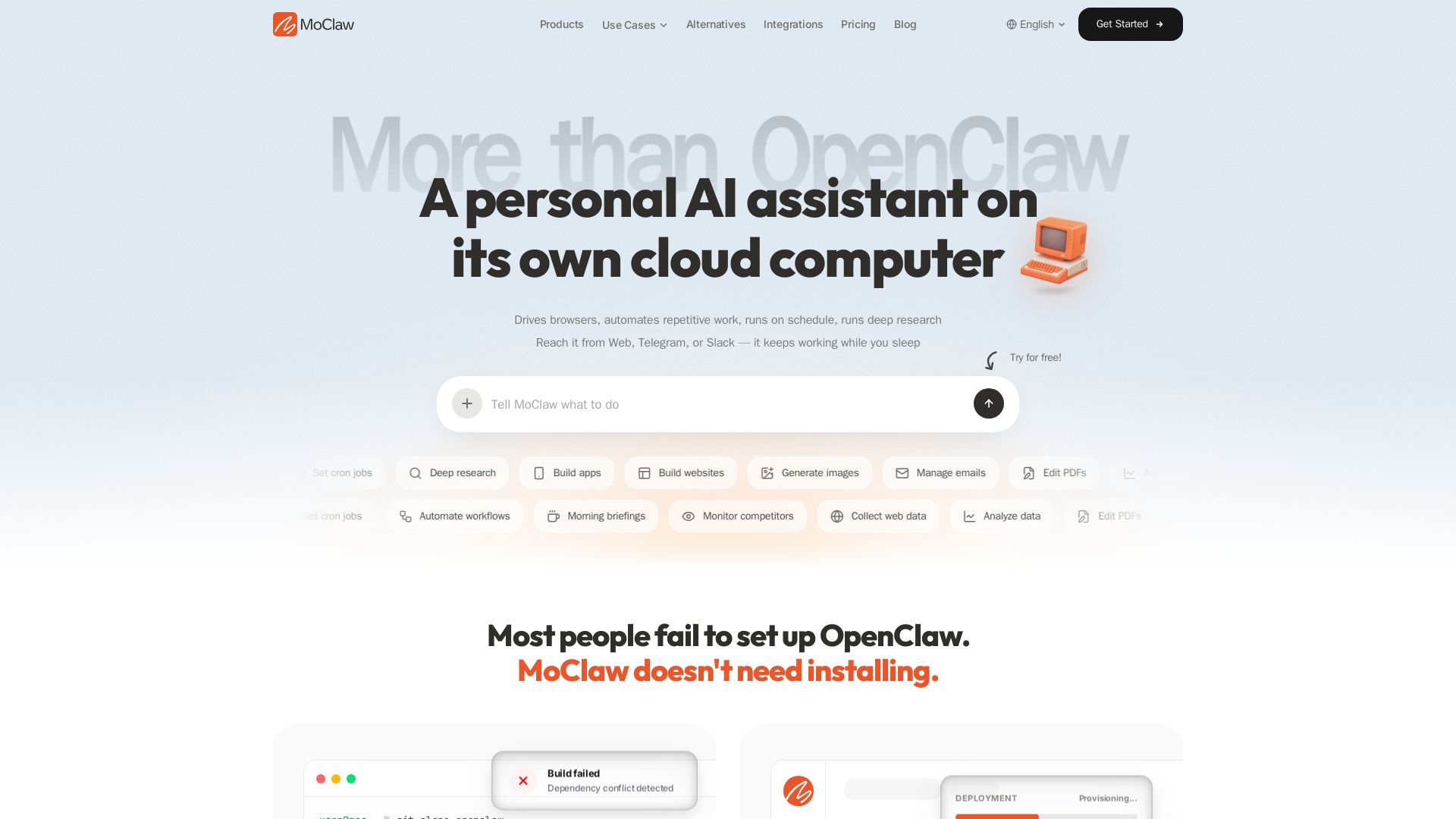
MoClaw
Automate tasks, research, and workflows with MoClaw's always-on AI computer. No setup, no crashes. Deep research, browser control, scheduling. Try free.

PlotStudio AI
AI-powered desktop app that plans, codes, and executes multi-step analyses in minutes. Preserves privacy, boosts productivity.
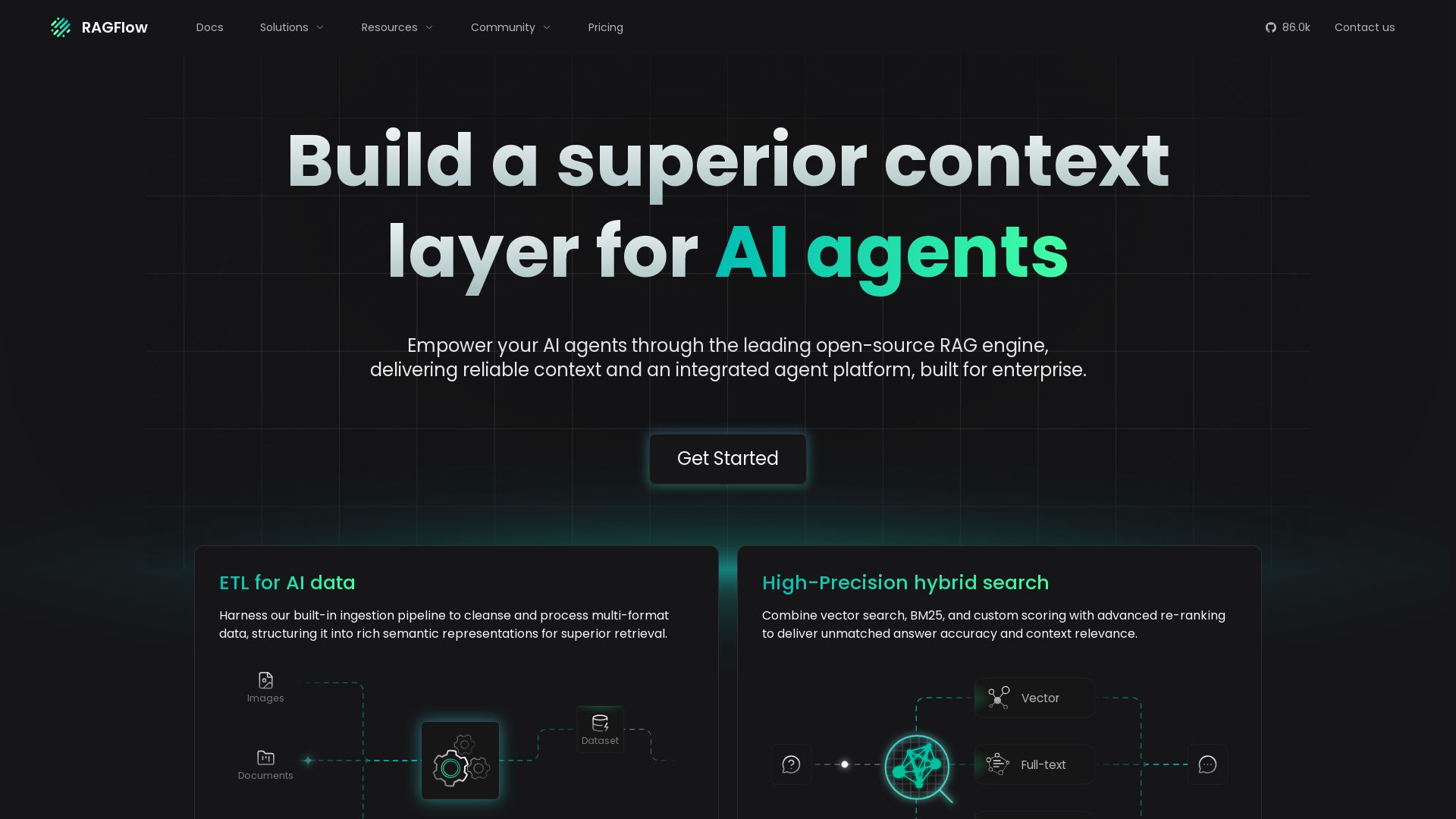
RAGFlow
Build superior context for AI agents with leading open-source RAG. ETL, hybrid search, agent orchestration. Trusted by enterprises.

Deep Kondah
In-depth technical blog on AI, LLMs, cybersecurity, eBPF, and software engineering. Stay informed and ahead.

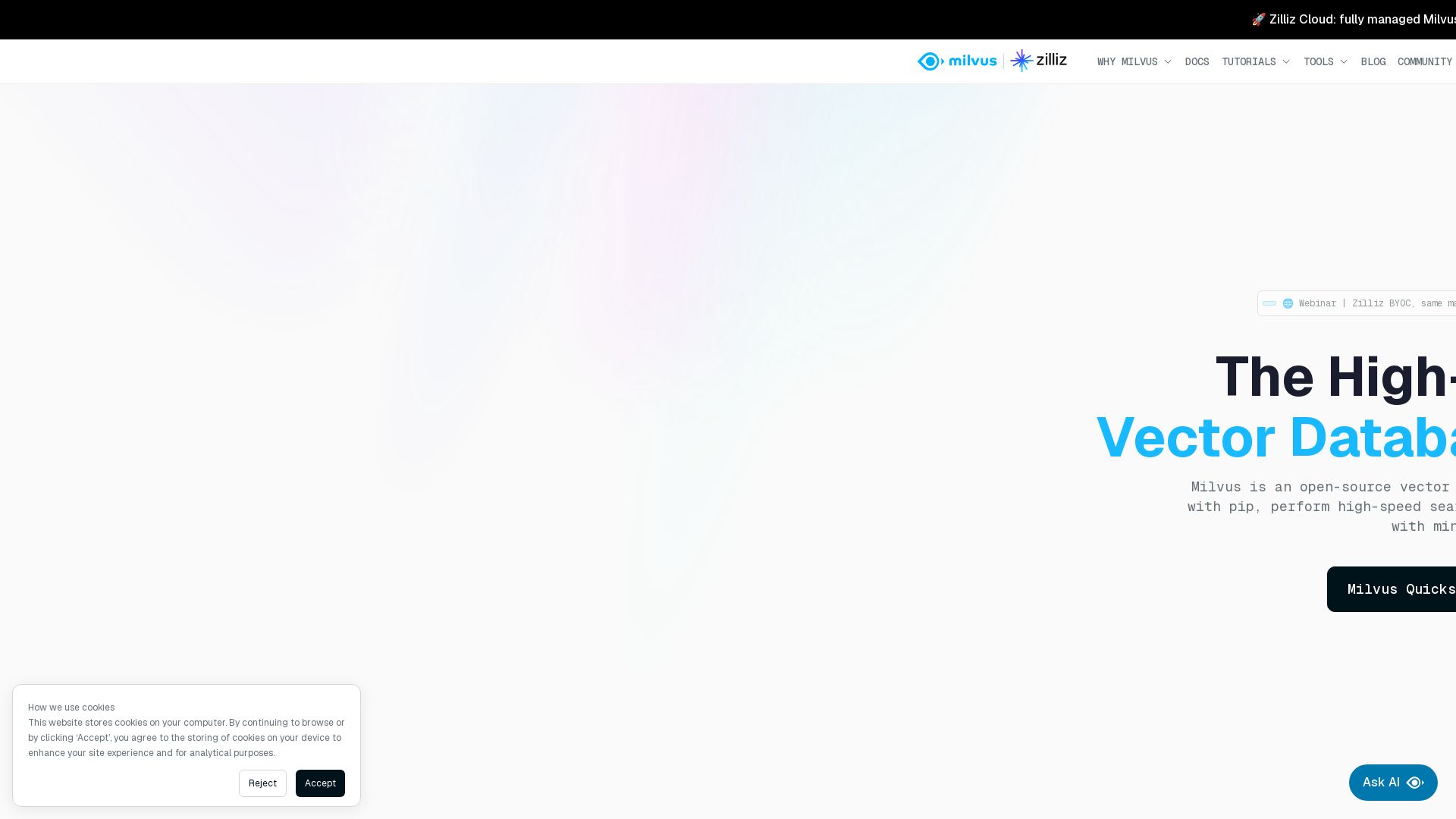
Milvus
Milvus is a high-performance vector database for GenAI. Scale to billions of vectors with minimal loss. Deploy via Lite, Standalone, Distributed, or Zilliz Cloud.

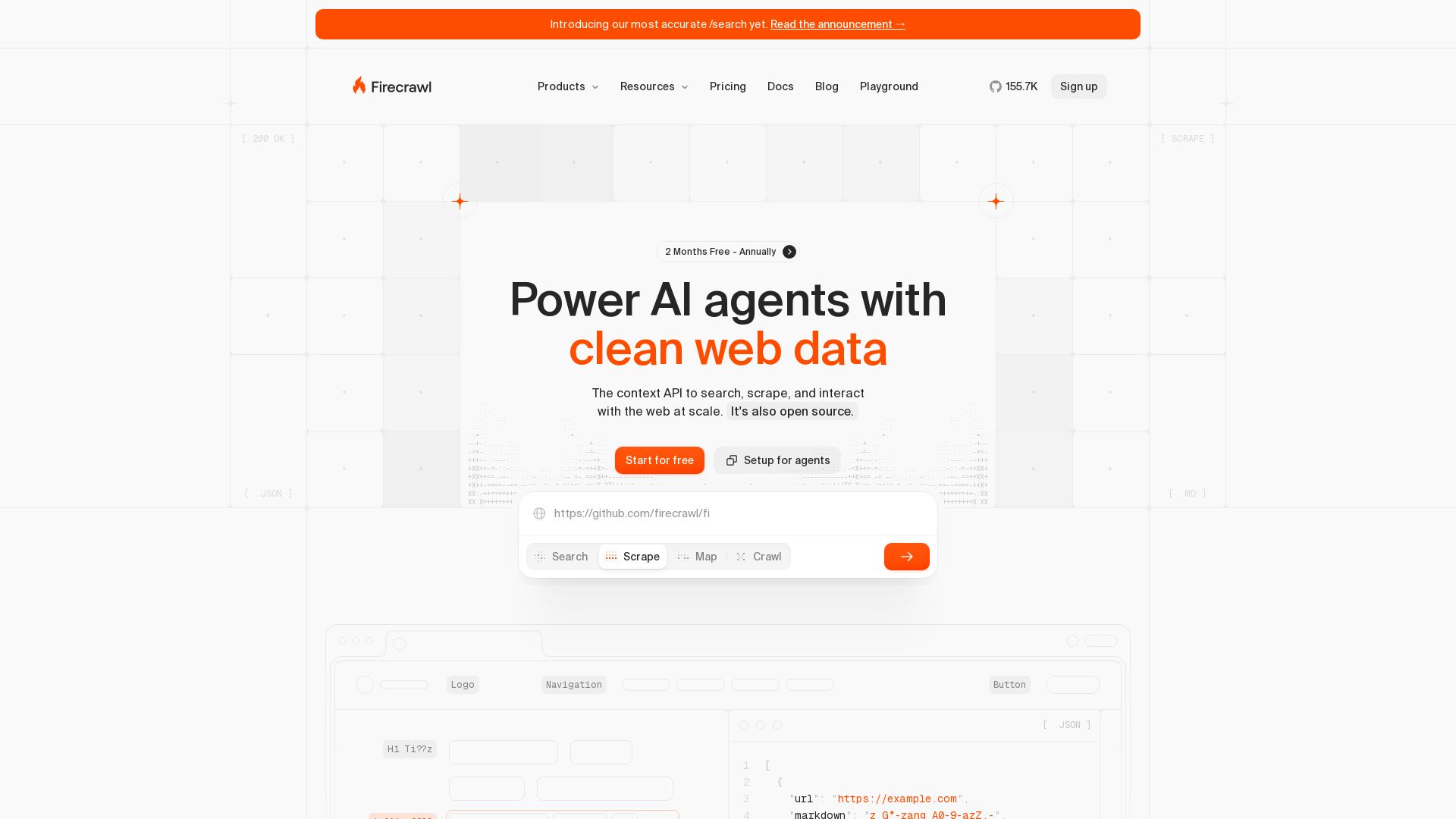
Firecrawl
One API to search, scrape, and interact with the live web. Clean, LLM-ready data. Fast, reliable, and open source. Trusted by 150K+ companies.

ℹ️ Curation Disclosure: The overview and features of Qdrant were synthesized using AI and fact-checked by our curation team to ensure accuracy.