
Requesty
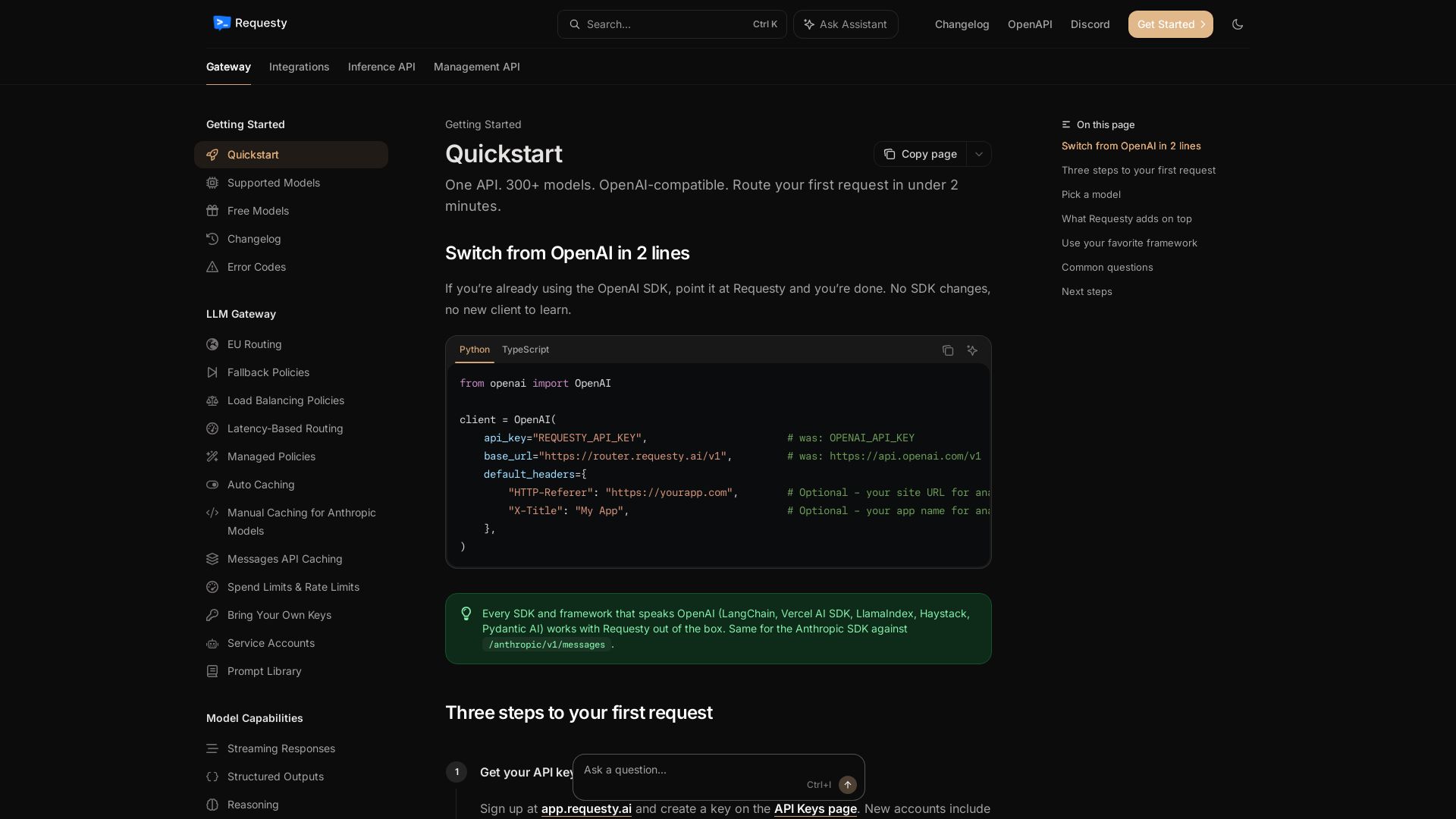
Route requests to 300+ LLMs with one OpenAI-compatible API. Fallback, caching, analytics. Get started in 2 minutes.
Editor's Verdict
Key Takeaways
- OpenAI-compatible API
- Fallback routing
- Auto-caching
- Usage analytics
In-Depth Review: What is Requesty?
Requesty is a unified API gateway that lets you access over 300 AI models from a single, OpenAI-compatible endpoint. Switch between providers without changing your code, and add production-grade features like automatic fallback routing, caching that cuts costs up to 80%, usage analytics, load balancing, and bring-your-own-keys. Designed for developers who want to ship faster and spend less.
Core Features
OpenAI-compatible API
Seamlessly switch from OpenAI with two lines of code. Use existing SDKs and frameworks without changes.
Fallback routing
Automatically reroute failed requests to backup models, eliminating 5xx surprises and improving reliability.
Auto-caching
Reduce costs up to 80% on repeated prompts with zero configuration caching.
Usage analytics
Track spend, latency, and errors per key, user, model, or project for full visibility.
Load balancing
Distribute traffic across providers by cost, latency, or custom weights to optimize performance.
Bring your own keys
Use your own provider accounts to maintain existing pricing and billing relationships.
Guardrails & RBAC
Content filtering, approved-model lists, and role-based access control for security and compliance.
Request metadata
Tag requests with user ID, trace ID, and custom metadata for granular analytics and debugging.
Multi-framework support
Works with LangChain, Vercel AI SDK, LlamaIndex, Haystack, Pydantic AI, and more.
300+ models
Access frontier, fast/cheap, and open-source models from a single endpoint.
Pros and Cons
Pros
- Easy MigrationSwitch from OpenAI with just two lines of code; no SDK changes required.
- Cost SavingsAuto-caching reduces costs up to 80% on repeated prompts.
- ReliabilityFallback policies automatically handle provider failures.
- Unified AnalyticsCentralized tracking of spend, latency, and errors across all models and providers.
- FlexibilitySupports bring your own keys, load balancing, and multiple routing strategies.
Cons
- Dependency on Third-Party ProvidersPerformance and availability depend on underlying model providers.
- Potential Latency OverheadRouting through an intermediary may add slight latency compared to direct calls.
- Limited Pricing TransparencyPricing information is not readily available on the page, requiring users to contact sales.
- Learning Curve for Advanced FeaturesConfiguring policies, RBAC, and guardrails may require initial setup effort.
- Lock-in to Requesty EcosystemHeavy reliance on Requesty's routing and analytics may make it harder to switch in the future.
Use Cases & Recommended Professions
Software Engineer→ View Toolkit
Needs a unified API to integrate multiple AI models into applications without managing each provider separately.
Data Scientist→ View Toolkit
Requires cost-effective experiments with various models and detailed analytics to compare performance.
AI Researcher→ View Toolkit
Benefits from access to frontier and open-source models with fallback routing for reliable experimentation.
Product Manager→ View Toolkit
Uses analytics and cost tracking to monitor AI feature usage and optimize spending.
DevOps Engineer→ View Toolkit
Leverages load balancing, caching, and RBAC to deploy scalable and secure AI infrastructure.
Startup Founder→ View Toolkit
Needs a cost-effective, easy-to-implement AI routing solution to quickly build and iterate on AI-powered products.
Frequently Asked Questions
Alternative AI Tools
View Detailed Comparison →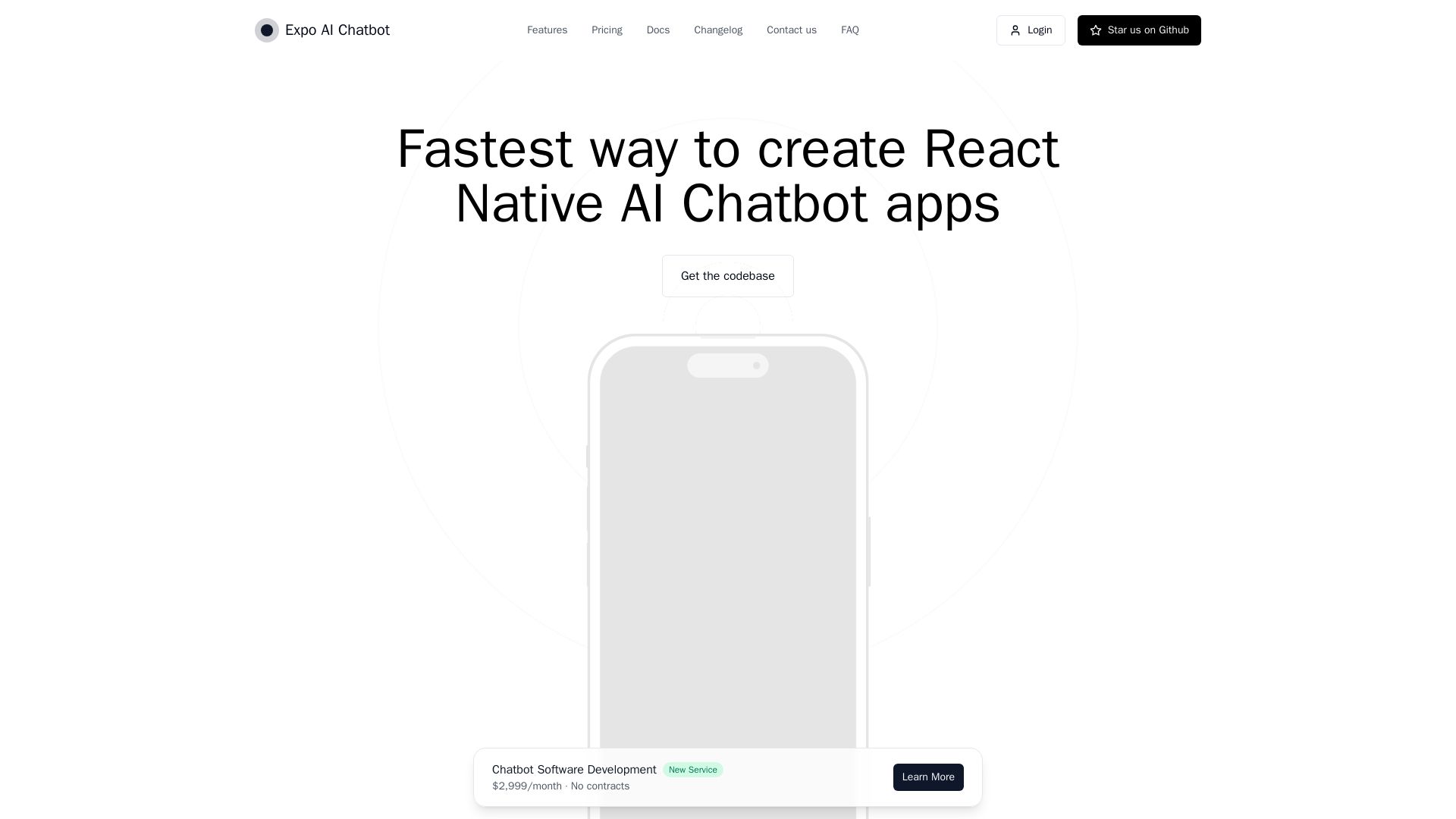
Expo AI Chatbot
Build AI chatbot apps for iOS, Android & web with Expo SDK 54, AI SDK 5, voice, long-term memory, and more. Open-source codebase.

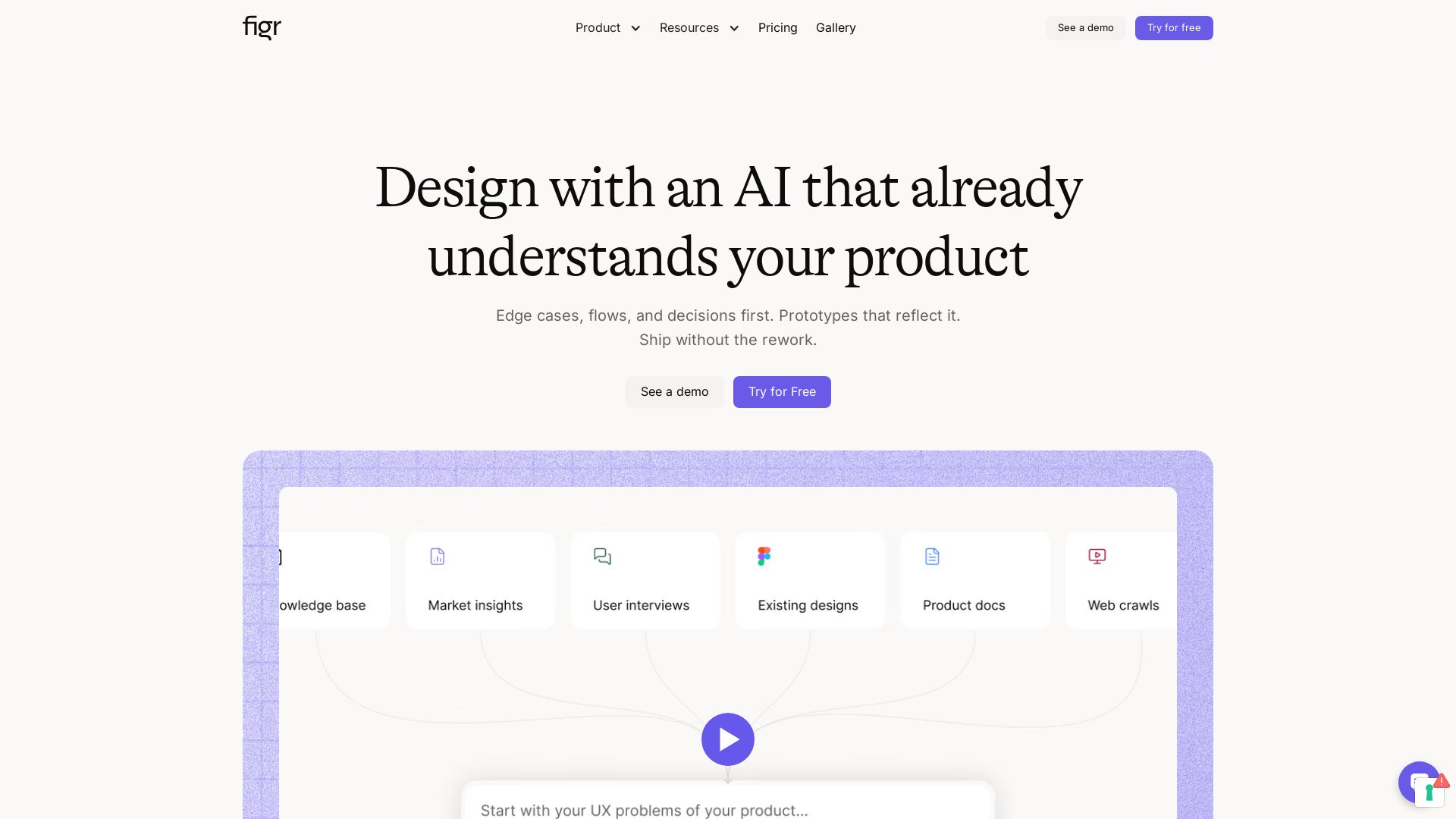
Figr
Ship better UX faster. Figr builds a living understanding of your product, maps flows, finds edge cases, and generates high-fidelity prototypes from your actual design system.

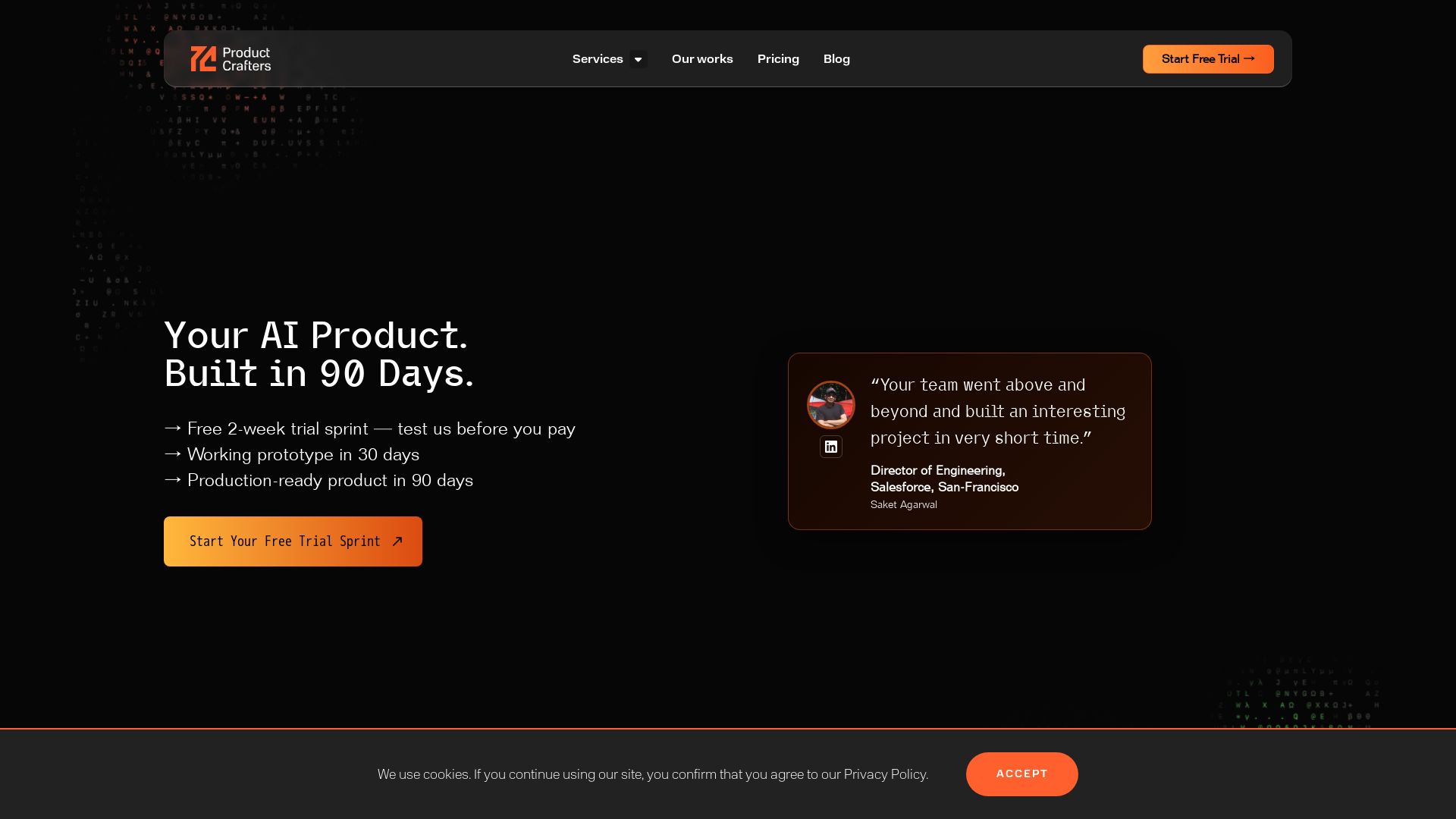
ProductCrafters
Get a free 2-week trial sprint for your AI product. Working prototype in 30 days, production-ready in 90. No contract, no credit card. Test your dev team risk-free.

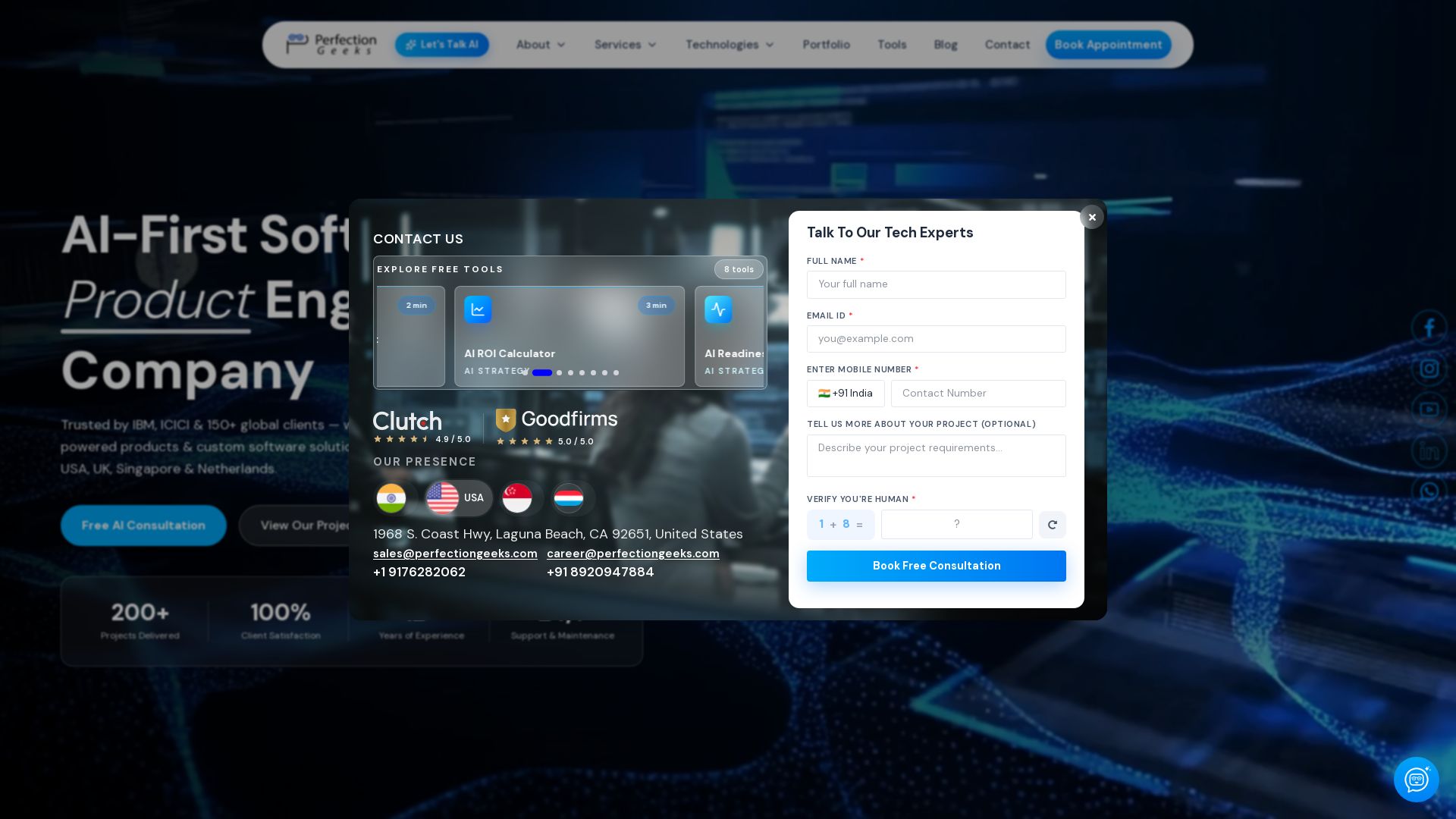
PerfectionGeeks Technologies
Trusted by IBM, ICICI & 150+ clients. Build mobile apps, web platforms, AI products & custom software. Serving USA, UK, Singapore, Netherlands.


Chatbot Builder
Build an AI chatbot in minutes without coding. 24/7 customer support, sales automation, and seamless integrations. Start your free 14-day trial today!

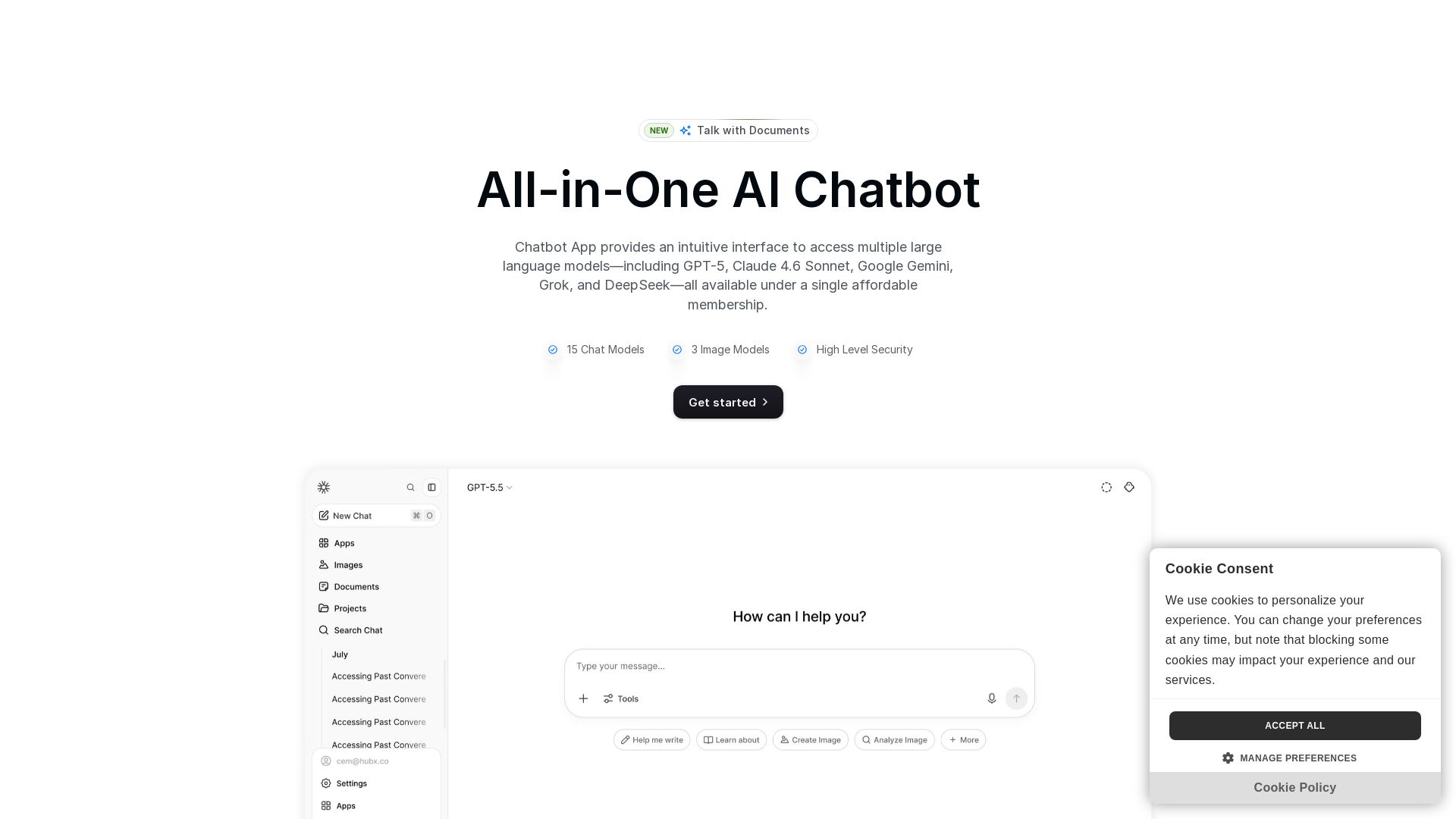
Chatbot App
Access 15+ top AI models including GPT-5, Claude 4.6, Gemini, DeepSeek in one app. Affordable membership, chat, image generation, PDF support, and more. Save 70%.

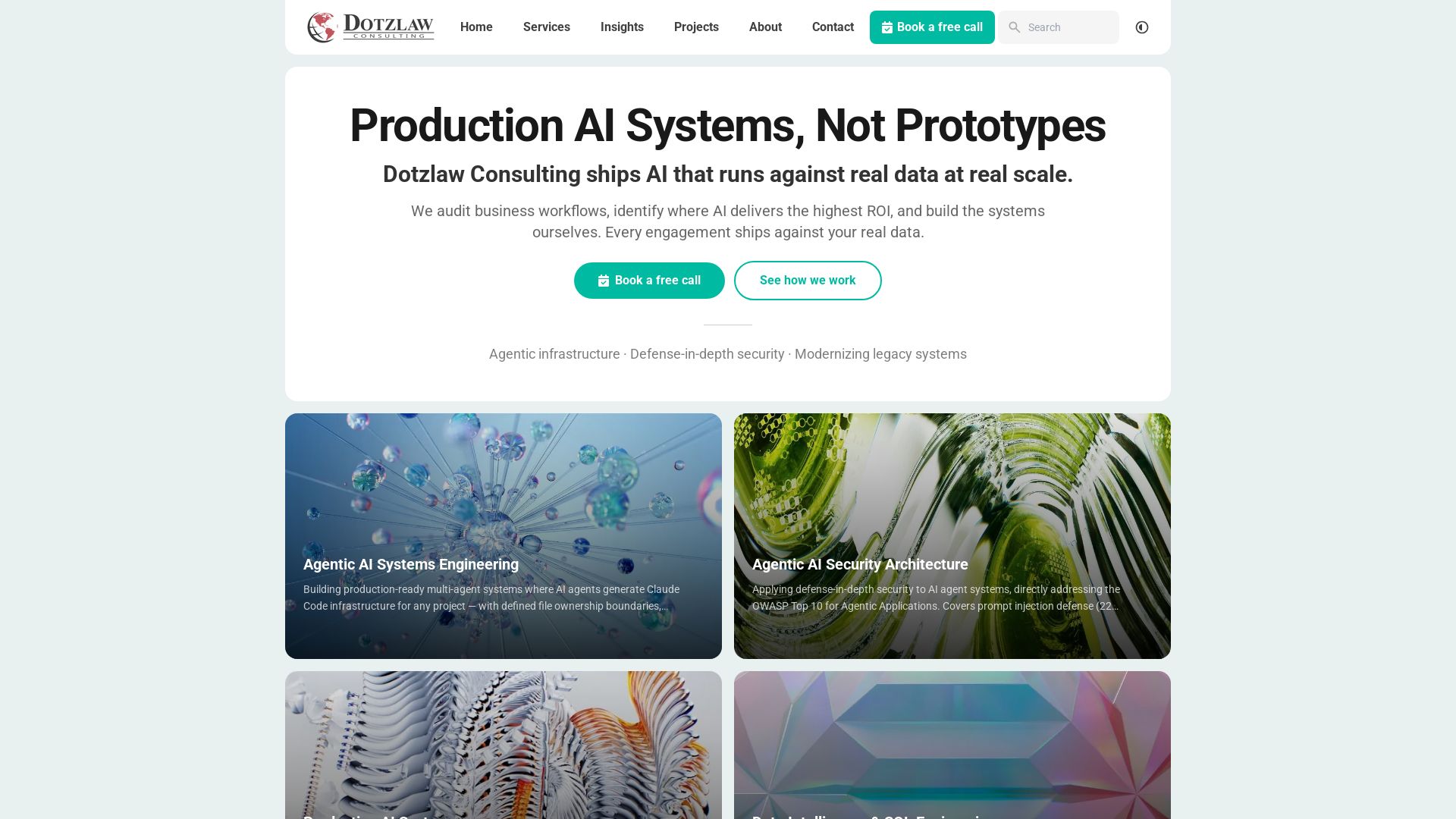
Dotzlaw Consulting
We build production-ready AI systems, multi-agent workflows, and secure architectures. Real data, real scale. Expert SQL & data intelligence.

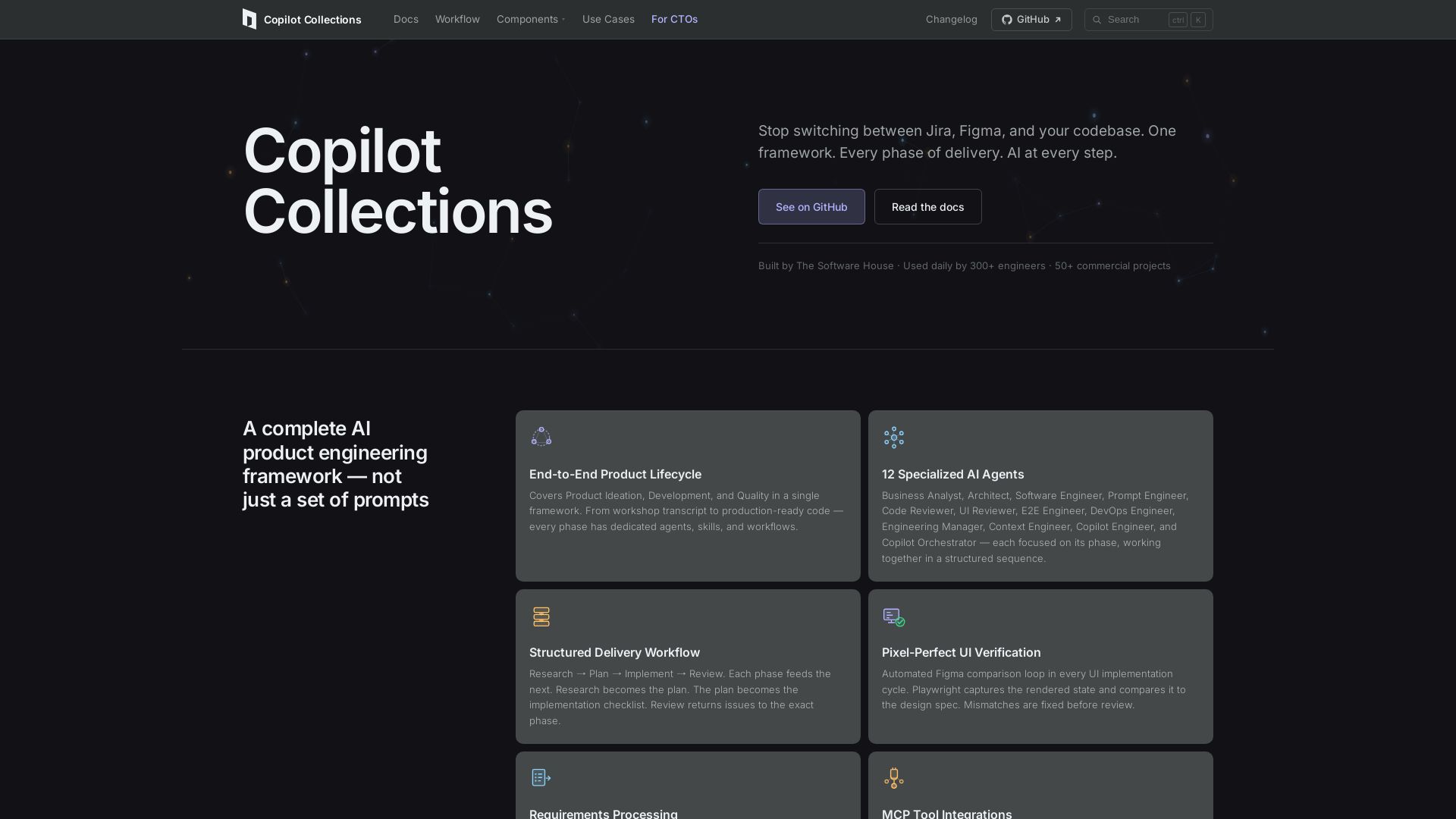
Copilot Collections
Turn ideas into production code with 12 AI agents, MCP integrations, and pixel-perfect UI verification. Used by 300+ engineers. Reduce lead time by 30%.

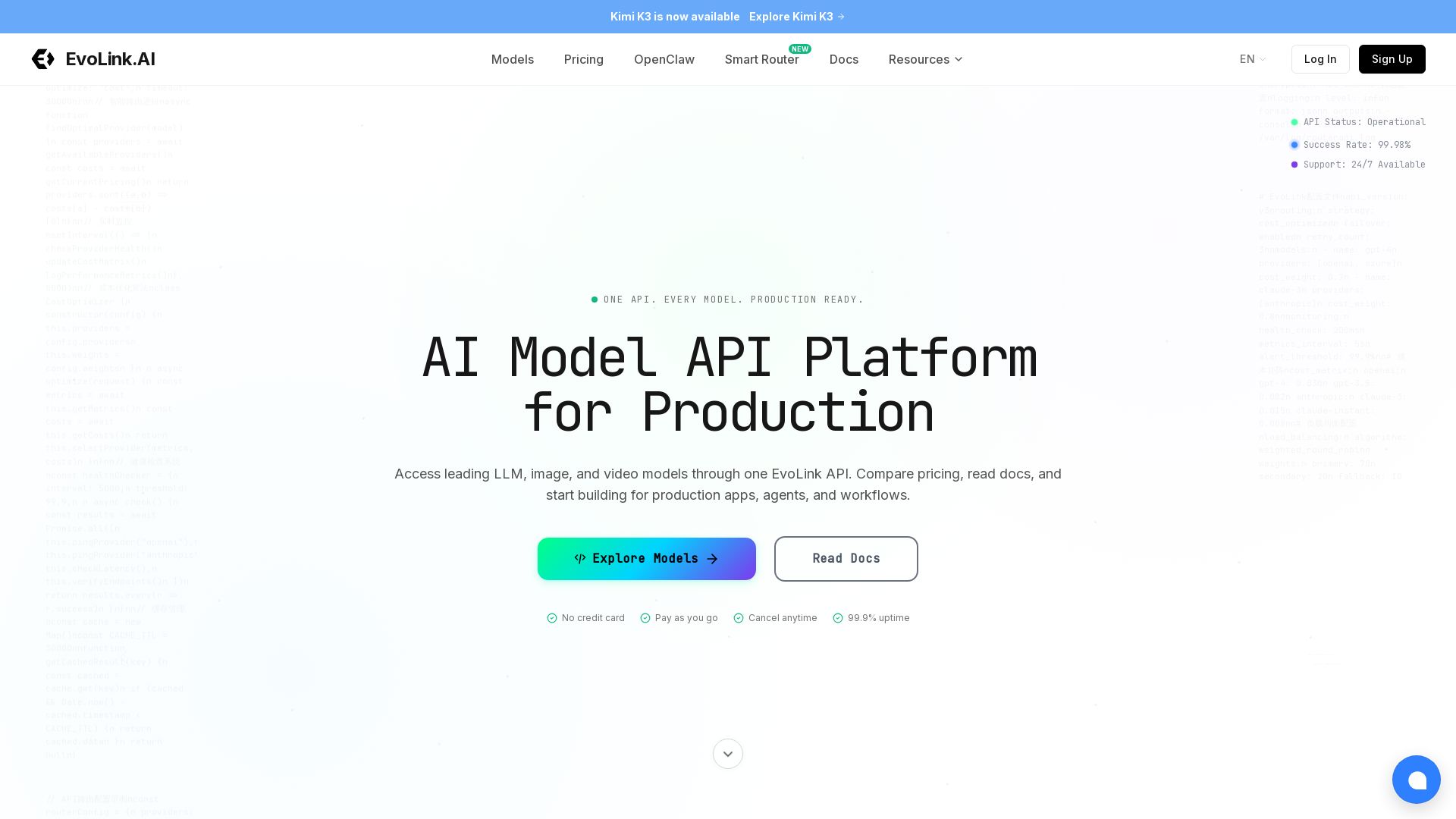
EvoLink
Access GPT, Claude, Gemini, and more via one API. 99.9% uptime, auto failover, pay-as-you-go. Integrate in minutes.

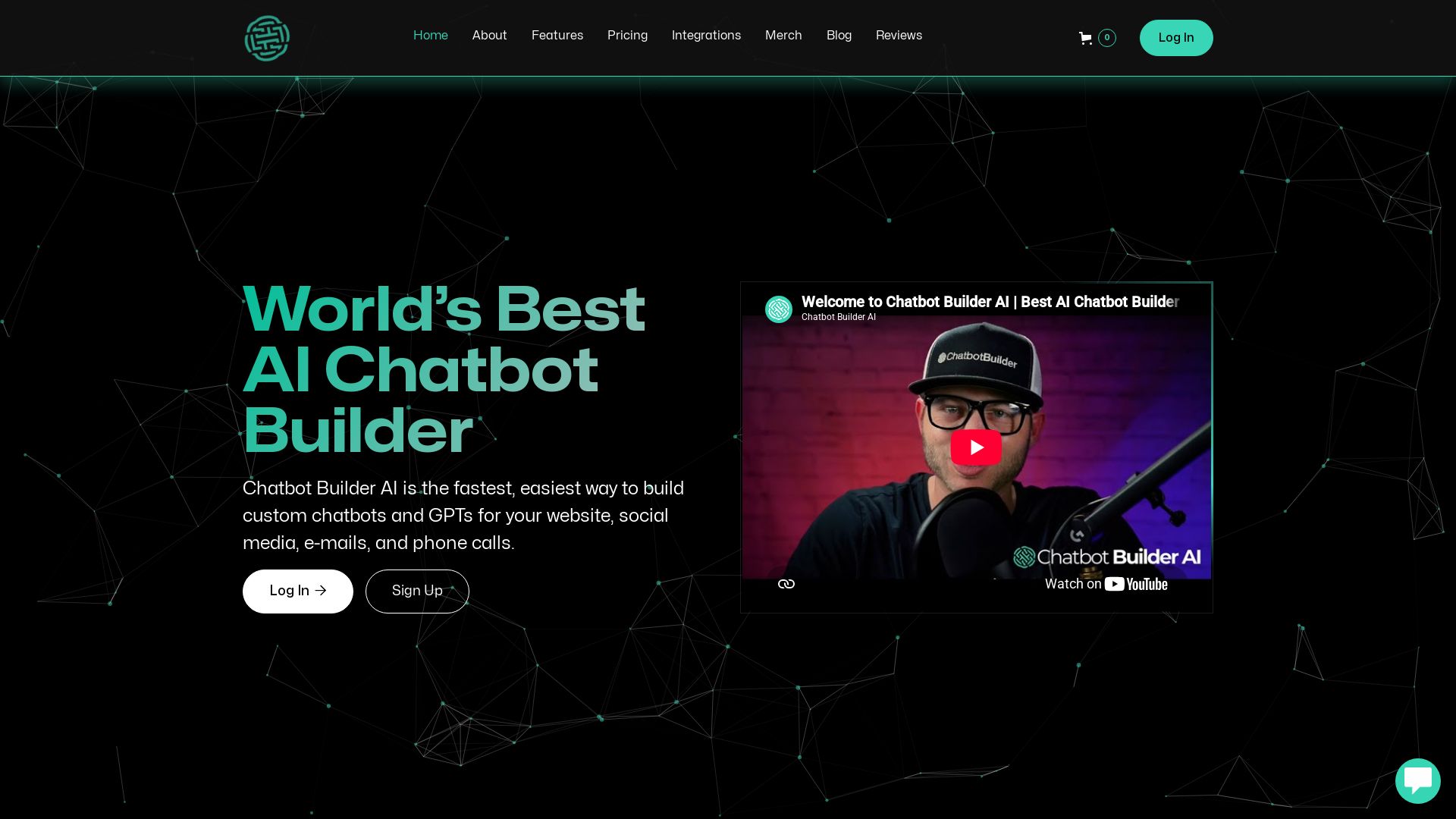
ChatBotBuilderai
Create powerful AI chatbots and GPTs for your business. Integrate with 1000+ apps, support multi-channel, and automate customer service. 14-day free trial. No credit card required.


ChatBot
Train an AI agent on your website in minutes. Answer questions, recommend products, and close sales 24/7. Free 14-day trial, no credit card.

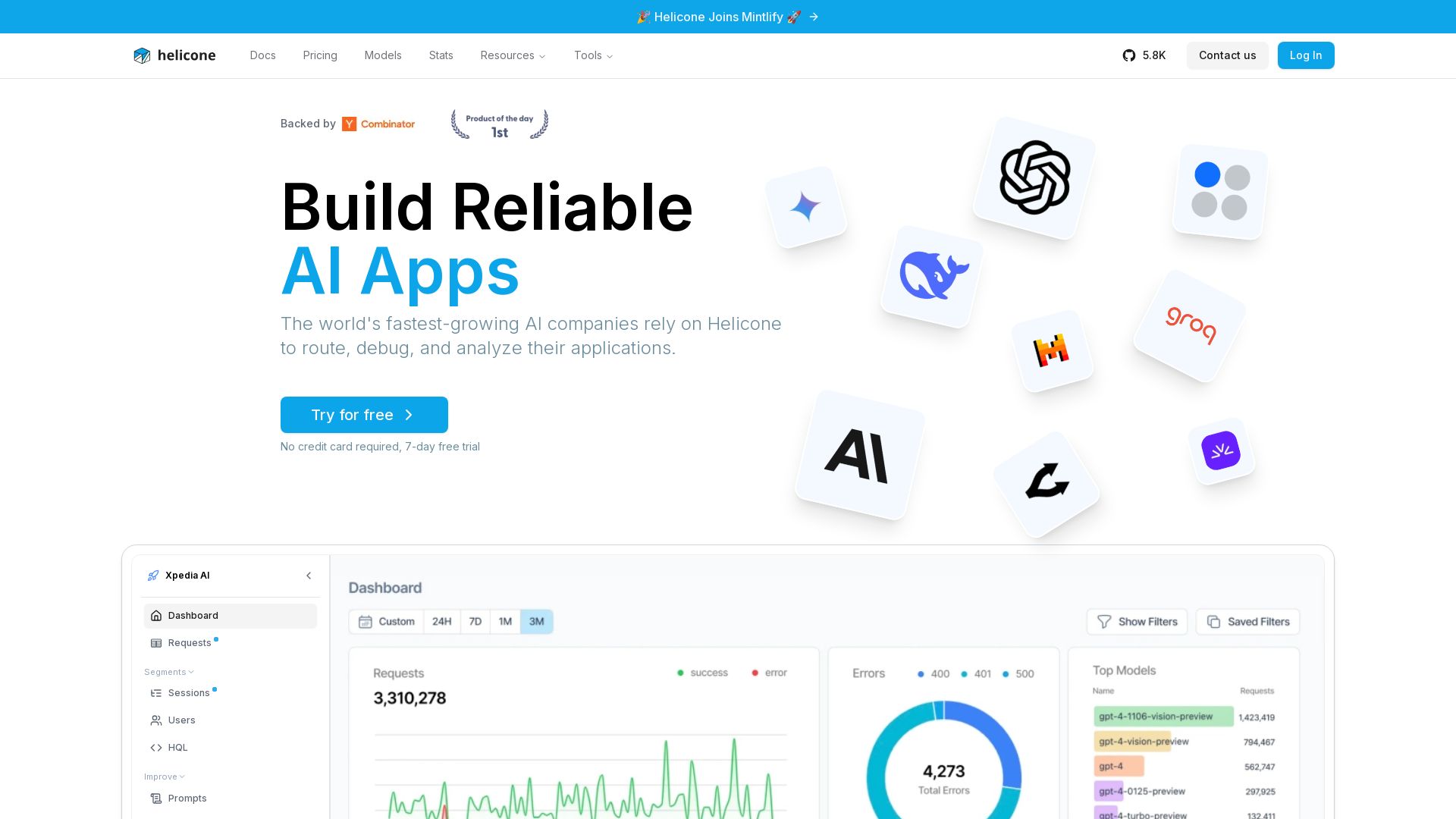
Helicone
Helicone helps AI companies route, debug, and analyze their applications. Trusted by the fastest-growing AI companies. Free trial. Integrates with OpenAI, Anthropic, Azure, and more.

ℹ️ Curation Disclosure: The overview and features of Requesty were synthesized using AI and fact-checked by our curation team to ensure accuracy.