
Bifrost AI Gateway
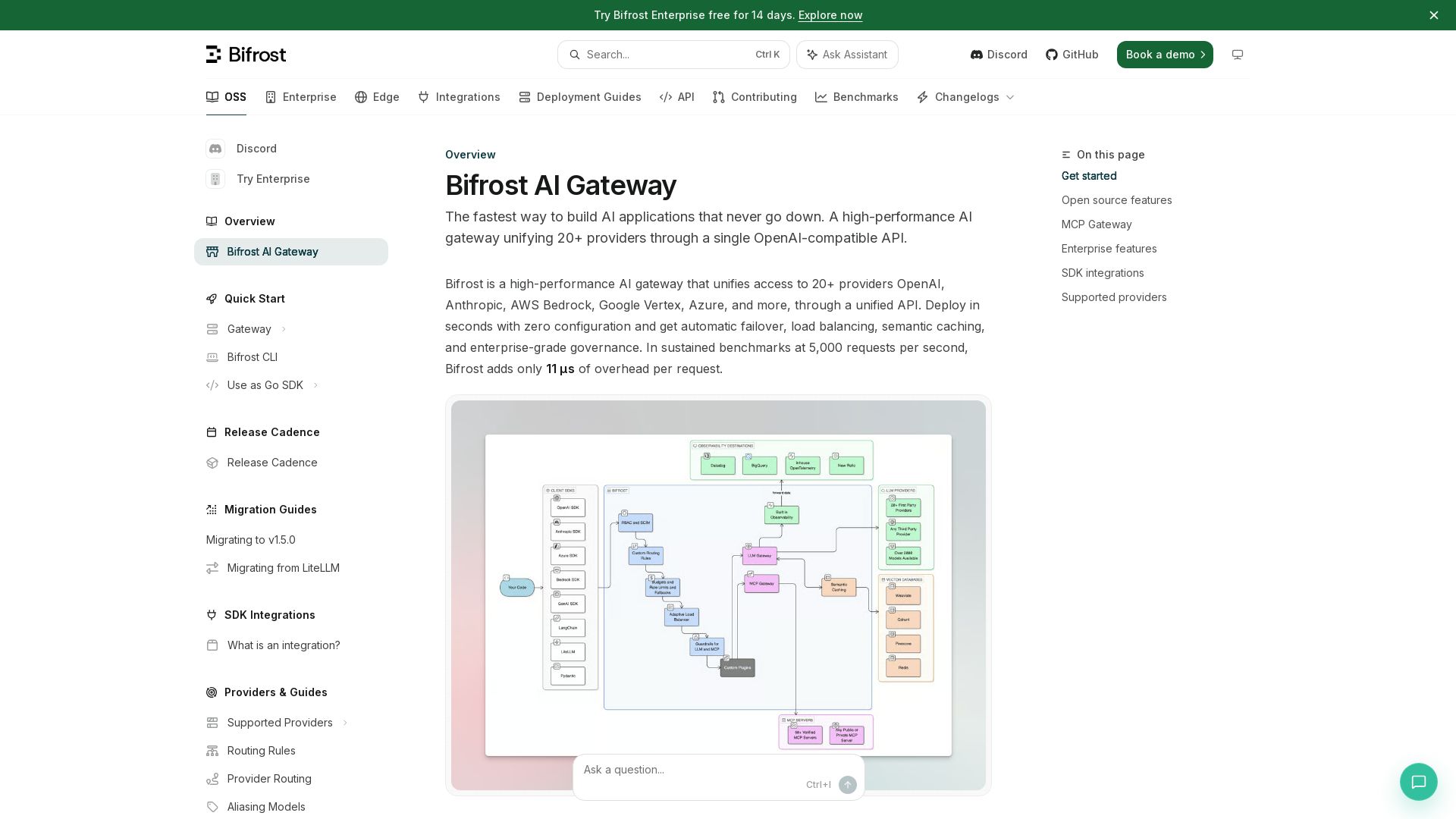
Unify 20+ AI providers with automatic failover, load balancing, and semantic caching. Drop-in replacement for OpenAI SDK. Deploy in seconds.
Editor's Verdict
Key Takeaways
- Drop-in Replacement
- Automatic Fallbacks
- Load Balancing
- Virtual Keys
In-Depth Review: What is Bifrost AI Gateway?
Bifrost is a high-performance AI gateway that unifies access to 20+ providers (OpenAI, Anthropic, AWS Bedrock, Google Vertex, Azure, etc.) through a single OpenAI-compatible API. It acts as a drop-in replacement for existing AI SDKs—simply change the base URL. Features include automatic failover, load balancing, semantic caching, MCP Gateway for tool execution, and enterprise-grade governance. Built-in observability and custom plugins. Deploy in seconds with zero configuration.
Core Features
Drop-in Replacement
Replace existing AI SDK connections by changing just the base URL, keeping your code while gaining fallbacks and governance.
Automatic Fallbacks
Seamless failover between providers and models, automatically switching to backups when primary fails.
Load Balancing
Intelligent API key distribution with weighted load balancing, model-specific filtering, and automatic failover.
Virtual Keys
Primary governance entity for controlling access permissions, budgets, rate limits, and routing per consumer.
Semantic Caching
Intelligent response caching based on semantic similarity to reduce costs and latency for similar queries.
Built-in Observability
Monitor every AI request in real-time to track performance, debug issues, and analyze usage patterns.
Custom Plugins
Extensible middleware architecture allowing Go or WASM plugins for custom logic.
MCP Gateway
Enables AI models to discover and execute external tools dynamically via the Model Context Protocol, transforming chat models into action-capable agents.
Guardrails (Enterprise)
Content safety with AWS Bedrock Guardrails, Azure Content Safety, Google Model Armor, and Patronus AI for real-time protection.
Clustering (Enterprise)
High-availability with automatic service discovery, gossip-based sync, and zero-downtime deployments.
Pricing
Open Source
- Drop-in Replacement
- Automatic Fallbacks
- Load Balancing
- Virtual Keys
- Routing
- Budget & Rate Limits
- MCP Tool Filtering
- Semantic Caching
- Built-in Observability
- Prometheus Metrics
- OpenTelemetry
- Telemetry
- Custom Plugins
- Mocker Plugin
Enterprise
- All Open Source features
- Guardrails
- Adaptive Load Balancing
- Clustering
- Identity Providers (Okta, Entra)
- Role-Based Access Control
- In-VPC Deployments
- Audit Logs
- Datadog Connector
- Log Exports
Pros and Cons
Pros
- High PerformanceAdds only 11 µs overhead per request at 5,000 requests per second, making it suitable for high-traffic AI applications.
- Unified APIProvides a single OpenAI-compatible API for over 20 providers, simplifying integration and reducing vendor lock-in.
- Rich Feature SetIncludes semantic caching, load balancing, automatic failover, virtual keys, and built-in observability out of the box.
- Open SourceFully open source with a free version, enabling transparency, customization, and community contributions.
- Enterprise GovernanceOffers audit logs, role-based access control, guardrails, and identity provider integration for compliance and security.
Cons
- ComplexityThe wide range of features may require a significant learning curve for new users to fully utilize.
- Undisclosed Enterprise PricingEnterprise plan pricing is not publicly listed, which may deter some potential customers.
- Dependency RiskRelying on Bifrost as a gateway introduces a single point of failure if not properly deployed with redundancy.
- Limited Free VersionThe open source version lacks advanced enterprise features like guardrails, clustering, and identity providers.
- Custom Pricing ComplexityConfiguring custom pricing overrides can be intricate, requiring careful setup of scopes and patterns.
Use Cases & Recommended Professions
Software Engineer→ View Toolkit
Integrate AI models into applications without vendor lock-in, using a unified API and drop-in replacement for existing SDKs.
AI/ML Engineer→ View Toolkit
Deploy and manage multiple AI models with automatic failover, load balancing, and cost optimization features.
DevOps Engineer→ View Toolkit
Ensure high availability, observability, and performance of AI infrastructure with clustering, monitoring, and failover capabilities.
Product Manager→ View Toolkit
Control costs and usage across teams using virtual keys, budgets, and rate limits, while tracking usage patterns.
Data Scientist→ View Toolkit
Reduce costs for repeated queries with semantic caching and experiment with multiple providers through a single interface.
Startup Founder→ View Toolkit
Quickly prototype and scale AI features by switching between providers without code changes, and benefit from the free open source version.
Frequently Asked Questions
Alternative AI Tools
View Detailed Comparison →
Expo AI Chatbot
Build AI chatbot apps for iOS, Android & web with Expo SDK 54, AI SDK 5, voice, long-term memory, and more. Open-source codebase.


Chatbot Builder
Build an AI chatbot in minutes without coding. 24/7 customer support, sales automation, and seamless integrations. Start your free 14-day trial today!

Envoy AI Gateway
Envoy AI Gateway is an open source project for handling GenAI traffic with Envoy Gateway. Supports 16+ LLM providers, production-ready v1.0.

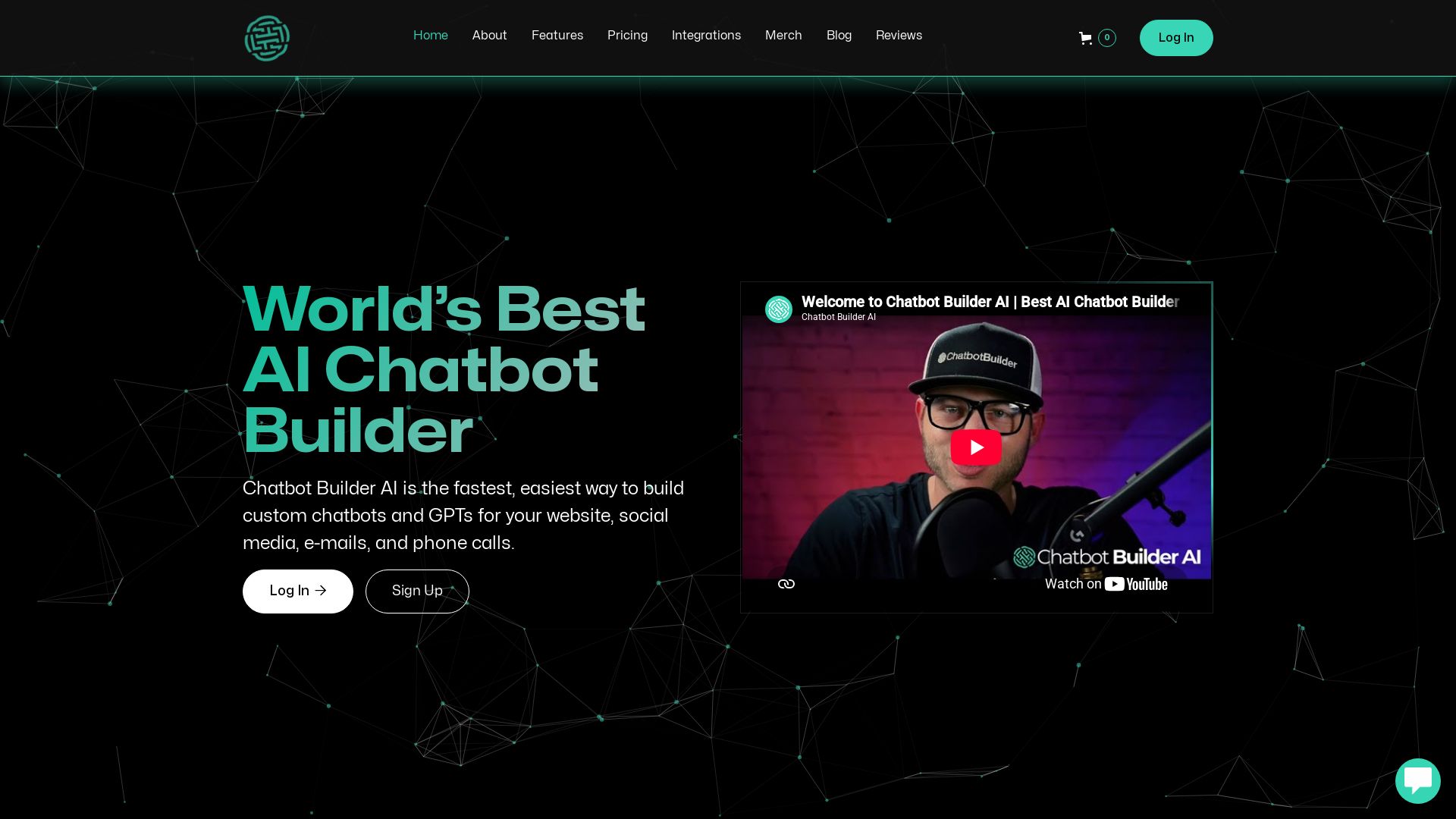
ChatBotBuilderai
Create powerful AI chatbots and GPTs for your business. Integrate with 1000+ apps, support multi-channel, and automate customer service. 14-day free trial. No credit card required.

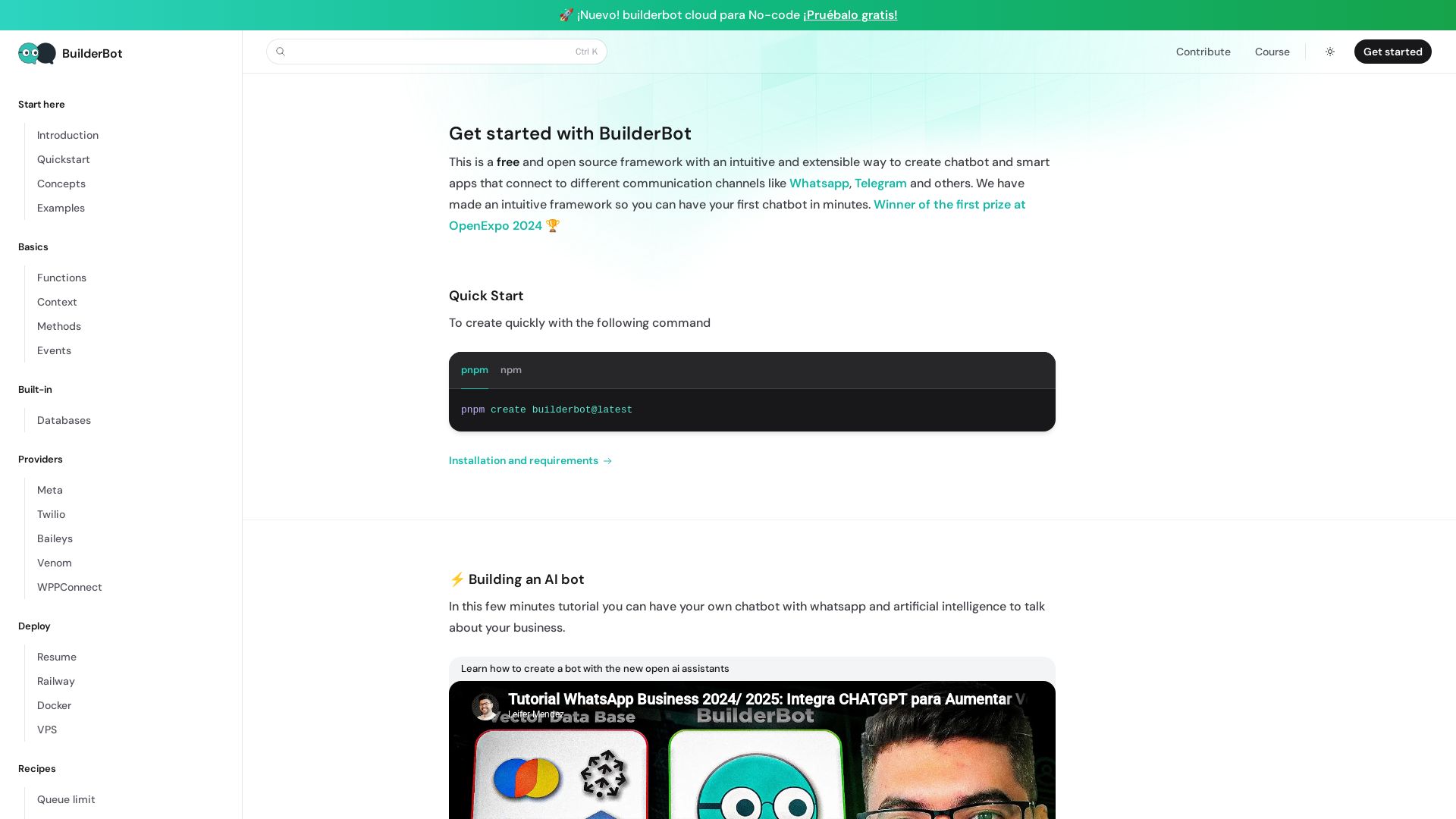
BuilderBot.app
Build smart chatbots for WhatsApp, Telegram & more with BuilderBot. Free, open source, winner of OpenExpo 2024. Quick start in minutes.

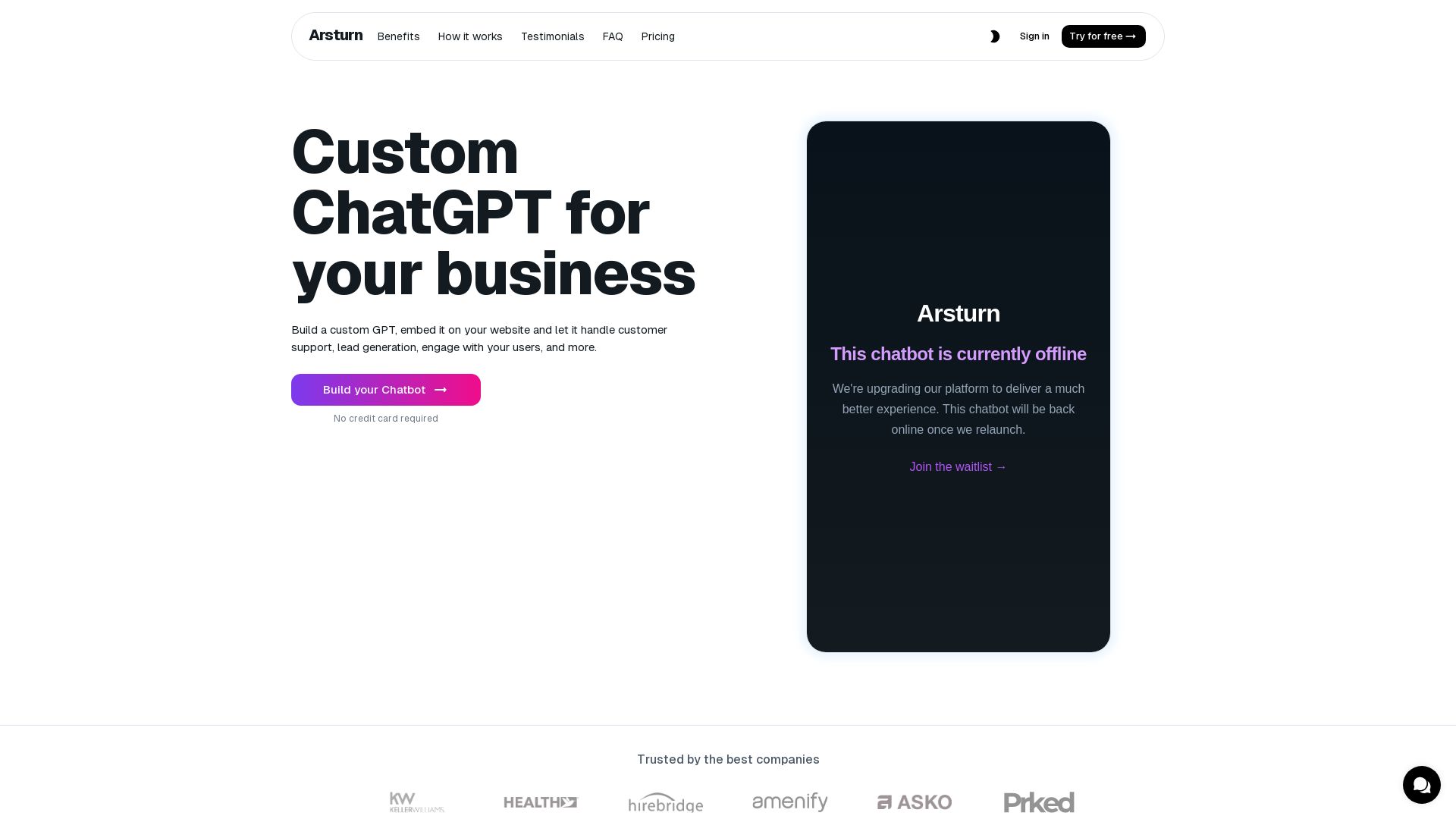
Arsturn
Build a custom GPT chatbot without coding. Train with your data, embed on website, boost engagement and lead generation. Free plan available.

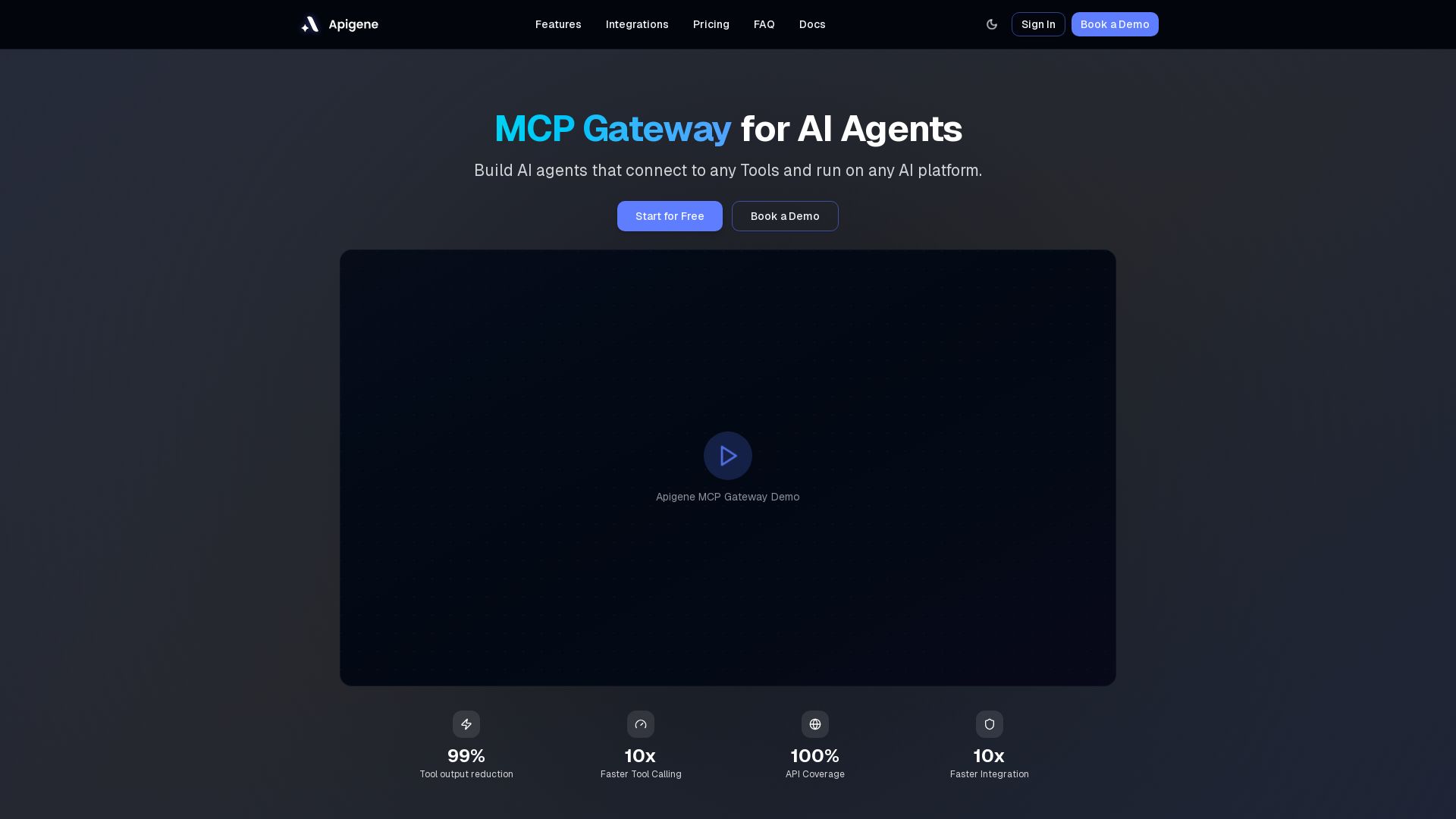
Apigene MCP Gateway
Build AI agents that connect to any API or MCP server. Reduce tool call costs by 99%, deploy on any platform. No-code builder, centralized governance.

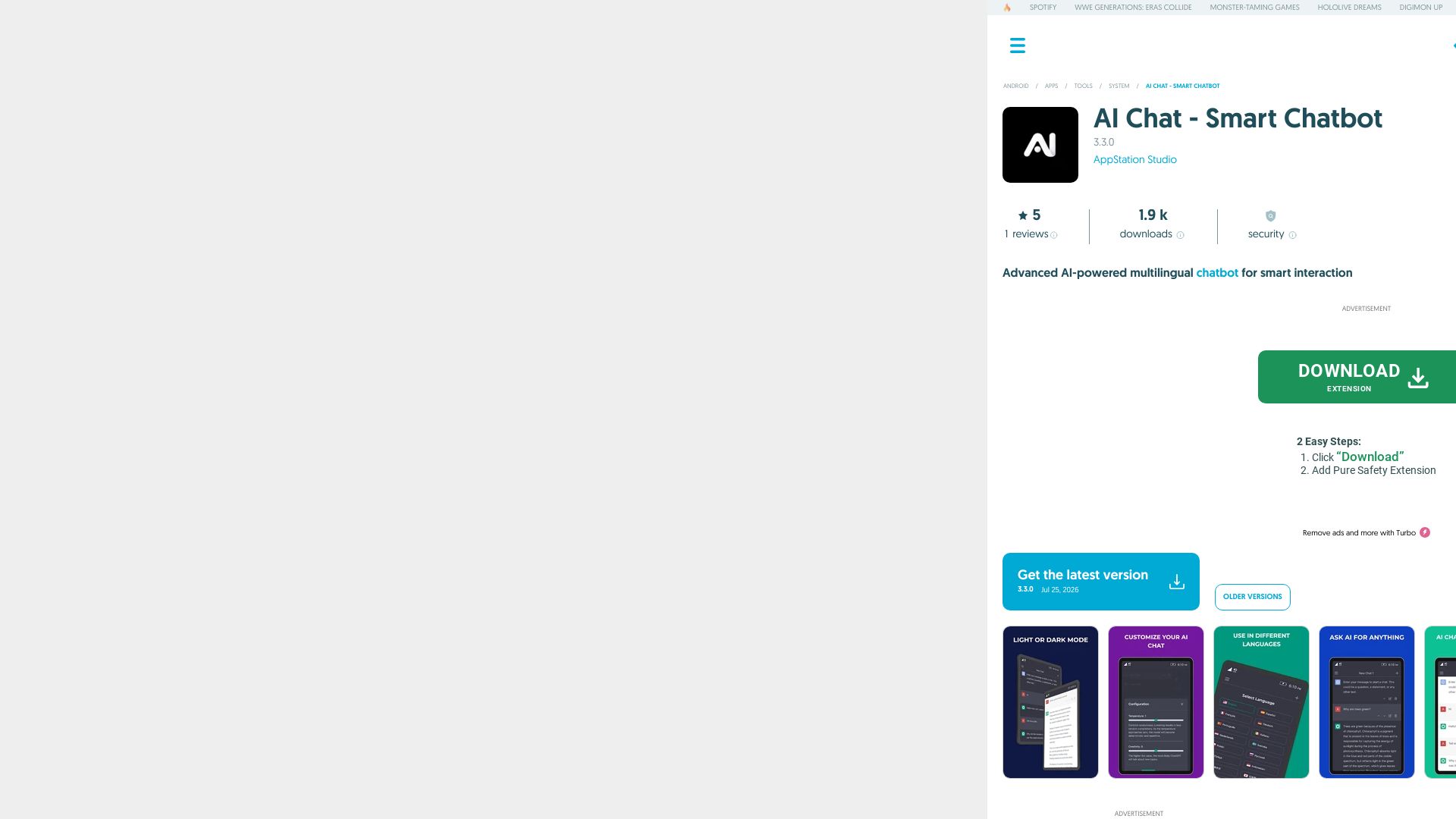
AI Chat - Smart Chatbot
Download AI Chat - Smart Chatbot for Android. Powered by ChatGPT, it offers human-like conversations, multilingual support, and easy-to-use interface. Free download.

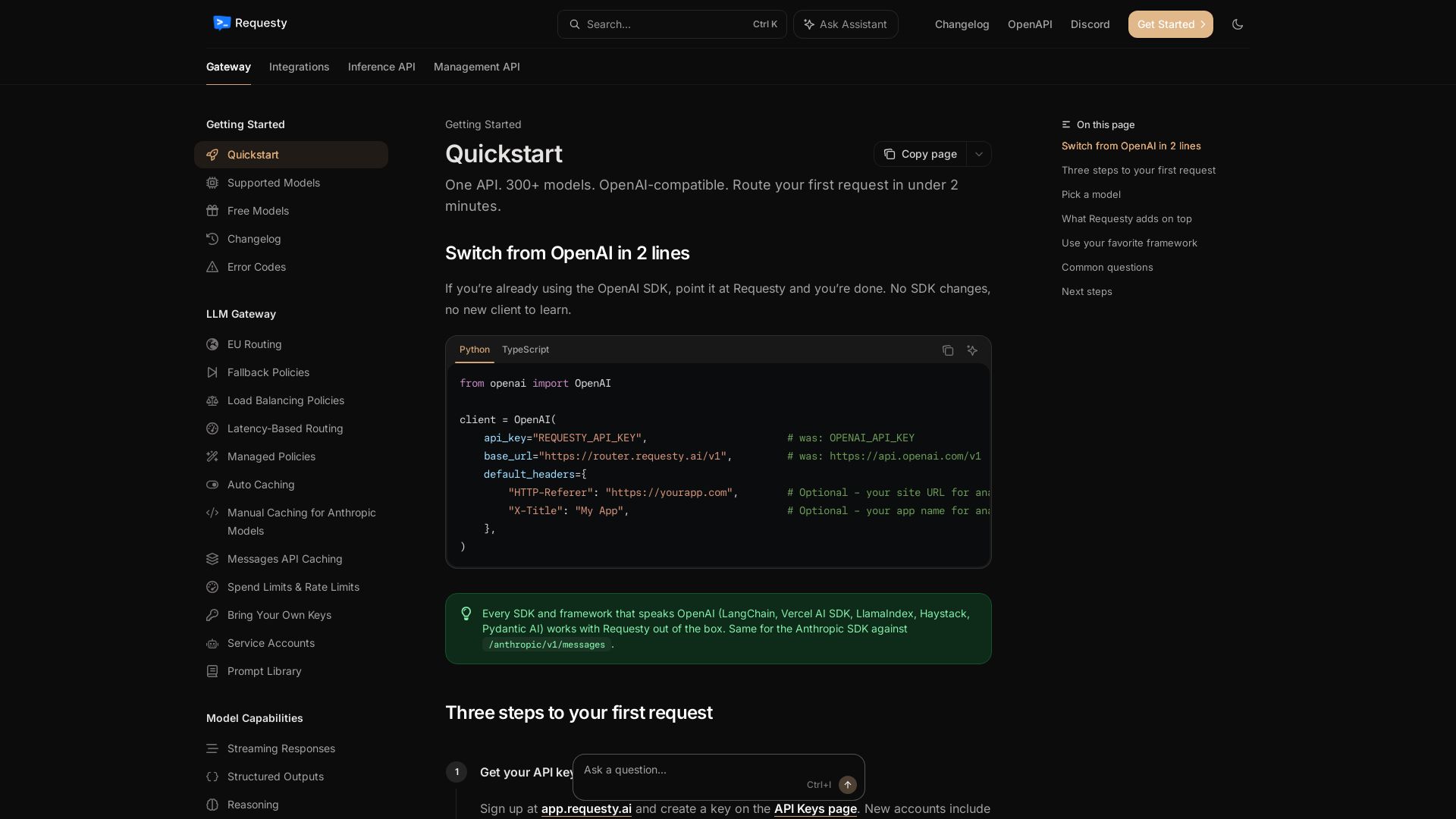
Requesty
Route requests to 300+ LLMs with one OpenAI-compatible API. Fallback, caching, analytics. Get started in 2 minutes.

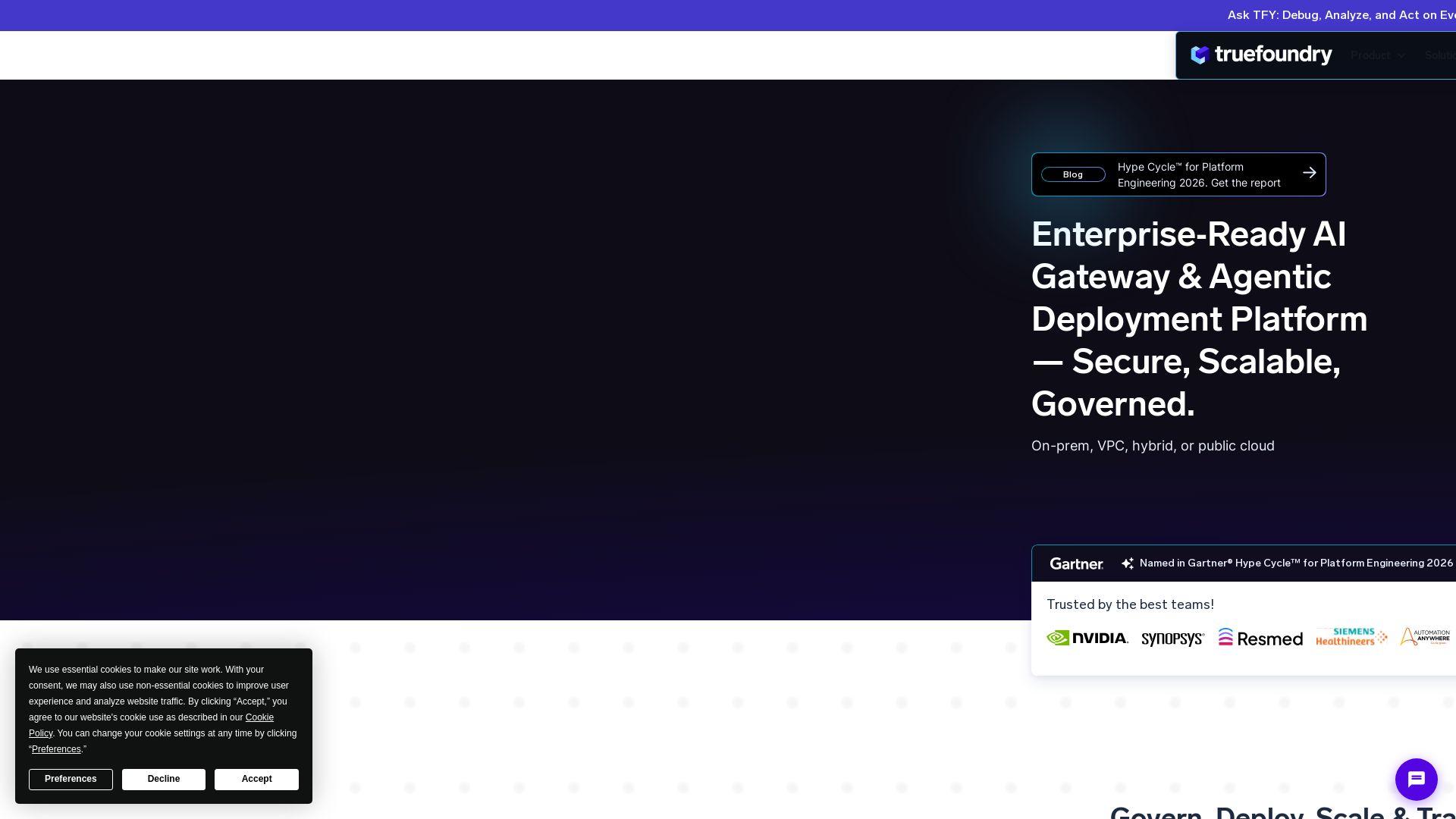
Truefoundry
Deploy, govern, and scale agentic AI with TrueFoundry's secure AI gateway. On-prem or cloud, with full observability and compliance. Get 3x faster value.

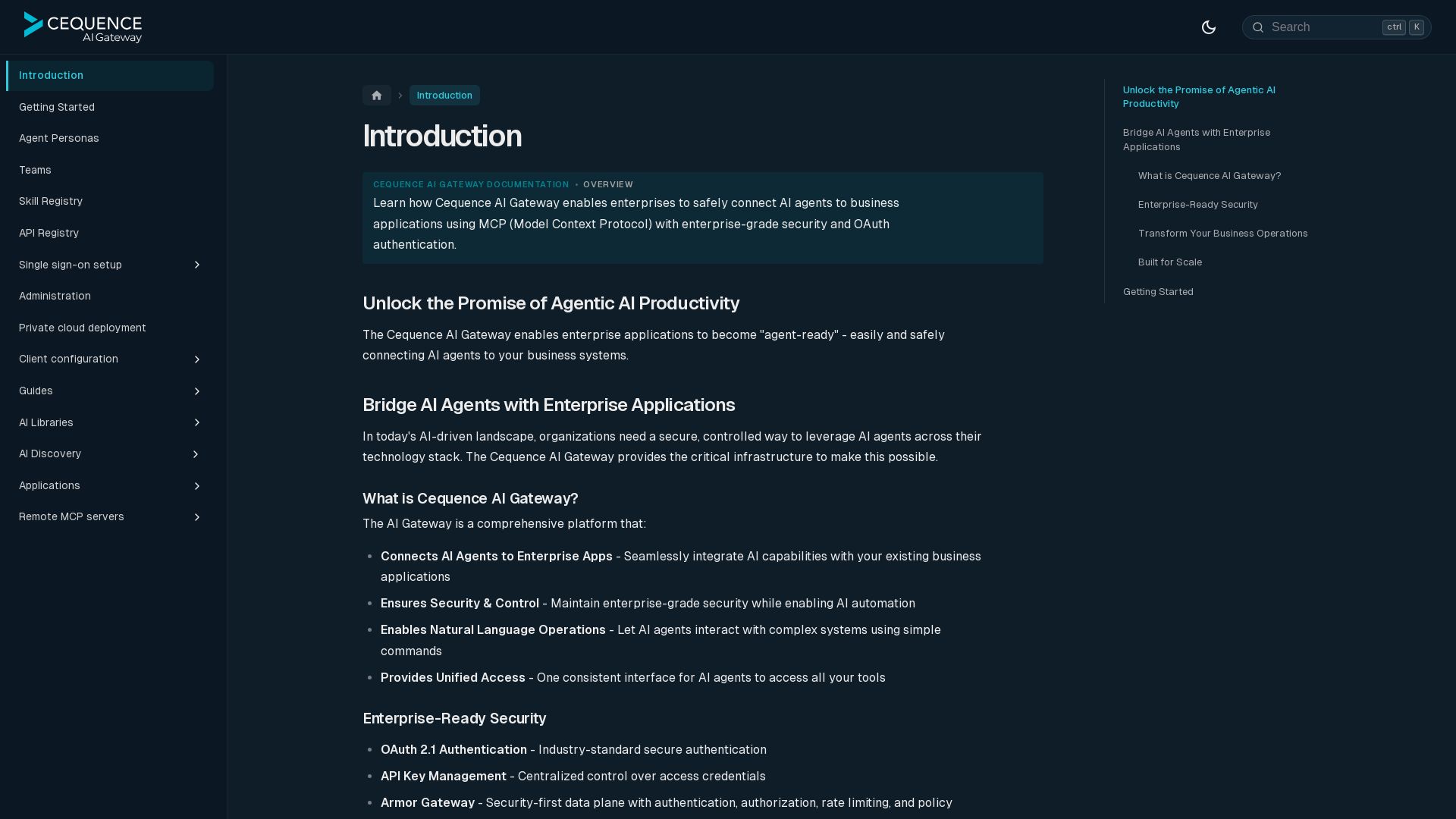
Cequence AI Gateway
Safely connect AI agents to business apps with enterprise-grade security, OAuth 2.1, and MCP. Unlock agentic AI productivity.

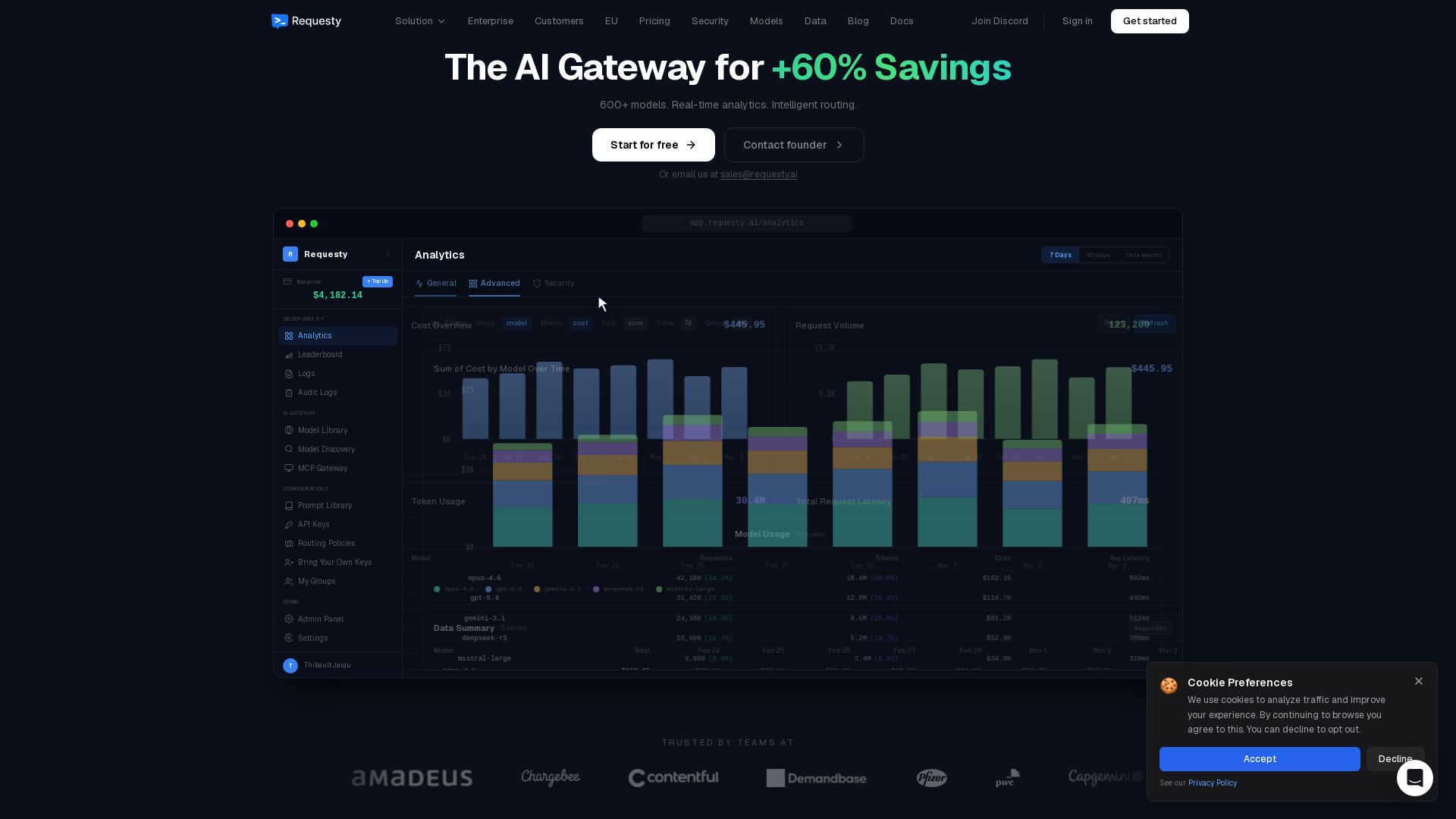
Requesty
Route to 600+ LLMs, get real-time analytics, reduce costs with smart routing & caching. Enterprise-grade security & observability.

ℹ️ Curation Disclosure: The overview and features of Bifrost AI Gateway were synthesized using AI and fact-checked by our curation team to ensure accuracy.