
OCTA
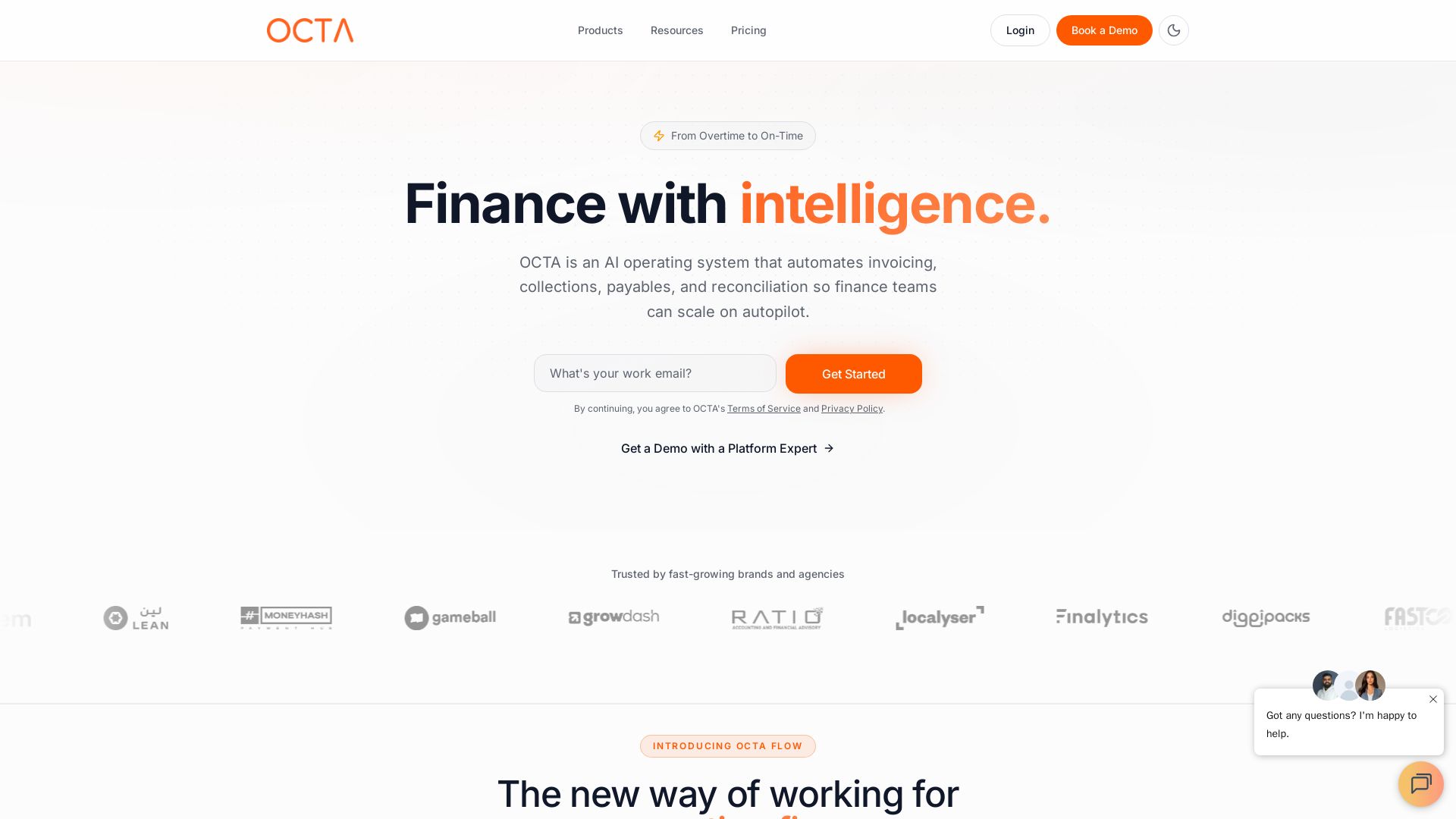
Automate invoicing, collections, payables, and reconciliation with OCTA. Scale on autopilot and gain audit-ready visibility across your finance operations.
Editor's Verdict
Key Takeaways
- Automated Invoicing
- Automated Collections
- Payables Automation
- Reconciliation Automation
In-Depth Review: What is OCTA?
OCTA is an AI operating system for finance teams and accounting firms. It automates invoicing, collections, payables, reconciliation, and back-office workflows, turning manual effort into a live, collaborative workspace. With built-in audit trails, regional data storage, and AI agents that handle reconciliations and filings, OCTA helps firms onboard clients in days and manage entire practices from one view—cutting reconciliation time by 70% and enabling each accountant to serve three times more clients.
Core Features
Automated Invoicing
OCTA automates the entire invoicing process, reducing manual effort and errors.
Automated Collections
The platform handles collections and payment chasing automatically, improving cash flow.
Payables Automation
Automates accounts payable, ensuring timely and accurate payments.
Reconciliation Automation
Automates bank reconciliation, cutting manual reconciliation time by 70%.
OCTA Flow
A live workspace for accounting firms to manage all clients in one place.
AI Agents
AI agents perform work such as reconciliations, filings, and follow-ups on autopilot.
One Workspace
Manage every client's books, approvals, and reporting from a single live view.
Audit-Ready
All actions are logged and evidence packs are available, ensuring audit readiness.
Integrations
Seamlessly integrates with popular accounting software like Xero, QuickBooks, Zoho, and Wafeq.
Regional Data Storage
Data is stored in your region, complying with local regulations.
Pros and Cons
Pros
- Time SavingsReduces time on manual reconciliation by 70%, allowing teams to focus on higher-value tasks.
- ScalabilityEnables accountants to handle 3x more clients, improving firm scalability.
- Autonomous OperationsAI agents handle repetitive tasks on autopilot, minimizing human intervention.
- Audit ReadinessEvery action is logged and evidence is easily accessible, simplifying audits.
Cons
- Initial SetupSetting up the system and integrating with existing processes may require an initial time investment.
- Dependence on AIWhile AI automates tasks, human oversight is still required to ensure accuracy.
- Integration LimitationsThe effectiveness depends on the availability and reliability of third-party integrations.
Use Cases & Recommended Professions
Accountant→ View Toolkit
Accountants can automate routine tasks, manage multiple clients efficiently, and reduce manual errors.
CFO→ View Toolkit
CFOs gain real-time visibility into financial operations and can scale finance processes without proportional headcount growth.
Founder→ View Toolkit
Founders can automate invoicing and collections, improving cash flow and reducing administrative burden.
Accounts Payable Specialist→ View Toolkit
Payables automation reduces manual data entry and ensures timely payments.
Collections Manager→ View Toolkit
Automated collections improve follow-up consistency and recovery rates.
Accounting Firm Partner→ View Toolkit
OCTA Flow enables the entire firm to operate from a single live workspace, increasing client capacity.
Frequently Asked Questions
Alternative AI Tools
View Detailed Comparison →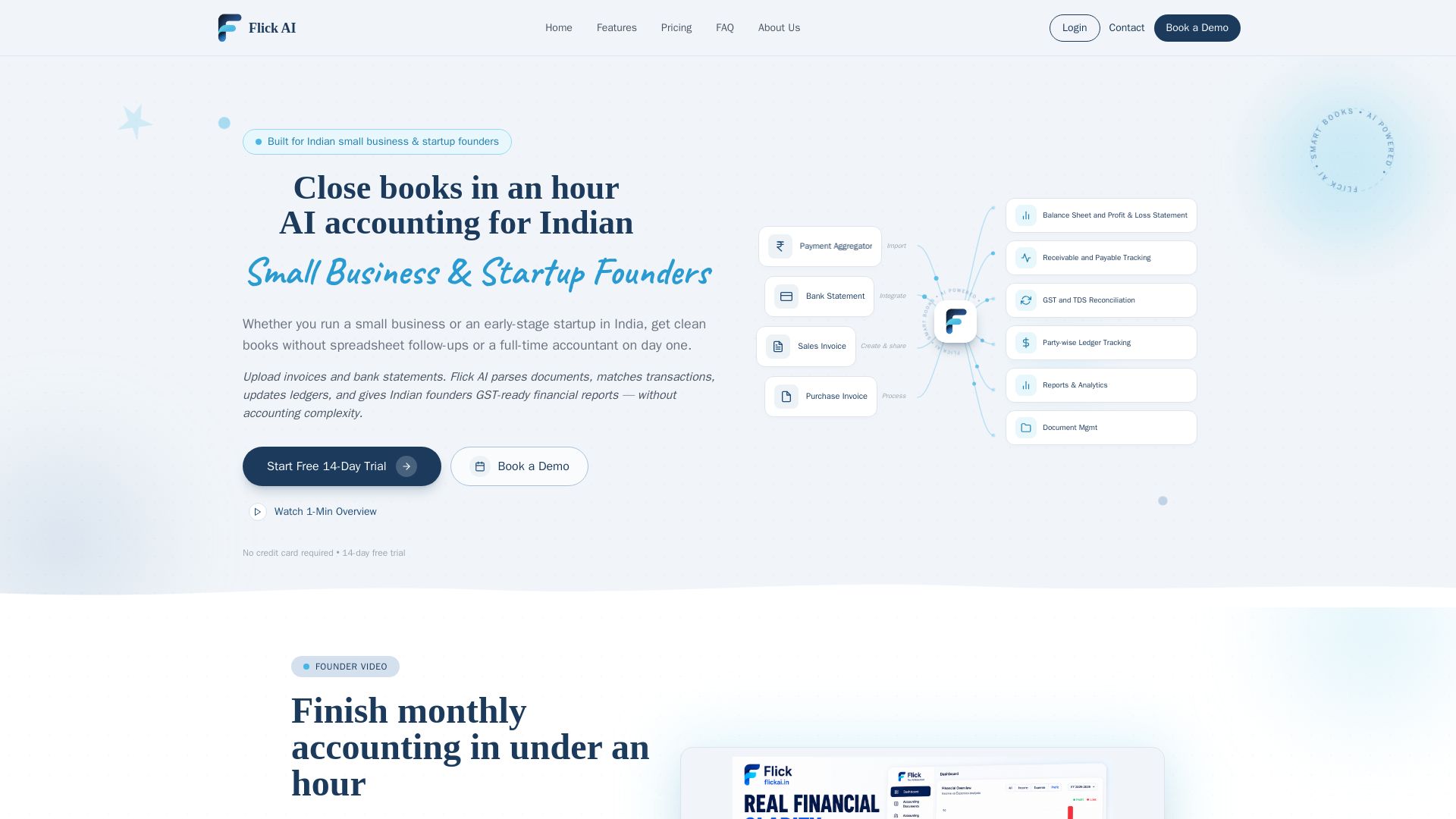
Flick AI
AI accounting for Indian small business & startup founders. Upload invoices & bank statements, get GST-ready reports. Close books in an hour with automated reconciliation. Free trial.

Axcets
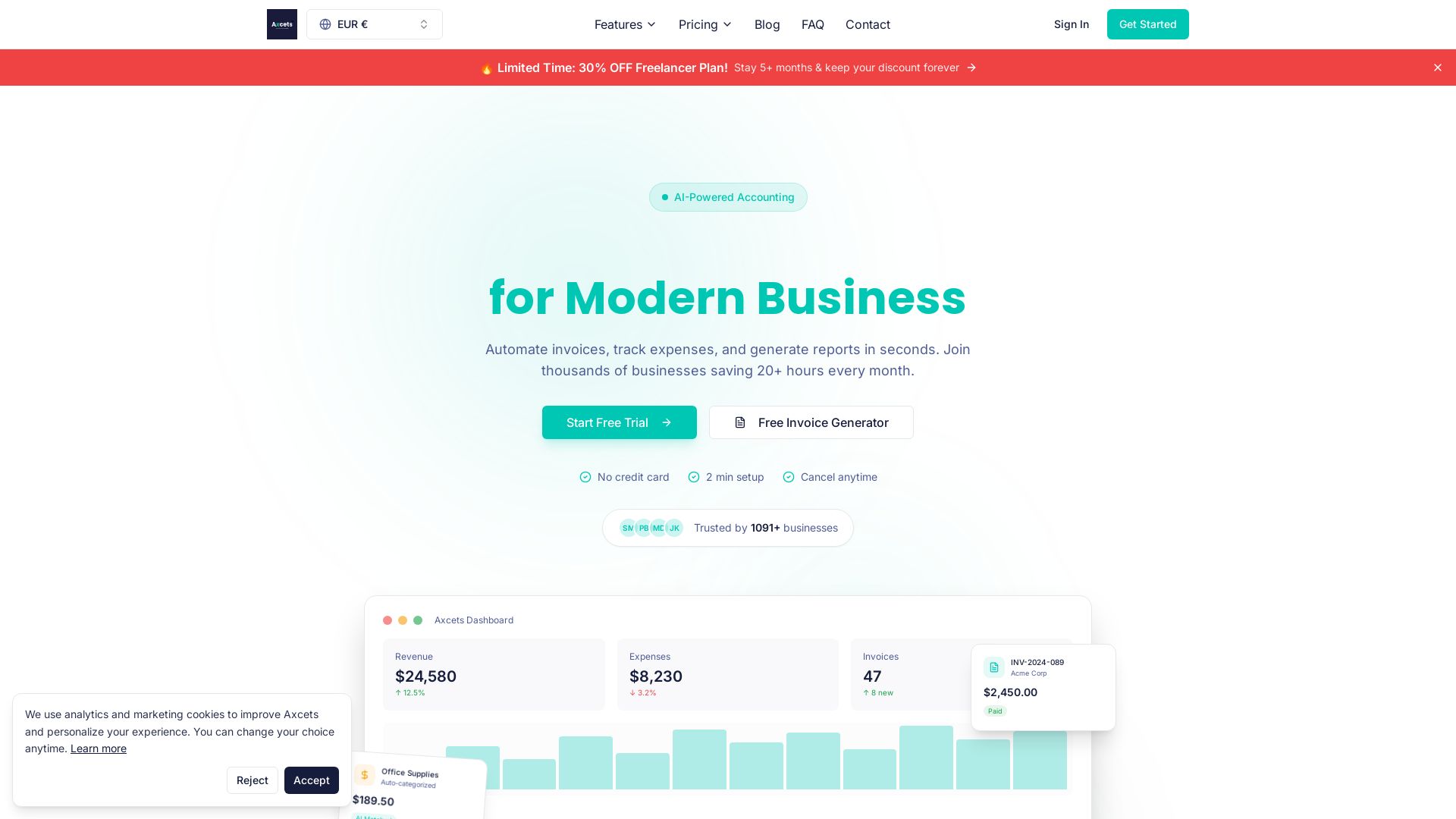
Axcets automates invoicing, expense tracking, and financial reports with AI. Trusted by 960+ businesses. Try free — no credit card needed.
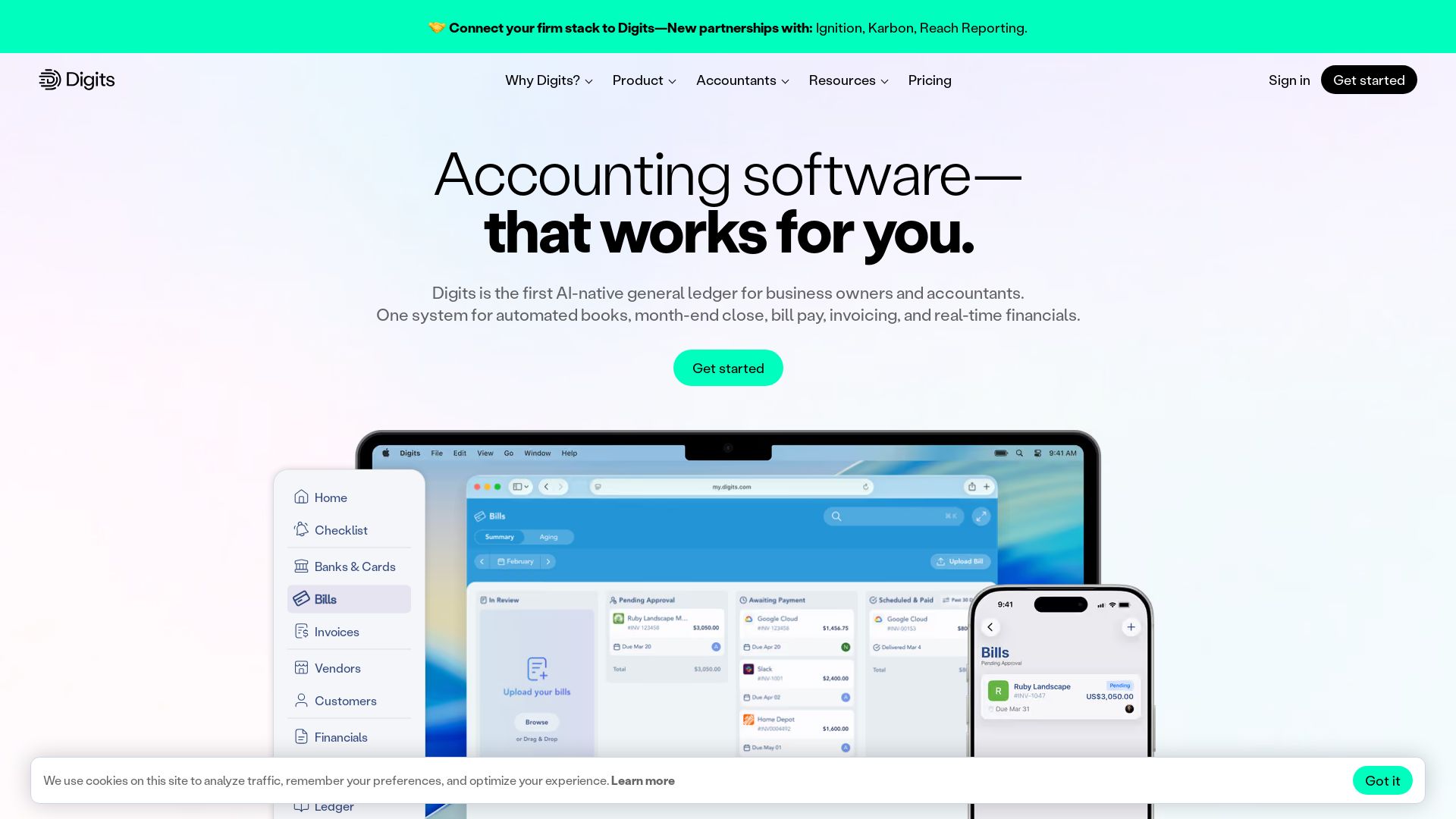
Digits
Automate bookkeeping, close, bill pay, and invoicing with Digits. AI-powered real-time financials trusted by 7,000+ accountants.

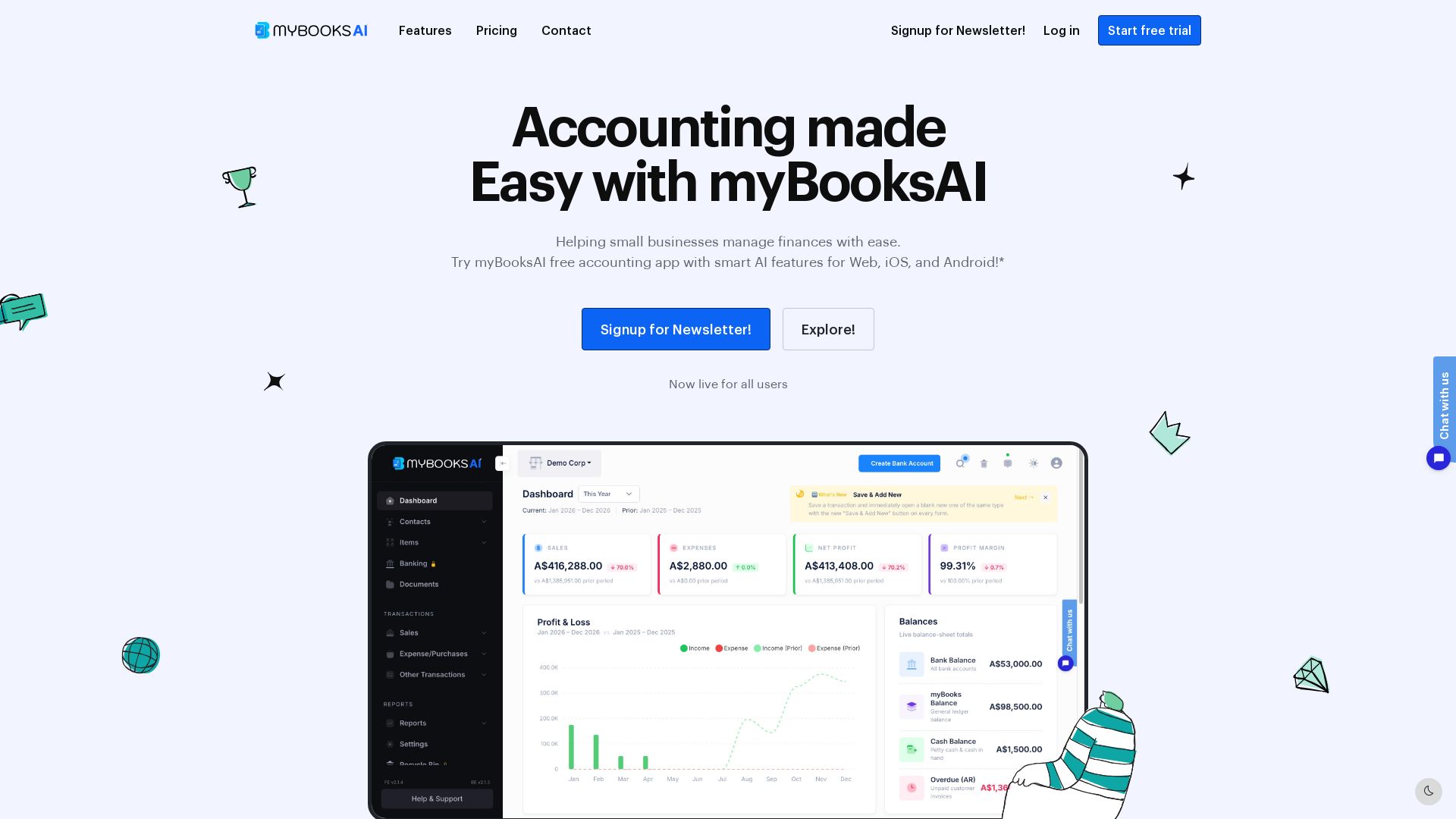
myBooks AI
Simplify your business finances with myBooksAI. Free trial available. Manage invoicing, inventory, bank sync, and GST compliance effortlessly.

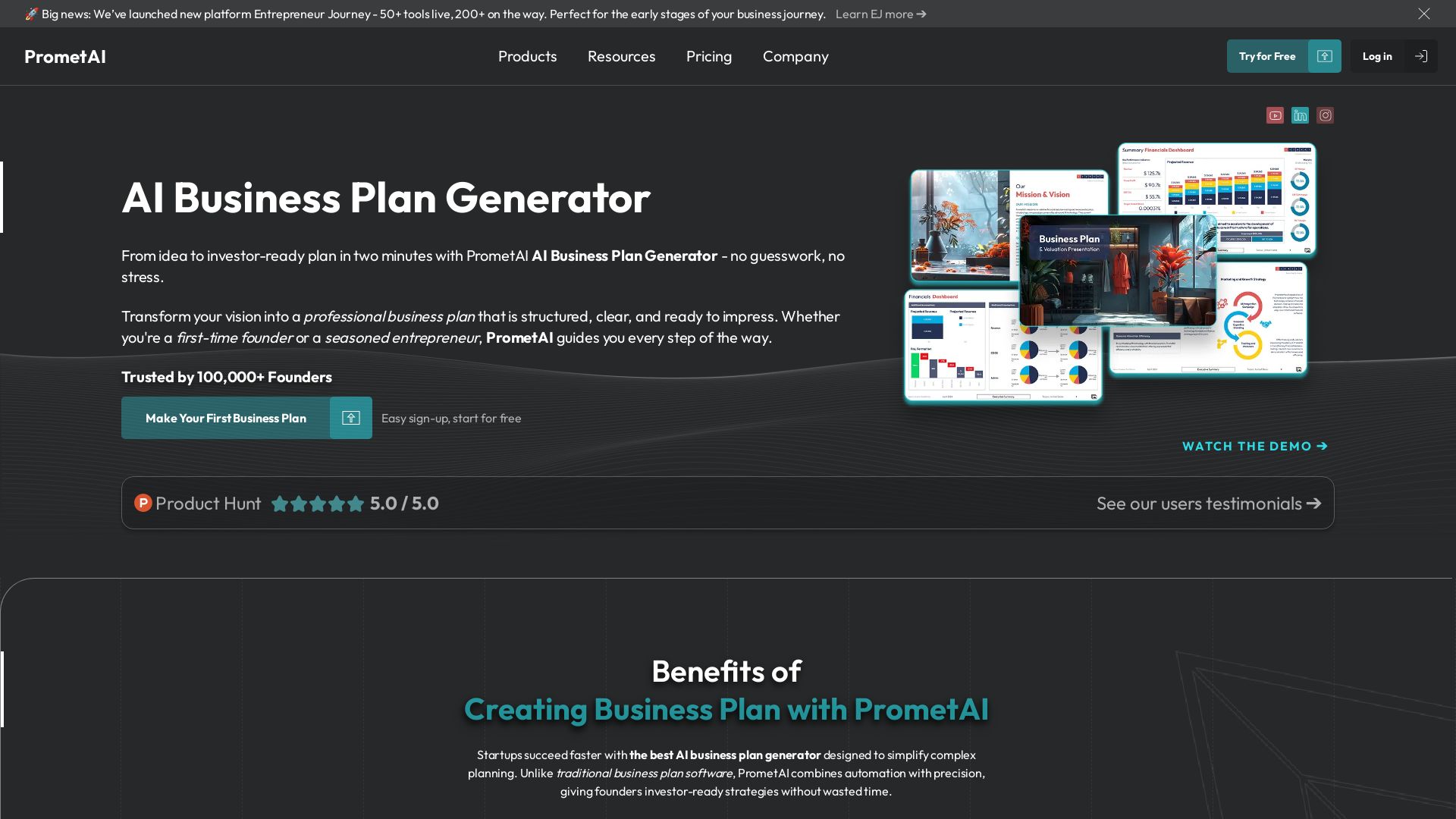
PrometAI
Generate investor-ready business plans in minutes with PrometAI's AI. Trusted by 100,000+ founders. Start for free, no guesswork.

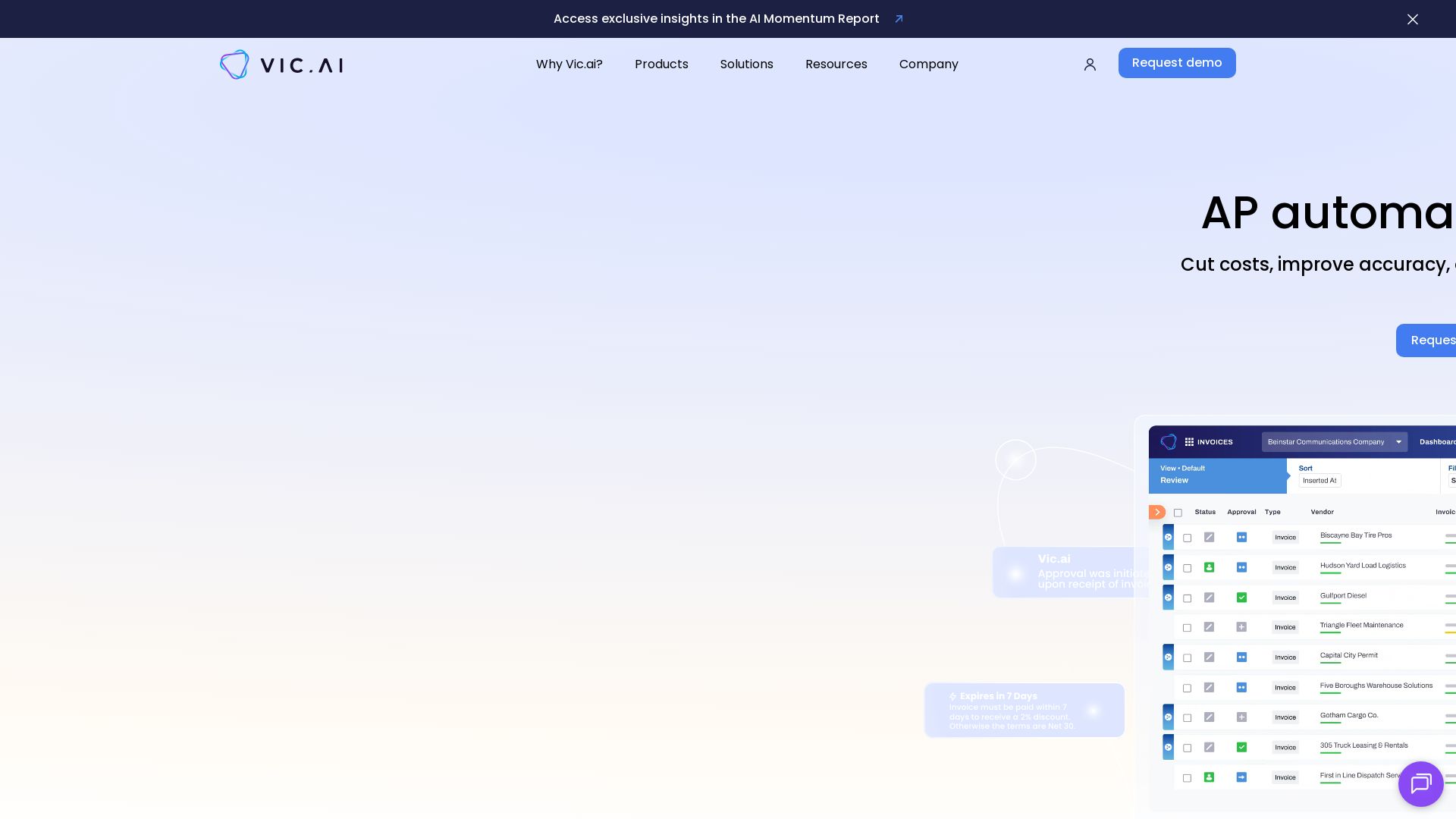
Vic.ai
Cut AP costs, improve accuracy, and scale smarter with Vic.ai's AI-first accounting platform. Automate invoice processing, bill pay, expense management, and gain real-time insights.

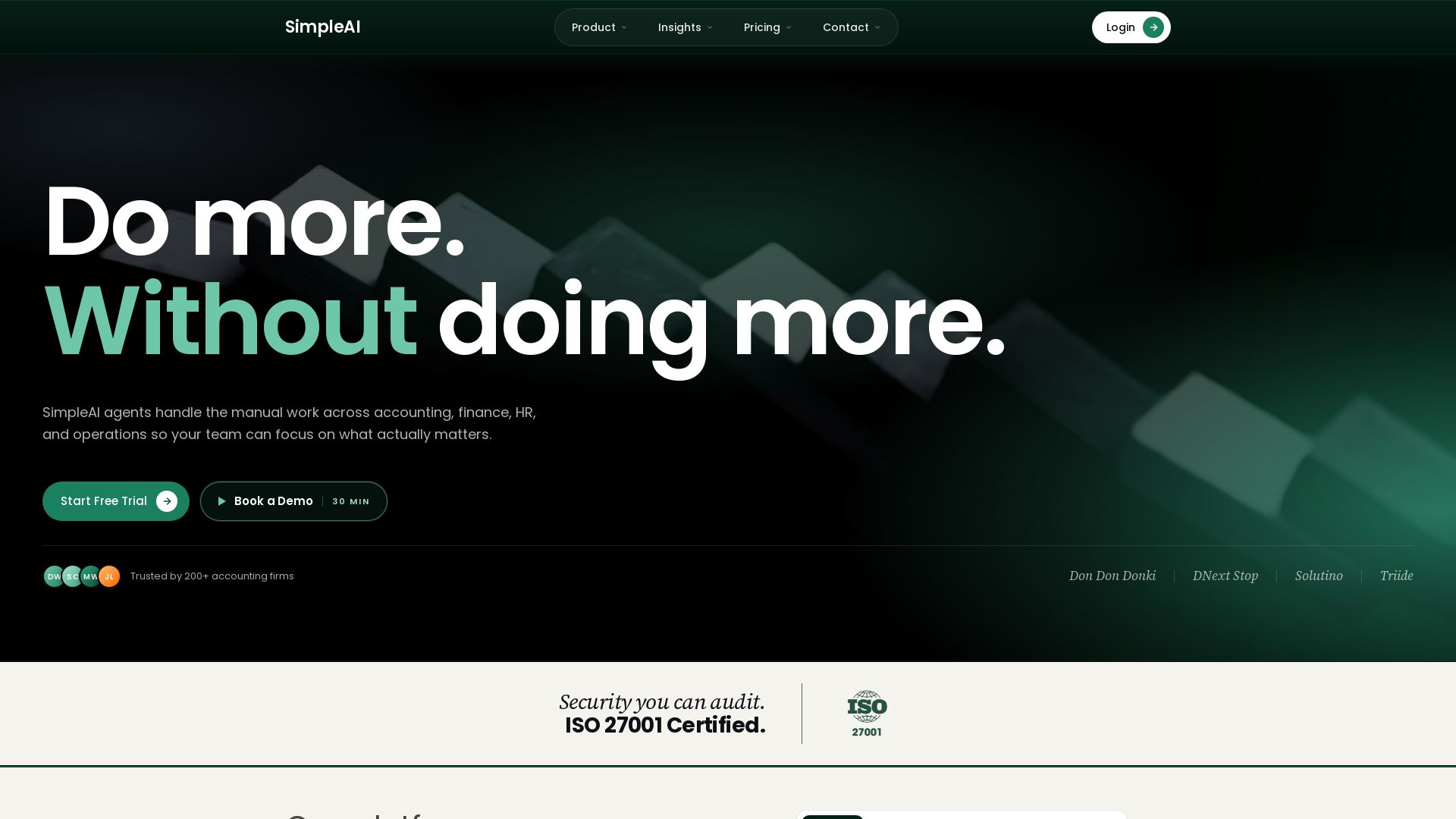
SimpleAI
SimpleAI deploys AI agents to automate accounting, finance, HR, and operations. Trusted by 200+ firms, ISO certified. Reduce manual work by 90%.

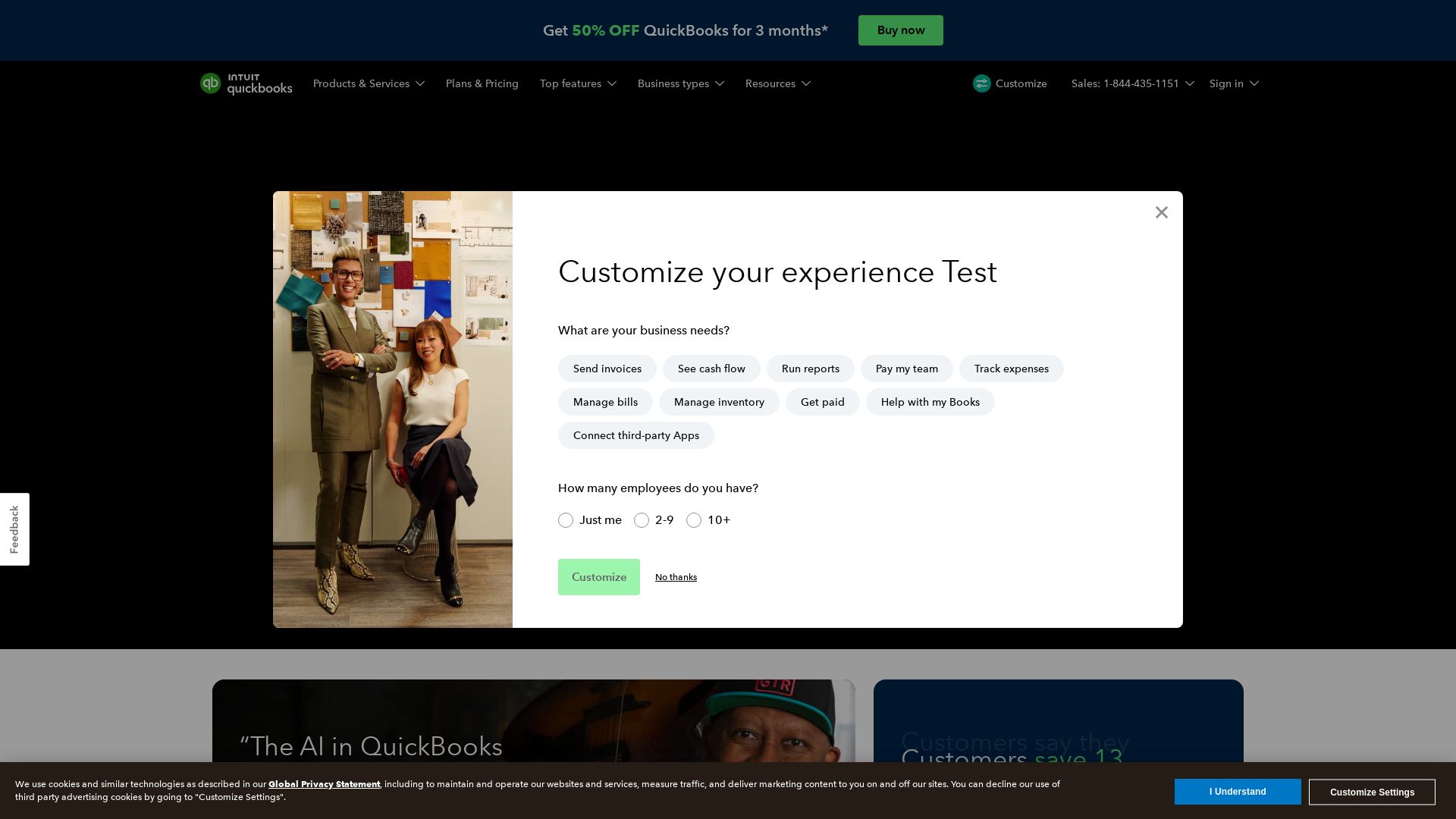
QuickBooks
Save 13 hours/month on average. AI-driven bookkeeping, payroll, and insights to grow revenue and reduce costs. Try 50% off for 3 months.

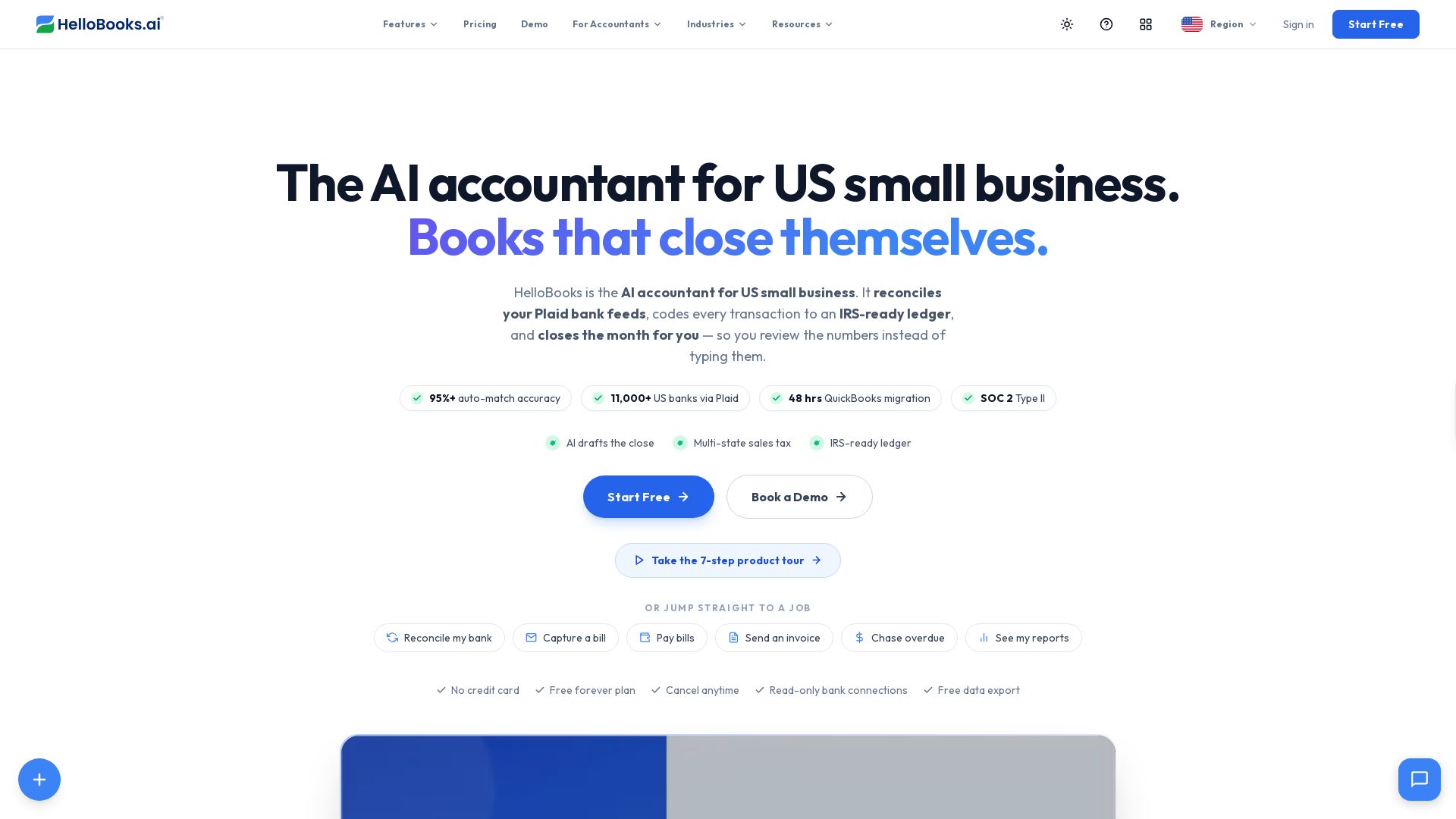
HelloBooks
AI bookkeeping that closes your books. Reconcile 11K+ banks, code to IRS-ready ledger, generate P&L. Free plan. 95%+ accuracy.

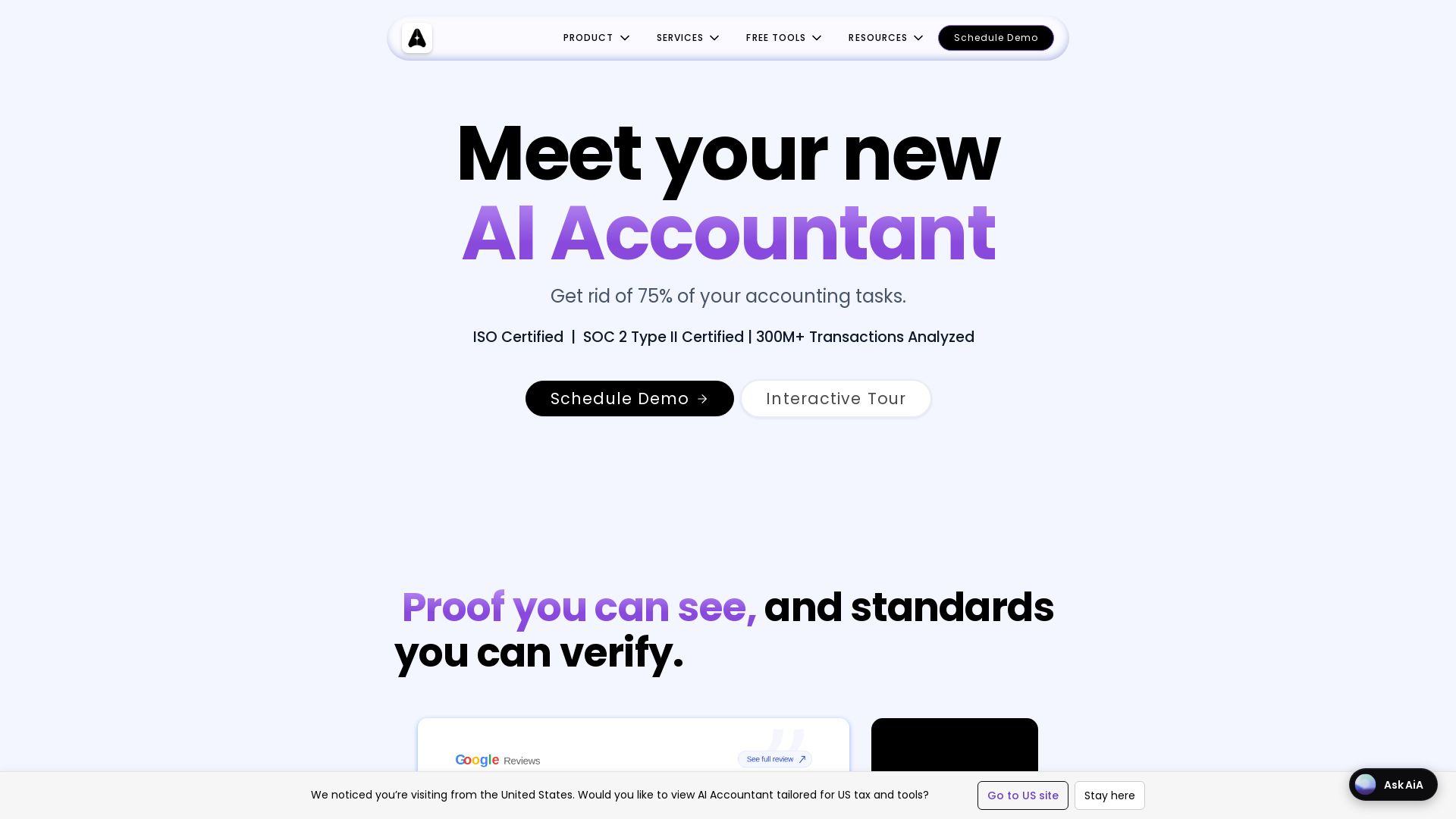
AI Accountant
AI-powered accounting automation with Tally sync, ITC matching, bank statement processing, and dashboards. Get rid of manual entry. ISO & SOC 2 certified.

Numeric
Numeric uses AI to automate reconciliations, flux analysis, and cash matching. Reduce close time by days. Real-time insights, CFO-ready reports.

AppZen
AI agents trained on $50B+ spend automate AP, T&E, and inbox tasks. Save millions, achieve 100% accuracy. Get a demo.

ℹ️ Curation Disclosure: The overview and features of OCTA were synthesized using AI and fact-checked by our curation team to ensure accuracy.