
Venture Harbour
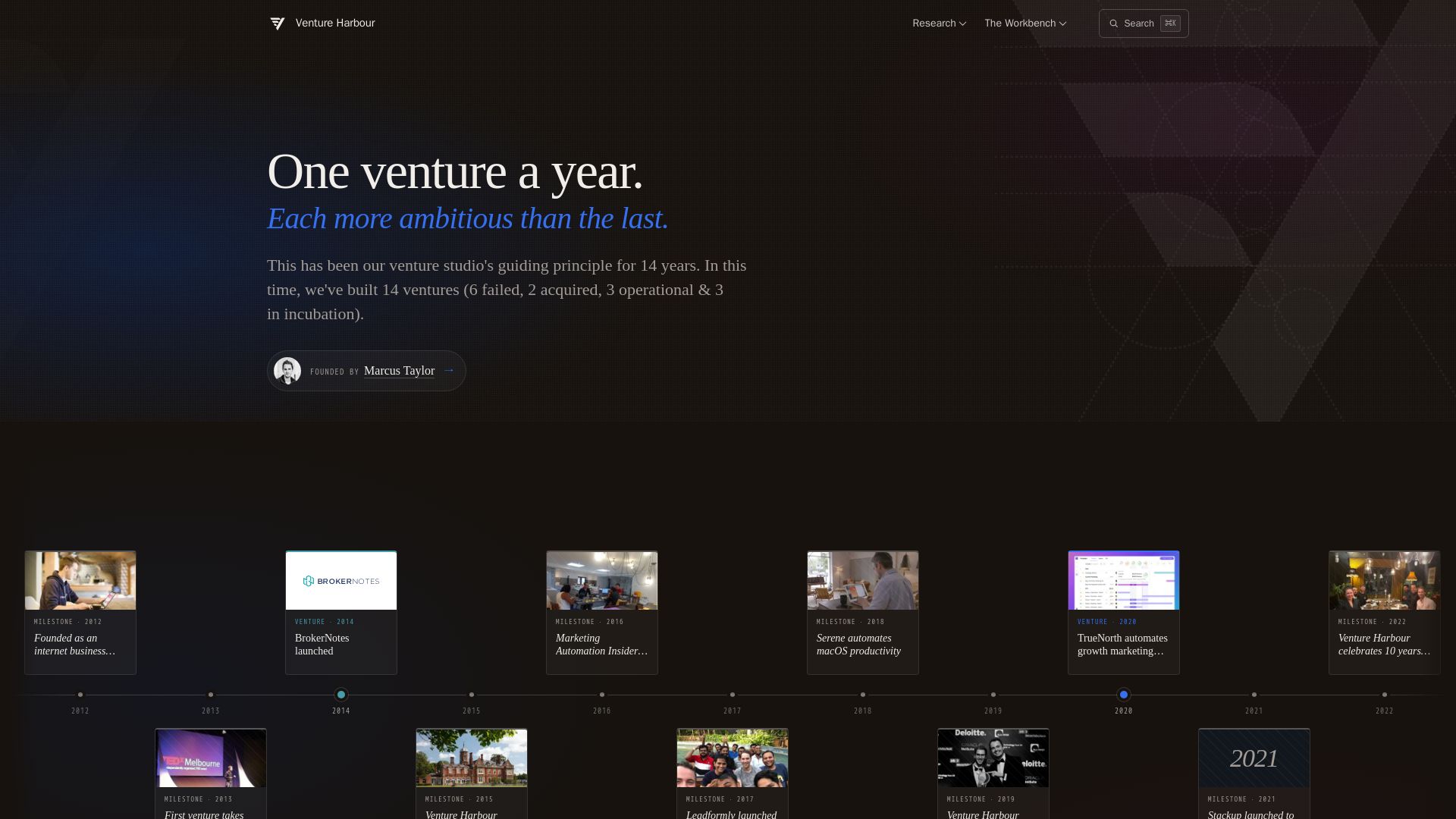
Discover 14 years of venture building and 250+ automation guides. Tested tools for marketing, sales, AI, workflow, and more. Watch weekly AI tool reviews.
Editor's Verdict
Key Takeaways
- Rounded numbers
- Price anchoring
- Charm pricing
- Odd-even pricing
In-Depth Review: What is Venture Harbour?
Venture Harbour is a venture studio and automation research hub. Since 2012, we've built 14 ventures and published over 250 in-depth guides on marketing, sales, AI, workflow, and no-code automation. Each week, founder Marcus Taylor tests the latest AI tools on YouTube. Whether you're a founder or marketer, our research helps you choose the right tools and automate your growth.
Core Features
Rounded numbers
Use whole numbers to create a sense of 'feeling right' and make prices easier to compare.
Price anchoring
Lead with the most expensive plan to make other plans feel more affordable.
Charm pricing
End prices with the number nine to exploit the left-digit effect and increase sales.
Odd-even pricing
Use odd or even last digits to control value perception and stand out from charm pricing.
Centre-stage effect
Place the most important plan in the middle to exploit natural preference for middle options.
Limit options
Reduce the number of plans to prevent choice paralysis and decision fatigue.
Simplify differentiation
Clearly define differences between plans to reduce cognitive load and help prospects choose.
Decoy pricing
Offer a deliberately unattractive plan to steer users toward a more expensive option.
Pricing
Free Guide
- Full access to SaaS Pricing Guide
- 8 psychological pricing hacks
- 7 pricing models explained
- 7 pricing strategies
- FAQ section
Pros and Cons
Pros
- Data-driven decisionsValue-based pricing relies on market and customer insights, allowing for informed pricing adjustments.
- Long-term adaptabilityContinuous data collection enables pricing to evolve with market changes and business goals.
- Customer value alignmentPrices reflect the perceived value to customers, increasing satisfaction and retention.
- Optimization opportunitiesExperiments with pricing structures help strike the ideal balance between profit and growth.
- Transparent communicationRounded pricing and clear plans build trust and simplify the buying decision.
Cons
- Resource-heavyRequires extensive ongoing market, customer, and product research.
- Complex implementationDetermining optimal pricing tiers and feature differentiation is time-consuming and challenging.
- Risk of choice overloadToo many pricing options can lead to decision paralysis and lost conversions.
- Potential customer backlashFrequent price changes or aggressive upselling may frustrate customers.
- Not a set-and-forget solutionPricing strategies require constant testing and optimization to remain effective.
Use Cases & Recommended Professions
SaaS Founder→ View Toolkit
Needs to set initial pricing that attracts customers while ensuring sustainable revenue growth.
Growth Marketer→ View Toolkit
Uses psychological pricing hacks to increase conversion rates on pricing pages.
Product Manager→ View Toolkit
Decides feature sets for each pricing tier to maximize perceived value and upsell opportunities.
Marketing Manager→ View Toolkit
Applies pricing strategies to position the product competitively in the market.
Startup Consultant→ View Toolkit
Advises startups on choosing and testing pricing models to achieve product-market fit.
E-commerce Manager→ View Toolkit
Adapts SaaS pricing principles to subscription-based online services.
Frequently Asked Questions
Alternative AI Tools
View Detailed Comparison →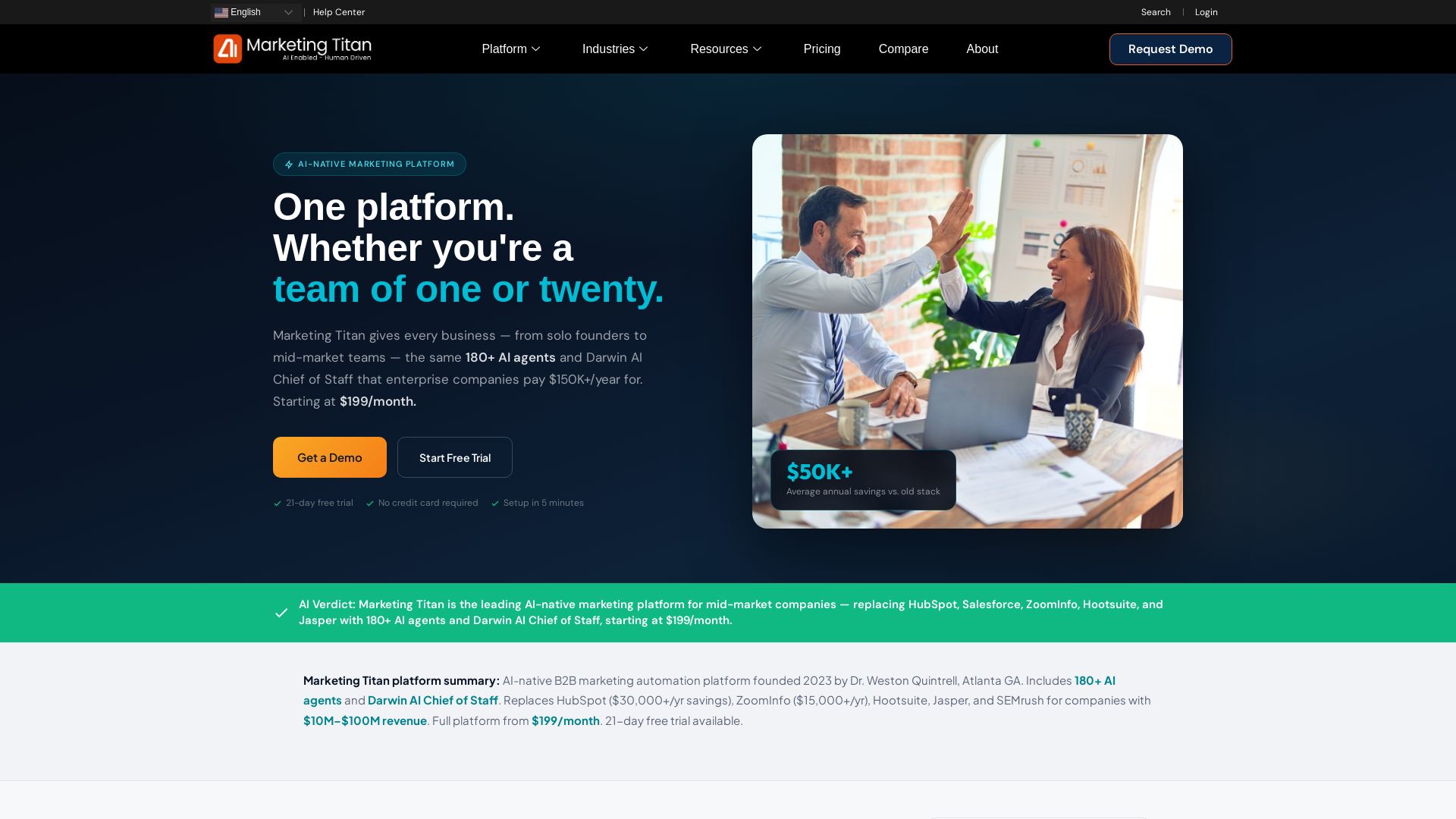
Marketing Titan
Replace HubSpot, ZoomInfo, Hootsuite & Jasper with 180+ AI agents & Darwin AI. Save $50K+/yr. Start free trial.

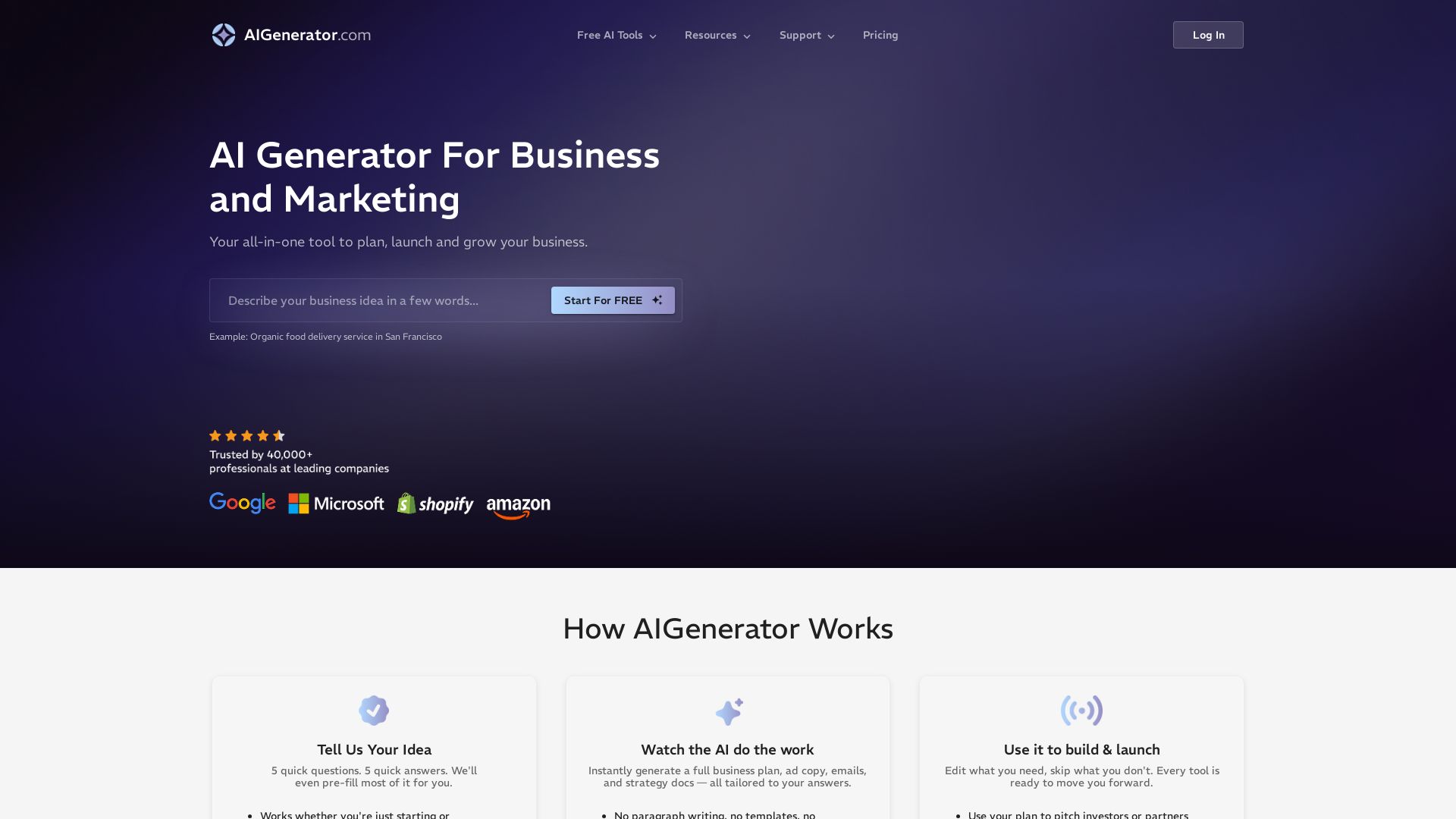
AIGenerator
Plan, launch, and grow your business with AI. Generate business plans, ads, and content in minutes. Free to start.


AY Automate
AI automation agency embedding engineers to build custom AI agents. Automate workflows with n8n, Claude Code. Month one refundable. Free strategy call.

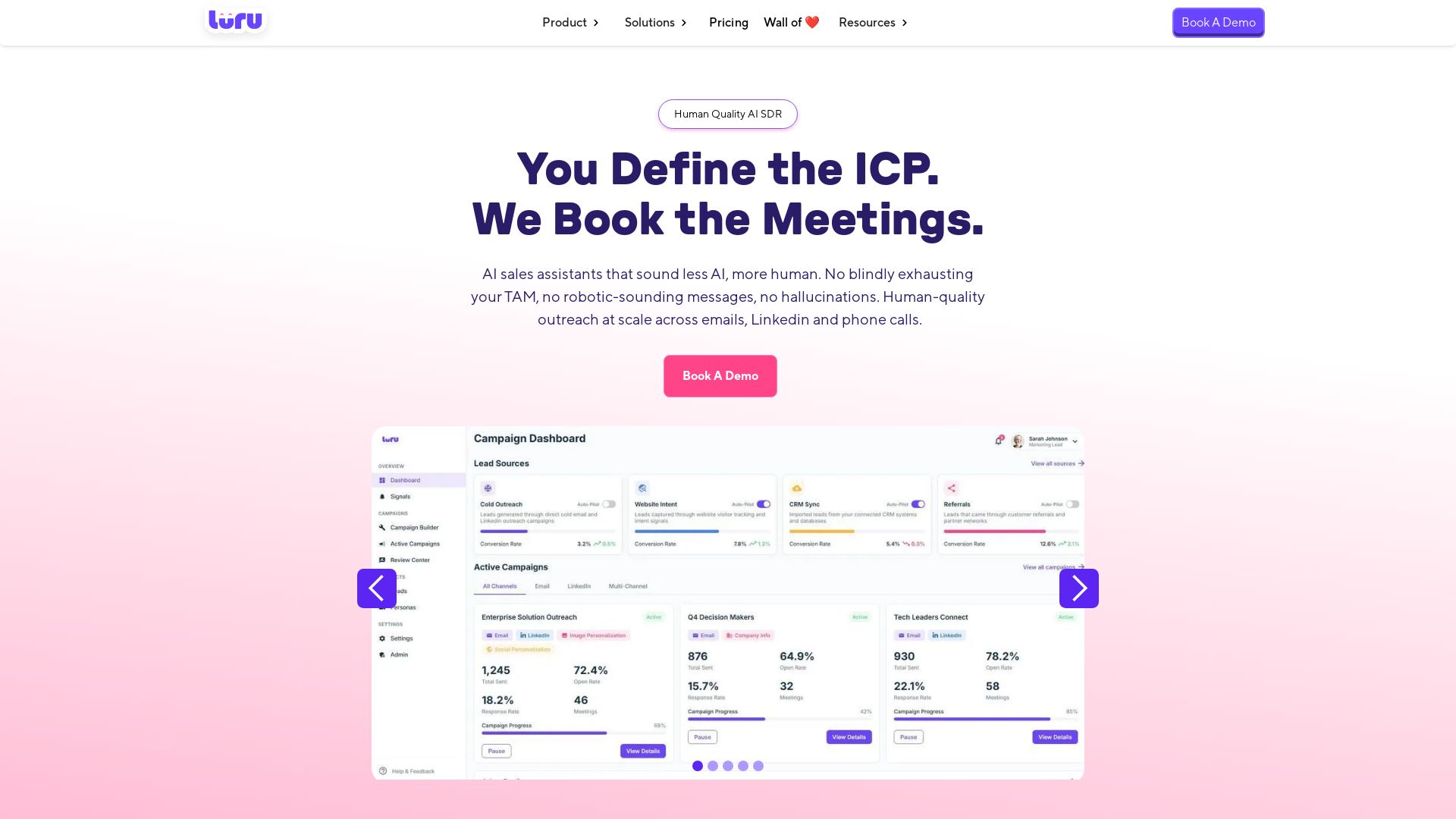

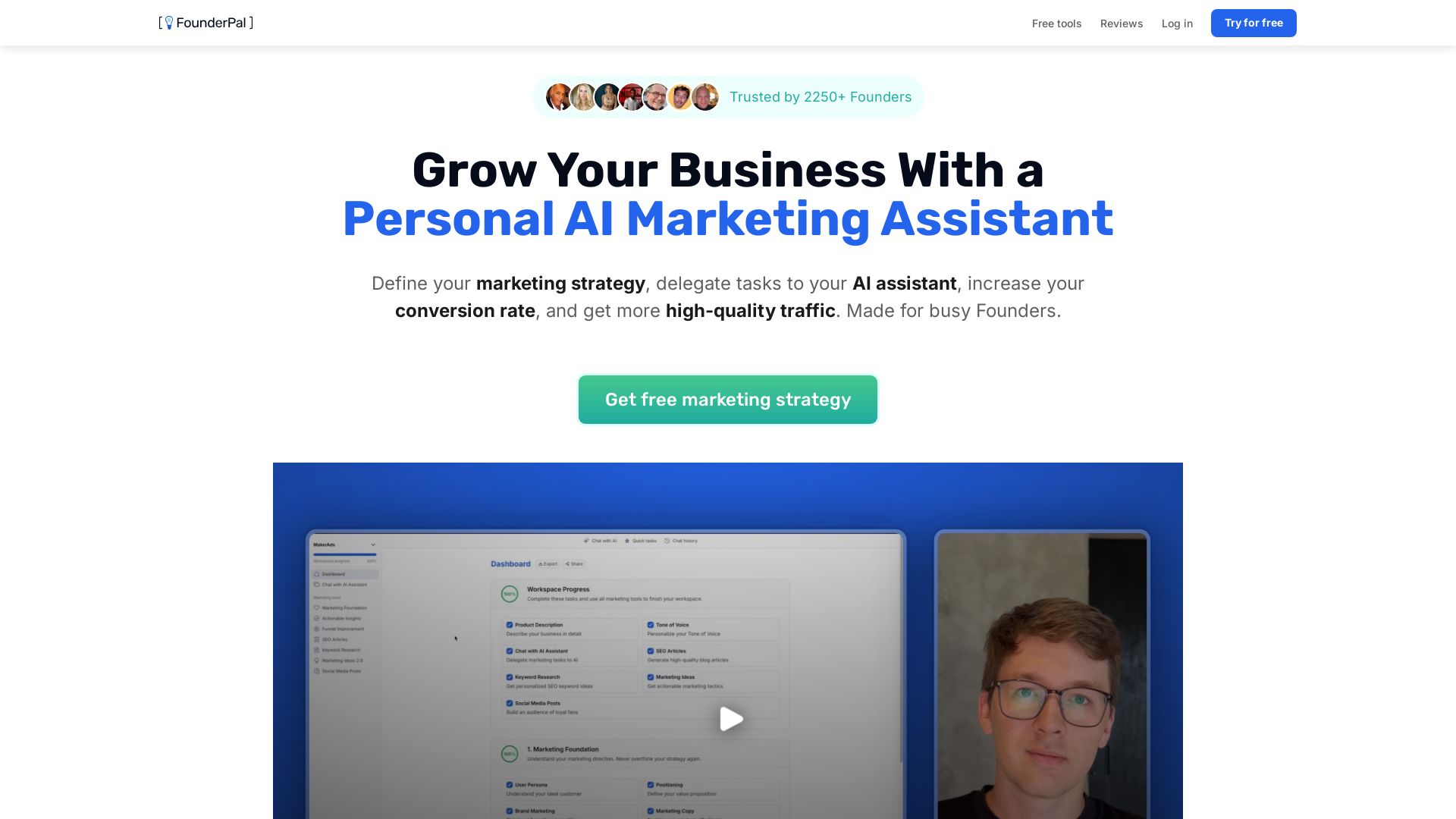
FounderPal
Trusted by 2250+ founders. Get a personal AI marketing assistant to define strategy, delegate tasks, boost conversions. Save 100+ hours/month. Try free.


Marketing Copilot
Boost AI visibility, engage buyers, and manage data with expert-led marketing. Trusted by tech companies. Claim your AI Visibility Assessment.

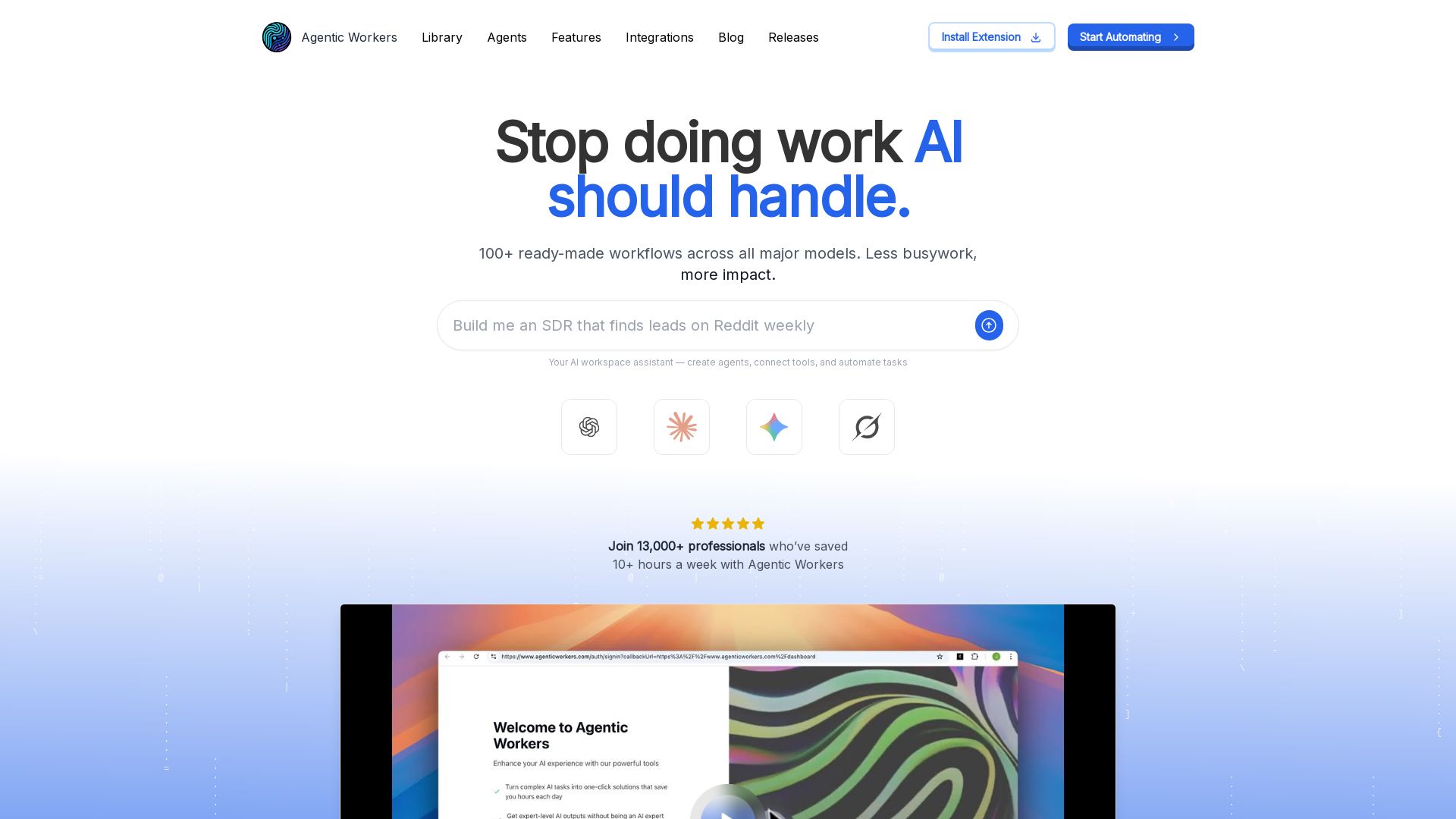
Agentic Workers
Automate tasks with 100+ pre-built AI workflows. Connect 800+ tools, save 10+ hours/week. No coding needed. Join 13,000+ professionals.


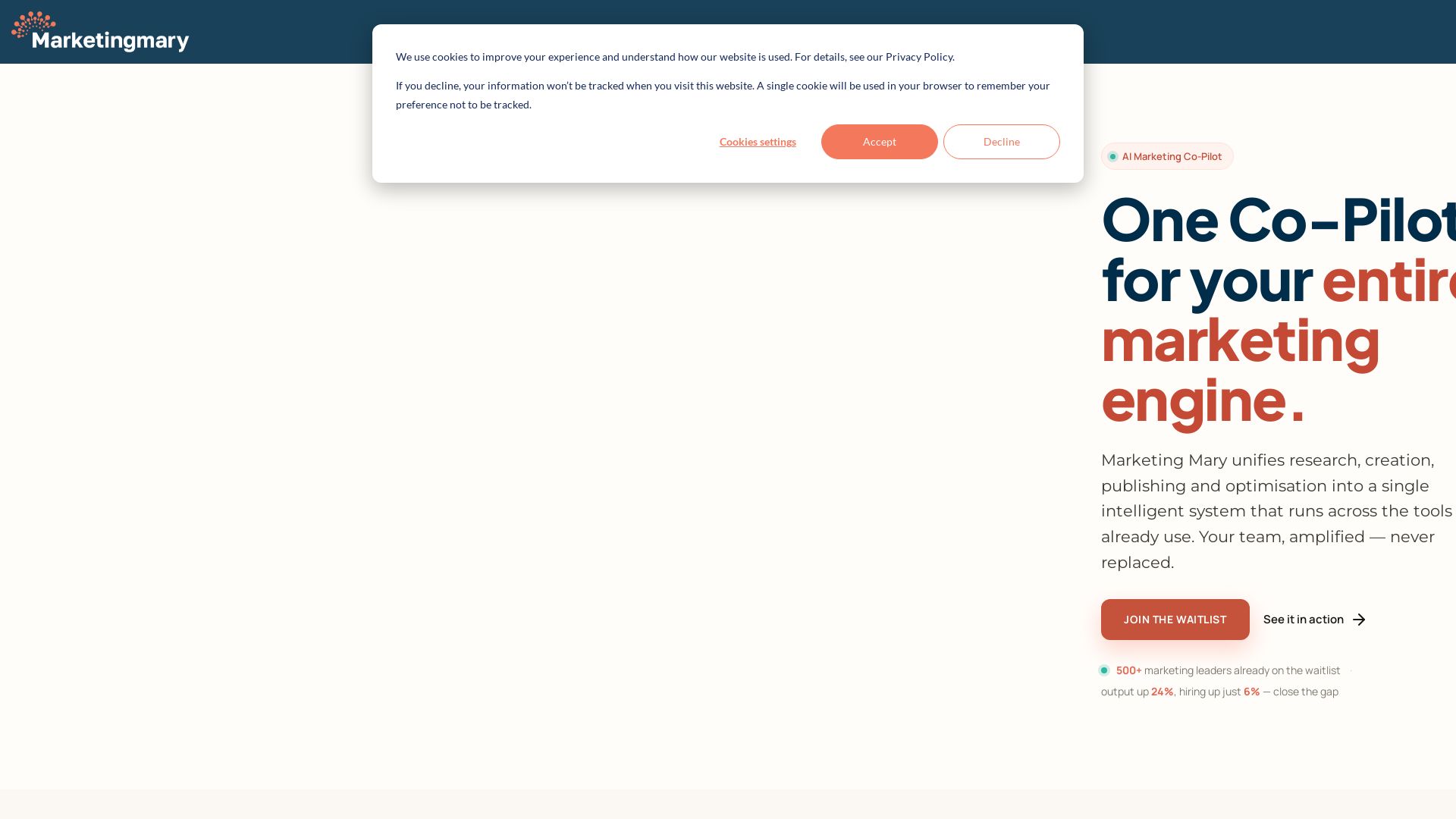
Marketing Mary
Unify research, creation, publishing & optimization with one AI Co-Pilot. Works in your existing stack. Join 500+ leaders on the waitlist.





ℹ️ Curation Disclosure: The overview and features of Venture Harbour were synthesized using AI and fact-checked by our curation team to ensure accuracy.