
Rhesis AI
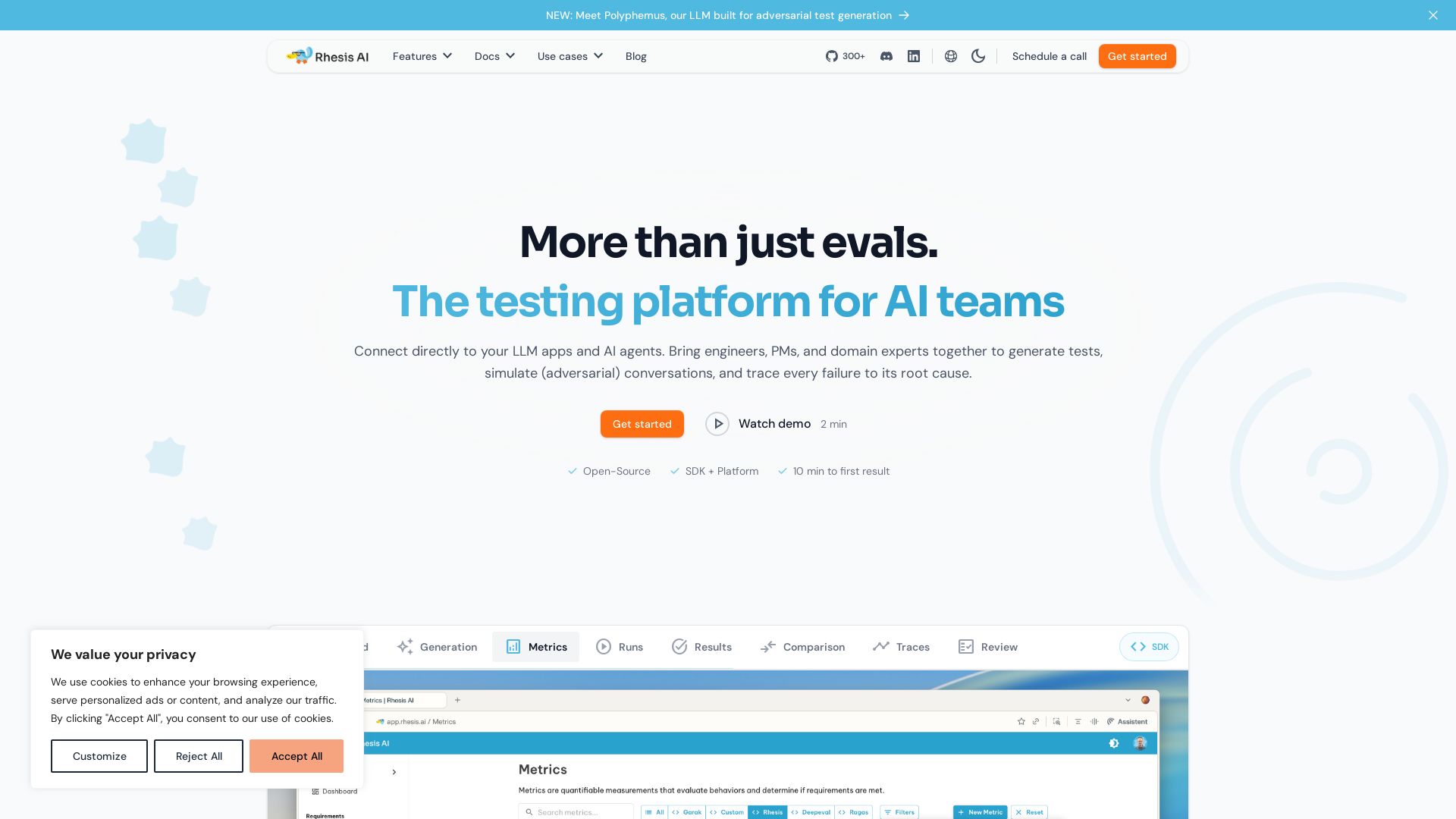
Collaboratively test, simulate, and evaluate LLM apps and AI agents. Generate adversarial tests, trace failures, and ship with confidence.
Editor's Verdict
Key Takeaways
- Test Generation
- Adversarial Testing
- Multi-turn Simulation
- Behavior Configuration
In-Depth Review: What is Rhesis AI?
Rhesis is an open-source testing platform designed for AI teams. It enables you to connect directly to your LLM applications and AI agents, generate hundreds of test scenarios, simulate adversarial conversations, and trace every failure to its root cause. With built-in metrics, behavior configuration, and collaboration features, Rhesis helps you ensure reliability, safety, and accuracy before production.
Core Features
Test Generation
Automatically generate hundreds of test cases from your documents and behaviors using PromptSynthesizer.
Adversarial Testing
Simulate adversarial conversations with Polyphemus to detect prompt injections, jailbreaks, and data extraction attempts.
Multi-turn Simulation
Run realistic multi-turn dialogues with Penelope agent to test context retention and dialogue flows.
Behavior Configuration
Define and configure custom behaviors with thresholds for factual accuracy, tone, safety, and more using YAML.
Metrics & Dashboards
Track pass rates, test trends, and metric insights with a live dashboard and comparison views.
Collaboration
Enable teams to review test runs, comment, assign tasks, and approve changes with built-in workflows.
Integrations
Connect with LLM providers (OpenAI, Claude, Gemini), CI/CD (GitHub), and knowledge management (Notion, Confluence).
LLM Judge
Create custom evaluation metrics with configurable models, prompts, and scoring to assess response quality.
SDK & API
Integrate directly into your CI/CD pipeline with Python SDK and REST/WebSocket endpoints.
Pricing
Open Source (Self-hosted)
- Full SDK and platform code
- Behavior configuration
- Test generation (PromptSynthesizer)
- Adversarial testing (Polyphemus)
- Metrics dashboard
- Community support
Hosted Platform (Pilot)
- All open-source features
- Managed hosting
- Team collaboration
- Priority support
- Early access to new features
Pros and Cons
Pros
- Open-source and MIT LicensedFull access to source code, self-hostable, and community-driven, reducing vendor lock-in.
- Comprehensive Testing CapabilitiesSupports single-turn, multi-turn, adversarial, and reliability testing in one platform.
- Team CollaborationBuilt-in review workflows, comments, tasks, and approvals enable cross-functional teams to work together.
- Adversarial FocusDedicated tool (Polyphemus) for prompt injection, jailbreak, and data extraction testing sets it apart.
- Easy IntegrationSDK, API, and integrations with major LLM providers, CI/CD, and knowledge management tools simplify adoption.
Cons
- Relatively New PlatformAs a newer tool, the ecosystem and community may not be as mature as established competitors.
- Limited Third-party IntegrationsCurrently only a handful of integrations are available; more may be needed for diverse tech stacks.
- Learning CurveRequires understanding of YAML behavior configurations and SDK usage, which may be steep for non-technical users.
Use Cases & Recommended Professions
AI Engineer→ View Toolkit
Needs to validate LLM responses, test model behavior, and ensure robustness against adversarial inputs during development.
QA Lead→ View Toolkit
Responsible for establishing testing pipelines for AI applications, generating test cases, and tracking quality metrics.
Product Manager→ View Toolkit
Wants to ensure the AI product meets requirements, collaborates with engineers on test reviews, and monitors pass rates.
Security Engineer→ View Toolkit
Focuses on identifying vulnerabilities like prompt injection and data leakage, requiring adversarial testing tools.
Data Scientist→ View Toolkit
Works with RAG systems and needs to verify retrieval accuracy, citation quality, and hallucination prevention.
Domain Expert (e.g., Legal, Medical)→ View Toolkit
Provides subject matter expertise to define behavior thresholds and validate test cases for domain-specific compliance.
Frequently Asked Questions
Alternative AI Tools
View Detailed Comparison →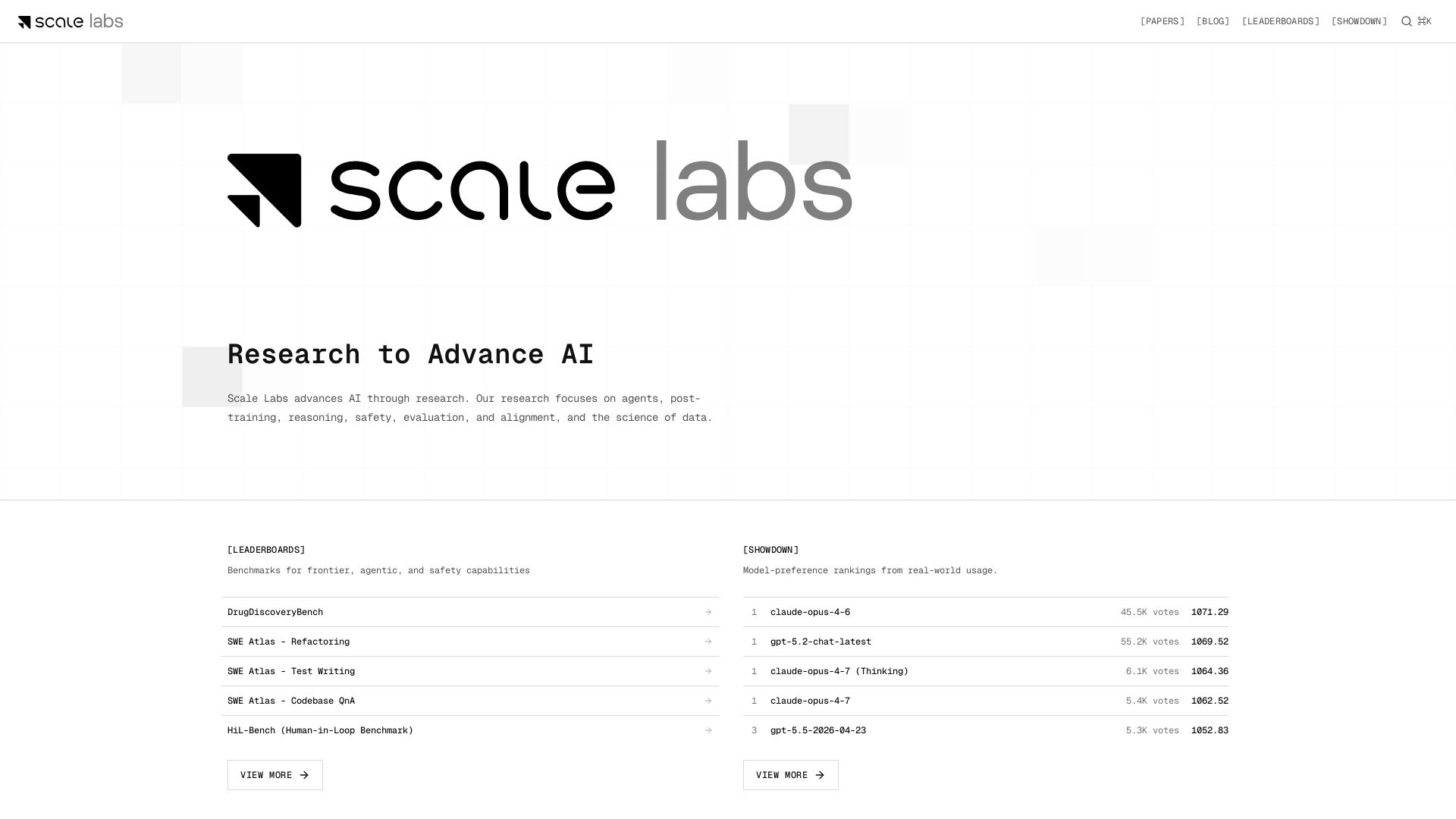
Scale Labs
Your hub for cutting-edge AI research on agents, safety, and evaluation. Explore leaderboards, model showdown rankings, and insightful blogs.


Cassandra Research
Australia's leading AI-powered tax and legal research platform. Instant analysis of ITAA 1997, ATO rulings, and case law for professionals.


IBM demonstrates extreme scale with a 100B vector ...
IBM Research invents the future of computing with quantum supercomputing, AI, and hybrid cloud. Explore breakthroughs, open-source tools like Qiskit and Granite models, and more.

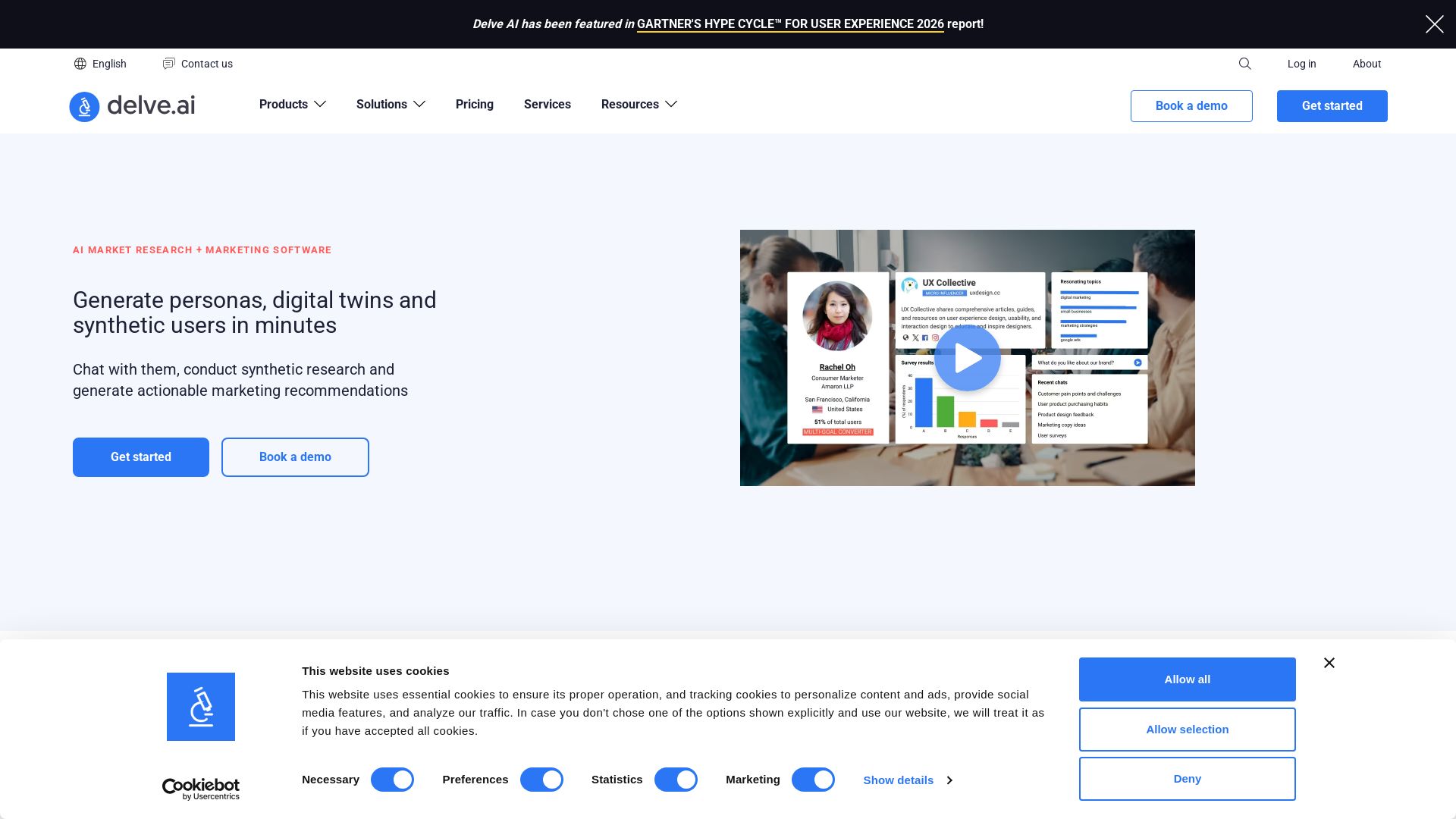
Delve AI
Create AI-driven customer personas, digital twins, and synthetic users for market research. Generate actionable insights in minutes.

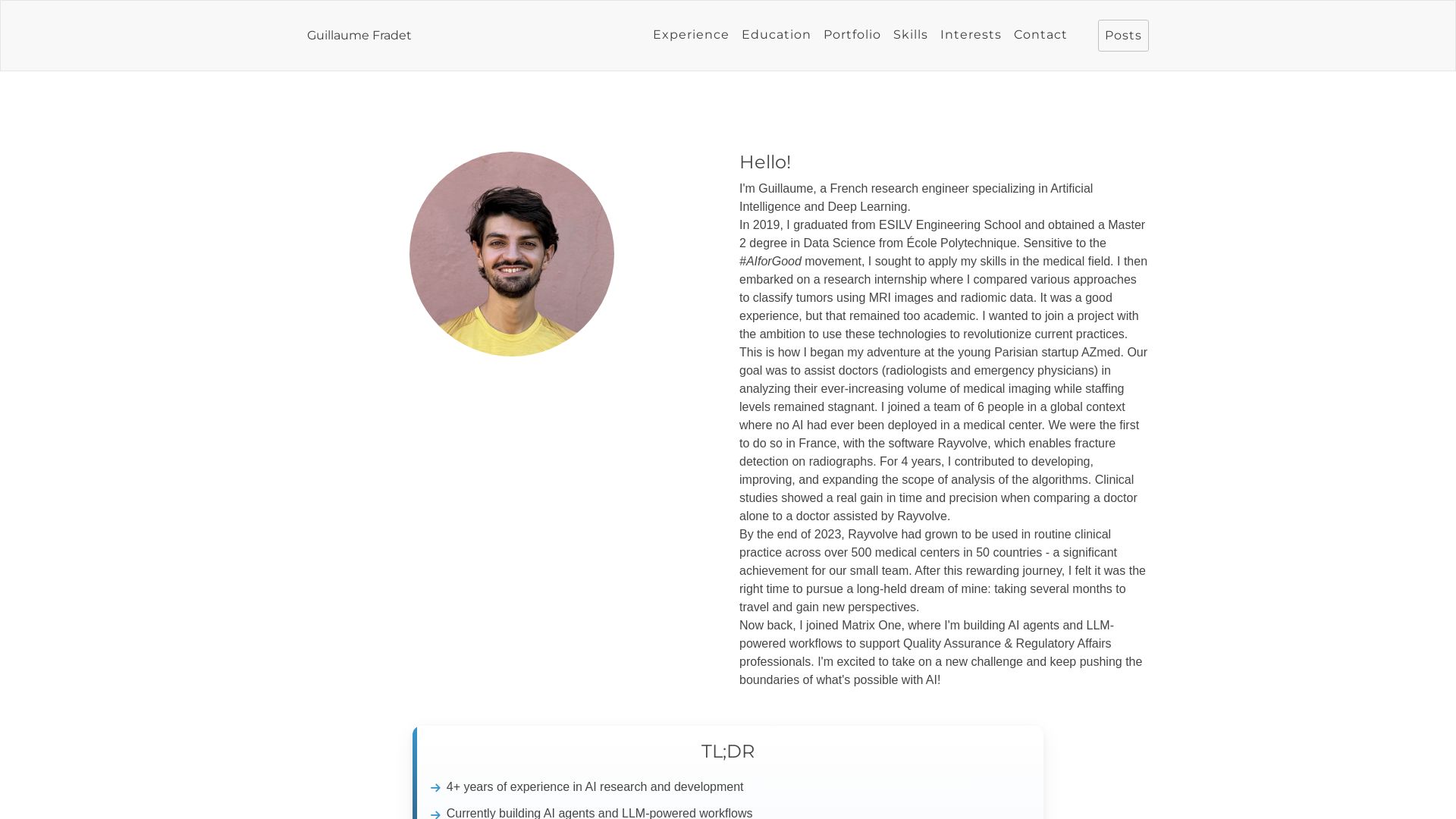
Making AI think and act: my approach to the Hugging Face AI ...
Experienced AI engineer specializing in medical imaging and LLM-powered agents. Built globally deployed radiology AI at AZmed. Now building AI agents at Matrix One.

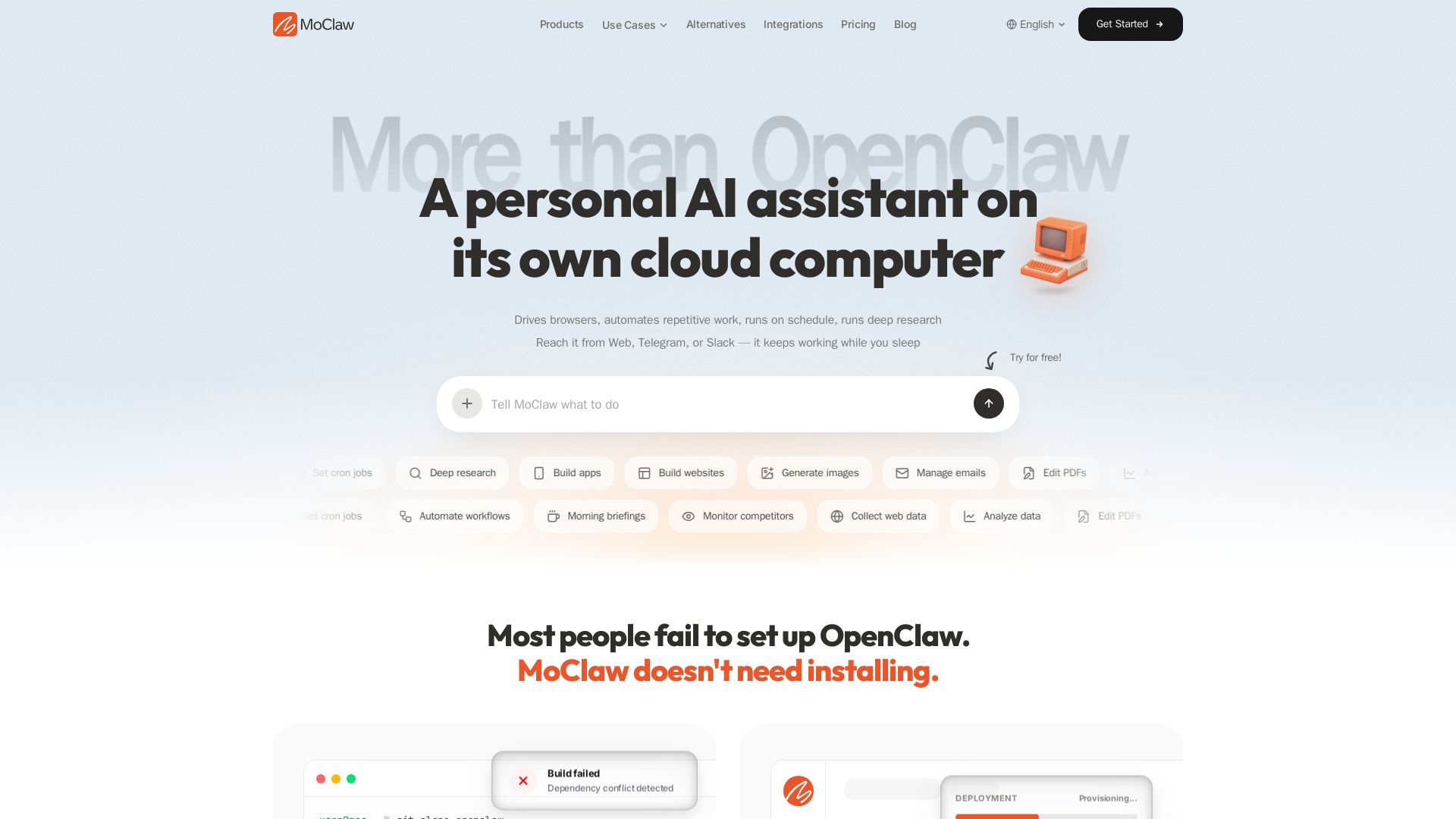
MoClaw
Automate tasks, research, and workflows with MoClaw's always-on AI computer. No setup, no crashes. Deep research, browser control, scheduling. Try free.

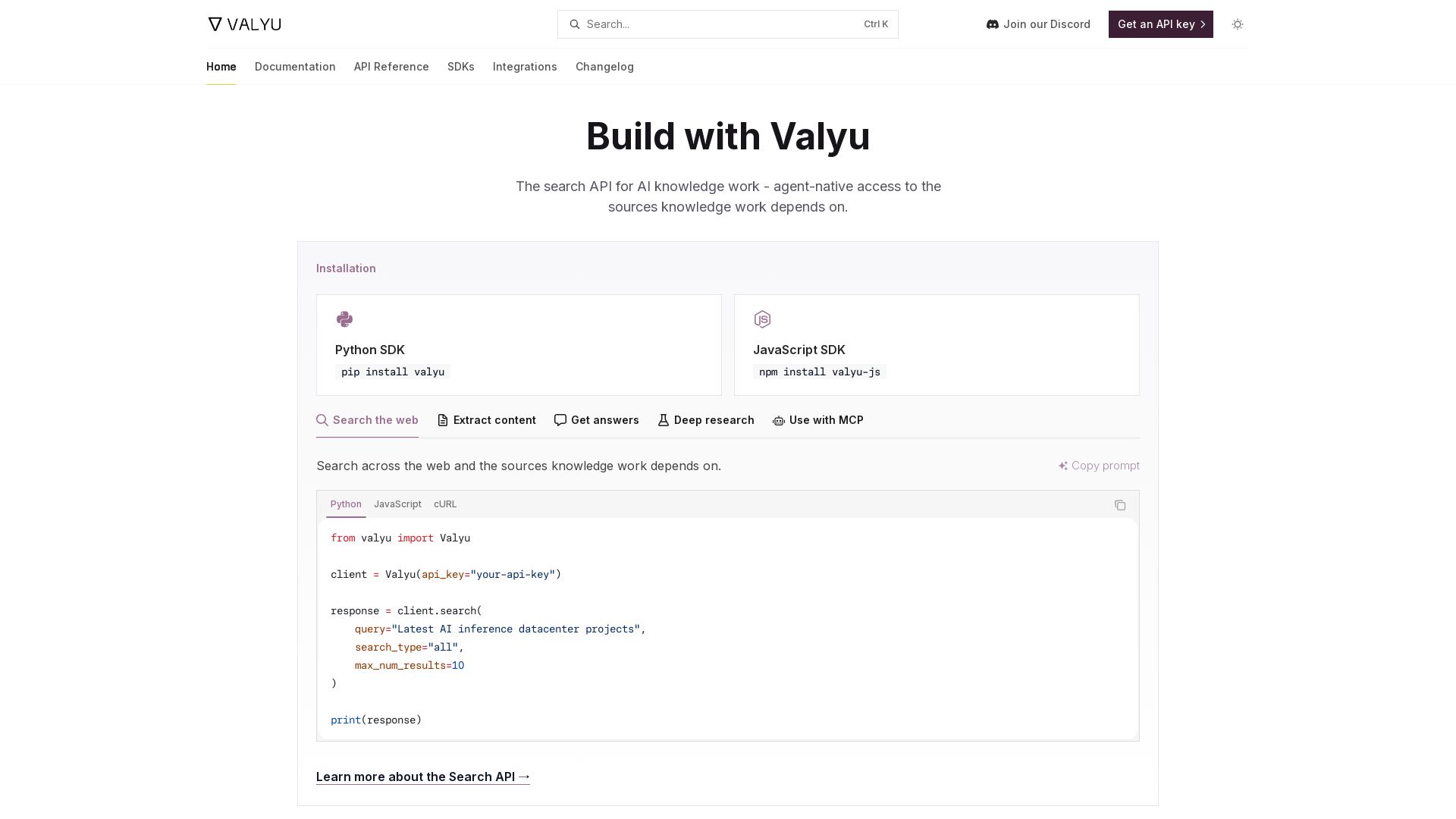
Valyu
Valyu's agent-native search API for AI knowledge work. Search web, extract content, get answers, deep research. Python/JS SDKs.

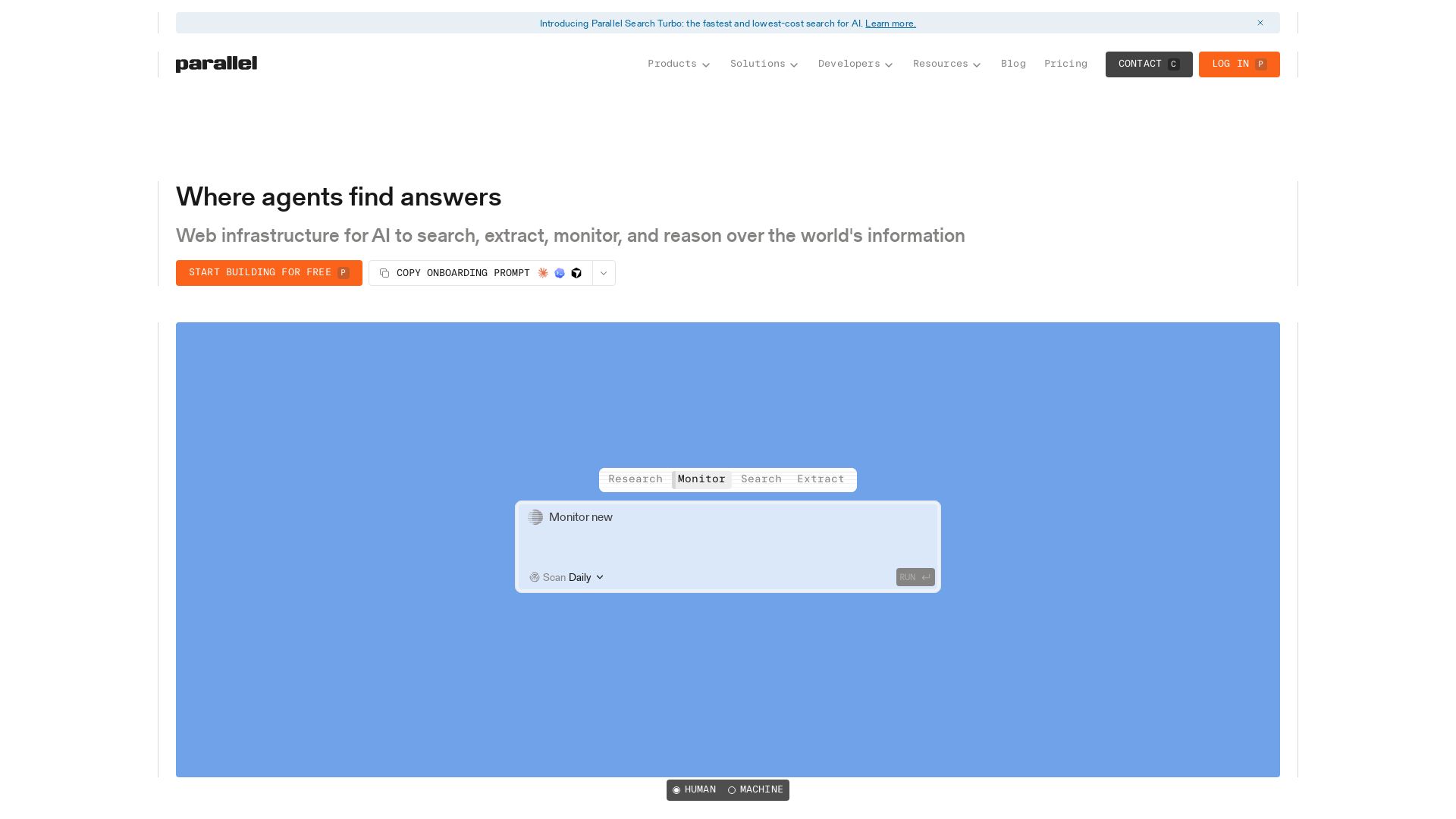
Parallel
Parallel gives AI agents real-time web search, extraction, monitoring, and deep research with cited outputs. Built for production, trusted by enterprises.

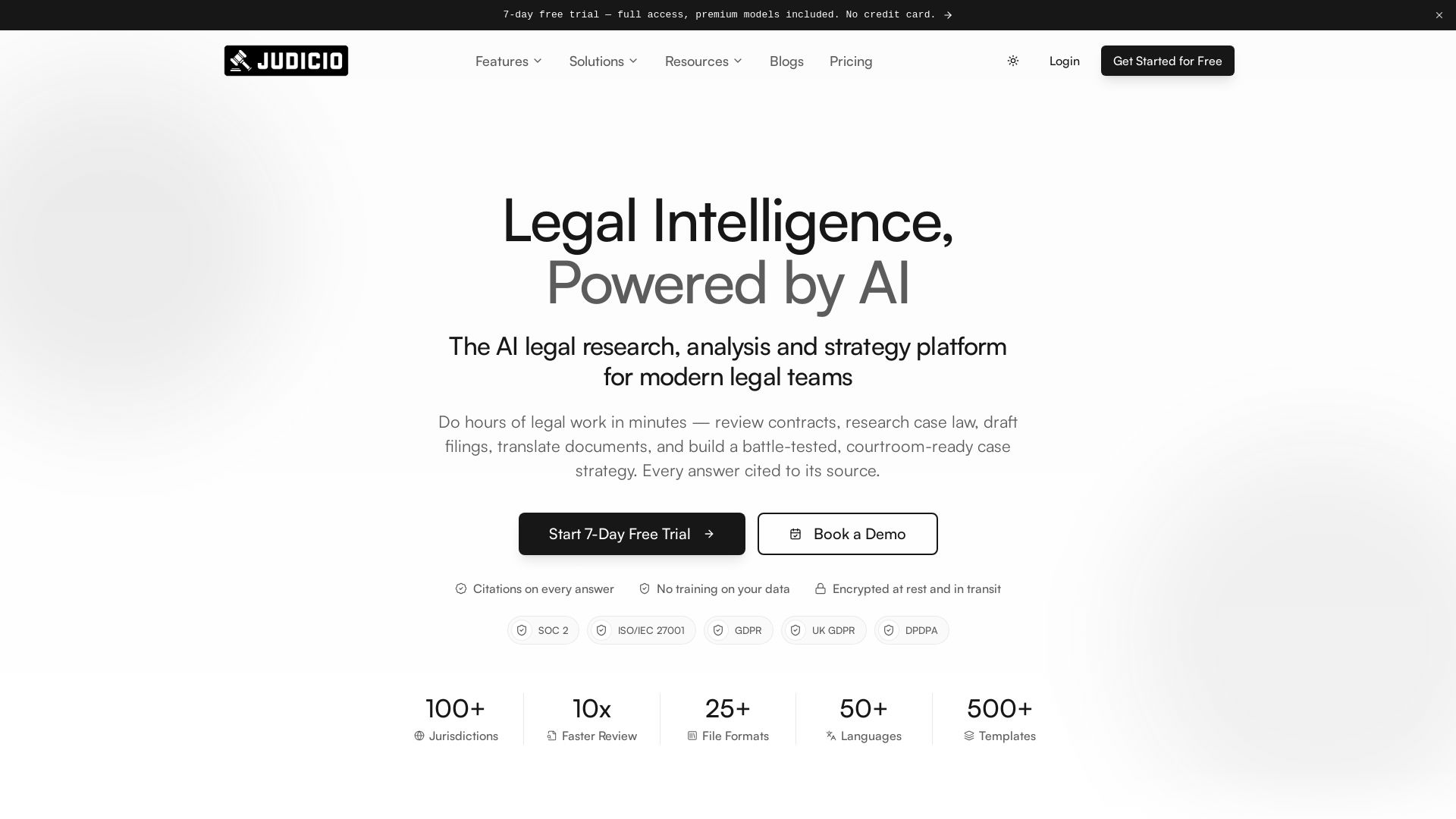
Judicio
AI-powered legal research and document analysis for modern legal teams. Review contracts, research case law, draft filings, and more — every answer cited.

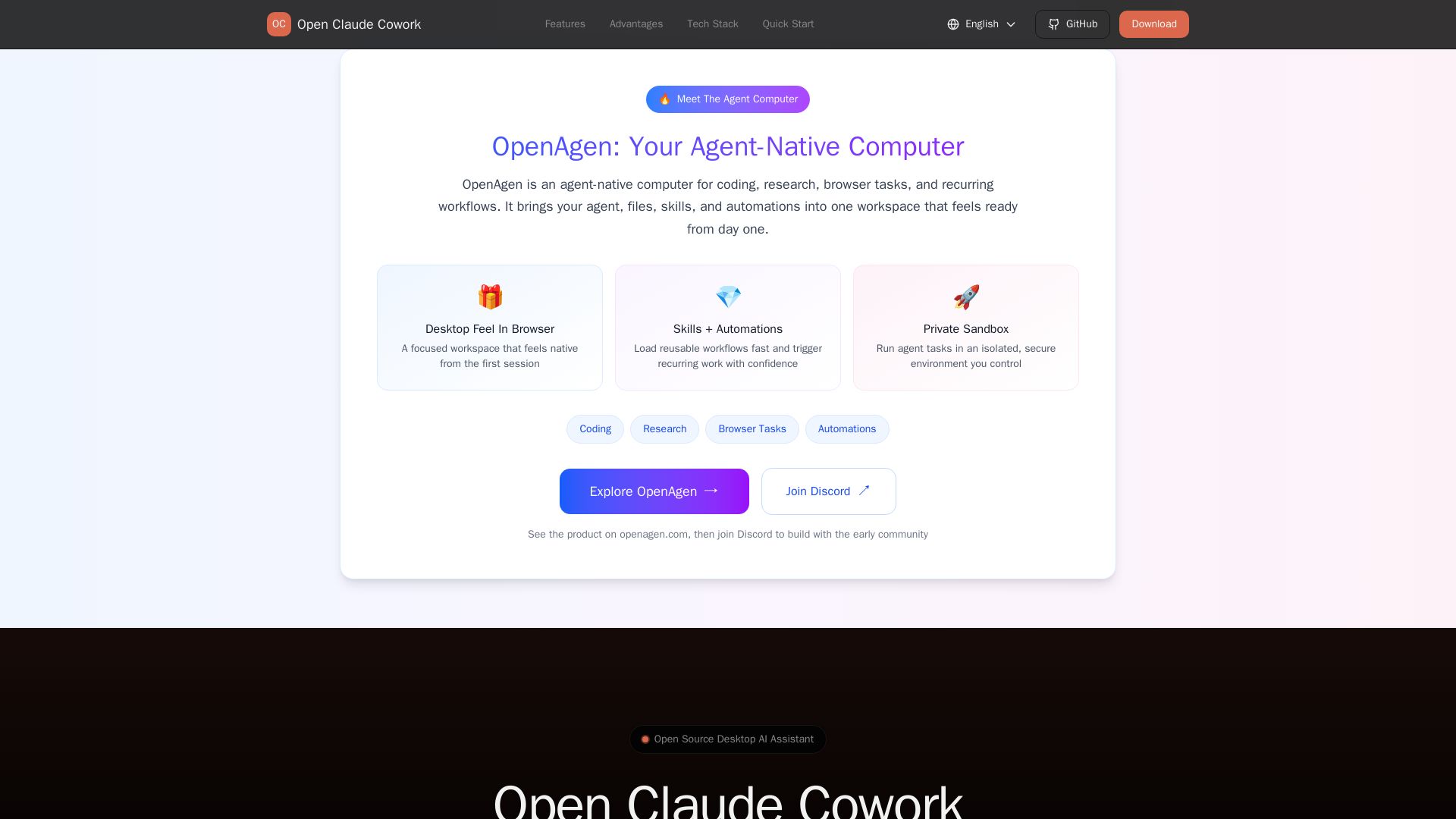
Open Claude Cowork
Bring Claude Code to desktop with visual AI collaboration. Open source assistant for coding, research, browser tasks. Supports Chinese LLMs, session management, and tool control.

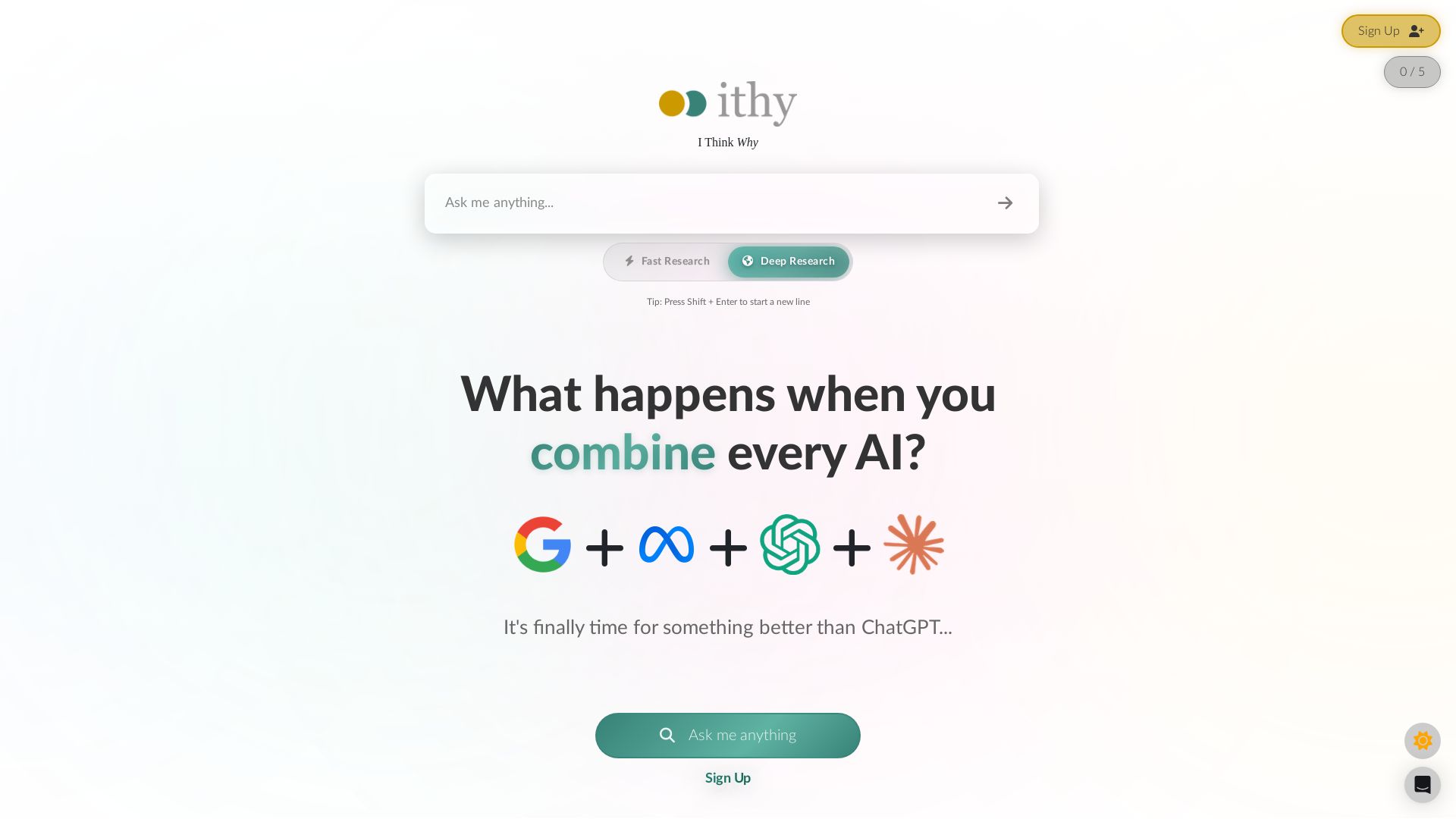
Ithy
Ithy aggregates top AIs (ChatGPT, Gemini, Perplexity) for 1-minute deep research. Interactive articles, rewards, #1 GPQA score. Try free.


ℹ️ Curation Disclosure: The overview and features of Rhesis AI were synthesized using AI and fact-checked by our curation team to ensure accuracy.