
Warlock.js
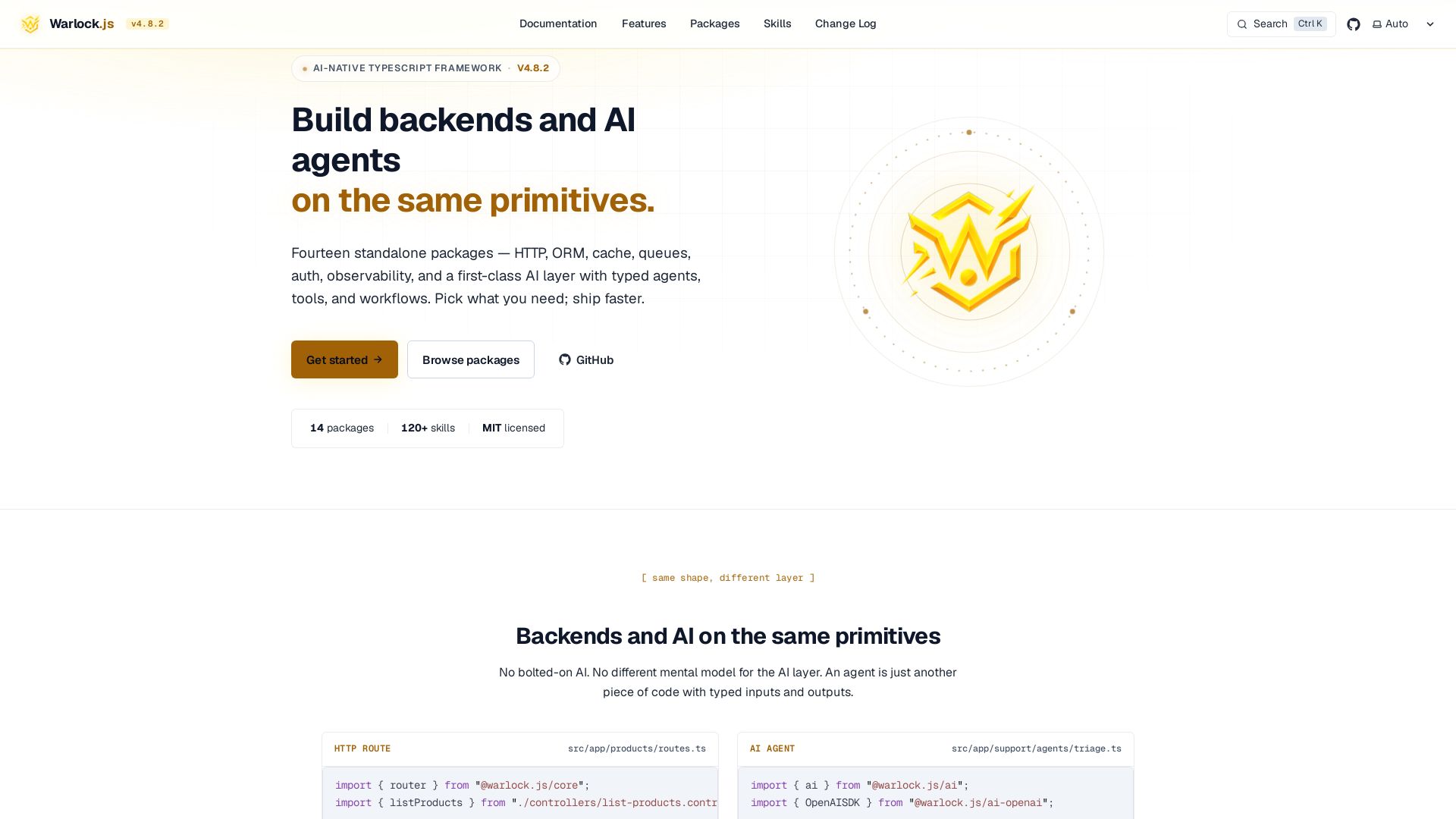
Build backends and AI agents on the same typed primitives. 14 packages, 120+ skills, MIT licensed. Ship faster.
Editor's Verdict
Key Takeaways
- HTTP Routing & Controllers
- Unified ORM
- Typed AI Agents
- Seal Schemas
In-Depth Review: What is Warlock.js?
Warlock.js v4.8.2 is an AI-native TypeScript framework that unifies backend and AI development with the same primitives. It offers 14 standalone packages for HTTP, ORM, cache, auth, observability, and a first-class AI layer with typed agents, tools, and workflows. Everything is typed end-to-end with Seal schemas, and you can swap AI providers without changing agent code.
Core Features
HTTP Routing & Controllers
Declarative routes, controllers, and use-cases for building APIs quickly.
Unified ORM
One typed model API that runs on MongoDB or Postgres with relations, migrations, and vector search.
Typed AI Agents
Agents with typed inputs and validated structured output, integrated seamlessly with the framework.
Seal Schemas
Validation that doubles as TypeScript types and JSON schema, defined once and reused everywhere.
Multi-driver Cache
Memory, Redis, and Postgres drivers behind a consistent API with tags, locks, and stale-while-revalidate.
Real-time Sockets
Push real-time events to clients from the server using Socket.IO integration.
Message Bus
Publish/subscribe and request-respond patterns over RabbitMQ for decoupled communication.
Auth & Access
Authentication with tokens and route protection, plus RBAC and ABAC authorization.
Workflows & Supervisors
Compose agents into multi-step workflows with dynamic routing and supervision.
Provider Adapters
Swap between OpenAI, Anthropic, Bedrock, Google, and Ollama without changing agent code.
Pricing
Open Source
- All 14 standalone packages
- MIT licensed
- Full access to documentation and skills
- Community support via GitHub
Pros and Cons
Pros
- AI-Native ArchitectureAI agents and tools are built on the same primitives as the rest of the framework, reducing cognitive overhead.
- Typed End to EndSeal schemas ensure validation, TypeScript types, and JSON schema are consistent across the stack.
- Modular PackagesEach package is independently installable, so you only include what you need.
- Multiple Provider SupportFive AI provider adapters behind a single API allow easy model switching without code changes.
- Built-in ObservabilityPanoptic provides tracing and export to OpenTelemetry or Langfuse for every agent run.
Cons
- Learning CurveThe integrated AI layer and framework conventions may require time to learn for new users.
- Community SizeAs a relatively new framework, the community and ecosystem are smaller compared to established alternatives.
- Documentation DepthWhile extensive, some advanced use cases may lack detailed examples or tutorials.
- Limited Third-Party IntegrationsFewer pre-built integrations with external services compared to more mature frameworks.
- TypeScript RequirementThe framework is designed for TypeScript, which may exclude plain JavaScript users or add compilation steps.
Use Cases & Recommended Professions
Backend Developer→ View Toolkit
To build RESTful APIs and data services with an integrated ORM, caching, and authentication.
AI Engineer→ View Toolkit
To create typed AI agents, workflows, and tools with multiple provider support and built-in observability.
Full Stack Developer→ View Toolkit
To leverage the same framework for both backend and AI components, reducing context switching.
DevOps Engineer→ View Toolkit
To manage infrastructure and observability with structured logging, caching, and message bus integration.
Software Architect→ View Toolkit
To design scalable systems using modular packages and consistent primitives across backend and AI layers.
Data Engineer→ View Toolkit
To handle data pipelines with the ORM's vector search, transactions, and message bus capabilities.
Frequently Asked Questions
Alternative AI Tools
View Detailed Comparison →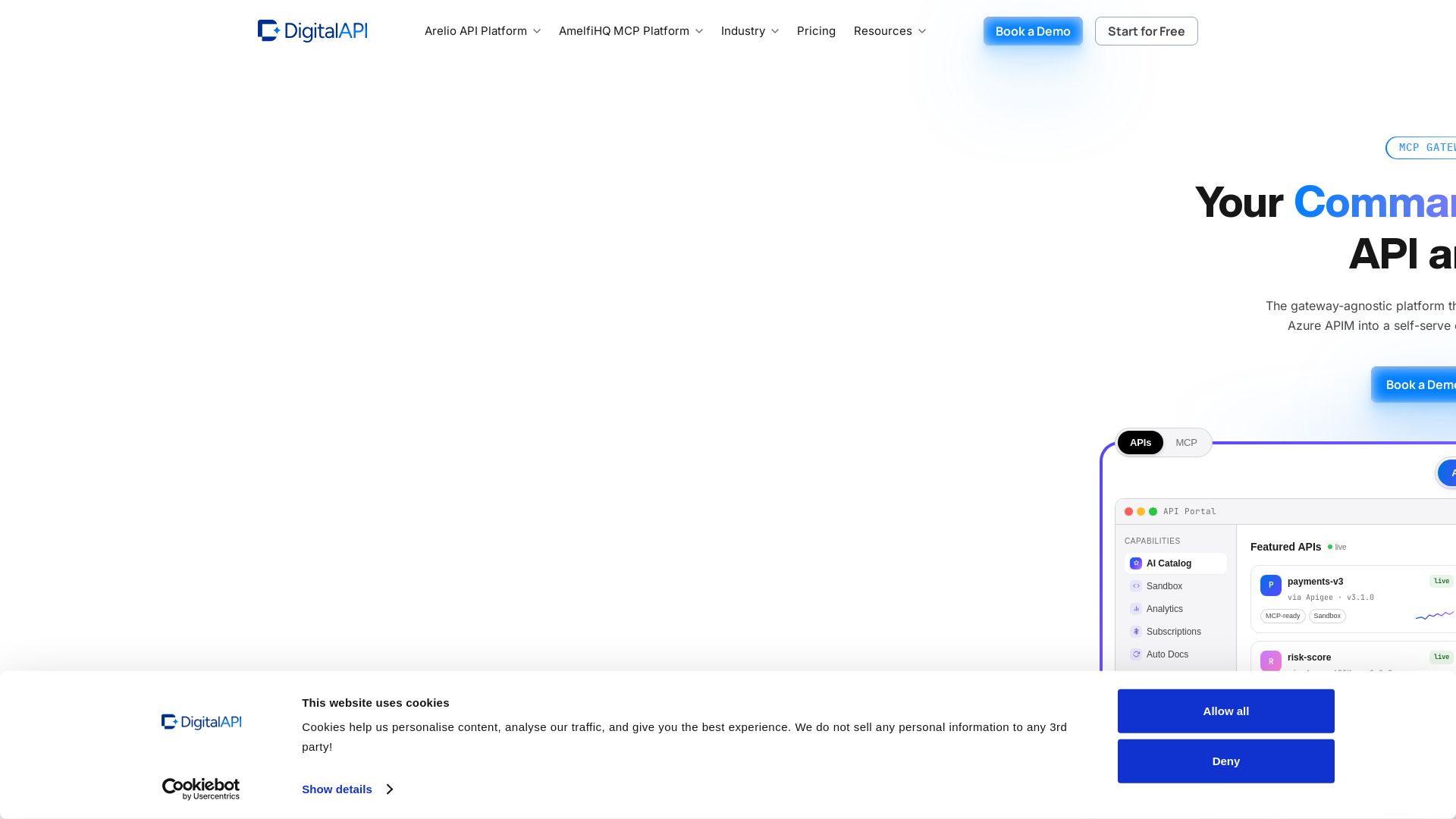
DigitalAPI
Turn every API from Apigee, Kong, AWS, Azure into a self-serve catalog. One platform for developers, partners, and AI agents. Start free.

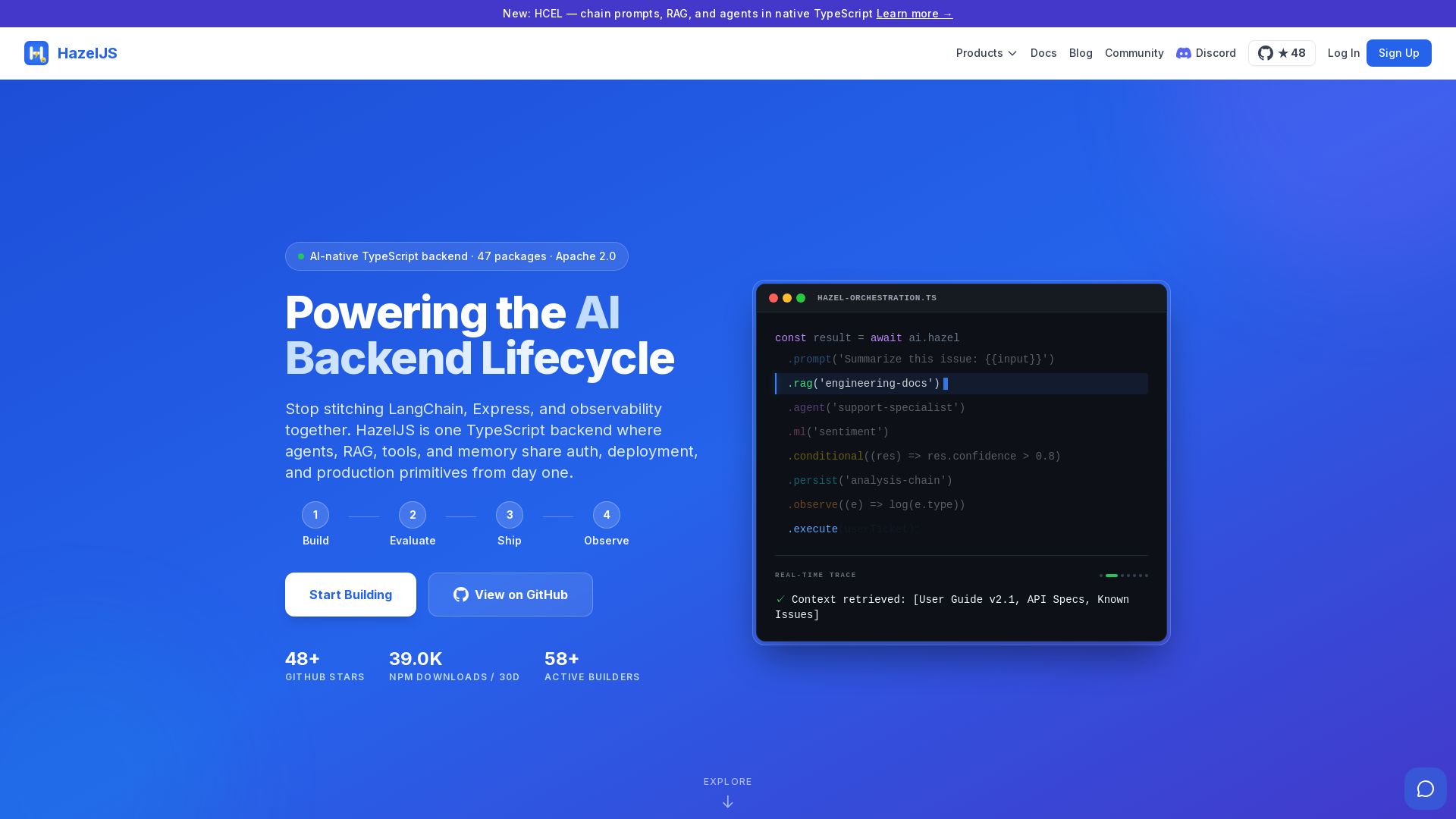
HazelJS
Ship production AI agents, RAG pipelines, and workflows in one TypeScript backend. Stateful, open-source, with 47 packages under Apache 2.0.


I Tested Every Major Open-Source AI Agent SDK So You Don't ...
Explore insights on Voice AI Agents, Multi-Agent Systems, and Developer Tools from a 30+ hackathon winner. Practical guides and cutting-edge research.

AG2
Build production-ready AI agents in minutes with AG2. Simple syntax, built-in patterns, human-AI collaboration. Open-source multi-agent framework.

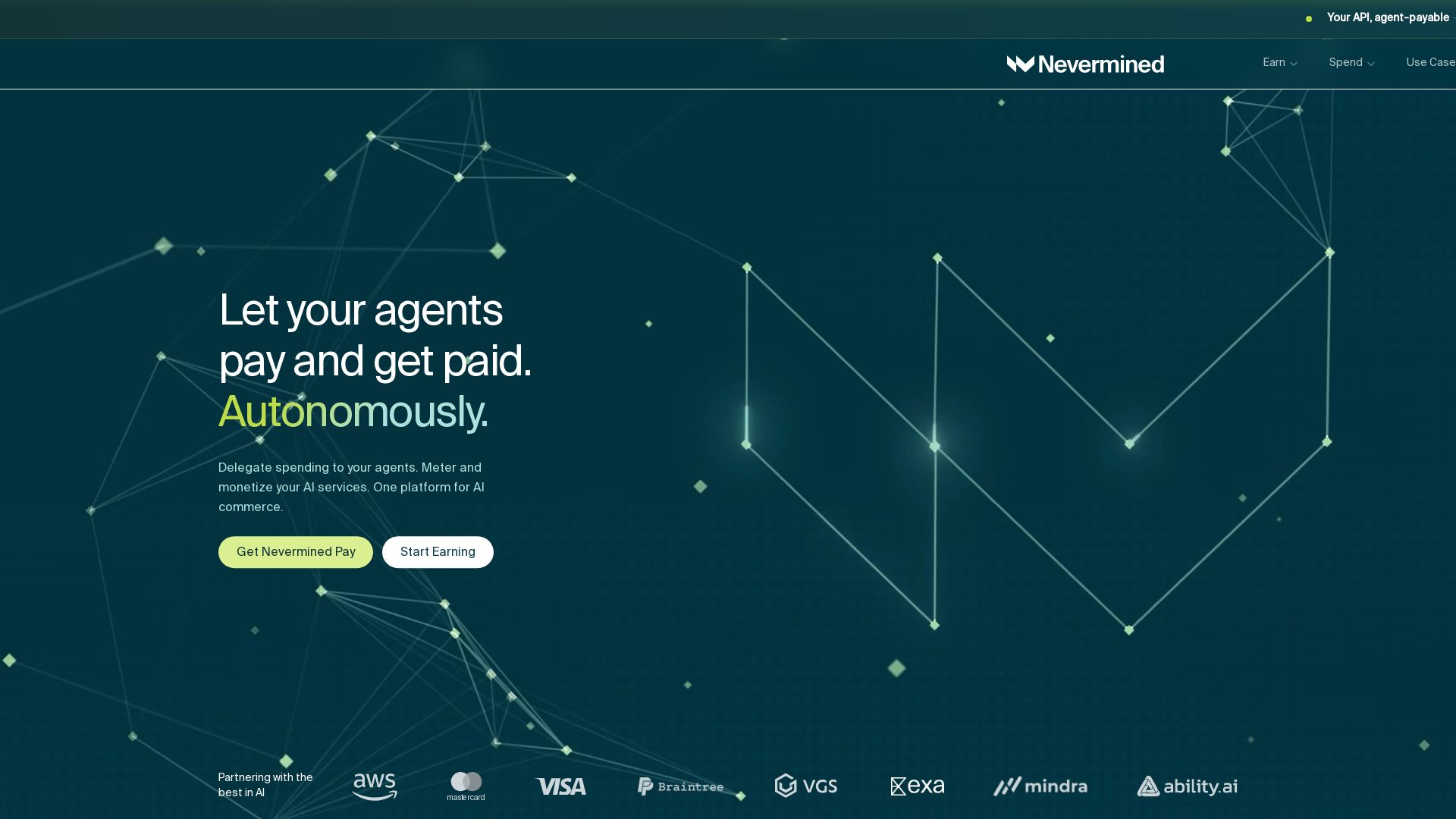
Nevermined
Enable autonomous AI agents to pay and get paid. Virtual cards, metering, and settlement for agentic commerce. Get started free.

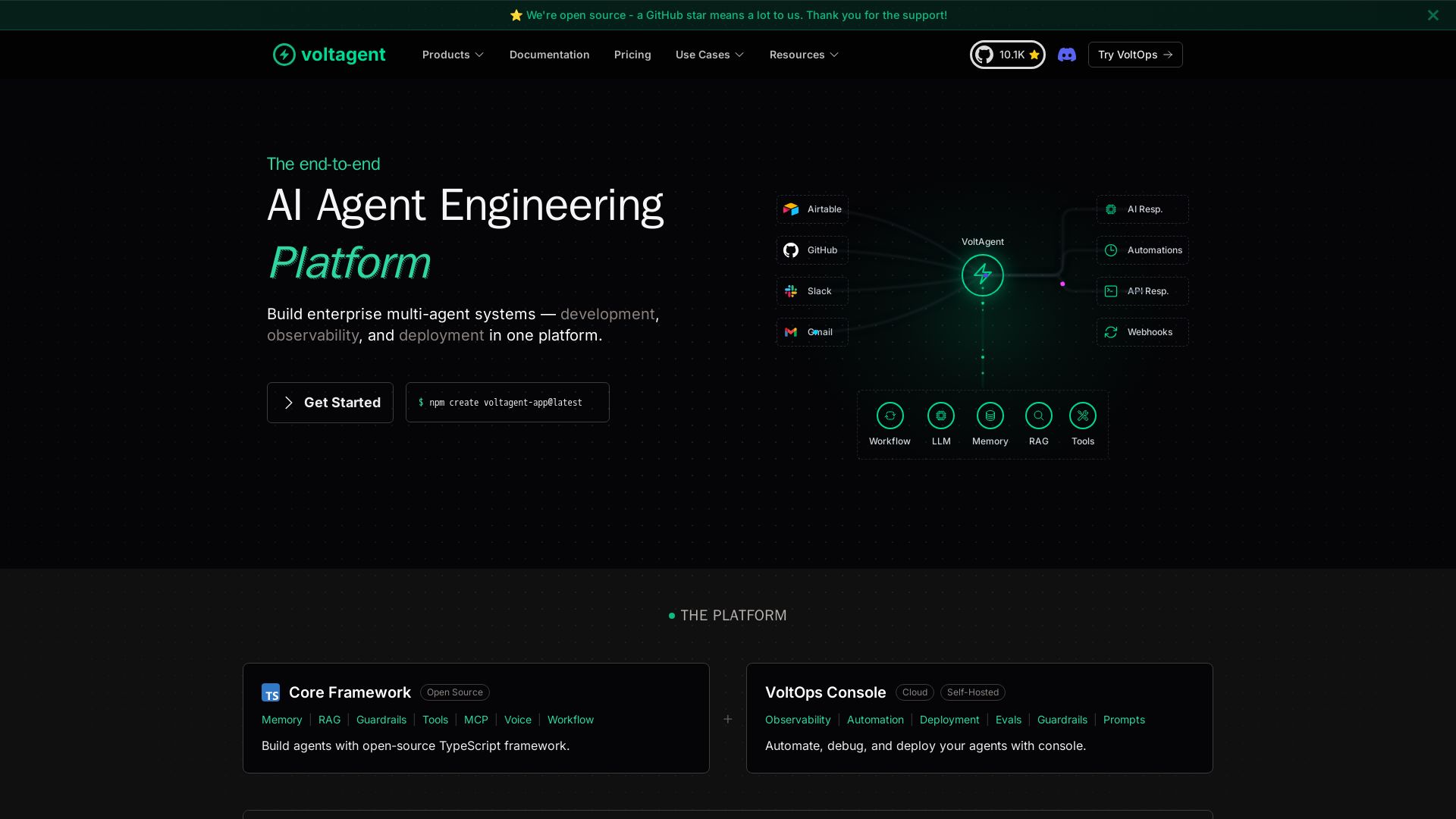
VoltAgent
Build, observe, and deploy production-ready AI agents with open-source TypeScript framework and VoltOps console. Multi-agent orchestration, RAG, tools, and more.

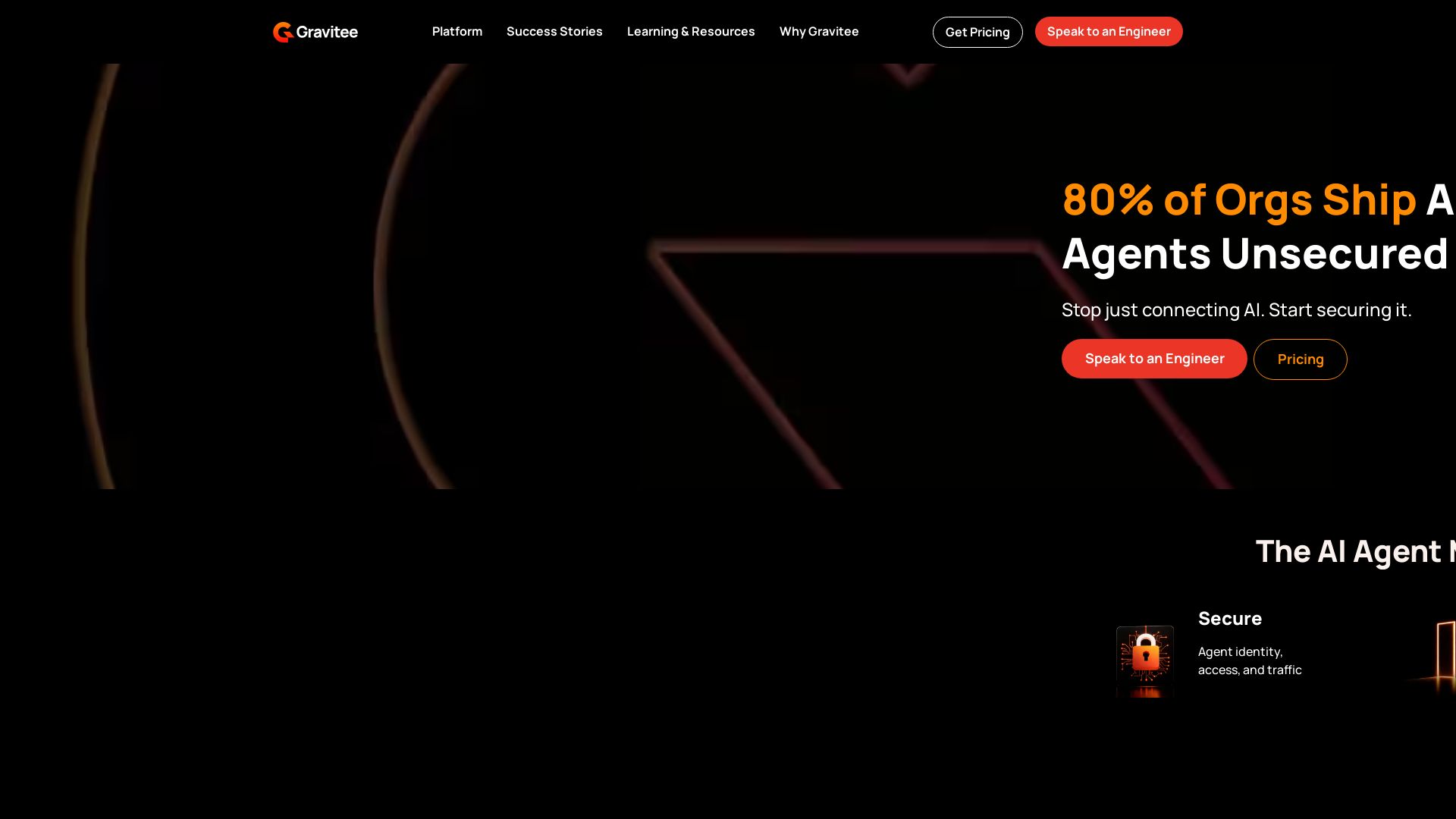
Gravitee
Secure and govern AI agents, APIs, and events on one platform. Protect against unsecured agents, control LLM costs, and gain visibility. Trusted by top enterprises.

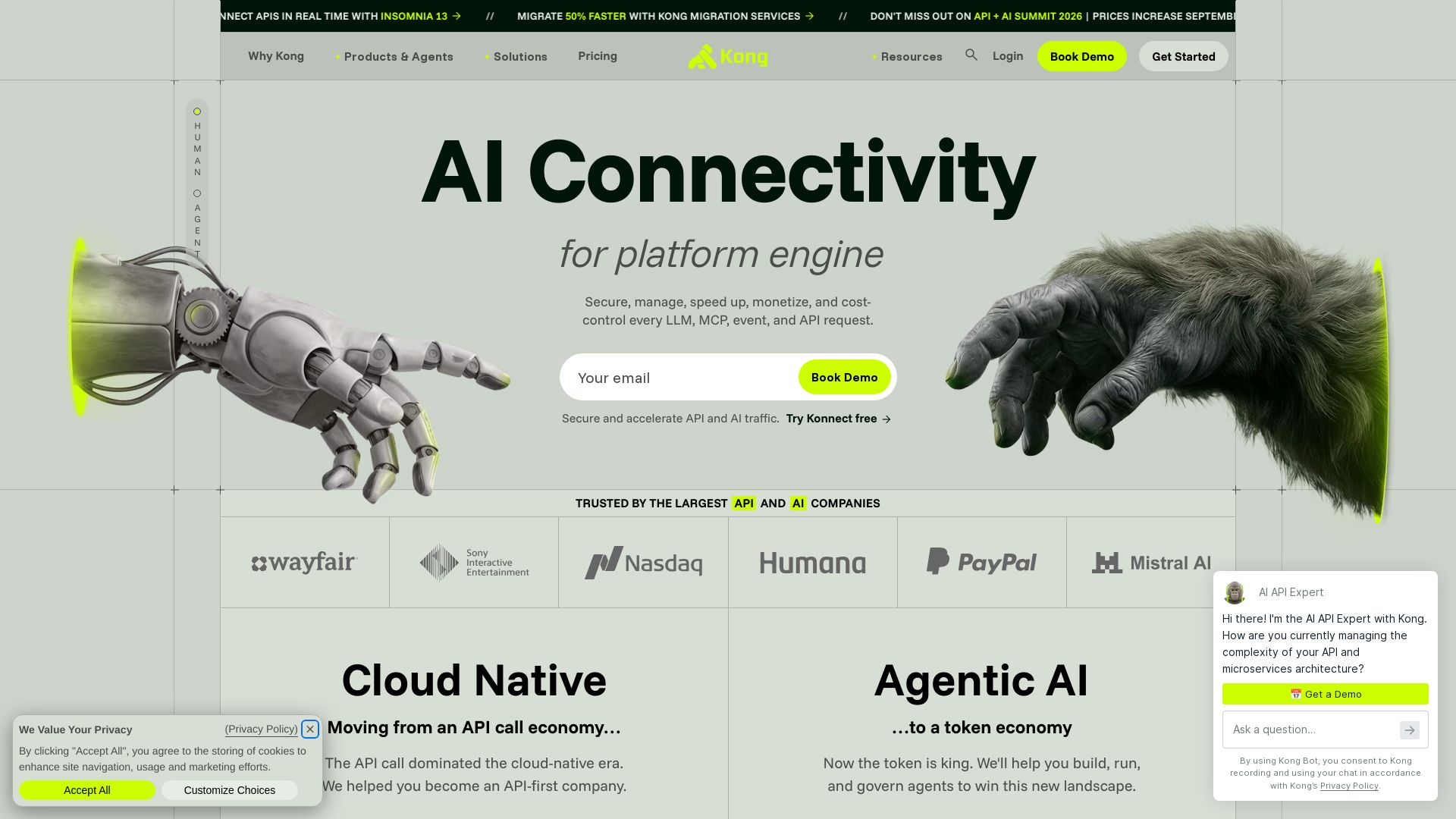
Kong
Secure, manage, and monetize every API, LLM, MCP, and event. Unify AI cost, security, and risk. Build agents fast, safely, and profitably.

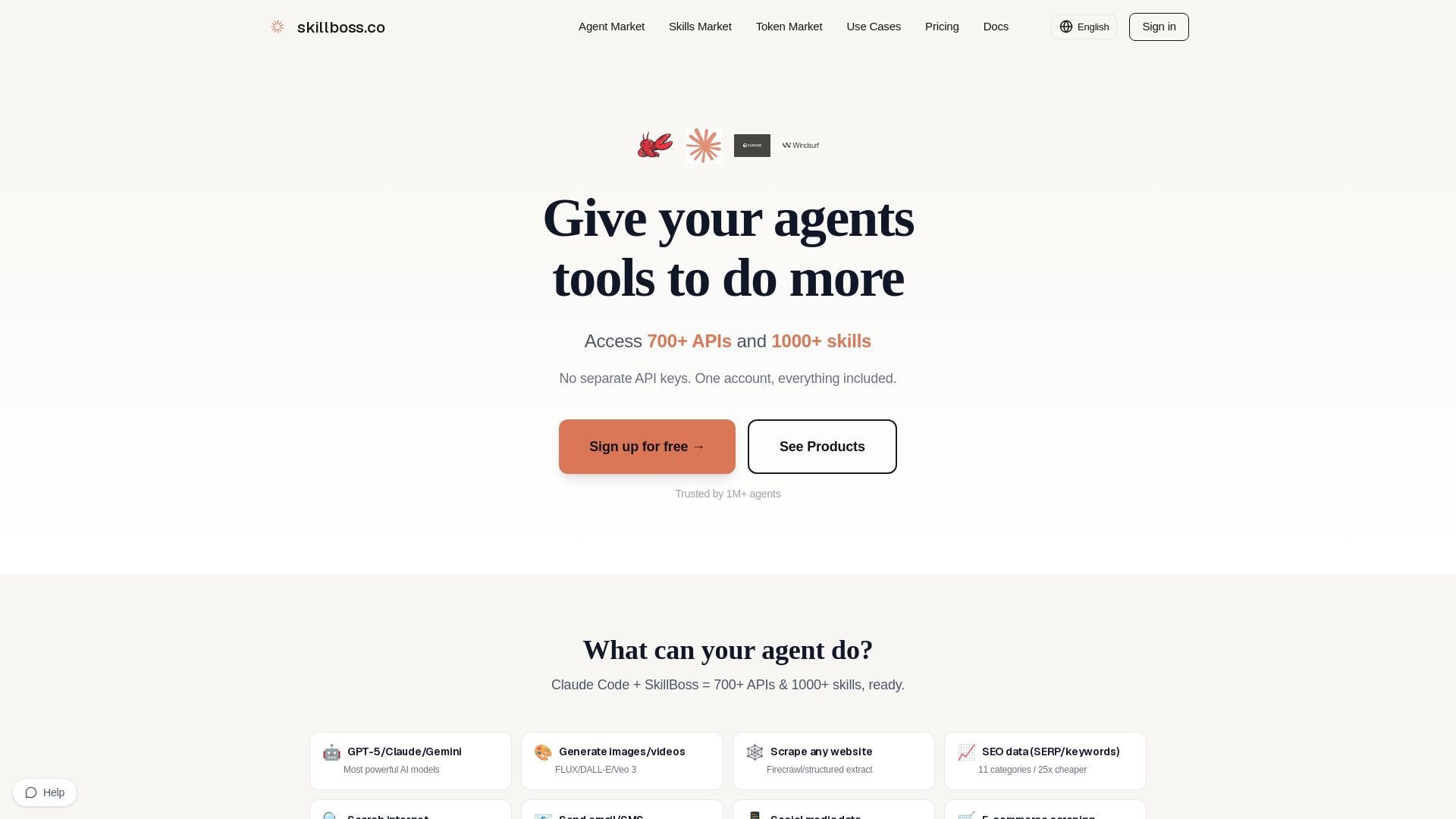
SkillBoss
Give your AI agent access to 700+ APIs and 1000+ skills with one account. No separate keys. Trusted by 1M+ agents. Start free with $2 credit.


Mastra
Build, observe, and improve AI agents with Mastra. Workflows, memory, observability, and evals in one TypeScript framework.

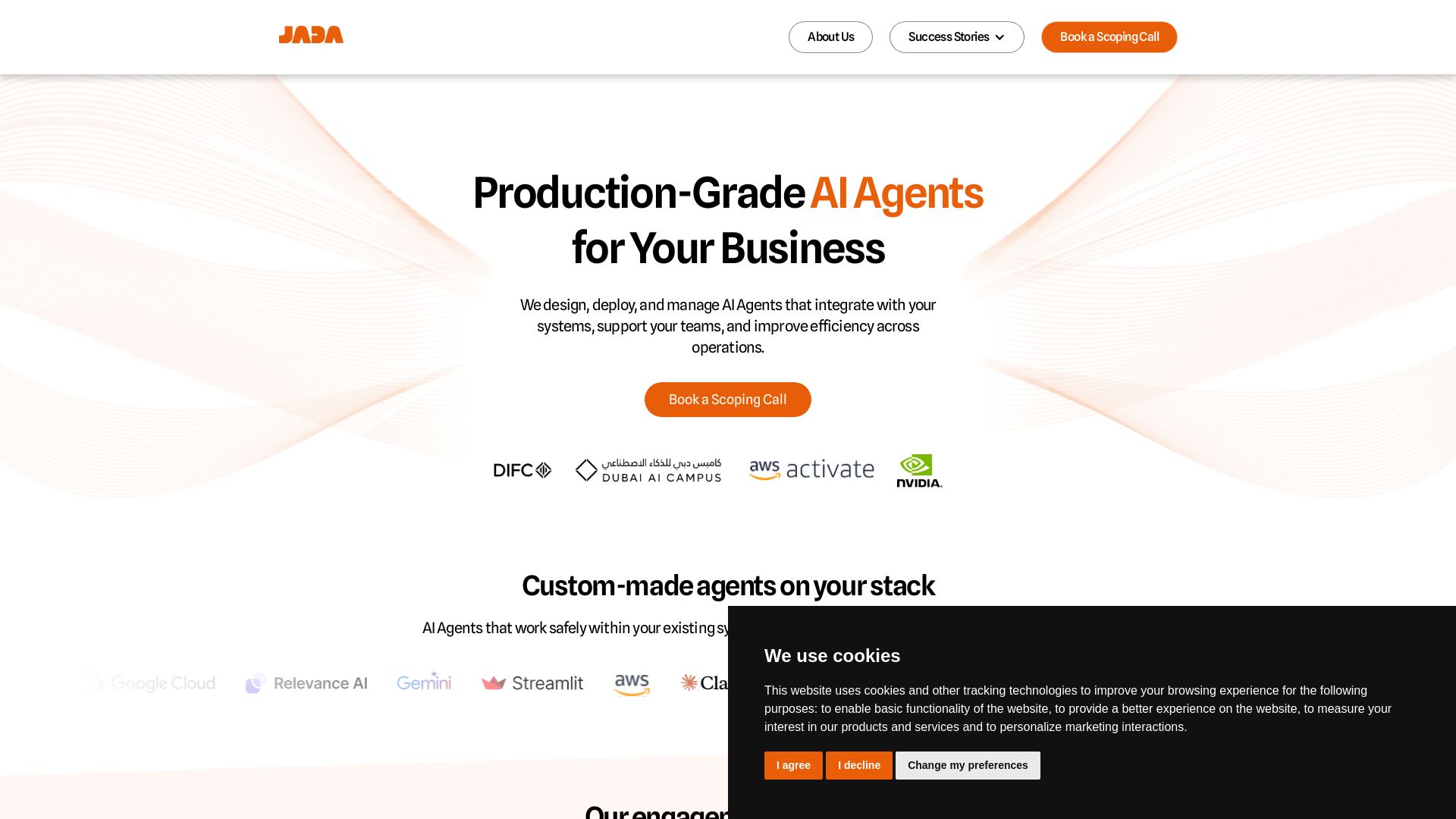
JADA
Design, deploy, and manage AI agents that integrate with your systems. From strategy to handover, we ship agents that work.

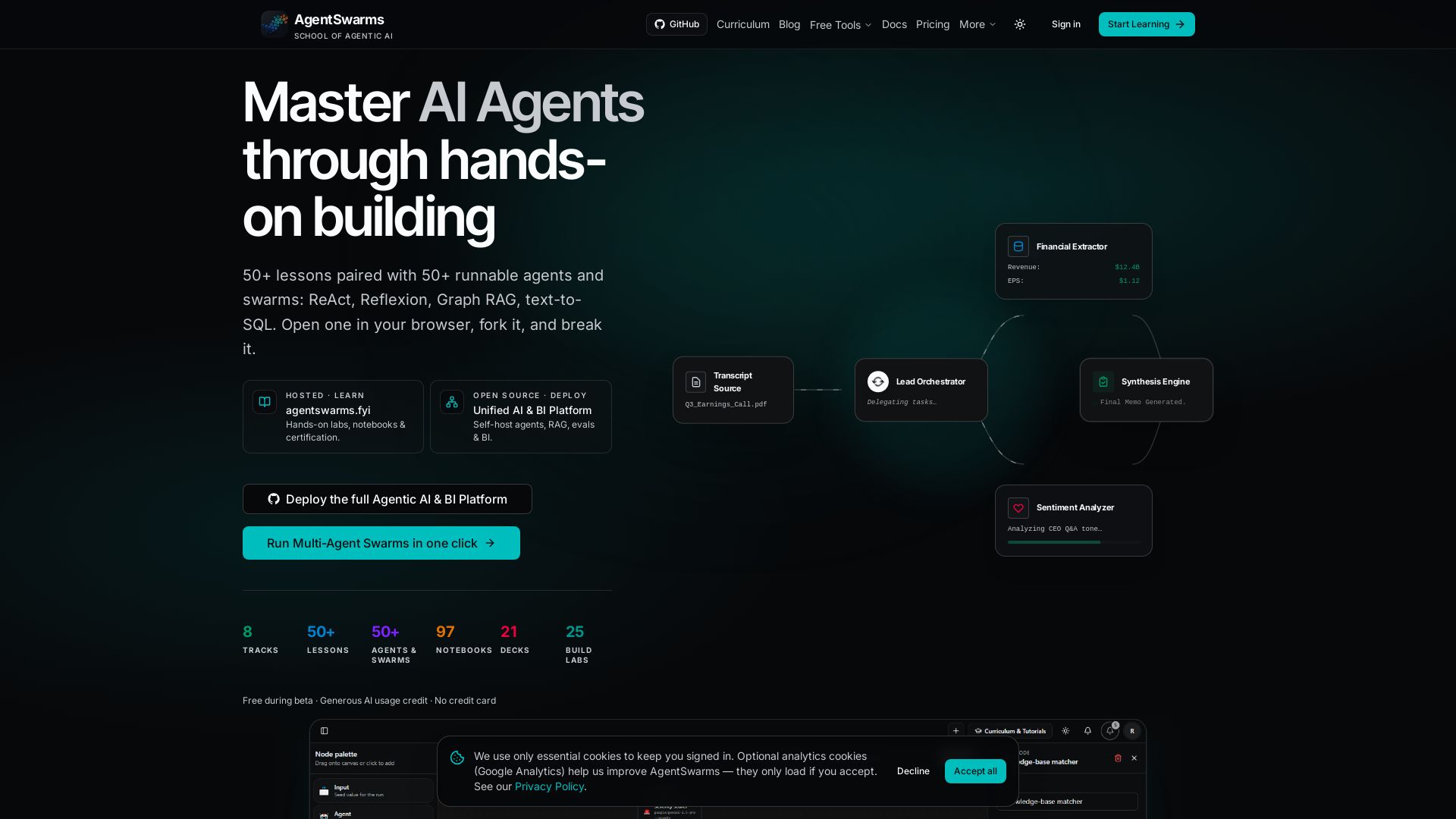
AgentSwarms
Build real AI agents and multi-agent swarms with 50+ hands-on lessons, templates, voice, and embeds. No setup required.

ℹ️ Curation Disclosure: The overview and features of Warlock.js were synthesized using AI and fact-checked by our curation team to ensure accuracy.