
Splunk
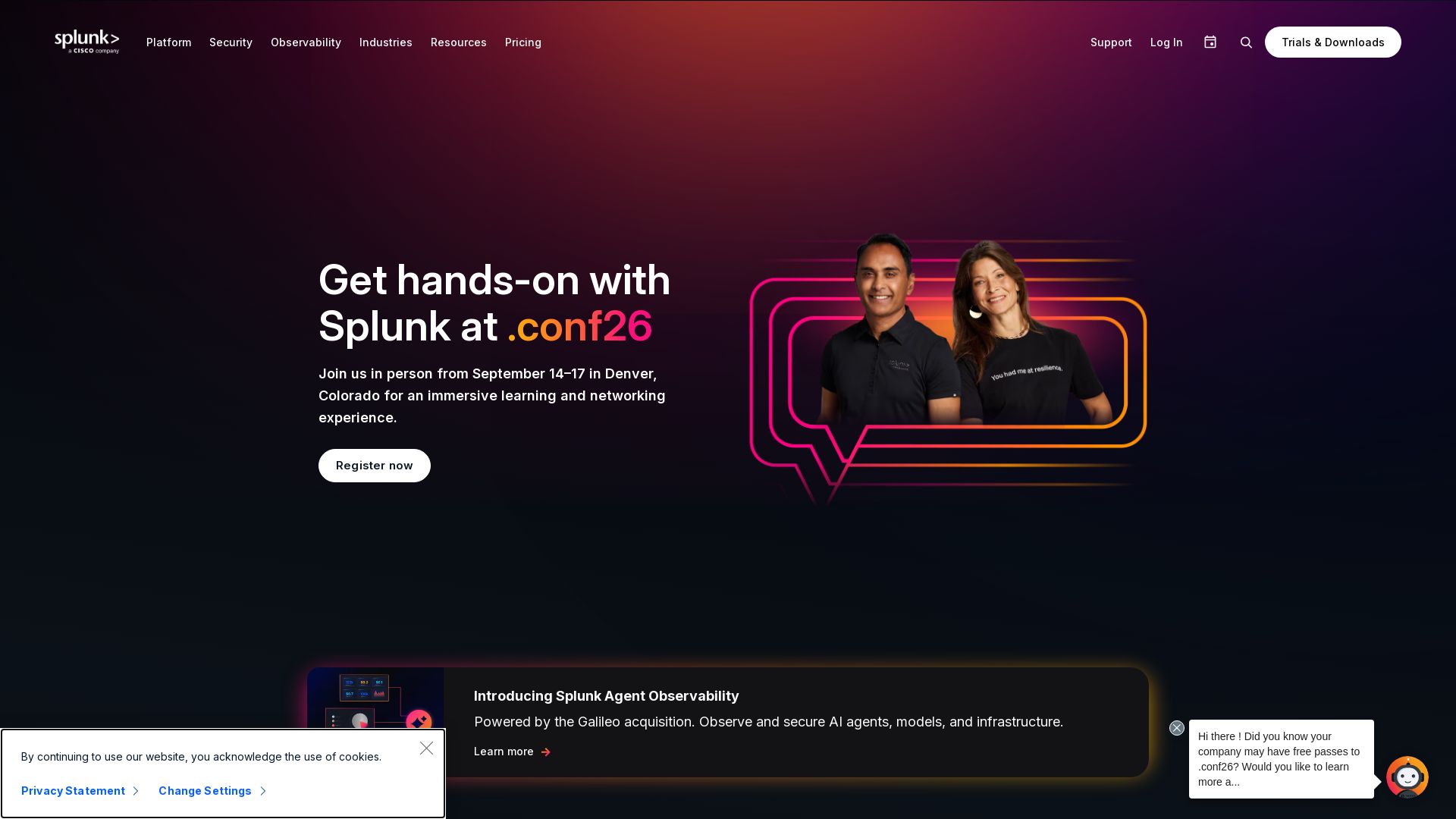
Trusted by global leaders, Splunk's AI-powered platform delivers real-time threat detection, observability, and digital resilience at scale.


Editor's Verdict
Key Takeaways
- Digital Resilience Platform
- Agentic SOC
- Agentic Observability
- AI Built for Observability and Security
In-Depth Review: What is Splunk?
Splunk, now a Cisco company, provides a unified platform for security and observability. It offers Agentic SOC and Agentic Observability powered by AI, with 2000+ integrations. Trusted by enterprises, it enables faster threat detection, MTTR, and operational efficiency. Discover how Splunk helps preempt issues and drive business outcomes.
Core Features
Digital Resilience Platform
Unify cross-domain machine data at petabyte scale into contextualized, trusted intelligence for preempting issues and activating AgenticOps.
Agentic SOC
Unified threat detection, investigation, and response with AI and built-in Cisco Talos threat intelligence to anticipate and stop emerging threats at machine speed.
Agentic Observability
See the business impact of every performance problem across any stack, owned and unowned networks, and AI workloads using AI to predict, preempt, and investigate fast.
AI Built for Observability and Security
Uncover cross-domain insights and boost productivity with AI you can trust that runs on Splunk, requiring data visibility and context.
2000+ Integrations
Connect, extend, and act on your data with integrations and apps on Splunkbase across cloud, SaaS, IT, and machine data from OT and IoT with native OpenTelemetry support.
Compliance Monitoring
Automate compliance monitoring, streamline audits, and deliver real-time security visibility to adhere to standards like PCI, HIPAA, GDPR, and more.
Pros and Cons
Pros
- Unified Security and ObservabilitySingle platform for both security and observability at massive scale, reducing tool sprawl and complexity.
- AI-Powered InsightsLeverages AI for threat detection, incident prediction, and performance analysis, boosting productivity and speed.
- Massive ScalabilityHandles petabyte-scale data across domains, trusted by leading enterprises for critical operations.
- Extensive IntegrationsOver 2000 integrations via Splunkbase, including open telemetry support, enabling connectivity across diverse data sources.
- Proven Cost SavingsCustomers report significant reductions in licensing and infrastructure costs, as well as faster issue detection and resolution.
Cons
- Complex DeploymentMay require significant effort to consolidate legacy tools and migrate to the Splunk platform.
- Potential CostPricing is custom and can be high for large-scale deployments, though free trials are available.
Use Cases & Recommended Professions
Security Operations Center (SOC) Analyst→ View Toolkit
Uses Splunk for real-time threat detection, investigation, and response, leveraging AI and built-in threat intelligence to improve efficiency.
Observability and Automation Lead→ View Toolkit
Manages application performance monitoring, incident prediction, and automation to reduce MTTR and improve service reliability.
IT Architect / Domain Architect→ View Toolkit
Designs unified monitoring and security architectures using Splunk's platform to ensure business service uptime and resilience.
Compliance Officer→ View Toolkit
Relies on Splunk for automated compliance monitoring, audit trails, and reporting for standards like PCI, HIPAA, and GDPR.
DevOps Engineer→ View Toolkit
Utilizes Splunk observability to preempt performance issues, reduce alert noise, and improve application delivery.
CISO / Security Leader→ View Toolkit
Leverages Splunk for AI-powered resilience, threat intelligence, and strategic insights to manage security risk and transform AI risk into resilience.
Frequently Asked Questions
Alternative AI Tools
View Detailed Comparison →
Noma Security
Discover, govern, and protect AI and agents across your enterprise with Noma's holistic security platform. Continuous discovery, runtime protection, and compliance management.
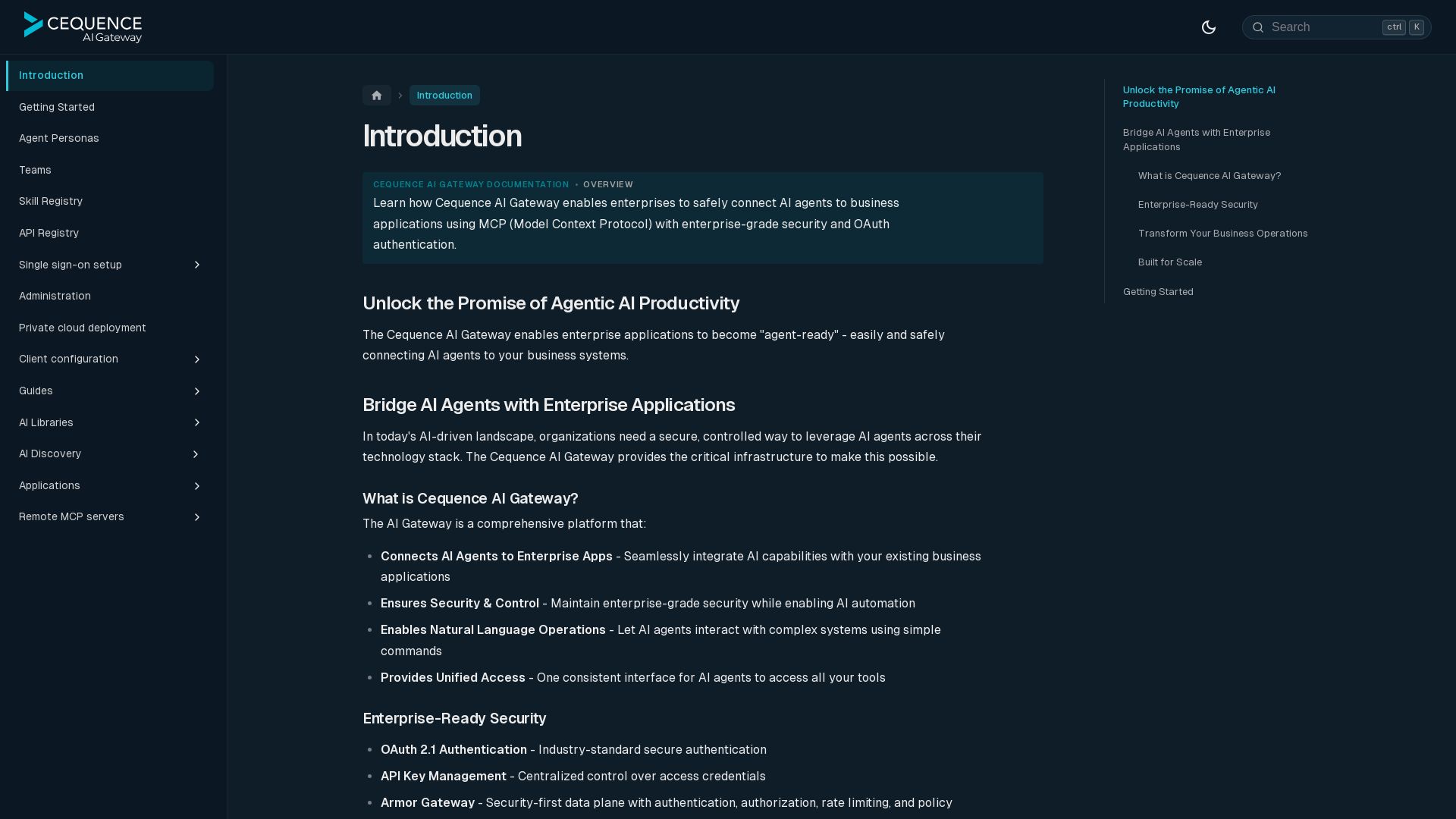
Cequence AI Gateway
Safely connect AI agents to business apps with enterprise-grade security, OAuth 2.1, and MCP. Unlock agentic AI productivity.

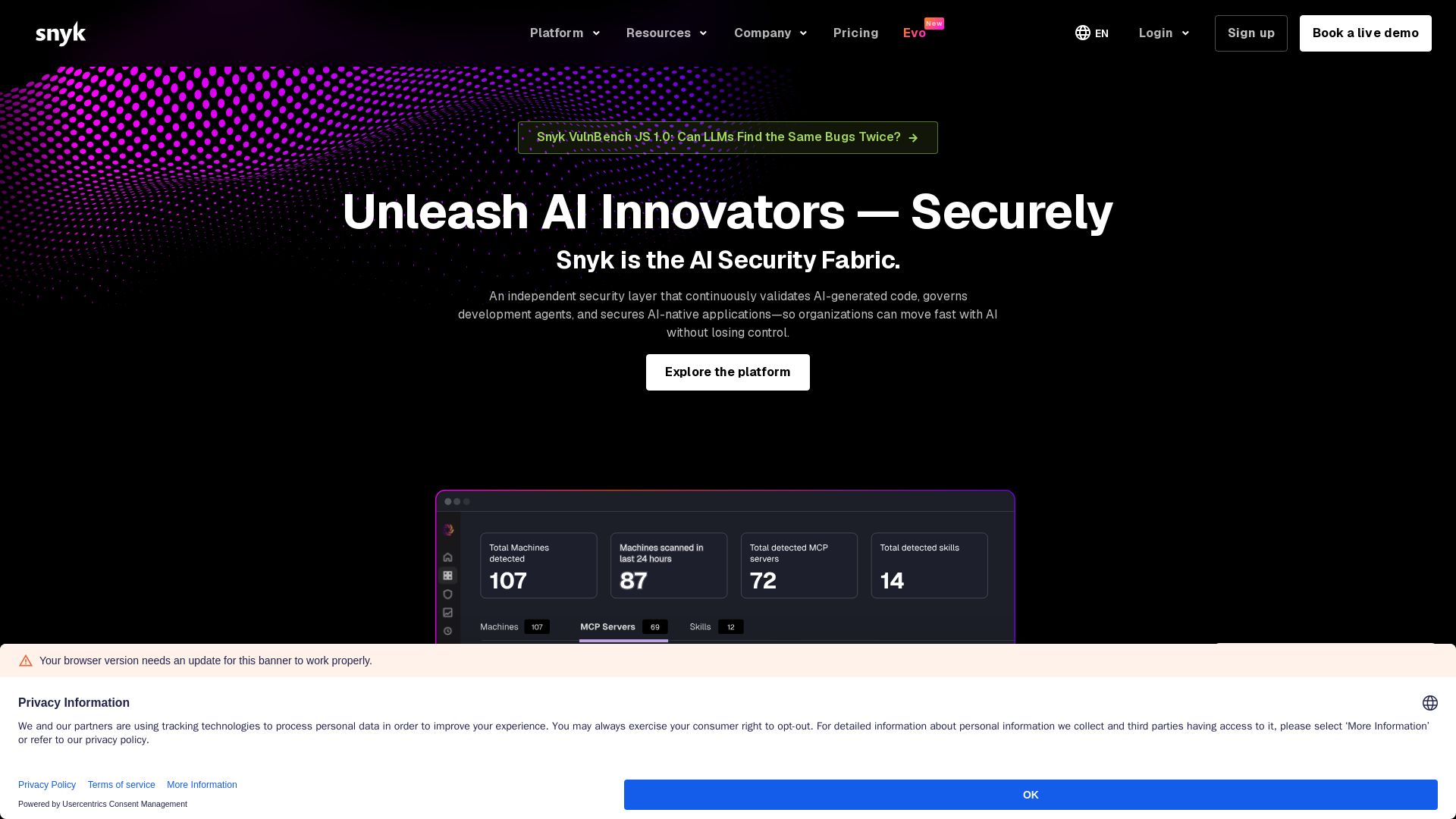
Snyk
Snyk secures AI-generated code, governs development agents, and protects AI-native applications. Trusted by leading enterprises.

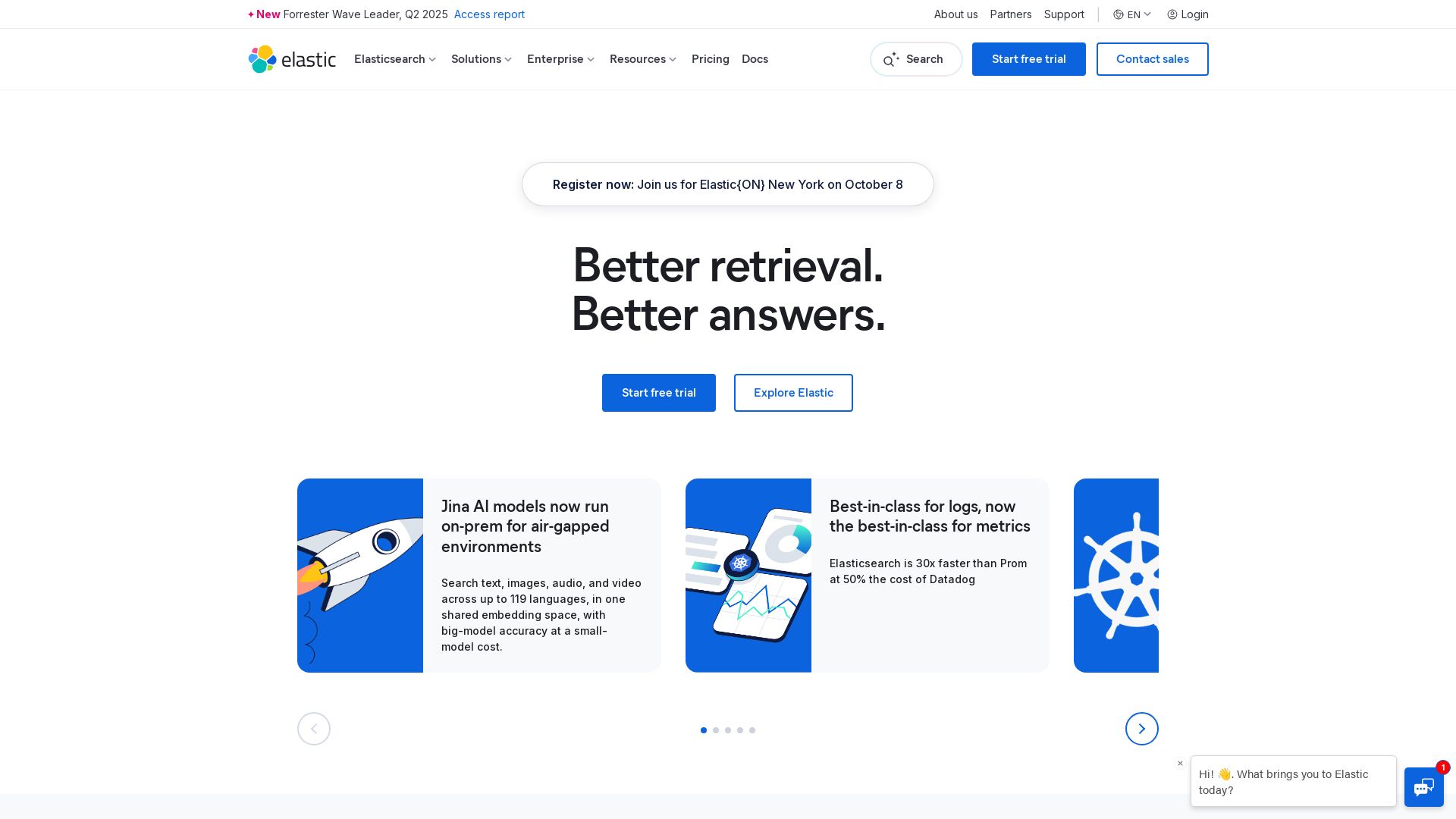
Elastic
Unify search, observability, and security with AI. 30x faster logs, 50% cost. Start free trial.

Arinco
Arinco makes AI real for business. As a specialist Microsoft partner, we help organisations become AI-first with secure cloud, data platforms, and production-ready AI solutions.


Oligo Security
Ranked #1 AI Runtime Security – stop attacks in real time. Detect, prove exploitability, block threats safely across code, cloud, and AI.

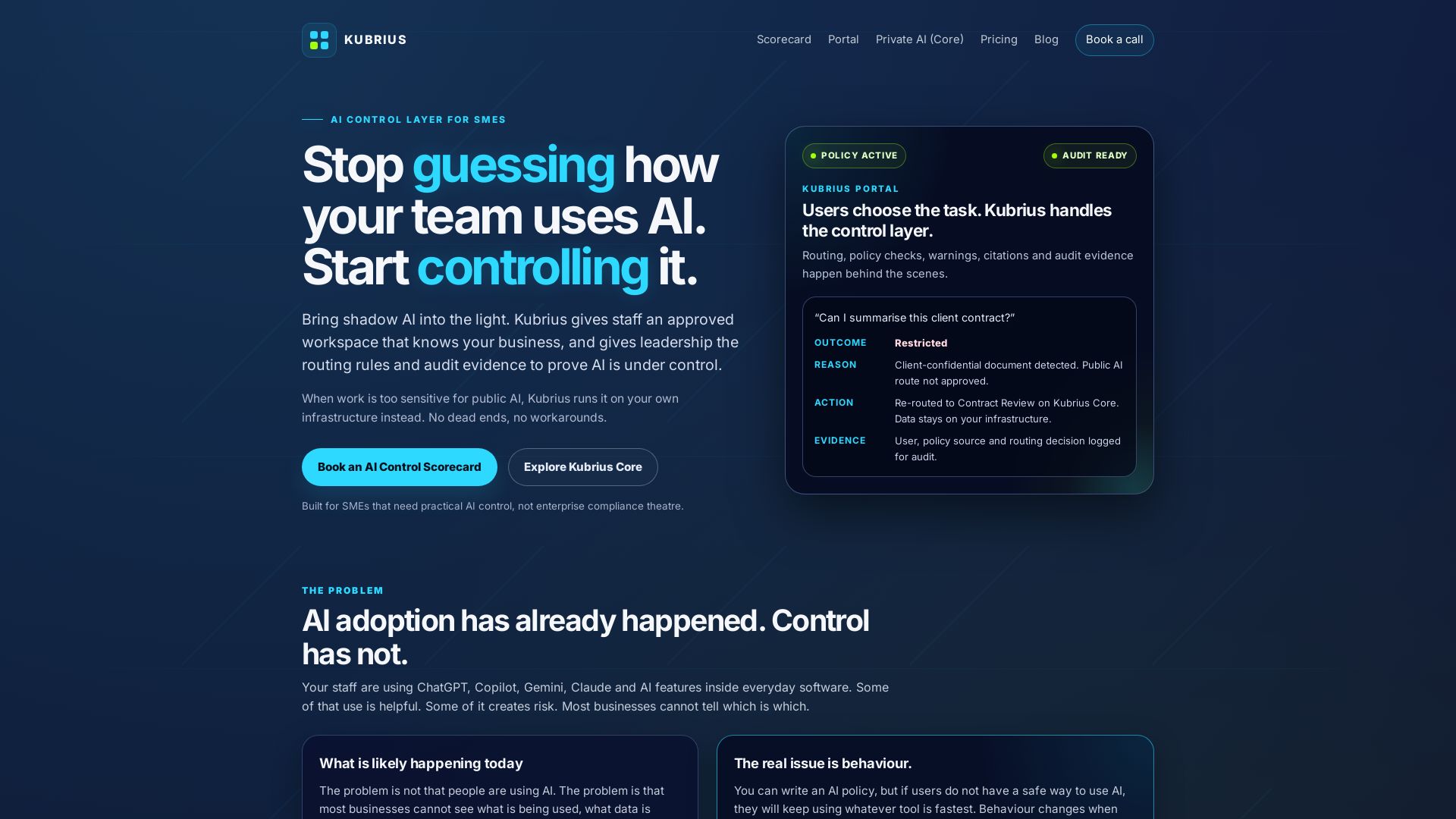
Kubrius
Kubrius gives SMEs one approved AI workspace with policy enforcement, audit logs, and optional private infrastructure. Control how your team uses AI.


Section AI
Turn AI investment into workforce transformation with Section. Command center, coaching, and strategic support to drive measurable ROI.

Speakeasy
Securely manage MCPs, skills, and AI agents across your company. Prevent data leaks, enforce policies, and gain full observability. Trusted by enterprises.

Backslash
See, govern, and protect every AI agent, MCP server, and skill on your endpoints. Real-time visibility and threat detection.



ℹ️ Curation Disclosure: The overview and features of Splunk were synthesized using AI and fact-checked by our curation team to ensure accuracy.