Dust
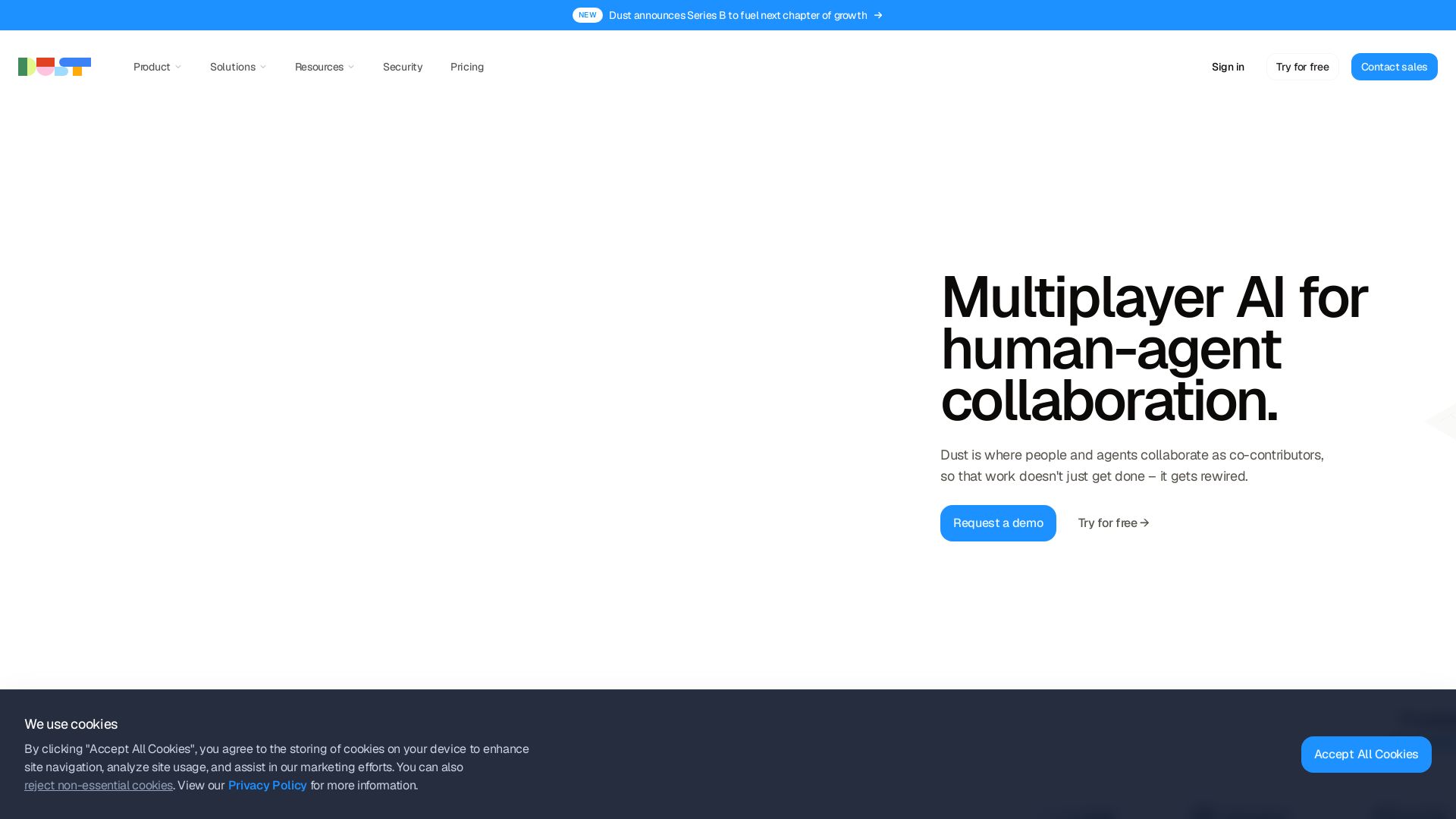
Dust is a multiplayer AI workspace where teams and agents collaborate as co-contributors. Trusted by 3,000+ organizations. Enterprise-ready, secure, and self-improving AI.
Editor's Verdict
Key Takeaways
- Multiplayer AI Collaboration
- Intelligent Context Layer
- Self-Improving AI
- Model Flexibility
In-Depth Review: What is Dust?
Dust is a multiplayer AI platform designed for human-agent collaboration. It provides a shared workspace where teams and AI agents work together as equal co-contributors, accessing the same knowledge, tools, and conversations. The platform features an intelligent context layer that deeply understands company knowledge, self-improving agents that learn from usage, and enterprise-grade security including SOC 2 Type II, GDPR compliance, and dual-layer permissions. Used by engineering, customer support, sales, and marketing teams to automate workflows, debug code, handle incidents, and more. Trusted by over 3,000 global organizations, Dust enables AI Operators to build, deploy, and scale AI across their company.
Core Features
Multiplayer AI Collaboration
A workspace where humans and agents collaborate as co-contributors, sharing knowledge, tools, and conversations.
Intelligent Context Layer
Semantic layer that synthesizes company knowledge so agents understand and act on information deeply.
Self-Improving AI
Agents learn from usage, consolidating best practices into shared skills that improve over time.
Model Flexibility
Seamlessly switch between frontier models from OpenAI, Anthropic, Google, and Mistral.
Enterprise Security
Dual-layer permission model, SOC 2 Type II, GDPR, HIPAA-ready, with SCIM-synced groups and audit logs.
Pricing
Free
- Limited agent usage
- Basic integrations
- Community support
Enterprise
- Unlimited agents and users
- All integrations
- Dedicated support
- Custom security controls
- 99.9% uptime SLA
Pros and Cons
Pros
- Multiplayer CollaborationEnables teams and agents to work together with shared context, boosting productivity.
- Deep Context UnderstandingSemantic layer synthesizes company knowledge for more accurate agent actions.
- Self-Learning AgentsAgents improve over time by learning from usage and sharing best practices.
- Model AgnosticFlexibility to switch between top AI models without vendor lock-in.
- Enterprise-Grade SecurityRobust permissions, compliance certifications, and data protection measures.
Cons
- Learning CurveTeams may need time to adapt to agent-based workflows and multiplayer collaboration.
- Dependence on External ModelsRelies on third-party AI models, which may have latency or cost implications.
- Integration ComplexitySetting up deep integrations with existing tool stack may require initial effort.
Use Cases & Recommended Professions
Engineering→ View Toolkit
AI-powered code debugging, automated code reviews, incident response, and documentation generation.
Customer Support→ View Toolkit
Ticket routing, knowledge retrieval, and automated responses to enhance support efficiency.
Sales→ View Toolkit
Lead qualification, deal intelligence, and personalized outreach using agent-driven insights.
Marketing & Content→ View Toolkit
Content generation, campaign analysis, and audience segmentation with AI copilots.
Data & Analytics→ View Toolkit
Automated data extraction, report generation, and insight synthesis across business systems.
Frequently Asked Questions
Alternative AI Tools
View Detailed Comparison →
Chatbot Builder
Build an AI chatbot in minutes without coding. 24/7 customer support, sales automation, and seamless integrations. Start your free 14-day trial today!


ChatBot
Train an AI agent on your website in minutes. Answer questions, recommend products, and close sales 24/7. Free 14-day trial, no credit card.

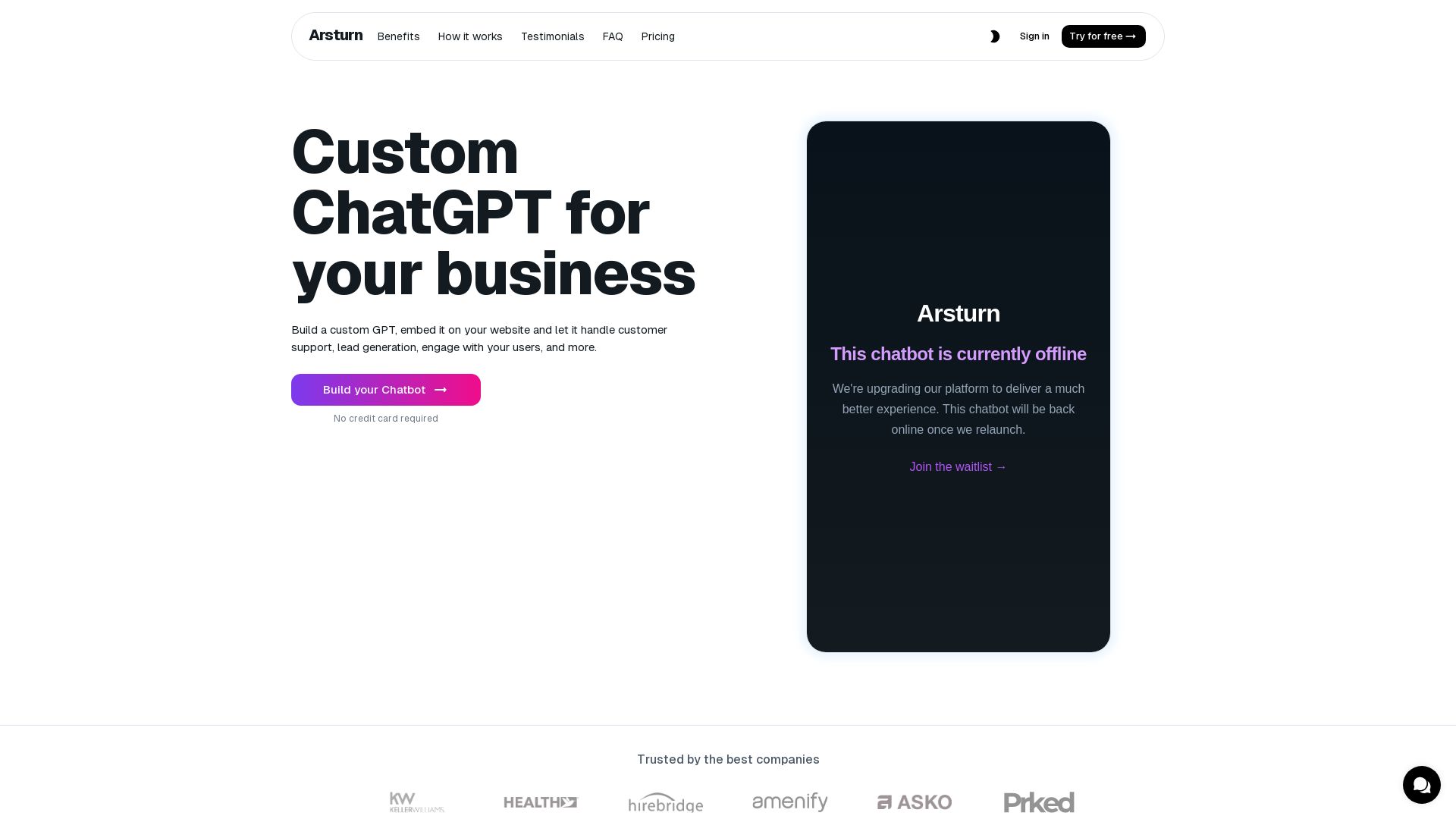
Arsturn
Build a custom GPT chatbot without coding. Train with your data, embed on website, boost engagement and lead generation. Free plan available.

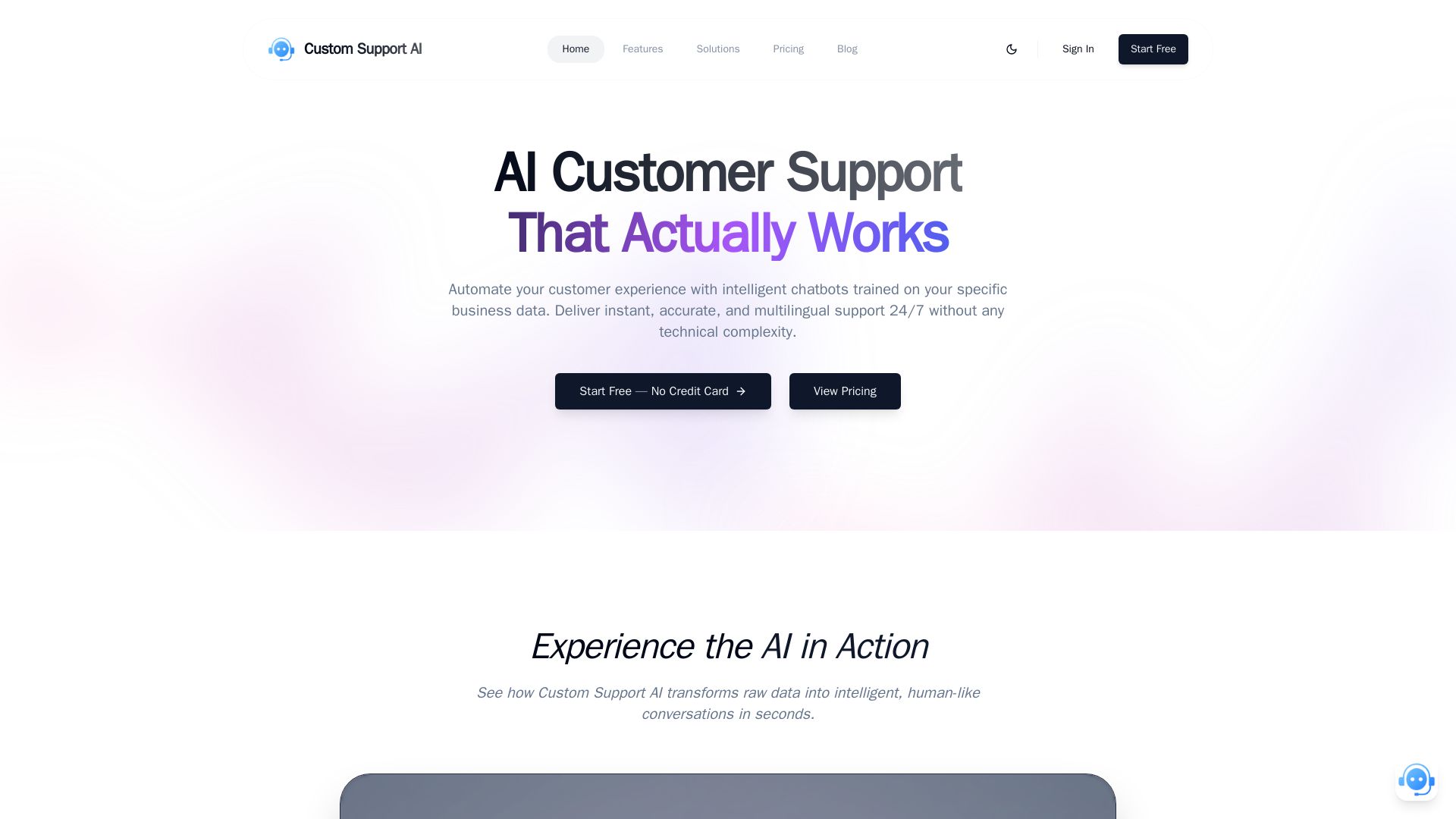
Custom Support AI
Deliver instant, accurate, multilingual customer support 24/7 with AI chatbots trained on your business data. Simple integration, no credit card required.

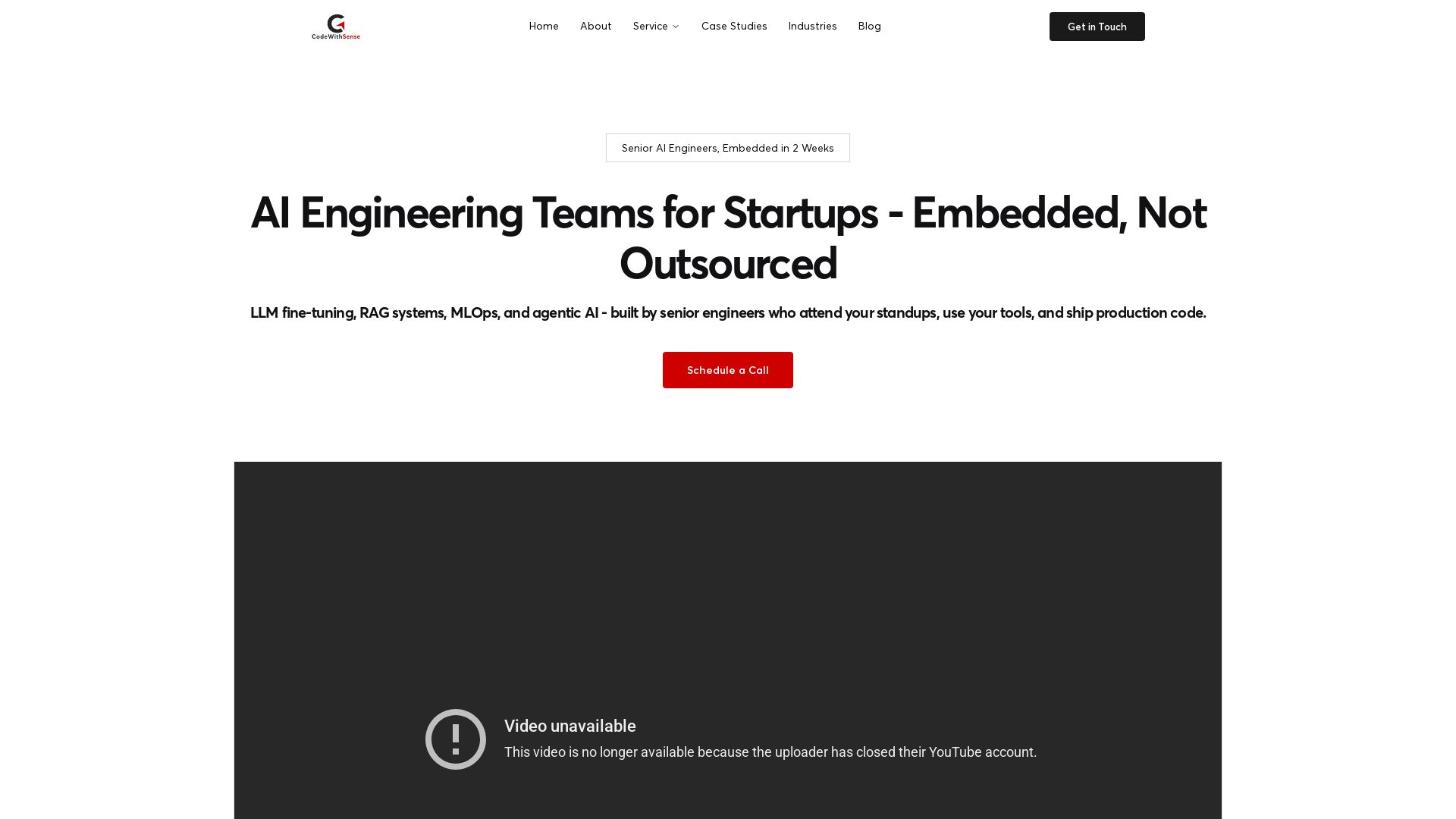
CodeWithSense
Embedded senior AI engineering teams for startups. LLM fine-tuning, RAG, MLOps, agentic AI. Ship production code in weeks, not months.

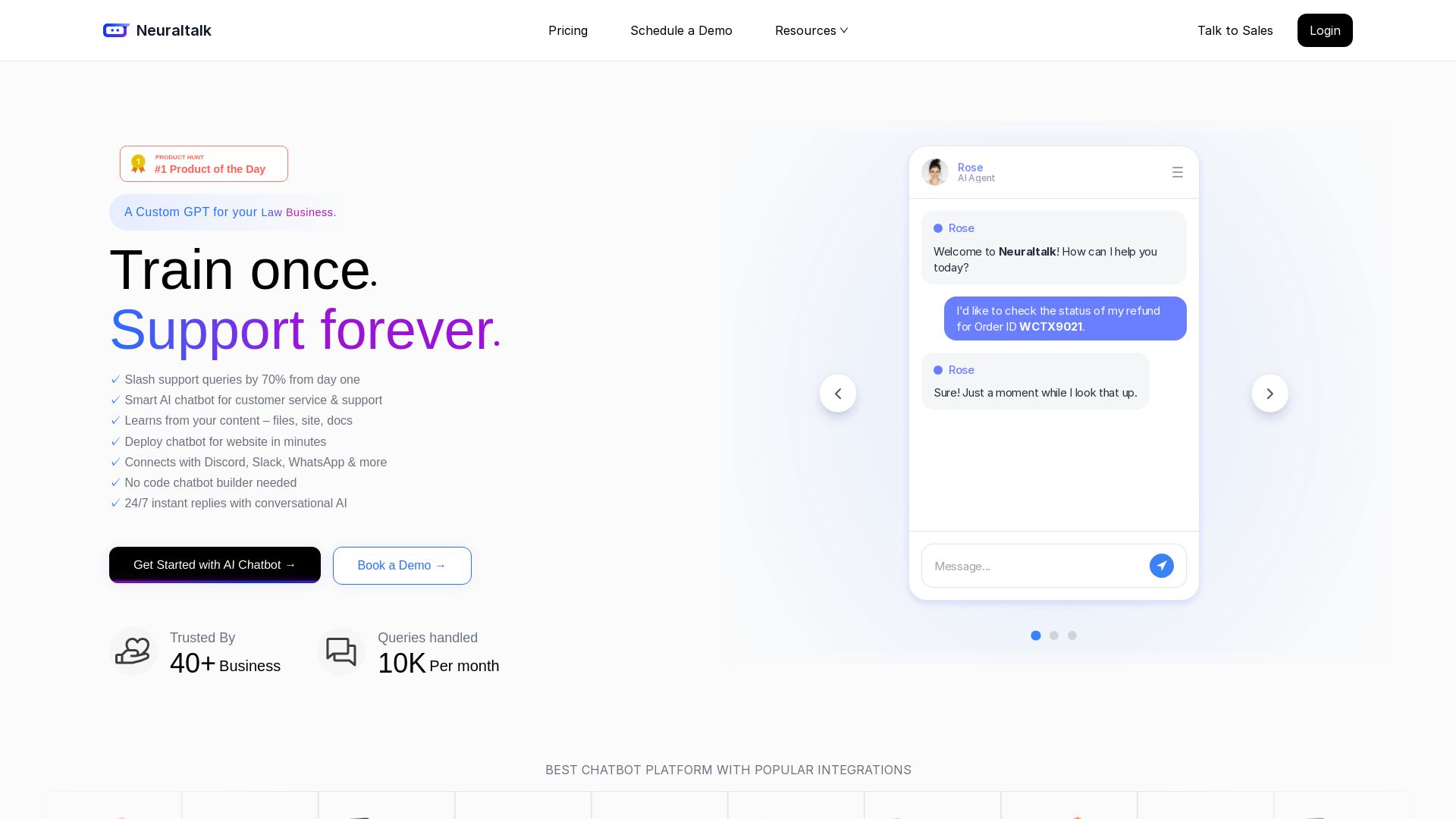
NeuralTalk AI
Create your own AI chatbot for free. Train on your data, deploy on website, and automate customer service 24/7 with no coding. Best chatbot platform.

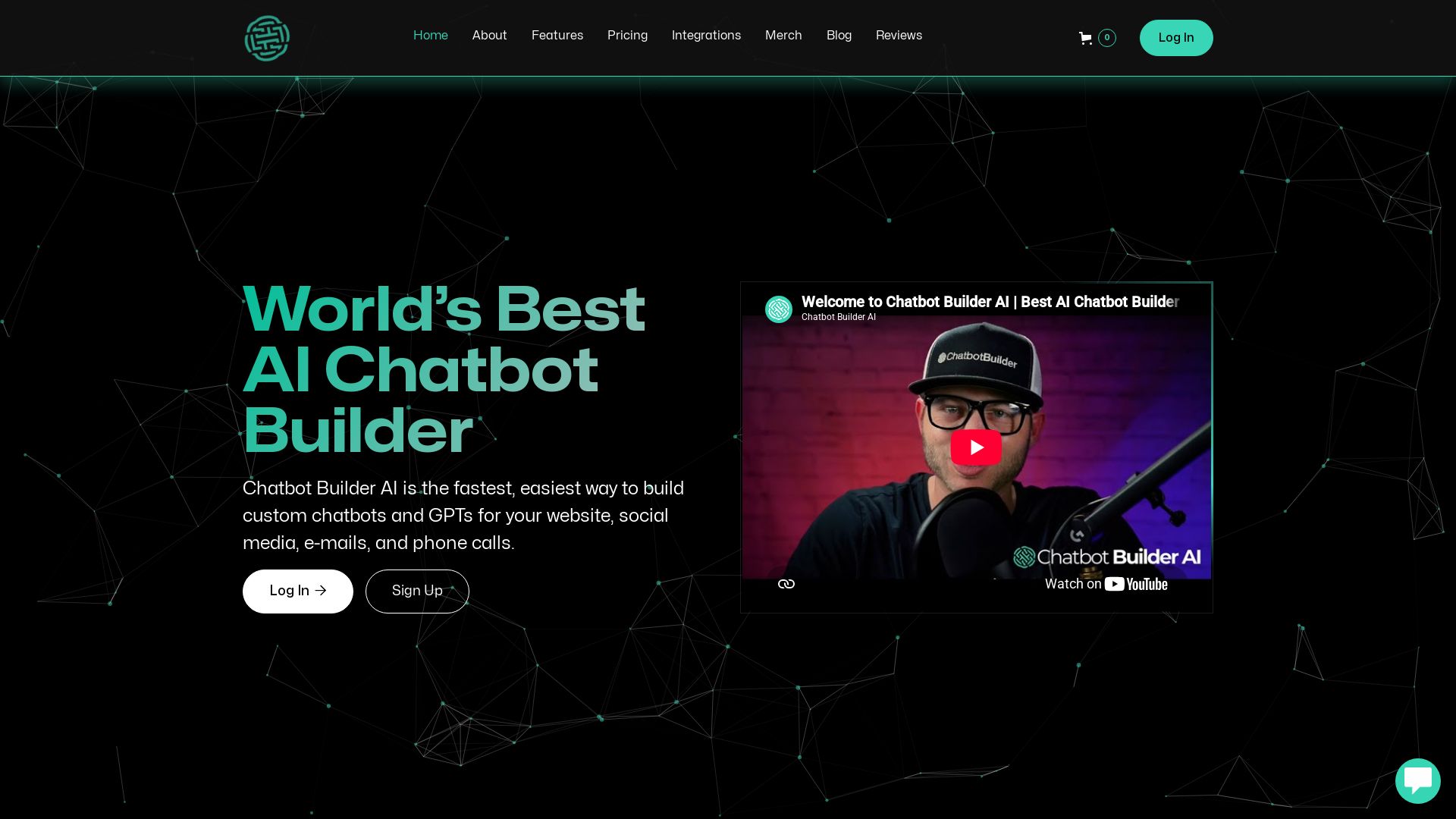
ChatBotBuilderai
Create powerful AI chatbots and GPTs for your business. Integrate with 1000+ apps, support multi-channel, and automate customer service. 14-day free trial. No credit card required.

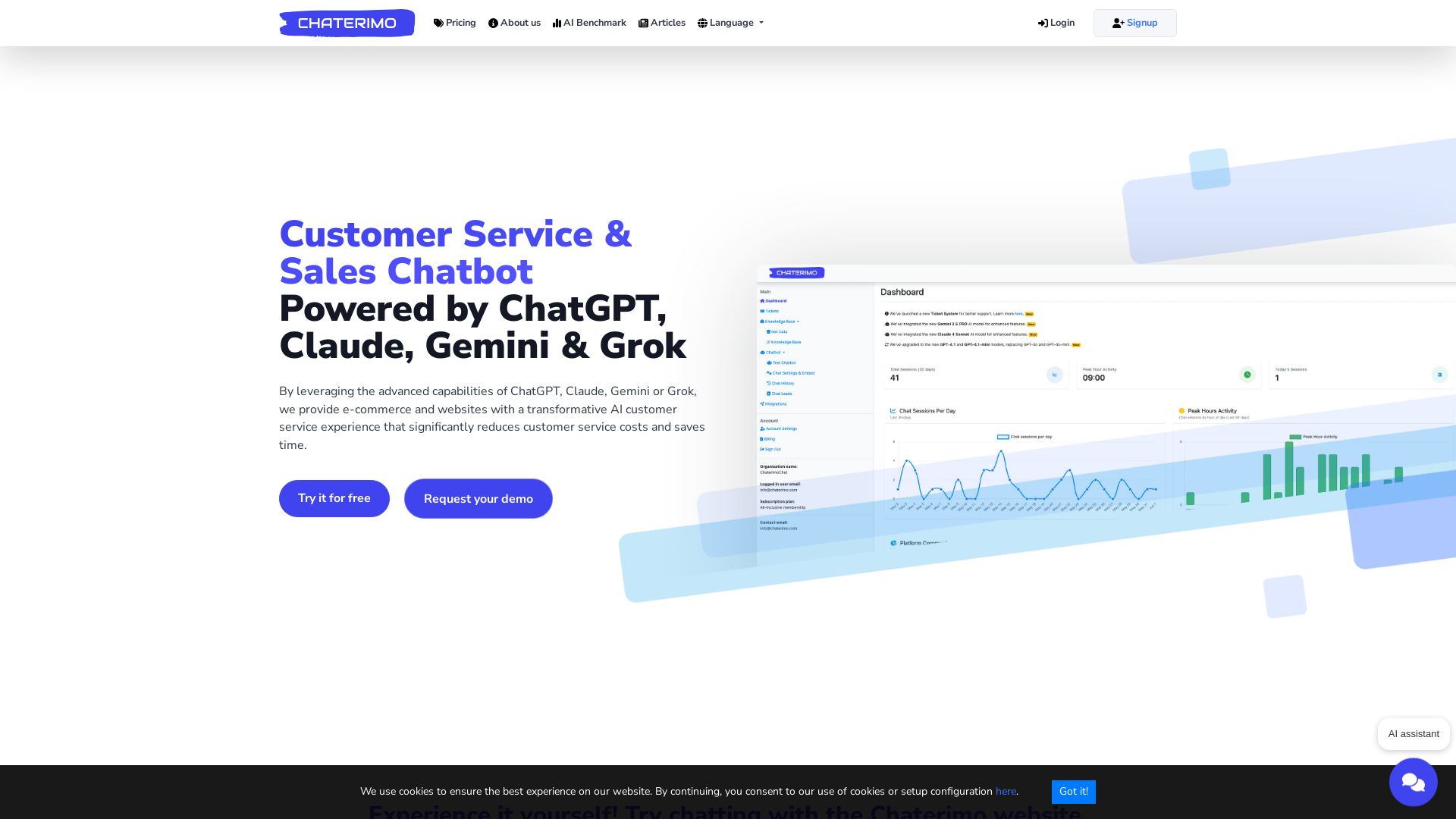
Chaterimo
Deploy AI chatbots using ChatGPT, Claude, Gemini, Grok in minutes. Save 70-90% with BYO API keys. Smart handoff, proactive sales, and e-commerce integration.

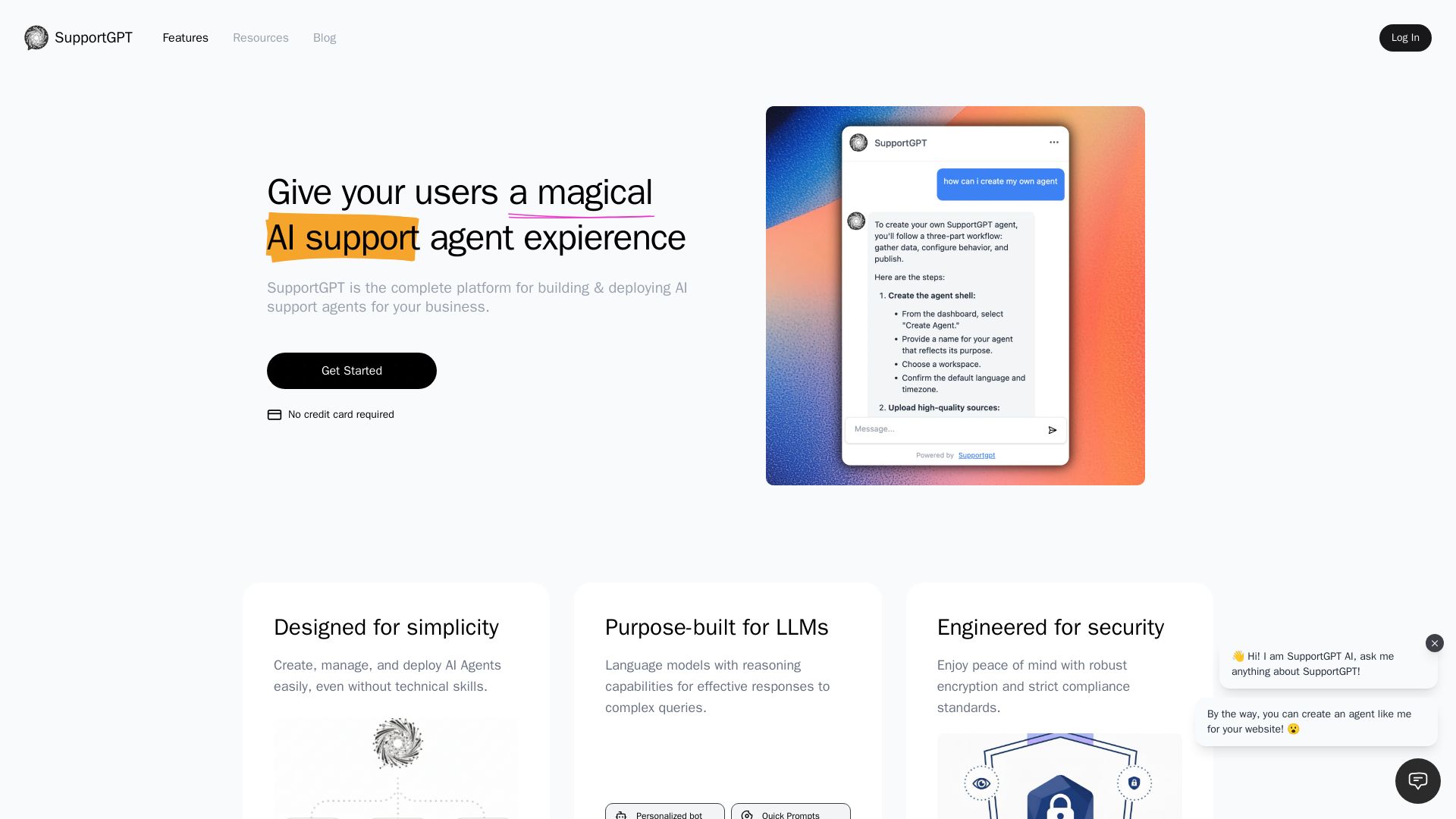
SupportGPT
Build, deploy, and manage smart AI support agents effortlessly. Boost customer experience with personalized, secure, and multilingual chatbots. Get started free.


AY Automate
AI automation agency embedding engineers to build custom AI agents. Automate workflows with n8n, Claude Code. Month one refundable. Free strategy call.

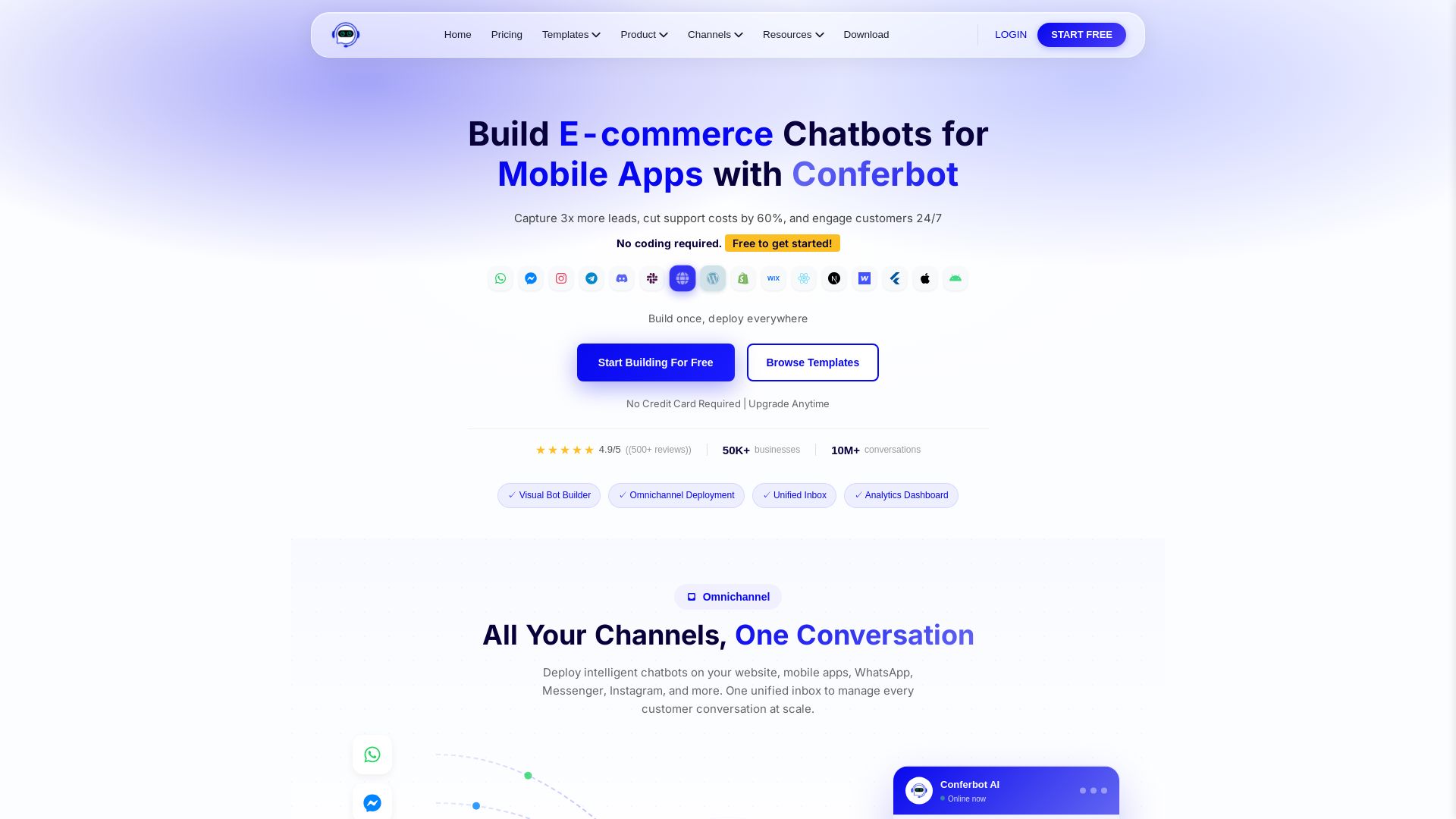
Conferbot
Capture 3x more leads and cut support costs by 60% with Conferbot. Deploy no-code AI chatbots across 13+ channels in minutes. Free to start, no credit card required.

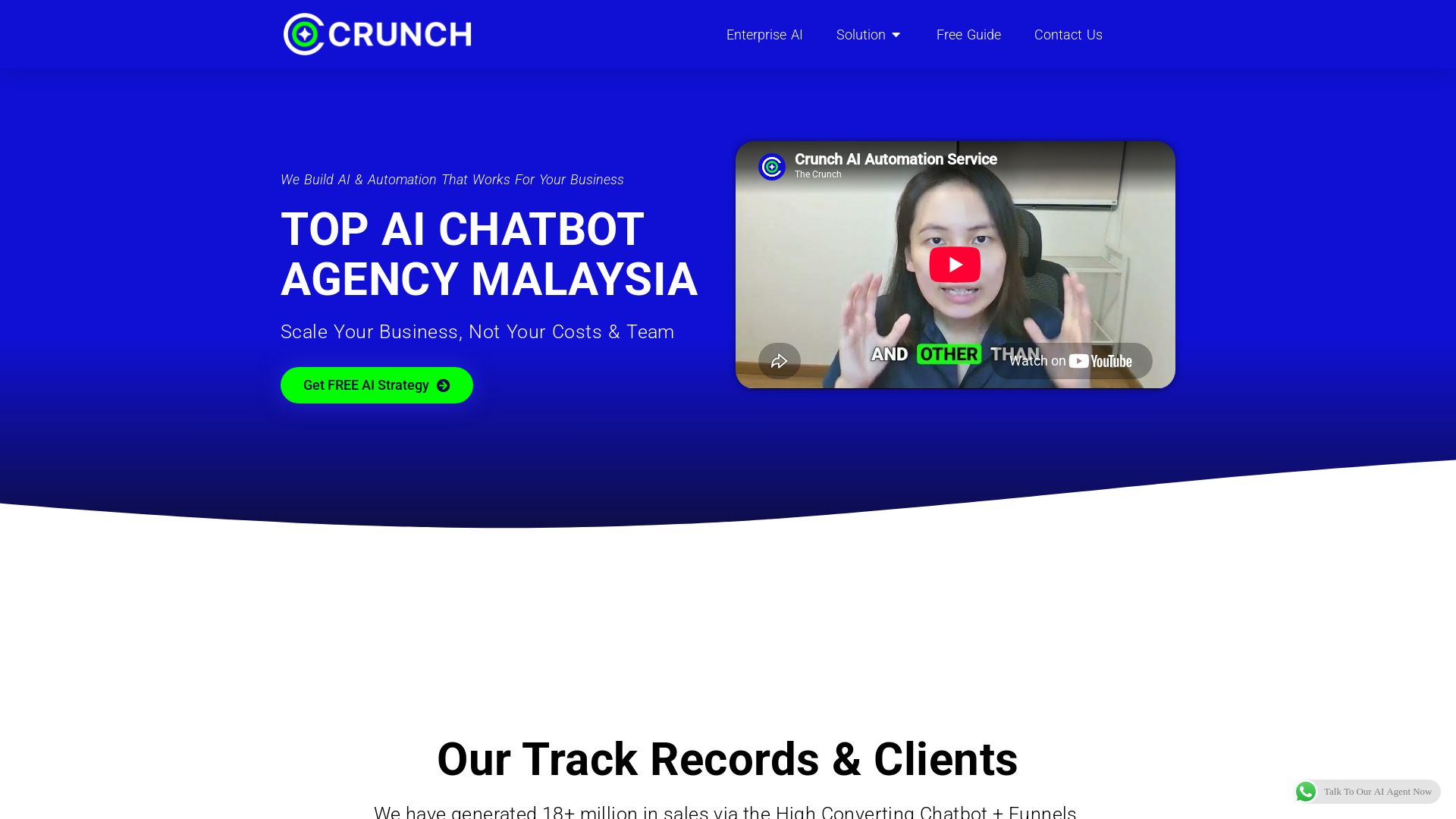
The Crunch
We build custom AI chatbots & agents for Malaysian businesses. Generate more sales, reduce costs, and automate 24/7. Get a free strategy session!

ℹ️ Curation Disclosure: The overview and features of Dust were synthesized using AI and fact-checked by our curation team to ensure accuracy.