
Agent Fieldbook
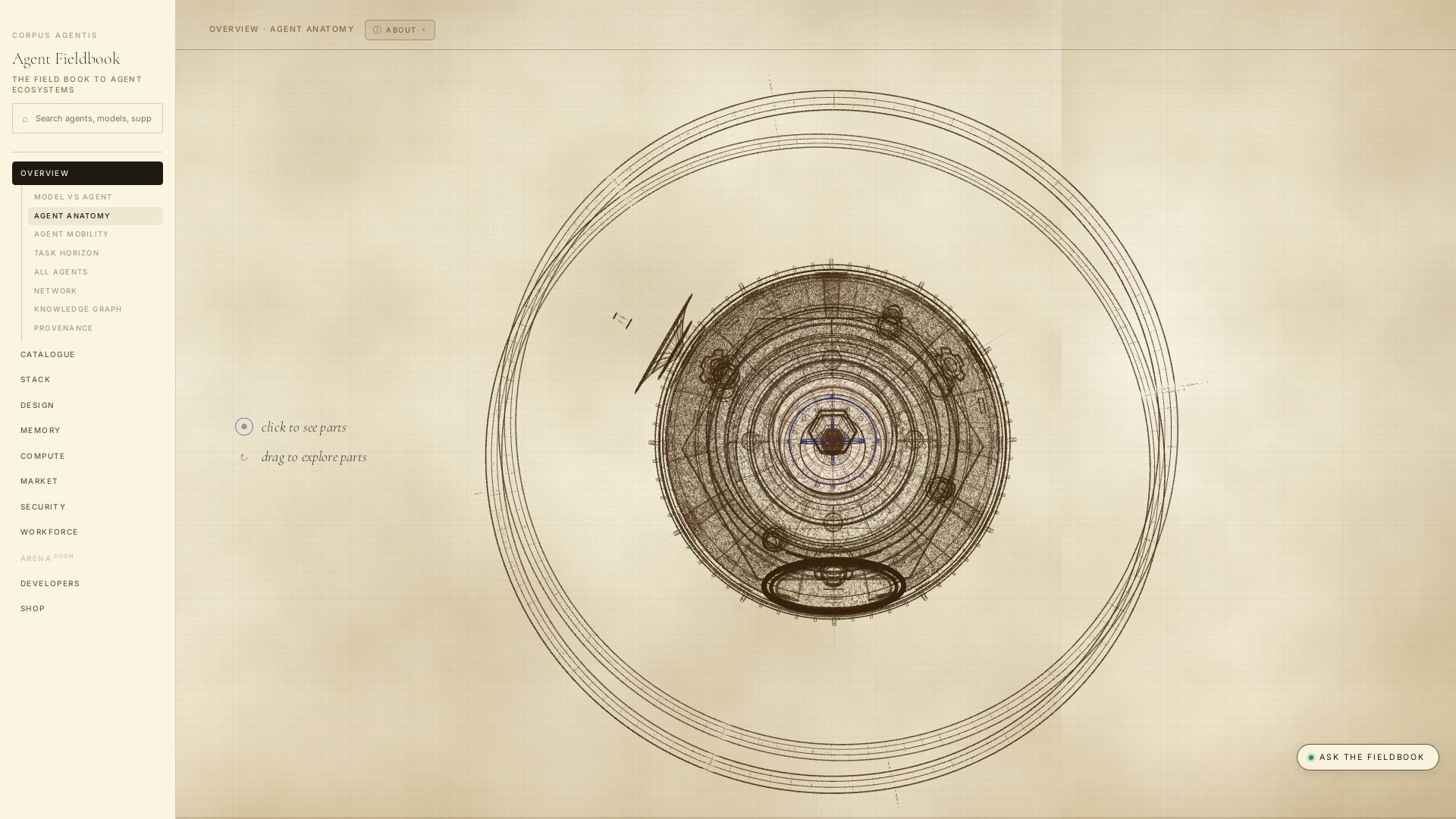
Explore the anatomy, topology, and architecture of AI agents. A curated, relational corpus with sourced nodes and edges.
Editor's Verdict
Key Takeaways
- Agent Anatomy Explorer
- Pricing Intelligence
- Knowledge Graph
- Curated Corpus
In-Depth Review: What is Agent Fieldbook?
A public, relational corpus mapping agent topology, ontology, architecture, and anatomy. Every node sourced, every edge traced to primary references. Explore agent parts like reasoning core, memory, orchestration, and more.
Core Features
Agent Anatomy Explorer
Interactive exploration of the eight canonical parts of production agents, with drag-and-click interface to understand components.
Pricing Intelligence
Curated table of vendor pricing models for AI agents, from per-resolution to outcome-based, with definitions and sources.
Knowledge Graph
Relational graph connecting agent ontologies, topologies, architectures, and provenance with primary references.
Curated Corpus
Public, relational corpus of agent topology, ontology, architecture, and anatomy, with every node sourced and every edge traced.
Learning Paths
Structured next steps to learn about models, topologies, memory, chips, and governance in agent ecosystems.
ASK THE FIELDBOOK
Interactive Q&A interface to query the corpus and get answers about agent ecosystems.
Pricing
Free
- Full access to corpus
- Interactive anatomy explorer
- Pricing data and comparisons
- Knowledge graph navigation
- Learning paths
- ASK THE FIELDBOOK
Pros and Cons
Pros
- Comprehensive and CuratedEvery node sourced and traced to primary references, ensuring high accuracy and trustworthiness.
- Interactive VisualizationsDrag-and-click anatomy explorer makes complex agent architectures intuitive and learnable.
- Up-to-Date Pricing DataReal-world vendor pricing tables with sources, helping users understand market shifts.
- Open and PublicLicensed under CC BY 4.0, encouraging contribution and reuse.
- Community-DrivenCurated by an expert and open to contributions, evolving with the field.
Cons
- Niche ScopeFocused solely on agent ecosystems, which may not be relevant to general AI enthusiasts.
- Resolution Definitions VaryPricing data relies on vendor definitions, some undisclosed, potentially confusing comparisons.
- Requires Domain KnowledgeSome sections assume familiarity with agent concepts, less accessible to beginners.
- Static ContentCorpus may not update in real-time; users should verify latest info.
- No Integrated ToolsPrimarily a reference, not a development platform or agent builder itself.
Use Cases & Recommended Professions
AI Researcher→ View Toolkit
Use the corpus to understand current agent architectures, ontologies, and benchmarks for academic or applied research.
Software Engineer→ View Toolkit
Leverage the anatomy and tools catalog to design and build production-grade AI agents.
Product Manager→ View Toolkit
Compare pricing models and evaluate agent vendors to make informed product decisions.
Investor→ View Toolkit
Analyze market trends, adoption, and funding data to identify opportunities in the agent ecosystem.
Security Analyst→ View Toolkit
Explore governance, safety evals, and security incidents to assess risks in agent deployments.
Technical Writer→ View Toolkit
Reference the curated corpus to create accurate documentation and guides on agent technologies.
Frequently Asked Questions
Alternative AI Tools
View Detailed Comparison →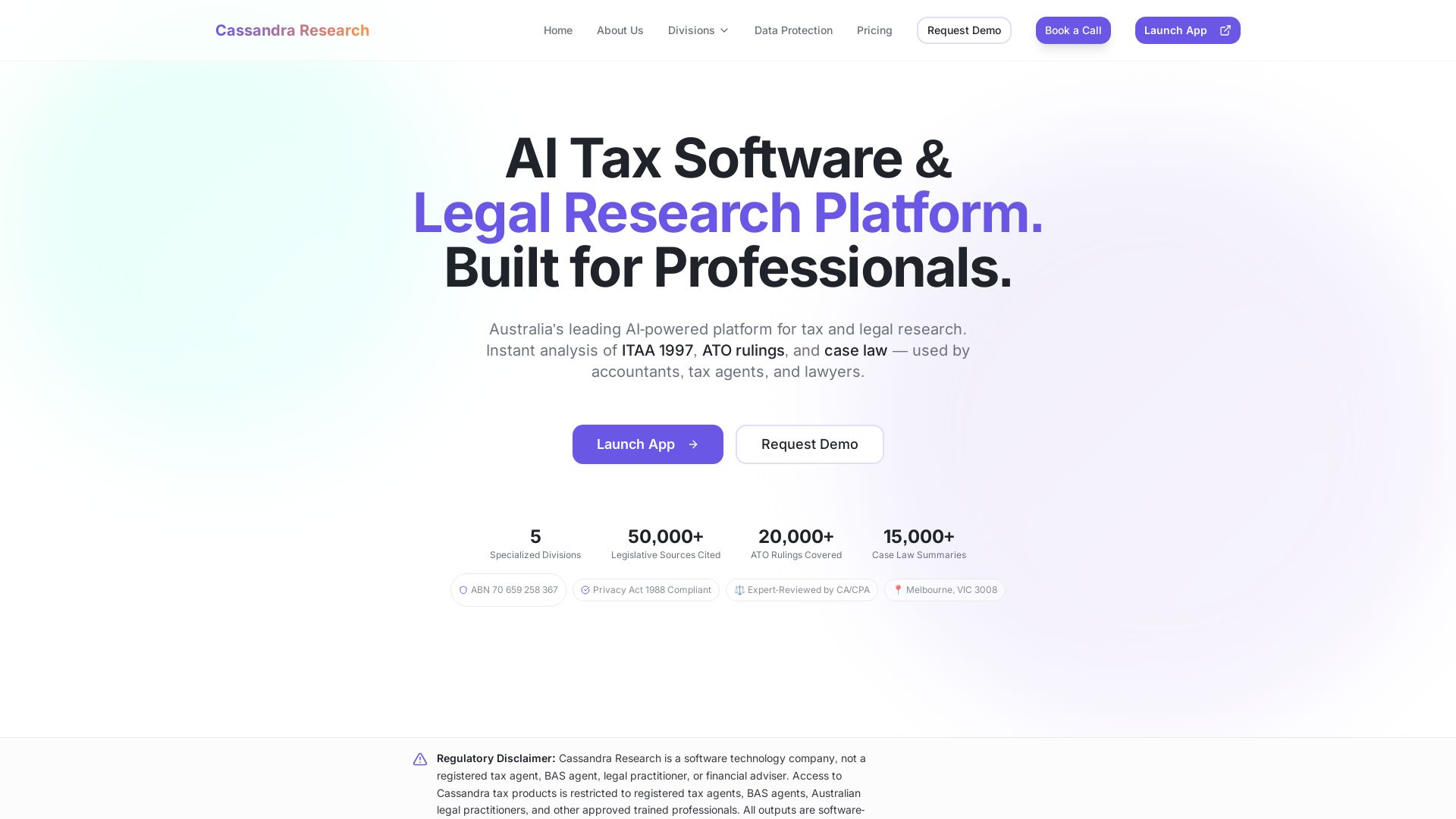
Cassandra Research
Australia's leading AI-powered tax and legal research platform. Instant analysis of ITAA 1997, ATO rulings, and case law for professionals.

Delve AI
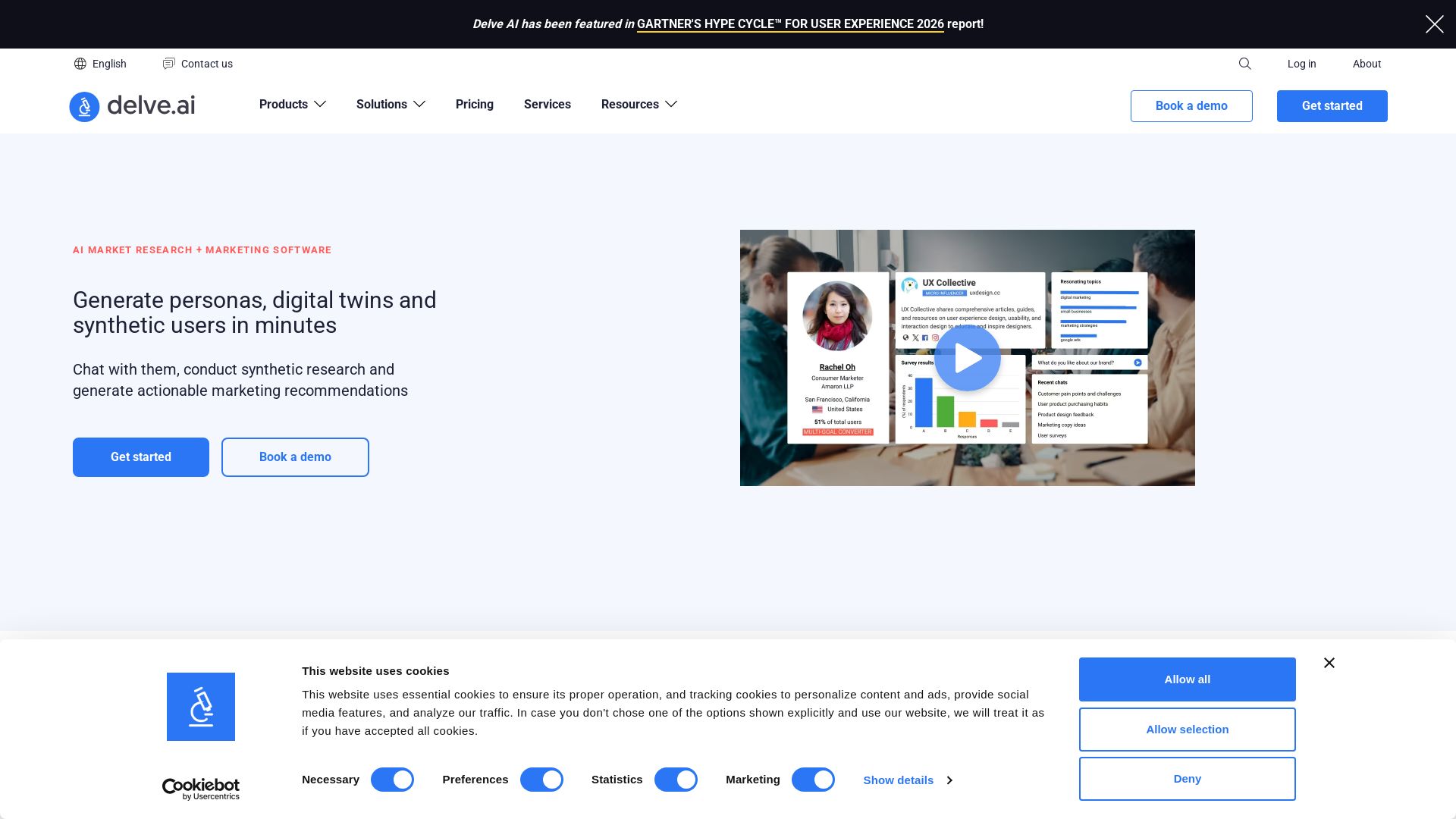
Create AI-driven customer personas, digital twins, and synthetic users for market research. Generate actionable insights in minutes.


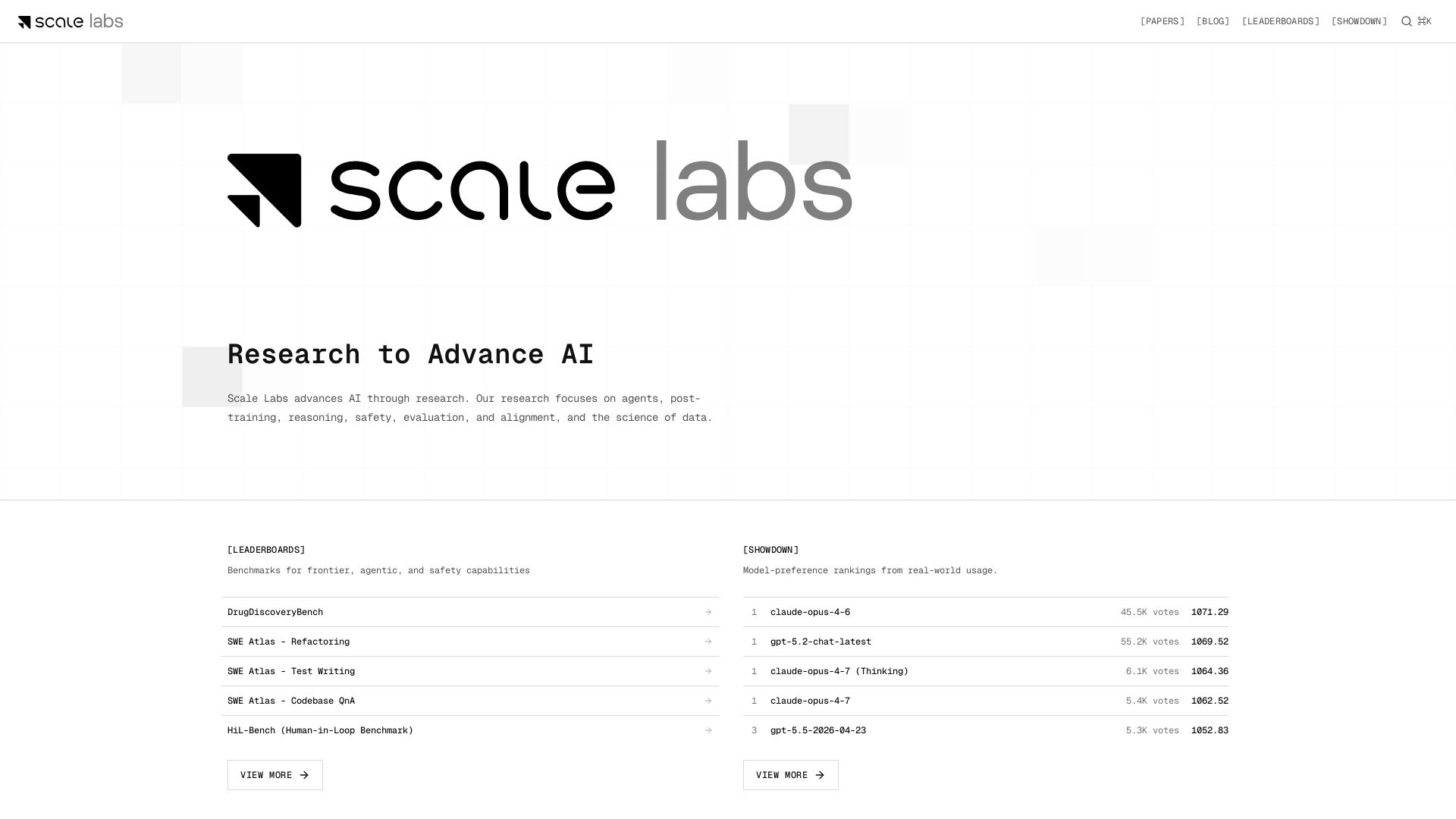
Scale Labs
Your hub for cutting-edge AI research on agents, safety, and evaluation. Explore leaderboards, model showdown rankings, and insightful blogs.

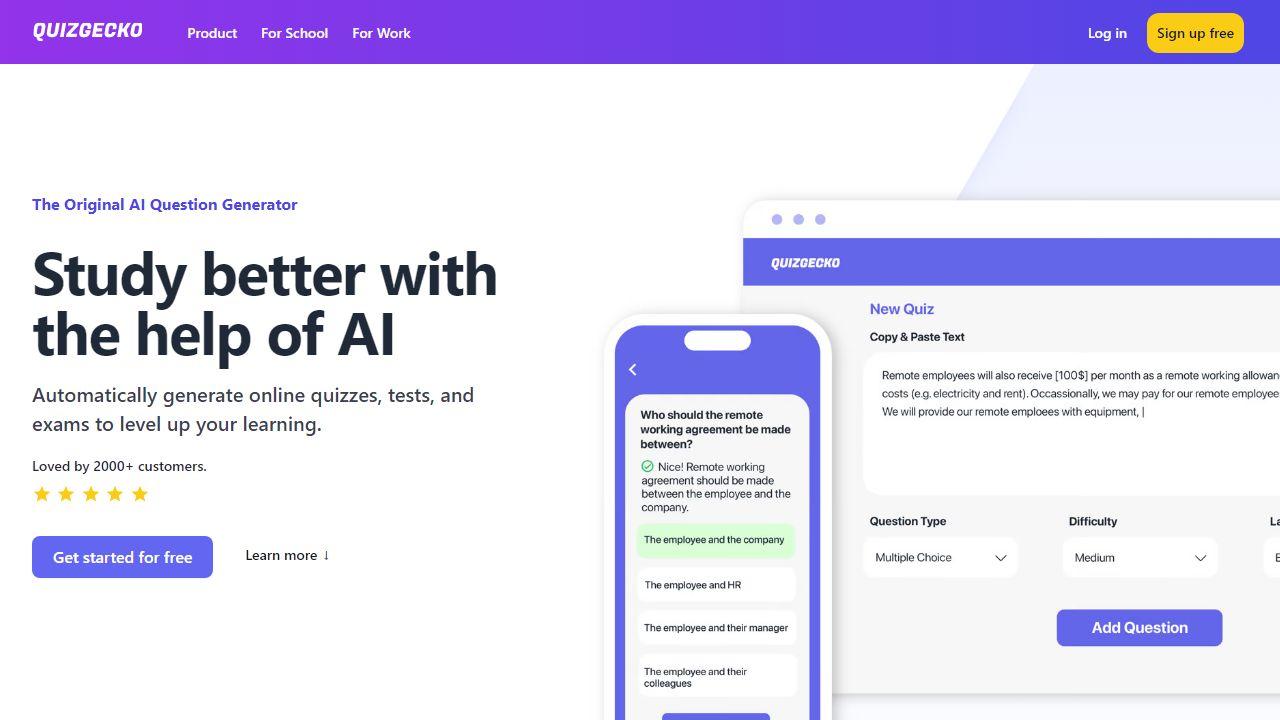
Deep Kondah
In-depth technical blog on AI, LLMs, cybersecurity, eBPF, and software engineering. Stay informed and ahead.

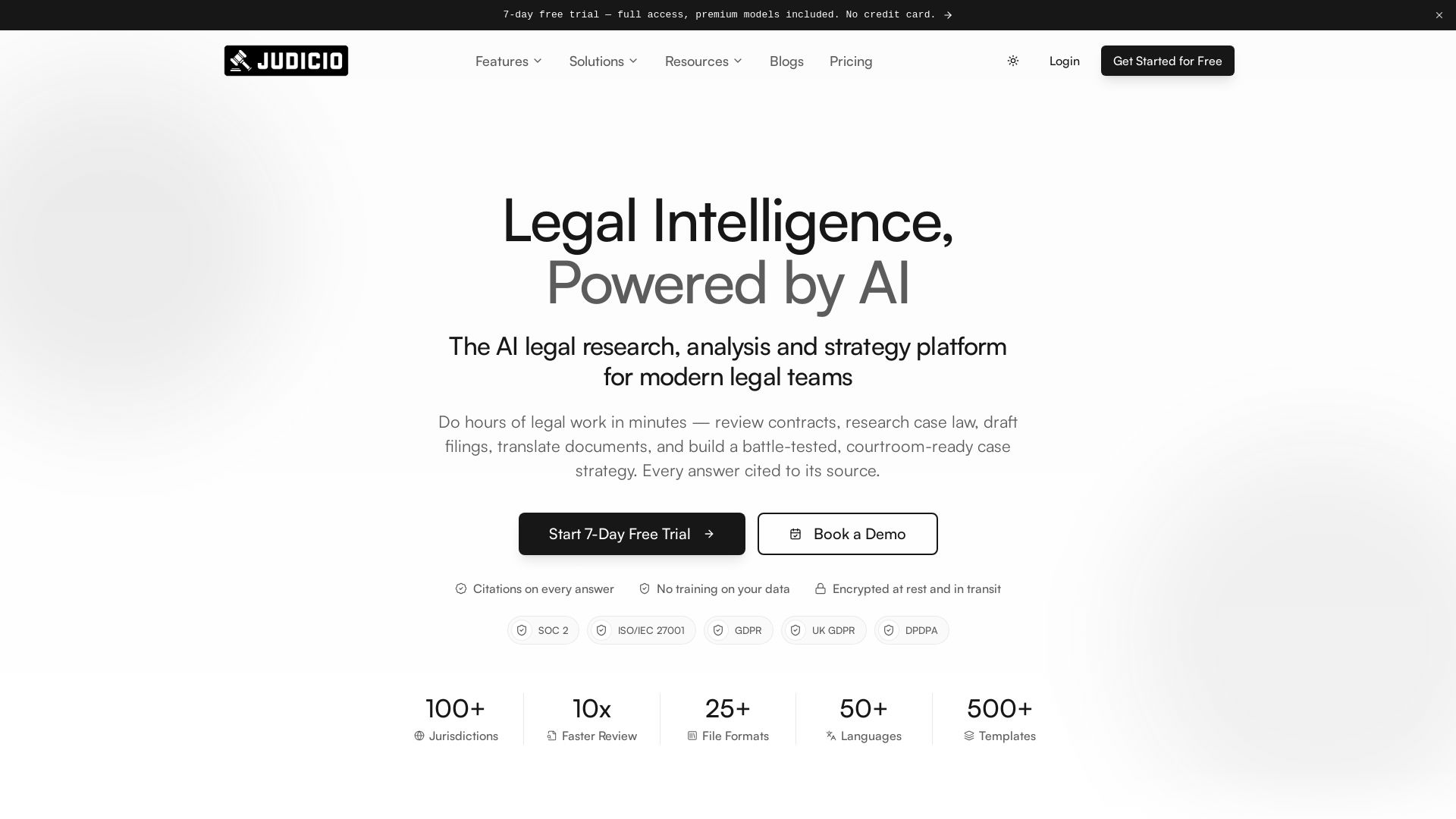
Judicio
AI-powered legal research and document analysis for modern legal teams. Review contracts, research case law, draft filings, and more — every answer cited.

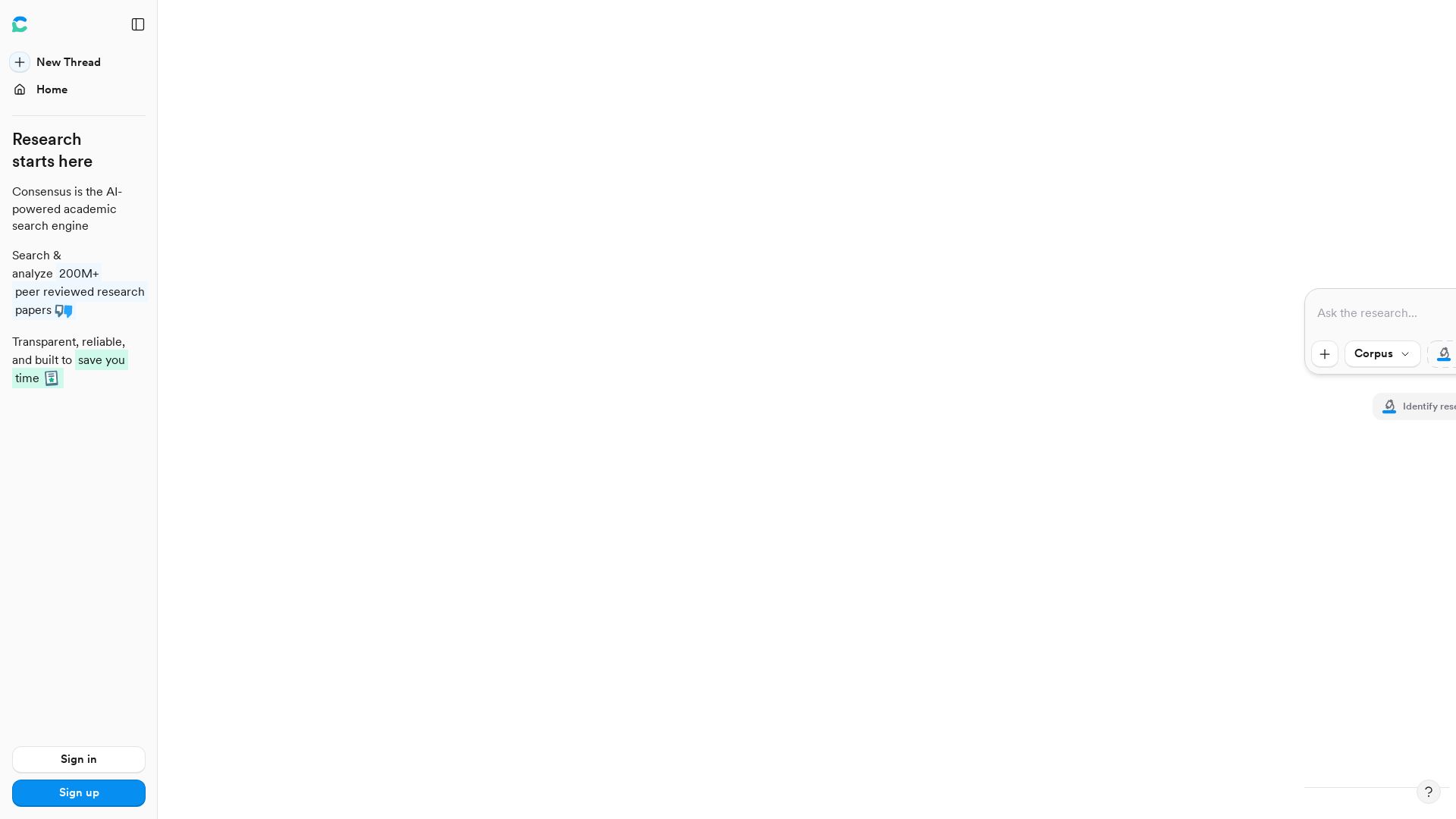
Consensus
Accelerate literature review with AI. Search 250M+ peer-reviewed papers, see consensus, and use Deep Search. Trusted by top universities.

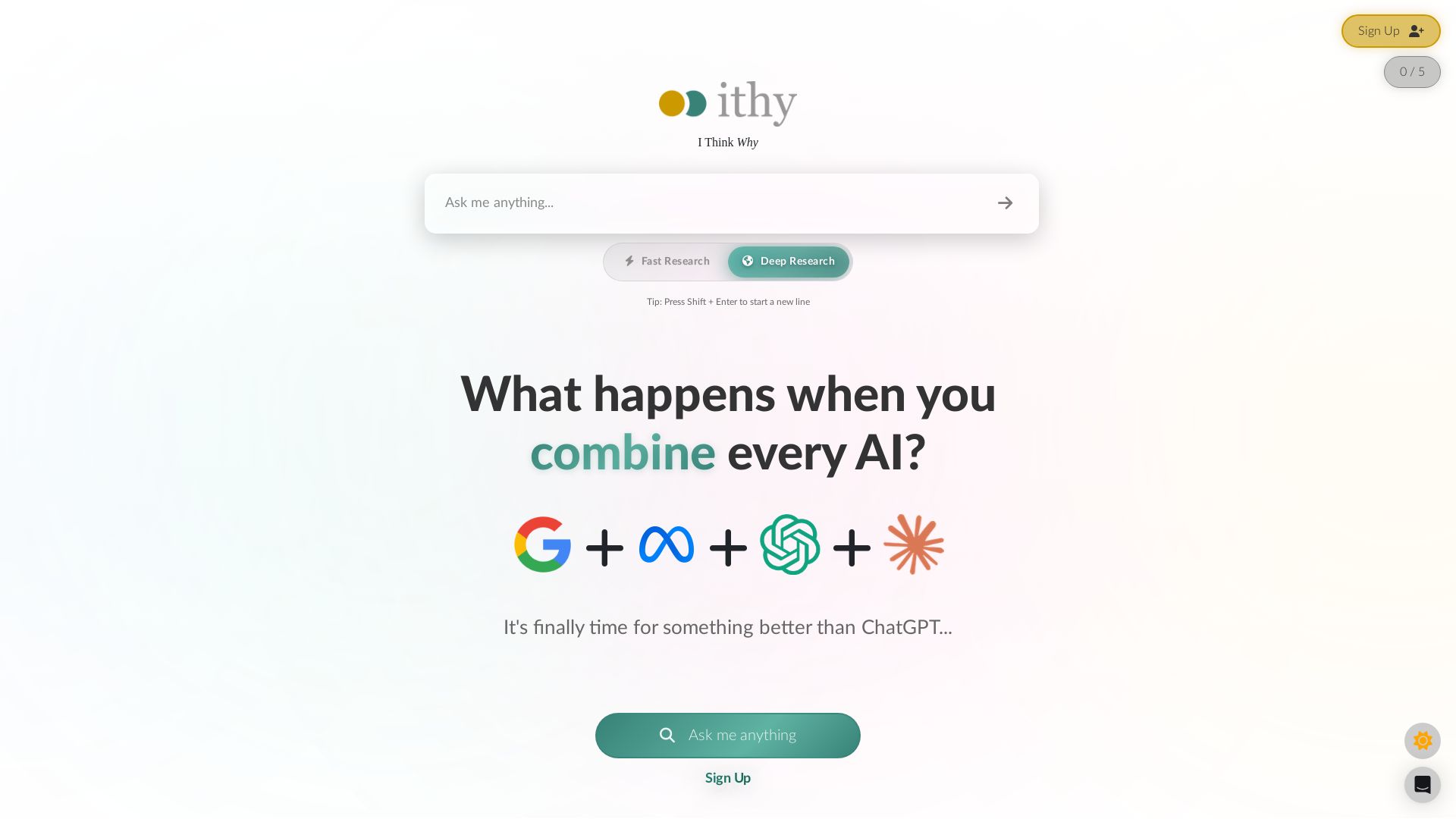
Ithy
Ithy aggregates top AIs (ChatGPT, Gemini, Perplexity) for 1-minute deep research. Interactive articles, rewards, #1 GPQA score. Try free.

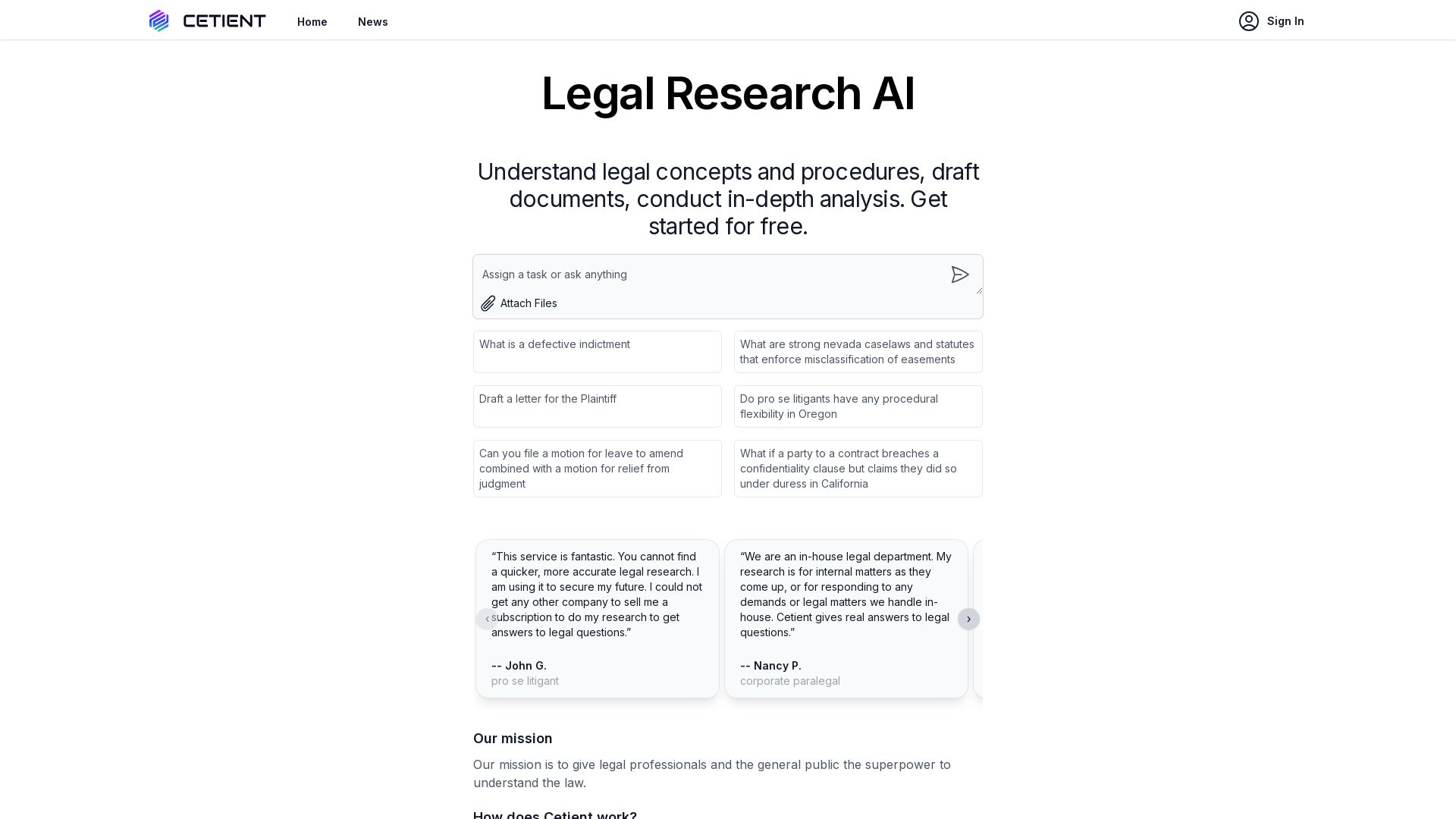

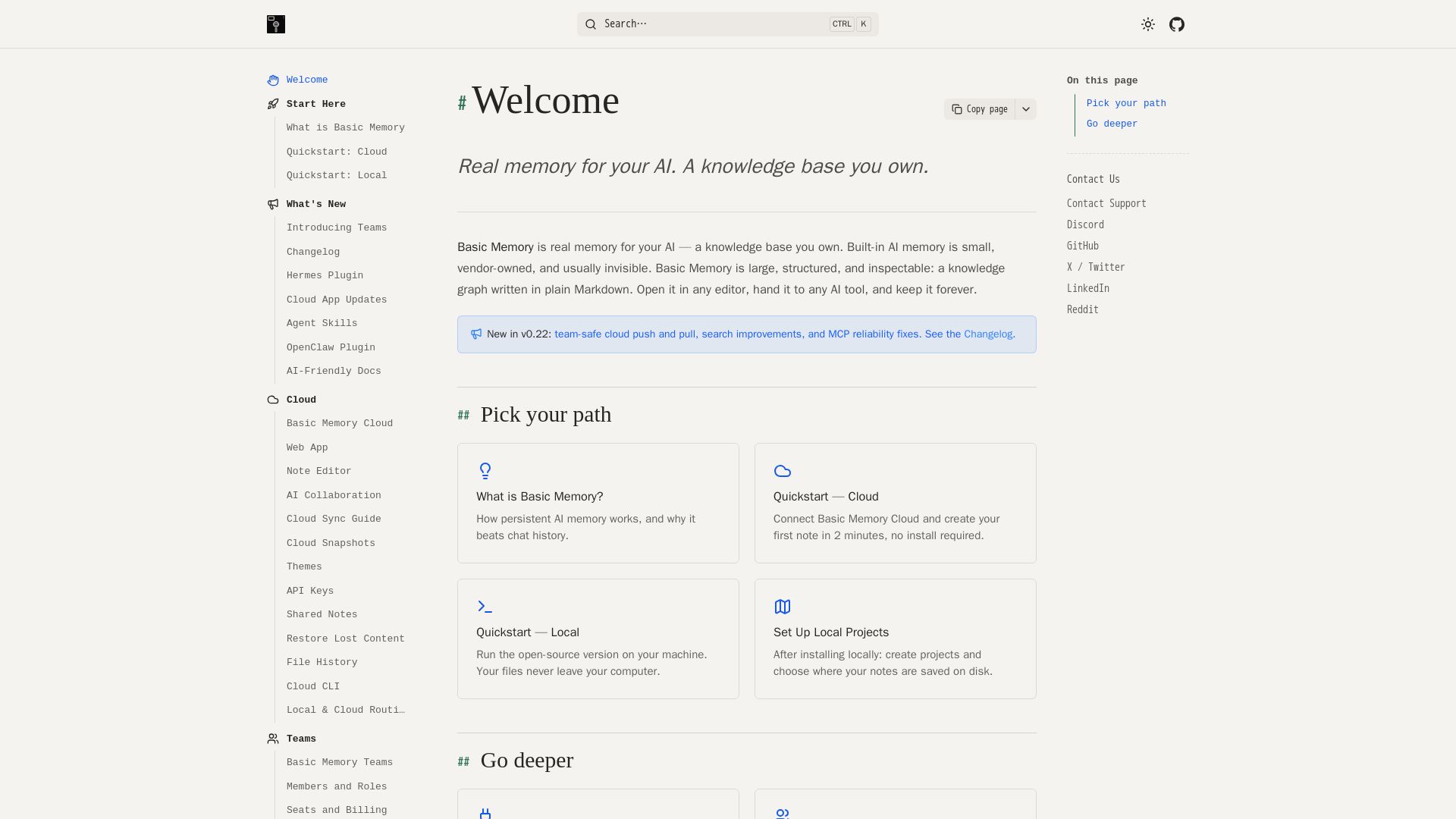
Basic Memory
Persistent, structured, and inspectable AI memory in Markdown. Open source, works with Claude, ChatGPT, and more. Own your knowledge graph.

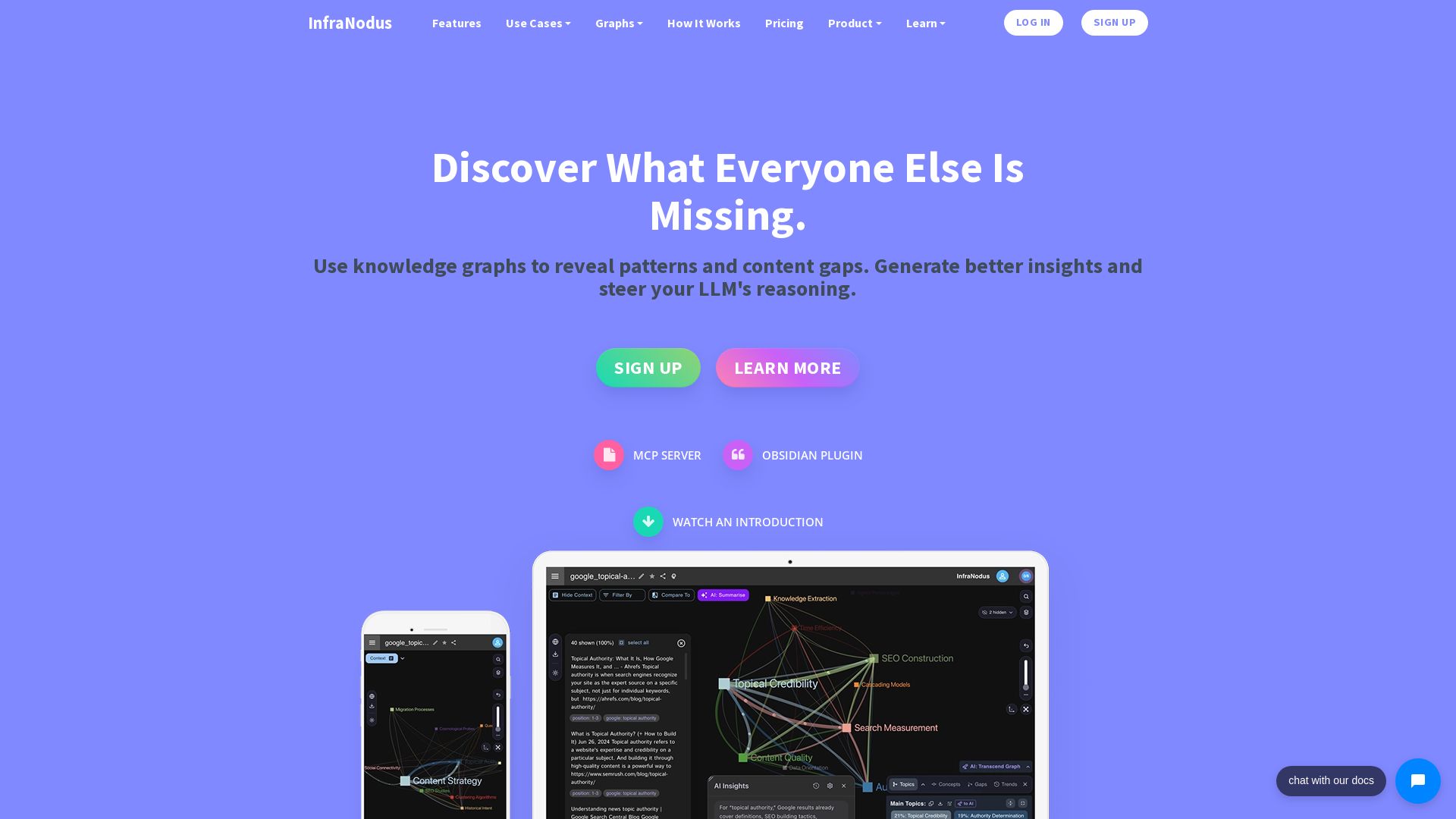
InfraNodus
Reveal patterns and content gaps in any text using AI knowledge graphs. Generate unique insights, steer LLM reasoning, and boost research or SEO.


Semantic Scholar
Free AI-powered research tool for scientific literature. Search 236M+ papers across all fields. Discover, analyze, and stay updated.

ℹ️ Curation Disclosure: The overview and features of Agent Fieldbook were synthesized using AI and fact-checked by our curation team to ensure accuracy.