
Activeloop
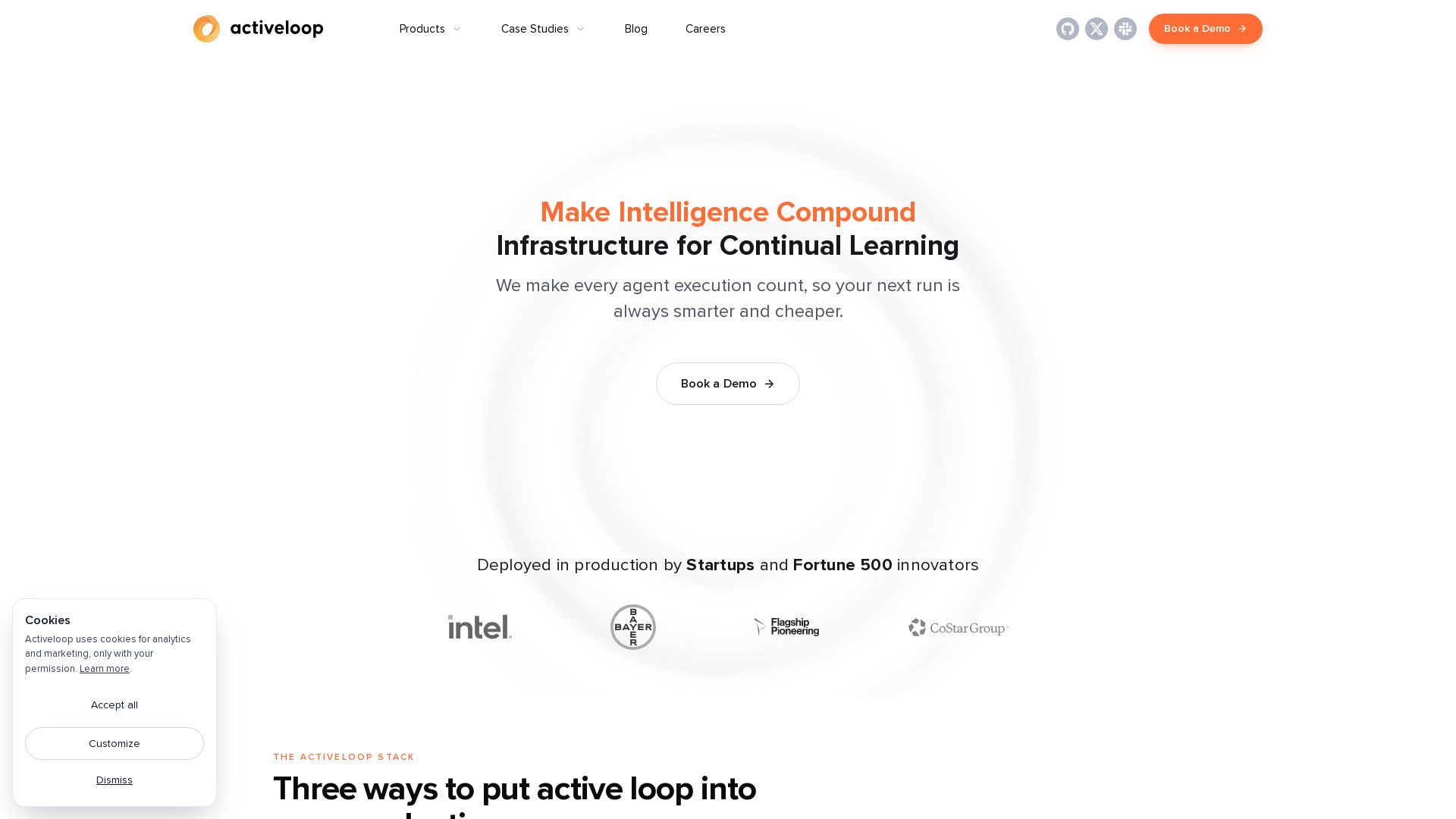
Activeloop provides a continual learning stack with Deeplake, Hivemind, and Refinery, making every agent execution smarter and cheaper. Used by startups and Fortune 500.

Editor's Verdict
Key Takeaways
- Deeplake Database
- Hivemind Org Memory
- Refinery Software Factory
- Continuous Learning Loop
In-Depth Review: What is Activeloop?
Activeloop is the infrastructure for continual learning that turns every AI agent execution into a compounding asset. Our stack includes Deeplake (GPU-native vector+tensor database for grounding agents), Hivemind (shared org memory from agent traces), and Refinery (software factory for continuous improvement). Teams observe production, remember outcomes, improve skills, and verify before shipping. Deployed by innovators from startups to Fortune 500, Activeloop makes your AI systems smarter and cheaper with every cycle.
Core Features
Deeplake Database
A data engine that keeps AI agents grounded with versioned, queryable, GPU-native storage combining vector and tensor in one store with serverless Postgres interface.
Hivemind Org Memory
Agent traces become team skills; captures trajectories for cross-team sync and skill distribution, enabling shared memory across the organization.
Refinery Software Factory
A factory that turns feedback into production by continuous learning, including database optimization, kernel generation, and physical AI policy optimization.
Continuous Learning Loop
Every operation is a loop: observe production traces, remember trajectories as shared memory, improve next cycles, and verify via benchmarks and regression checks.
GPU Streaming
Stream data directly to GPUs for fine-tuning and training, eliminating bottlenecks in data delivery.
Versioned & Queryable Data
All data is versioned and queryable, enabling reproducibility and efficient debugging across AI workflows.
Pricing
Enterprise
- Deeplake Database with vector + tensor storage
- Hivemind org memory with trajectory capture
- Refinery continuous learning automation
- GPU streaming and fine-tuning support
- Serverless Postgres interface
- Dedicated support and onboarding
Pros and Cons
Pros
- GPU-Native PerformanceDirect GPU streaming accelerates training and fine-tuning, reducing data transfer bottlenecks.
- Unified Data & MemoryCombines vector database, tensor storage, and organizational memory in one infrastructure stack.
- Continuous ImprovementBuilt-in loop of observe-remember-improve-verify ensures each iteration gets smarter and cheaper.
- Enterprise-ReadyDeployed by startups and Fortune 500 companies, with case studies in medtech, mapping, and biotech.
- Versioned & ReproducibleAll data and agent traces are versioned, enabling full reproducibility and auditability.
Cons
- Learning CurveNew paradigm of continual learning may require team training and adjustment to existing workflows.
- No Self-Serve PricingPricing is custom and requires booking a demo, which may be a barrier for small teams or individuals.
- Integration EffortAdoption requires integrating with existing production pipelines and possibly migrating data stores.
- Limited Public InformationDetailed documentation and API specs are not extensively available without contacting sales.
- Infrastructure ComplexityRunning the full stack may add operational overhead, especially for smaller deployments.
Use Cases & Recommended Professions
AI/ML Engineer→ View Toolkit
Uses Deeplake for efficient data management and streaming to GPUs, and Refinery for automated model improvement.
Data Scientist→ View Toolkit
Benefits from versioned, queryable data and shared organizational memory to reuse past analysis and collaborate.
Software Engineer→ View Toolkit
Integrates Agent traces and continuous learning loops into production software, reducing rework and improving cycle times.
DevOps / MLOps Engineer→ View Toolkit
Manages the infrastructure for continual learning, ensuring observability, versioning, and regression testing.
Product Manager (AI Products)→ View Toolkit
Leverages Hivemind's cross-team sync to distribute skills and knowledge across the organization, improving product velocity.
Research Scientist→ View Toolkit
Uses GPU streaming and versioned data for reproducible experiments, and continuous learning for policy optimization.
Frequently Asked Questions
Alternative AI Tools
View Detailed Comparison →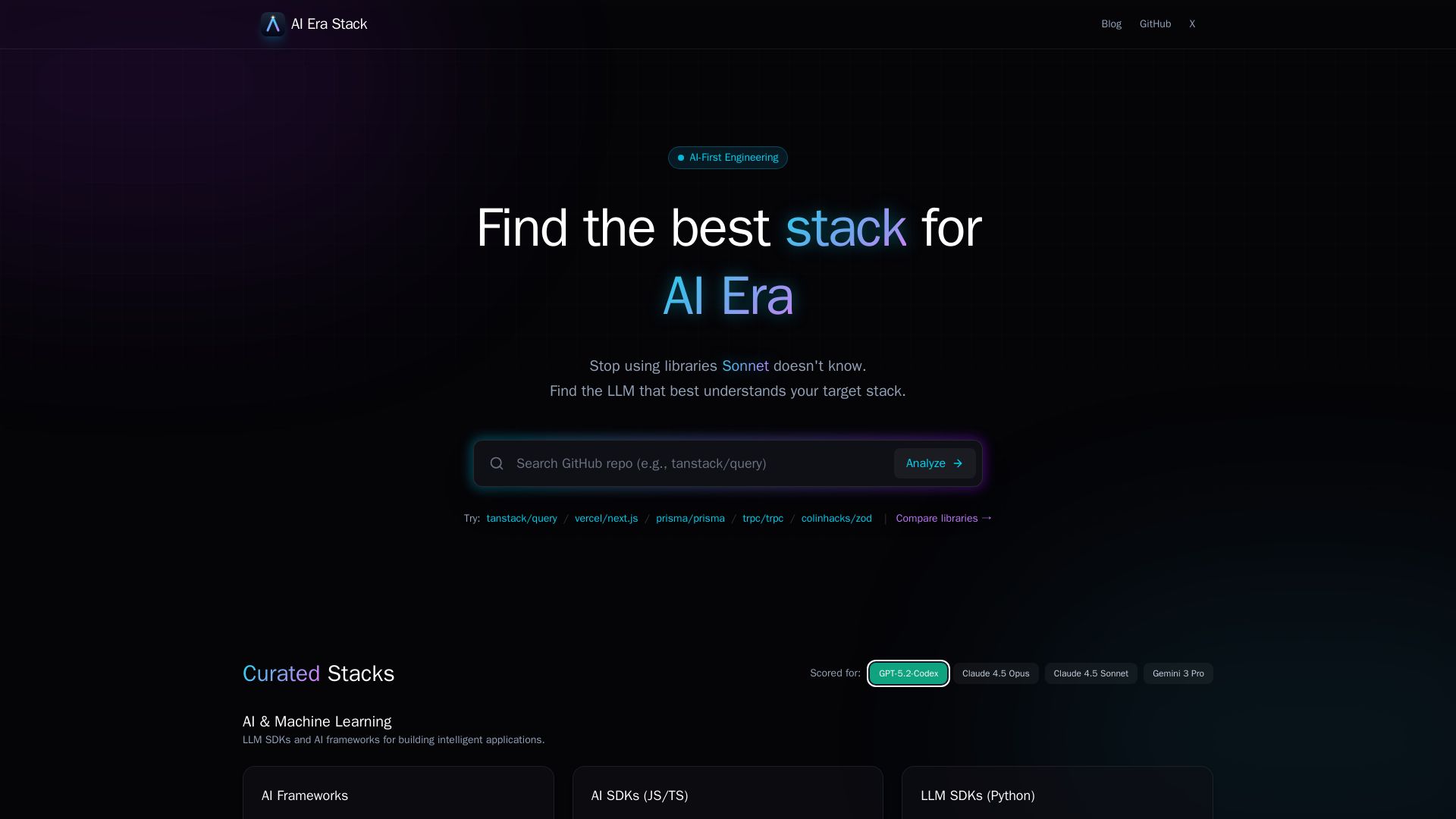
AI Era Stack
Discover which GitHub projects are best understood by LLMs like GPT, Claude, Gemini. Score based on AI coverage, adoption, and more. Choose stacks AI knows.

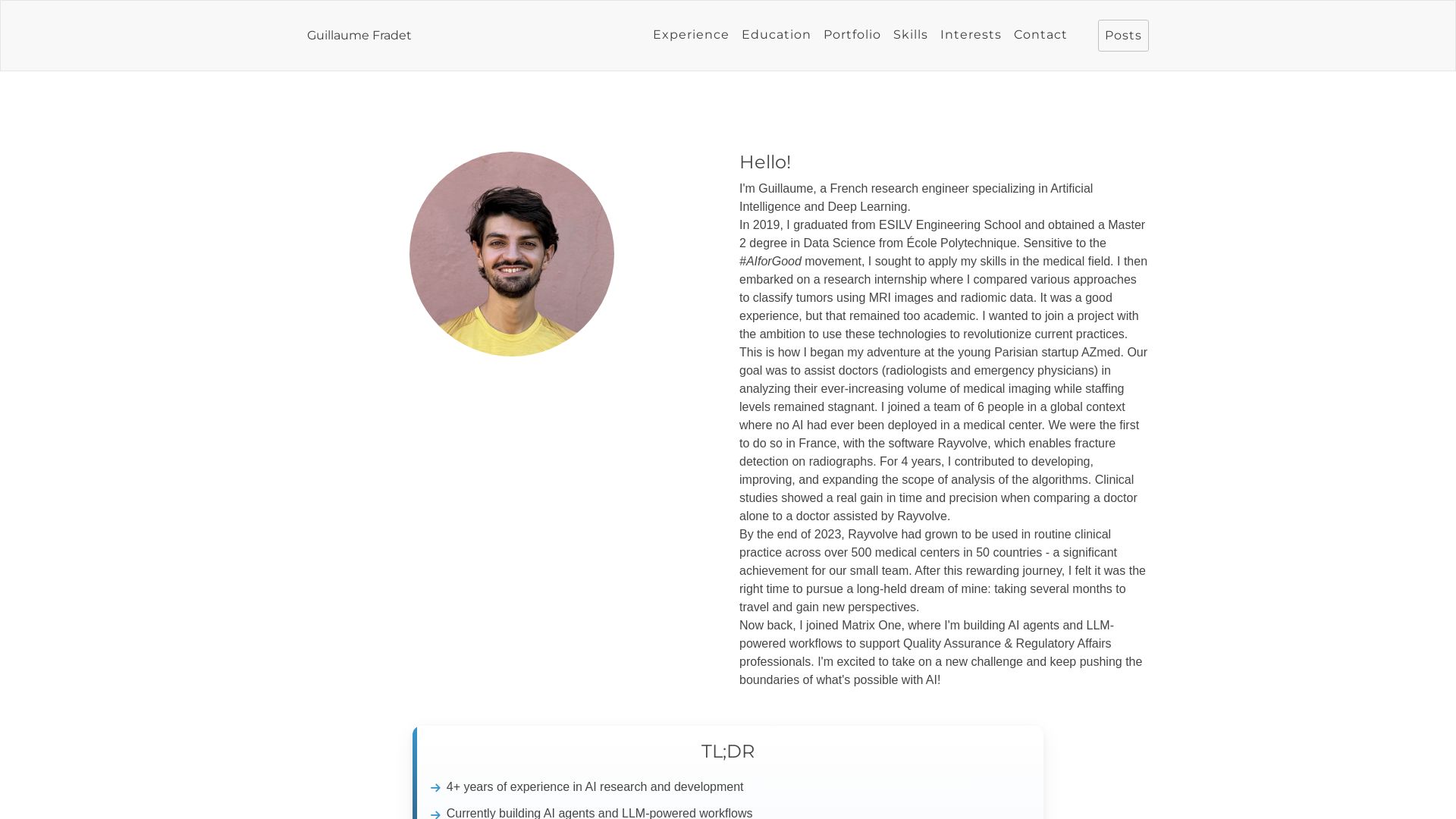
Making AI think and act: my approach to the Hugging Face AI ...
Experienced AI engineer specializing in medical imaging and LLM-powered agents. Built globally deployed radiology AI at AZmed. Now building AI agents at Matrix One.

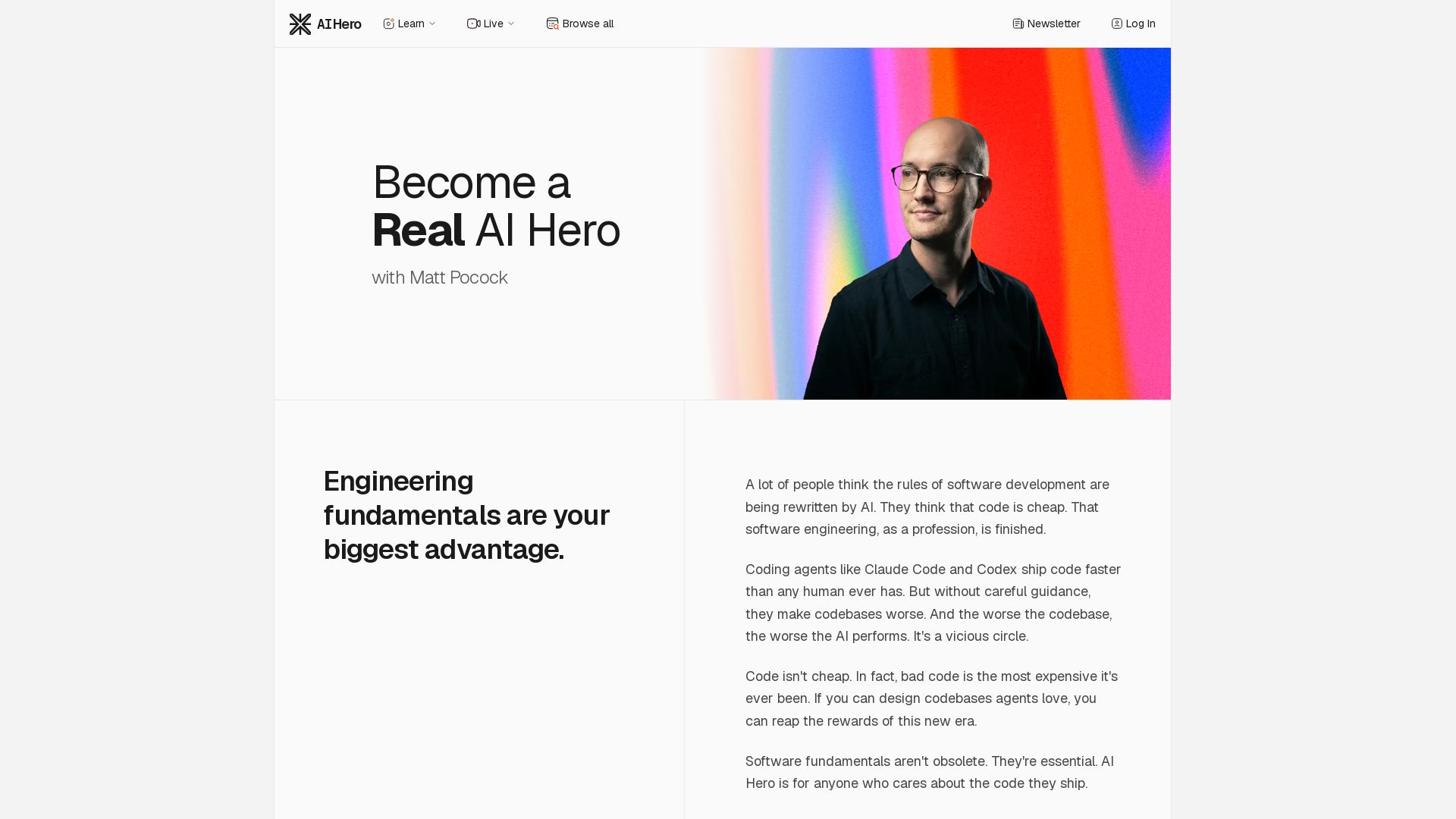
AI Hero
Master AI-assisted coding with proven engineering fundamentals. Learn to make codebases agents love, control AI output quality, and build real skills. Join 70k+ developers.


Xebia
Xebia helps enterprises become AI-first with consulting, engineering, and training. Specializing in agentic data foundations, AI-native engineering, and building AI-ready leaders.


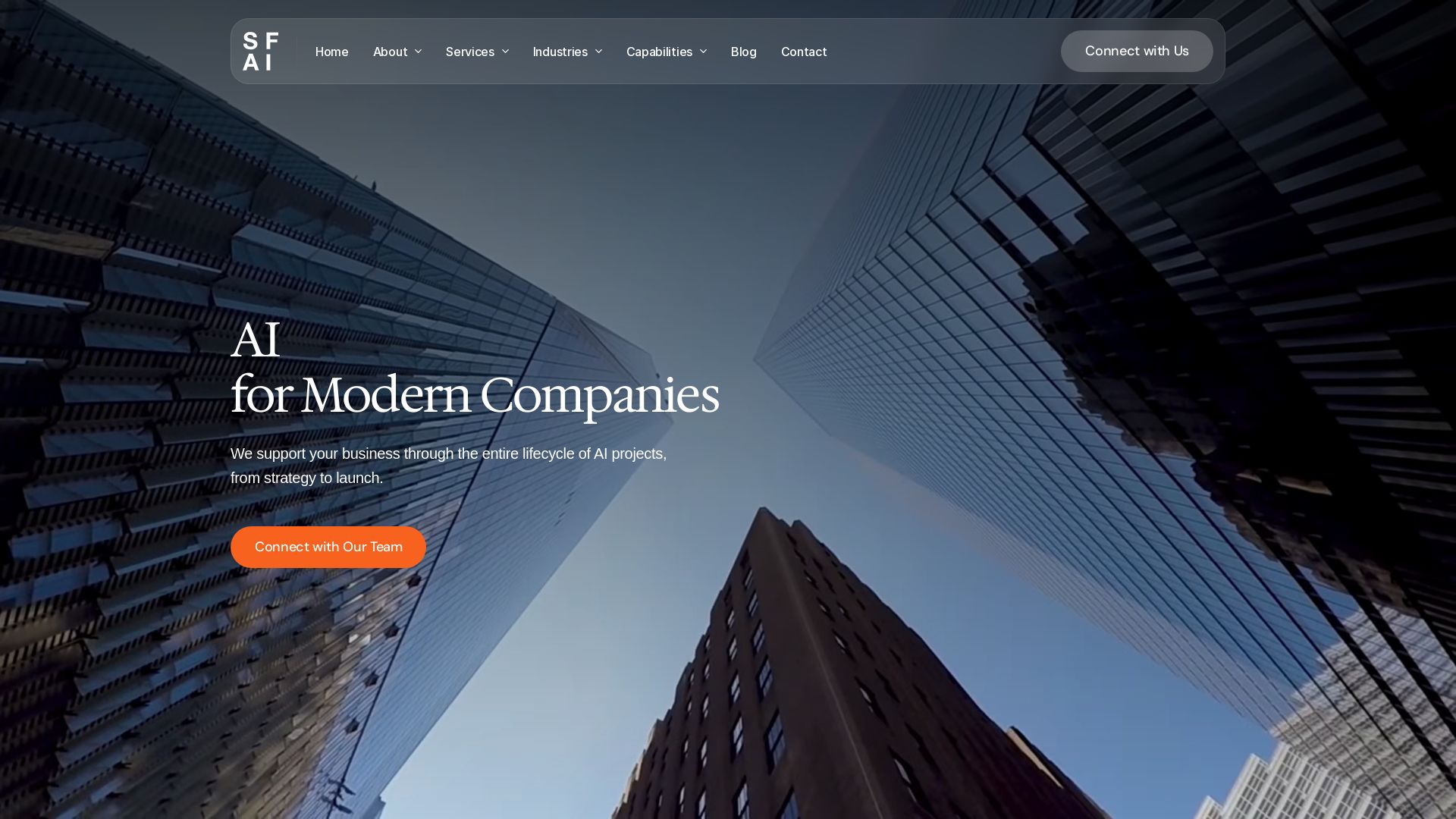
SF AI Labs
End-to-end AI services from strategy to launch. Proven delivery framework, expert network in San Francisco. Maximize ROI with custom AI solutions for modern companies.

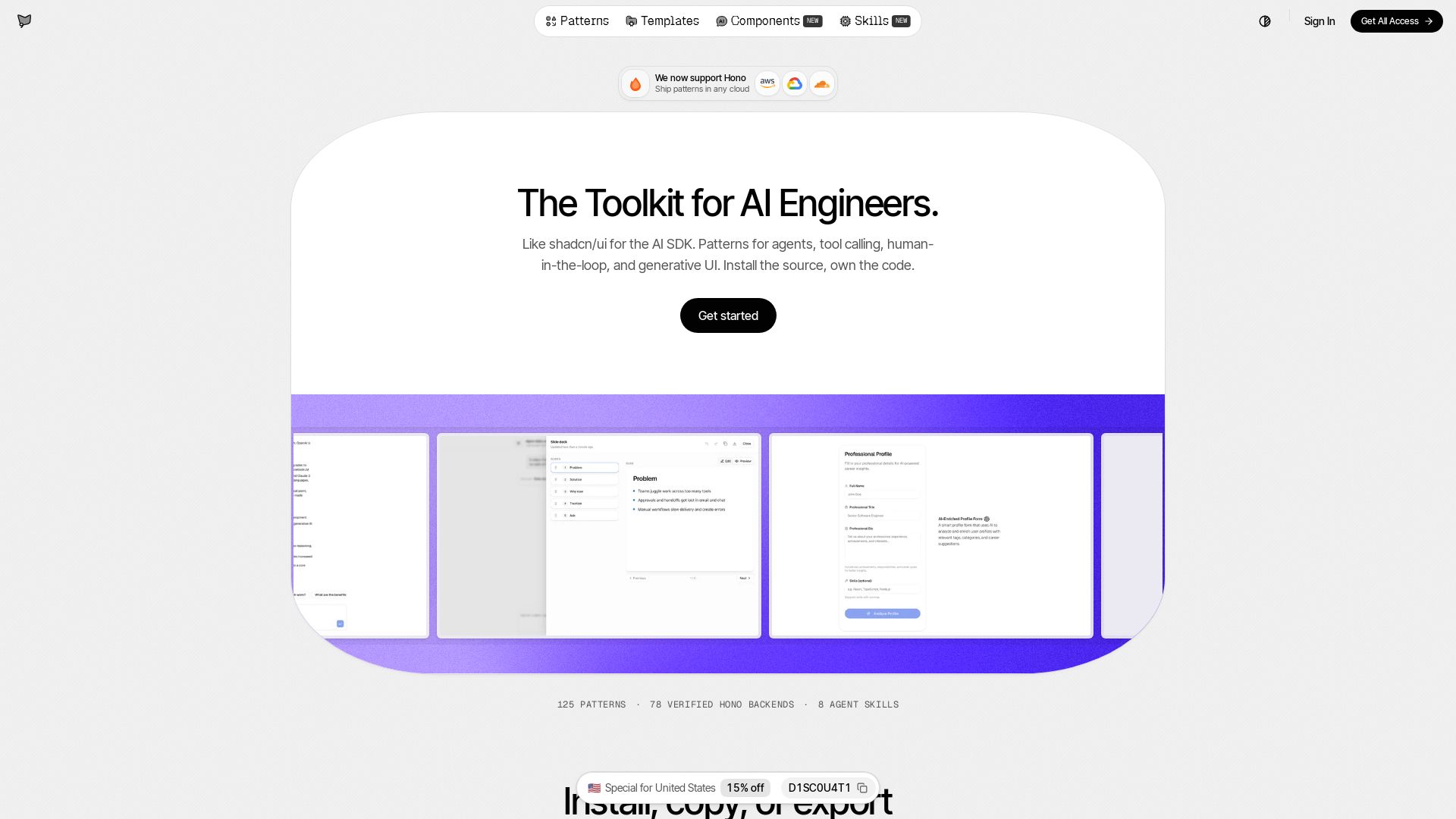
AI SDK AGENTS
The toolkit for AI engineers. Install, copy, or export 125 AI SDK patterns for agents, tool calling, human-in-the-loop, and generative UI. Full source code, own your stack.

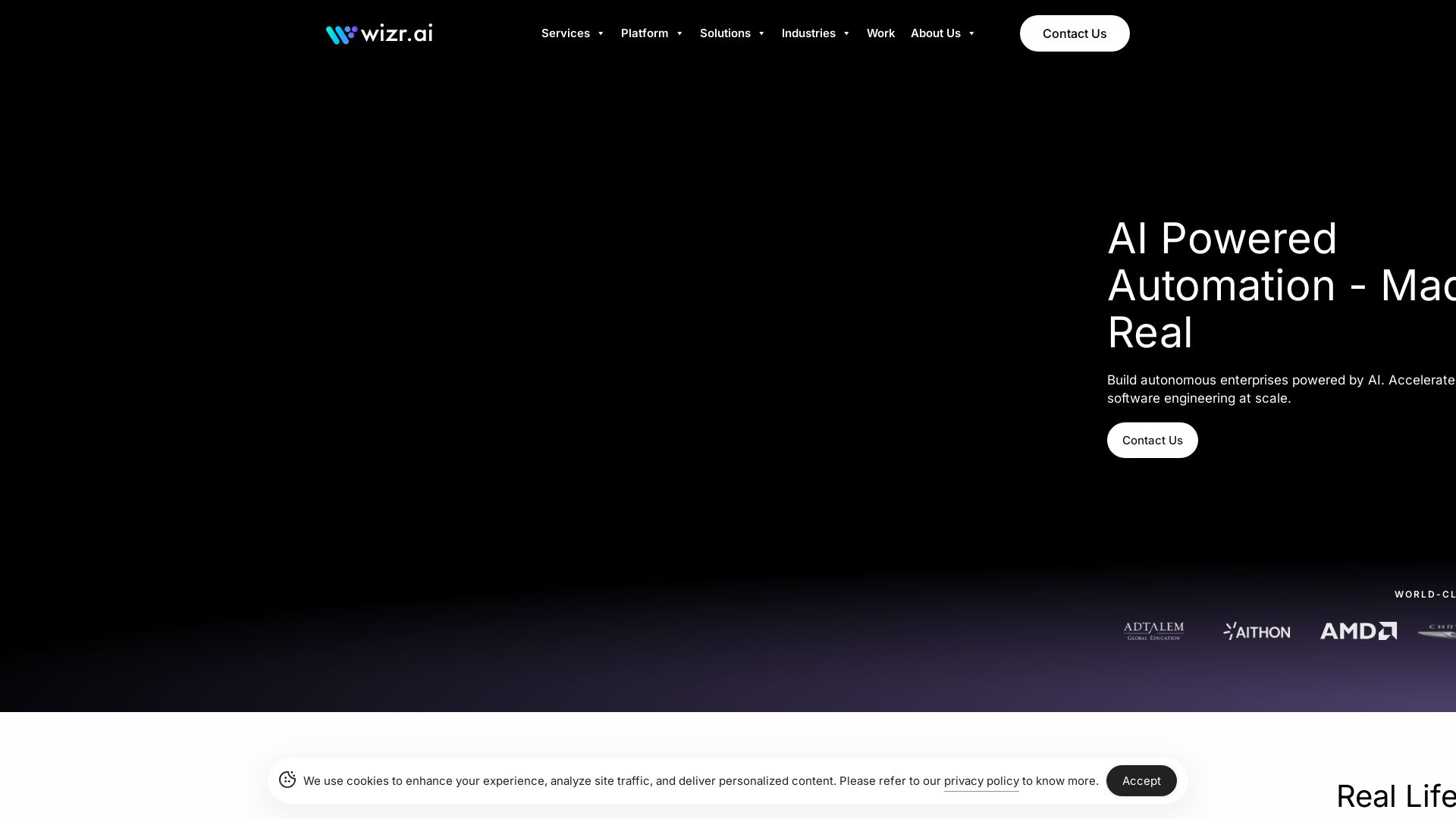
Wizr AI
Build autonomous enterprises with AI-powered automation. Accelerate software delivery by 50% with production-ready AI systems. Trusted by world-class enterprises.

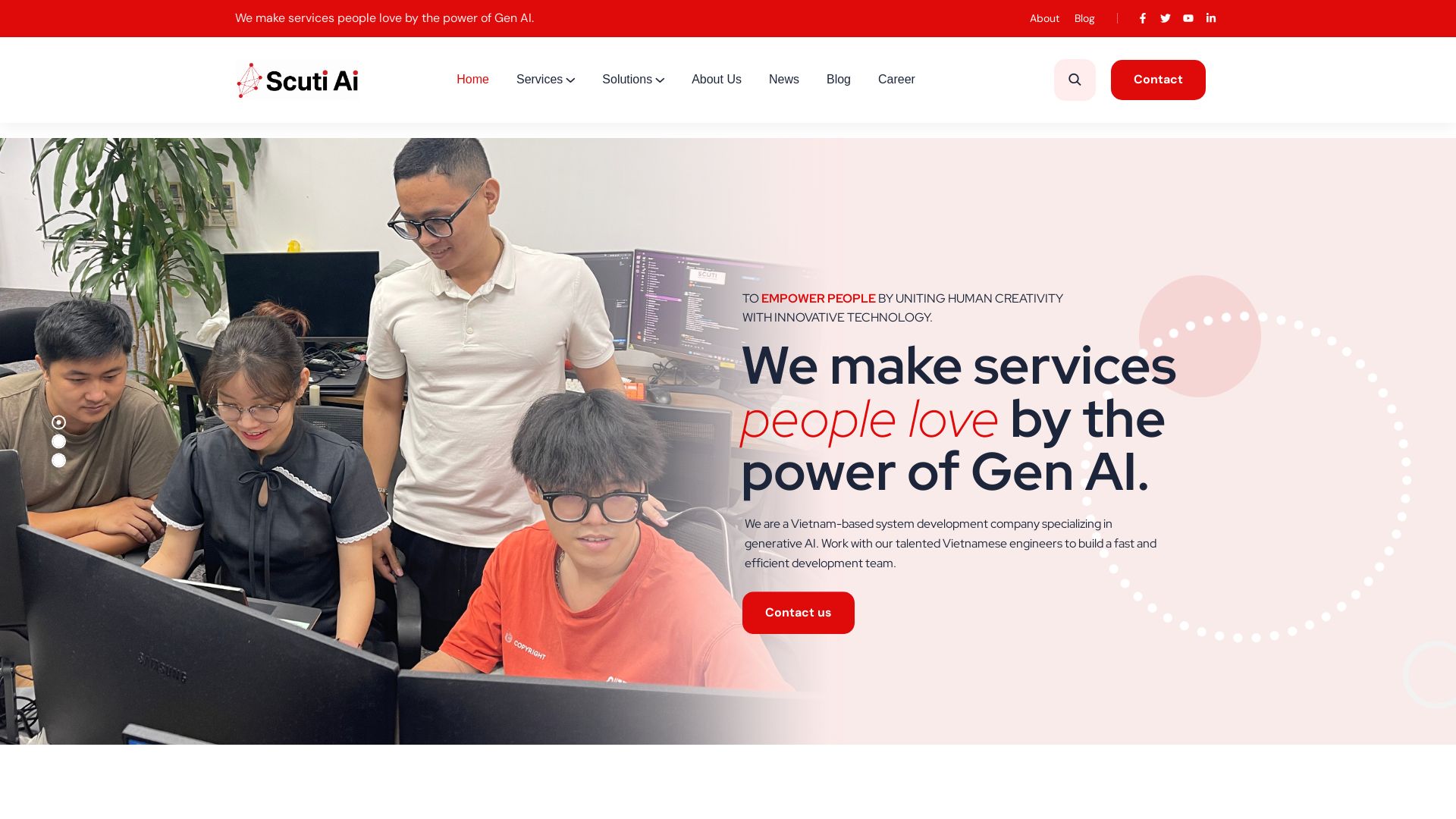
Scuti AI
We specialize in generative AI, AI-OCR, RAG, and offshore development. Combining Vietnam's speed with Japan's quality to automate tasks and boost business.


Section AI
Turn AI investment into workforce transformation with Section. Command center, coaching, and strategic support to drive measurable ROI.

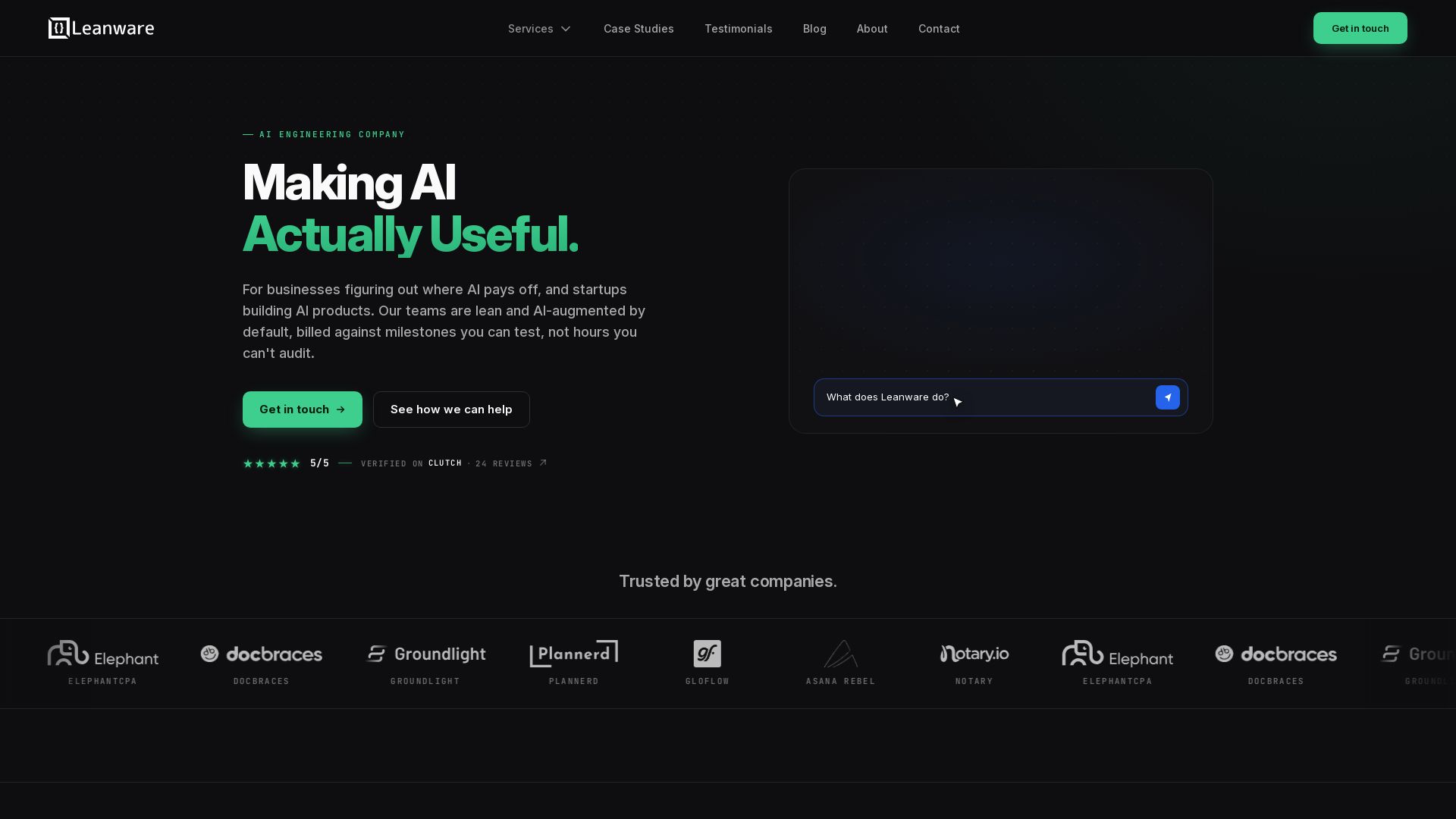
Leanware
We build custom AI agents, ship AI products, and assess AI ROI. Milestone-billed, lean teams, no handoffs. Trusted by startups and businesses.

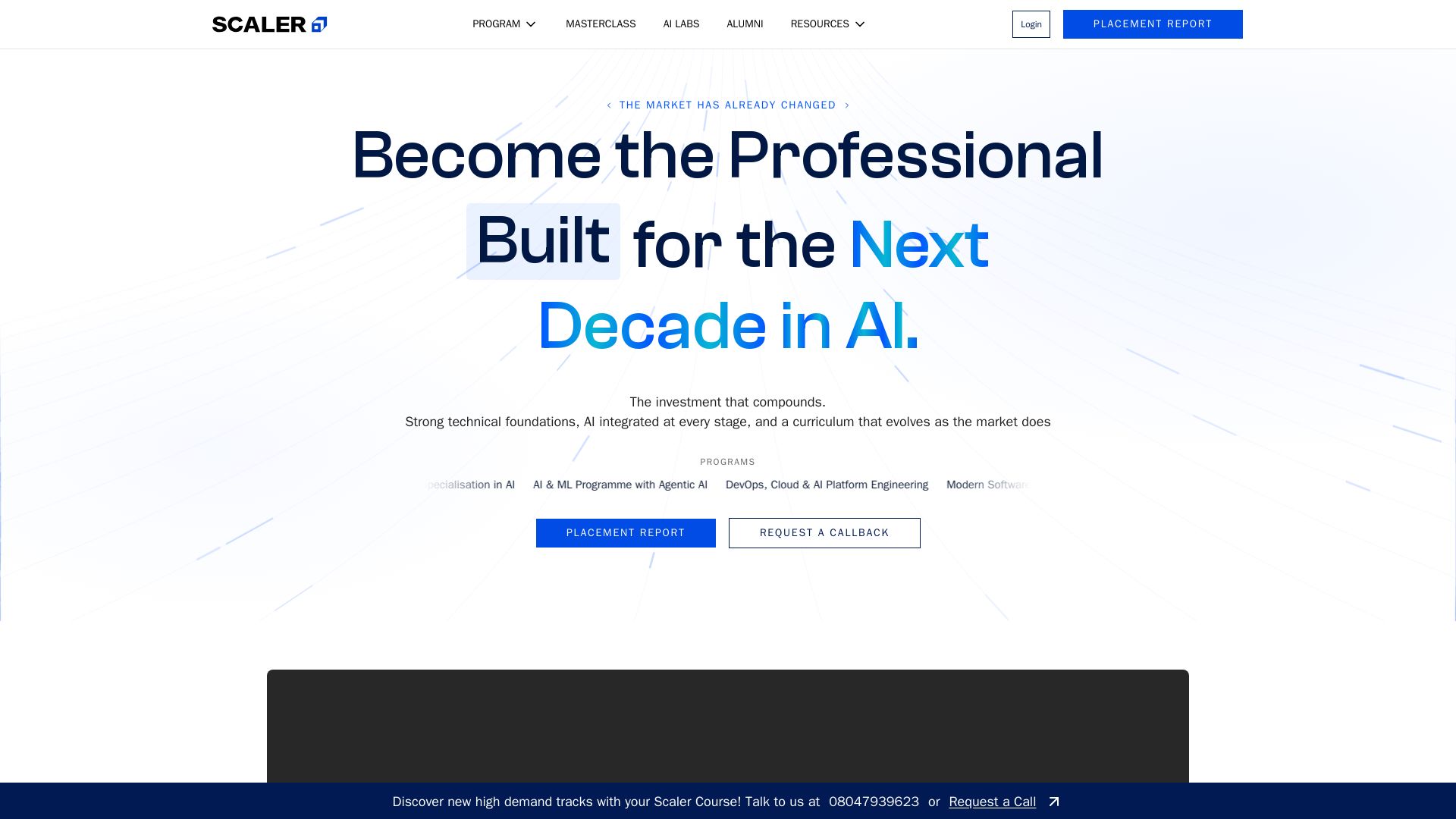
Scaler
Master AI-integrated software engineering, data science, or DevOps with real-world projects, mentors, and lifelong learning. Transform your career. 4.8+ ratings.

ℹ️ Curation Disclosure: The overview and features of Activeloop were synthesized using AI and fact-checked by our curation team to ensure accuracy.